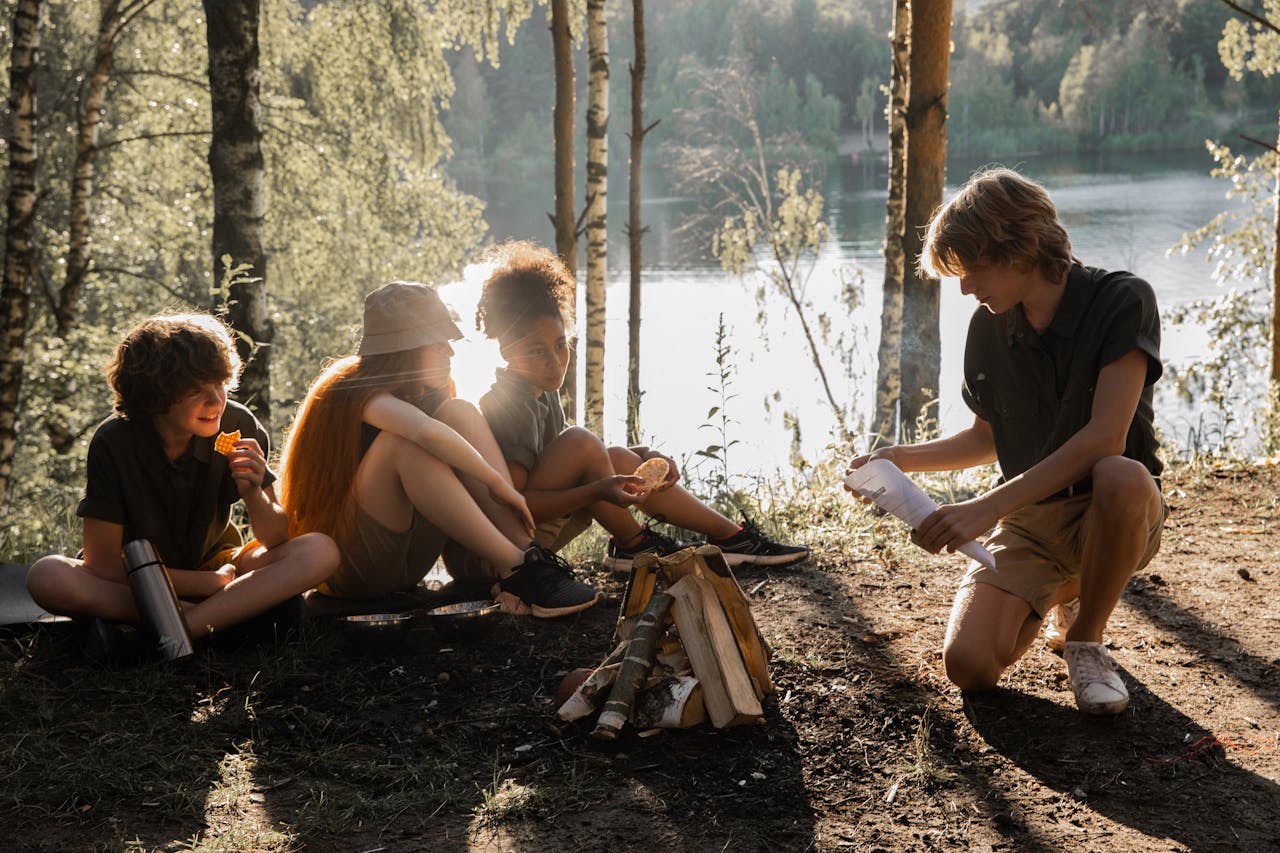
Outdoor skills programs are seeing a surge in popularity among young people. The Outdoor Foundation’s 2024 report revealed that youth participation in outdoor activities rose by 12% in the past five years, with bushcraft and survival skills among the fastest-growing interests. For teens, hands-on projects not only build confidence but also teach resourcefulness, safety, and environmental awareness. These beginner-friendly bushcraft activities are perfect for Fall 2025, a season when cooler weather and abundant natural materials create ideal learning conditions.
Whittle Your First Wooden Spoon
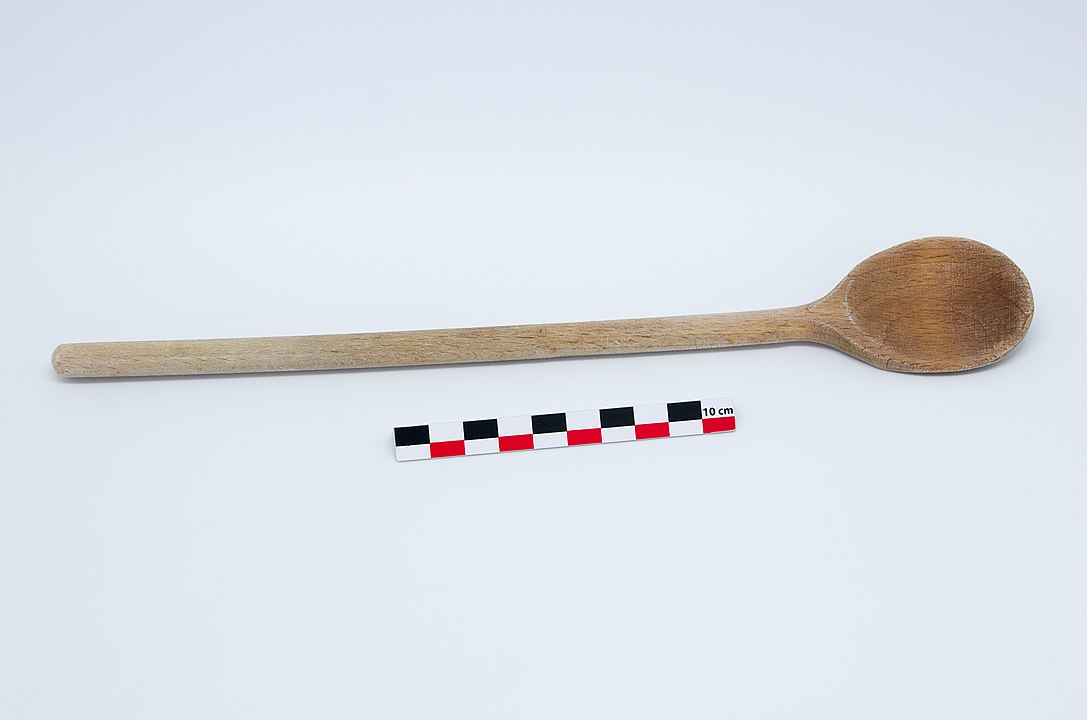
Carving a wooden spoon introduces knife safety, hand-eye coordination, and patience. Beginners often use green wood from species like birch or willow, which are softer and easier to shape. According to data from the Woodworkers Guild of America, spoon carving is one of the most common entry-level whittling projects because it teaches controlled cuts and the basics of grain reading. Teens can finish spoons with food-safe oils like mineral oil, gaining a practical item and a foundational skill in woodworking.
Build a Lean-To Shelter for Realistic Practice
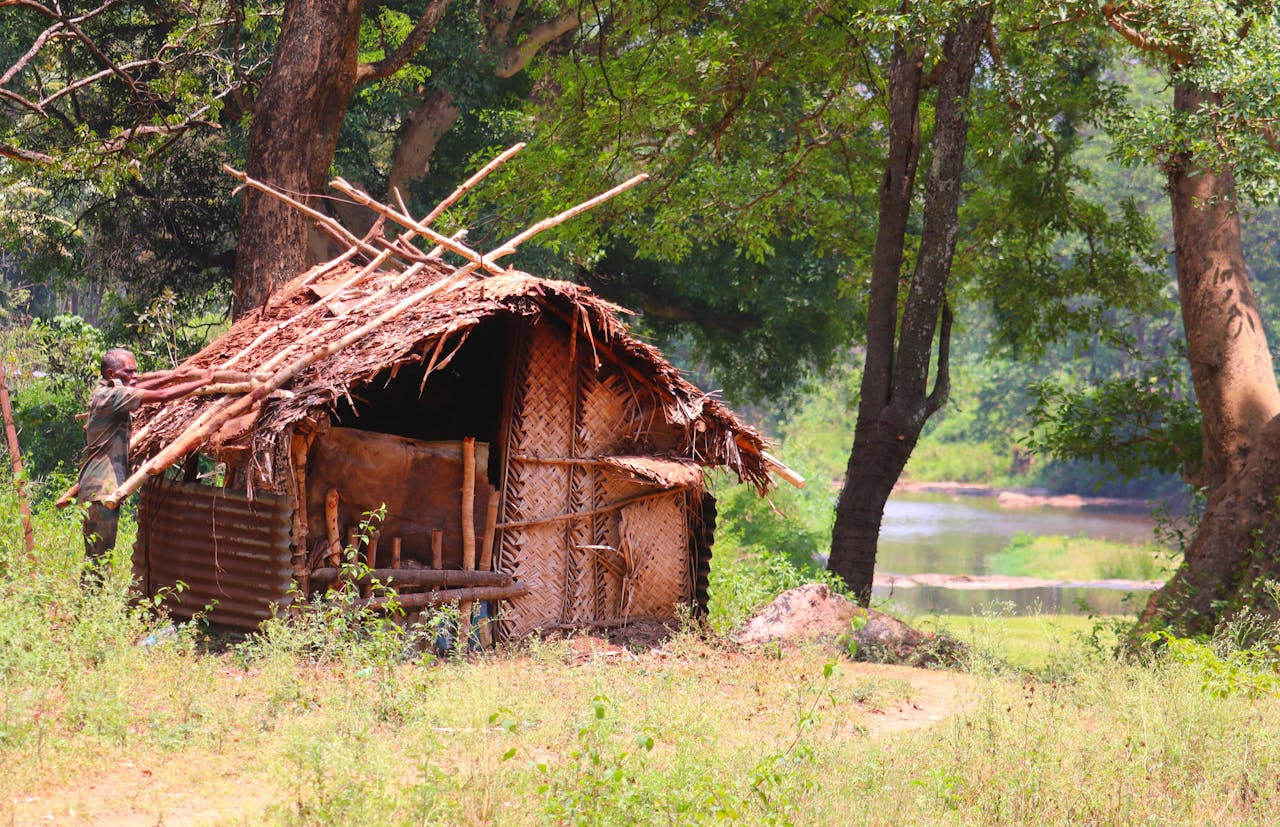
Lean-to shelters are among the simplest survival structures, used historically by hunters and trappers across North America. Research by the Boy Scouts of America shows that shelter-building ranks as the top three requested skills in survival training programs. Teens can practice using fallen branches for the frame and natural materials like leaves or pine boughs for insulation. Building a lean-to not only reinforces teamwork but also demonstrates how insulation thickness directly impacts heat retention, a valuable real-world lesson in cold-weather survival.
Feather Stick Fire-Starting Made Easy
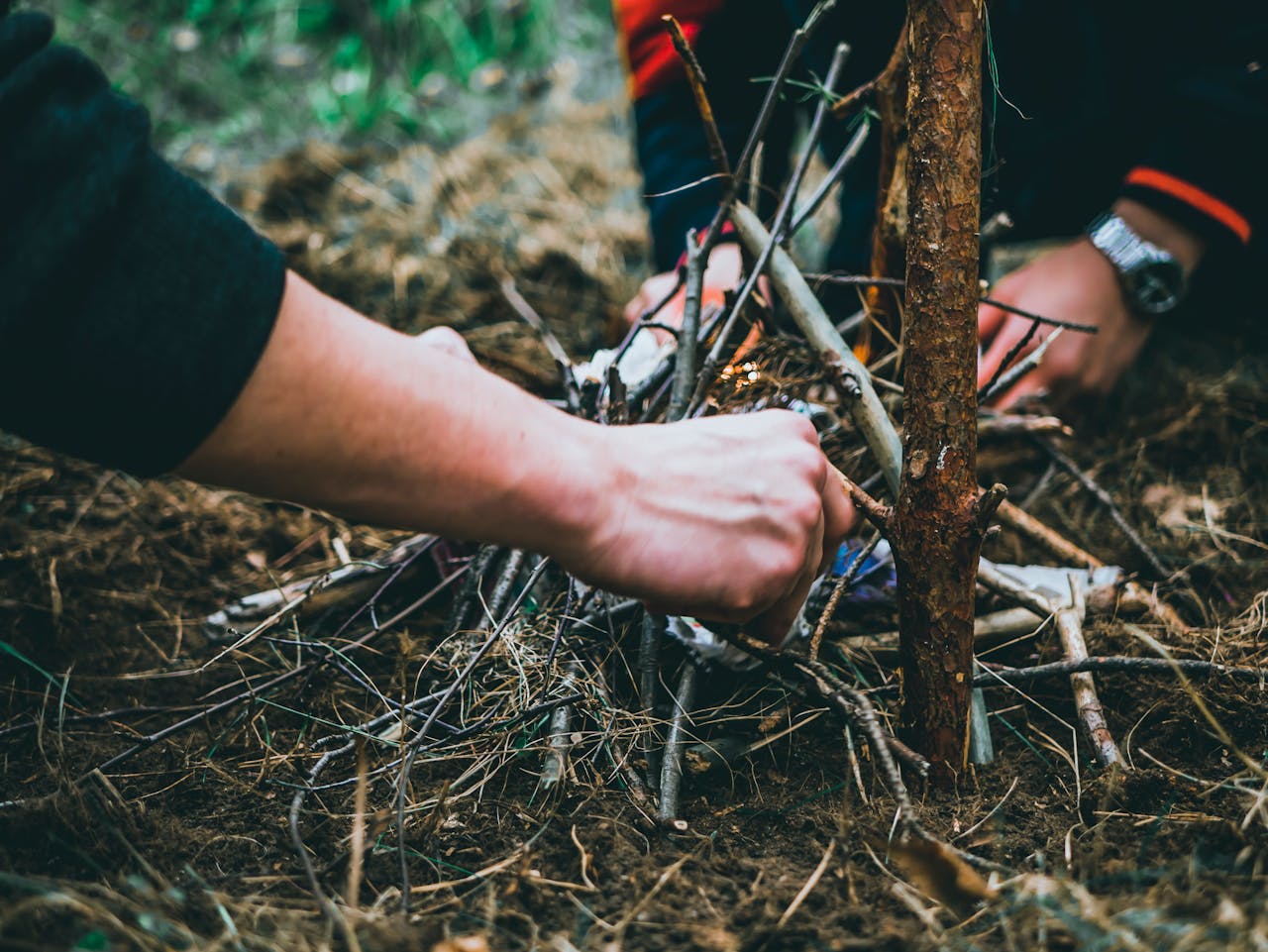
Feather sticks are used when dry tinder is scarce, allowing controlled curls of wood shavings to catch sparks. Tests published in Bushcraft & Survival Skills Magazine found that feather sticks made from softwoods like cedar ignite 40% faster than randomly collected twigs. By practicing consistent curls with a sharp knife, teens develop blade control and learn how surface area affects ignition. It’s a low-risk project with immediate feedback, teaching both technique and patience in fire preparation.
Spark a Fire with Flint and Steel
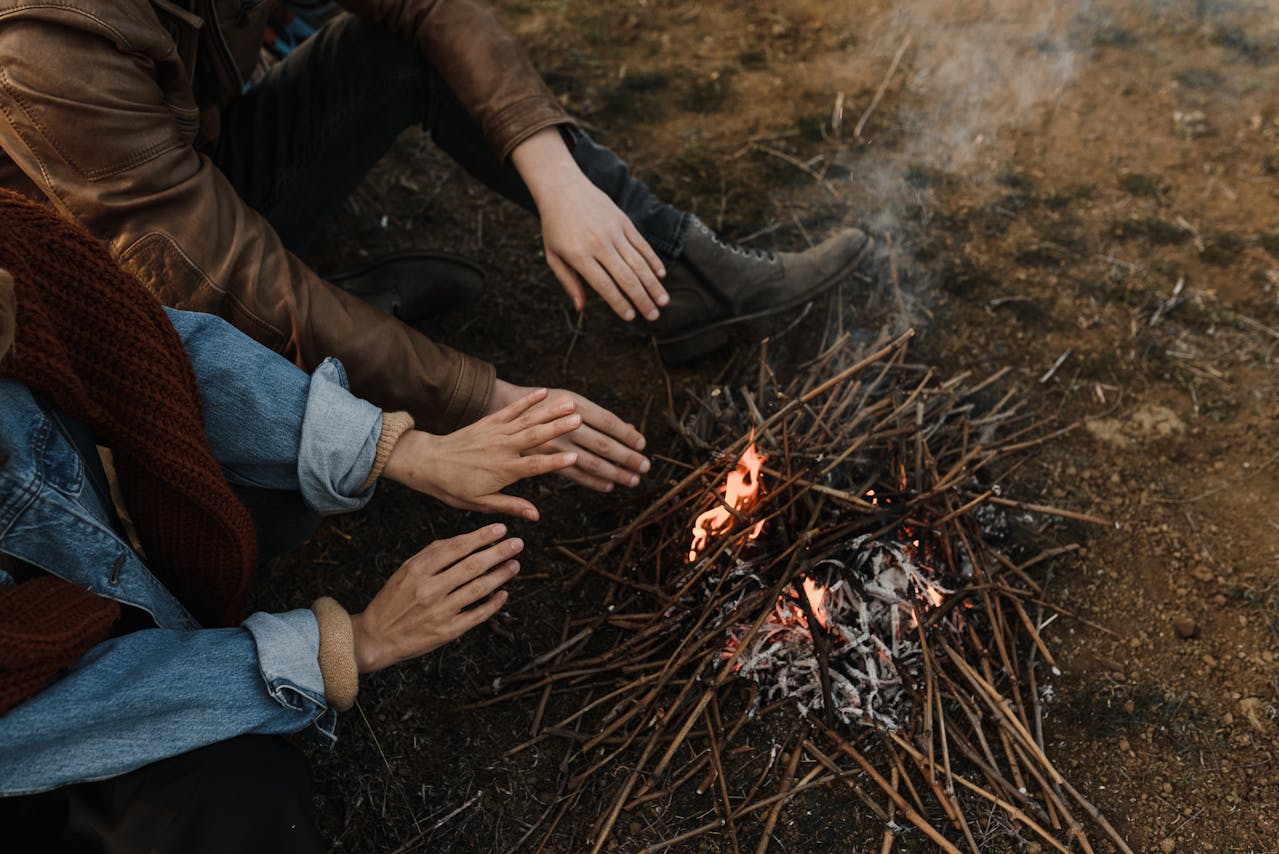
Flint and steel fire-starting dates back thousands of years, with archaeological evidence in Europe as early as the Iron Age. Modern bushcraft teaches reliance on durable tools rather than disposable lighters. According to field tests by the UK’s Bushcraft Society, char cloth catches sparks more than 70% of the time on the first strike, making it an excellent teaching aid. Teens can practice preparing tinder bundles and directing sparks, gaining a critical survival skill that emphasizes preparation and persistence.
Twist Natural Cordage from Plants
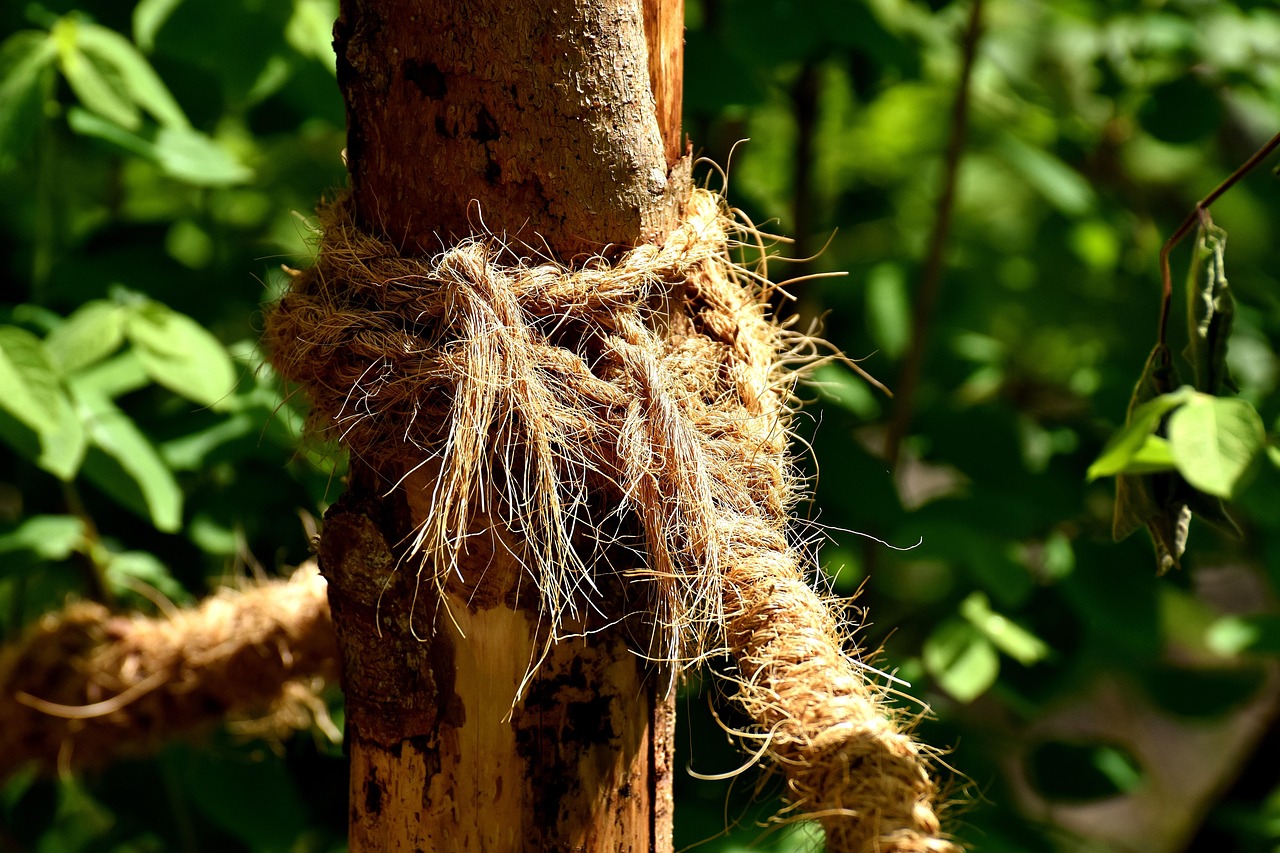
Cordage-making demonstrates how to transform natural fibers into strong, usable rope. Indigenous cultures worldwide relied on this technique, using materials like milkweed, nettle, and dogbane. A study in the Journal of Archaeological Science showed that cordage fragments dating back 50,000 years were discovered in caves, underscoring its ancient importance. Teens can learn reverse-wrap twisting methods and measure tensile strength; some fibers hold up to 15–20 pounds of tension when properly processed. This skill directly supports shelter-building, tool-making, and everyday camp tasks.
Cook Over a Tripod Stand
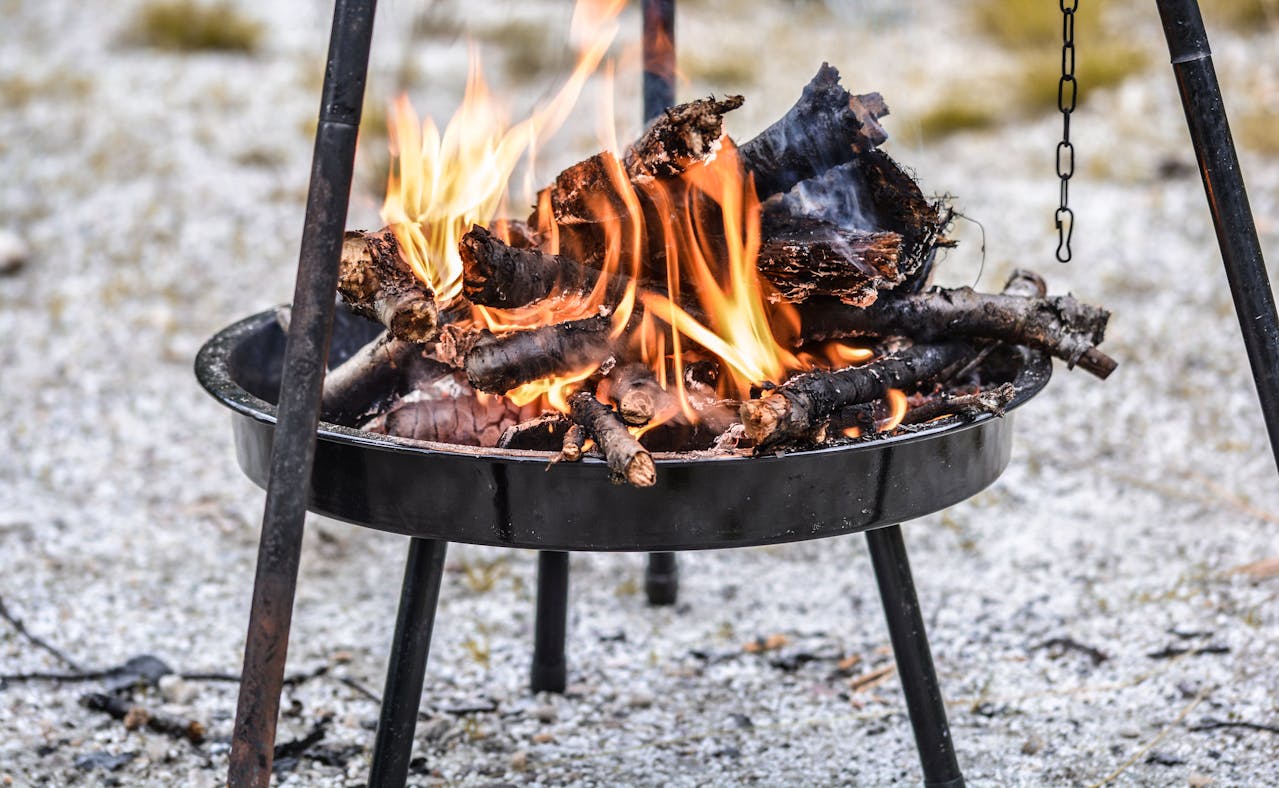
A tripod cooking stand is a classic camp project that blends knot-tying and practical application. Scouts Canada training materials highlight the tripod as a top-five teaching structure for beginners because of its versatility, supporting pots, lanterns, or drying racks. Teens can lash three poles together using clove hitches and tripod lashings, then suspend a pot with wire or natural cordage. The project reinforces safe cooking practices while demonstrating how simple structures can transform meal preparation in the outdoors.
Master Essential Knots for Survival
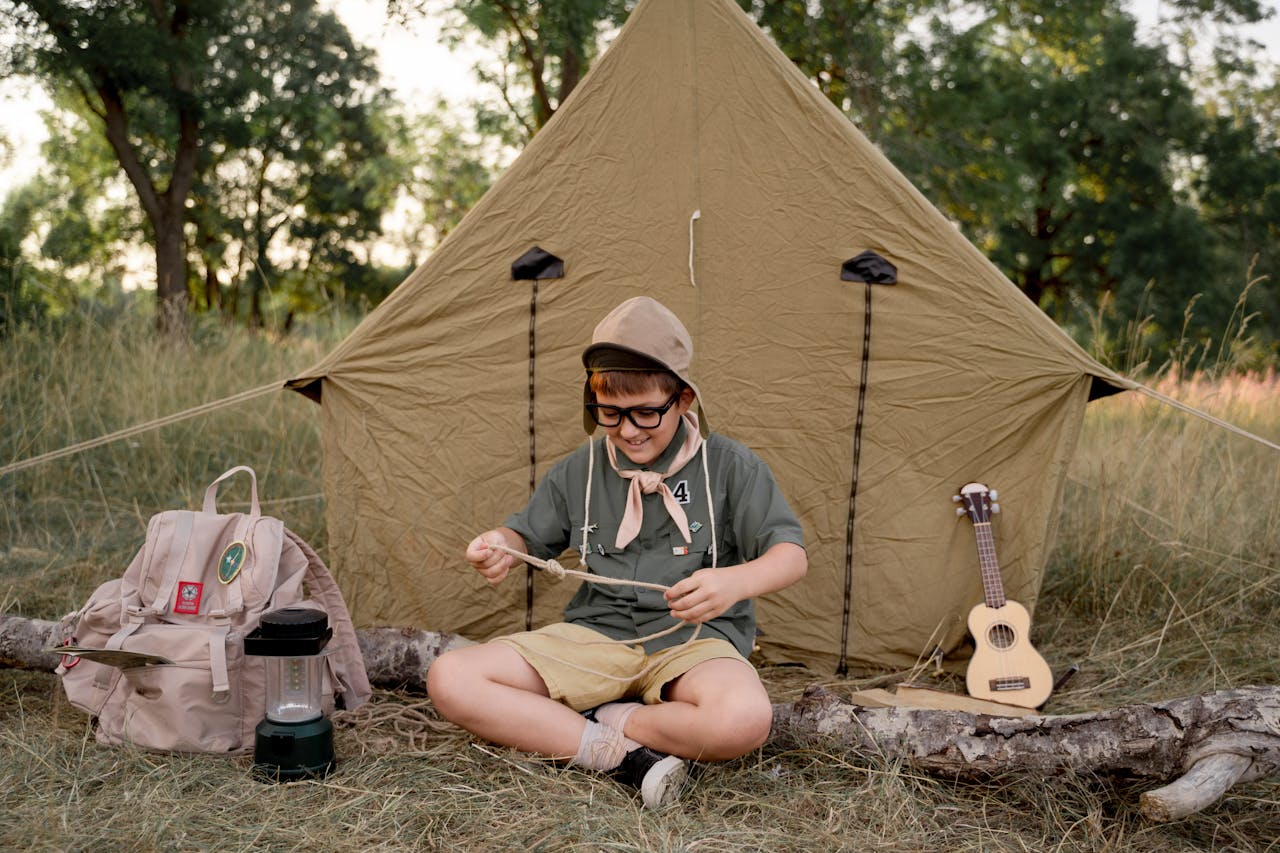
Knot-tying is a cornerstone of bushcraft, with applications ranging from shelters to fishing. According to the International Journal of Industrial Ergonomics, knot-tying develops fine motor skills and problem-solving abilities in youth. Teens should focus on a core set: bowline (for loops), clove hitch (for anchoring), and square knot (for joining lines). Mastery of just 6–8 knots can solve over 80% of camp-related tasks, making this a high-value project that combines mental focus with physical dexterity.
Whittle Tent Pegs for Practical Campsites
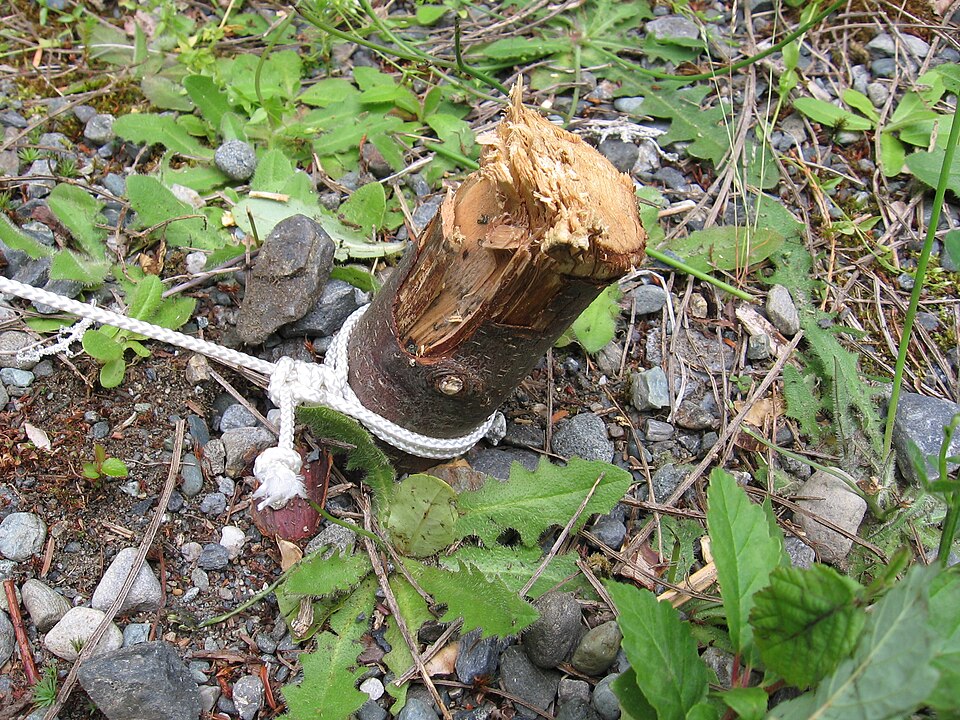
Tent pegs may seem simple, but whittling them sharpens knife skills and attention to detail. Data from survival schools shows that poorly made pegs account for over 60% of tarp shelter failures due to slipping or breaking under stress. Teens can practice carving a tapered point and a notch to secure guy lines. Testing pegs in different soil types (sand, clay, loam) provides a science-backed learning experience about strength, friction, and anchoring in various environments.
Create a Bark Container for Storage
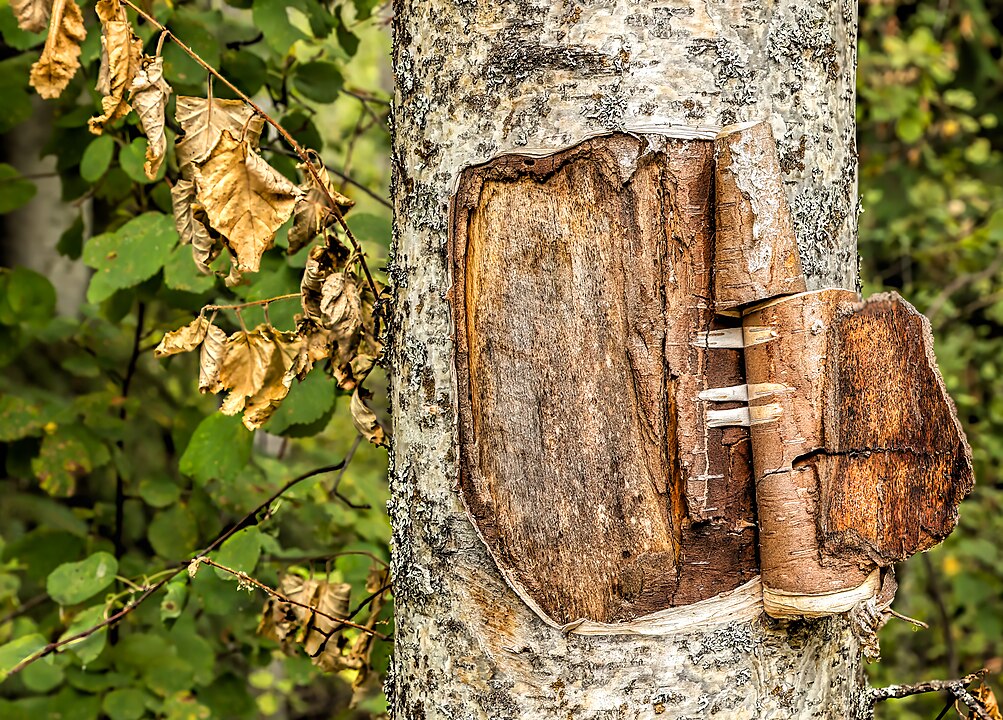
Bark containers, traditionally used by Native American and Scandinavian cultures, are excellent for carrying dry goods. Birch bark, in particular, is lightweight, waterproof, and antimicrobial. Studies on birch bark chemistry confirm that it contains betulin, which resists mold growth. Teens can fold bark sheets into conical or box shapes, fastening them with natural cordage or wooden pegs. This project highlights how natural materials can replace plastics while teaching resource conservation and traditional craftsmanship.
Build a Mini Raft Model for Water Lessons

Constructing a miniature raft teaches buoyancy principles without the risk of full-scale watercraft. According to physics education studies, buoyancy lessons tied to hands-on projects increase retention rates by 35% among teens compared to textbook-only instruction. Teens can lash small logs or sticks together, then test the weight capacity in a stream or pond. Experimenting with raft shape and lashings introduces concepts of stability, balance, and water displacement, critical knowledge for any future backcountry traveler.
Axe Safety Through Kindling Practice
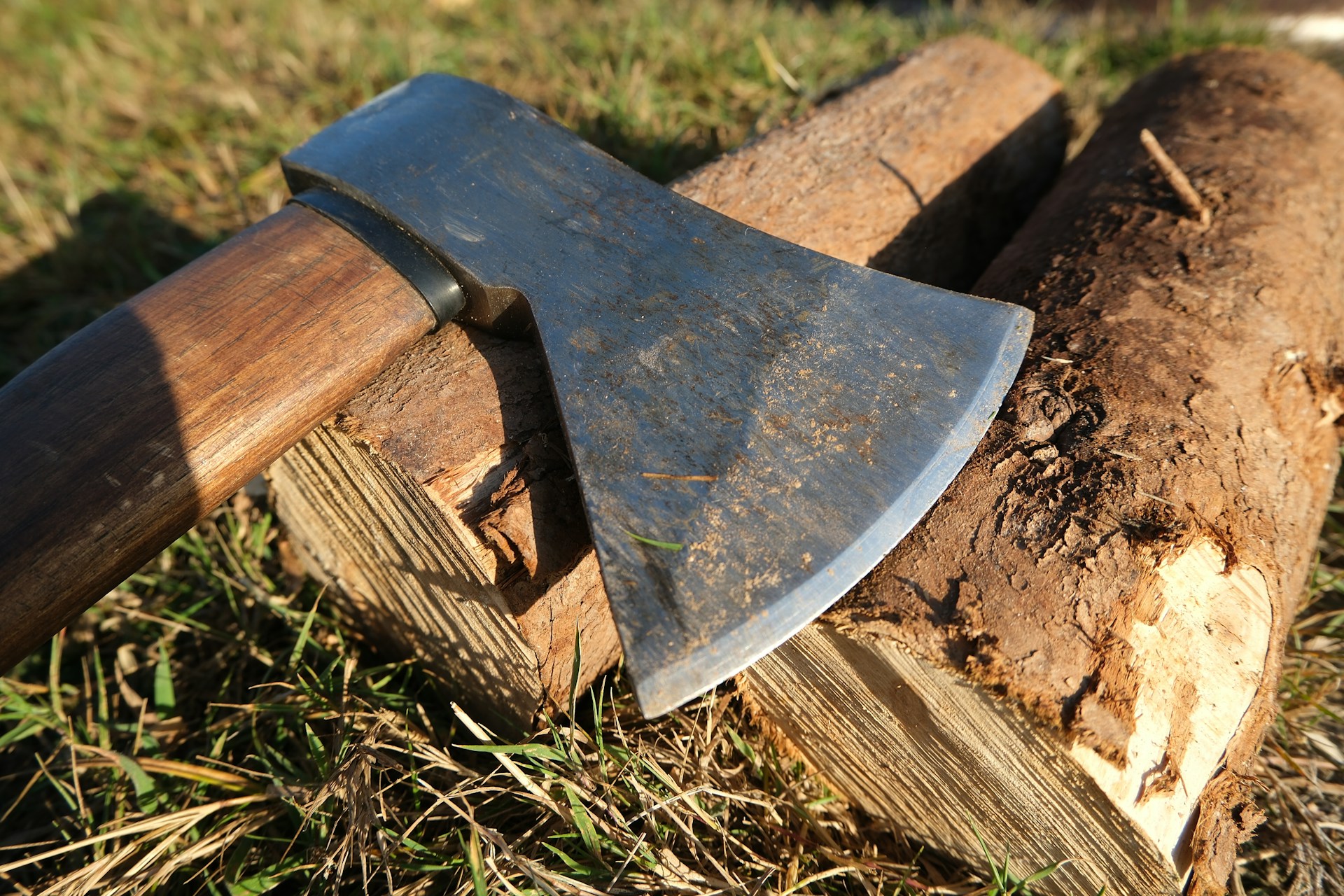
Using an axe safely is a rite of passage in bushcraft training. The American Camping Association reports that improper axe handling is responsible for nearly 15% of camp-related injuries requiring medical attention. A safe beginner exercise is splitting small logs into kindling, with strict emphasis on stance, grip, and controlled swings. Teens practice precision rather than power, building muscle memory while respecting tool safety. This foundational skill prepares them for larger wood-processing tasks in future projects.
Shape a Primitive Fishing Spear
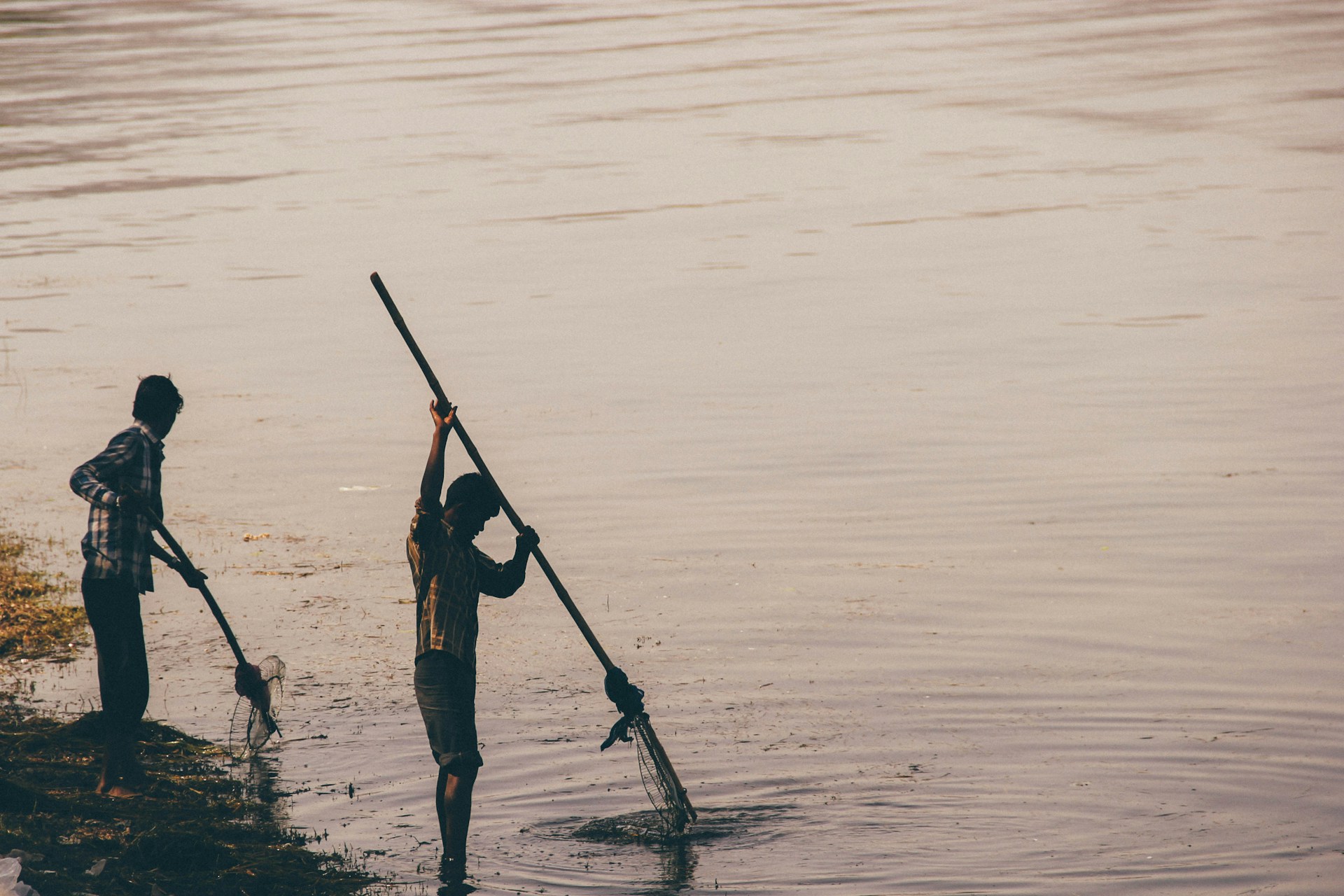
Fishing spears were vital to early human survival, with archaeological evidence dating back 90,000 years in Africa. Teens can craft a basic four-prong spear by splitting the end of a sapling and hardening the tips over fire. Practicing in shallow water or with targets helps build aim and coordination. Beyond history, this activity introduces discussions on sustainable fishing methods and ethical take-limits, reinforcing that bushcraft is not only about skill but also responsibility to ecosystems.
Sweep with a Pine Needle Broom
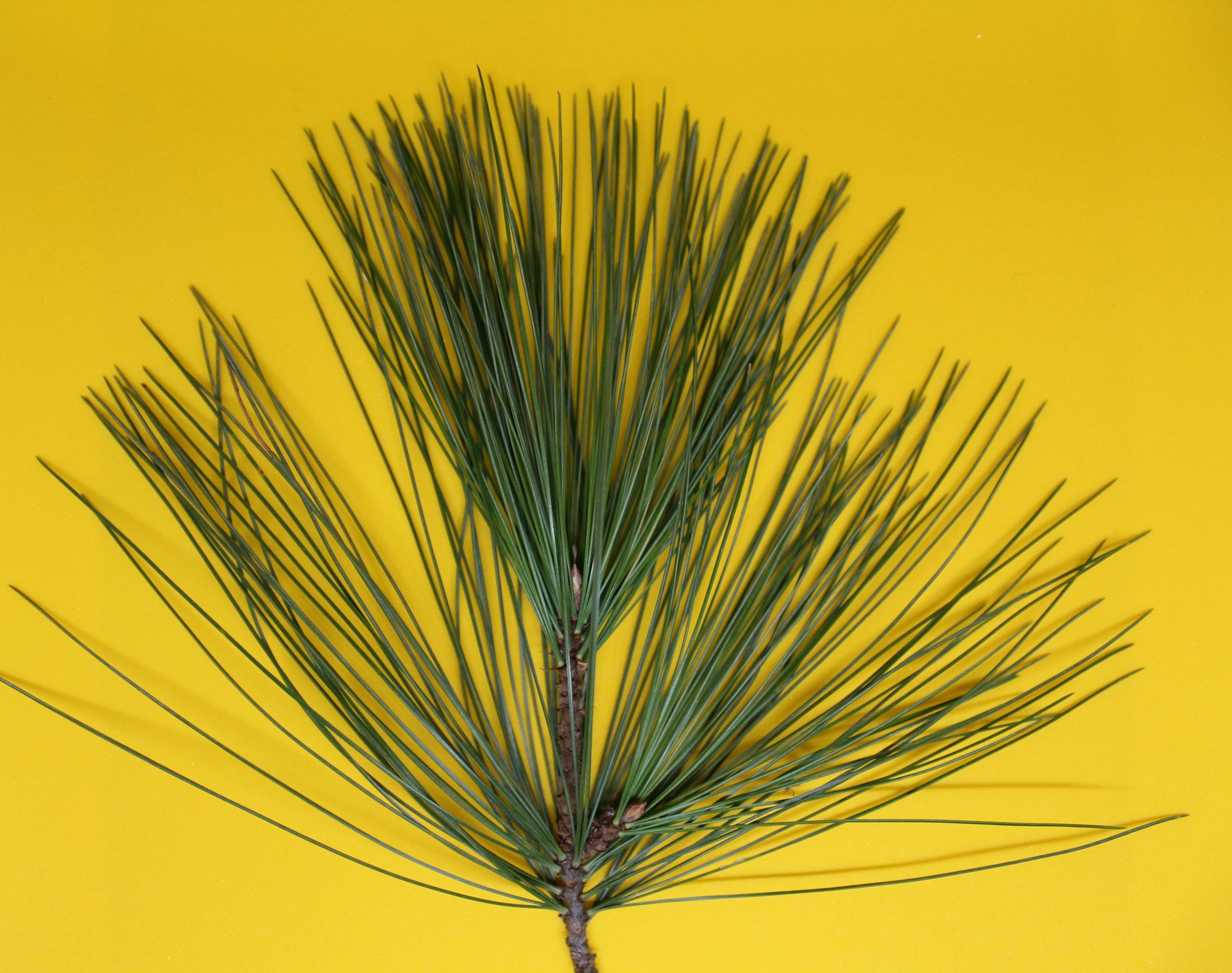
A broom made from pine needles or stiff grasses is a practical and cultural project, still used in rural regions worldwide. Pine needles, when bundled tightly and lashed to a stick, can last for weeks of camp use. A study of ethnobotanical practices in Eastern Europe recorded broom-making as a seasonal family activity that taught resource use efficiency. Teens learn about plant selection and bunding strength, while gaining a functional tool for keeping camp areas clean and hygienic.
Sleep Off the Ground with a Raised Bed
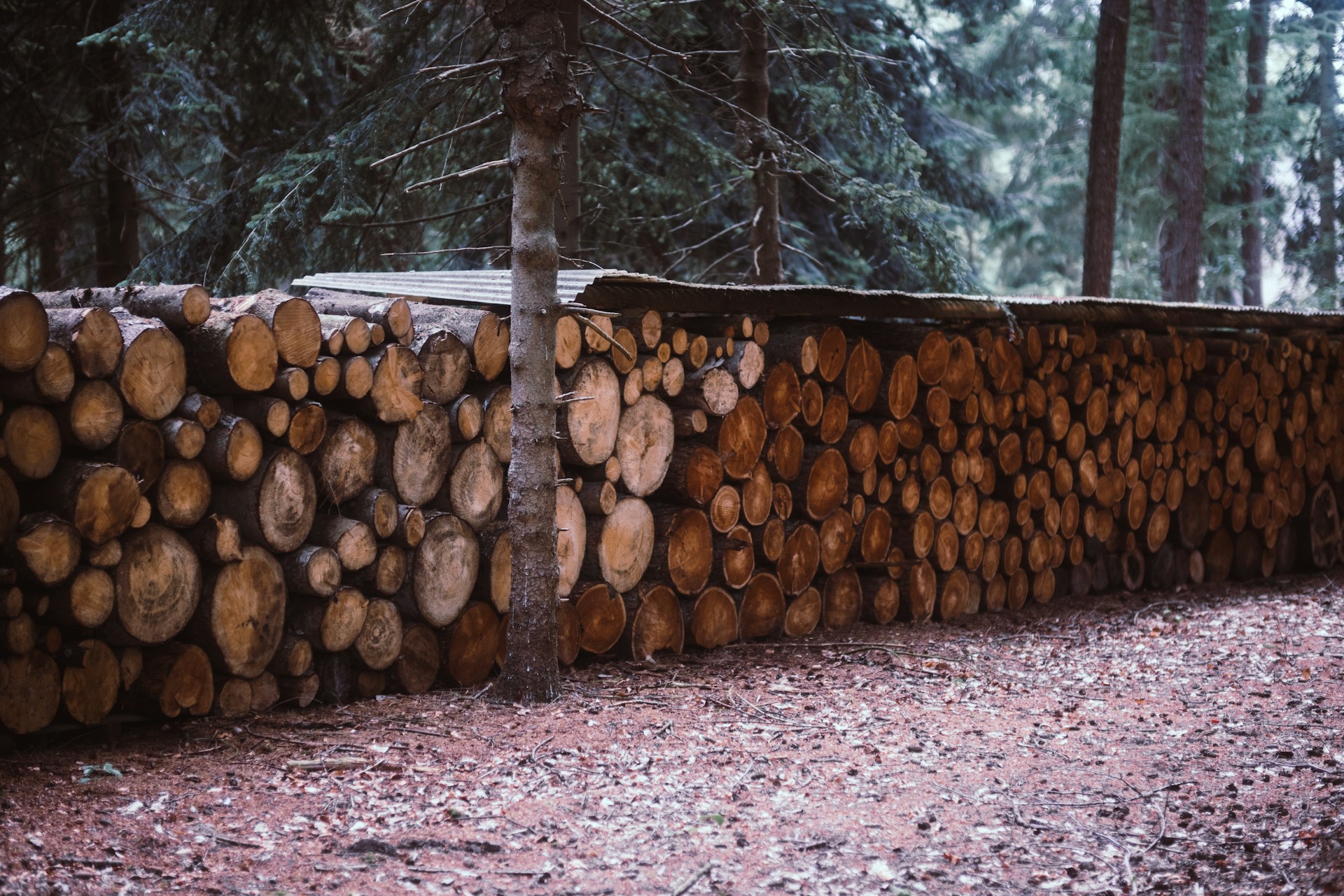
Raised beds, made from logs and branches, provide insulation from cold, damp ground. Experiments by Arctic survival instructors show that raised beds can keep body temperature 5–7°C warmer than sleeping directly on the earth. Teens practice stacking logs in parallel and filling gaps with smaller sticks and leaves. This project highlights both comfort and safety, reducing exposure to insects and ground moisture. It also encourages teamwork in construction, as lifting and arranging logs requires group effort.
Discover Edible Wild Plants Safely
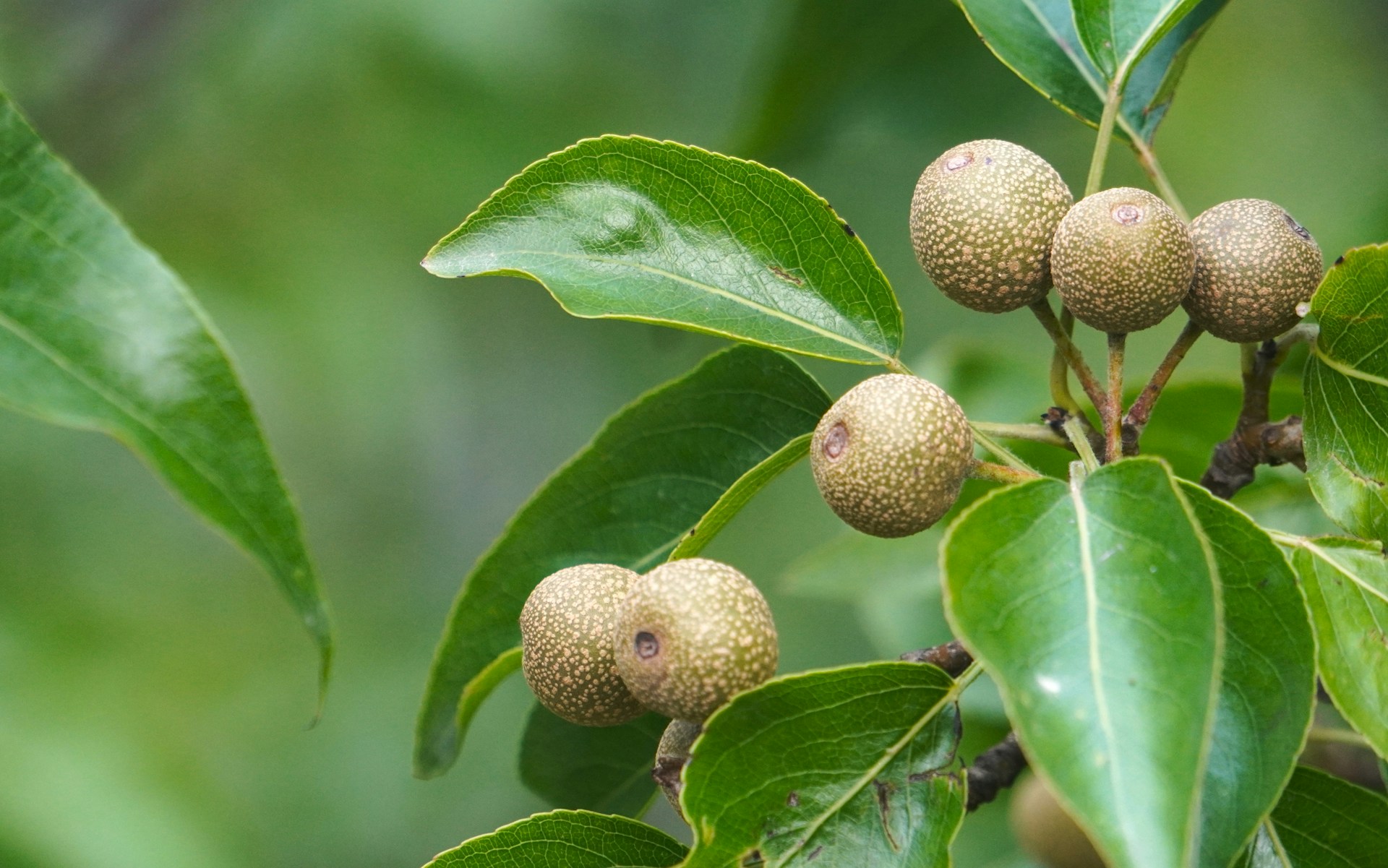
Plant identification is one of the most critical bushcraft skills, but also the riskiest without proper instruction. According to the CDC, plant poisonings still account for over 80,000 emergency cases annually in the U.S., often due to misidentification. Teens should focus on a handful of safe, region-specific species such as dandelion, plantain, or cattail, verified with guidebooks or local experts. Learning to distinguish look-alikes, note growth environments, and apply sustainable harvesting principles ensures both safety and ecological respect.