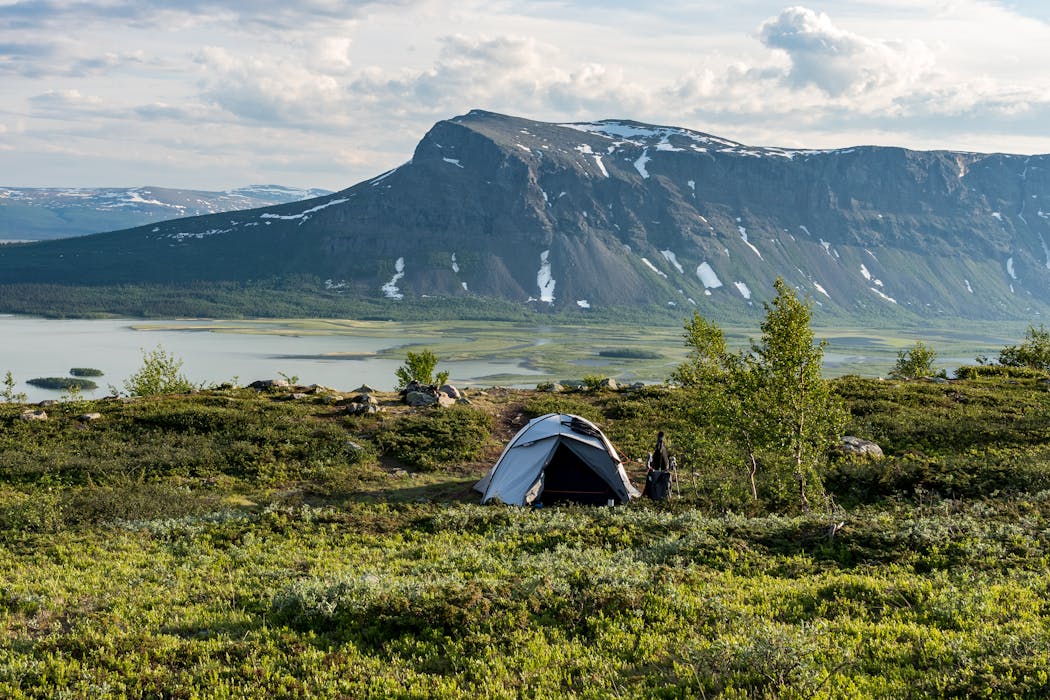
Camping in scenic outdoor spaces offers a refreshing escape, yet choosing the wrong spot can lead to uncomfortable or even unsafe conditions when rain begins to fall. Natural drainage areas quietly funnel water through valleys, low spots, and soil depressions that may look harmless when dry but quickly fill during storms. Recognizing these features helps campers avoid waking up in standing water or watching gear float away. The landscape often reveals subtle hints about how water travels, from vegetation patterns to soil texture and the shape of surrounding terrain. Learning to read these clues adds confidence when exploring both familiar and unfamiliar areas. A thoughtful search for slightly elevated, well-drained ground makes a significant difference in comfort and safety during changing weather conditions.
Depressions or Low Spots in the Ground
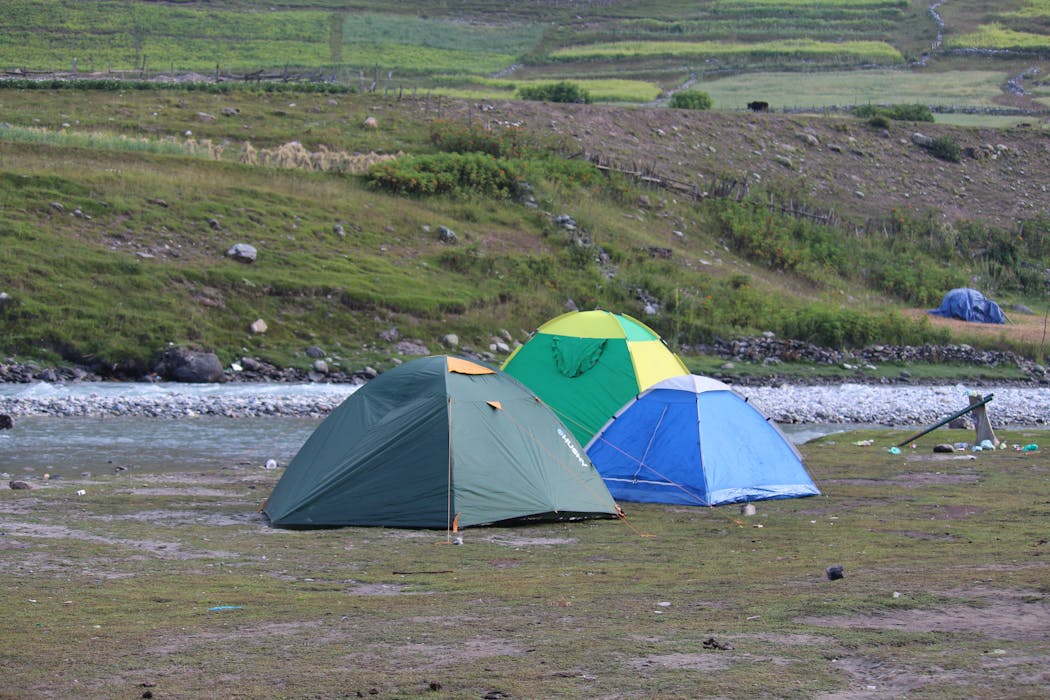
Depressions or low spots often indicate areas where water naturally collects, making them risky locations for setting camp. Even minor dips may seem harmless on a clear day, yet a single night of rain can turn them into shallow pools or channels. Soil in these areas may feel slightly softer underfoot, hinting at previous saturation. Many low spots receive runoff from surrounding slopes, concentrating water quickly during storms. Grass or moss may appear unusually lush, suggesting consistent moisture. Because water always seeks the lowest point, these natural bowls fill faster than expected. Choosing higher, more even terrain helps prevent water from accumulating beneath a tent and reduces the risk of waking to soggy gear or muddy ground.
Smooth, Polished Soil or Sand
Smooth, polished soil or sand often forms in places where water has recently flowed, signaling that the area serves as a natural drainage path. These surfaces appear packed and slightly shiny, as though they have been pressed by flowing water during recent storms. Even in dry weather, the texture reveals patterns shaped by erosion, such as faint ripples or small grooves. When examined closely, the soil may feel more compact and less crumbly than the surrounding ground. These characteristics occur because moving water smooths the surface, creating a pathway that channels runoff during heavy rain. Setting camp on such terrain increases the likelihood of water sweeping directly through the site. Observing ground texture provides valuable insight into how an area responds when the weather changes unexpectedly.
Vegetation Growing in Thin Lines or Channels
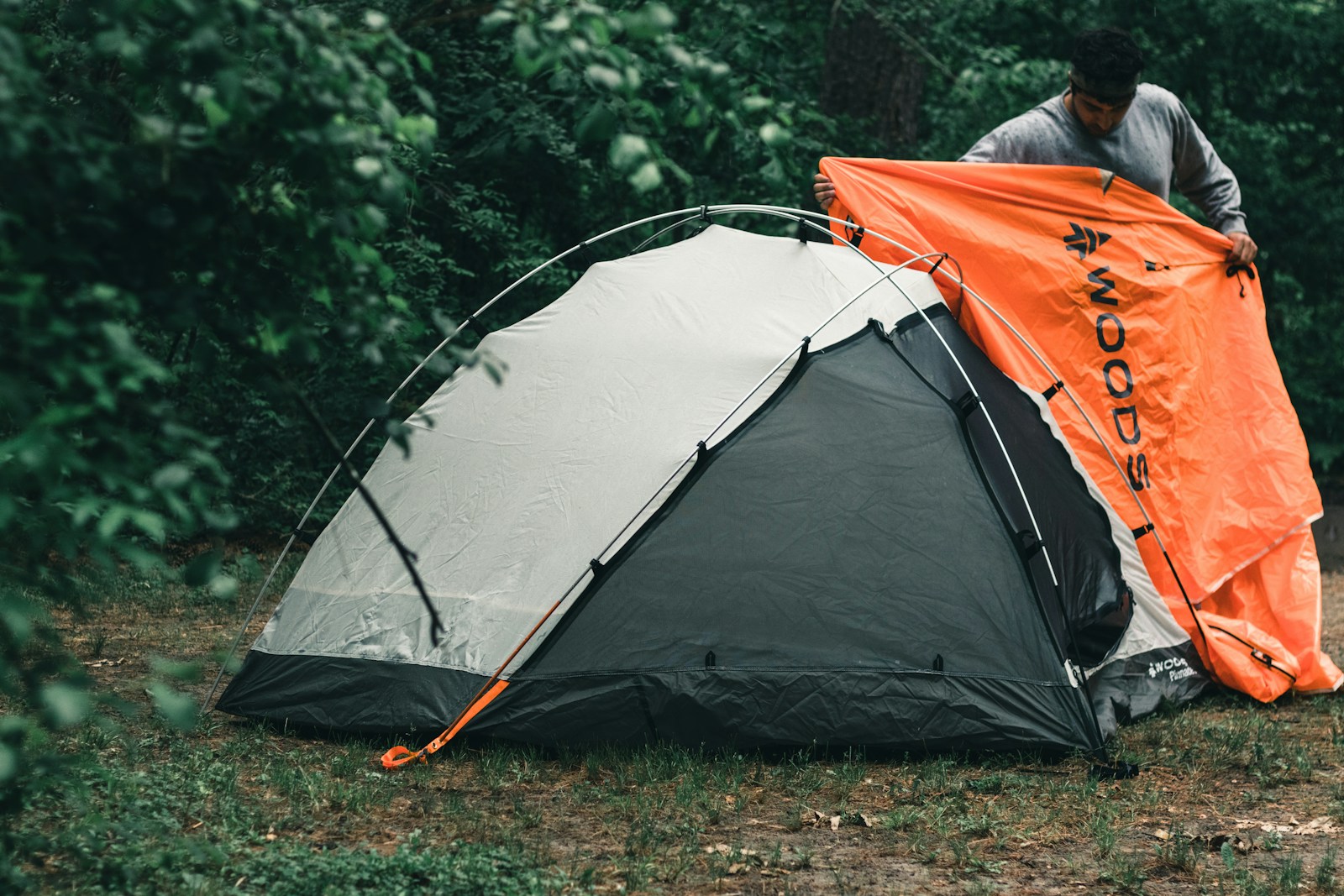
Vegetation growing in thin lines or channels often indicates a natural path where water flows during rainstorms. Plants that thrive on consistent moisture tend to cluster along these routes, forming narrow strips of greener or taller growth compared to the surrounding area. These patterns reveal how water travels across a landscape, even when the soil appears dry. Grasses may bend in the same direction, or small plants may align in subtle curves that mimic the flow of past runoff. Because these channels concentrate moisture, they can become temporary streams during downpours. Camping too close to these vegetative cues may expose gear to moving water. Paying attention to plant placement helps identify safer ground less likely to flood during sudden heavy rain.
Exposed Roots or Washed-Out Soil
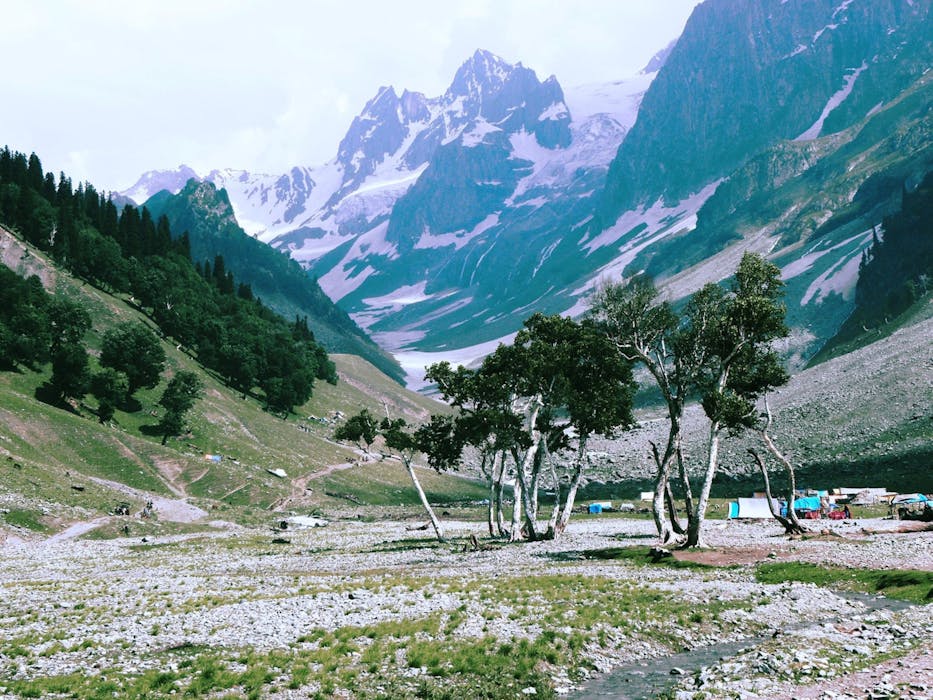
Exposed roots or washed-out soil signal that water frequently moves through an area, eroding the ground and carrying sediment away. Tree roots may appear unusually visible around their bases because flowing water has removed topsoil that once covered them. These signs often occur along slopes, near drainage paths, or in areas where runoff gathers speed during storms. Soil in these locations tends to feel loose, uneven, or unstable, making it less suitable for securing tent stakes. Evidence of previous erosion suggests that even moderate rain could reshape the site quickly. Observing these clues helps campers avoid areas where water has demonstrated strong movement, ensuring a more secure and comfortable setup during unpredictable weather.
A Channel or Ditch Running Through the Site
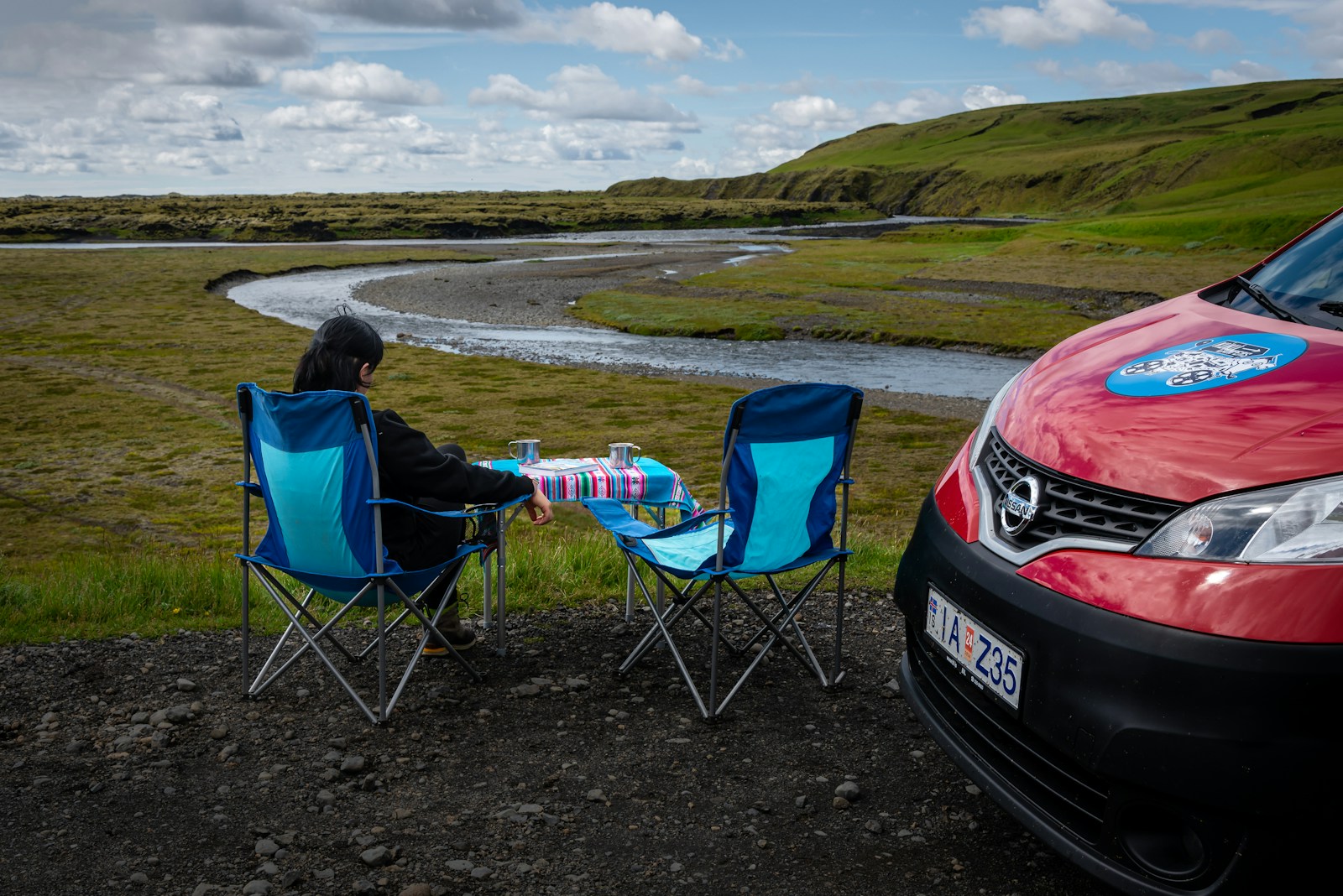
A channel or ditch running through a potential campsite is one of the clearest signs of natural drainage. Even a shallow groove in the ground indicates that water has carved a path over time, creating a route it will likely follow again during the next storm. These channels may appear dry and harmless in clear weather, yet their function becomes immediate once rain begins to fall. Soil within the ditch often feels compacted or smoother from repeated water flow. Surrounding vegetation may grow taller or greener along the edges, reflecting moisture retention. Camping in or near such features increases the risk of water flowing directly under the tent. Choosing a site safely above these channels prevents disruption during changing weather conditions.
Rocks Arranged in a Flow Pattern
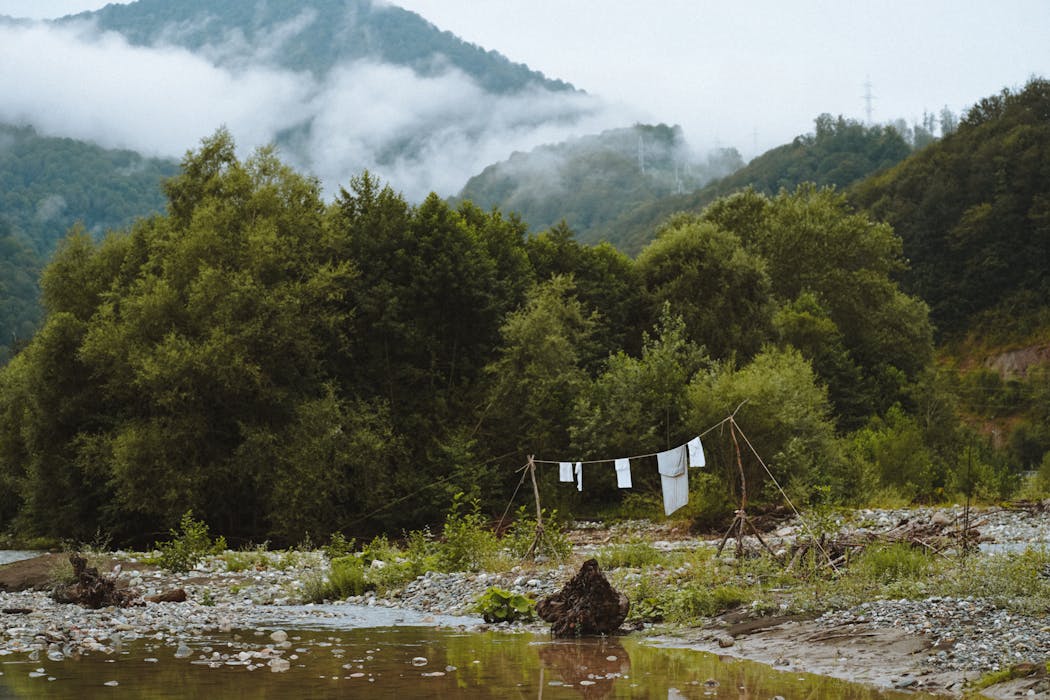
Rocks arranged in a flow pattern often reveal the direction and force of past water movement, making them useful indicators of drainage areas. Water naturally pushes rocks into alignment, creating subtle arcs or funnel-shaped paths. Smaller stones may cluster in low spots where runoff slows, while larger rocks may appear tilted or partially buried on slopes. These formations occur gradually through repeated storms and reflect how the landscape responds to heavy rain. Observing rock patterns helps identify areas where water routinely passes, even if the surface currently looks dry. Camping directly in these paths can lead to water accumulation beneath gear. Selecting ground away from these indicators reduces the likelihood of experiencing runoff during a storm.
Soil That Dries Unevenly
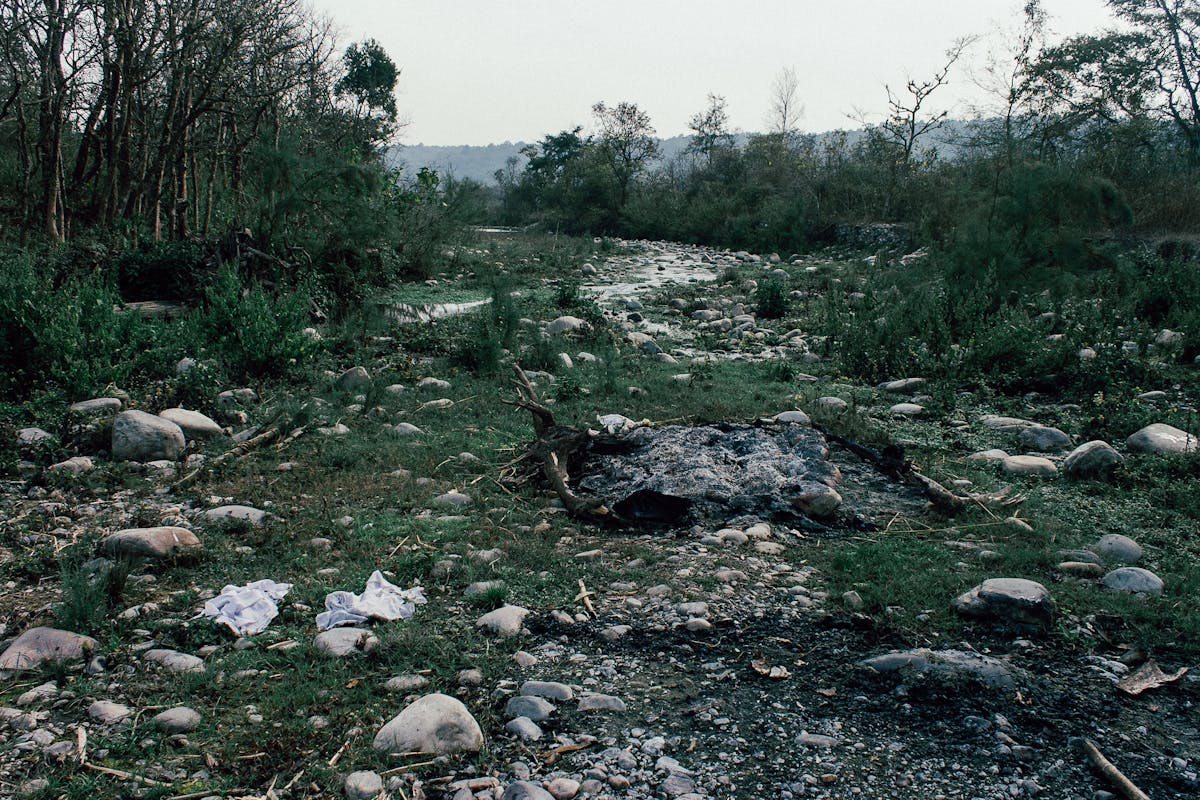
Soil that dries unevenly suggests the presence of previous moisture channels where water remained longer than in surrounding areas. Darker patches of earth or areas that stay damp well after rain has stopped often mark ground that holds water or receives consistent runoff. These pockets may form along natural drainage lines or dips in the terrain that trap moisture. When walking across such an area, the soil may feel spongy or cool compared to nearby dry ground. Variations in drying time help reveal how the landscape behaves during storms and which spots stay wet the longest. Setting up camp on these uneven patches can result in a damp tent floor or pooling water. Recognizing these patterns supports safer campsite selection.
Nearby Hills That Direct Water Toward the Spot
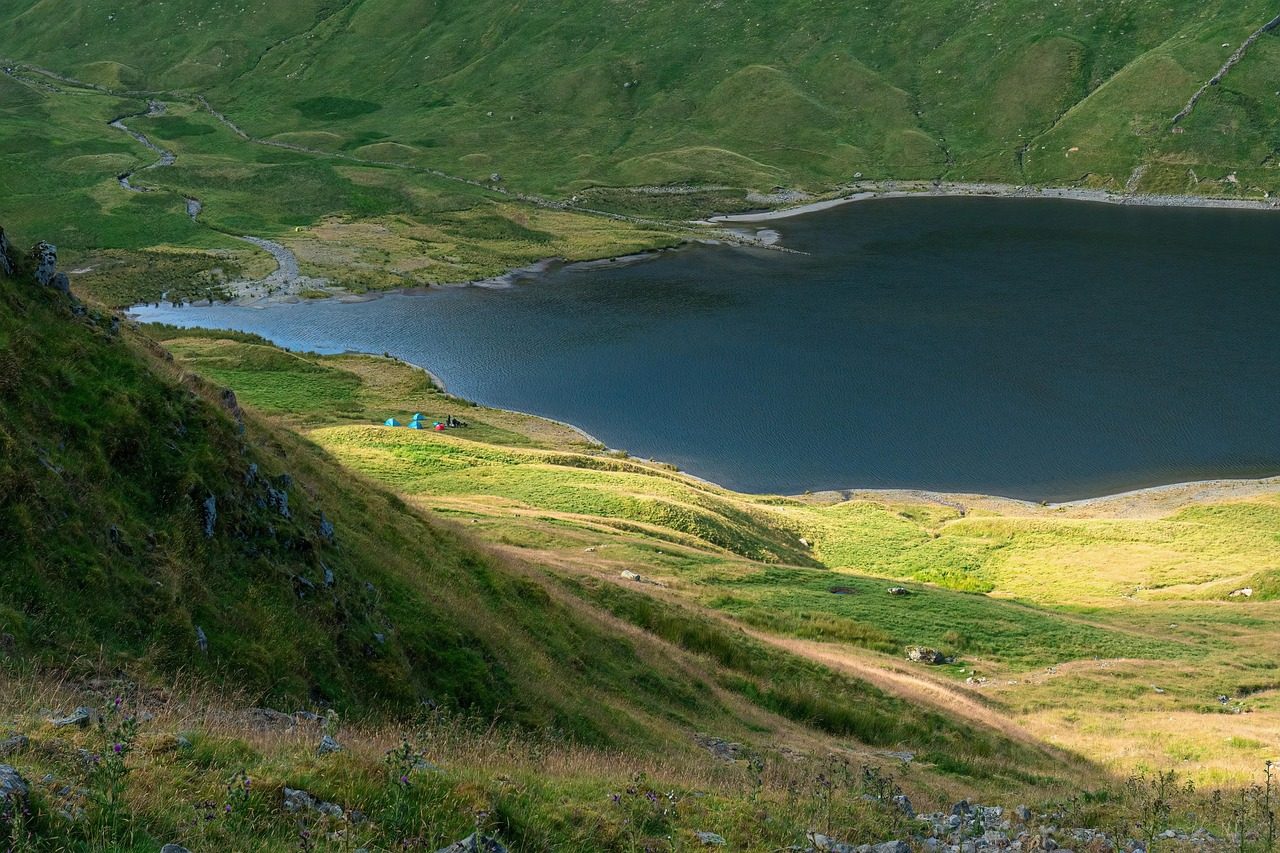
Nearby hills that direct water toward a campsite can turn an otherwise appealing location into a drainage zone during heavy rain. Slopes naturally guide water downward, and even gentle inclines can funnel significant runoff toward lower ground. Observing the shape of the surrounding landscape helps reveal how water might behave during a storm. Valleys, bowls, and depressions at the base of hills often collect moisture, while narrow gaps between slopes can channel fast-moving streams. A site may appear dry initially, yet its position relative to elevation changes determines how quickly water can accumulate. Choosing a location slightly higher on a slope or away from converging hillsides reduces the chances of runoff flowing into the campsite.
Water-Stained Rocks or Tree Trunks
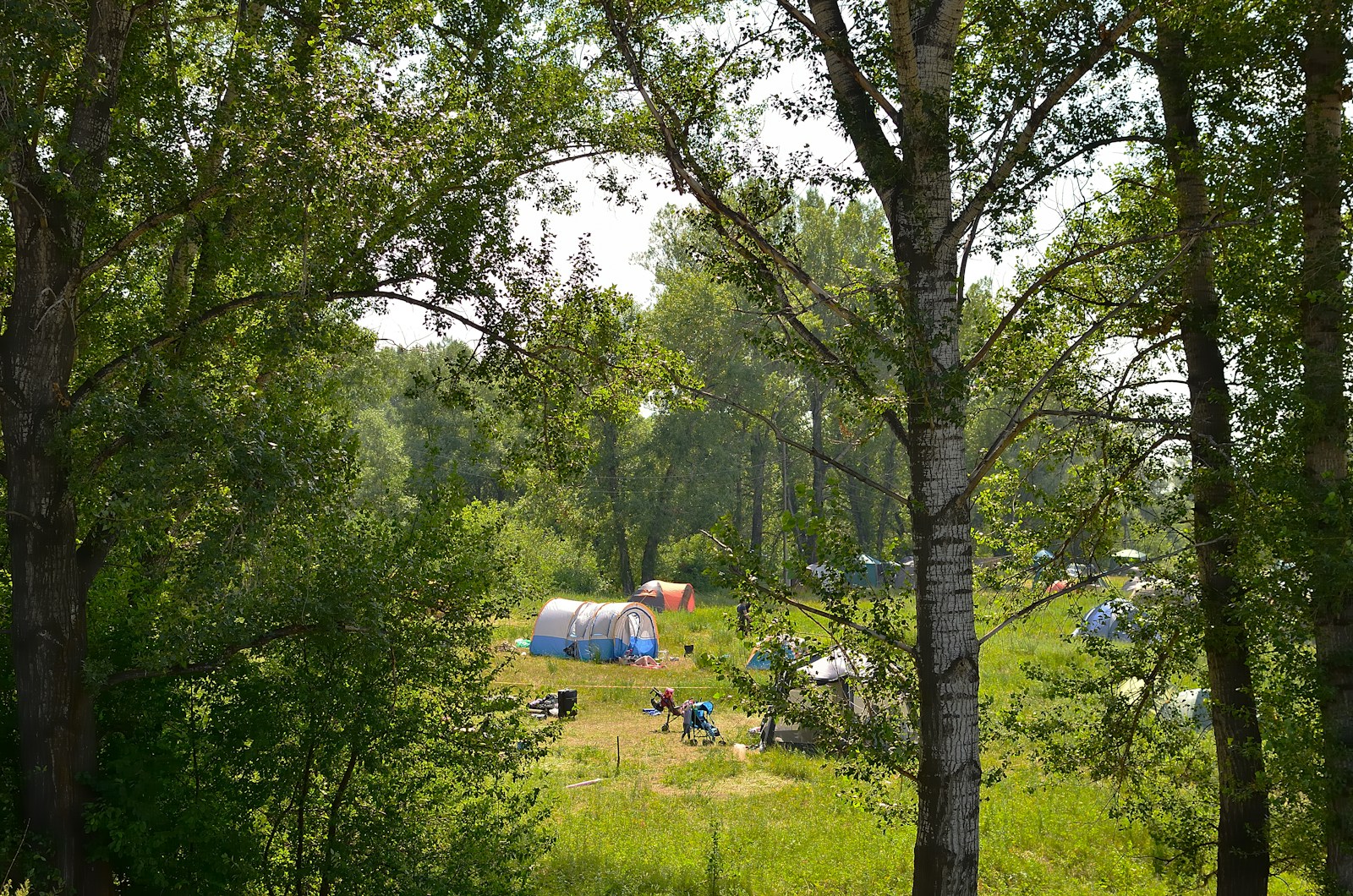
Water-stained rocks or tree trunks often indicate repeated flooding or frequent exposure to flowing water, making them reliable signs that a campsite may lie within a drainage area. Stains typically appear as darker or smoother sections on one side of the object, reflecting the direction of past water movement. Moss or algae growth may also be more prominent in these areas, highlighting consistent moisture. Even when the ground feels dry, these markings reveal how high water has reached during previous storms. Camping near such signs increases the risk of sudden pooling when rainfall intensifies. Observing water stains helps identify safer terrain where water is less likely to rise or accumulate.
A Lack of Leaf Litter on the Ground
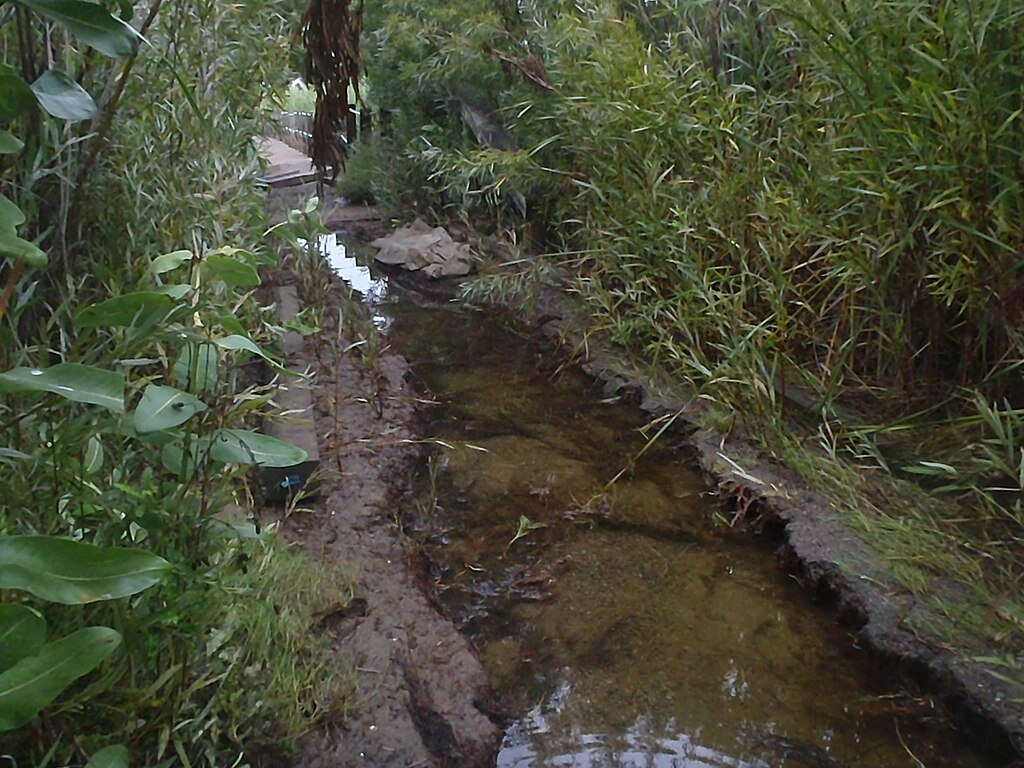
A lack of leaf litter on the ground often suggests that water moves through the area frequently enough to wash debris away, leaving a cleaner, more barren surface. In wooded environments, leaves typically accumulate unless something disturbs them. When water flows repeatedly through a clearing or corridor, it pushes organic material aside, revealing compacted soil beneath. This absence of natural debris can be especially noticeable after recent storms or in narrow valleys where runoff accelerates. While the ground may appear dry, its clean appearance provides an important clue about drainage patterns. Pitching a tent in such a location increases the chance of encountering flowing water during rainfall.
Puddles That Form Easily After Light Rain
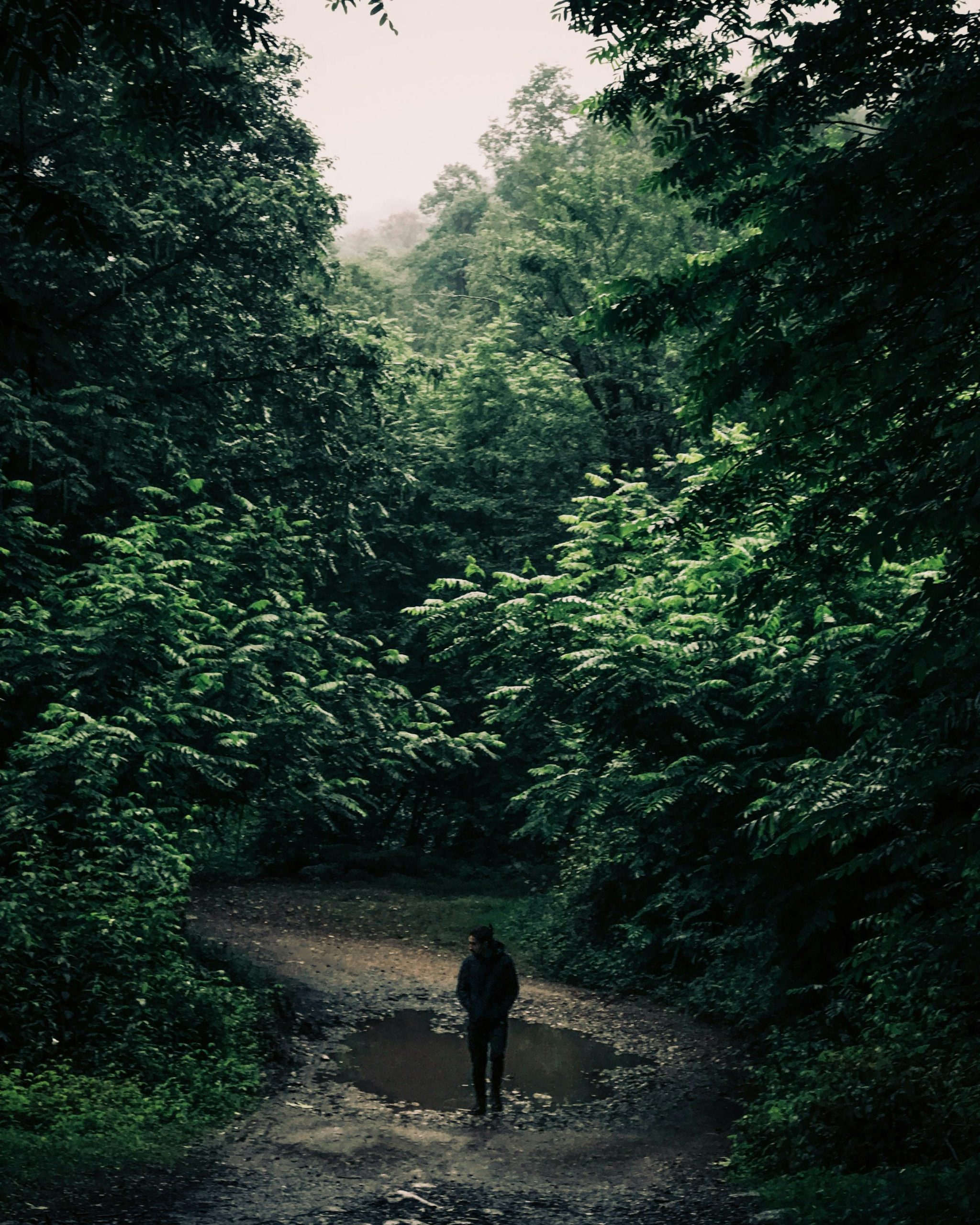
Puddles that form easily after light rain indicate soil that drains poorly or holds water for extended periods, suggesting the campsite sits in an area prone to frequent saturation. Even brief showers may produce standing water, especially in clay-rich or compacted soil where absorption remains slow. These puddles often appear in the same spots repeatedly, revealing the ground’s natural tendency to collect moisture. While these areas may seem manageable during dry spells, they can quickly become problematic as storms intensify. Tents placed in such locations risk soaking from beneath as water accumulates. Watching how the landscape responds to minor rainfall helps identify safer, better-drained alternatives.