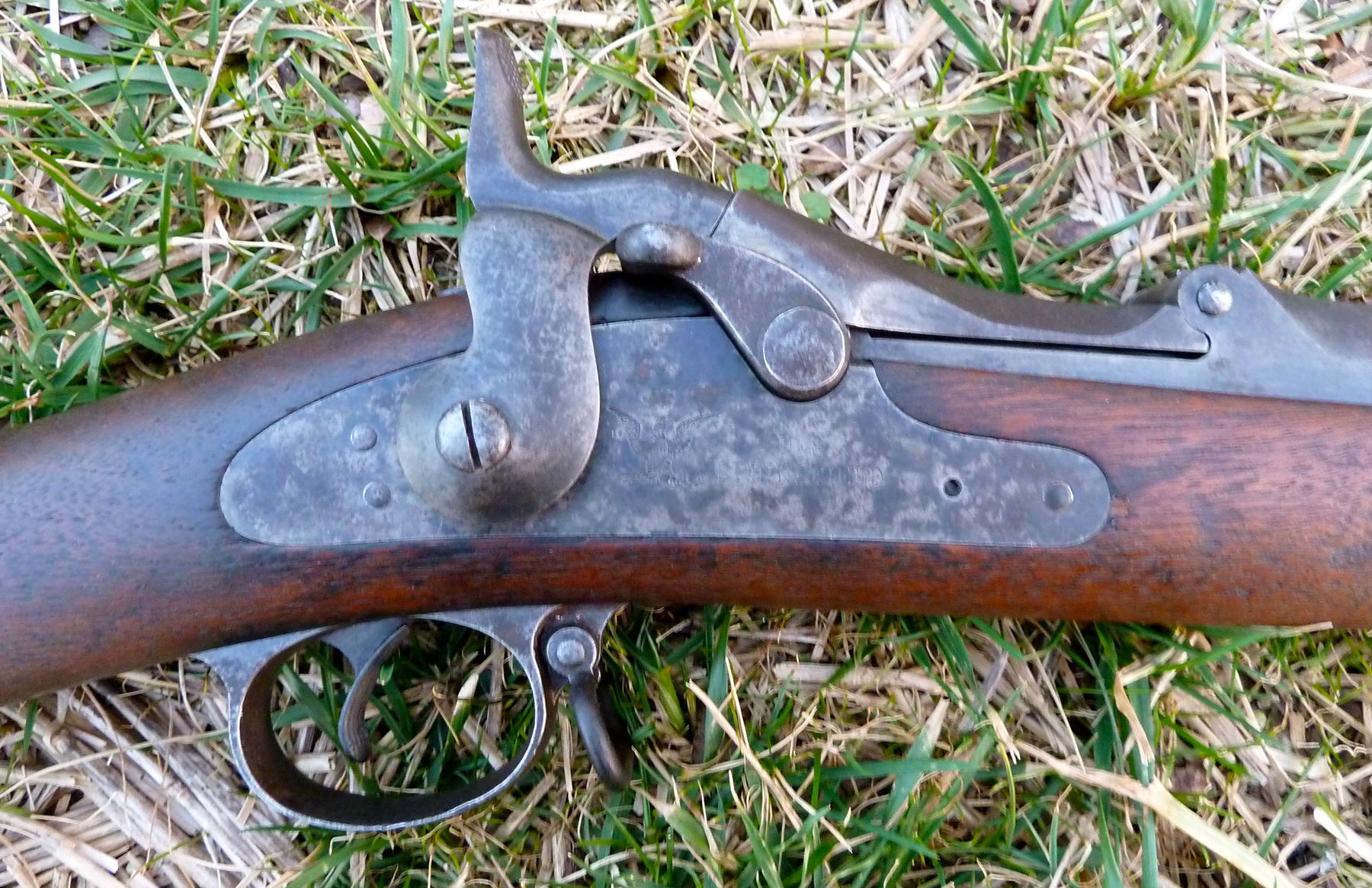
Few rifles are tied to the American frontier as tightly as the Springfield Trapdoor. Its story is part military history, part hunting lore, and part Old West mythmaking.
How the Trapdoor Got Its Name
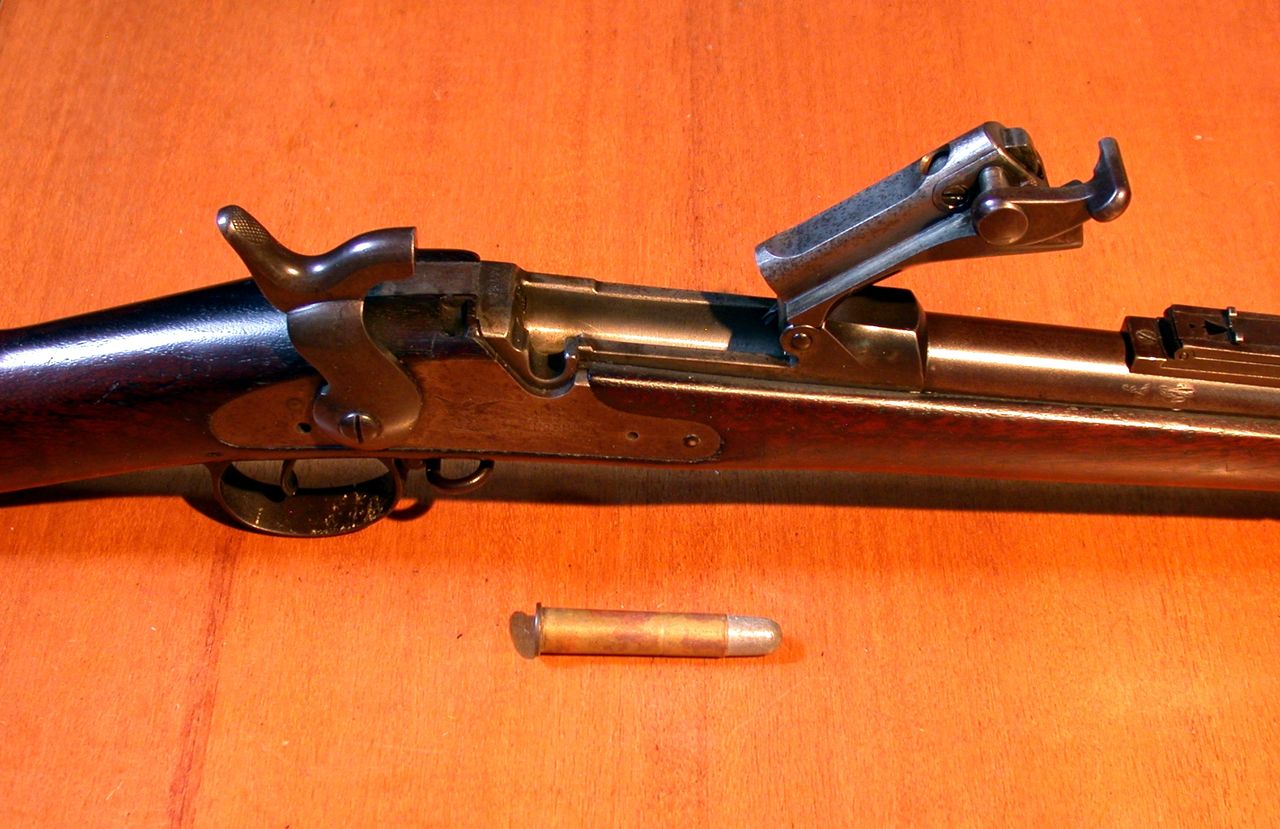
The Springfield Trapdoor earned its nickname from the hinged breechblock that flipped upward like a little door. That system came from Erskine S. Allin’s post-Civil War conversion design, created to modernize older muzzle-loaders without scrapping everything in government stores.
According to the National Park Service, the earliest trapdoor versions began as conversions of .58 caliber rifle-muskets before the design moved to .50 caliber and then, in 1873, to the famous .45 caliber family. That gradual evolution tells you a lot about the era: budgets were tight, but the Army still needed a practical breechloader.
The Model 1873 became the best-known version. Springfield Armory National Historic Site notes that it fired the .45-70-405 cartridge, meaning a .45 caliber bullet over 70 grains of black powder with a 405-grain projectile, and that the rifle was built new rather than simply converted from older muskets.
Why the .45-70 Changed the Conversation
The Trapdoor’s real breakthrough was not just the breech mechanism, but the cartridge behind it. The .45-70 delivered serious authority for the 1870s, combining useful range, hard-hitting energy, and field practicality in a package soldiers and hunters could actually carry all day.
The Smithsonian identifies the Model 1873 as a center-fire .45-70 rifle, and National Park Service material adds that later versions could also handle heavier loads such as the .45-70-500. That heavier 500-grain bullet improved long-range performance and made the platform more versatile for frontier conditions.
Testing records preserved by Springfield Armory National Historic Site list muzzle velocity for the M1873 around 1,315 feet per second. By modern standards that sounds modest, but on the plains it was plenty for large game, wagon defense, and the kind of rough-country hunting where reliability mattered more than rapid fire.
The Hunts That Built the Legend
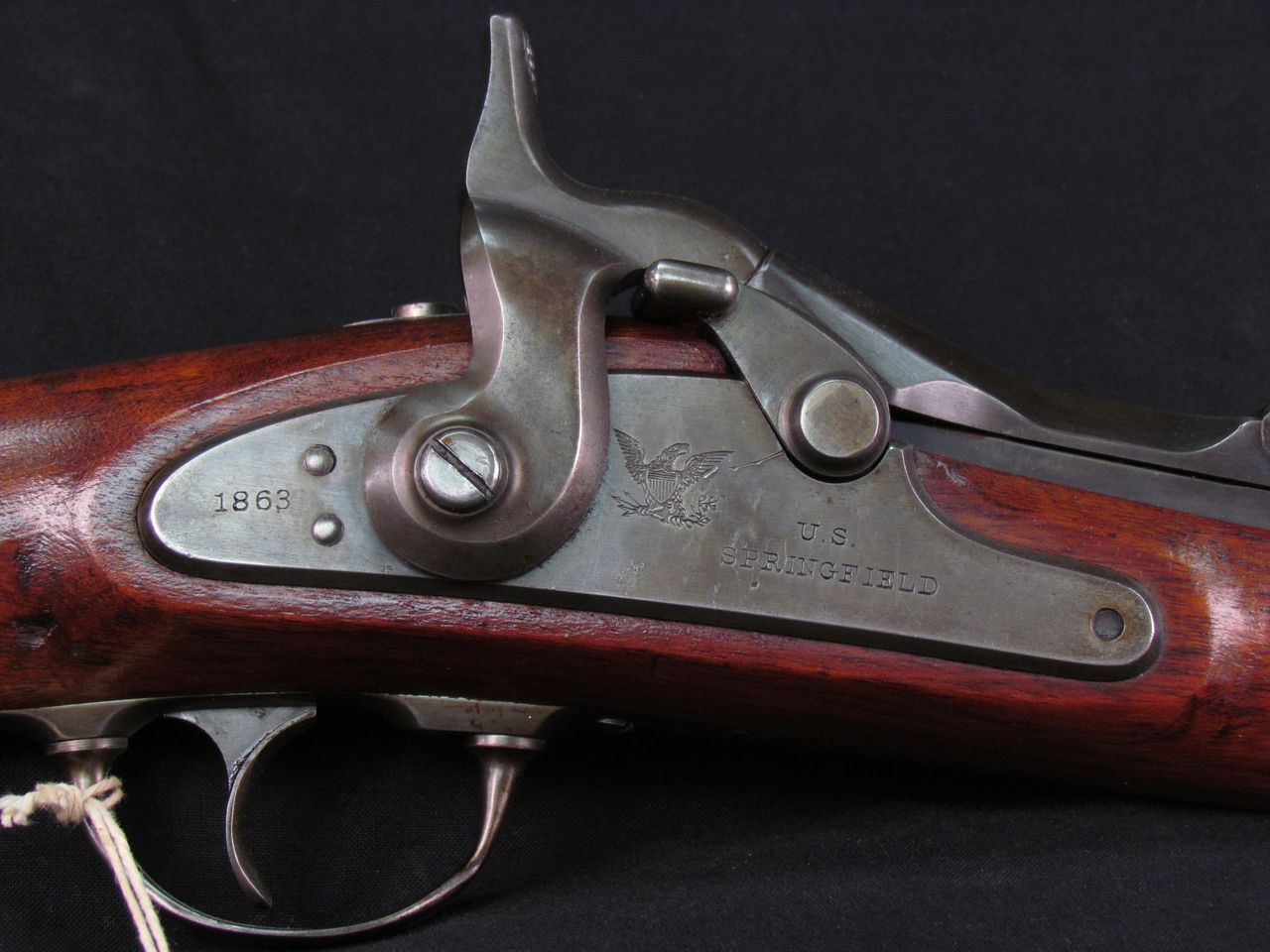
Here is where the popular legend needs a little cleanup. When people picture the great buffalo hunts of the 1870s, they often imagine the Springfield Trapdoor at center stage, but the professional hide hunters who made their living at extreme range usually favored Sharps rifles instead.
HistoryNet’s coverage of Adobe Walls and buffalo hunting repeatedly points to long-range .50-caliber and .50-90 Sharps rifles as the preferred tools of specialists like Billy Dixon. Their accuracy and cartridge options made them dominant in the commercial buffalo trade, especially when a hunter might fire from well beyond ordinary sporting distances.
Still, the Trapdoor absolutely belonged to the same world. It was common, rugged, chambered in a powerful cartridge, and far more attainable than some purpose-built plains rifles. That meant settlers, scouts, ex-soldiers, and practical hunters often carried Springfields even if the iconic long-range buffalo professionals wanted something else.
Buffalo Bill and the Trapdoor Connection
One reason the Trapdoor remains linked to Old West hunting fame is Buffalo Bill Cody. Accounts summarized by HistoryNet describe Cody using a .50-70 trapdoor Springfield, nicknamed Lucretia Borgia, while supplying buffalo meat to Kansas Pacific Railroad work crews in the late 1860s.
That matters because Cody was a celebrity machine long before Hollywood existed. Once his frontier reputation took off, the guns associated with him gained a second life in public memory, whether in dime novels, stage performances, or later retellings that blended fact with promotional showmanship.
So while the Trapdoor was not the undisputed king of the commercial buffalo range, it absolutely had star power. Cody’s association helped move the rifle from a useful government arm into the larger mythology of Western hunting, where image often lasts longer than technical nuance.
From Army Issue to Frontier Meat Gun
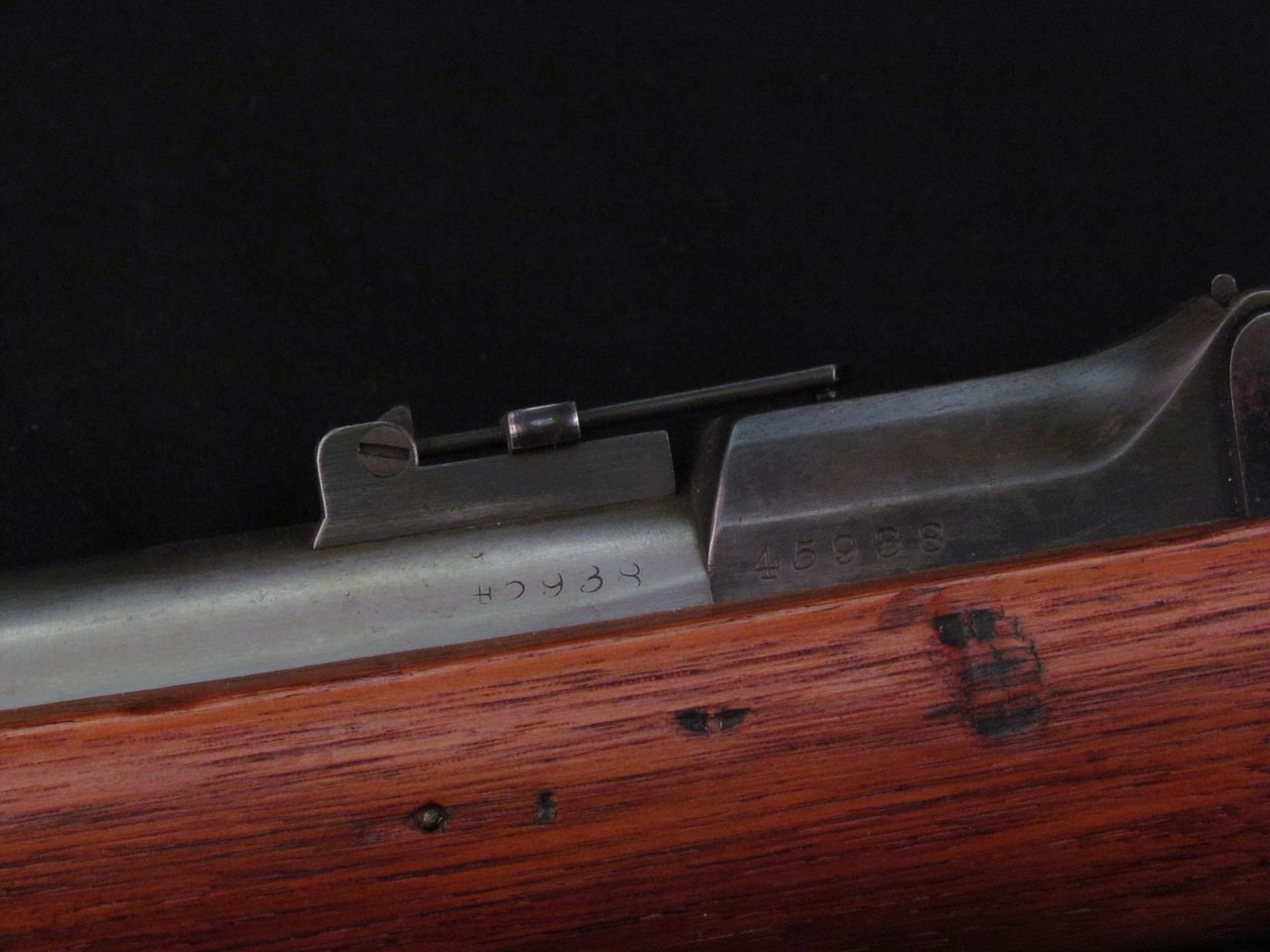
The Trapdoor became famous because it crossed worlds. It served soldiers during the Indian Wars, remained in production with modifications until 1893, and, according to the National Park Service, more than 500,000 .45 caliber trapdoors were produced, an enormous number for the period.
That level of production meant the rifle was everywhere. Army rifles filtered into civilian hands, surplus arms spread across the country, and the same gun seen in uniform could later turn up in a wagon, a ranch house, or a hunting camp where venison and buffalo meat mattered more than parade-ground polish.
Its single-shot action also shaped the way people used it. A Trapdoor encouraged careful shooting, solid positions, and shot discipline. In that sense, it fit frontier hunting perfectly: one aimed round, black-powder smoke rolling out, and a hunter trusting bullet weight and placement over volume of fire.
Why the Springfield Trapdoor Still Matters
Today, the Springfield Trapdoor matters because it sits at the crossroads of invention, expansion, and legend. It was not the only rifle of the West, and not always the best choice for every hunt, but it may be the one that best captures the transition from Civil War technology to modern metallic-cartridge America.
Collectors still prize these rifles for workmanship, mechanical simplicity, and historical presence. The National Park Service notes that the line ended when the Army adopted the Krag in 1892, but by then the Trapdoor had already earned a durable place in both firearms history and frontier storytelling.
In the end, the old hunts made the Trapdoor famous less by exclusivity than by familiarity. It was the rifle people saw, carried, and remembered, a hardworking arm whose reputation grew in the dust of the plains and stayed alive because the West never really stopped selling its own legend.