Some firearms get famous fast. Very few stay respected after the noise fades.
What makes a firearm genuinely worth talking about

The gap between hype and worth is usually simple: hype is about image, while worth is about performance over time. A firearm earns lasting respect when it solves a real problem better than its rivals and keeps doing that across decades, users, and conditions. That can mean reliability in mud, manageable recoil for new shooters, practical accuracy, or a design that reshapes an entire category.
A lot of popular gun talk gets trapped in aesthetics. People fixate on movie appearances, military styling, or brand mythology. But the guns that truly matter tend to win in duller, more convincing ways: they are easy to maintain, easy to train with, broadly supported by parts and magazines, and proven by enormous user bases.
That is why the most “worthy” firearms are not always the flashiest. They are the ones armorers trust, instructors keep recommending, and owners continue shooting years after the original excitement wears off. According to the National Shooting Sports Foundation, modern sporting rifles remain the most popular centerfire rifles sold in America, while handguns dominate overall market availability, a sign that practical utility still drives buying decisions.
The M1 Garand still deserves its legendary status
If one classic rifle still feels fully worthy of its reputation, it is the M1 Garand. The U.S. Army’s historical records describe it as the first semi-automatic rifle generally issued to infantry by a major world power, and that fact alone explains why it changed military small arms history. It was standardized as the U.S. Army’s M1 rifle on January 9, 1936, which put it well ahead of many contemporaries still relying on bolt-action service rifles.
Its reputation is not based only on nostalgia. The Garand offered faster follow-up shots, strong battlefield durability, and a practical eight-round en bloc system that gave U.S. infantry a meaningful edge in fire volume. Army historical material lists the rifle at roughly 9.7 lb with a muzzle velocity around 2,778 ft per second, reminding modern readers that this was a serious full-power service rifle, not a soft-shooting intermediary design.
Even today, the Garand feels more substantial than romanticized. It is heavy, loud, and mechanically distinctive, yet it still represents a rare case where legend and reality line up. It was a genuine leap forward, and many “iconic” firearms cannot say the same.
Why the Glock 19 became more than a trend
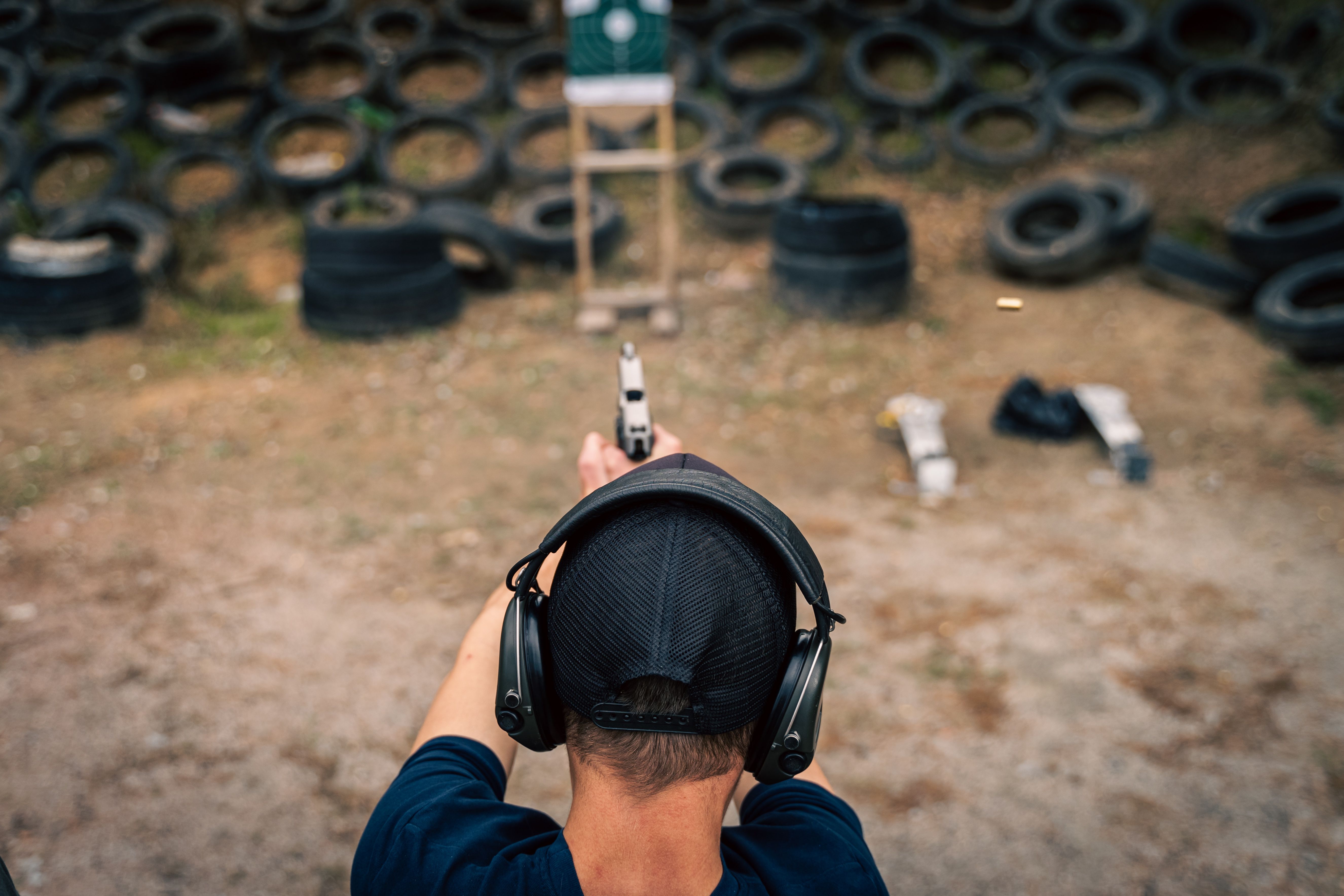
The Glock 19 is one of the clearest modern examples of a gun that outgrew hype and became a benchmark. Plenty of pistols have strong launches, aggressive marketing, and devoted fans. Far fewer become default recommendations across instructors, private citizens, and law enforcement users because they consistently hit the middle of the target on size, capacity, shootability, and maintenance.
Its real strength is balance. Full-size pistols can be easier to shoot but harder to carry, while subcompacts disappear more easily but often punish the user with shorter sight radius and snappier recoil. The Glock 19 sits in the middle, which is exactly why it has remained so influential. Glock’s own law-enforcement materials continue to center the model in that crossover role, and the company’s U.S. safety campaigns underscore how deeply embedded the brand remains in American handgun culture.
Just as important, the Glock 19 helped normalize a new expectation: a defensive pistol should be simple, durable, and boring in the best possible way. It is not beloved because it is ornate. It is respected because it usually works, parts are everywhere, magazines are common, and training ecosystems are built around it. That is genuine worth.
The AR-15 platform earns praise for reasons critics often ignore
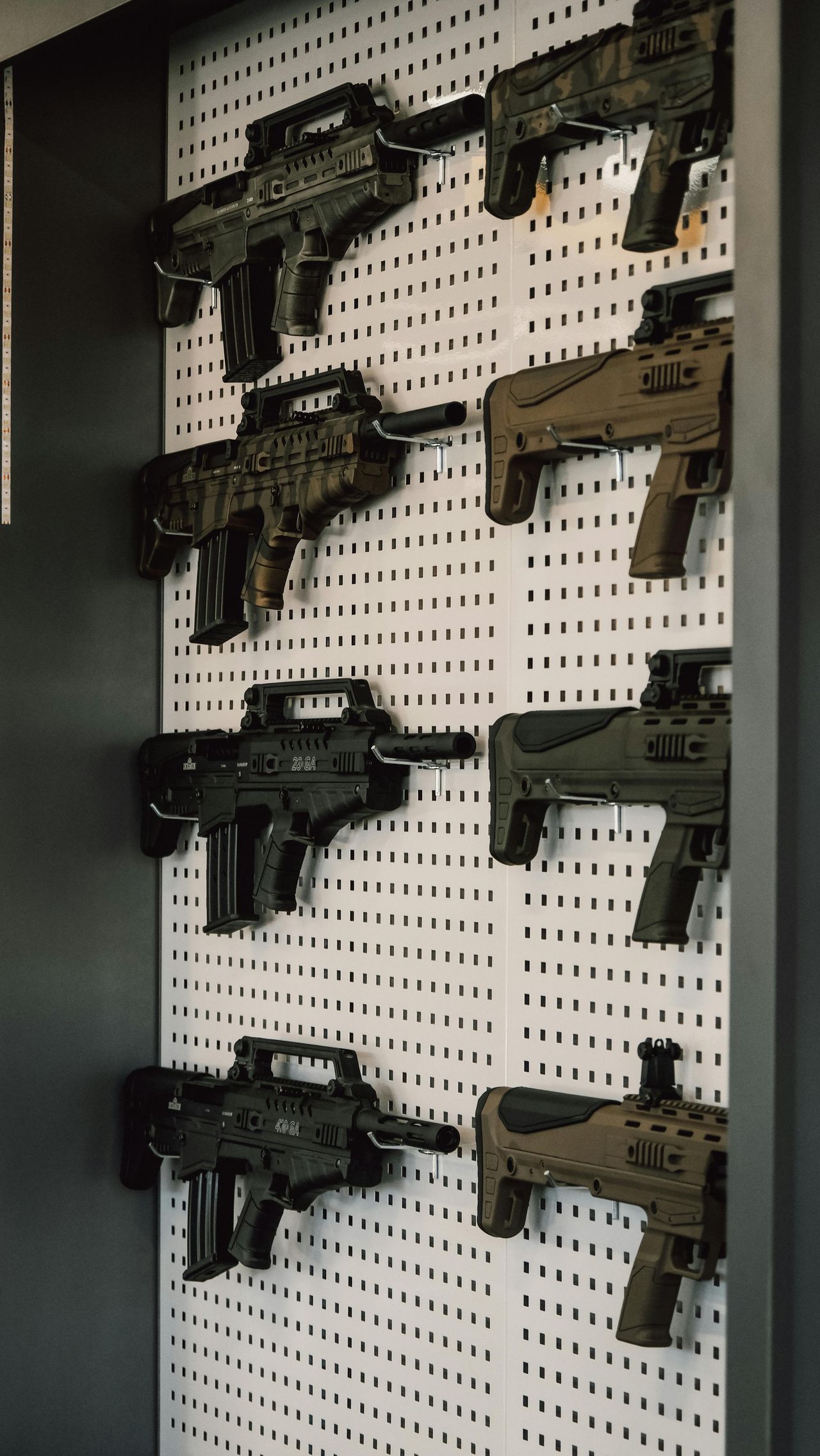
No firearm is more surrounded by symbolism than the AR-15, which makes it easy to miss why the platform became so widespread in the first place. Strip away politics and branding, and the core case is straightforward: it is light, modular, low recoiling, accurate enough for a huge range of uses, and adaptable to shooters of very different sizes and skill levels.
That combination matters in the real world. A rifle that can be fitted with different stocks, optics, lights, slings, and grips without heroic gunsmithing will almost always outlast a more rigid design in the consumer market. The National Shooting Sports Foundation says there are now over 32 million modern sporting rifles in circulation in the United States, and that these rifles remain the most popular centerfire rifle sold in America. Whatever one’s politics, that scale signals practical appeal, not just marketing success.
Even critics who dislike the rifle’s place in public life often concede its popularity and accessibility. The platform’s worth comes from ergonomics and adaptability more than mystique. In other words, the AR-15 became important because it is useful, and usefulness is often what survives after hype burns off.
Shotguns still prove that versatility can beat fashion.

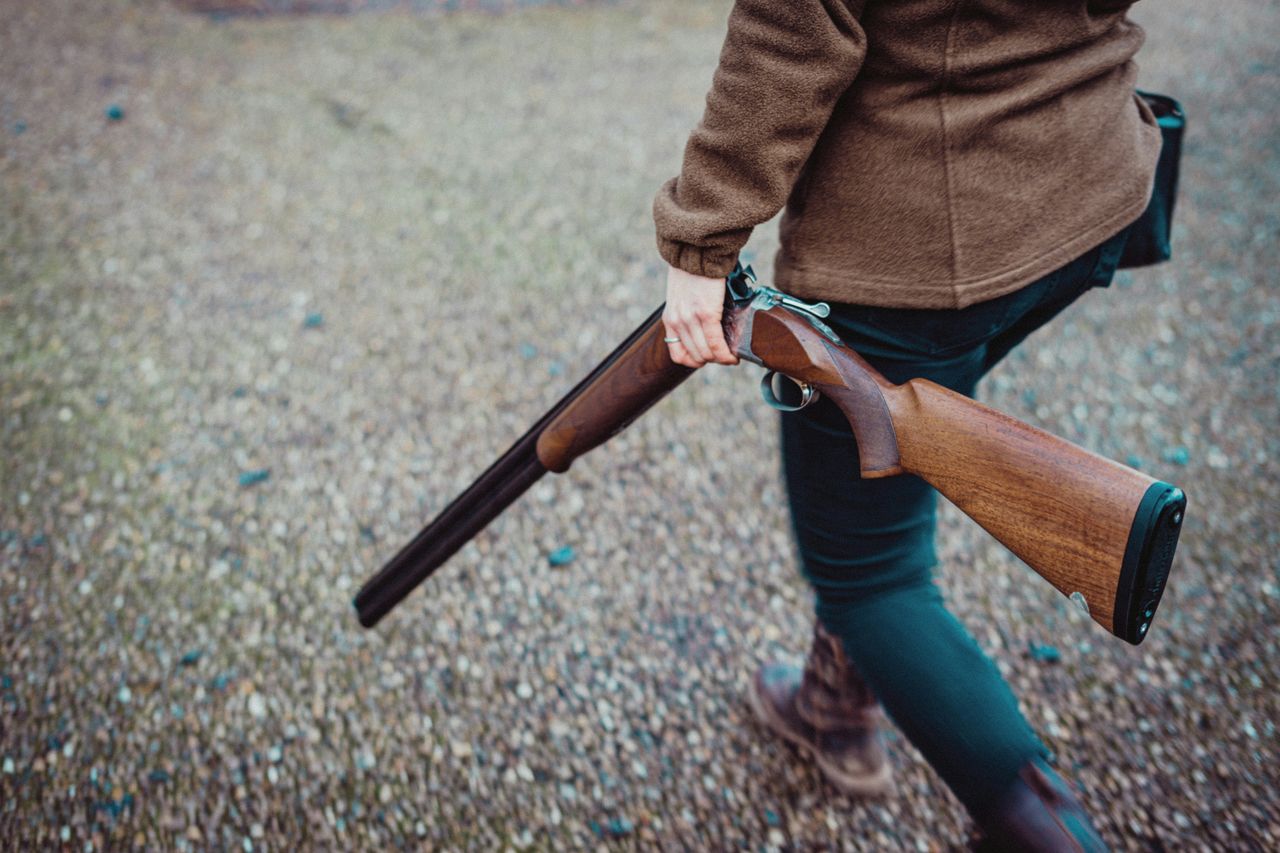
If rifles and pistols get the spotlight, the humble shotgun often gets underappreciated despite being one of the most flexible firearm types ever made. A good pump or semiautomatic shotgun can serve in hunting, sport shooting, home defense, and ranch or farm use with only modest changes in ammunition and setup. That breadth is hard for almost any rifle platform to match.
The worthy shotguns are not the ones sold on tactical theater. They are the models that cycle reliably, point naturally, and survive years of neglect in closets, trucks, duck blinds, and range bags. Their value comes from pattern performance, durability, and user confidence rather than accessory rails. For many households, a practical 12-gauge or 20-gauge remains the gun that can cover the widest spread of ordinary needs.
That lack of glamour is exactly the point. Shotguns rarely dominate online hype cycles because they are less customizable and less culturally charged than modern rifles. Yet in terms of sheer usefulness, they often outperform trendier options. When a tool keeps showing up in real work for generations, it has already made its case.
The most worthy firearms are the ones people keep using

The strongest test of any firearm is not launch buzz, collector chatter, or internet argument. It is whether the gun remains relevant after thousands of rounds, years of ownership, and changing fashions. That is why the most worthy firearms tend to have deep aftermarket support, easy maintenance, and broad communities built around training, repair, and responsible use.
This is also where many overhyped guns fail. They may look futuristic, promise revolutionary features, or ride a surge of influencer enthusiasm, but they often fade when magazines are expensive, parts dry up, or reliability proves inconsistent. The guns that endure are usually the ones that keep doing ordinary things extremely well.
So when people ask which firearms feel more worthy than the hype, the answer is usually not the newest or loudest model. It is the gun that changed expectations and then kept delivering. The M1 Garand did that historically. The Glock 19 did it for the modern defensive handgun. The AR-15 platform did it for modular rifles. And the best shotguns have been doing it quietly all along.
Custom footer at the end of the article.