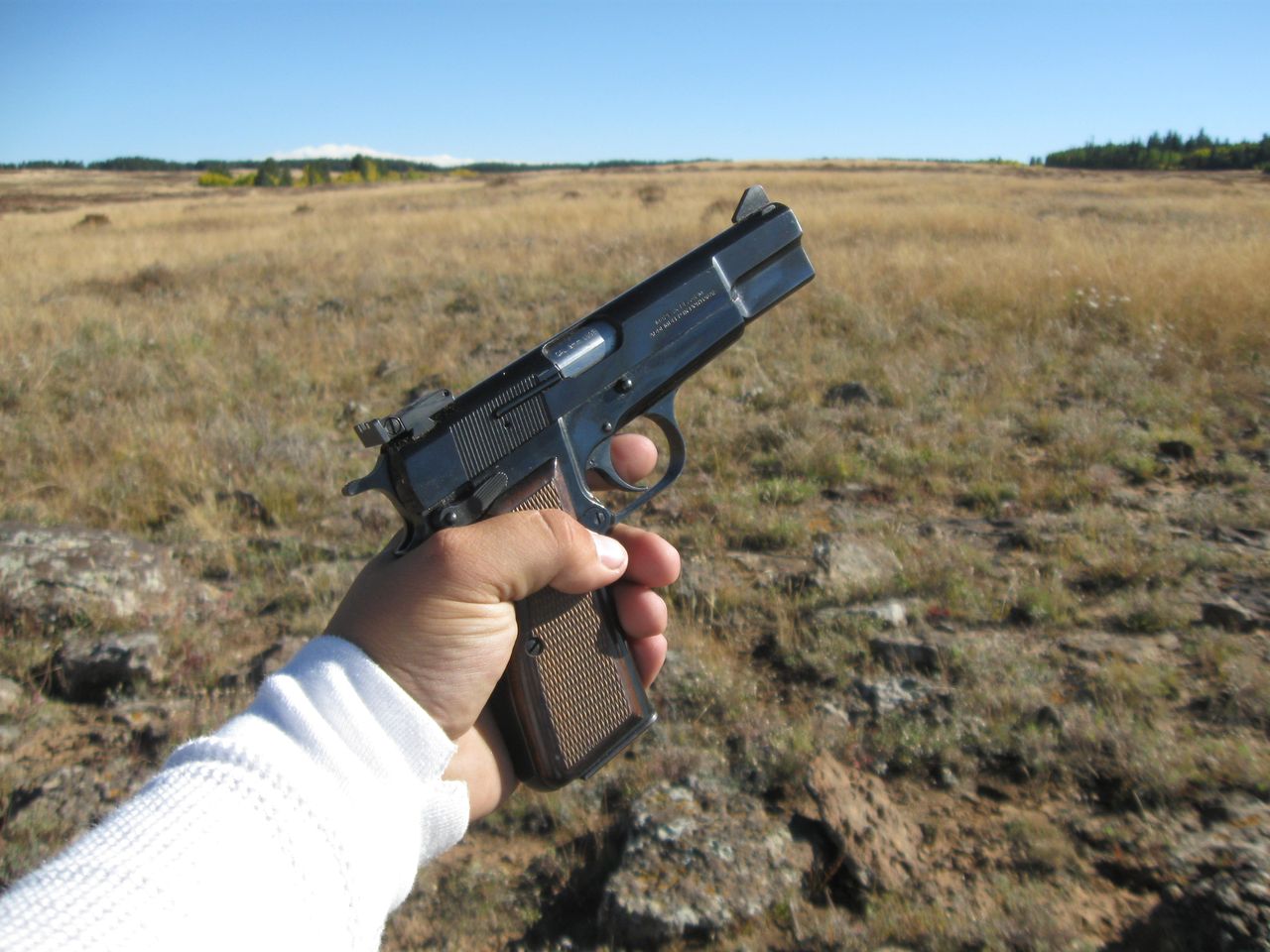
Some guns arrive with big promises: better firepower, clever engineering, or a leap into the future. Then the test ranges, muddy fields, and combat reports start telling a different story. These firearms weren’t necessarily hopeless, but proper evaluation exposed weaknesses that hype, theory, and limited demonstrations couldn’t hide.
Chauchat
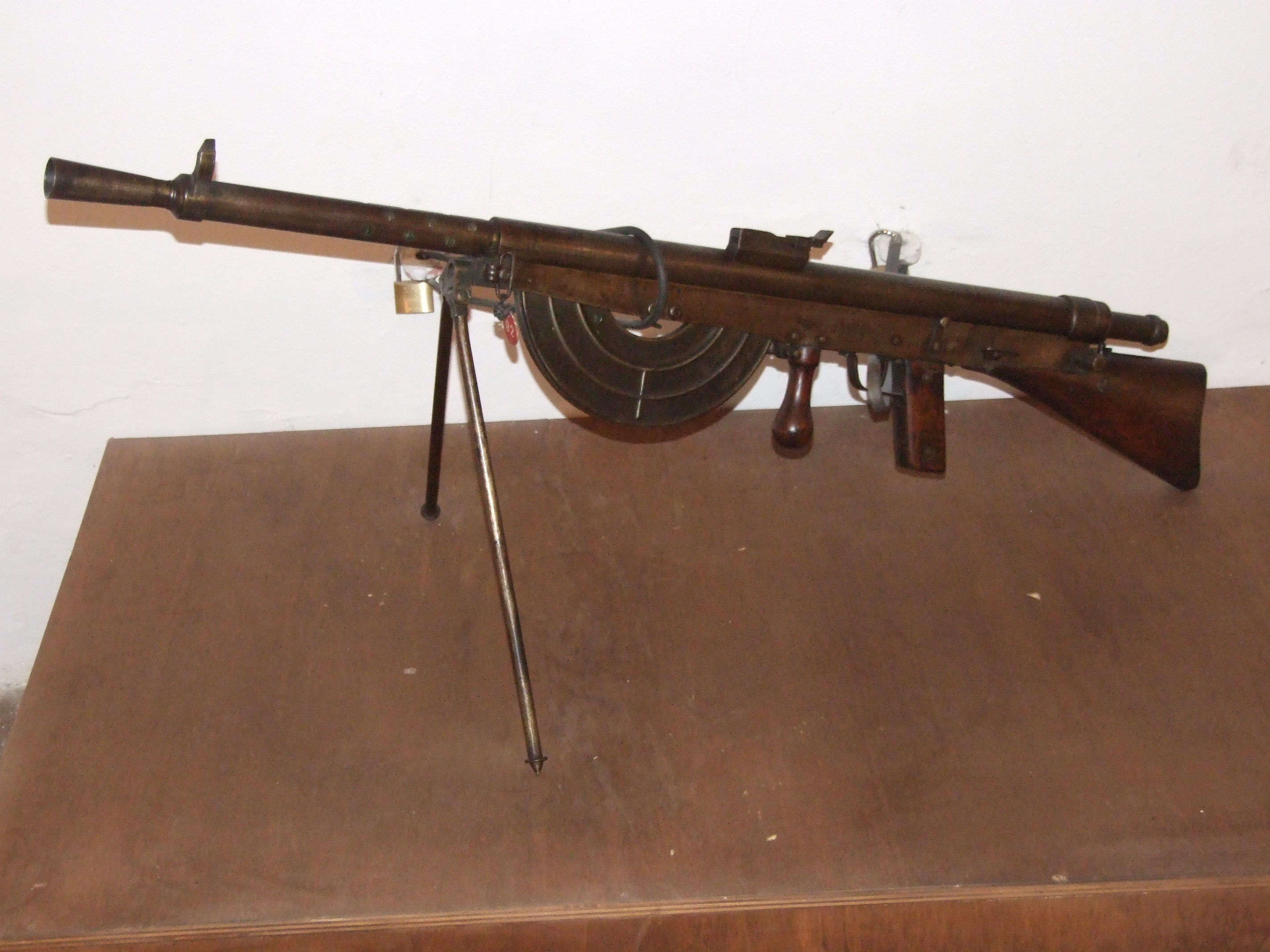
The French Chauchat is one of the clearest examples of a weapon that sounded useful before full-scale service revealed its flaws. It was light for a machine rifle, portable, and intended to give advancing infantry a mobile source of automatic fire at a time when that idea felt revolutionary.
Then testing in mud, dust, and actual battlefield conditions exposed how vulnerable it was to stoppages. Its open-sided magazine invited dirt inside, and manufacturing inconsistencies made reliability even worse. In theory, it fit the needs of modern war. In practice, soldiers learned very quickly that a clever concept means little if the gun won’t keep running.
Ross Rifle

Canada’s Ross Rifle looked like a serious contender before trench warfare gave it a brutal exam. It was accurate, well made, and admired on the target range, which helped build confidence that it could serve soldiers effectively in wartime.
But trench conditions were far less forgiving than controlled shooting. The rifle became notorious for jamming under battlefield grime, and its tight tolerances worked against it when dirt and heavy use entered the picture. There were also alarming reports of incorrect reassembly creating dangerous failures. Proper testing under combat conditions showed that precision alone doesn’t make a dependable service rifle.
Nambu Type 94
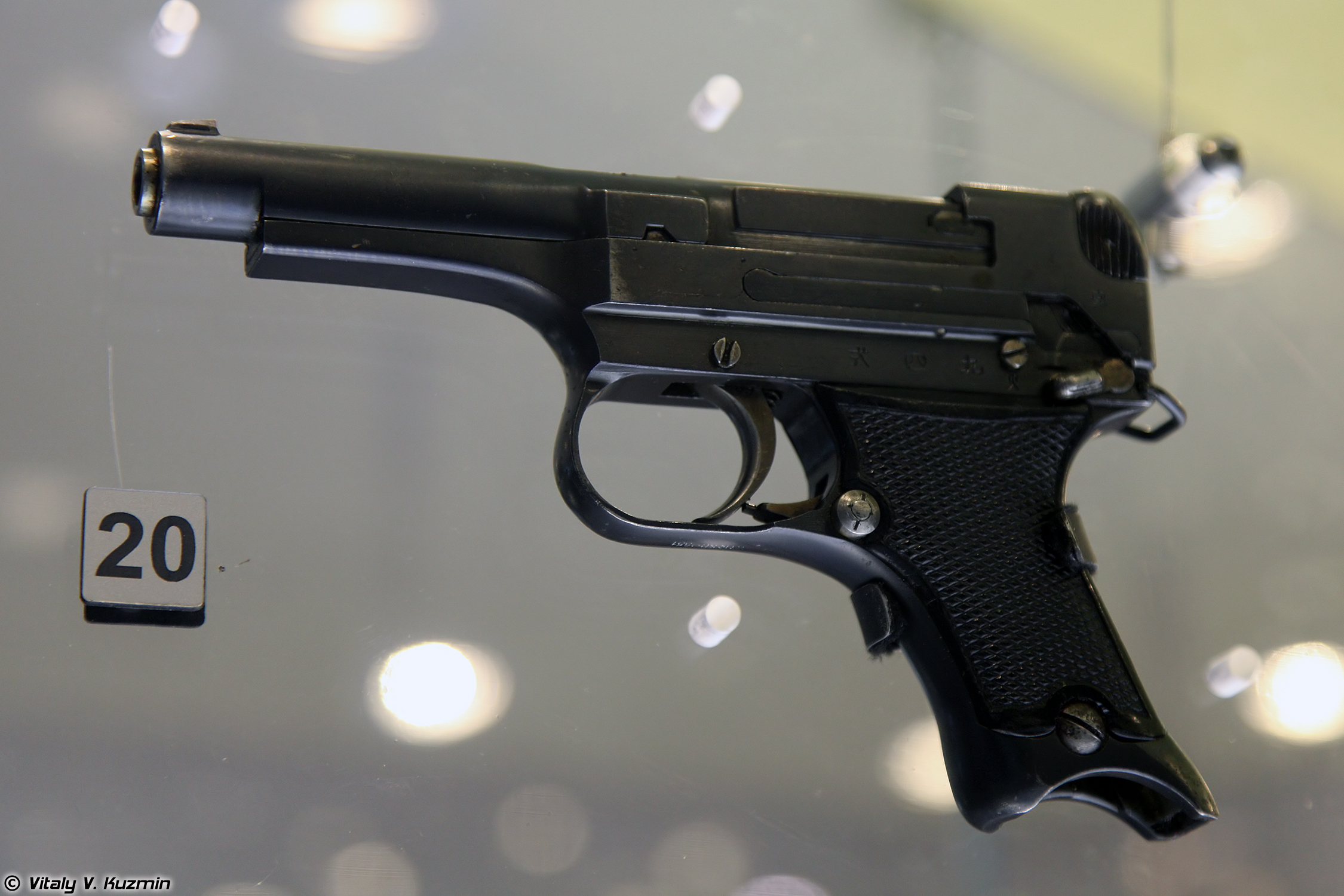
Japan’s Type 94 pistol had the kind of compact military profile that could seem perfectly acceptable at first glance. It filled a practical role as a sidearm, and in controlled handling it may not have immediately stood out as a disaster waiting to happen.
Closer evaluation revealed a deeply troubling design issue: under certain conditions, pressure on an exposed sear bar could discharge the pistol even without a normal trigger pull. Combined with mixed perceptions about durability and overall refinement, that flaw overshadowed everything else. Testing didn’t just reveal inconvenience here. It exposed a serious safety problem that no military sidearm should carry.
Shoshinsha Tank Rifle
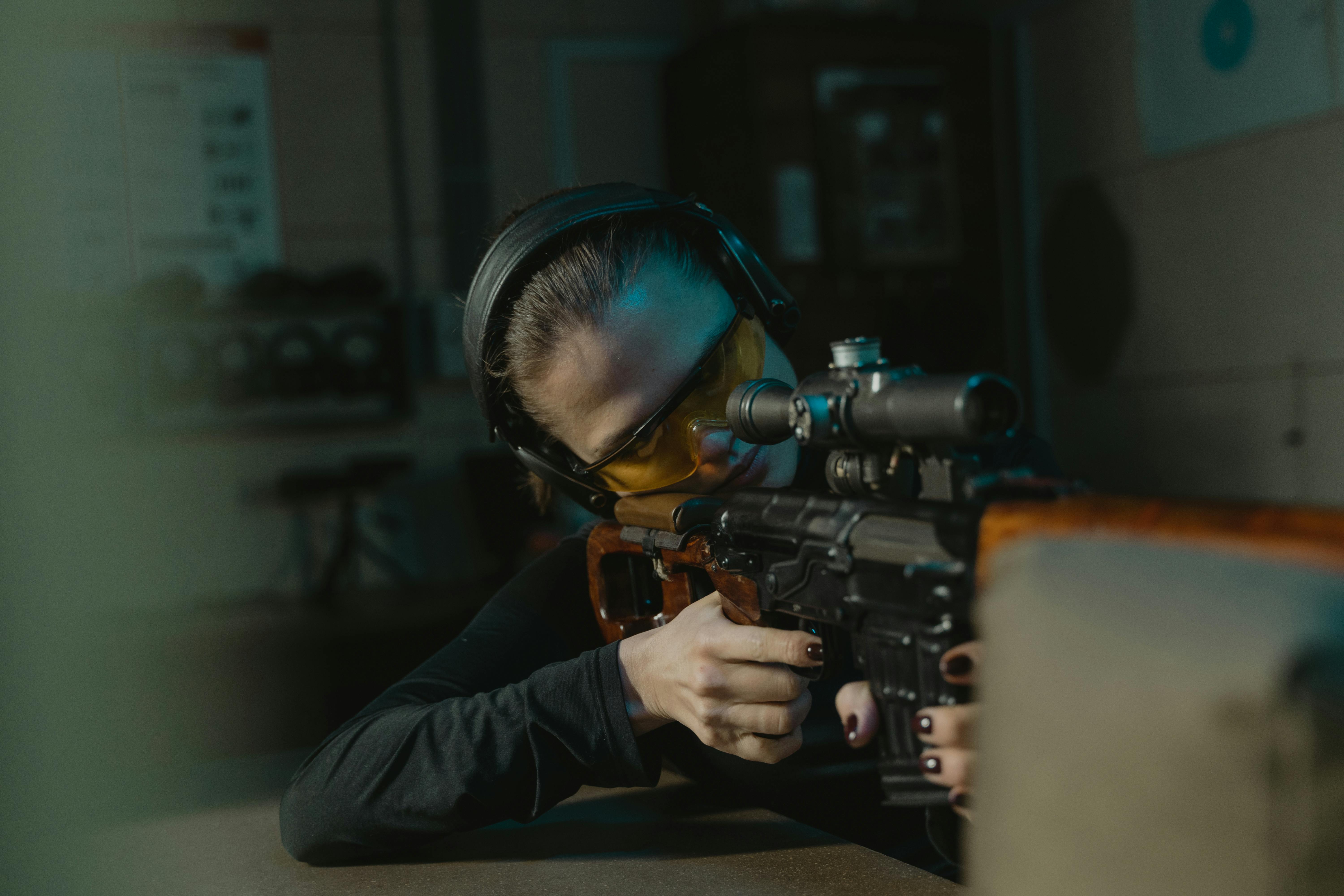
Early anti-tank rifles often looked impressive because the idea itself was so appealing: give infantry a shoulder-fired answer to armored vehicles. Japan’s Type 97 anti-tank rifle delivered intimidating size and power on paper, making it seem like a formidable battlefield tool.
Proper use and testing revealed the tradeoffs almost immediately. It was extremely heavy, awkward to move, and punishing to fire despite attempts to tame recoil. As armor improved, its effectiveness also narrowed quickly. What seemed like a practical anti-armor solution became a weapon burdened by weight, complexity, and rapidly fading relevance once harder testing met changing battlefield realities.
Liberator Pistol

The FP-45 Liberator had a clear wartime purpose, and in that narrow role it could almost be called ingenious. It was cheap, simple, and designed to be produced in huge numbers for resistance use, which made it look like a clever answer to a very specific strategic problem.
The trouble came when practicality entered the discussion. It was crude, slow to reload, short-ranged, and offered very limited usefulness after a first shot. Proper evaluation showed that while it was technically functional, its real-world combat value was far less inspiring than its bold concept suggested. It worked as an idea more easily than it worked as a weapon.
Sten Mk II

The Sten became famous for being cheap and fast to make, which was exactly what Britain needed in a desperate period. Early impressions focused on its simplicity, and that simplicity was genuinely valuable when factories had to produce huge numbers of submachine guns quickly.
Once tested under hard use, though, the rough edges were impossible to ignore. Build quality varied, accidental discharges were a concern in some circumstances, and the side-mounted magazine system could be temperamental if mishandled or poorly maintained. The Sten ultimately served in enormous numbers, but proper evaluation made one thing clear: affordability had come with serious compromises in handling and reliability.
M16 in Early Vietnam Service

The M16 is now one of the world’s defining rifles, but its early service story is a case study in how testing, logistics, and field reality can derail a promising design. Lightweight construction and controllable automatic fire made it seem like a major step forward for modern infantry.
Then early Vietnam experience exposed reliability failures that became infamous. Ammunition changes, inadequate cleaning support, and the damaging myth that the rifle was effectively self-cleaning all combined to produce severe stoppage problems. The rifle itself evolved into a success, but those first hard lessons proved that even strong designs can falter when real testing uncovers overlooked weaknesses.
SA80 in Its Early Years

Britain’s SA80 family entered service with the appeal of a modern bullpup layout, compact dimensions, and an ambitious effort to update the infantry rifle. On paper, it looked like the sort of platform that could bring a fresh generation of service weapons into a changing battlefield environment.
Initial testing and troop experience painted a much rougher picture. Early versions developed a reputation for stoppages, fragile components, and poor reliability in harsh conditions. The design was later improved substantially, but those improvements were necessary precisely because proper evaluation showed the original standard was not good enough. Promise was there from the beginning. Dependability had to be earned later.
Zip 22
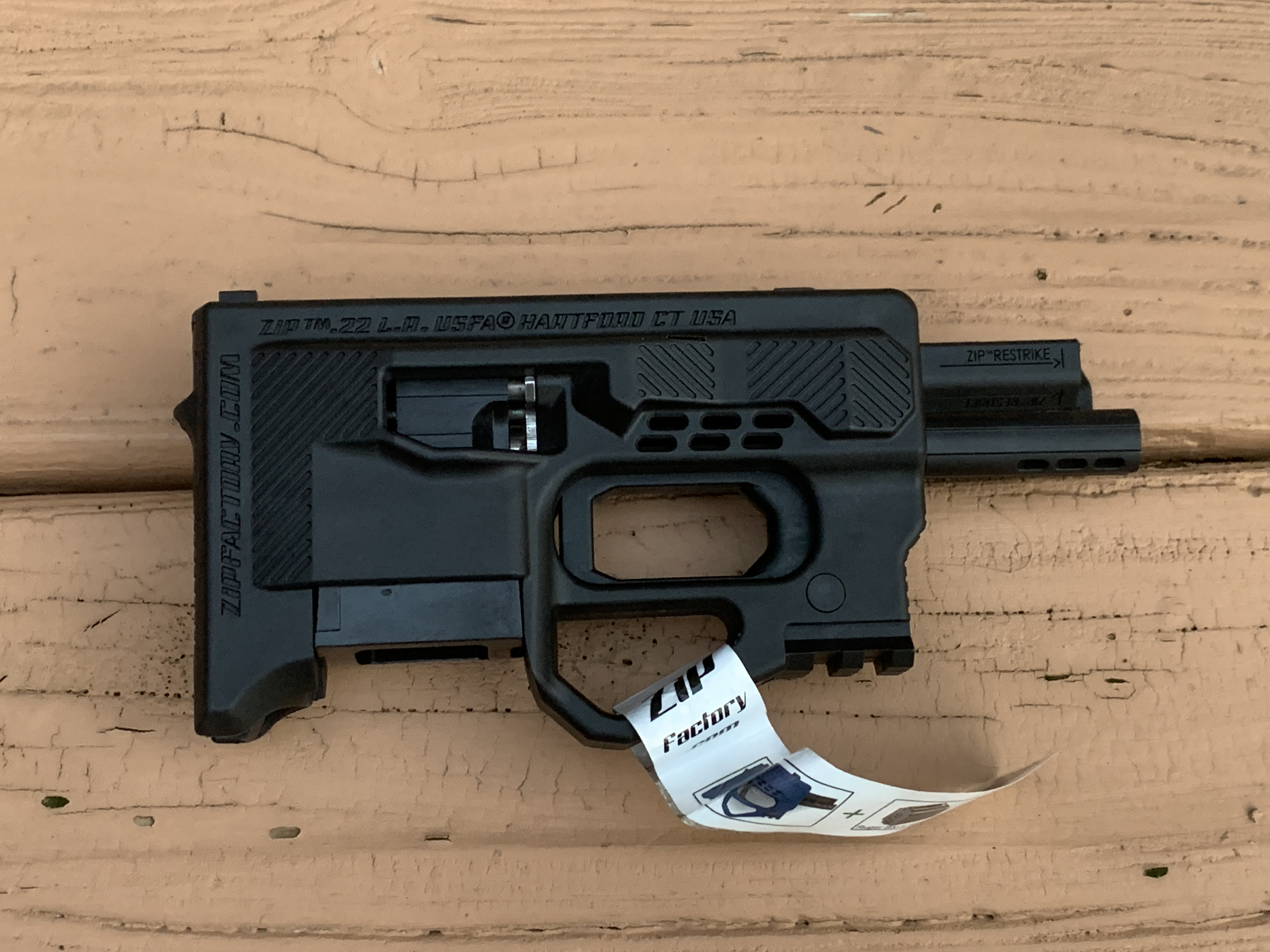
The Zip 22 arrived with the kind of unconventional styling that can generate immediate curiosity. It promised compact size, futuristic looks, and a novel approach to a .22 rimfire pistol, which made it seem like one of those oddball designs that might surprise skeptics.
Instead, testing and user reports quickly highlighted reliability and usability concerns. Feeding issues, awkward ergonomics, and general disappointment turned the pistol into a cautionary tale almost as soon as people spent real time with it. It wasn’t that the concept lacked ambition. The issue was that proper evaluation showed the finished product struggled at the basic tasks shooters expect a firearm to perform consistently.
Remington R51

When Remington revived the R51 name, the pistol generated real excitement. It offered a sleek profile, historic branding, and the suggestion of an elegant alternative in the crowded concealed-carry market. At launch, it looked like a smart blend of classic inspiration and modern practicality.
Then broader testing brought unwelcome attention to reliability issues, rough fit and finish, and performance that fell short of expectations. Reviews and customer experiences made clear that the pistol had reached the public before it was truly ready. Later efforts tried to address the damage, but first impressions had already hardened. It’s a textbook example of how proper testing can puncture a polished rollout very quickly.