The wild has a way of keeping secrets, even in an age of satellites, drones, and DNA testing. Some cases have plausible explanations, others inspire fierce debate, and a few remain stubbornly unresolved. Here are nine wilderness mysteries that continue to spark arguments among scientists, search teams, historians, and outdoor experts in 2026.
The Dyatlov Pass Incident
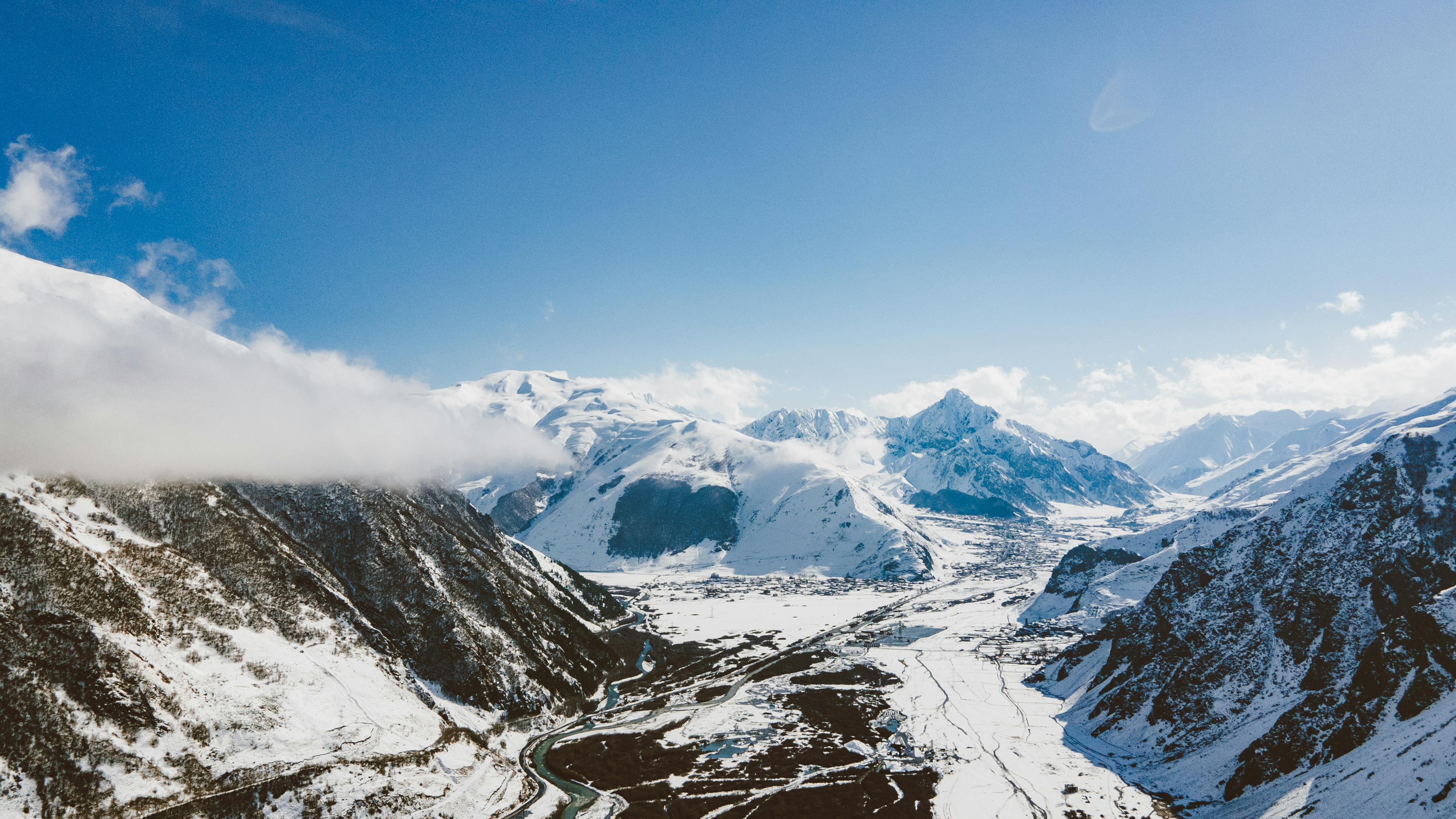
More than six decades later, the deaths of nine hikers in Russia’s Ural Mountains still divide researchers. Soviet-era secrecy, damaged tents, severe injuries, and the group’s sudden flight into brutal winter conditions created one of the most debated backcountry cases in modern history.
Recent avalanche modeling has convinced some experts that a rare slab event and disorientation can explain the scene. Others argue that key injuries, missing details, and contradictory witness accounts leave too many gaps. In 2026, Dyatlov remains a case where science has narrowed the possibilities without fully ending the argument.
The Lost Franklin Expedition in the Arctic
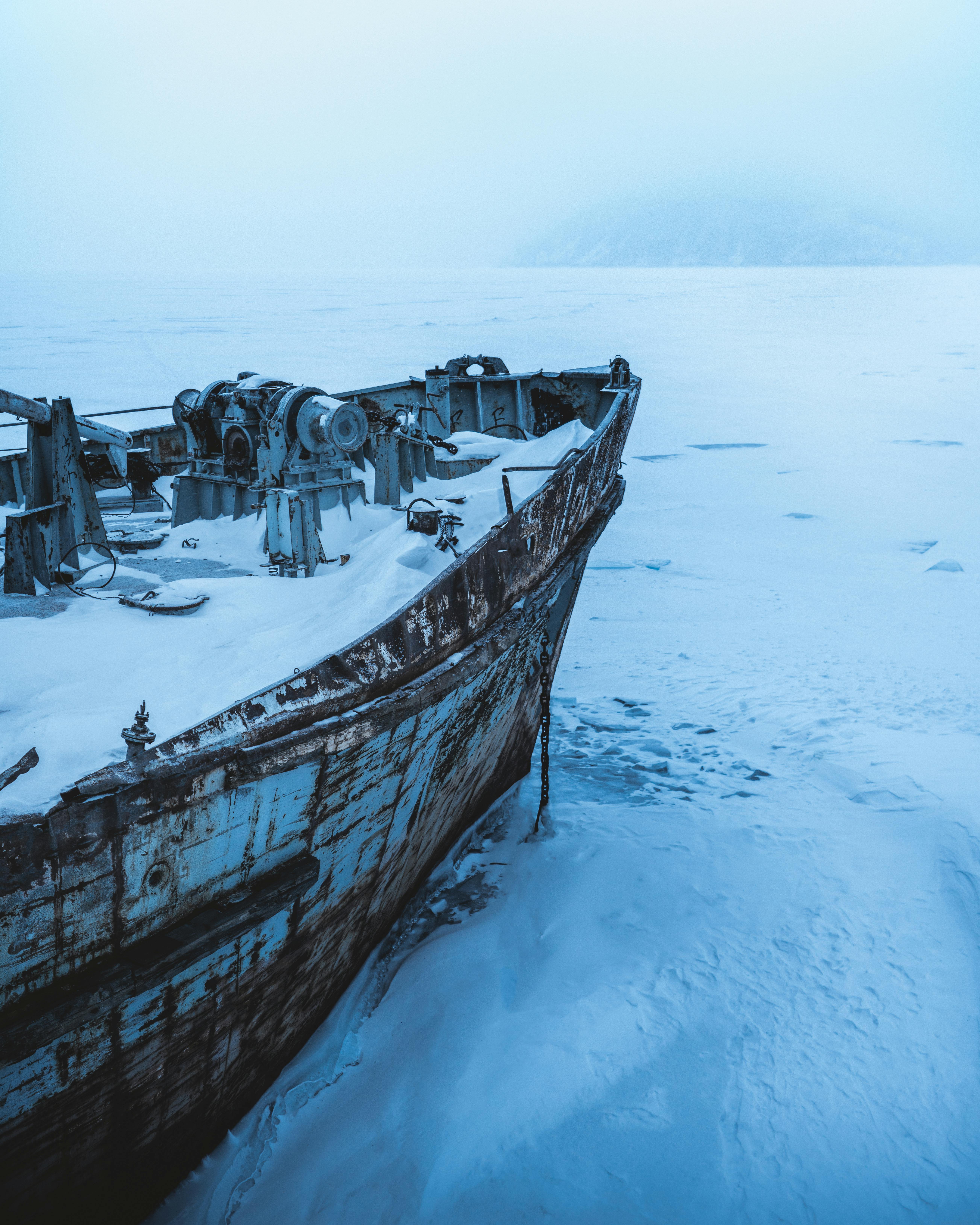
The fate of Sir John Franklin’s 1845 expedition has shifted from pure mystery to a puzzle with many pieces still out of place. Wrecks have been found, artifacts recovered, and Inuit oral histories taken more seriously, yet historians continue debating how the final months unfolded across the Canadian Arctic.
Was lead poisoning a major factor, or has that theory been overstated? How much did ice conditions, starvation, illness, and command decisions each matter? New analysis keeps refining the story, but in 2026 experts still disagree on the exact chain of events that doomed one of exploration’s most haunting journeys.
The Sounds of the Taos Hum

Not every wilderness mystery is something you can see. Around Taos, New Mexico, a persistent low-frequency noise has long been reported by a small but vocal number of residents and visitors, with descriptions ranging from a diesel engine idling far away to a pressure-like vibration that never quite stops.
Engineers, acoustics specialists, and physicians still disagree on what causes it. Some point to industrial or atmospheric sources, while others suspect a mix of tinnitus, infrasound sensitivity, and perception effects. The reason this mystery survives is simple: many people hear nothing at all, while a few insist the sound is undeniably real.
Bigfoot in the Pacific Northwest

Bigfoot remains the wilderness mystery that refuses to leave the cultural map. Reported sightings, footprints, audio clips, and shaky videos continue to appear from Washington, Oregon, British Columbia, and Northern California, often in dense timber where visibility is poor and legends run deep.
Wildlife biologists generally say there is still no verified body, bone, or DNA proving an unknown great ape in North America. Supporters counter that vast habitat, limited access, and fleeting encounters make hard evidence difficult to obtain. In 2026, the debate persists because every new claim is either a tantalizing clue or, to skeptics, one more story built on misidentification.
The Fate of Percy Fawcett in the Amazon

British explorer Percy Fawcett vanished in 1925 while searching for a supposed ancient city in the Amazon, and his disappearance still attracts competing theories. He may have been killed, succumbed to disease or starvation, or become trapped by terrain and logistics that can turn minor mistakes into fatal ones.
Anthropologists and historians also debate whether his quest was built on exaggeration, local lore, or misunderstood evidence of complex pre-Columbian societies. The Amazon has since revealed major earthworks and settlements, giving part of Fawcett’s vision new credibility. Yet in 2026, what actually happened to him and his party remains unresolved.
The Sailing Stones of Death Valley

For years, large rocks on Racetrack Playa in Death Valley seemed to move on their own, leaving long tracks across the cracked desert floor. The phenomenon inspired everything from practical geology to paranormal speculation because the stones could shift without witnesses ever seeing the motion happen.
Researchers eventually captured a convincing mechanism involving thin ice, shallow water, light wind, and just the right temperature swing. Even so, experts still debate how often the conditions occur, why some stones move farther than others, and whether multiple processes are involved. In 2026, the broad answer is clearer, but the fine details still keep geologists talking.
Lake Baikal’s Deepwater Oddities

Lake Baikal, the world’s deepest freshwater lake, inspires serious scientific awe before mystery even enters the conversation. Reports over the years have included strange lights, unusual ice formations, and hard-to-explain readings from one of Earth’s most extreme inland environments, where depth, pressure, and ecology create conditions unlike almost anywhere else.
Many researchers favor natural explanations involving methane release, shifting ice, optical effects, and the challenges of observing such a vast system. Others caution that the lake is still revealing new species and unfamiliar processes, so confidence should be tempered with humility. In 2026, Baikal remains a place where extraordinary science and enduring folklore overlap.
The Disappearances in U.S. National Parks

Missing-person cases in and around U.S. national parks continue to generate intense public interest, especially when hikers or campers seem to vanish in terrain that appears straightforward on a map. Search-and-rescue professionals know those landscapes can become punishingly complex once weather, elevation, water, injury, and panic enter the picture.
Experts often disagree not on whether the wilderness is dangerous, but on how much mystery truly remains after a case goes cold. Some see patterns that deserve closer analysis, while others warn that clustering unrelated tragedies can distort the facts. In 2026, these disappearances remain deeply emotional because every unresolved case sits at the intersection of nature, chance, and human limits.
The Marfa Lights

The Marfa Lights are often grouped with sky mysteries, but they are rooted in a harsh, open landscape where distance and darkness can play tricks on even experienced observers. For generations, people near Marfa, Texas, have reported glowing orbs that flicker, split, hover, or drift across the desert horizon.
Skeptics point to headlights, atmospheric refraction, and temperature layers that distort light in surprisingly dramatic ways. Believers respond that not every sighting fits those explanations neatly. By 2026, the lights remain less a solved case than a running argument between physics, local testimony, and the persistent idea that wild places still hold phenomena we do not fully understand.