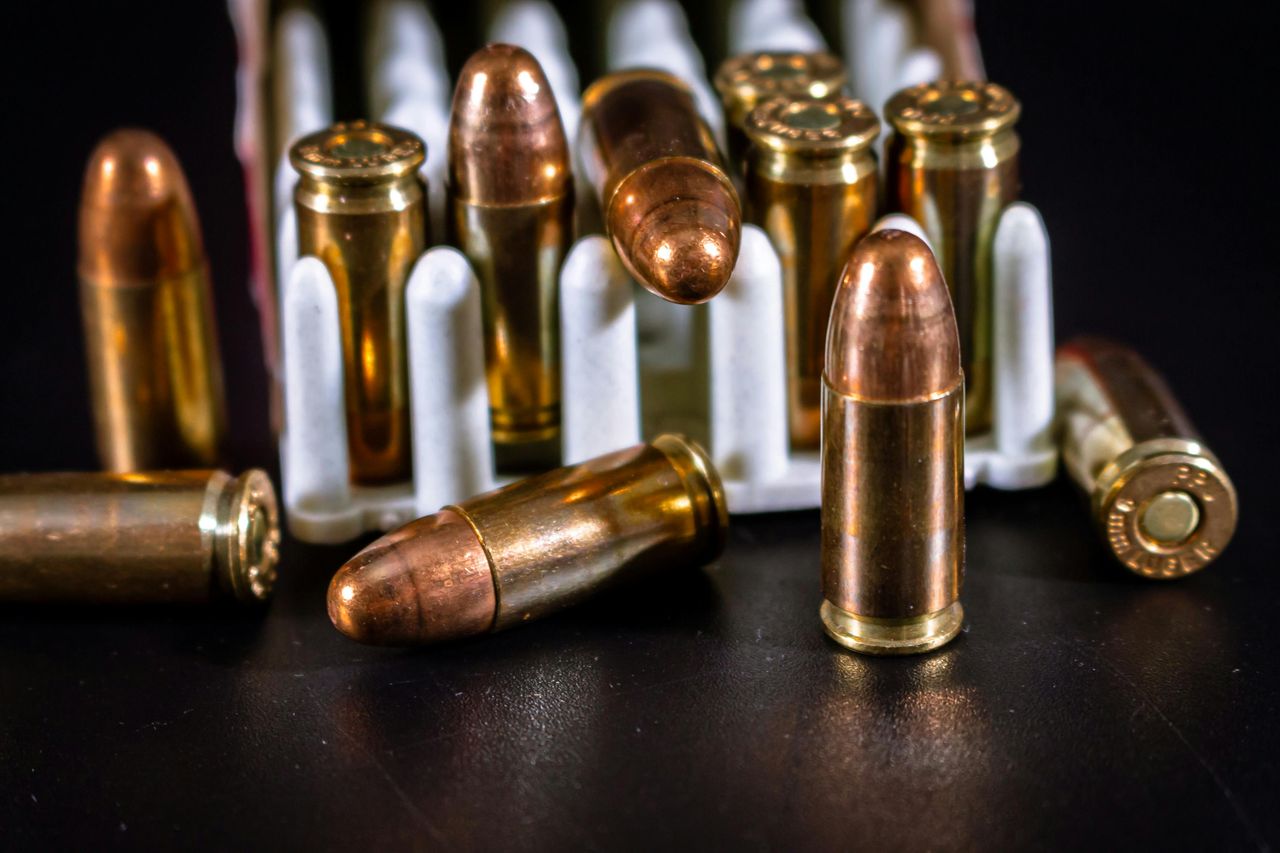
The box may say “personal defense,” but that doesn’t make it a magic talisman. When everything goes bad fast, ammo either works in your actual gun or it doesn’t.
Brand reputation is not the same as real-world performance.

A lot of people choose to carry ammo the same way they choose motor oil or batteries: by grabbing the premium brand with the strongest reputation and assuming the hard part is done. That’s understandable. Loads like Federal HST, Speer Gold Dot, and Hornady’s defensive lines earned those reputations for a reason, and manufacturers routinely market them around reliability, expansion, and barrier performance.
But brand reputation is only the starting point, not the finish line. The FBI protocol that still shapes defensive handgun ammo development is built around calibrated gelatin and a penetration window of roughly 12-18 inches, with strong emphasis on consistency through multiple test events. That standard exists because handgun bullets are already relatively weak stoppers compared with rifles or shotguns, so they need dependable penetration first and controlled expansion second.
The problem is that “good load” does not always mean “good load in your gun.” Even highly regarded ammunition can behave differently in a subcompact pistol than it does in a duty-size handgun. According to Lucky Gunner’s widely referenced ballistic testing, some loads that look excellent in one barrel length show noticeably different penetration and expansion in another, especially once velocity drops in shorter barrels.
That gap matters because most concealed carriers are not walking around with a service pistol and a five-inch barrel. They are carrying micro-compacts, short-barreled revolvers, or slim 9mms that change the whole equation. If your favorite round was chosen from internet hype, law-enforcement reputation, or a dramatic gel video, you may be trusting a result your own carry gun cannot reproduce.
Short barrels change the rules more than most people realize
Barrel length is one of the most overlooked reasons carry ammo disappoints. Defensive handgun bullets are engineered to open within a certain velocity window. Lose too much speed in a short barrel, and a hollow point may expand less, expand late, or fail to expand at all. When that happens, the bullet may penetrate differently than expected and produce a wound profile far removed from the marketing copy on the box.
Manufacturers know this, which is why some lines are specifically tuned for compact pistols. Speer has discussed designing loads around the reduced velocity potential of shorter carry guns, and Hornady markets Critical Defense around personal-protection use with its FTX bullet, which is intended to resist clogging and expand reliably from shorter barrels. Those are smart design responses, but they are not universal guarantees.
The mistake people make is assuming any 9mm defensive load performs like any other 9mm defensive load. It doesn’t. A bullet that opens beautifully from a Glock 17 can behave much more conservatively from a tiny carry pistol. That may still be acceptable, but you do not want to discover the difference only after you’ve built your confidence around a best-case test from a longer gun.
This is also where caliber arguments become less useful than many gun owners think. The better question is not “9mm or .45?” It is “Does this exact load, from this exact gun, give reliable function, controllable recoil, and consistent terminal behavior?” That is a much less glamorous question, but it is the one that keeps fantasy from creeping into your carry setup.
Clothing, barriers, and bad angles can ruin ideal bullet behavior.
Defensive ammo ads often show textbook mushrooms peeled back perfectly in gel, as if every threat will stand square to you in a T-shirt. Real life is uglier. Heavy clothing can clog hollow points. Arms, shoulders, hands, glass, sheet metal, and odd body angles can all interfere with the bullet path. The FBI’s heavy-clothing and barrier tests exist because bullets rarely get ideal conditions in real shootings.
This is why penetration standards matter so much. A bullet that expands dramatically but stops too early can look impressive in photos while failing the more important test of reaching vital structures. Older FBI wound-ballistics guidance put penetration first for exactly that reason, and current protocol scoring still heavily rewards loads that stay within the accepted depth range rather than producing flashy but shallow performance.
Manufacturers have spent decades trying to solve this tradeoff. Gold Dot’s bonded construction was built to reduce jacket-core separation and improve barrier performance. Federal describes HST as delivering consistent expansion and penetration across duty use. Hornady split its lines between Critical Defense, aimed more at civilian concealed carry, and Critical Duty, aimed more at tougher barrier expectations. Those distinctions matter more than a lot of consumers realize.
What lets people down is buying for one scenario while imagining another. If your chosen ammo is optimized for fast expansion in light clothing, it may not shine after tougher intermediate barriers. If it is optimized for barrier performance, it may recoil more, cost more, or perform differently from compact guns. There is no free lunch in handgun bullet design, only tradeoffs.
Reliability failures matter more than ballistic theory.y
The most sophisticated bullet in the world is worthless if it nose-dives on the feed ramp, hangs up in a magazine, or prints erratically from your pistol. Yet many carriers spend more time discussing expansion diameter than basic function testing. That is backwards. In a life-or-death encounter, a round that fires every time and hits where you aim beats a theoretically superior load that occasionally chokes.
This is especially important with modern carry pistols, which are smaller, lighter, and less forgiving than full-size guns. Overall cartridge shape, bullet profile, recoil impulse, and even magazine geometry can influence reliability. Some pistols will feed nearly anything. Others become picky with wide-mouth hollow points, lightweight high-velocity loads, or certain bullet ogives.
Even when a round feeds, the point of impact can shift. Different loads shoot to different elevations and recoil with different timing. In a slow range session, that difference may feel minor. Under stress, with a snappy subcompact and a short sight radius, it can mean the ammo you trust most is actually the ammo you shoot worst.
That is why experienced instructors often sound boring on this subject. They tend to recommend proven loads, then immediately add the less exciting part: test enough of it in your own gun to verify feeding, extraction, lock-back, and practical accuracy. Ammo selection is not complete when you buy the box. It is complete when your pistol proves it likes the contents.
The round in your chamber may be getting worse over time.

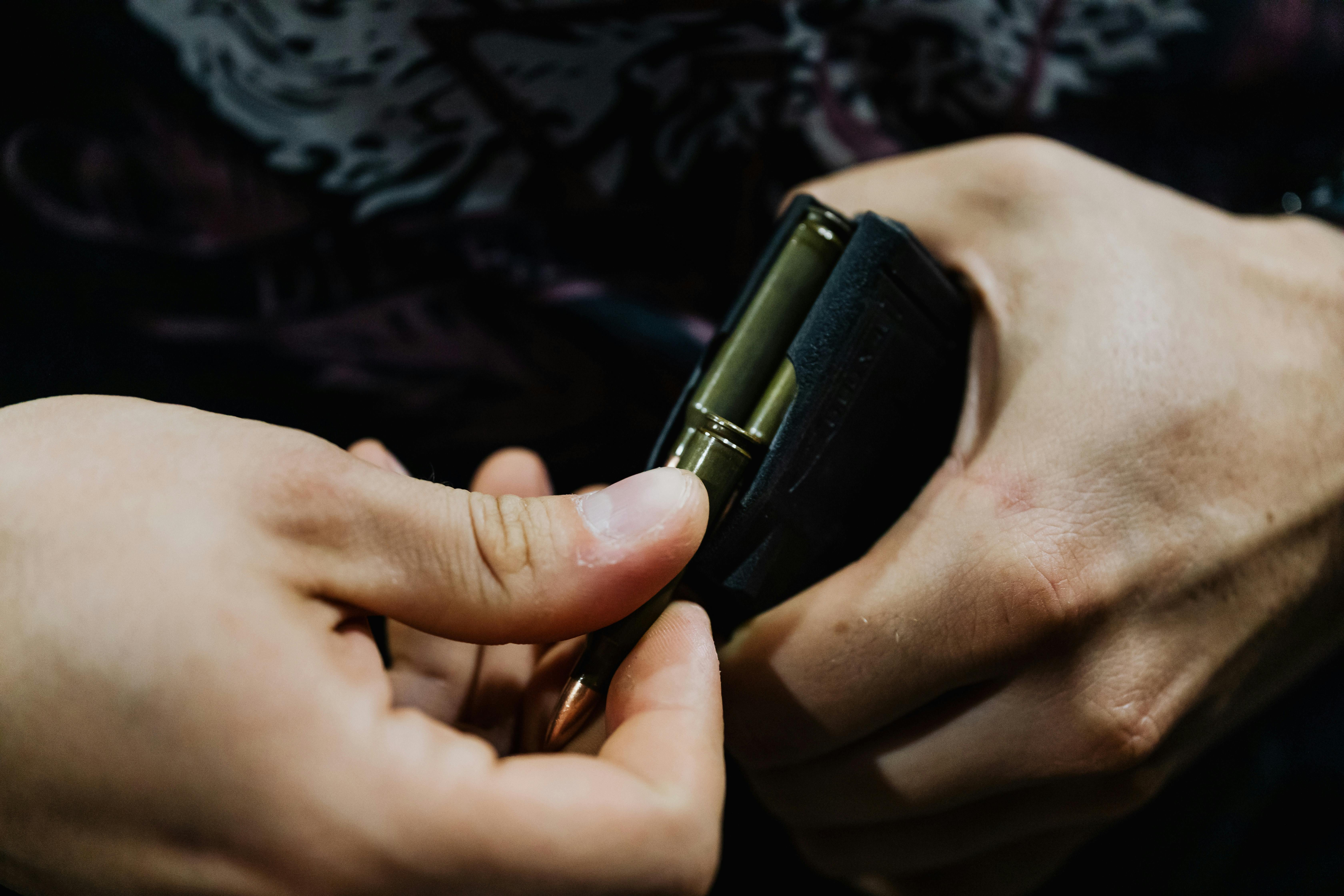
A surprising number of carry-ammo problems are self-inflicted. People unload their pistols for dry fire, admin handling, workplace storage, or bedtime routines, then rechamber the same top round again and again. SAAMI warns that repeated rechambering can push the bullet deeper into the case, reducing internal volume and increasing pressure. That condition is known as bullet setback, and it is not just a cosmetic issue.
A setback can raise chamber pressure and alter feeding dynamics at exactly the wrong moment. Sometimes the cartridge still looks “close enough” until you compare it side by side with a fresh round. Other times, the nose gets visibly mashed, the case rim gets chewed up by the extractor, or the cartridge begins chambering inconsistently. None of that inspires confidence, and none of it should.
This is where premium carry habits matter as much as premium carry ammo. Rotate chambered rounds. Inspect them under good light. If a round looks shorter, deformed, gouged, or repeatedly battered, stop carrying it. The same advice applies to cartridges exposed for months to sweat, lint, oil, and temperature swings inside a waistband holster or glovebox.
People love to argue over which hollow point is king, but neglect this basic maintenance issue entirely. The truth is that neglected top rounds, contaminated cartridges, or setback-prone carry habits can sabotage excellent ammunition. Your favorite load may be perfectly engineered and still let you down because you unknowingly degraded it one daily unload at a time.
Recoil, speed, and confidence can trick you into bad choices.
There is a reason hot defensive loads sell well. Faster sounds better. +P sounds serious. Sharp recoil can even feel reassuring, as if pain in the hand must equal power on target. But handgun terminal performance is full of trade-offs, and more speed does not automatically mean better real-world outcomes if it comes at the cost of split times, accuracy, or control.
A hotter load may also behave differently in smaller guns. It can increase muzzle flip, slow follow-up shots, and make one-handed or awkward-position shooting harder. In some pistols, it may accelerate wear or expose reliability issues that milder standard-pressure loads do not. If you carry a micro 9mm, there is a good chance the “best” load on paper is not the best load you can run quickly and accurately.
That is one reason many respected standard-pressure loads remain popular despite the marketplace’s love affair with extremes. The practical goal is not to own the most aggressive box on the shelf. The practical goal is to put multiple effective hits where they need to go, fast, from a concealed handgun fired under stress, movement, and imperfect grip.
Confidence can be misleading here. If your faith in a load comes mostly from online consensus, dramatic gel blocks, or the emotional comfort of carrying something “high end,” you may be overestimating what it buys you. Honest confidence comes from boring reps: drawing safely, shooting accurately, and confirming that your chosen load is manageable when your heart rate spikes and your hands stop cooperating.
The best carry ammo is the one that survives your full reality test.

So what should you actually trust? Start with modern, well-vetted defensive loads from major manufacturers. The reason names like HST, Gold Dot, Ranger, and similar loads keep coming up is that they were built around real performance criteria rather than gimmicks. But after that, stop outsourcing the final decision to marketing, forums, or brand loyalty.
Your ammo has to pass a full reality test. It should feed reliably through your carry gun from your actual magazines using your preferred method of chambering. It should shoot to an acceptable point of impact. It should remain controllable in rapid fire. It should perform credibly from your barrel length. And it should hold up to normal carry without obvious setback, corrosion, or deformation.
You should also be honest about your likely use case. Most armed citizens are not shooting through auto glass. Most are also not guaranteed a clean frontal shot in light clothing. That means the sweet spot is usually dependable penetration, reliable expansion, and flawless function, not the most exotic bullet on the shelf or the most extreme niche solution.
In the end, carrying ammo fails people less because it is “bad” and more because it is mismatched, untested, overhyped, or poorly maintained. When seconds count, the winning round is rarely the most talked-about one. It is the one that has already proven, in your hands and in your gun, that it will do the simple, unglamorous job every single time.
Custom footer at the end of the article.