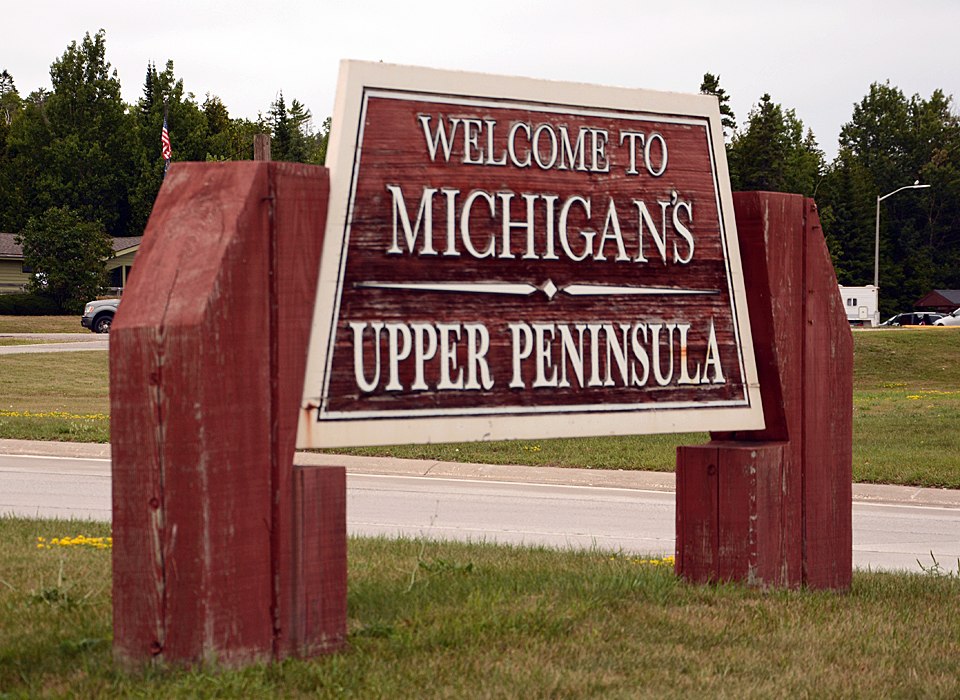
Michigan’s Upper Peninsula has evolved into a celebrated wilderness destination due to its rugged landscapes, quiet forests, and miles of undeveloped shoreline. Travelers often find a refreshing contrast between the region’s remote character and the gentle pace of its small towns. Scenic trails, deep lakes, and ancient rock formations create a sense of discovery that appeals to those seeking natural beauty. Over time, increased protection efforts, local pride, and growing awareness have helped the area rise as a premier outdoor retreat.
Early Roots in Outdoor Exploration
The earliest explorers who traveled through the Upper Peninsula documented thick forests, abundant wildlife, and waterways that stretched across remote terrain. Their journals described routes carved through dense pines and ridges shaped by ancient geological forces. These early accounts revealed a landscape filled with opportunity for navigation, trade, and adventure. As settlers followed, the region’s wild character remained evident, planting the seeds for its future identity as a place defined by exploration.
Rise of Conservation Efforts
As mining and logging expanded across the Upper Peninsula, concerns grew about the future of its untouched landscapes. Conservation groups and state leaders began working to protect significant forests, shorelines, and wildlife habitats before they disappeared. Their efforts resulted in parks and preserves that offered public access while maintaining ecological balance. These measures helped ensure that natural scenery remained intact, reinforcing the region’s reputation as a place where wilderness still thrived.
Growth of Outdoor Recreation
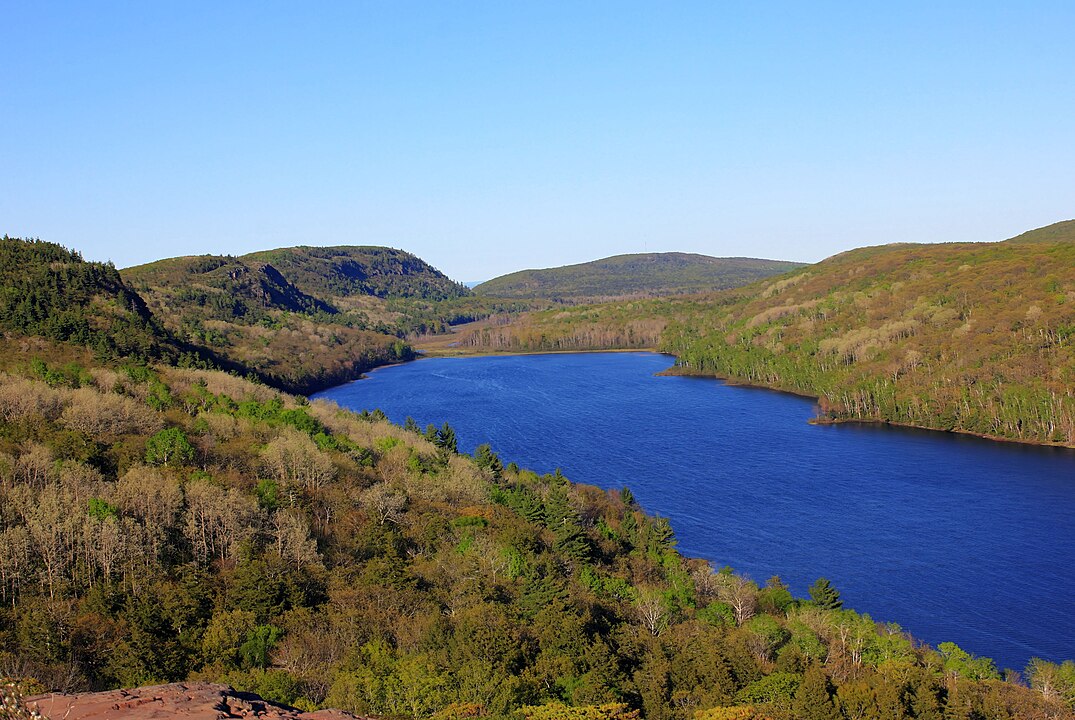
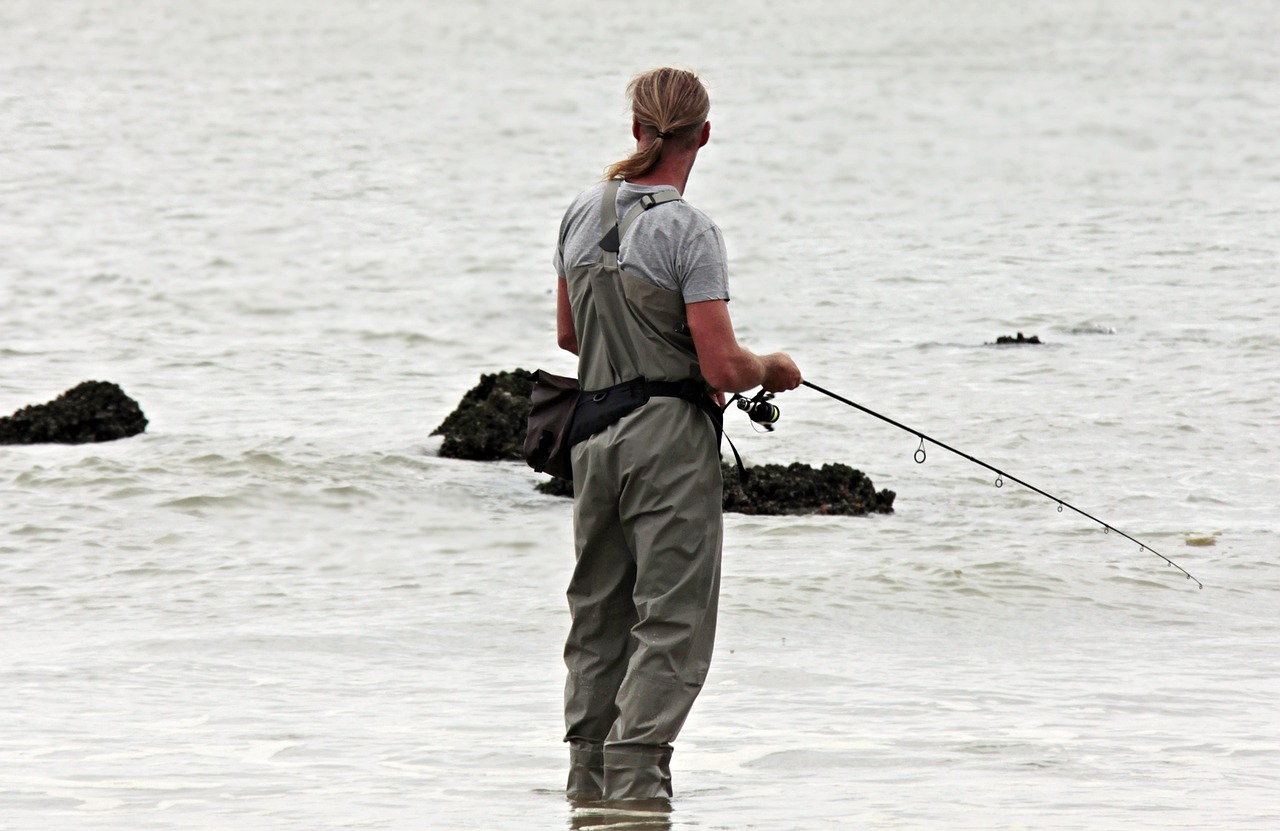
Outdoor recreation gained momentum as families, hikers, anglers, and paddlers discovered the region’s diverse terrain. Trails led through quiet forests and along clear lakes, offering scenic routes for both beginners and seasoned adventurers. Rivers created opportunities for canoeing and fishing, while winter snow encouraged activities such as cross-country skiing and snowshoeing. The variety of recreational options supported the Upper Peninsula’s growing appeal as a destination where nature played a central role.
Influence of Local Communities
Local communities across the Upper Peninsula embraced their connection to the land by supporting visitors with services rooted in regional traditions. Small cafés, outfitters, and locally owned lodges offered hospitality shaped by generations living close to the wilderness. Residents often shared knowledge of hidden trails, seasonal fishing spots, and scenic overlooks. This welcoming spirit encouraged travelers to explore further, reinforcing the bond between community life and the surrounding natural landscape.
Impact of National Recognition
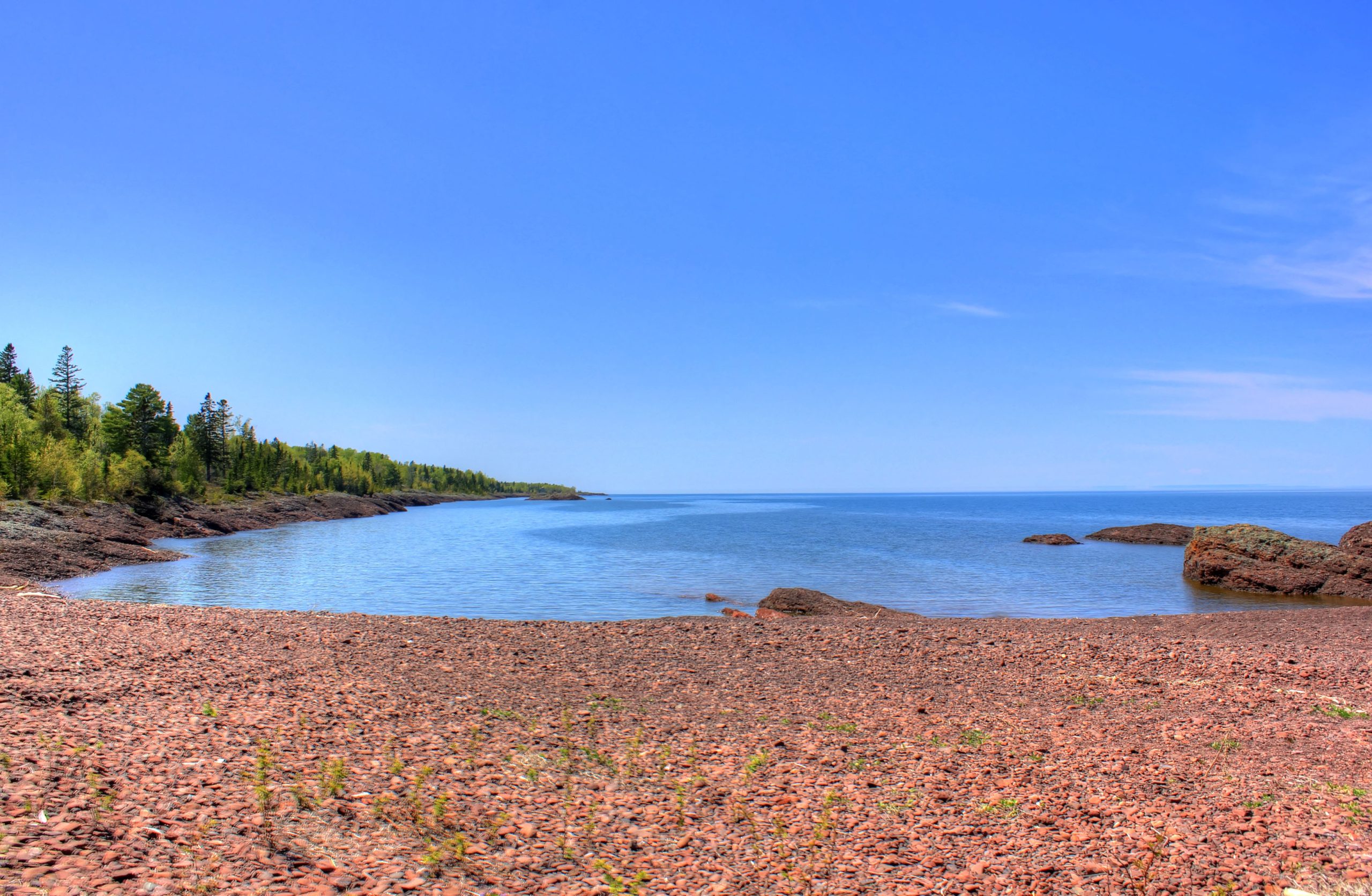
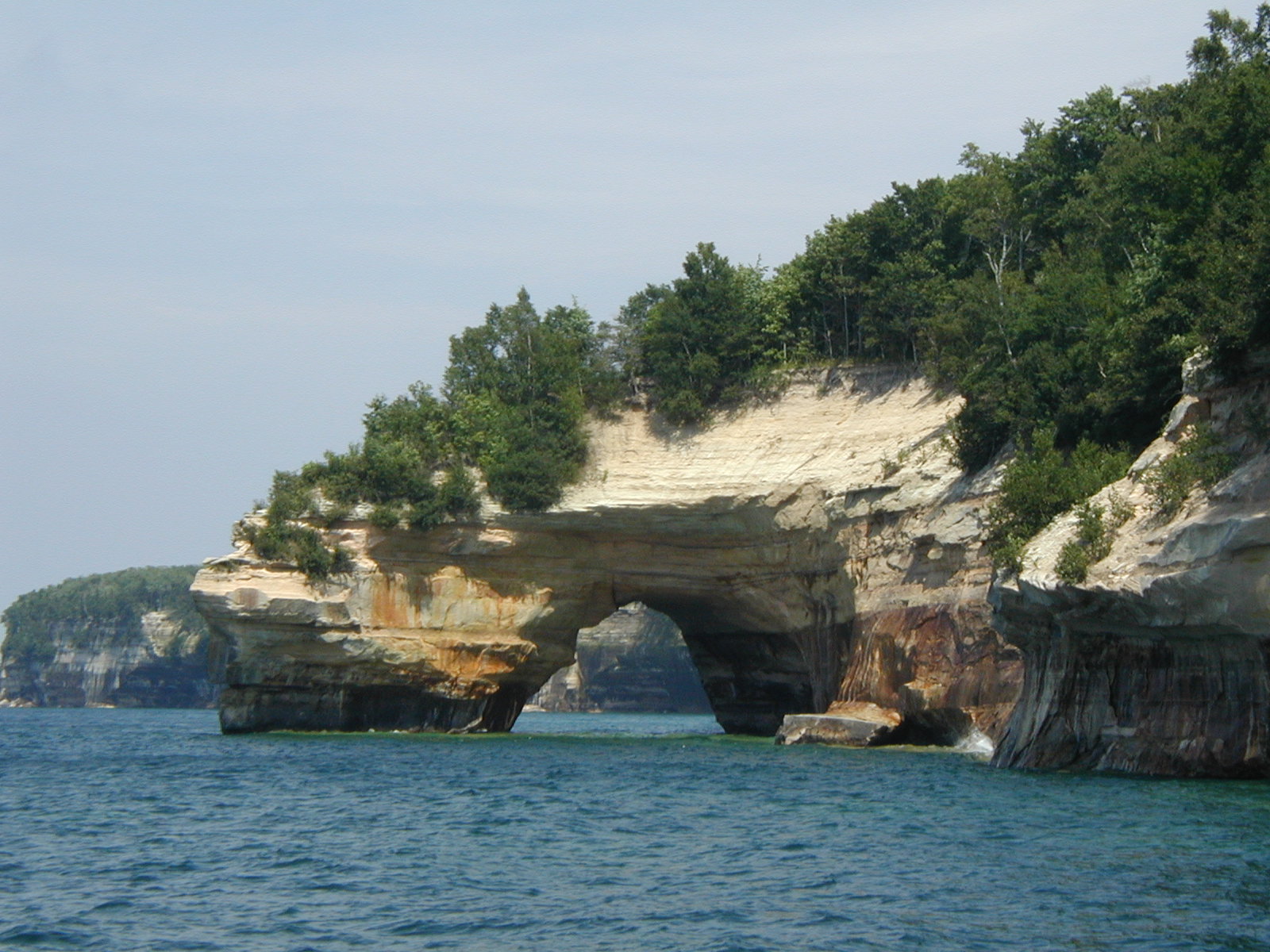
National recognition grew as travel writers and photographers began highlighting the Upper Peninsula’s dramatic scenery. Images of waterfalls spilling over sandstone ledges, rocky Great Lakes shorelines, and vast forests sparked interest among travelers seeking quieter destinations. Articles celebrated the region’s absence of crowds and emphasis on natural beauty. This attention helped place the Upper Peninsula firmly on the map as one of the country’s most compelling wilderness regions.
Continued Preservation and Stewardship
Ongoing stewardship efforts help maintain the region’s health as outdoor interest increases. Volunteers, conservation groups, and state agencies work together to restore habitats, protect waterways, and manage trail systems. These initiatives promote sustainable recreation practices that safeguard fragile ecosystems. Their dedication underscores the importance of long-term preservation, ensuring that the region’s wilderness character remains intact for future generations who seek authentic natural experiences.
Appeal of Year-Round Adventure
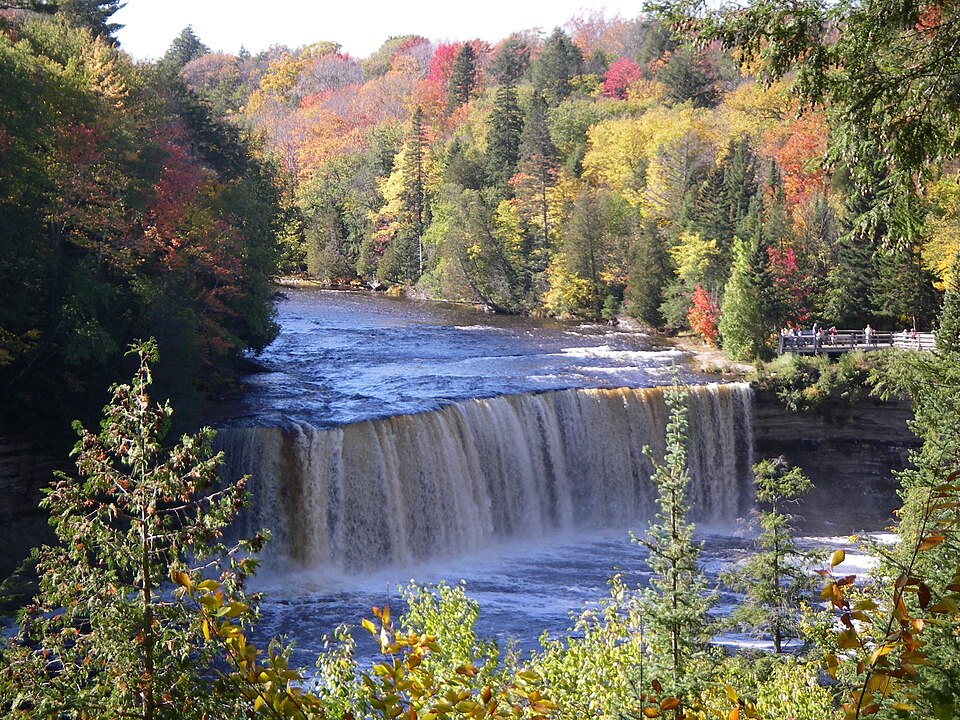
The Upper Peninsula’s shifting seasons create a dynamic landscape that supports outdoor activities throughout the year. Summers offer warm days along freshwater beaches, while autumn brings forests painted in vibrant red and gold. Winter introduces quiet scenes of deep snow and frozen waterfalls, inviting adventures such as ice climbing and snowmobiling. Spring reveals rushing rivers and blooming forests, adding new layers of interest. This seasonal diversity strengthens the region’s place as a top wilderness destination.