Field dressing large game requires a dependable knife that offers sharp cutting performance, comfortable handling, and enough control for detailed work. Whether processing a whitetail deer or handling a much larger elk or moose, the right fixed blade can make skinning, trimming, and separating meat considerably easier. Blade length, steel quality, handle design,n and overall weight all influence how a knife performs in the field.
1. Buck 119 Special

The Buck 119 Special is a traditional choice for hunters who want a substantial fixed blade that can also handle general camp duties. Its 6-inch clip-point blade is made from 420HC stainless steel, while the overall length is about 10.5 inches. That extra reach can be useful when opening hide or making longer cuts, although the blade may feel oversized inside tight areas around joints and the body cavity. Its molded handle offers a secure, familiar grip, and the leather sheath keeps the knife protected during transport. For elk or moose, use it for controlled slicing rather than prying or chopping, and clean and dry it promptly after use.
2. Benchmade Hidden Canyon Hunter
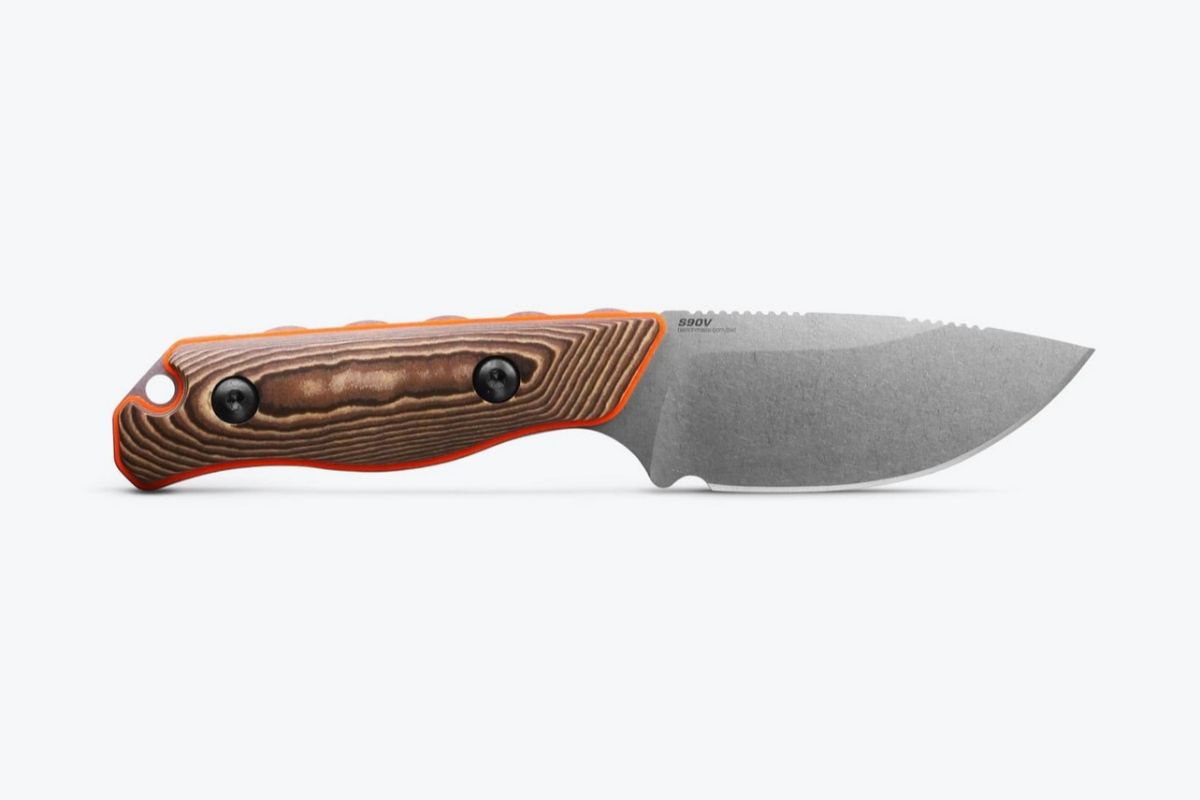
The Benchmade Hidden Canyon Hunter takes a compact approach, using a blade around 2.7 inches long for close, careful work. Its CPM-S30V stainless steel is valued for edge retention and corrosion resistance, while the small profile makes it easy to control around delicate areas. This size appeals to deer hunters and those who prefer a lighter belt setup on long hikes. On elk or moose, it can make precise cuts, but its short edge means more repositioni,ng and it is not a substitute for a longer knife when separating large sections of hide. A good grip and secure sheath matter as much as premium steel in wet field conditions.
3. Benchmade Saddle Mountain Skinner
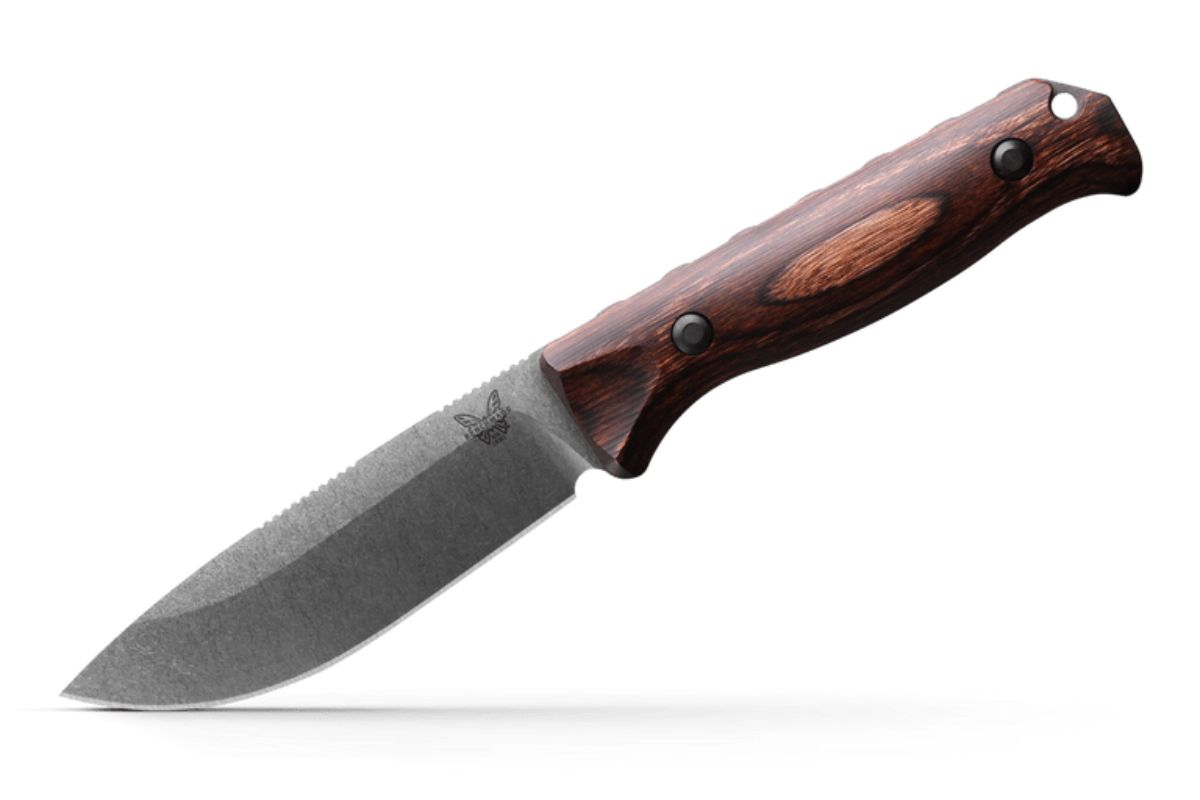
The Saddle Mountain Skinner is designed around the slicing work involved in skinning and processing game. Its blade measures about 4.2 inches, giving it more reach than compact hunting knives without becoming too long for controlled cuts. Depending on the version, it uses premium stainless steel and a handle shaped for a confident hold. That combination suits deer hunters and offers a capable option for larger game. During elk or moose processing, use short, deliberate strokes and change tools for narrow spaces or heavy joint work. Its curved edge follows hide well, but it still needs regular cleaning and sharpening.
4. Montana Knife Company Blackfoot 2.0

The Montana Knife Company Blackfoot 2.0 is a compact, full-tang hunting knife with a 3.5-inch blade made from 52100 carbon steel. Its G10 handle is built for a firm grip, and the manageable length gives good control when skinning or trimming meat. The design balances a useful cutting belly with a point that is not excessively fine, making it versatile for deer and a practical secondary blade for elk or moose. Because 52100 is carbon steel rather than stainless, dry the blade after contact with blood or moisture and apply a light protective oil before storage. Its compact size favors precision over leverage.
5. Benchmade Raghorn
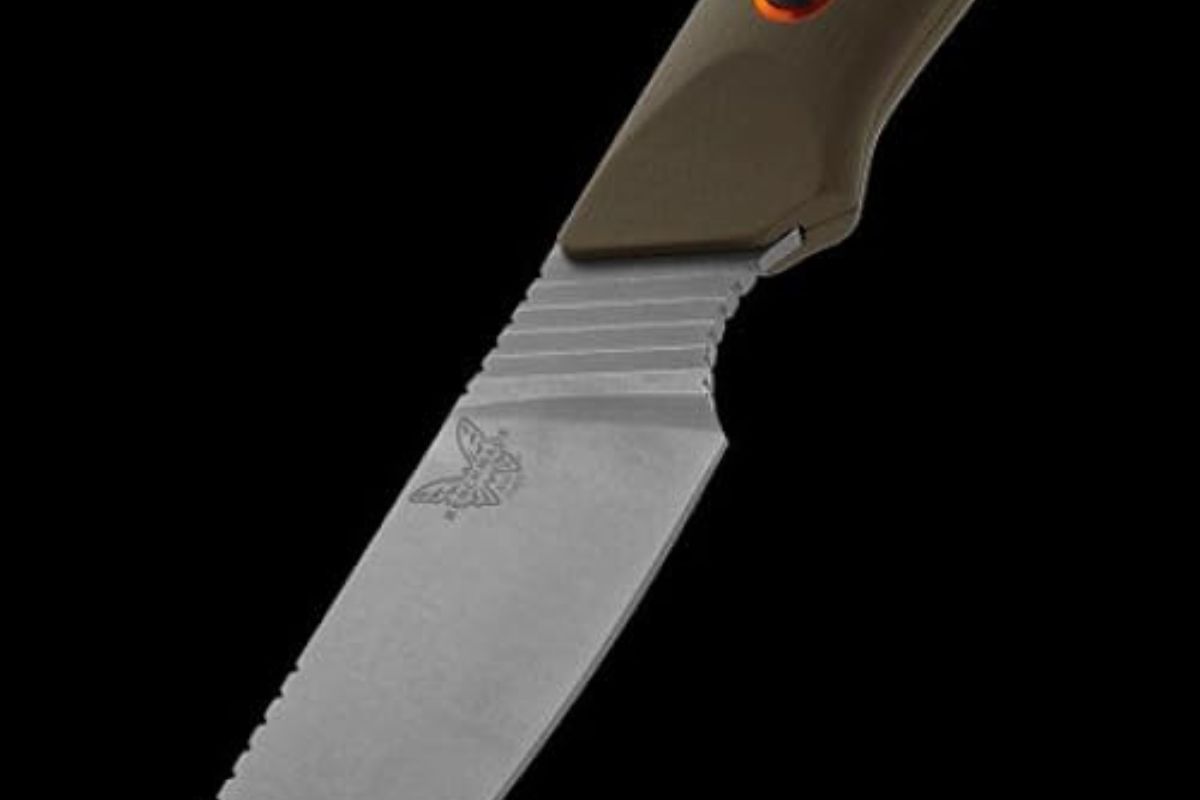
The Benchmade Raghorn is aimed at backcountry hunters who count every ounce but want a capable fixed blade. It has a 4.125-inch blade, an overall length of about 8.9 inc,hes and a listed knife weight near 3.5 ounces. CPM-CruWear steel provides strong wear resistance and toughness, while the light build reduces pack load on demanding trips. The blade length offers a useful middle ground for skinning and field processing, including larger animals when cuts are controlled. Do not twist it through joints or bone. Carry a separate saw or heavier tool for those jobs, and keep the edge clean between tasks.
6. Gerber Moment Fixed-Blade with Gut Hook
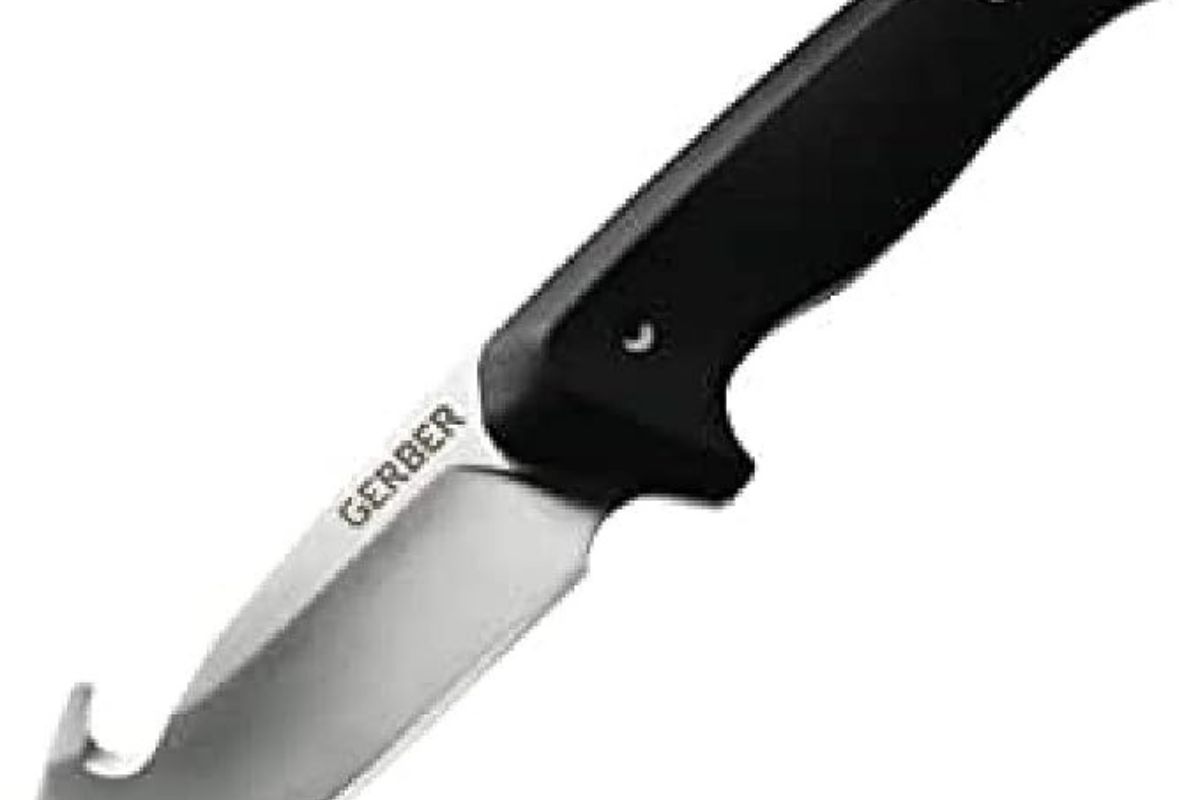
The Gerber Moment Fixed-Blade with Gut Hook gives hunters two cutting features in one affordable field tool. Its main blade is intended for general hunting chores, while the gut hook can help open hide with less risk of puncturing tissue when used carefully. This layout can be convenient for deer and useful in a kit for elk or moose. The hook, however, creates another edge that must be cleaned thoroughly after use. Check the exact version before buying because specifications can vary by model. Use the main edge for controlled slicing, avoid forcing the hook, and carry a sharpener for longer processing sessions.
7. TOPS El Pionero
The TOPS El Pionero is a small fixed blade built for control rather than reach. Its 3.38-inch blade is made from 1095 carbon steel, and the knife measures about 7.63 inches overall. The compact shape makes it easy to guide through detail work such as trimming silver skin, freeing smaller sections, and cutting carefully around joints. It can serve deer hunters as a light primary knife, while elk and moose hunters may prefer it as a precision companion to a longer blade. Since 1095 is not stainless, wipe it dry and protect it against rust. Its simple profile is easy to maintain, but it is not intended for chopping or prying.
8. Spyderco Bow River

The Spyderco Bow River balances blade length, handle com,fort and straightforward maintenance. Its blade is approximately 4.36 inches long and uses 8Cr13MoV stainless steel, a budget-friendly alloy that is relatively easy to sharpen. The broad edge and gently curved profile make it suitable for skinning and larger slicing cuts, while the handle provides room for a secure grip. That length can help when working on elk or moose, though control remains essential around the body cavity and joints. It is a sensible option for hunters who want a capable knife without premium-steel prices. Clean it after every use and touch up the edge as needed.
9. ESEE-4

The ESEE-4 is a rugged, full-tang fixed blade better known for outdoor durability than for being a dedicated skinning knife. Its blade is about 4.5 inches long and is commonly made from 1095 carbon steel, with a handle designed for a firm hold. The stout construction can handle camp chores alongside hunting duties, making it useful on extended trips. For field dressing deer,, elk or moose, its drop-point shape provides a controllable tip, although the thicker build may not slice as freely as a thinner hunting blade. Keep the carbon steel dry, avoid using it as a pry bar, and sharpen it before the trip.
10. Morakniv Garberg
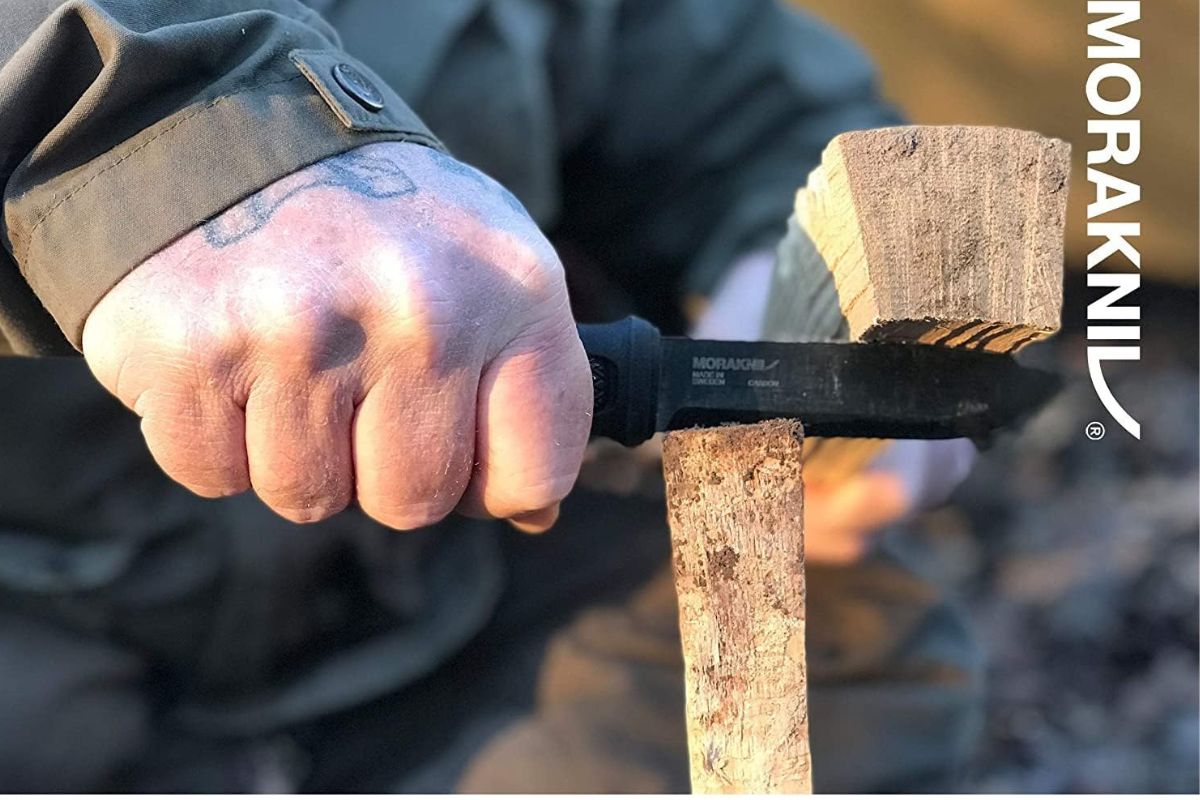
The Morakniv Garberg is a full-tang outdoor knife that handles hunting-related cutting as well as camp tasks. Its blade is about 4.3 inches long, with stainless and carbon-steel versions available by model. The Scandi-style grind is straightforward to maintain, and the handle offers a functional hold in changing weather. For deer, it can serve as a versatile field knife; for elk or moose, it is useful for general cuts but may feel thicker than a specialist skinner when making long slices. Choose the steel version that matches your maintenance habits, clean it after processing, and use a dedicated saw for bone rather than forcing the edge.