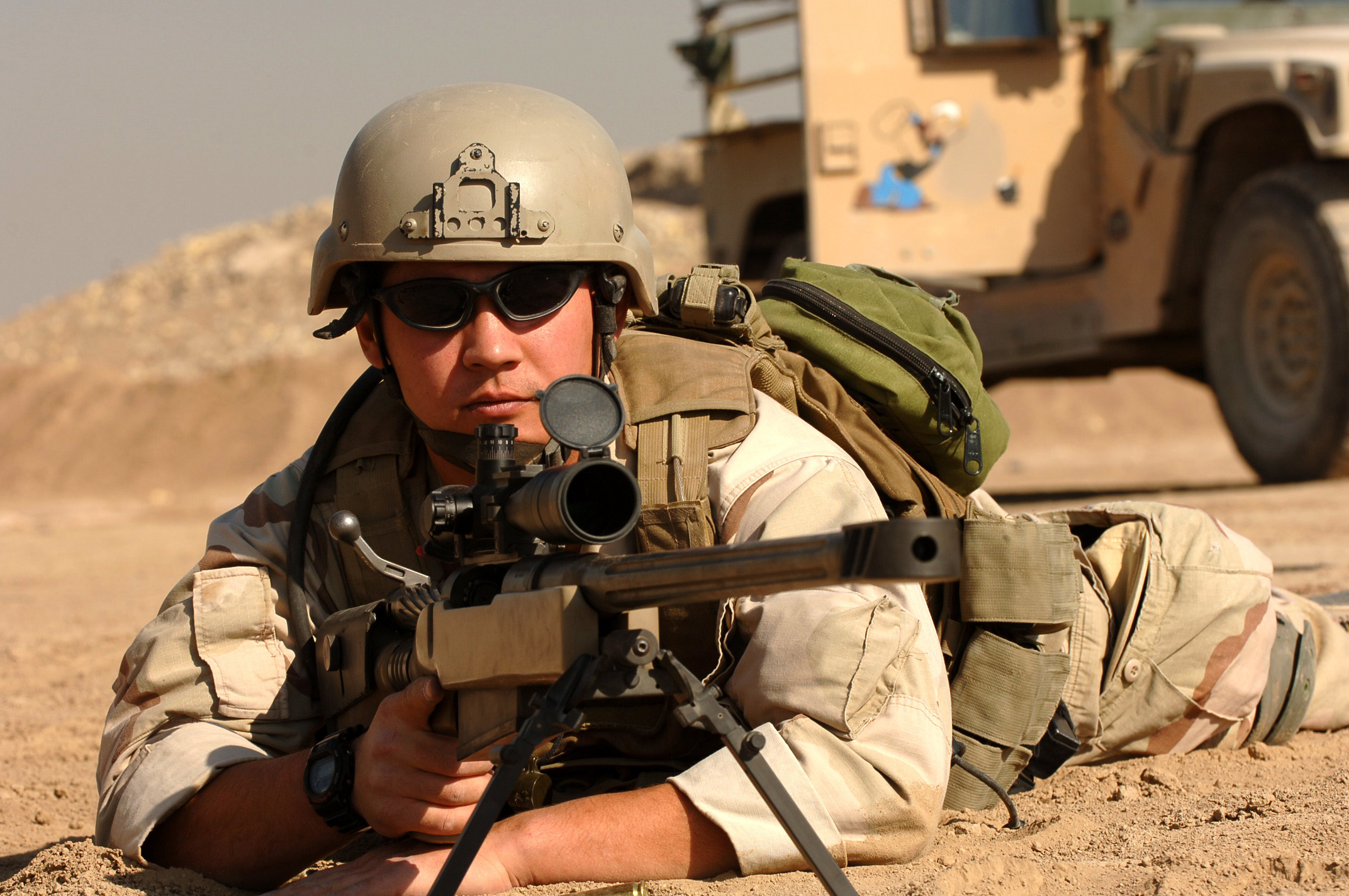
The McMillan TAC-50 earned its place in firearms history through a combination of a powerful cartridge, carefully engineered construction, and exceptional long-range performance. Its reputation became inseparable from a remarkable 2,430-meter combat shot made by Canadian Corporal Rob Furlong in Afghanistan in 2002. Although later shooters surpassed that distance, the TAC-50 remains one of the most recognizable heavy precision rifles associated with extreme-range marksmanship.
1. The 2,430-Meter Record
In March 2002, Canadian Corporal Rob Furlong used a McMillan TAC-50 to make a confirmed hit at 2,430 meters, or 2,657 yards, during Operation Anaconda in Afghanistan. The distance was remarkable even by heavy-rifle standards, and the shot became the longest confirmed combat sniper kill at that time. Furlong’s rifle was chambered in .50 BMG, a cartridge capable of retaining useful energy far beyond ordinary rifle distances. The record lasted until 2009, when Craig Harrison surpassed it at 2,475 meters. It was a combat shot, not a controlled range exercise.
2. Built Around the .50 BMG
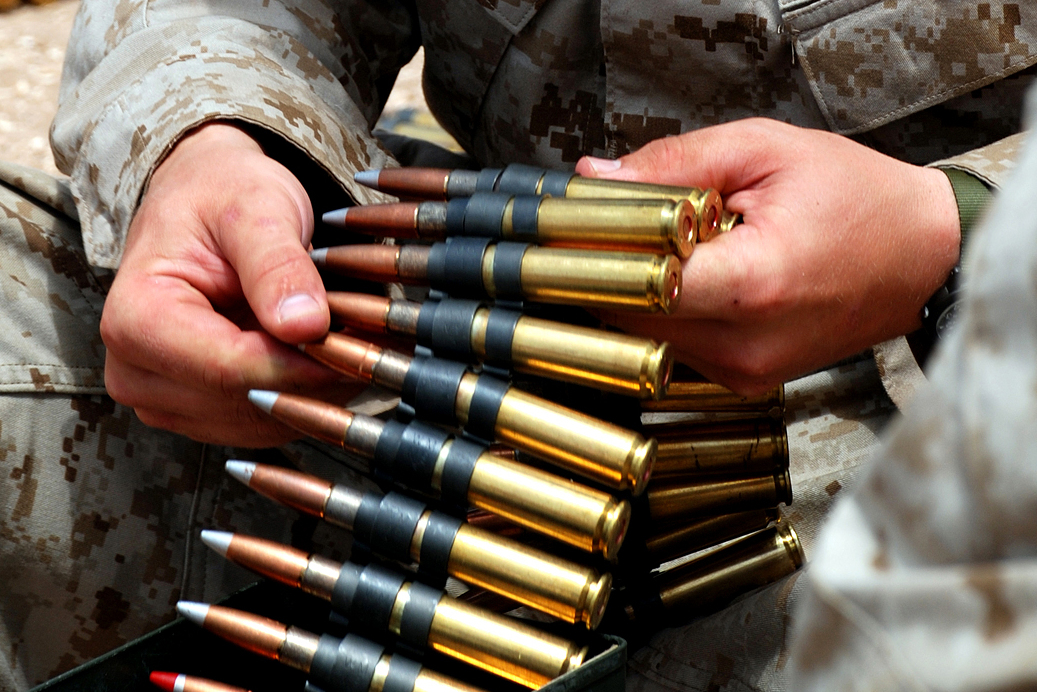
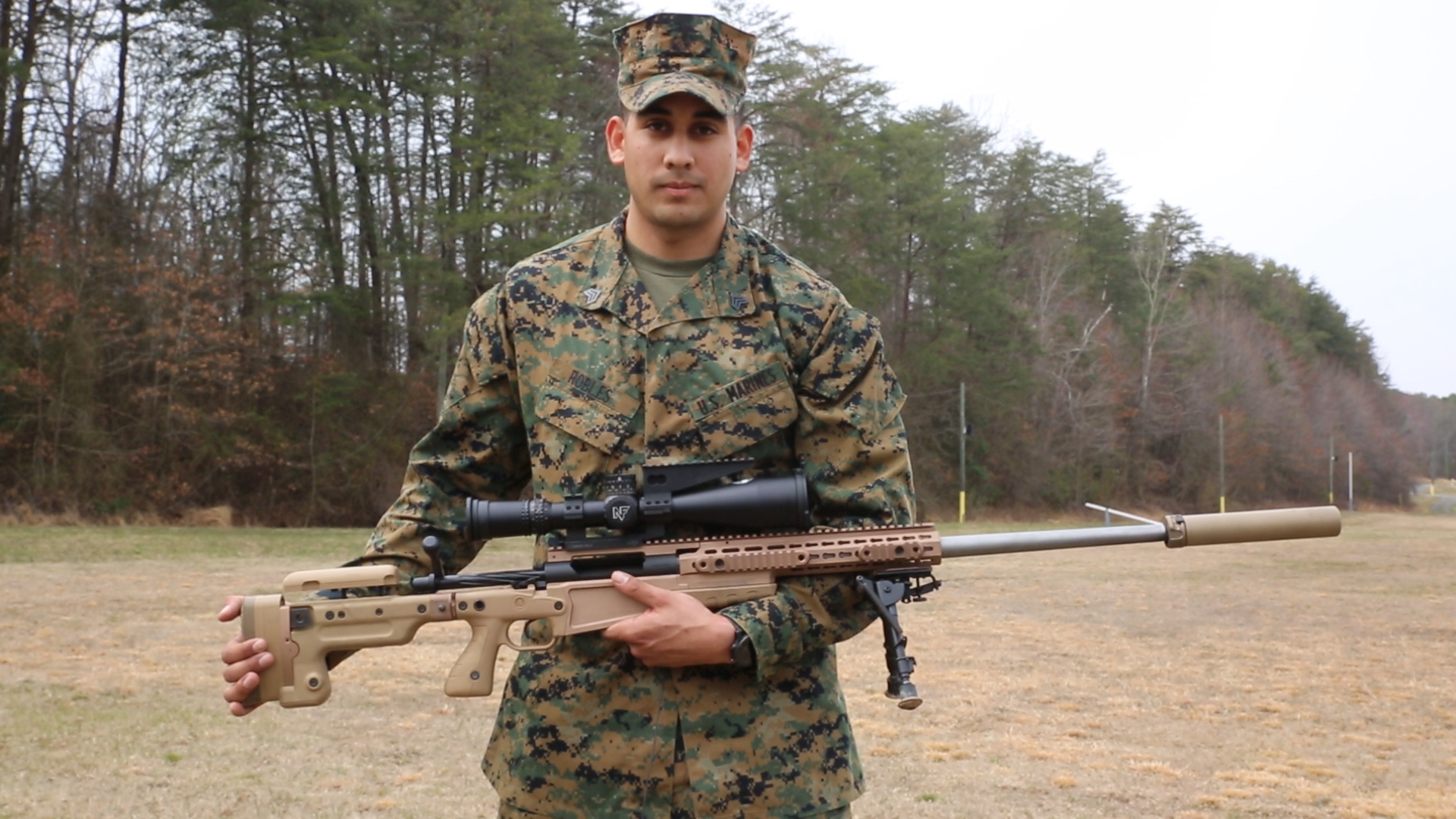
The TAC-50 was designed around the 12.7x99mm NATO, commonly called .50 BMG, giving it a very different character from lighter precision rifles. McMillan’s current manual describes the system as a manually operated, heavy-barrel bolt action with a five-round detachable magazine. That combination favors deliberate, carefully prepared shots rather than rapid fire. The cartridge also gives the rifle substantial reach and resistance to wind compared with many smaller rounds. In simple terms, the TAC-50 paired a powerful cartridge with a platform built to exploit it.
3. A 29-Inch Match Barrel
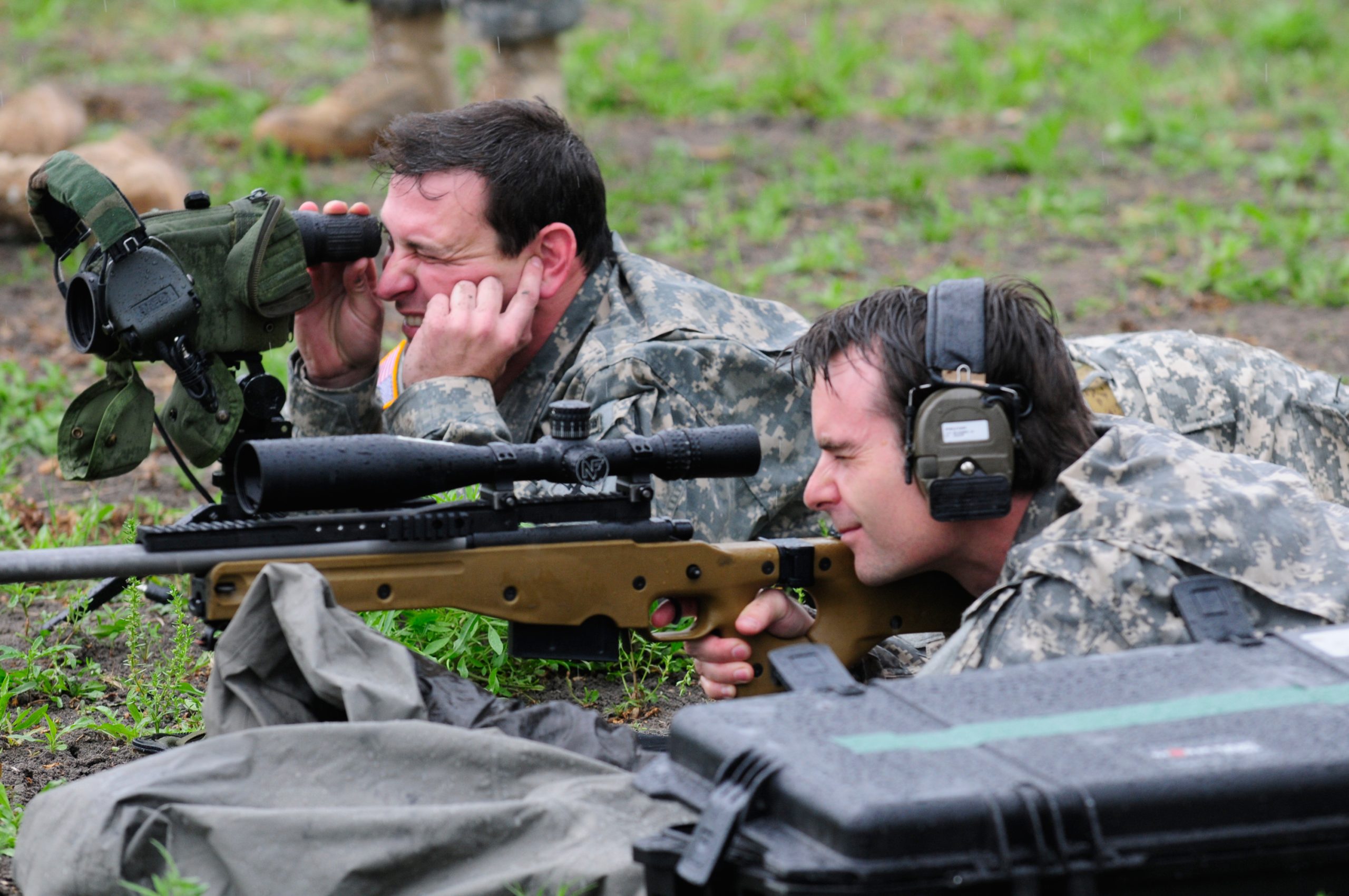
One of the rifle’s defining specifications is its 29-inch barrel. McMillan lists the current TAC-50 barrel as a match-grade fluted chrome-moly design, with stainless steel available, and a 1-in-15 twist rate. The long barrel gives the large .50 BMG cartridge room to develop velocity, while the match-oriented construction supports consistency. McMillan states that the system can produce sub-MOA accuracy with suitable match ammunition in the hands of qualified marksmen. That is an important distinction: the rifle’s precision depends on ammunition, conditions, equipment and shooter skill.
4. Precision Came From More Than the Rifle
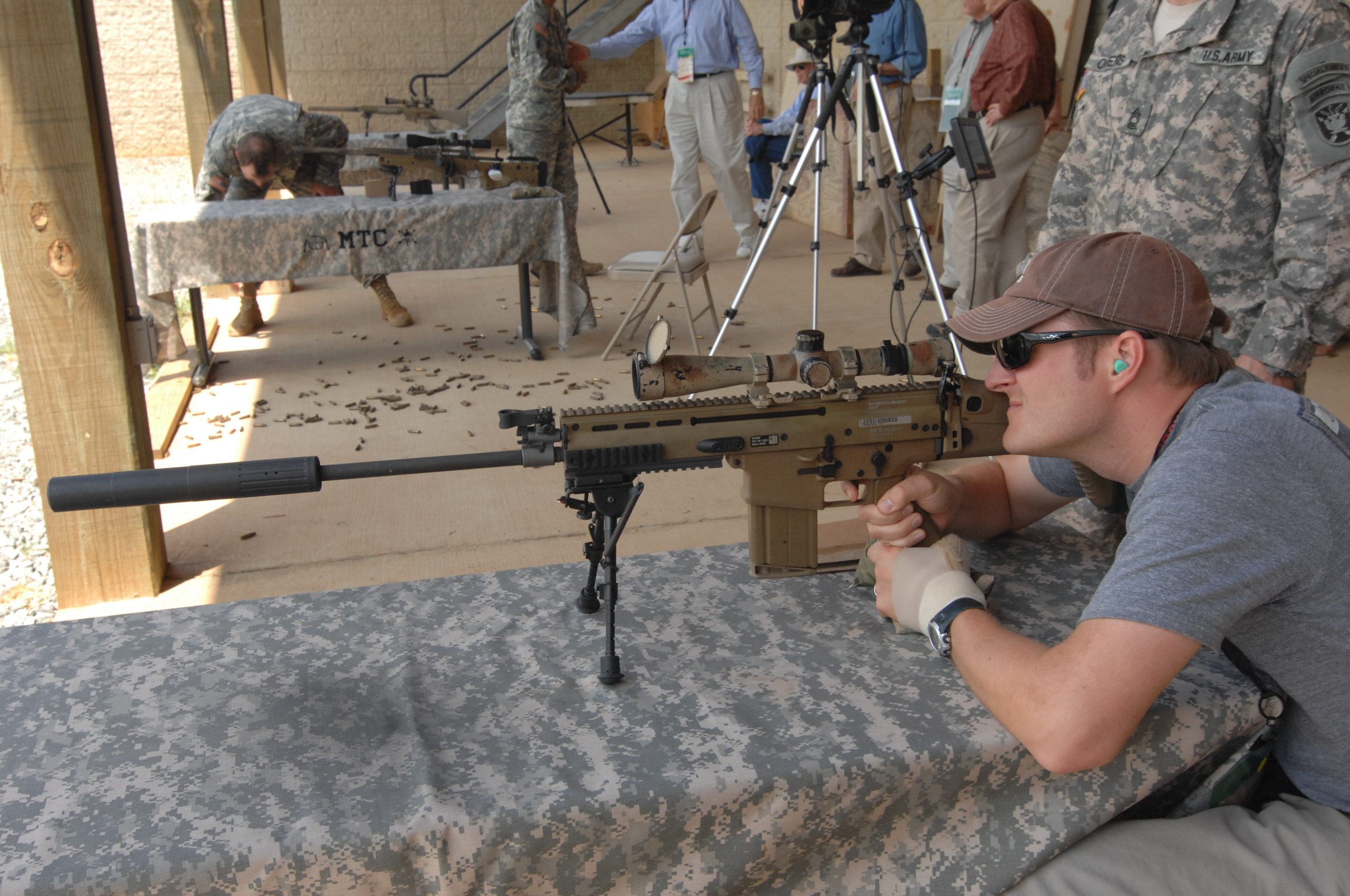
A 2,430-meter hit was never simply a matter of pointing a powerful rifle at a distant target. At such distances, gravity, wind, air density, temperature and the projectile’s long flight all become major factors. Furlong’s documented shot involved multiple attempts before the third round struck the target. Reports place the rifle’s muzzle velocity at roughly 823 meters per second with the load used, while the projectile took several seconds to cover the distance. The result shows how much observation, calculation and patience can matter alongside mechanical accuracy.
5. The Mountain Environment Mattered
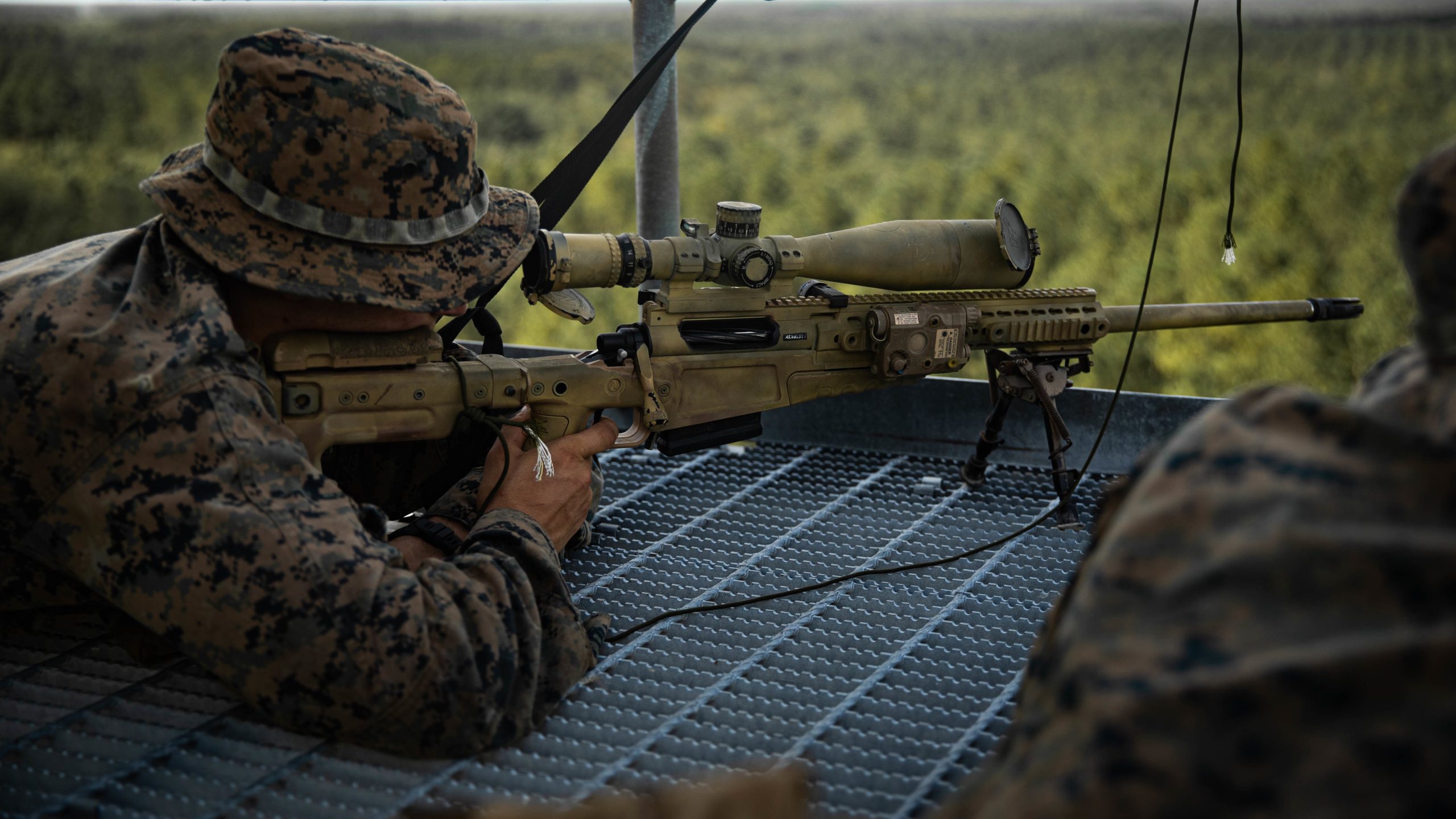
The Shah-i-Kot Valley presented an unusual setting for extreme-range shooting. The operating area was at high elevation, with reports placing the valley around 9,000 feet above sea level. Thinner air can reduce aerodynamic drag, although real-world effects depend on temperature, pressure, humidity and other conditions. That environment therefore formed part of the equation, rather than being a minor detail. The TAC-50 supplied the mechanical foundation, but the surrounding atmosphere influenced the projectile’s flight. At 2,430 meters, even small environmental changes can become significant.
6. It Was Not Just a Sniper Rifle
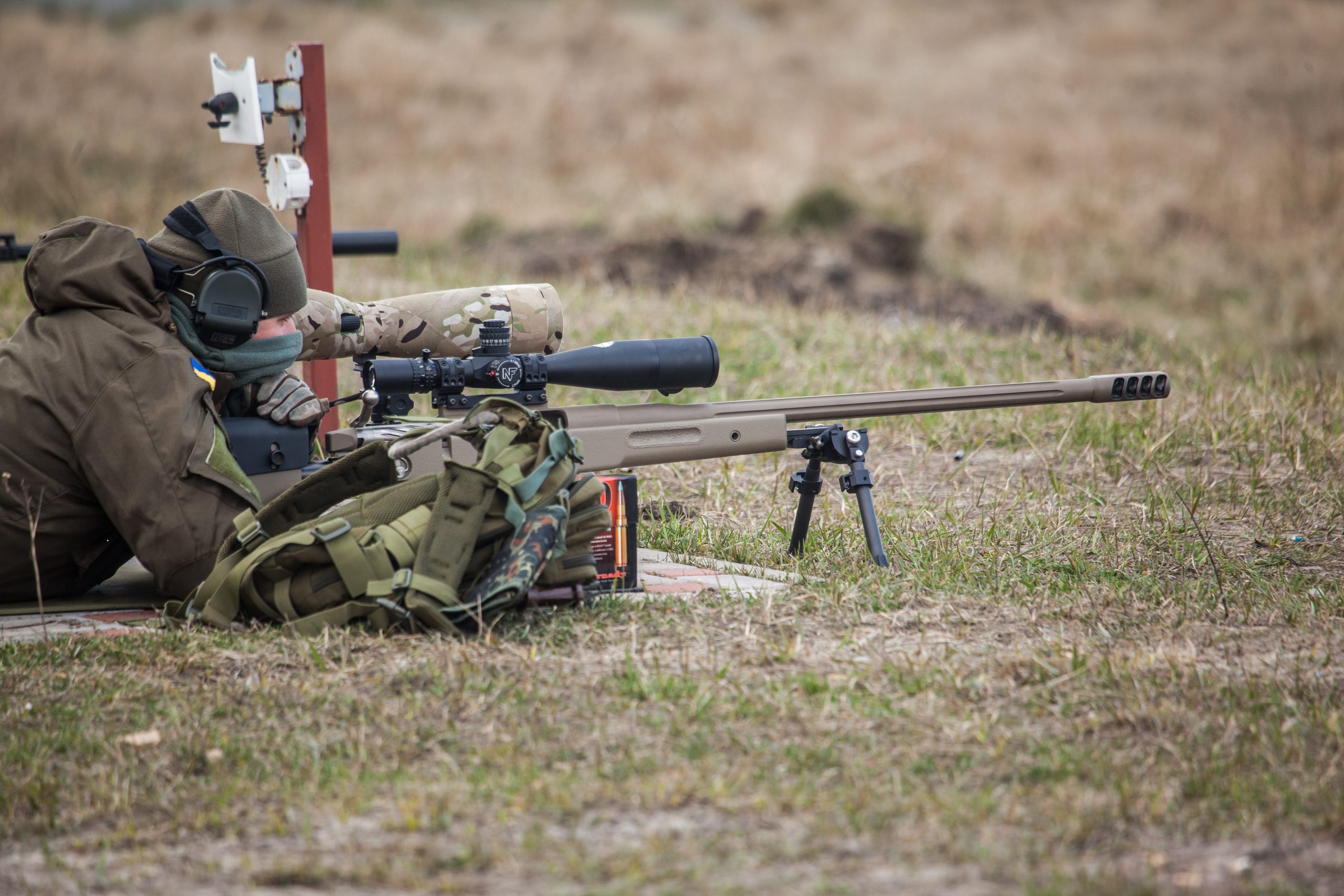
The TAC-50 was developed as a tactical rifle system with broader utility than record-setting personnel engagements. Its .50 BMG chambering gives it the ability to address equipment and other material targets, which is why the design is commonly classified as an anti-materiel rifle. McMillan’s current description emphasizes tactical marksman work as well as advanced marksmanship. That versatility helps explain the rifle’s reputation. It is a large, specialized platform, not simply an oversized hunting rifle or a scaled-up conventional infantry rifle.
7. Five Rounds, Deliberate Shooting
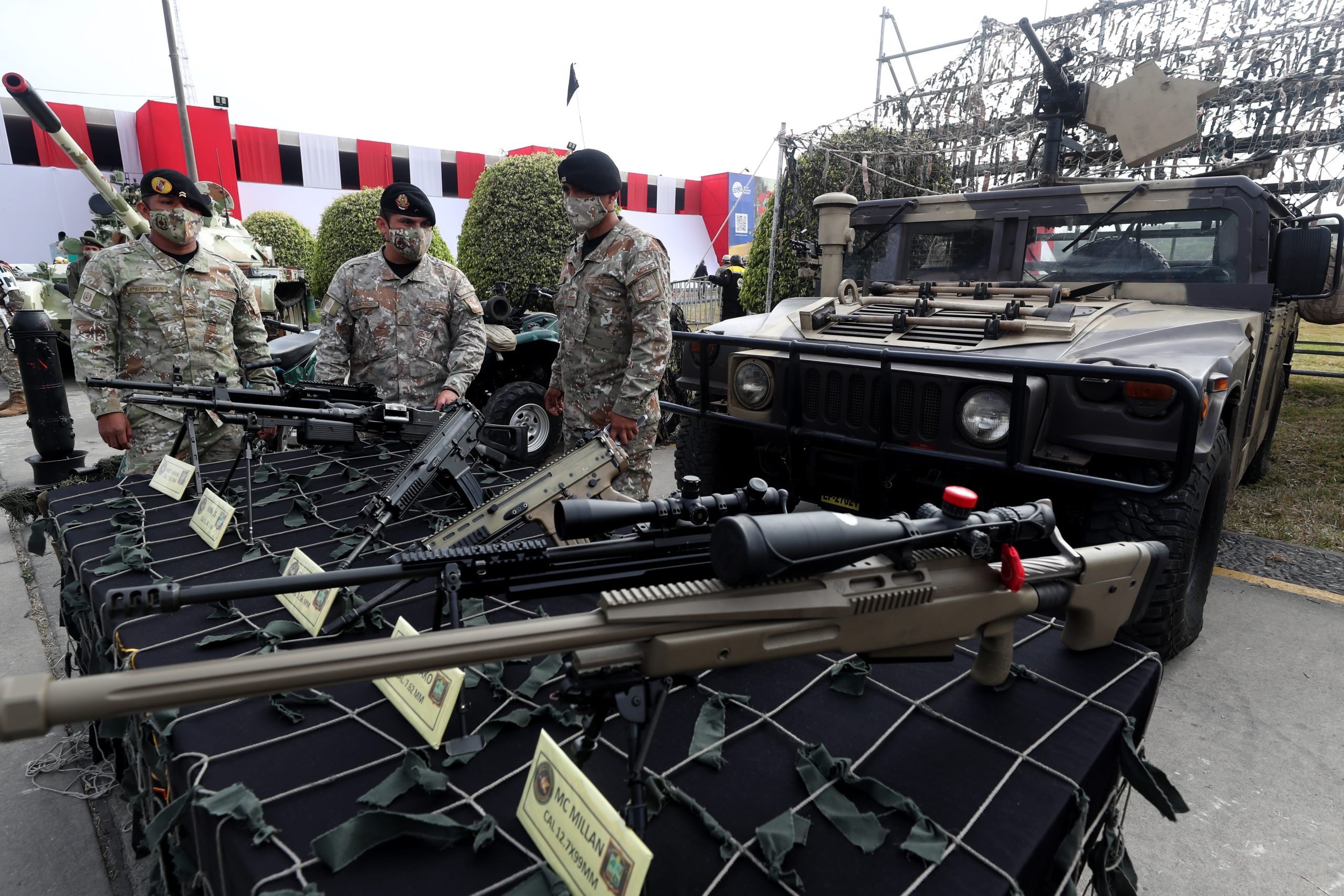
The TAC-50 uses a detachable five-round box magazine, a detail that reinforces its deliberate role. Its heavy construction, long barrel and bolt-action mechanism are aimed at controlled precision rather than high-volume fire. The current McMillan manual also lists a Remington-type trigger set at 3.5 pounds, with a Jewell upgrade available. Those specifications show the design philosophy clearly: minimize distractions, maintain a stable firing platform and make each shot count. For extreme-range work, that measured approach can be more important than carrying a large ammunition load.
8. The Record Changed, the Reputation Stayed
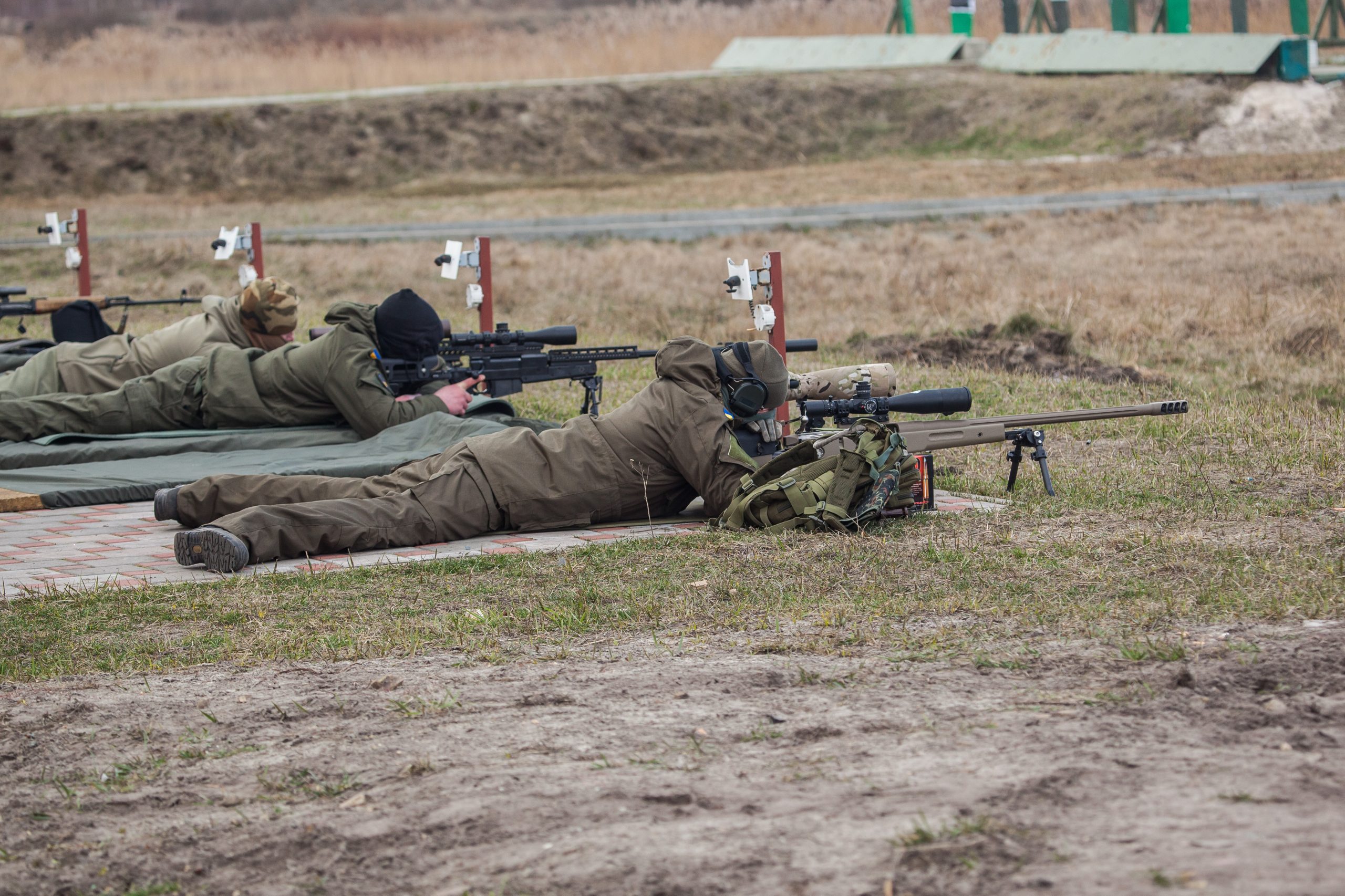
Furlong’s 2,430-meter achievement eventually stopped being the world record. British soldier Craig Harrison recorded two confirmed hits at 2,475 meters in Afghanistan in November 2009, surpassing Furlong by 45 meters. Later claims and confirmed records pushed the benchmark farther still. Yet the TAC-50 remains closely associated with extreme-range military marksmanship because two Canadian snipers, Furlong and Arron Perry, produced very long confirmed shots with the platform during the same 2002 operation. Its legacy rests on that combination of power, precision and battlefield history.