Some military names disappear forever after a cancellation. This one came back.
A familiar name with a very different rifle
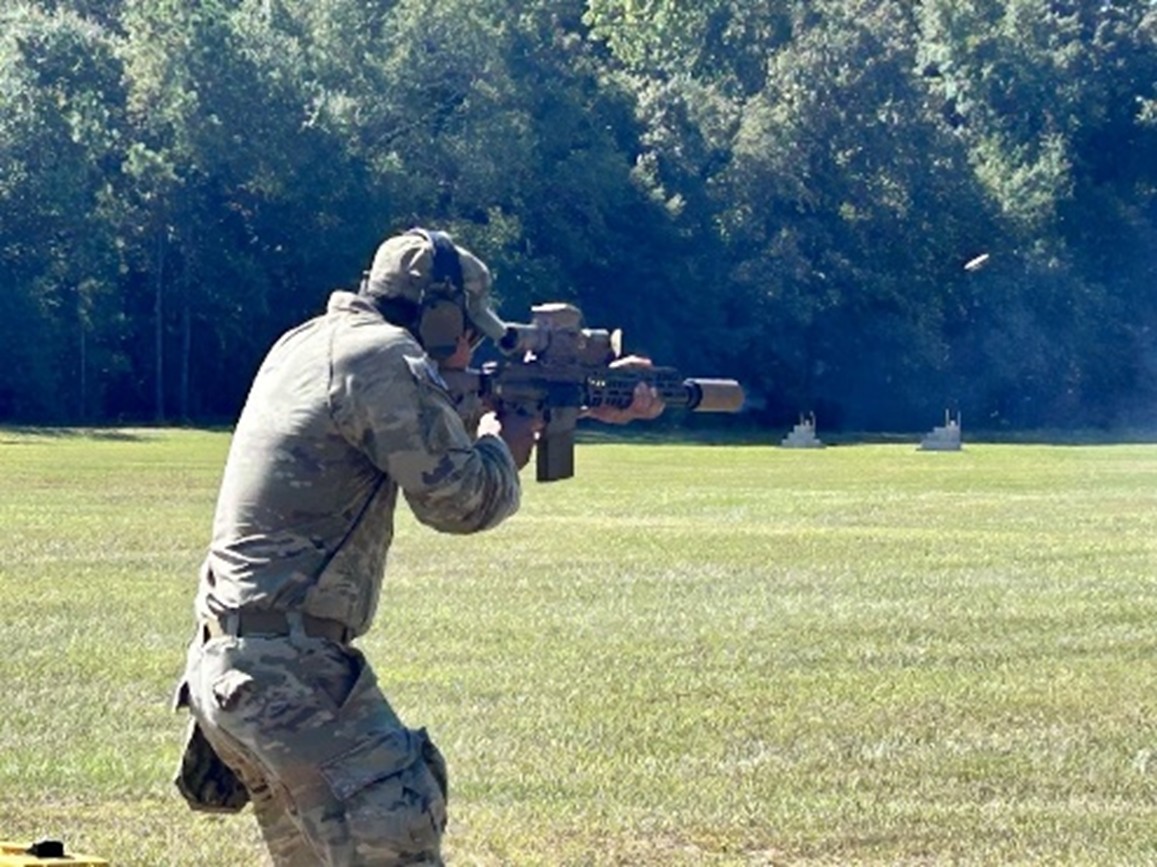
The U.S. Army’s newest carbine is called the XM8, and that name has real baggage. In the early 2000s, XM8 referred to a futuristic Heckler and Koch rifle family that was supposed to move the Army beyond the M4.
That first XM8 never made it. The program stalled in 2005 and was formally canceled on October 31 of that year, ending one more attempt to replace the M16 and M4 family.
Now the designation has returned. In late 2025, the Army decided to move ahead with a carbine variant of the M7 rifle and gave it the XM8 name, according to Army releases and Joint Base San Antonio reporting.
Why the original XM8 failed

The first XM8 grew out of the Objective Individual Combat Weapon effort, a bigger and more ambitious push to rethink the infantry rifle. The Army wanted modularity, improved ergonomics, and a cleaner operating system wrapped into a new family of weapons.
On paper, it looked promising. Early reporting in Army acquisition coverage described carbine, compact, sharpshooter, and automatic-rifle variants, all built around one core design.
But promise is not procurement. The XM8 ran into a familiar wall of testing concerns, funding pressure, requirement debates, and resistance to replacing a rifle platform that was already deeply entrenched across the force.
The Army changed, and so did the problem
The rifle that brought the name back was born from a completely different concern. By 2017, Army studies concluded that infantry squads needed more energy on target and better performance at range against modern threats, especially improved body armor.
That requirement drove the Next Generation Squad Weapon program. Instead of chasing a radical polymer-looking reboot of the service rifle, the Army focused on a practical system built around a new 6.8mm cartridge, a suppressor, and advanced fire control.
SIG Sauer won the production contract in April 2022. The Army’s selected rifle entered service first as the XM5, then became the XM7 in January 2023 after a naming conflict with Colt’s M5 carbine.
From XM7 to M7 to XM8
The naming path is almost as interesting as the weapon itself. The Army fielded the rifle as the XM7 during testing and early rollout, then type-classified it as the M7 in 2024 as the program moved into standard service status.
The M7 is designed to replace the M4A1 within close combat formations, while the paired M250 automatic rifle is replacing the M249 in those same formations. Army officials have described the change as the most significant small-arms upgrade in decades.
Then came the twist. On December 10, 2025, the Army approved procurement of a shorter carbine variant of the M7 and assigned it the XM8 designation, reviving a name many observers assumed was gone for good.
Same label, different philosophy
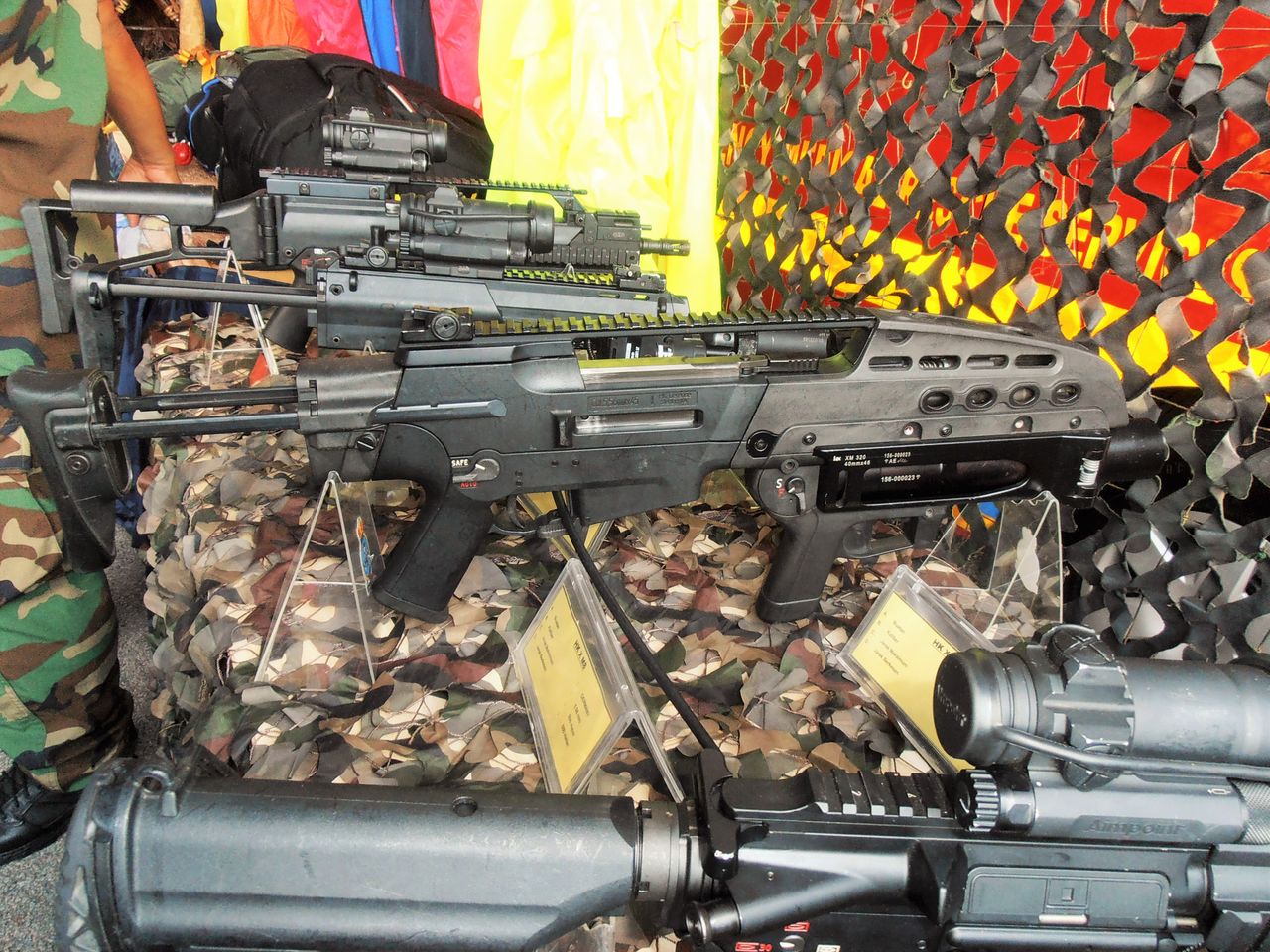
This matters because the new XM8 is not a reboot of the old Heckler and Koch concept. It is a derivative of the M7, sharing the same larger-caliber 6.8x51mm approach and living inside the broader Next Generation Squad Weapon family.
In other words, the Army did not dig up a failed rifle and try again. It reused a designation for a new weapon that emerged from a separate program with different requirements, different industry leadership, and a different battlefield logic.
That distinction is important for anyone following defense procurement. Military names often sound continuous, but the underlying doctrine, ammunition, optics, and operational purpose can change dramatically between generations.
What the comeback says about Army weapons programs
The XM8 story is really about how the Army learns, forgets, and then circles back under pressure. The service has tried multiple times to replace legacy carbines, and many efforts collapsed because the benefits did not clearly outweigh cost, disruption, or technical risk.
The current M7 family advanced because it tied the rifle to a broader lethality package: ammunition, suppressor, fire control, and a threat-driven requirement. That gave the program a stronger case than many earlier standalone rifle bids.
So yes, the name came back decades later. But the real lesson is that in military procurement, a recycled designation does not mean a recycled idea. Sometimes the label survives long enough for history to give it a second chance.