The .308 Winchester has remained a familiar name in American deer camps for more than seven decades. Despite the arrival of numerous modern hunting cartridges, it continues to attract hunters who appreciate its balanced performance, manageable recoil, and extensive ammunition selection. Introduced in 1952, this cartridge developed a reputation for doing what most deer hunters actually need without demanding magnum-level performance. From traditional bolt-action rifles to modern sporting platforms, the .308 Winchester has maintained a strong following. Its popularity is not simply about tradition. There are several practical reasons why hunters continue to trust this established cartridge season after season.
1. A Practical Balance of Power
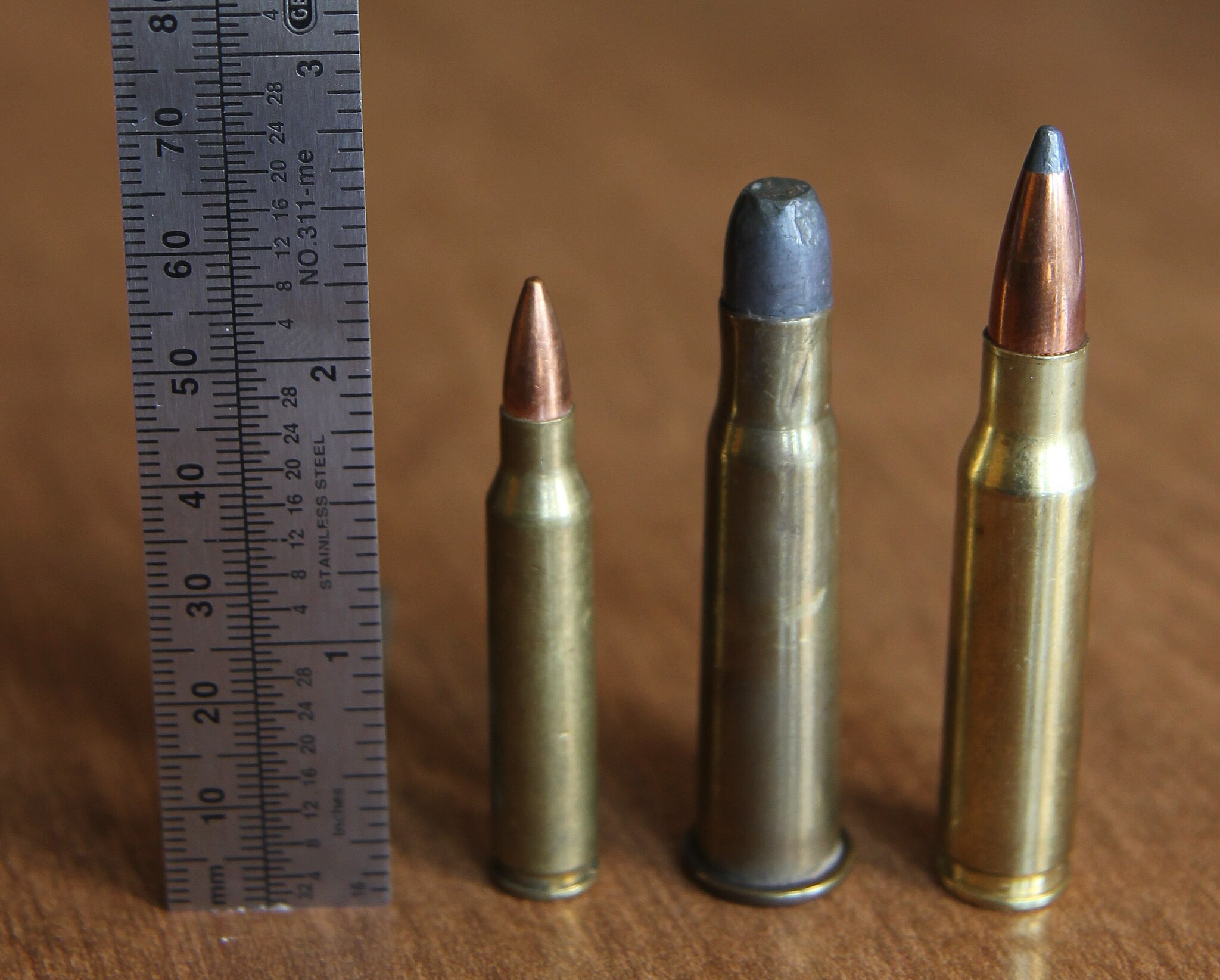
The .308 Winchester earned its place in deer camps by offering .30-caliber performance without requiring a magnum-sized cartridge. Introduced in 1952, it was designed with a shorter case than the .30-06 Springfield, yet it remains capable of taking whitetails when paired with suitable hunting ammunition and used within the hunter’s ability. Common factory loads include bullets weighing 150, 16,5 and 180 grains. That spread gives hunters useful choices, while the cartridge’s long record means its strengths and limits are well understood. It is not the most powerful deer round available, but most whitetail hunts do not require extreme power.
2. A Wide Choice of Hunting Bullets
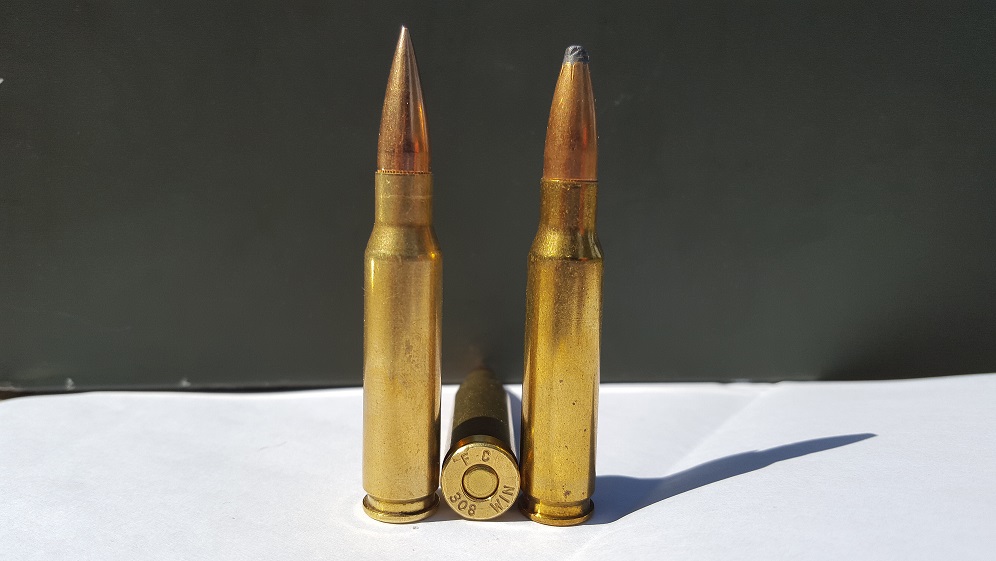
One reason the .308 stays relevant is the range of bullet designs sold for it. Hunters can find conventional soft points, bonded bullets, partition-style designs, and copper-alloy projectiles, commonly in 150-, 165-, and 180-grain weights. These options let a hunter match bullet construction to the game and local regulations, rather than relying on velocity alone. For whitetails, a hunting bullet that expands reliably and retains adequate weight matters more than choosing the heaviest option on the shelf. Product labels and manufacturer data should guide selection, because bullets of identical weight can behave differently on impact.
3. Manageable Recoil for Many Hunters
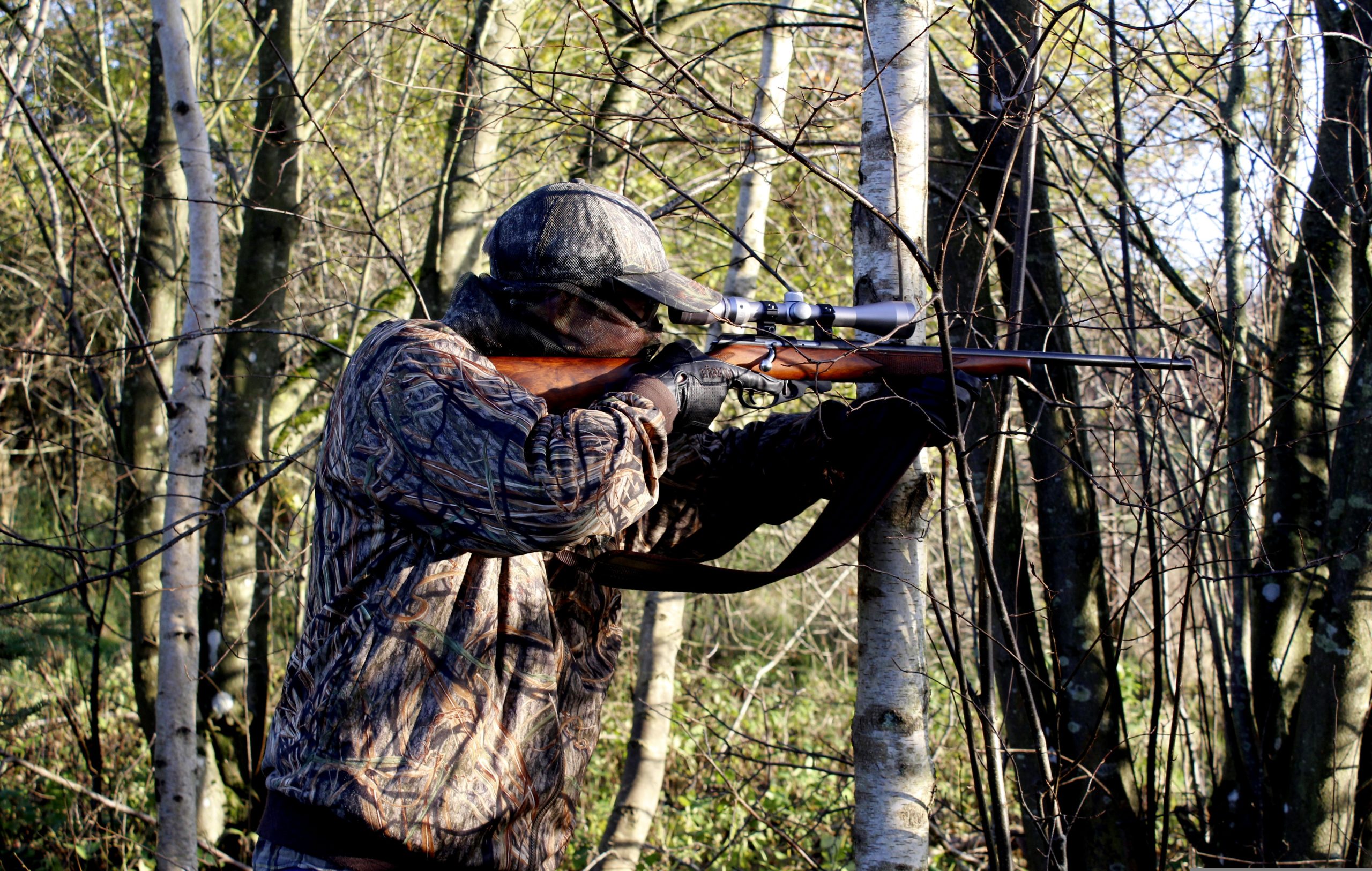
Compared with many magnum deer cartridges, the .308 Winchester is often easier for hunters to practise with in rifles of sensible weight and fit. Recoil still varies with rifle mass, stock design, ammunition,n and the shooter, so it should not be described as identical from one setup to another. Its familiar 150- to 180-grain hunting loads provide useful deer performance without pushing hunters toward high-velocity magnums. More comfortable practice can help a shooter build consistency and confidence before the season. Hearing protection, a stable shooting position, and regular range time remain essential, regardless of cartridge choice.
4. Fits Compact Short-Action Rifles
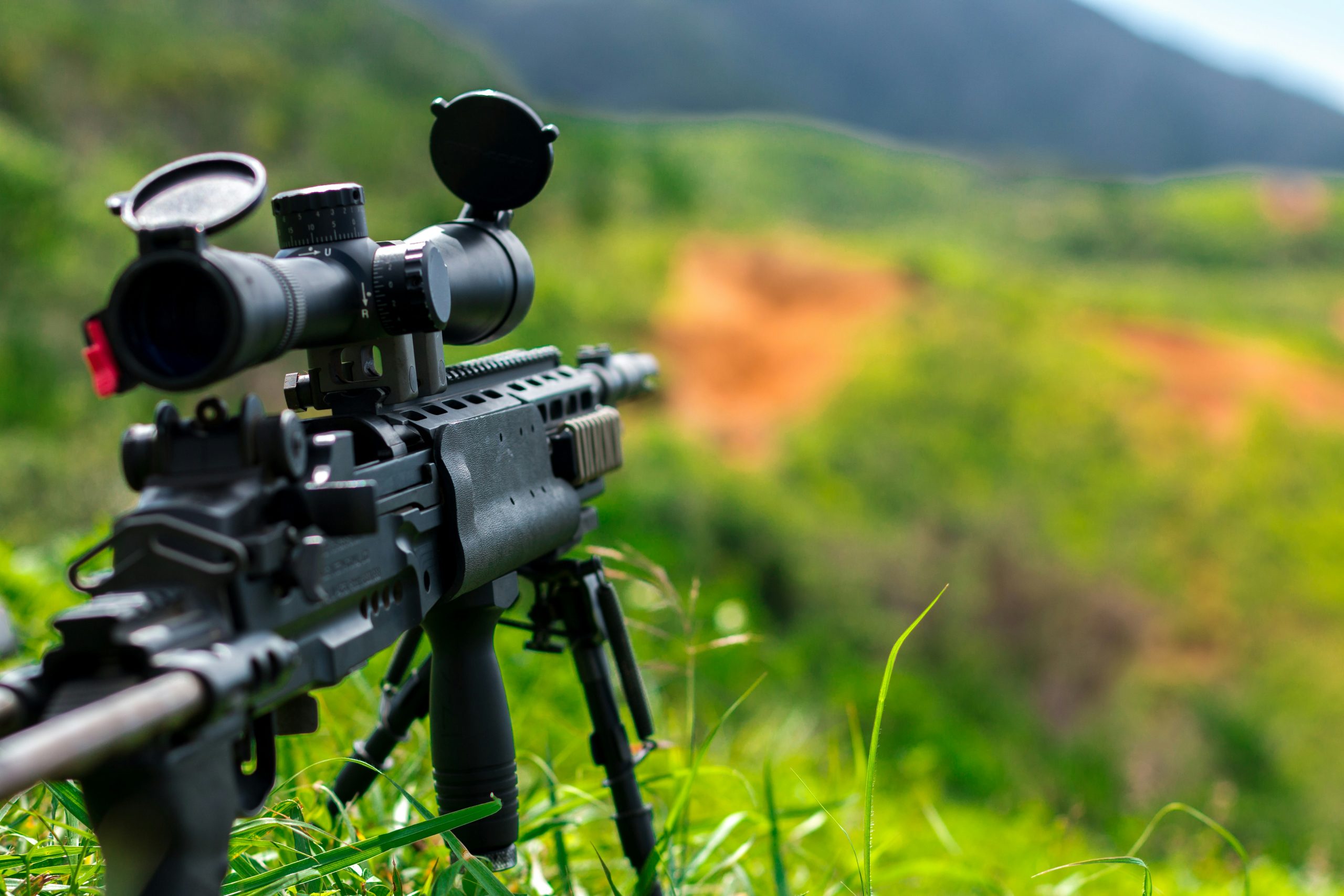
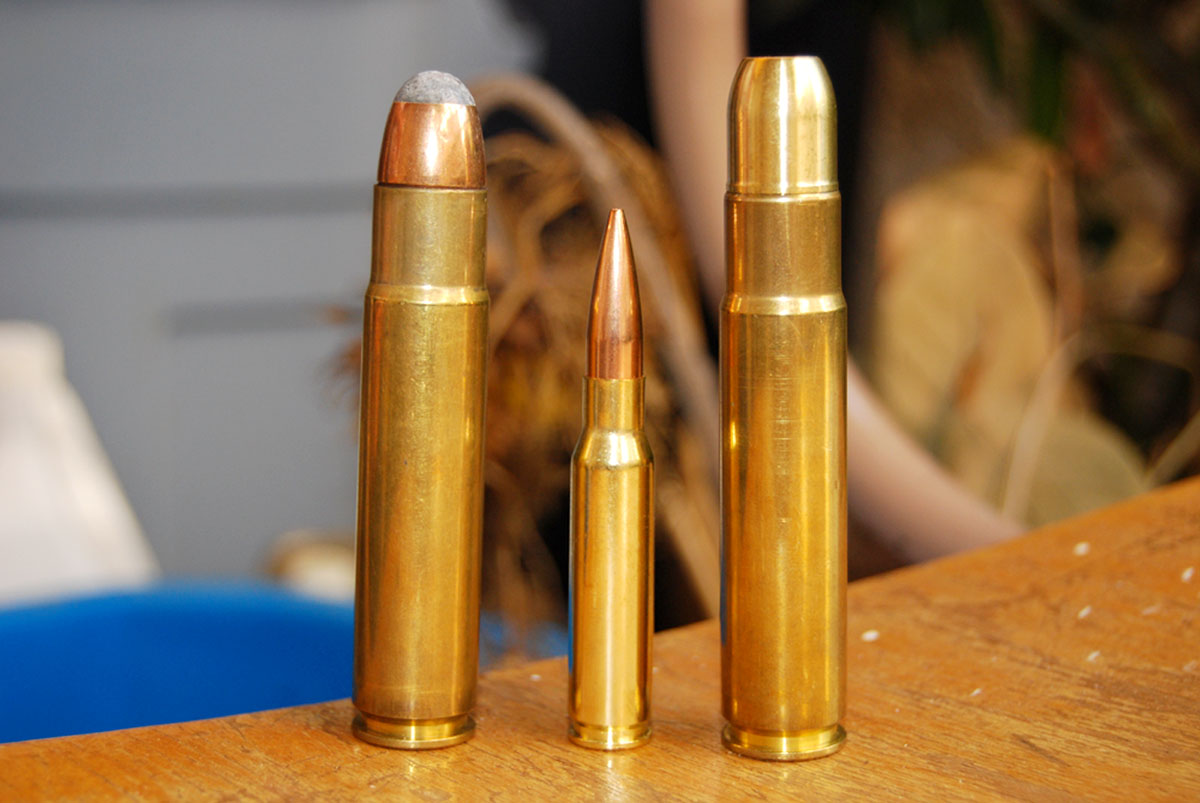
The .308 Winchester’s relatively short case helped establish it as a natural fit for short-action sporting rifles. Its case length is about 2.015 inches, and typical overall cartridge length is around 2.8 inches, depending on the specification and load. This allows rifle makers to chamber it in compact bolt-action designs, which many hunters appreciate when walking ridges, climbing into stands, or carrying gear through thick cover. A shorter action does not guarantee a lighter rifle, since barrel, stock, and accessories matter too. Still, the cartridge gives manufacturers a practical platform for handy deer rifles.
5. A Long Record of Practical Accuracy
The .308 has a reputation for dependable accuracy, helped by its widespread use in sporting and target rifles. That reputation is not a promise that every rifle will shoot tiny groups: barrel quality, ammunition compatibility, optics, maintenance,e and the shooter all influence results. Its popularity means hunters can find plenty of factory loads to test for the best fit in their rifle. A useful standard is to confirm zero and practise from realistic field positions before hunting, rather than assuming a printed group at 100 yards from a bench tells the whole story. Consistent fundamentals matter more than cartridge mythology.
6. Broad Ammunition Availability
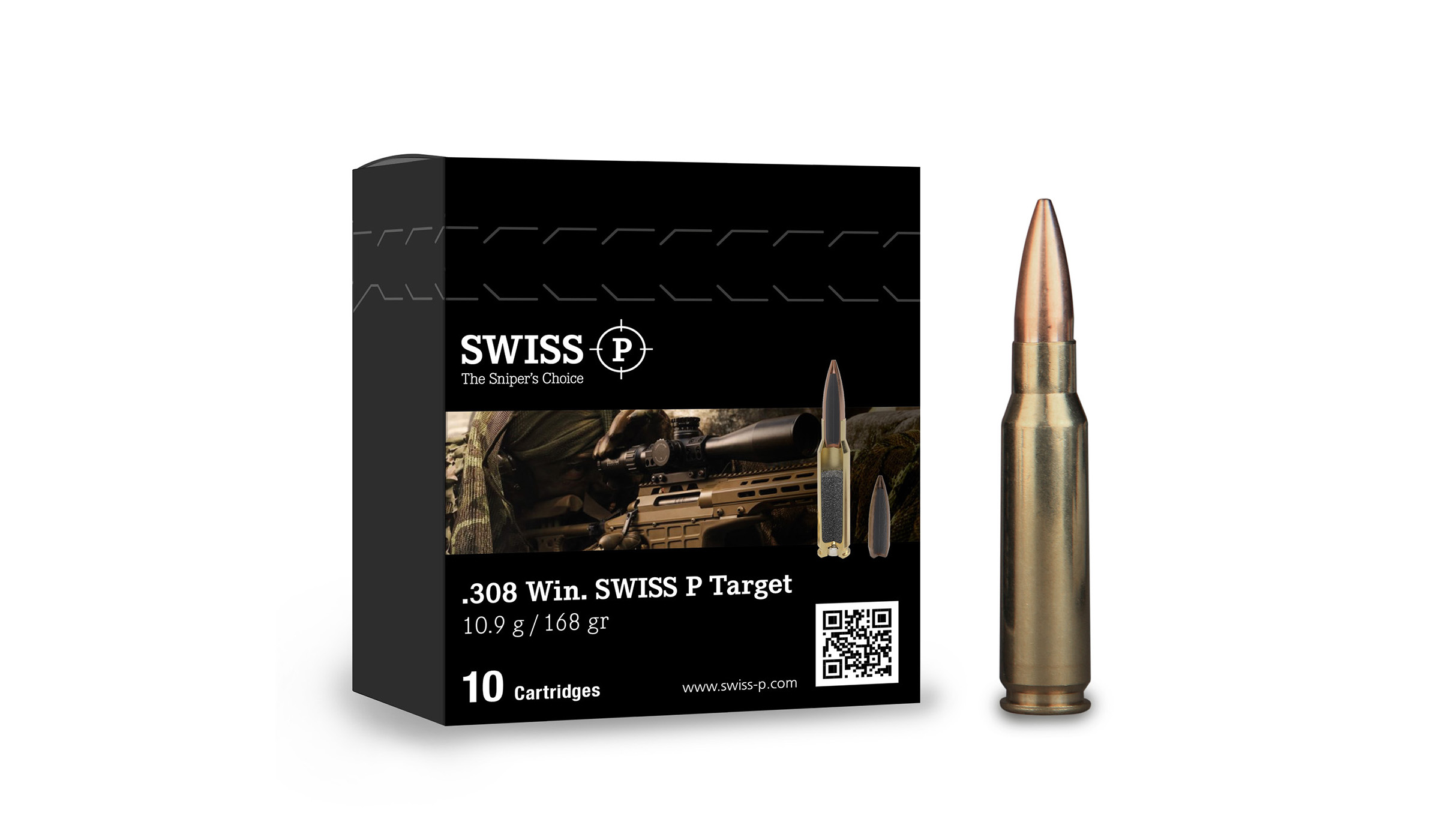
A cartridge remains useful when hunters can find suitable ammunition, and the .308 benefits from decades of commercial production. Major manufacturers offer it in several bullet weights and constructions, while retailers recognise it. Selection can still vary by country, season, and supply, so check availability before a trip rather than assuming it. The range of choices is valuable, but careful reading matters: buy factory ammunition specifically marked for .308 Winchester and follow the rifle maker’s instructions. Its familiar name and widespread use have helped keep this cartridge in the hunting conversation.
7. Useful Beyond Whitetail Season

Although whitetails are the focus in many deer camps, the .308 Winchester is also chambered in rifles used for other medium and large game where local law and sound bullet selection permit. That broader role makes one rifle-and-cartridge combination attractive to hunters who pursue more than one species. Its common 150-, 165-, and 180-grain bullet weights provide a familiar starting point, but a load suitable for deer is not automatically ideal for every animal. Hunters should check regulations, choose a suitable bullet, understand their rifle’s limits, and keep shots within conditions where they can make an ethical hit.
8. Decades of Trust and Familiarity
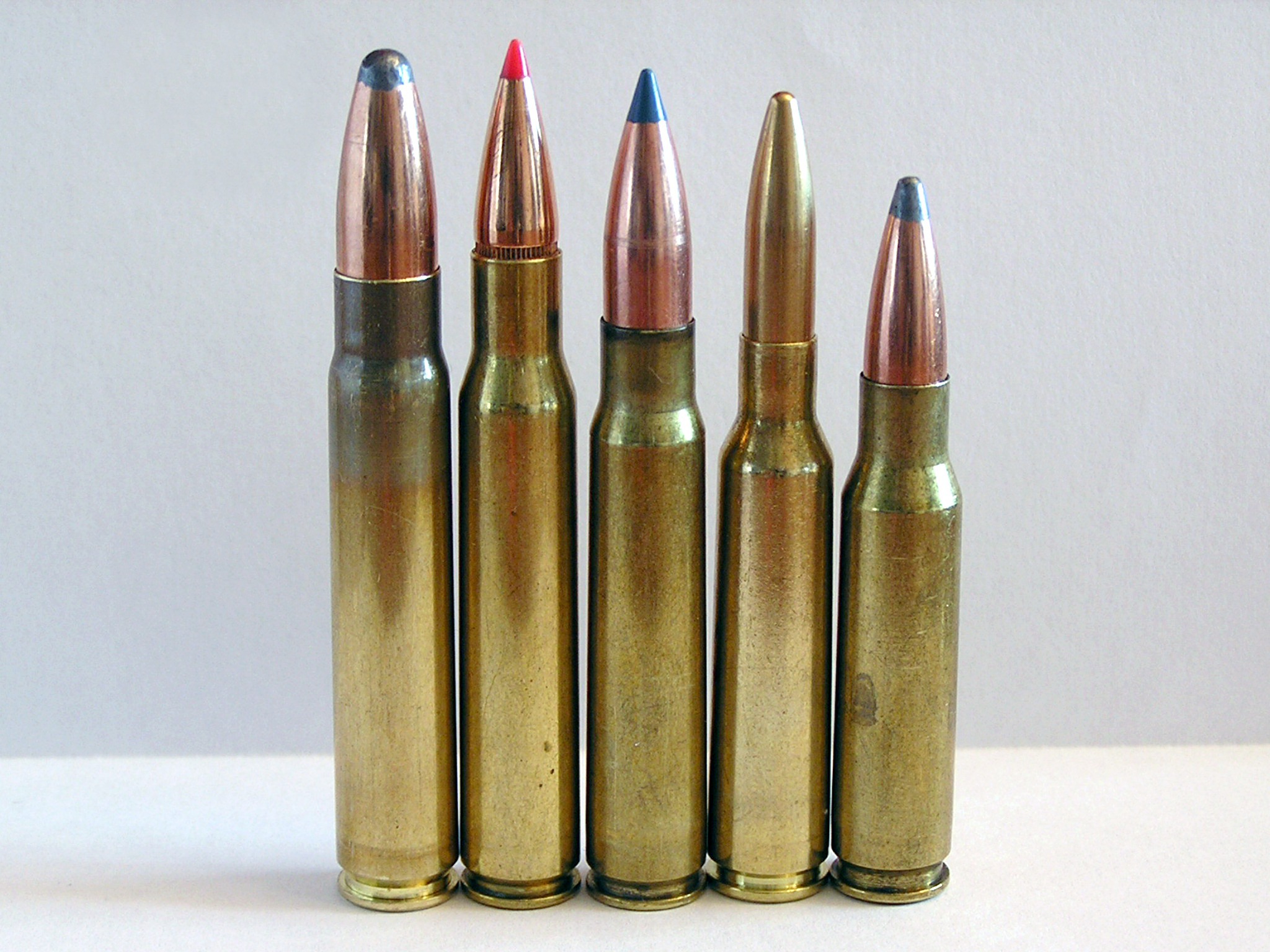
Since Winchester introduced the .308 in 1952, generations of hunters have used it, giving the cartridge a deep history in North American deer culture. Its military relationship with the later 7.62x51mm NATO round also made the name widely recognised, although the two designations are not a reason to ignore firearm markings or manufacturer guidance. Long use has encouraged broad rifle and ammunition support, and many hunters know someone who has carried a .308 for years. Tradition alone does not make a cartridge right for everyone, but familiarity, practical performance, and broad choice explain its lasting place in whitetail camps.