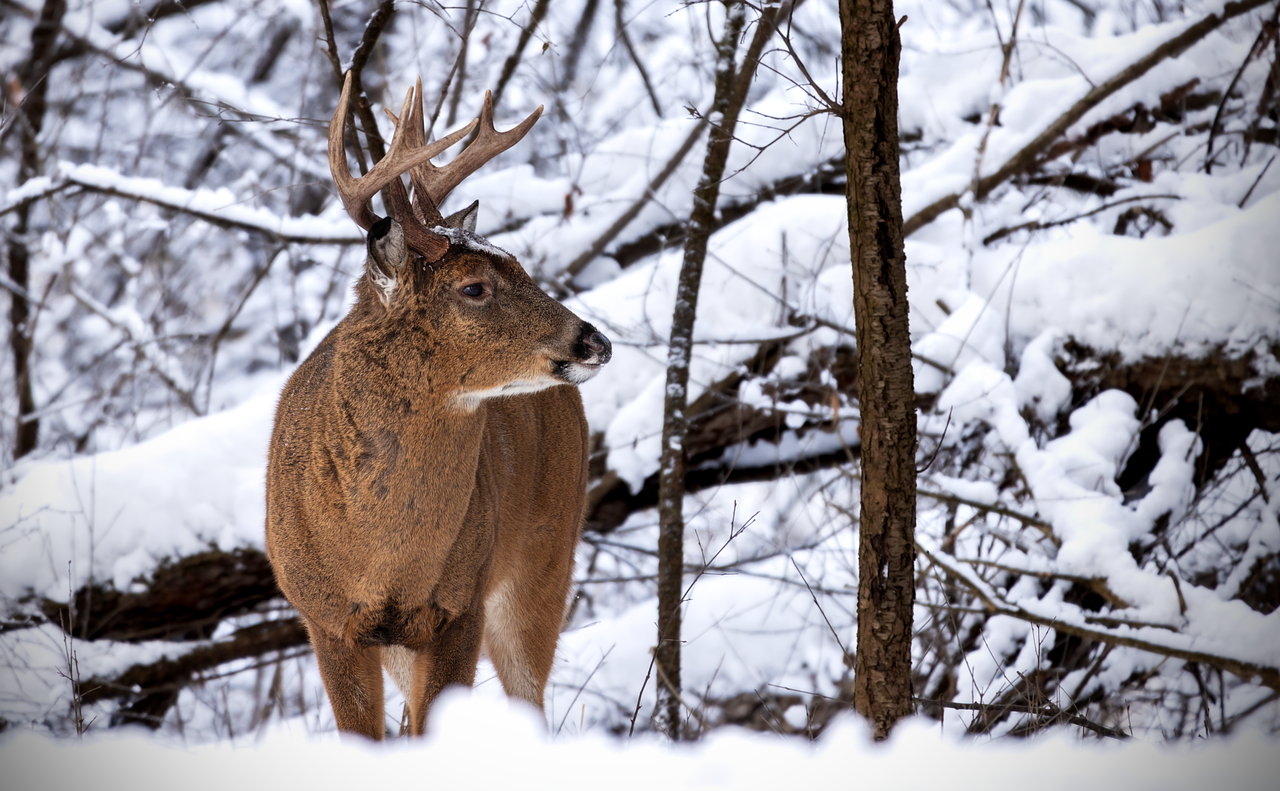
High fence hunting used to sit at the edge of hunting culture, debated mostly in niche circles and regional politics. Now it has become a flashpoint for bigger questions about ethics, conservation, money, and what the word fair really means in the modern outdoors. These nine debates reveal why opinions are hardening, alliances are shifting, and the hunting community feels more divided than it did just a few years ago.
What Counts as Fair Chase Anymore

The loudest argument still centers on fair chase, but the definition is no longer as settled as many hunters assumed. For critics, high fences reduce uncertainty and undercut the wild, unscripted challenge that gives hunting its meaning. For supporters, acreage matters, animal behavior matters, and not every fence creates an easy outcome.
That distinction has made the debate much more complicated. A few hundred acres feels very different from several thousand, and hunters increasingly argue over where the line should be drawn. What once sounded like a simple moral rule now feels like a sliding scale, which is exactly why the conversation has become more heated.
Is High Fence Hunting Helping Conservation or Selling It

Supporters often point to habitat work, predator control, supplemental feeding, and breeding programs as proof that high fence operations can benefit wildlife. In places where land values are rising and open space is shrinking, ranch income from hunting can keep large properties intact rather than carved into subdivisions.
Critics hear that argument and say it confuses conservation with commercialization. They worry that when animals become high-value inventory, ecological goals start taking a back seat to customer expectations. The split is sharper now because both sides use the language of stewardship, but they mean very different things by it.
The Disease Risk Question Nobody Can Ignore
Chronic wasting disease and other animal health concerns have turned a cultural dispute into a policy fight. Opponents of high fence operations argue that confined or semi-confined cervid populations create risks through transport, concentration, and close management, especially when animals are bought, sold, or moved across regions.
Operators counter that regulated facilities can sometimes monitor herds more closely than truly wild systems can. They point to testing, recordkeeping, and veterinary oversight as signs of accountability. But once disease enters the conversation, public trust gets fragile fast, and that has pushed this debate far beyond hunting forums into statehouses and wildlife agencies.
Trophy Genetics and the Uneasy Business of Bigger Antlers

Five years ago, plenty of hunters grumbled about bred-for-size bucks, but now the discomfort runs deeper. Selective genetics, breeding programs, and premium pricing for standout animals have made some ranches look less like hunting landscapes and more like luxury livestock operations with antlers.
Defenders say controlled breeding is simply another form of game management, no stranger than selective practices in agriculture or fisheries. Critics reply that the pursuit starts to feel curated rather than earned, especially when animal value is tied so closely to score sheets and social media bragging rights. That clash over authenticity is one of the biggest fault lines in the modern debate.
Access, Affordability, and the Class Divide in Hunting

High fence hunting has become a lightning rod for another reason: it exposes how uneven access to hunting has become. For some newcomers, preserves offer a structured path into the sport, with guides, lodging, and a higher chance of success. For families short on time, that predictability can be a major draw.
But the same model can also deepen the feeling that hunting is becoming pay-to-play. When premium experiences are tied to fences, trophy animals, and steep fees, many hunters see a widening class divide. That resentment is not just about money. It is about whether hunting culture still belongs to ordinary people.
Landowner Rights Versus Public Wildlife Values

Private property rights have always mattered deeply in rural America, and high fence defenders often frame the issue in exactly those terms. If someone owns the land, improves the habitat, follows state rules, and invests in wildlife, why should outsiders dictate what kind of hunting operation is acceptable on that property?
The pushback comes from the idea that wild animals are not just private assets. Many hunters and wildlife professionals still hold tightly to the North American model, where wildlife is a public resource held in trust. High fence operations sit awkwardly between those philosophies, and that tension has only grown more visible in recent years.
Social Media Has Changed the Optics of the Entire Debate

A decade ago, many disagreements about preserve hunting stayed local or lived quietly in clubs and camp conversations. Now, one video of a hunter posing with a giant buck inside a visible fence can set off a nationwide argument in hours. The images travel faster than the context, and first impressions often harden into judgments.
That has made presentation matter almost as much as practice. Even ranches that insist they operate on vast acreage can struggle against the visual shorthand of enclosure. In the age of viral clips, public perception is shaping the future of high fence hunting as much as biology or law.
State Regulation Is Becoming a Cultural Battleground

What used to look like a niche regulatory issue now carries real political heat. Some states have tightened rules around fencing, animal transport, tagging, and disease surveillance, while others have defended preserve operations as legitimate agriculture, recreation, or both. That patchwork has created confusion and sharpened regional tensions.
Hunters are no longer just arguing over taste or tradition. They are lobbying commissions, watching court cases, and pressing lawmakers to define what counts as hunting in the first place. Once that question moves into regulations and statutes, compromise gets harder because the stakes become permanent and public.
Do These Operations Recruit New Hunters or Mislead Them

One of the more surprising splits in recent years is over recruitment. Advocates say high fence hunts can introduce people to the outdoors who might otherwise never go, especially youth, older beginners, or travelers with limited time. A guided, well-managed environment can reduce barriers and create a successful first experience.
Skeptics worry that this creates the wrong expectations from day one. If a newcomer starts with a highly controlled hunt, the realities of public land, low odds, and long effort can feel disappointing by comparison. The fight here is really about initiation: not whether people should hunt, but what kind of hunting should shape them first.