New lever actions arrive with fresh finishes, modern materials, and plenty of hype, yet the Marlin 336 keeps showing up whenever serious deer rifles are discussed. Its staying power is not about nostalgia alone. This classic has earned its place through practical field performance, smart design, and a reputation that hunters trust when the season opens.
It balances like a true woods rifle

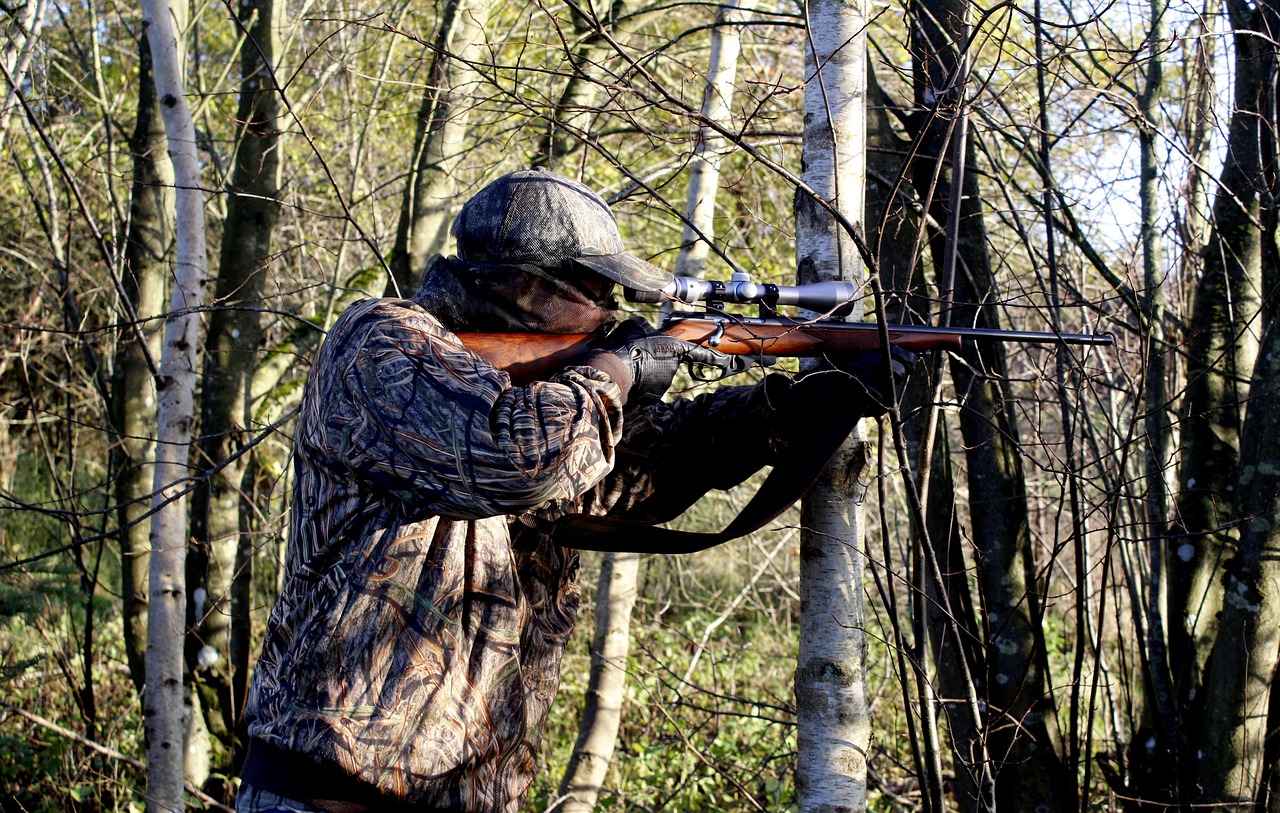
The Marlin 336 has long been praised for the way it carries in the hand and comes to the shoulder without fuss. In thick timber, brushy creek bottoms, and ladder stands, that kind of natural balance matters more than spec sheet bragging rights.
Hunters talk about rifles that feel alive the moment you grip them, and the 336 is one of those guns. It is trim enough to move through cover easily, but still steady enough for the quick, controlled shot that deer hunting often demands.
That balance is part of why it stays in the conversation. Plenty of newer rifles are good, but not all of them feel this intuitive in real hunting country.
The .30-30 pairing still makes real sense

For many hunters, the Marlin 336 and .30-30 Winchester are almost inseparable. The cartridge has taken generations of whitetails cleanly, especially inside the practical distances where most deer are actually shot.
What keeps this pairing relevant is its honesty. It does not pretend to be a long range hammer, but inside common woods ranges it offers manageable recoil, dependable terminal performance, and the kind of confidence that comes from long use.
Serious deer hunters respect tools that match the job. The 336 in .30-30 still does exactly that, which is why it remains part of any meaningful lever gun discussion.
Its side-eject design aged extremely well

One of the smartest things about the Marlin 336 is how practical its side-eject design proved to be over time. It made the rifle friendlier to scope mounting in an era when many hunters were moving beyond iron sights.
That flexibility gave the 336 a broader life in the field. A hunter could keep it traditional with open sights or add glass without creating an awkward setup, and that mattered as hunting styles and expectations evolved.
Today, it seems obvious, but that design helped the rifle avoid becoming a relic. It stayed useful as deer rifles modernized, which is a big reason it never disappeared from serious conversations.
It offers fast follow-up shots without drama

Deer hunting does not always deliver the perfect broadside standstill moment. Sometimes an animal slips through cover, pauses briefly, then moves again. In those situations, the Marlin 336 shines because it cycles quickly and keeps the shooter connected to the target.
A good lever gun can be remarkably fluid, and the 336 has long had a reputation for that kind of smooth, efficient handling. Hunters who know their rifle can work the action and get back on target without turning the moment chaotic.
That practical speed keeps it relevant. New rifles may promise innovation, but field confidence often comes down to how calmly a rifle performs when seconds are precious.
The compact profile works in the places deer live

A lot of deer are taken in environments where long, heavy rifles become a nuisance. Thick eastern timber, ground blinds, box stands, and tight shooting lanes all reward a firearm that is compact and easy to maneuver.
The Marlin 336 fits those spaces naturally. It does not feel like too much rifle for close cover, and it is easy to carry over long hours without wearing the hunter down or snagging on every branch and rail.
That kind of usability is not glamorous, but it wins loyalty. Hunters remember what made their day easier, and the 336 has done that for decades in the terrain where many whitetail seasons unfold.
Its accuracy is better than skeptics often assume

Lever actions sometimes get dismissed as charming but imprecise, and the Marlin 336 has spent years proving that assumption lazy. No, it is not built for extreme distance shooting, but practical deer accuracy has never been a problem for a well-sighted 336.
At the ranges where many hunters encounter deer, the rifle is fully capable of delivering clean, confident results. That matters more than internet arguments about benchrest groups or velocity charts that do not reflect the woods.
The 336 keeps respect because it hits where it needs to hit. Serious hunters tend to value dependable field accuracy over theoretical performance they may never actually use.
It has a reputation for rugged dependability
A deer rifle earns trust by working when the weather turns ugly and the season gets long. The Marlin 336 built its standing by being the sort of rifle hunters could drag through rain, cold mornings, muddy camps, and rough truck rides without losing faith.
That reputation matters because hunting stories travel. One reliable season becomes ten, then gets passed down to a son, daughter, or hunting partner who sees the same thing firsthand in the field.
Newer rifles may be excellent, but the 336 carries decades of proof behind it. Reliability is one of the hardest qualities to market and one of the easiest for hunters to recognize when it is real.
It bridges traditional feel and practical optics

Part of the Marlin 336’s staying power is that it never forced hunters to choose between old-school character and useful upgrades. It feels like a classic deer rifle, but it also adapts well to scopes, receiver sights, and other practical hunting setups.
That makes it appealing across generations. One hunter may love the iron-sight simplicity, while another wants a low-power optic for dim woods light and aging eyes. The 336 can serve both without losing its identity.
That flexibility has helped it age gracefully. Instead of becoming trapped in one era, it remained relevant as hunters changed how they sighted and used their rifles in the field.
The handling inspires confidence in close encounters

There is a big difference between owning a rifle and feeling instantly ready with it when a buck steps out at 40 yards. The Marlin 336 has always been strong in that second category, where instinctive handling can matter as much as raw ballistics.
Its controls are straightforward, its profile is familiar, and its overall feel encourages quick, composed shooting. In fast, close-range encounters, that confidence can be the difference between a clean opportunity and a rushed miss.
Hunters remember rifles that settled nerves instead of adding to them. The 336 keeps its place because it has a way of making the shot feel simple, even when the moment is anything but.