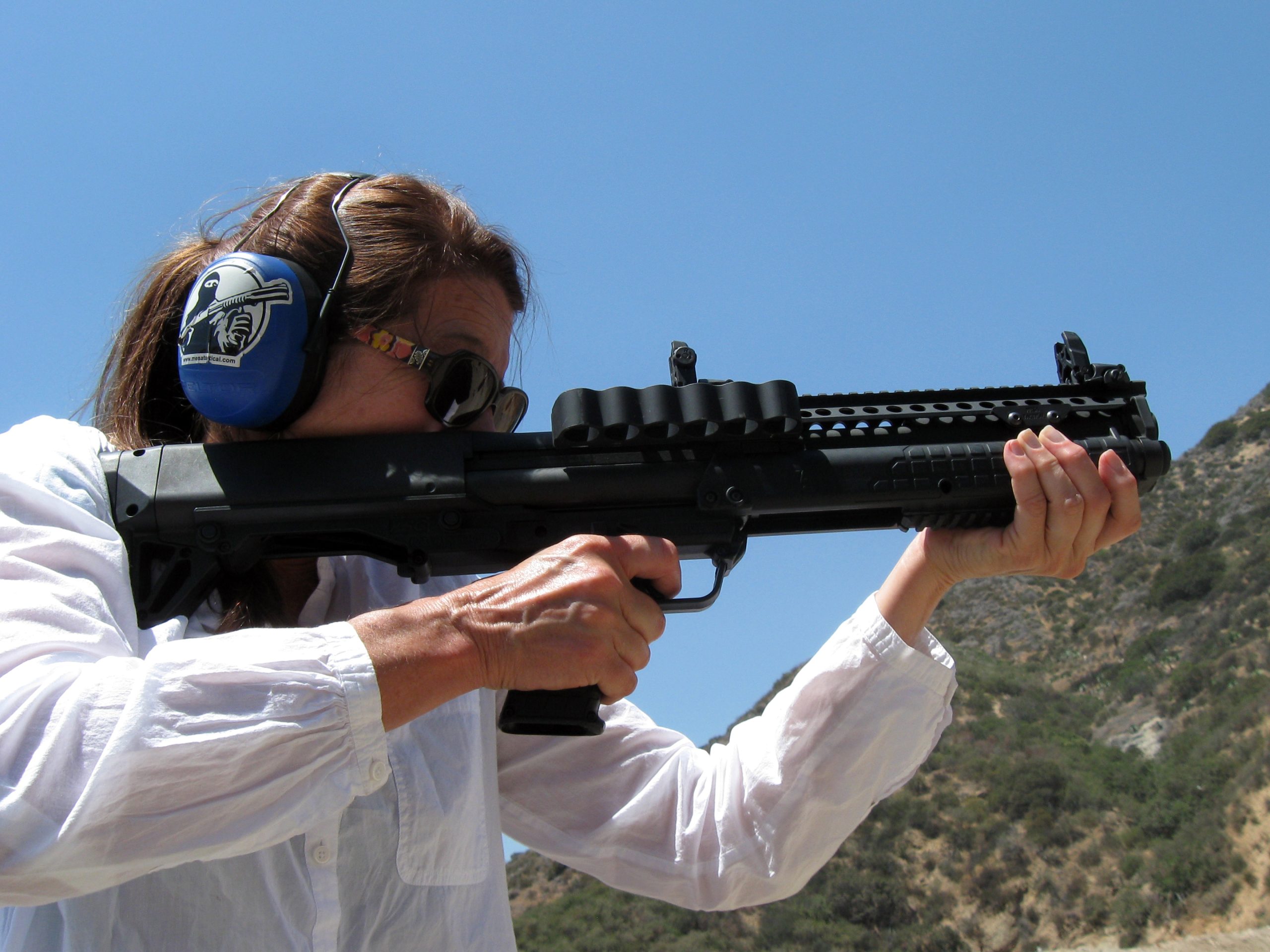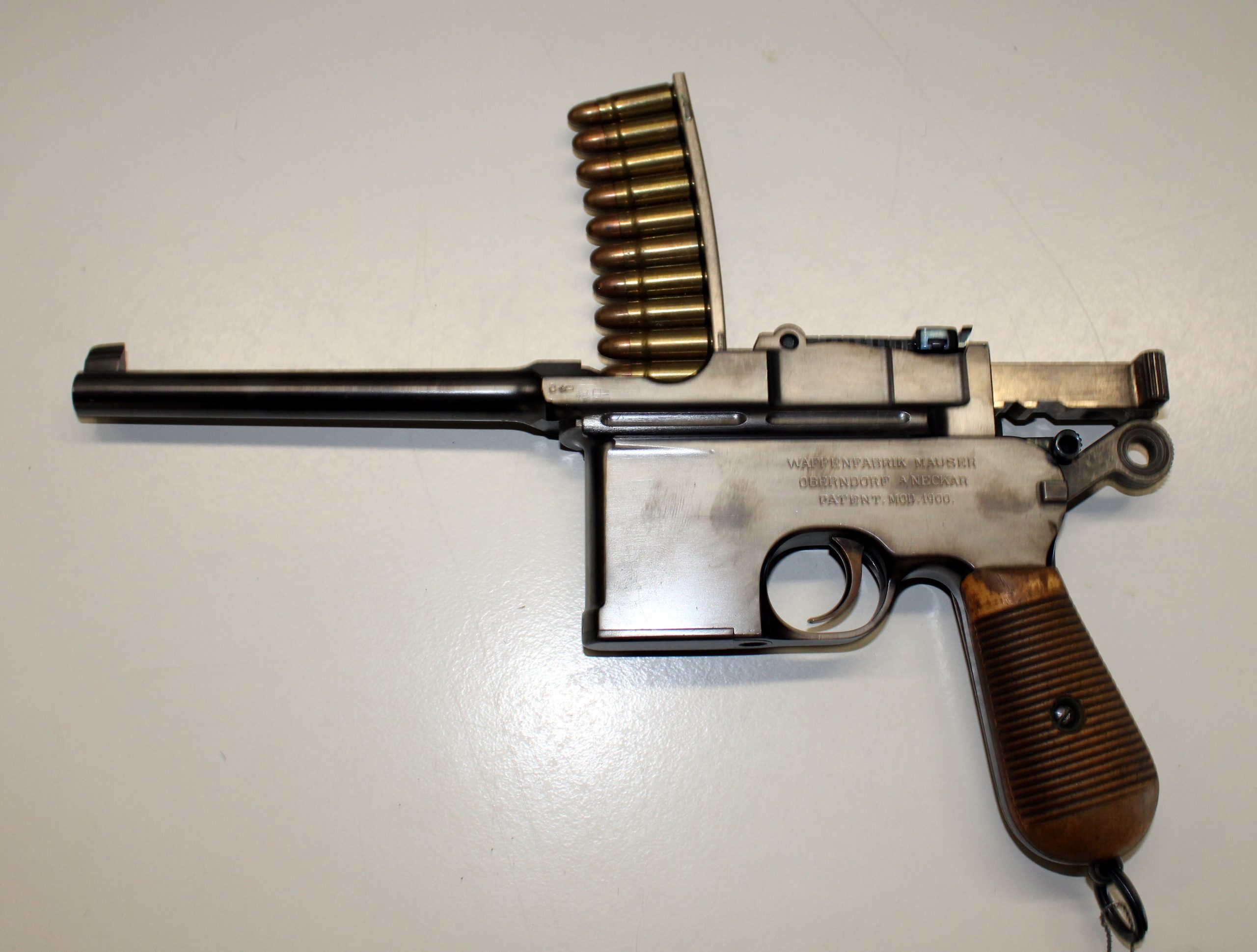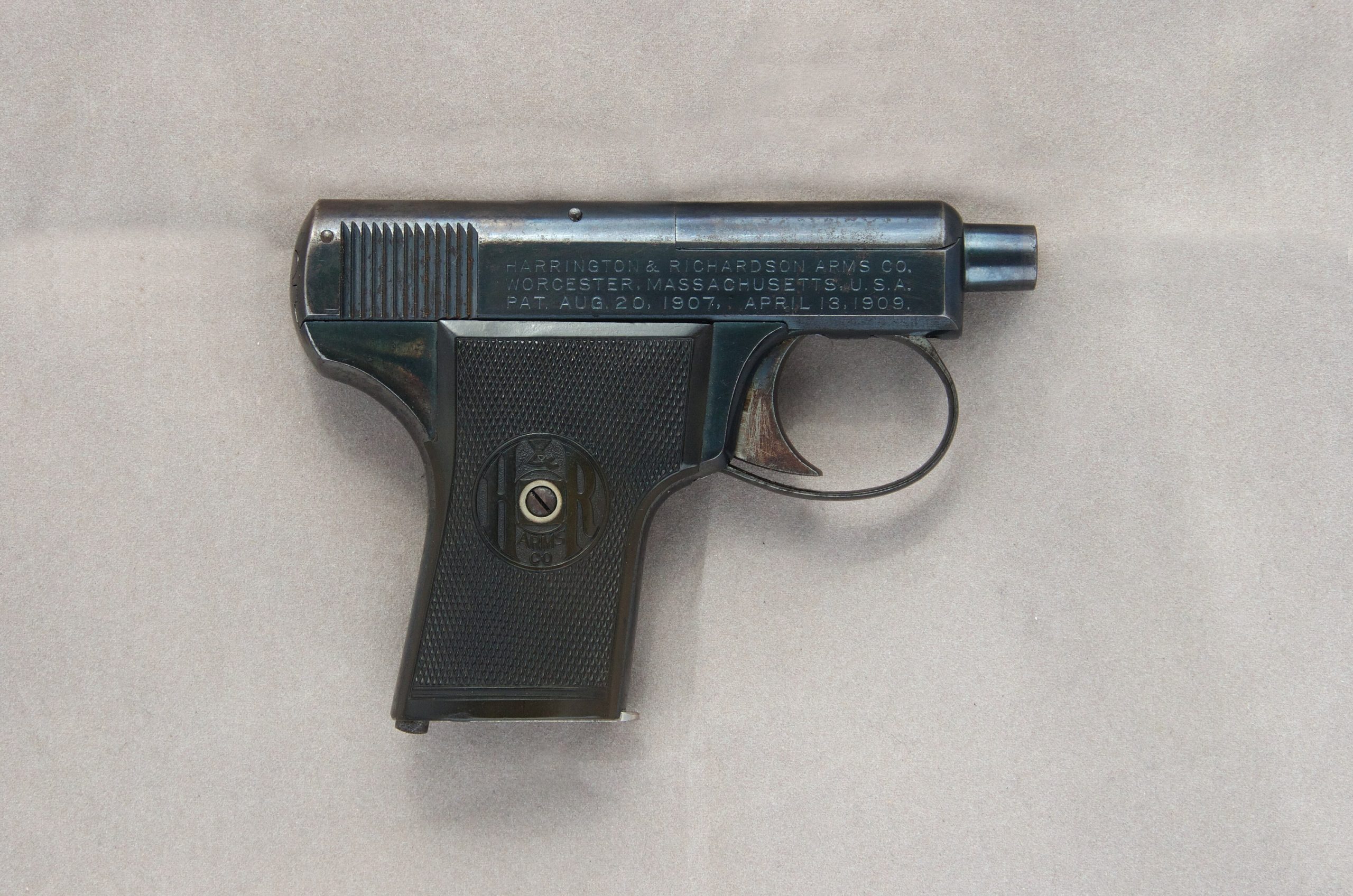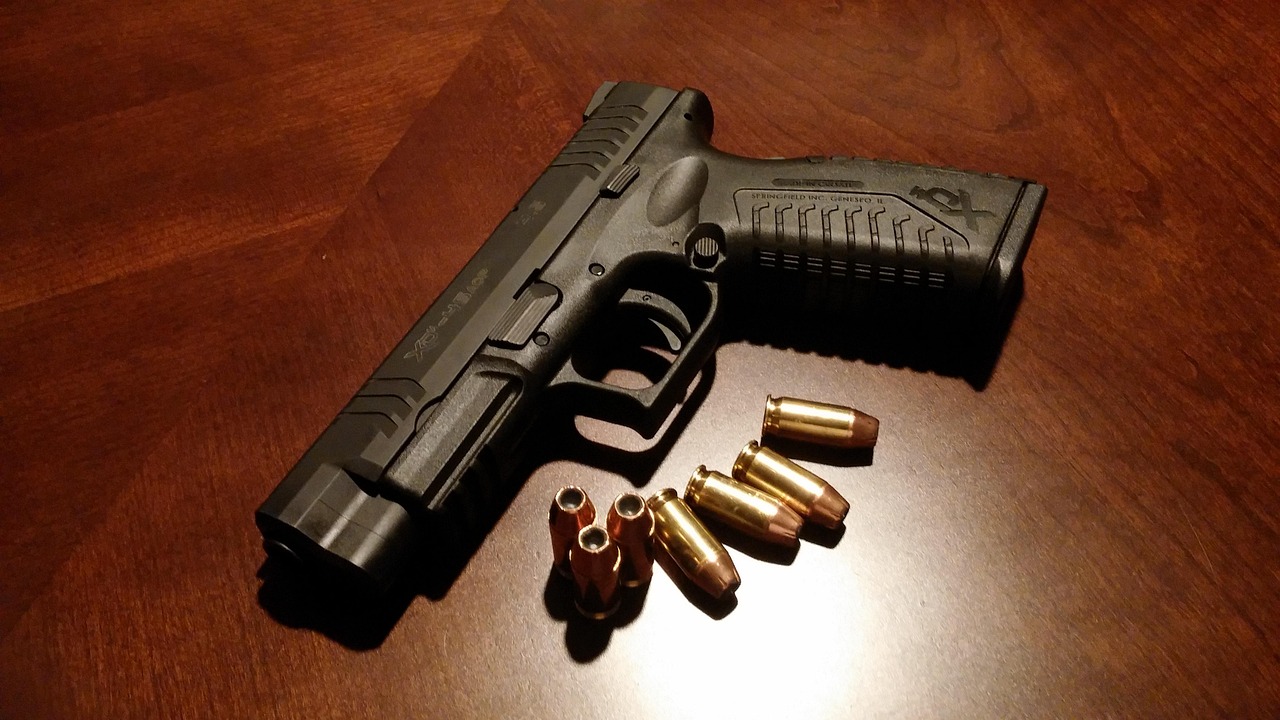
Walk into most gun stores, and the same familiar calibers tend to dominate the conversation. But on training ranges, many self-defense instructors often steer students toward options that balance recoil, capacity, controllability, and real-world performance a little differently. This gallery explores nine handgun calibers that get quieter praise from experienced teachers, along with why they appeal to shooters who prioritize practical defense over marketing buzz.
.380 ACP

The .380 ACP earns quiet respect because it makes truly compact pistols easier to carry consistently. Instructors often point out that a gun left at home offers no protection, and this cartridge lives in handguns that disappear into a pocket, purse, or slim waistband holster with far less fuss than larger options.
Its recoil can still feel snappy in ultra-light pistols, but many shooters manage it better than they expect. With modern defensive loads, .380 ACP has become more credible than its old reputation suggests, especially when paired with good shot placement and realistic expectations.
For people with limited hand strength, smaller frames, or strict dress constraints, this caliber often opens the door to daily carry that actually happens.
.32 H&R Magnum

The .32 H&R Magnum does not get much shelf space, but instructors who appreciate revolvers sometimes recommend it for newer or recoil-sensitive shooters. It offers a noticeable step up from lighter .32 rounds while staying far more manageable than many small-frame revolver loads that can feel harsh in practice.
That matters because confidence grows when students are willing to train. A revolver chambered in .32 H&R Magnum can deliver decent controllability, faster follow-up shots, and a less intimidating range experience, all while preserving the simple manual of arms many people still prefer.
It also shines in lightweight carry guns, where excessive recoil often turns a theoretically powerful choice into a difficult one in real hands.
.327 Federal Magnum

If .32 H&R Magnum is the gentle persuader, .327 Federal Magnum is the overachiever that gets serious attention from revolver-savvy instructors. It offers strong velocity, flat shooting characteristics, and a reputation for punching above its size, while still fitting compact revolvers that often gain an extra round compared with similar .38 Special or .357 Magnum models.
That extra capacity is a quiet but meaningful advantage. In a defensive handgun, one more round without a larger frame is hard to dismiss, especially for people committed to carrying a revolver rather than a semi-auto.
Recoil is no joke, but many shooters find it more controllable than full-power .357 Magnum, making it an intriguing middle path for experienced users.
9mm Makarov

The 9mm Makarov occupies a niche corner of the handgun world, but some instructors mention it when discussing rugged, easy-to-understand surplus pistols and modest recoil. It is not a mainstream carry answer for everyone, yet it has a loyal following because the cartridge is efficient, the guns chambered for it are often straightforward, and the recoil impulse can feel very manageable.
Part of the appeal is practical simplicity. Shooters who value no-nonsense designs sometimes appreciate a pistol and cartridge pairing that was built with durability and function front of mind rather than trend-chasing.
Its downside is limited modern platform choice, but for enthusiasts already invested in the ecosystem, it remains a quietly respectable defensive option.
.357 SIG
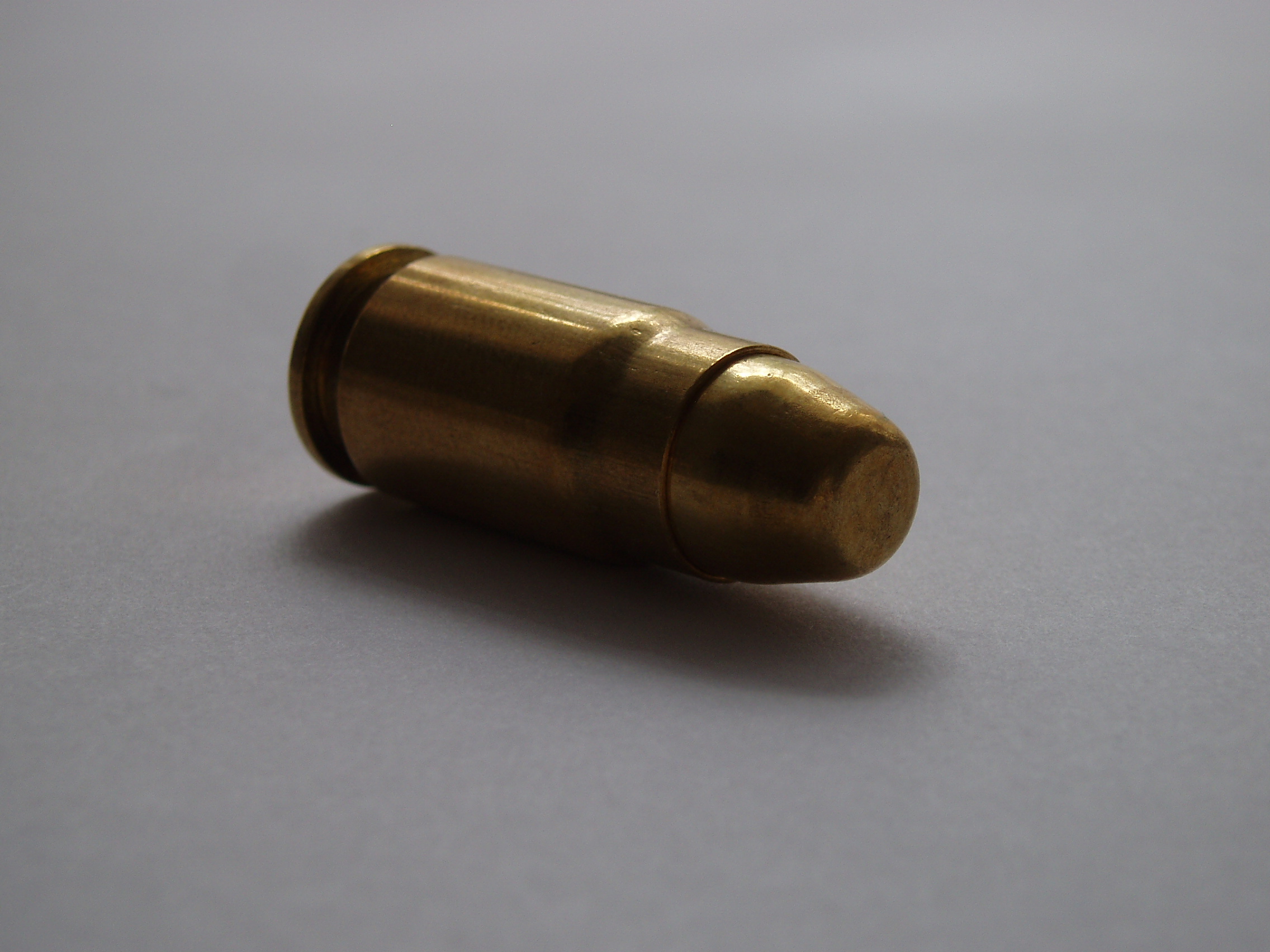
The .357 SIG has long inspired strong opinions, yet many instructors who appreciate barrier performance and reliability still speak highly of it. Designed to produce high velocity from a semi-auto platform, it developed a reputation for feeding well and delivering energetic performance that some professionals continue to trust.
What keeps it in the conversation is consistency. Shooters who train with it often praise its flat trajectory and decisive feel, even if recoil and muzzle blast are sharper than standard-pressure 9mm. For experienced hands, those tradeoffs can be acceptable.
It is not the cheapest caliber to practice with, and that matters. But in duty-style or defensive roles, its supporters argue it still deserves more respect than store shelf trends suggest.
10mm Auto

The 10mm Auto is often associated with hunting and backcountry use, but some self-defense instructors recommend it to shooters who can genuinely handle it. A full-size pistol, it offers deep power reserves and versatility, especially when the user wants one sidearm that can serve both personal defense and protection in areas where animal threats are a concern.
Its appeal is not subtle. This is a cartridge for people willing to train through more recoil, more muzzle rise, and higher ammunition cost in exchange for energy and flexibility.
The important caveat is honesty. Instructors who recommend 10mm usually do so selectively, because a powerful caliber only makes sense when the shooter can control it quickly and accurately.