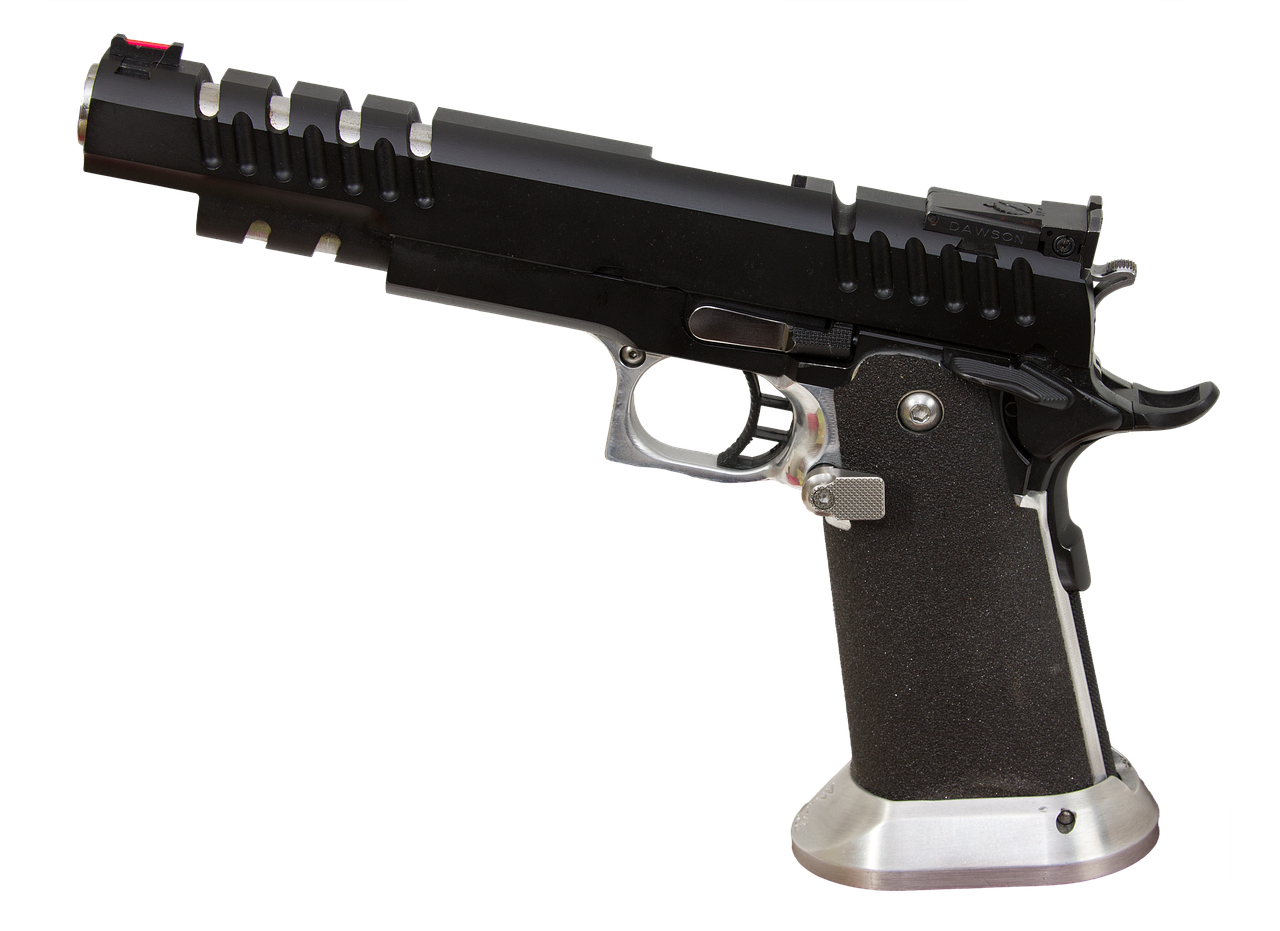
Competitive shooters are famously picky about gear, but many say the biggest gains don’t come from buying a whole new pistol. Instead, they come from smart, focused upgrades that improve feel, speed, and consistency while keeping the same platform you already know. Here are eight changes shooters often mention when they talk about results they noticed right away.
Better Sights

For many shooters, the first upgrade that feels instantly worthwhile is a better set of sights. A cleaner front sight, a brighter fiber-optic rod, or a more visible rear notch can make the gun feel easier to aim the moment it comes up on target. That matters in competition, where fractions of a second and visual clarity often decide everything.
What people usually notice right away is less hunting for the front sight during transitions. The sight picture looks simpler, faster, and more repeatable under pressure. Even shooters who don’t change anything else often say improved sights make the pistol feel more cooperative, especially on mixed-distance stages.
Trigger Job or Improved Trigger Components

A refined trigger is one of those upgrades shooters talk about with almost suspicious enthusiasm. Reducing grit, shortening reset, or smoothing the break can make a familiar pistol feel dramatically more predictable. The change is especially noticeable on difficult shots, where confidence in the trigger press helps keep the sights from drifting at the last second.
Competitive shooters often say the immediate difference is not just speed, but trust. When the trigger behaves the same way every time, it becomes easier to call shots and press through cleanly on demand. That consistency can shrink mental clutter in a hurry, which is a real advantage once the timer starts.
Grip Tape or Enhanced Grip Texture

Not every meaningful upgrade is expensive, and grip tape proves that point beautifully. Adding traction to the frame can make the pistol feel more locked in during recoil, especially when hands get sweaty or weather turns hot. Shooters often describe the benefit in simple terms: the gun moves less, and their hands work less to keep it under control.
The result is usually faster follow-up shots and less need to readjust between strings. Enhanced texture can also help establish a more consistent grip during the draw, which pays off before the first round is even fired. For many competitors, it’s a low-cost change that delivers a surprisingly immediate reward.
Extended Magazine Release

Reloads are one of those places where small hardware changes can feel huge. An extended magazine release can make it easier to drop a magazine without shifting the firing grip as much, which saves time and reduces fumbling. That becomes especially helpful on stages where reloads happen on the move, and every motion has to stay efficient.
Shooters who like this upgrade usually say the difference appears right away in practice. The button is easier to find, activation feels more deliberate, and reload rhythm becomes smoother. It’s not flashy, but on a clock, cleaner manipulations can matter just as much as a better group on paper.
Magwell Funnel

A magwell funnel is a favorite among competitors because it helps turn reloads into a bigger, more forgiving motion. Instead of having to guide the magazine with near-perfect precision, shooters get a little extra margin that can save a run from a costly bobble. On speed-focused stages, that forgiveness feels immediately valuable.
What stands out most is how much calmer reloads can become. The pistol seems easier to feed without forcing the eyes to linger on the grip opening for too long. Competitive shooters often say a magwell doesn’t just improve successful reloads, it reduces the mental pressure around them, which can be just as important.
Recoil Spring Tuning

Recoil spring tuning sounds technical, but shooters often describe the benefit in very plain language: the gun just feels better. Matching spring weight to ammunition and setup can influence how the slide cycles, how the pistol tracks, and how quickly the sights settle back into view. When tuned well, the whole firing cycle can feel less abrupt.
The immediate difference is usually about rhythm rather than raw softness. Shooters may notice a flatter return, less disruption in the hands, and a recoil impulse that feels easier to predict. It’s a more nuanced upgrade than sights or texture, but plenty of competitors say they knew almost instantly when they found the right setup.
Base Pads for Magazines

Magazine base pads do more than change the look of a competition setup. Depending on the division and rules, they can add capacity, provide extra weight for cleaner drops, and give the hand a little more to grab during reloads. Those practical benefits are exactly why so many shooters call them an immediate improvement.
On the range, the difference often shows up as smoother, less awkward magazine handling. Mags fall more freely, and reloads can feel more positive from start to finish. Competitive shooters also appreciate the durability factor, since base pads can help magazines tolerate repeated drops onto hard surfaces during regular practice and match use.
Slide Milling for a Red Dot Optic

For shooters ready to make a bigger leap without abandoning their platform, slide milling for a red dot is often the standout move. A direct-mount optic setup can improve dot stability, lower the sighting system on the gun, and create a cleaner overall package than some adapter plate arrangements. Many competitors say the payoff is immediate once they adapt to target-focused shooting.
The biggest early win is often visual efficienthe ore manageable, which explains why this upgrade has become such a common competition conversation.