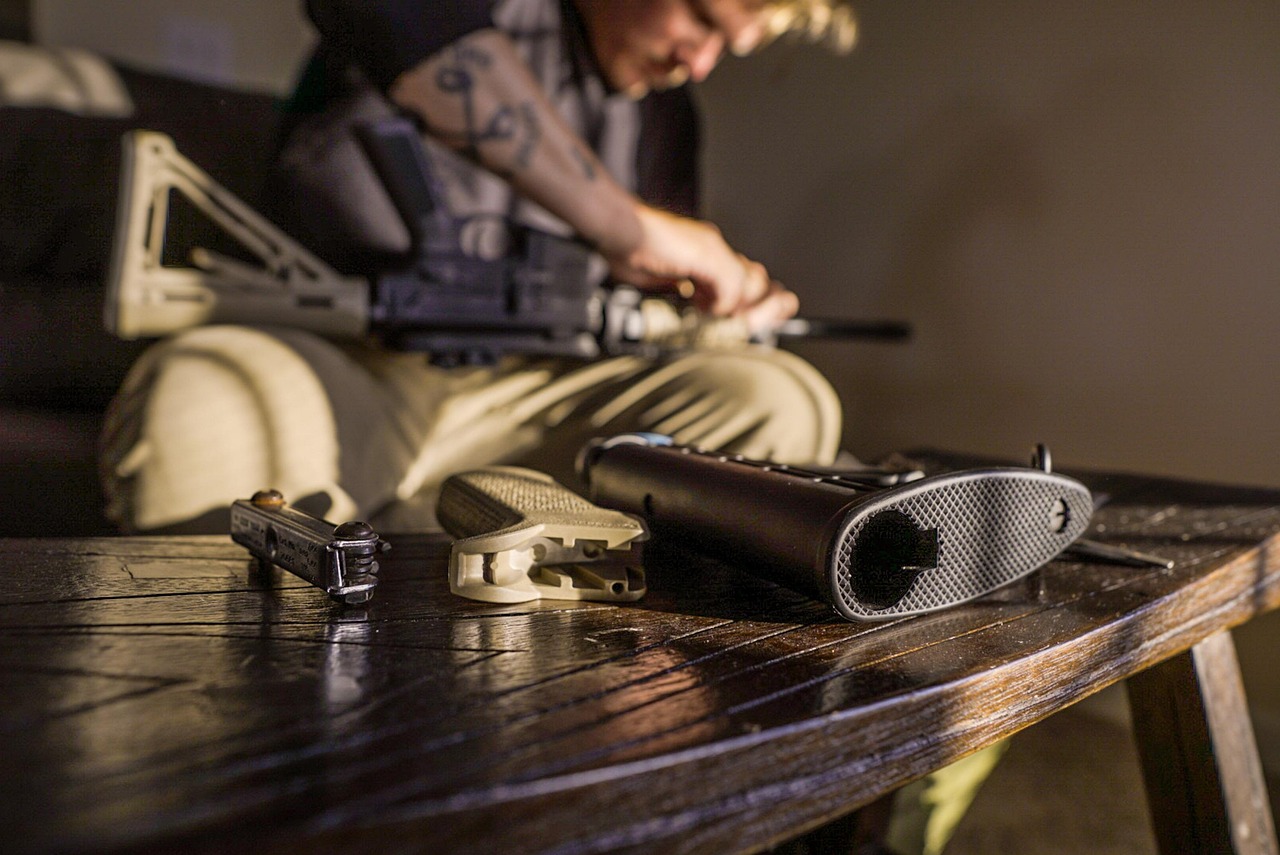
Most shotgun owners learn the basics early: clean the bore, wipe the exterior, store it safely. What often takes years to discover is that the small, less obvious maintenance habits are the ones that prevent stubborn malfunctions, premature wear, and frustrating range days. This gallery looks at nine smart, overlooked angles on shotgun care that seasoned owners often say they wish they had understood from the start.
Clean less by cleaning smarter

Many owners start out thinking more solvent, more scrubbing, and more disassembly automatically mean better maintenance. Over time, they learn that targeted cleaning usually beats marathon cleaning sessions. The trick is knowing which areas collect carbon, plastic fouling, and grime fast, and which parts only need a light wipe.
A shotgun that is over-cleaned can suffer too. Aggressive brushes, constant pin removal, and repeated full tear-downs can wear finishes and small parts unnecessarily. Smart maintenance means paying close attention to the chamber, action, bolt face, and magazine tube while avoiding the urge to turn every post-range cleanup into a complete mechanical event.
The chamber matters as much as the bore

A shiny bore can make an owner feel finished, but the chamber often tells the real story. Residue in the chamber can lead to sticky extraction, inconsistent cycling, and that annoying moment when spent shells do not come out as cleanly as they should.
This is especially true for shotguns that see a mix of cheap target loads, hunting ammunition, and long gaps between deep cleanings. A dedicated chamber brush and a few extra minutes can do more for reliability than another pass down the barrel. Long time owners often say this was one of the first hidden lessons they picked up after chasing preventable feeding and ejection issues.
Too much oil causes its own problems

New owners often worry about rust and assume a heavily oiled shotgun is a protected shotgun. In practice, excess oil attracts dust, traps burnt residue, and can migrate into places where it starts collecting debris instead of preventing wear.
On some actions, too much lubricant can even slow movement in cold weather or create a gummy film after storage. Experienced owners usually settle on a light, deliberate approach: thin protective coverage on the right surfaces and almost no visible pooling anywhere. A shotgun should not feel dry and neglected, but it also should not look like it was dipped in oil before heading back into the safe.
Magazine tubes deserve regular attention

The magazine tube is easy to ignore because it sits out of sight and usually out of mind. But it quietly collects grime, old oil, bits of debris, and sometimes moisture, all of which can affect spring tension and smooth shell feeding over time.
Owners who finally clean the tube after years of casual use are often surprised by what comes out. If a shotgun starts feeding unevenly or feels sluggish loading shells, this area is worth checking before assuming something more serious is wrong. A clean tube, healthy spring, and properly seated follower can restore the kind of smooth function many people forget the gun once had.
Wood and synthetic stocks need different care

Not every shotgun stock wants the same treatment, and this is something many owners only learn after cosmetic wear starts to show. Wood can react to humidity, oils from the hands, and overly harsh cleaners, while synthetic furniture may tolerate rougher conditions but still suffer from neglect around mounting points and recoil pads.
A little material-specific care goes a long way. Wood benefits from gentle cleaning and stable storage conditions, while synthetic stocks should still be checked for cracks, loose hardware, and grime packed into seams. The stock is not just a handle attached to the gun. It affects fit, comfort, and long-term durability more than many first-year owners realize.
Choke tubes need maintenance even when they are not changing

A lot of owners install a choke tube and leave it there for months or years, assuming no movement means no maintenance. That is exactly how tubes seize, threads get dirty, and routine changes become an aggravating shop problem later on.
Removing the choke occasionally, cleaning the threads, and applying the correct choke tube grease can prevent expensive headaches. It also gives you a chance to inspect for signs of corrosion, damage, or carbon buildup near the muzzle. Owners who ignored this step early often say they only appreciated it after meeting a choke that refused to budge at the worst possible time, right before a hunt or range trip.
Storage can undo a perfect cleaning job

You can clean a shotgun carefully, oil it correctly, and still create problems if storage conditions are poor. Damp safes, soft cases used for long-term storage, and big temperature swings can invite corrosion even when the gun looked pristine the day it was put away.
Veteran owners often become part-time climate managers without realizing it. They pay attention to airflow, humidity control, and whether the shotgun is stored with a light protective film rather than sealed up with trapped moisture. Maintenance does not end when the last patch comes out clean. In many households, the storage environment determines whether that work lasts for months or starts unraveling within a week.
A recoil pad and screws can signal bigger issues

Small exterior details often reveal maintenance needs before the action ever does. A loosening recoil pad, backing-out stock screws, or slight movement at the buttstock can point to vibration, poor fit, or wear that deserves attention before it turns into a more expensive repair.
These are easy things to overlook because they do not feel as mechanical as cleaning the bore or oiling the bolt. But a shotgun is a system under repeated recoil, and the parts you touch most can tell you a lot about what is changing over time. Long time owners often say they became better at maintenance once they started treating these little shifts as early warnings instead of harmless quirks.
Different actions get dirty in different ways

Pump, semi-automatic, break-action, and inertia-driven shotguns may all fire the same shells, but they do not collect wear and residue in the same pattern. Owners sometimes borrow a maintenance routine from one platform and assume it transfers perfectly to another, which can leave critical spots under-serviced.
Semi-automatics may need more attention around gas systems or action components, while pumps often reward inspection of rails, the forend, and shell handling surfaces. Break-actions bring their own focus points, especially around hinges and locking areas. The more you understand your specific design, the more efficient maintenance becomes. That is usually the moment shotgun care starts feeling less like a chore and more like useful mechanical awareness.