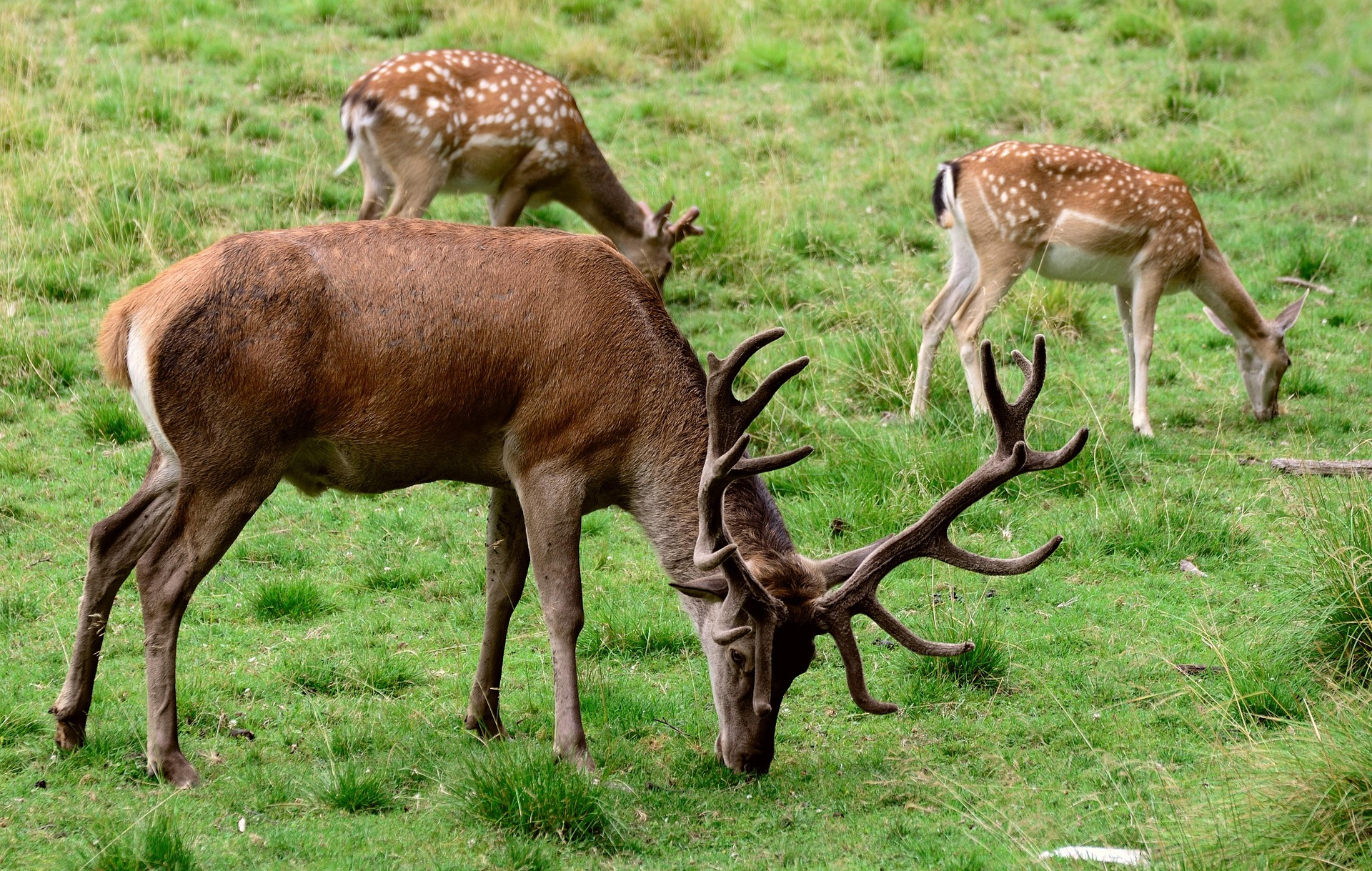
Hunting trophy bucks without leasing land can be a challenge, but it’s far from impossible. The key is understanding deer behavior, reading the landscape, and using the tools and techniques available to public land hunters. By learning how to locate bedding areas, identify food sources, and use technology effectively, you can consistently find mature bucks. Here are nine smart ways to help you locate better deer on public or accessible lands without signing a lease.
1. Scout Public Lands Thoroughly

Public lands often hold mature bucks because hunters overlook the less accessible areas. Spending time walking trails and studying maps can reveal natural funnels, ridges, and secluded pockets where deer move freely. Focus on remote corners away from roads or high traffic zones. Observing deer over multiple trips helps identify bedding areas and travel corridors. Consistent scouting on public land is one of the most reliable ways to find bucks that have learned to avoid heavy hunting pressure.
2. Focus on Natural Food Sources

Deer follow food, making feed-heavy areas predictable hunting spots. Look for acorn-rich forests, mast-producing trees, or green browse near fields. Agricultural edges with corn, soybeans, or wheat often attract deer during the pre-rut. Scouting at dawn and dusk allows you to see where bucks feed regularly. Understanding seasonal food preferences, like tender greens in spring or hard mast in fall, helps pinpoint areas where mature bucks are likely to concentrate, increasing your hunting success.
3. Use Trail Cameras Strategically
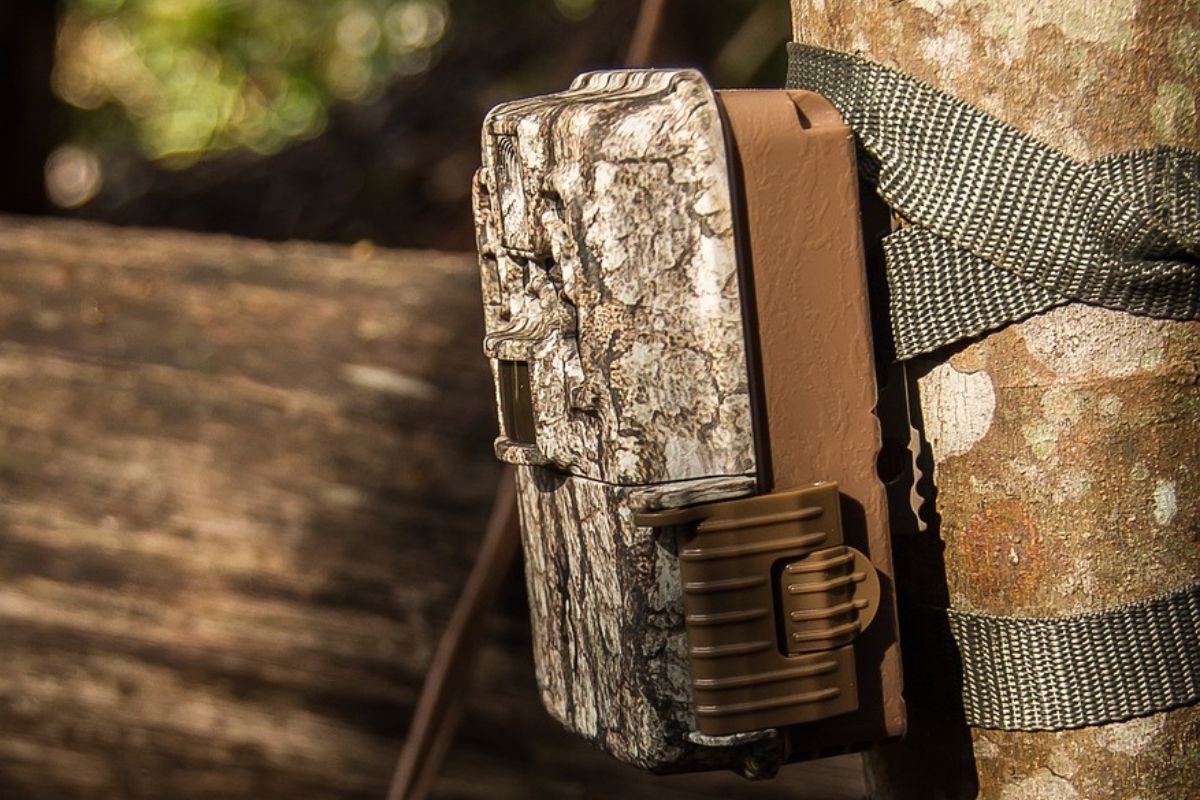
Trail cameras are essential for tracking mature bucks on accessible lands. Place them near scrapes, rubs, trails, and travel corridors. Cameras let you identify dominant bucks and record movement patterns over time without being present. Avoid checking them too often to prevent spooking deer. Review footage to determine peak activity times and travel routes. Well-placed trail cameras give hunters a significant advantage, helping plan hunts more efficiently while maximizing the opportunity to encounter larger, more cautious bucks.
4. Learn to Read Buck Sign
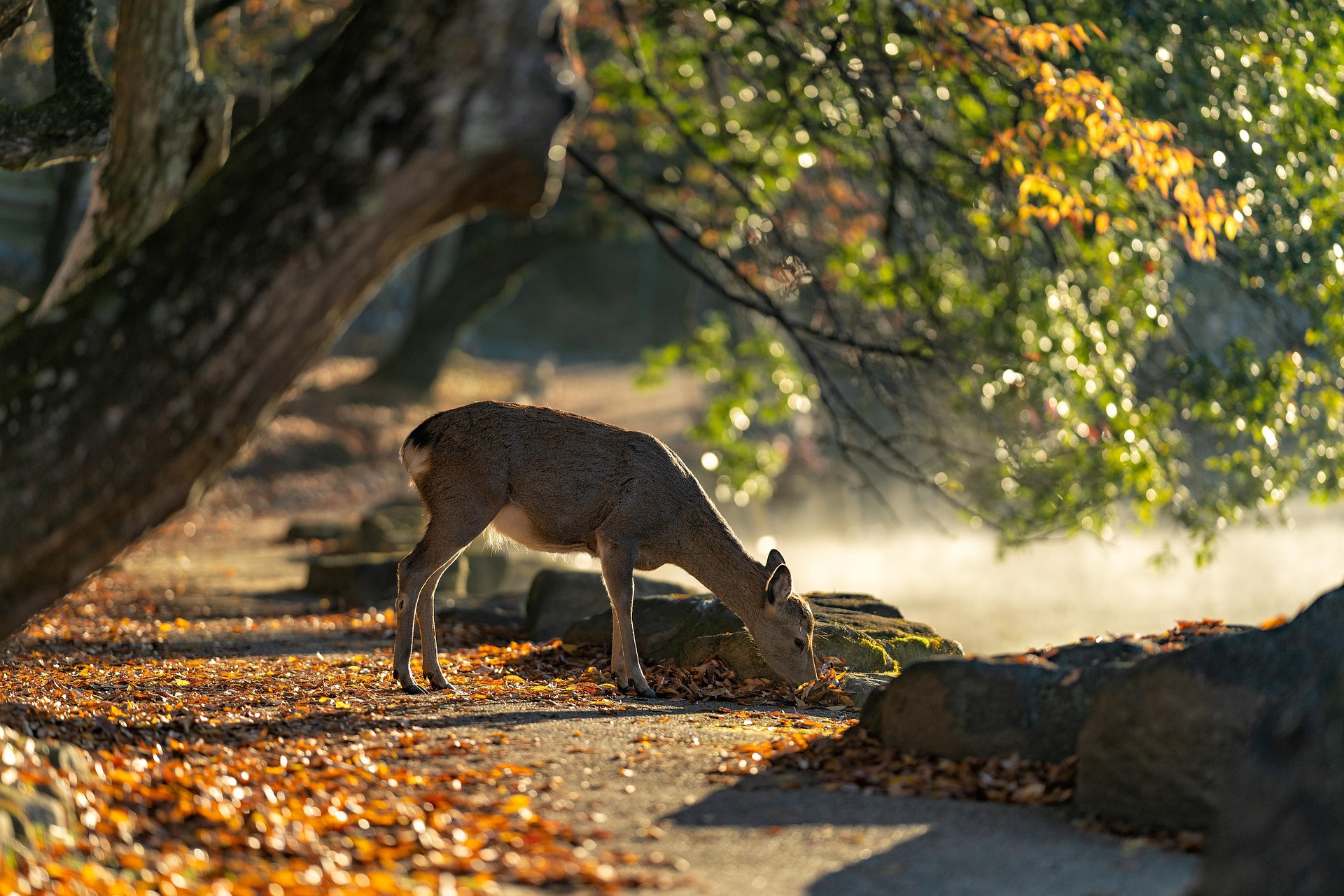
Recognizing the buck sign can reveal where mature deer are active. Look for fresh rubs on trees, scrapes on the ground, tracks in mud, and droppings along trails. Scrapes and rubs often indicate dominant bucks in the area. By studying sign over several weeks, you can map travel corridors and bedding areas without ever disturbing the deer. Learning to read these subtle clues allows hunters to predict buck movements, making public land hunting far more productive and increasing the chances of encountering bigger, more mature deer.
5. Hunt Edge Habitats
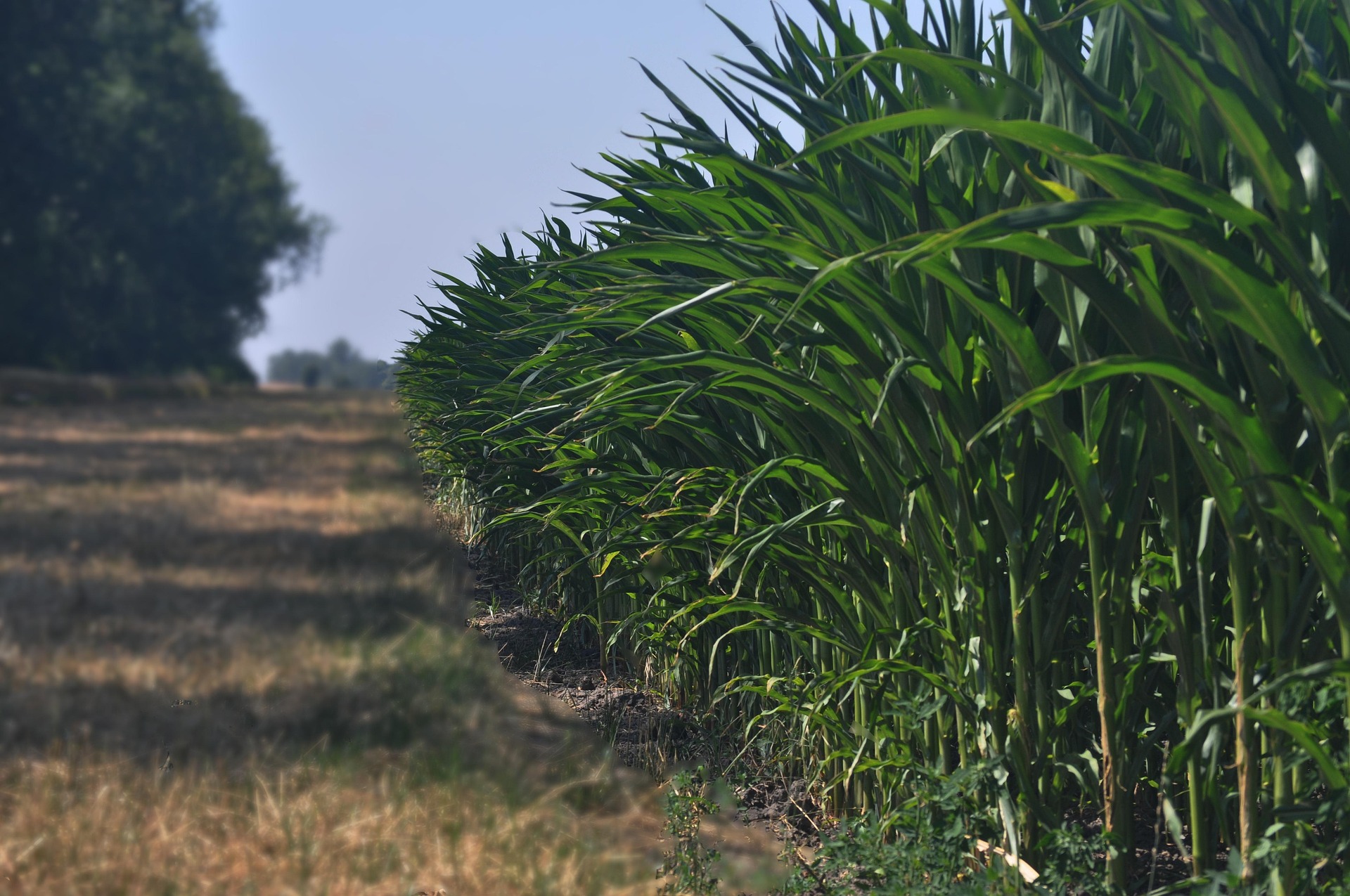
Bucks frequently use edges where forests meet open fields or roads. These areas provide cover, food access, and travel corridors. Roadsides, creek bottoms, and field edges are ideal for intercepting deer during movement periods. Focus on natural funnels or pinch points where deer are likely to pass. Hunting edge habitats early in the morning or late in the evening maximizes encounters. By targeting these transitional zones, hunters can consistently locate mature bucks without needing private land access or leases.
6. Pay Attention to Seasonal Movements

Deer behavior changes with the season, affecting where bucks travel. Pre-rut movements shift bucks from summer bedding to feeding areas, while rutting behavior causes them to roam more extensively. Tracking these seasonal changes on public land is crucial for finding mature deer. Water sources are especially important during dry months, drawing consistent activity. By understanding these patterns and adjusting your hunt accordingly, you can locate bucks in predictable areas without relying on leased property, giving you a strategic advantage.
7. Use Wind and Scent Management
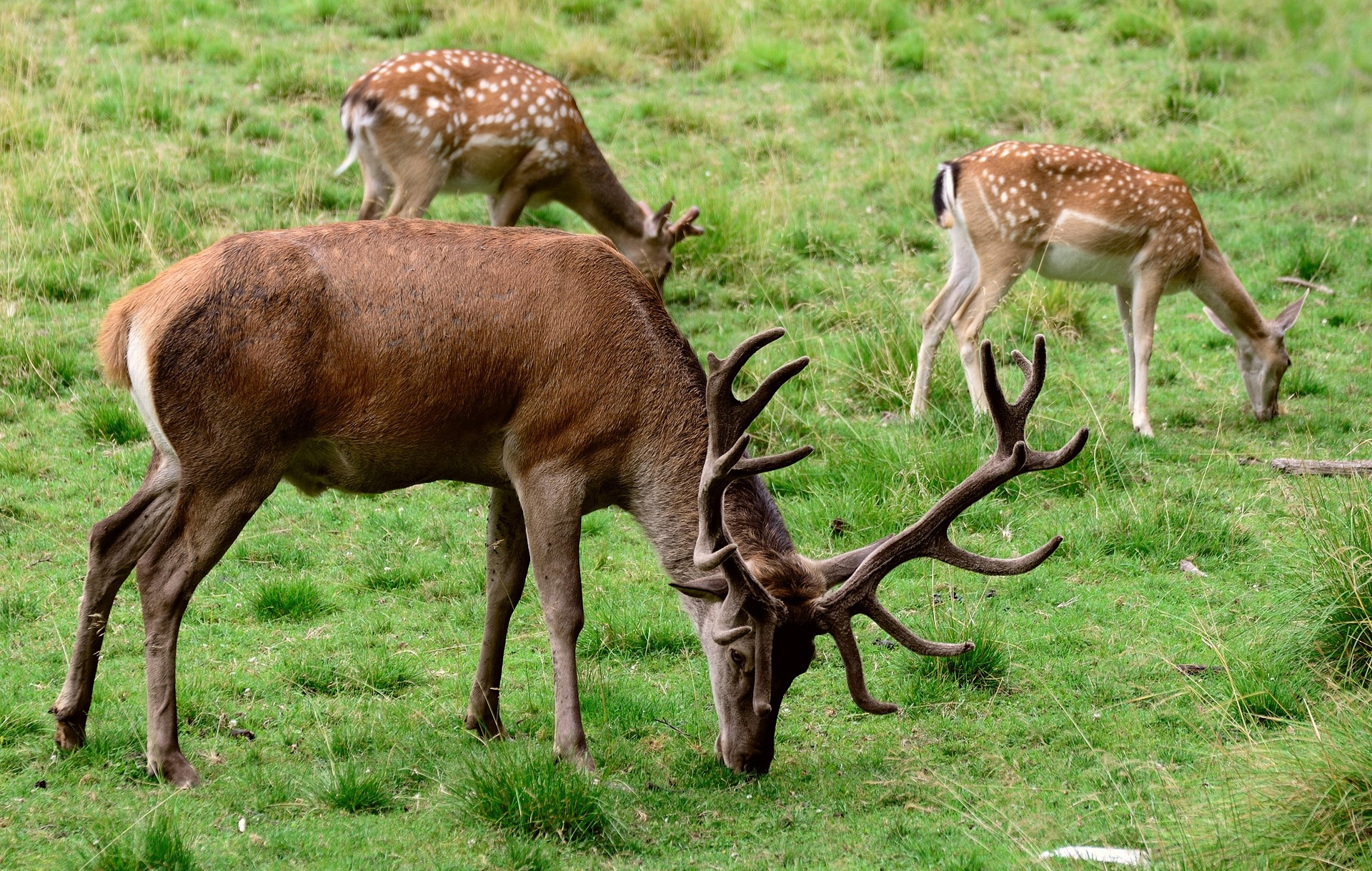
Bucks have a highly developed sense of smell, so scent management is essential. Always hunt downwind of bedding and feeding areas, and use natural cover to remain undetected. On public lands, where human activity is more common, reducing scent is critical for approaching mature bucks. Using scent-free clothing, minimizing ground disturbance, and avoiding heavily trafficked trails increases your chances of getting close. Effective wind and scent management can mean the difference between spotting a trophy buck and spooking it before you even see it.
8. Target Less Pressured Areas

Mature bucks often avoid highly hunted zones, so finding overlooked spots is key. Look for steep hillsides, dense thickets, or remote corners of public lands that are harder to access. These areas allow older bucks to thrive with minimal disturbance. Spending extra time hiking into these less pressured areas often reveals deer that aren’t frequently hunted. By exploring these hidden pockets and paying attention to trails, rubs, and scrapes, hunters can discover trophy bucks that have learned to avoid the typical high-traffic hunting areas.
9. Network with Local Landowners

Even without leasing, building relationships with local landowners can offer insight and occasional access. Friendly interactions, helping with chores, or sharing hunting knowledge may open doors to private property or overlooked parcels. Landowners can provide information about deer patterns, water sources, or hidden travel corridors. Networking is often an underutilized tool for hunters. It allows access to areas that are otherwise off limits, increasing opportunities to encounter mature bucks while keeping costs low and hunting ethically.