Some firearms were designed to fill a practical need, then wound up becoming part of the American visual vocabulary. These seven shotguns earned that status the old-fashioned way: by showing up in duck blinds, squad cars, hardware stores, war zones, and family hunting camps for generations. Their legend was less about hype than about staying power.
Winchester Model 1897

The Winchester Model 1897 arrived when repeating shotguns still felt like a bold idea, and it quickly proved that the pump gun was not a gimmick. Designed by John Browning, it had a rugged exposed hammer, a long service life, and enough personality to stand out even in a crowded gun rack.
Its reputation only grew when soldiers carried trench variants in World War I, giving the shotgun a fearsome military image that lingered for decades. Just as important, civilians trusted it for hunting and farm use, where durability mattered more than polish.
That mix of frontier practicality and battlefield notoriety helped turn the 1897 into something bigger than a product. It became one of the first shotguns many Americans could picture without needing to see the name stamped on the barrel.
Remington 870

If one shotgun has looked completely at home everywhere in America, it may be the Remington 870. Introduced in 1950, it was affordable, smooth-running, and easy to maintain, which made it a natural fit for everybody from first-time hunters to seasoned police armorers.
The 870’s genius was its flexibility. One receiver could become a bird gun, a deer gun, a home-defense setup, or a duty shotgun with only a few changes, and that made it feel less like a specialized tool and more like a household standard.
For generations, it sat in closets, patrol cars, duck blinds, and pickup trucks across the country. When a firearm becomes that familiar in so many corners of daily life, icon status stops feeling like marketing and starts feeling inevitable.
Mossberg 500

The Mossberg 500 earned its place by being tough, practical, and refreshingly unpretentious. It never depended on luxury cues or elite mystique. Instead, it won over owners with reliable performance, a tang safety many shooters loved, and a price point that made it accessible to an enormous slice of the market.
That broad appeal gave the 500 a distinctly American profile. It was the shotgun people bought at local sporting goods stores, took to the range on weekends, and passed along with straightforward advice about how to run it.
Military and law-enforcement use added credibility, but the real magic came from ubiquity. The Mossberg 500 became iconic because it felt familiar, useful, and honest, the kind of firearm that never asked for admiration yet quietly received plenty of it.
Browning Auto-5
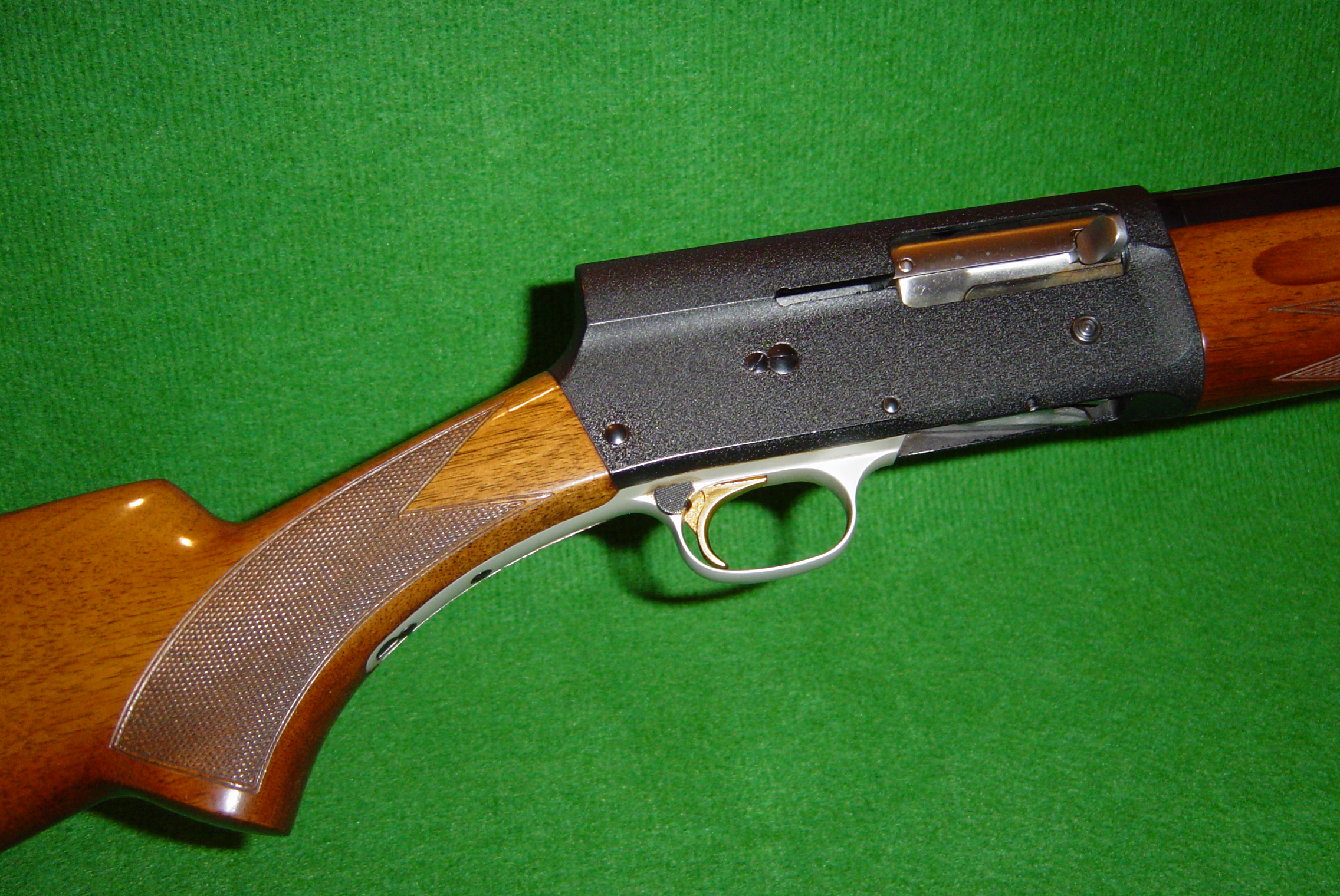
The Browning Auto-5 looked unlike anything else for generations, thanks to its instantly recognizable humpback receiver. More importantly, it brought successful semi-automatic shotgun performance into the mainstream, giving sportsmen a faster follow-up shot without sacrificing the sense of owning a serious, beautifully engineered firearm.
John Browning’s design had range, too. Hunters carried Auto-5s for waterfowl, upland birds, and just about everything in between, and the gun’s long production run helped it become a fixture in family photos and hunting stories.
Its silhouette alone is enough to spark recognition, which is usually a sign that a tool has crossed into cultural territory. The Auto-5 became an icon because it paired innovation with familiarity and managed to stay visually memorable while doing ordinary work extraordinarily well.
Winchester Model 12

The Winchester Model 12 built its fame on refinement. Introduced in the early 20th century, it offered smooth operation and a level of craftsmanship that made owners feel they were holding a serious piece of machinery, not just another farm implement. Over time, that feeling became central to its legend.
Hunters loved it, trap shooters trusted it, and competitors helped cement its image as a shotgun that could do more than simply function. It had polish without being fragile, and that combination gave it broad appeal across sporting culture.
By the time production slowed, the Model 12 already had the aura of a classic. It represented a period when American gunmaking seemed to marry elegance and utility in equal measure, and that balance is a big reason people still talk about it with a certain reverence.
Ithaca 37
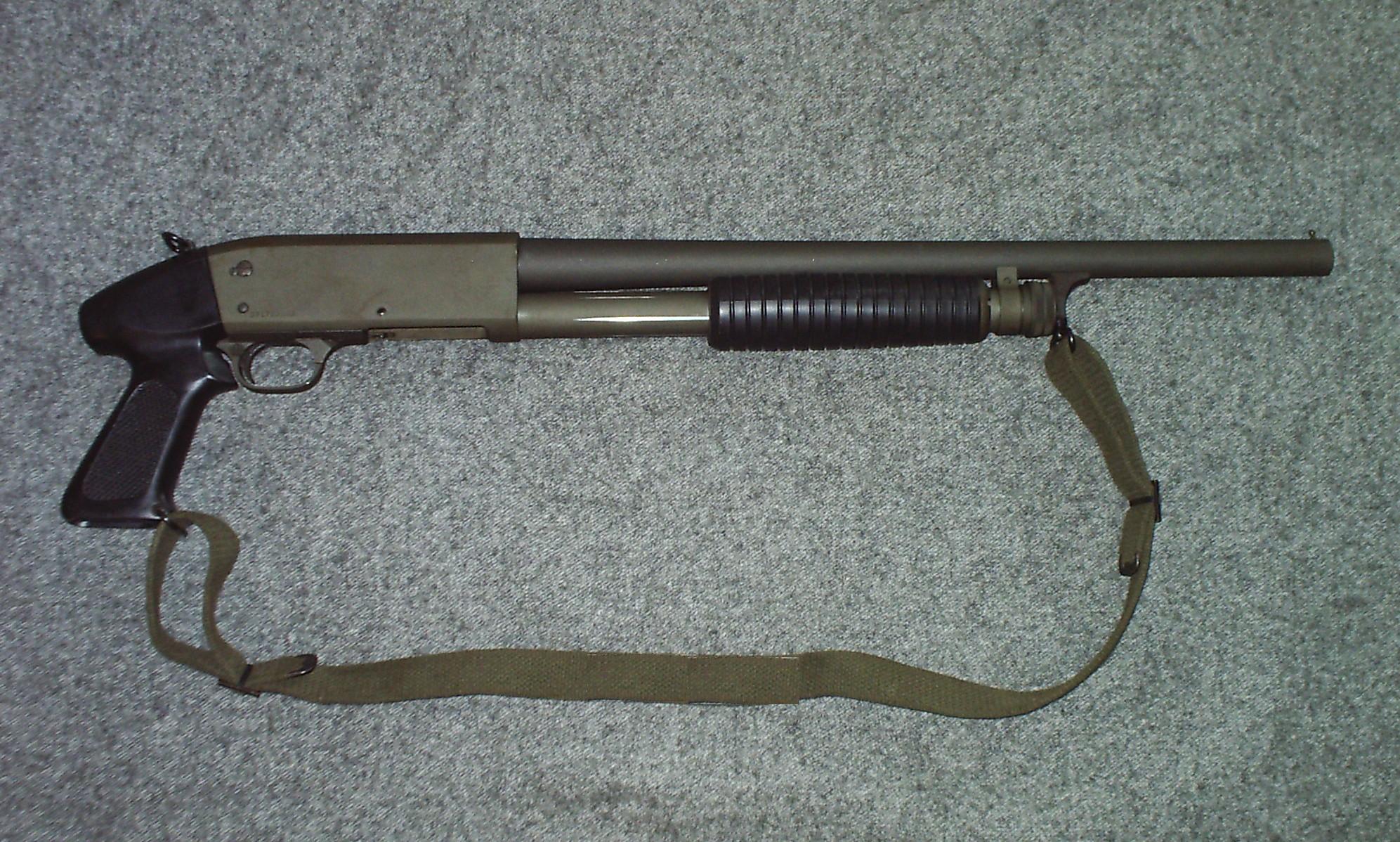
The Ithaca 37 never needed flashy styling to make an impression. Its bottom-eject design gave it a clean profile and practical advantages, especially for left-handed shooters and anyone who appreciated a shotgun that handled neatly in the field. That distinct engineering choice helped it stand apart in a crowded market.
It also built a reputation for being trim, lively, and dependable, the sort of shotgun that carried easily and pointed naturally. For many owners, it became the gun that just felt right, which can be more powerful than any advertising campaign.
Police use, military use, and decades of sporting service all reinforced the Ithaca 37’s place in American life. It became iconic in a quieter way than some rivals, but that understated confidence is exactly what many admirers still love about it.
Benelli M4
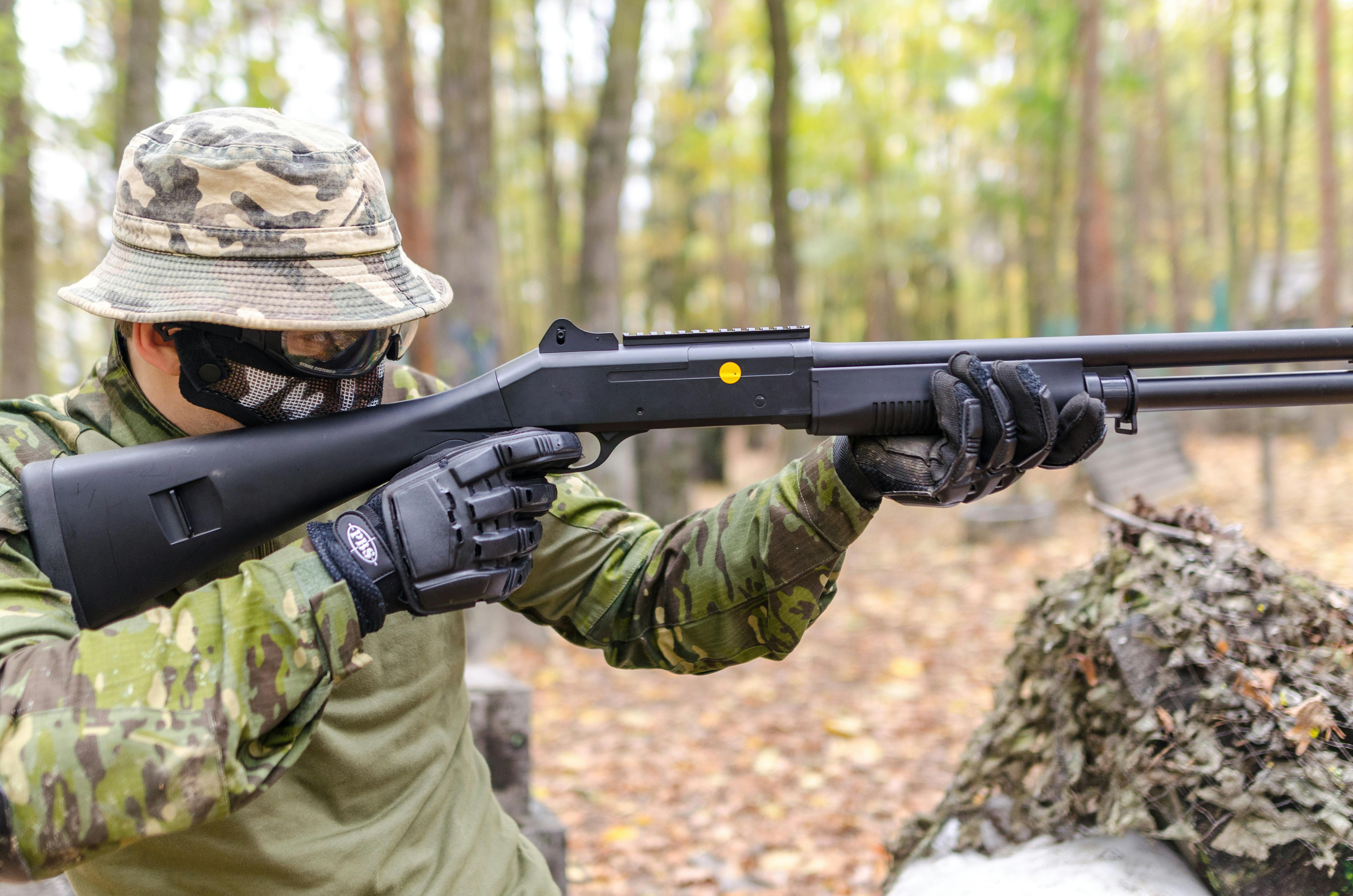
Compared with the older names on this list, the Benelli M4 is a modern arrival, but it earned iconic status with remarkable speed. Its rugged semi-automatic system, military adoption, and unmistakably contemporary profile made it the shotgun equivalent of a machine built for hard use in a new era.
What makes the M4 stand out is how decisively it shaped the image of the tactical shotgun in American culture. It became a fixture in discussions about duty weapons, home defense, and combat reliability, all while projecting a no-nonsense confidence that resonated beyond specialist circles.
Unlike the nostalgic classics, the M4 became iconic in real time. It showed that a shotgun could still capture the national imagination not through tradition alone, but by embodying modern performance in a package people instantly recognized.