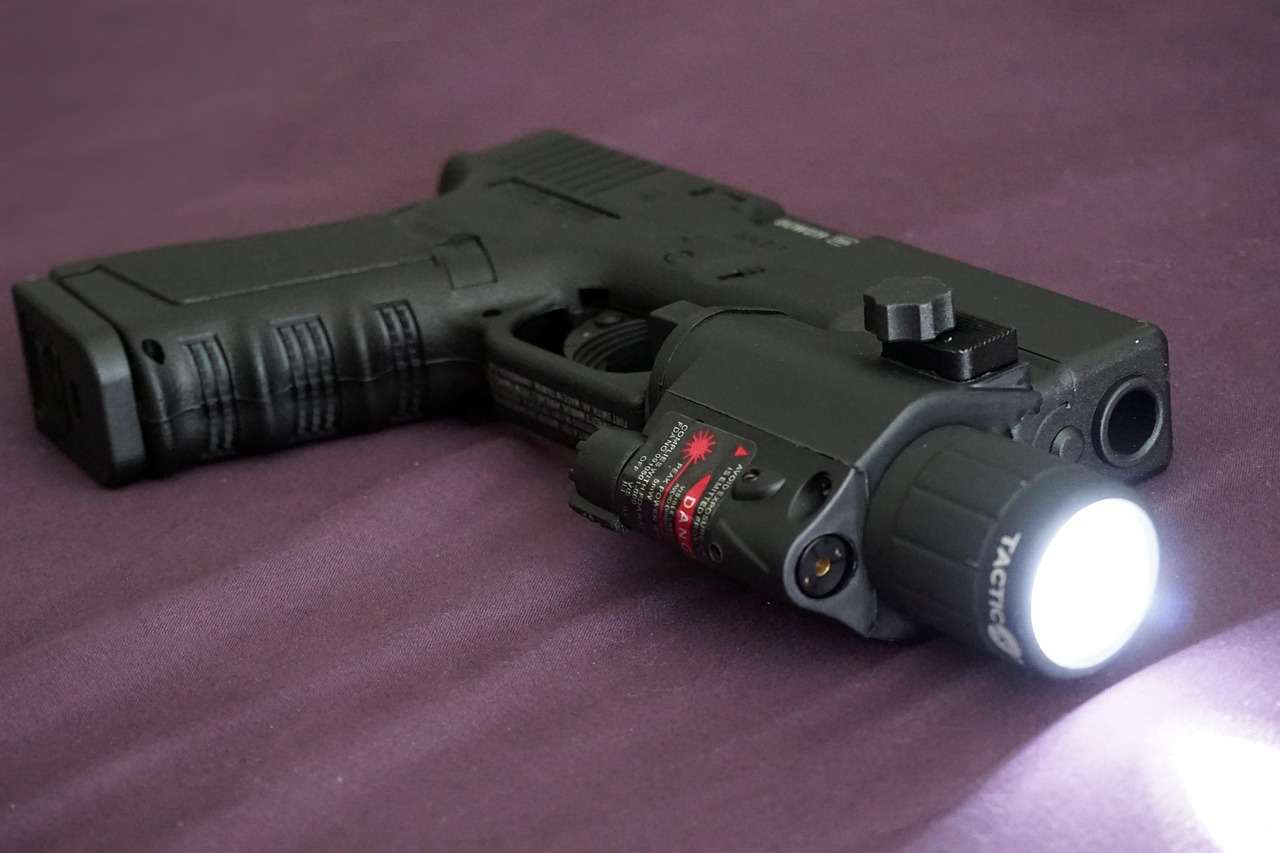
This fight is happening inside the gun community, not just outside it. And the real divide is less about whether firearms should be owned than about what responsible ownership actually requires.
The disagreement is not really about guns
A lot of the public conversation treats storage laws as a straight clash between gun owners and gun-control advocates. In reality, the sharper conflict is often between different kinds of gun owners. Some see mandatory storage rules as a slippery slope toward broader restrictions, while others see at least some of those laws as basic housekeeping for a country with hundreds of millions of firearms in circulation.
That second group is larger than many activists admit. A 2025 Johns Hopkins national survey found that 74% of Americans support laws requiring guns in the home to be locked when not in use, including 62% of gun owners. That matters because it shows support is not limited to people who do not own firearms or who already favor sweeping restrictions.
The reason for that support is also revealing. According to Pew Research Center, protection is the main reason most gun owners own firearms. If your core reason for ownership is safety, then unsecured access by a child, a troubled teenager, a suicidal family member, or a thief looks less like freedom and more like a failure of control. For many owners, storage laws are gaining support precisely because they fit a self-image built around responsibility rather than defiance.
Child access is the argument that changes minds
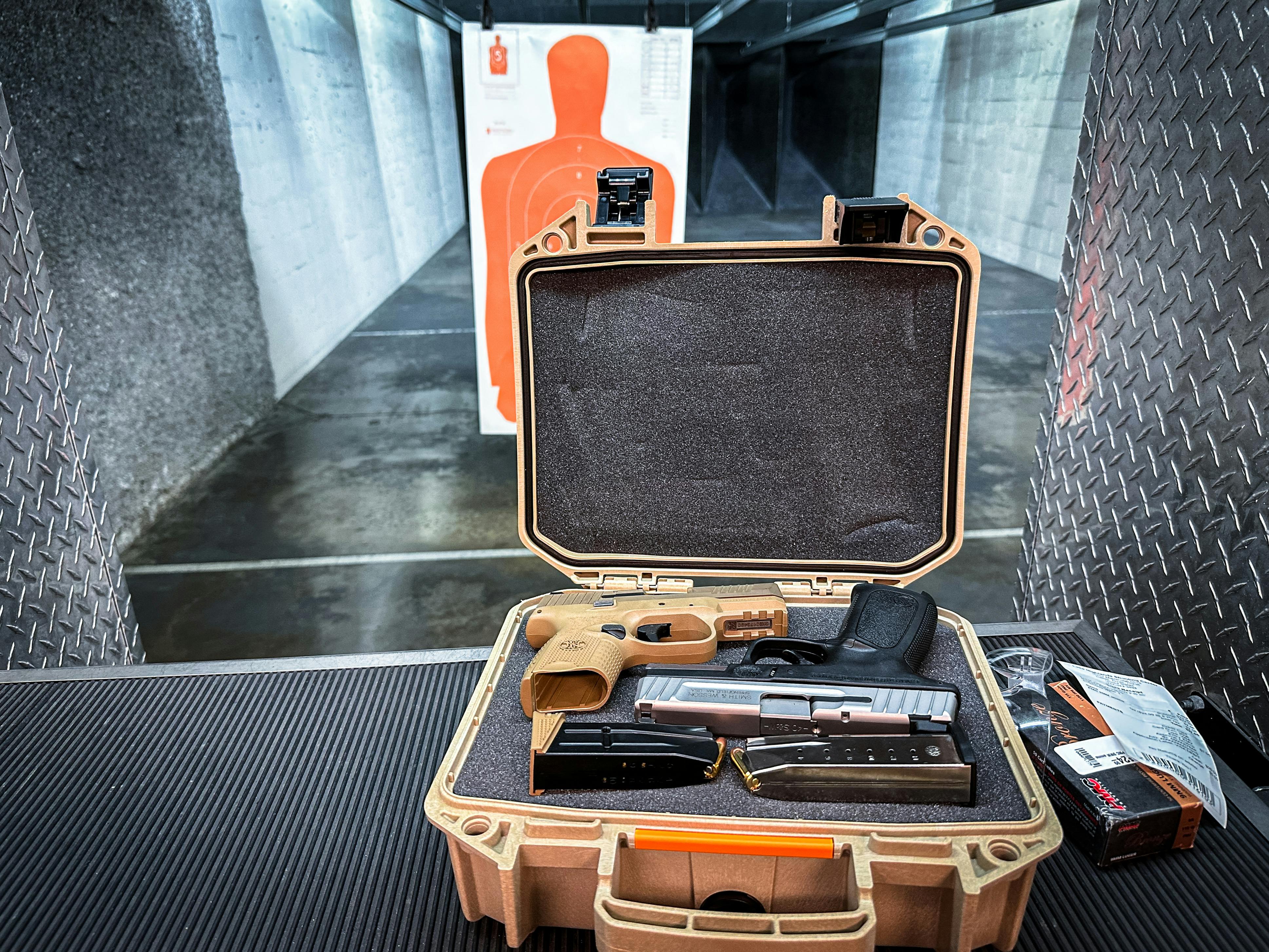
Nothing moves opinion inside gun-owning households faster than the child-access question. The most persuasive case for storage laws is not abstract ideology. It is the very real possibility that a gun meant for protection can be handled by a child in seconds, often inside the owner’s own home.
The CDC reported in a 2023 MMWR analysis of unintentional firearm deaths among children and teens that about half of these fatal shootings happened at home. In incidents where storage details were known, the firearms were stored loaded in 73.8% of cases and unlocked in 76.2% of cases. The most common trigger for the shooting was a child playing with or showing the gun to another person.
Those facts land differently with gun owners who are parents, grandparents, coaches, or hunters who grew up around strict safety culture. Even the firearms industry understands this pressure. The National Shooting Sports Foundation has long promoted secure storage through Project ChildSafe and says it has distributed more than 41 million safety kits through law-enforcement partners. When owners back child-access prevention laws, it is often because they already accept the underlying norm: a firearm should not be available to a kid just because an adult got lazy.
Suicide prevention matters more than many people admit

The least discussed reason some gun owners support storage laws is suicide prevention. Public debate tends to focus on crime, burglary, and self-defense, but many owners have personal experience with depression, PTSD, addiction, or a family crisis. In that context, a locked firearm is not symbolic compliance. It is time and distance, and sometimes that is enough to save a life.
The CDC has said secure storage can help prevent access by children and by people at risk of harming themselves or others. Its 2024 and 2025 summaries on firearm injury prevention point to safe storage as one of the clearest risk-reduction steps available in the home. RAND’s broad review of gun-policy research also found supportive evidence that child-access prevention laws reduce self-inflicted firearm injuries and deaths among young people.
Johns Hopkins researchers went further in 2025, reporting that states with child-access prevention laws requiring safe firearm storage in homes with children see youth suicide rates lowered by as much as 14%. Even for owners skeptical of advocacy groups, that kind of evidence is hard to wave away. Many are not embracing storage laws because they changed their politics. They are doing it because they have attended funerals, military memorials, or family interventions and no longer see immediate access in every moment as an unquestioned good.
Theft and liability are pushing the practical crowd

Another reason support is growing is that some owners view storage laws less as culture-war policy and more as property protection. A stolen gun is not just a personal loss. It can become a crime gun, a civil liability nightmare, or the center of a police investigation that drags on for months.
Johns Hopkins’ 2025 safe storage model guide cites estimates that roughly 250,000 firearms are stolen annually and notes that owners with more than six guns who do not securely store one or more of them are twice as likely to experience firearm theft as peers who securely store all firearms. The guide also points to evidence that stolen guns are far more likely to later turn up at crime scenes.
That logic resonates with a certain kind of gun owner: the one who may oppose magazine bans or permitless carry but still keeps detailed serial-number records and worries about break-ins. For this group, a safe is not surrender. It is basic stewardship. Some also understand that carefully drafted laws often hinge on whether the firearm was under the owner’s direct control, meaning the issue is not whether someone can carry or use a firearm lawfully, but whether it gets left accessible on a nightstand, in a car, or in an unlocked closet.
The real split is over which laws feel reasonable
Gun owners who support storage laws usually do not support all storage laws equally. That distinction is crucial. Broad or vaguely written mandates can trigger resistance because owners fear selective enforcement, impossible standards, or rules that make defensive use unrealistic in emergencies.
RAND’s review makes clear that state laws vary widely. Some jurisdictions impose liability if a child may gain access. Others require that a child actually obtains the gun, carries it, or uses it before penalties attach. Many states also include defenses or exceptions when the gun was locked, stored in a container, or otherwise secured. In other words, “storage law” is not one thing.
That is where the broader firearms community often talks past supportive owners. Many of those owners are not endorsing a blanket rule that every firearm must always be unloaded and inaccessible. They are more open to targeted child-access prevention laws, direct-control standards, or enhanced penalties when negligent storage leads to injury. The support is often conditional: punish recklessness, protect legitimate access, and write the law clearly enough that ordinary owners know what compliance actually looks like.
Gun culture is changing from identity to risk management

The modern gun owner is not a single type of person, and that is changing the politics. Pew has shown that protection is now the dominant reason for gun ownership, eclipsing older cultural associations like hunting. That shift matters because protection-oriented ownership naturally raises questions about training, readiness, household risk, and who exactly the gun is supposed to protect.
At the same time, newer owners often entered the market during years of political instability, pandemic anxiety, and rising concern about public safety. Some bought their first firearm without the multigenerational safety rituals that older hunting families took for granted. That has created two opposite reactions: one group rejects outside rules on principle, while another becomes more open to formal guardrails because they know inexperience is real.
The CDC’s BRFSS storage data underscore the inconsistency. In eight states surveyed during 2021 and 2022, roughly half of respondents with a loaded firearm reported that at least one loaded firearm was also unlocked. Among respondents with a child and a loaded firearm in the home, between 25.2% and 41.4% reported a loaded firearm stored unlocked, depending on the state. For gun owners who see those numbers, support for storage laws often comes from a blunt conclusion: voluntary norms are not reaching everyone.
This is ultimately a debate about responsibility, not surrender
The deepest reason some gun owners back certain storage laws is that they want to preserve the legitimacy of gun ownership itself. They believe the broader firearms community makes a strategic mistake when it treats every storage proposal as an existential attack. In their view, refusing all compromise on safe storage weakens the argument that gun owners can police their own standards.
That does not mean these owners trust every legislature or advocacy campaign. Many still oppose aggressive enforcement, one-size-fits-all mandates, or laws written by people who seem unfamiliar with how firearms are actually used in homes, vehicles, and rural settings. But they also think the movement damages itself when it cannot distinguish between a confiscation agenda and a narrowly written rule aimed at preventing a 10-year-old, a suicidal teen, or a burglar from gaining easy access.
So the real reason some gun owners support certain storage laws is not that they have drifted away from gun rights. It is that they believe rights come with a duty to control foreseeable harm. For them, secure storage is not a concession to the anti-gun side. It is a test of whether the gun-owning side is serious when it says ownership and responsibility are inseparable.