A casual practice session can make almost anyone feel sharp, especially when the targets are familiar and the pace stays comfortable. These USPSA-style drills do the opposite. They strip away excuses, magnify tiny mistakes, and reveal exactly where serious shooters lose time, points, and composure when the pressure rises.
Bill Drill
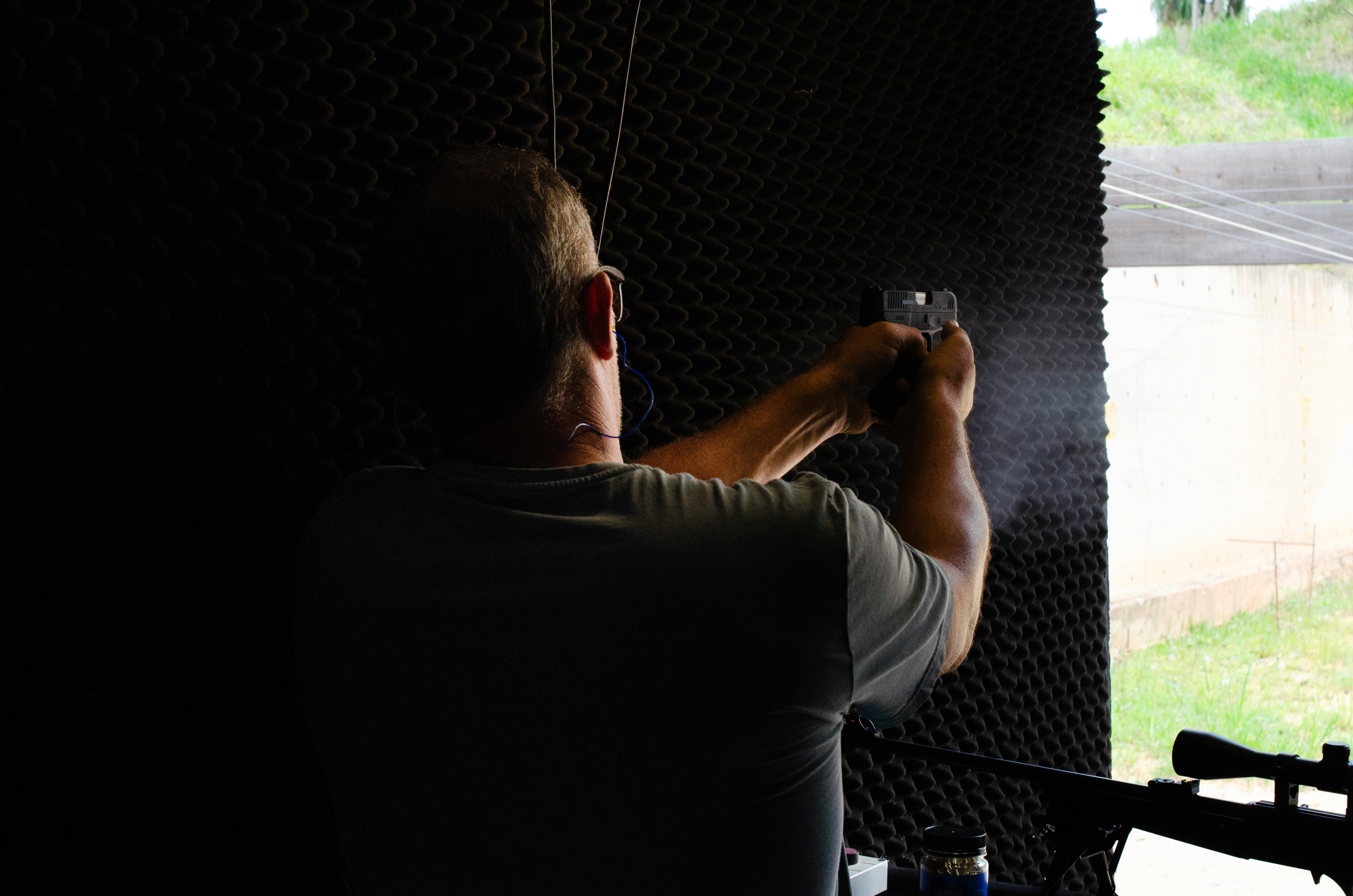
The Bill Drill looks simple enough to fool people. Draw and fire six rounds into a close target, usually at 7 yards, as fast as you can keep them in the A-zone. That simplicity is exactly why experienced USPSA shooters trust it. There is nowhere for bad fundamentals to hide.
If your grip breaks down, the timer exposes it. If your draw is sloppy, the first shot tells on you immediately. Even shooters who feel fast during ordinary practice often discover they are really just hesitating between shots, waiting for a prettier sight picture than the drill actually rewards.
The result is brutally honest feedback on recoil control, visual patience, and commitment. A clean run feels effortless. A bad one feels like the gun is suddenly in charge.
El Presidente
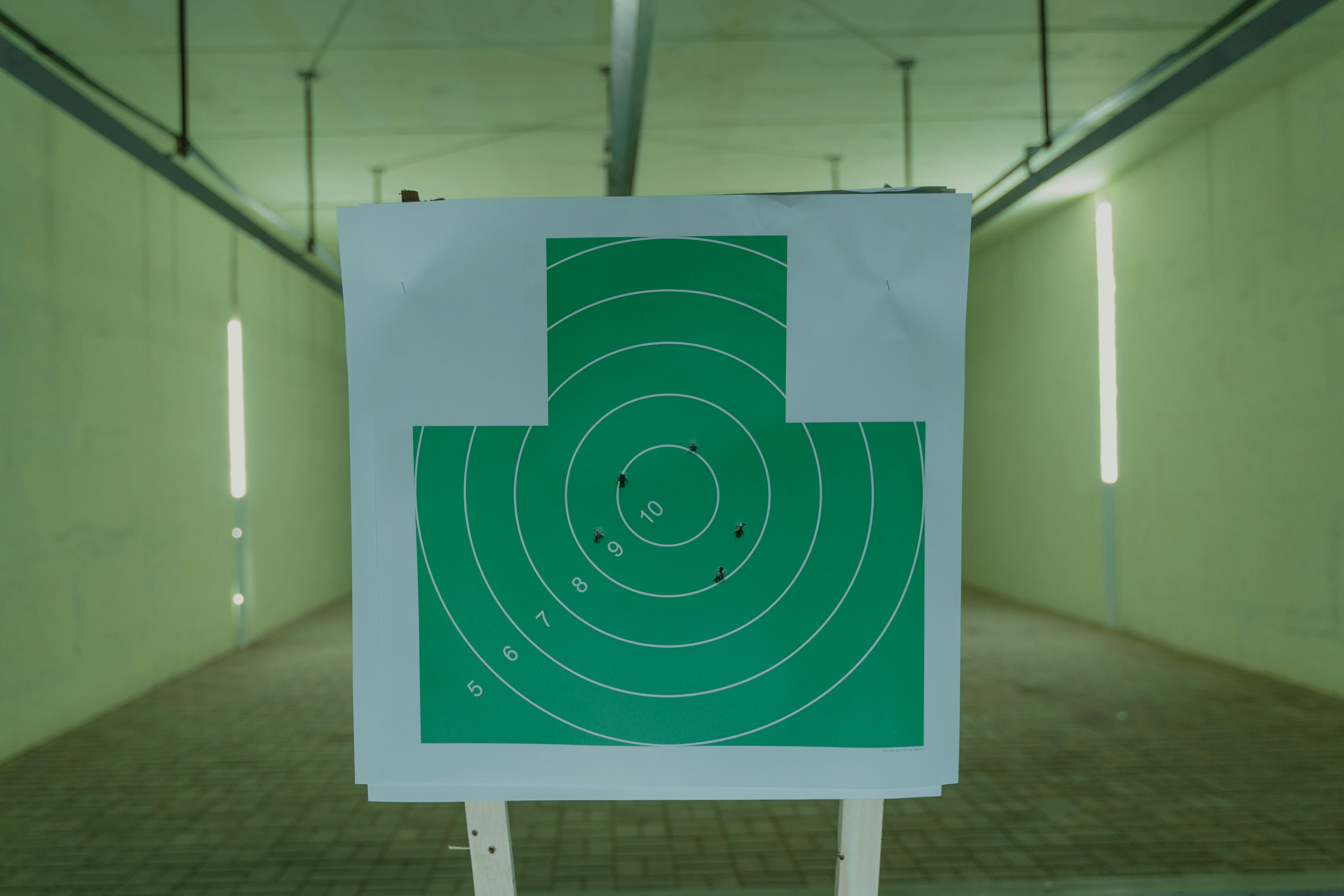
El Presidente has been around forever because it still works. Three targets, two hits on each, a reload, then two more hits on each. Add a turn at the start and it becomes even more revealing, especially for shooters who think they are balanced until they have to move, orient, and shoot on demand.
This drill punishes wasteful motion. The turn can get messy, the draw can get delayed, and the reload often happens slower than expected because the brain is already trying to race ahead to the next target array.
What makes it so valuable is its blend of skills. Accuracy alone will not save a clumsy reload, and raw speed will not fix poor transitions. It is a compact stress test for the whole system.
Doubles Drill
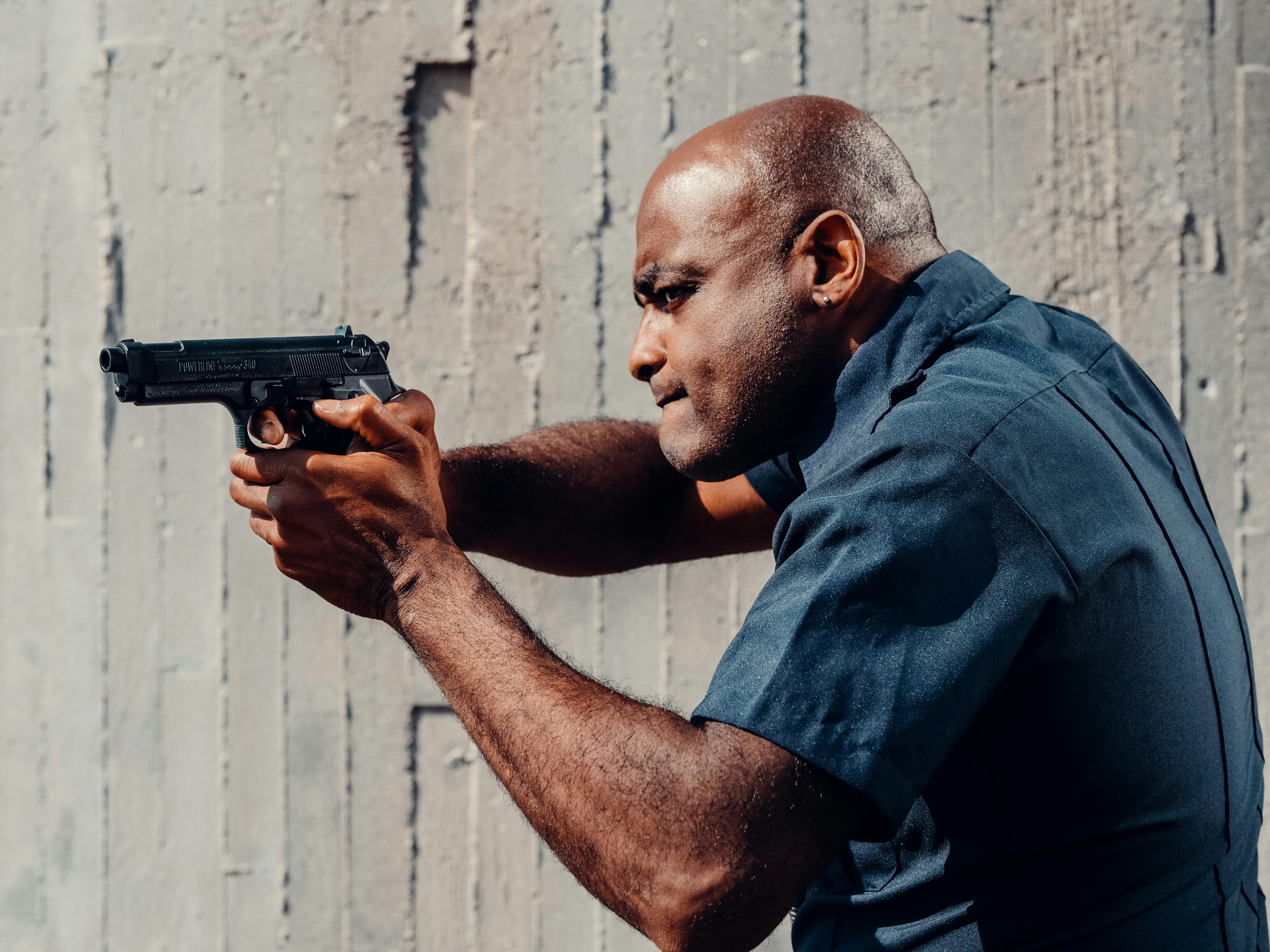
At first glance, doubles seem almost too basic to matter. Fire two shots on one target and learn what the gun is doing in recoil. Yet serious shooters will tell you this drill can expose more about grip and vision than a full practice day spent blasting through stages.
The key is honesty. The second shot should not be a guess, and it should not be delayed by unnecessary confirmation. If the sights lift and return cleanly, the split will be there. If they bounce unpredictably, your hands, stance, or pressure are not working the way you think.
Doubles also highlight anticipation in a hurry. The target may still look acceptable, but the cadence often reveals when the shooter is muscling the gun instead of tracking it.
Accelerator

The Accelerator drill mixes target difficulty in a way that feels uncomfortably close to real match pressure. A common version uses one close target, one medium target, and one farther or tighter target, with transitions back and forth that force the shooter to manage speed instead of chasing it blindly.
This is where vision gets exposed. Many shooters attack every target at the same pace, which sounds aggressive but usually ends with penalties on the hard shot or wasted hesitation on the easy one. The best runs show obvious throttle control without looking careful.
Because the difficulty changes every few tenths of a second, the drill punishes mental laziness. It reveals whether a shooter is actually seeing what each shot requires or just executing a memorized rhythm.
Blake Drill

The Blake Drill is a pure transition workout, and that makes it merciless. Set three targets a yard apart at about 7 yards and fire two shots on each while moving your eyes and gun efficiently across the array. It sounds fast because it is, but the real lesson is not just speed.
This drill reveals whether the eyes are actually leading the gun. Shooters who feel quick often discover they are over-swinging, stopping late, or driving the pistol with their shoulders instead of snapping their visual focus to the next spot first.
When done well, it has a smooth, almost musical timing. When done poorly, every target feels like a separate problem. That contrast makes weakness impossible to ignore.
25-Yard Partial Targets
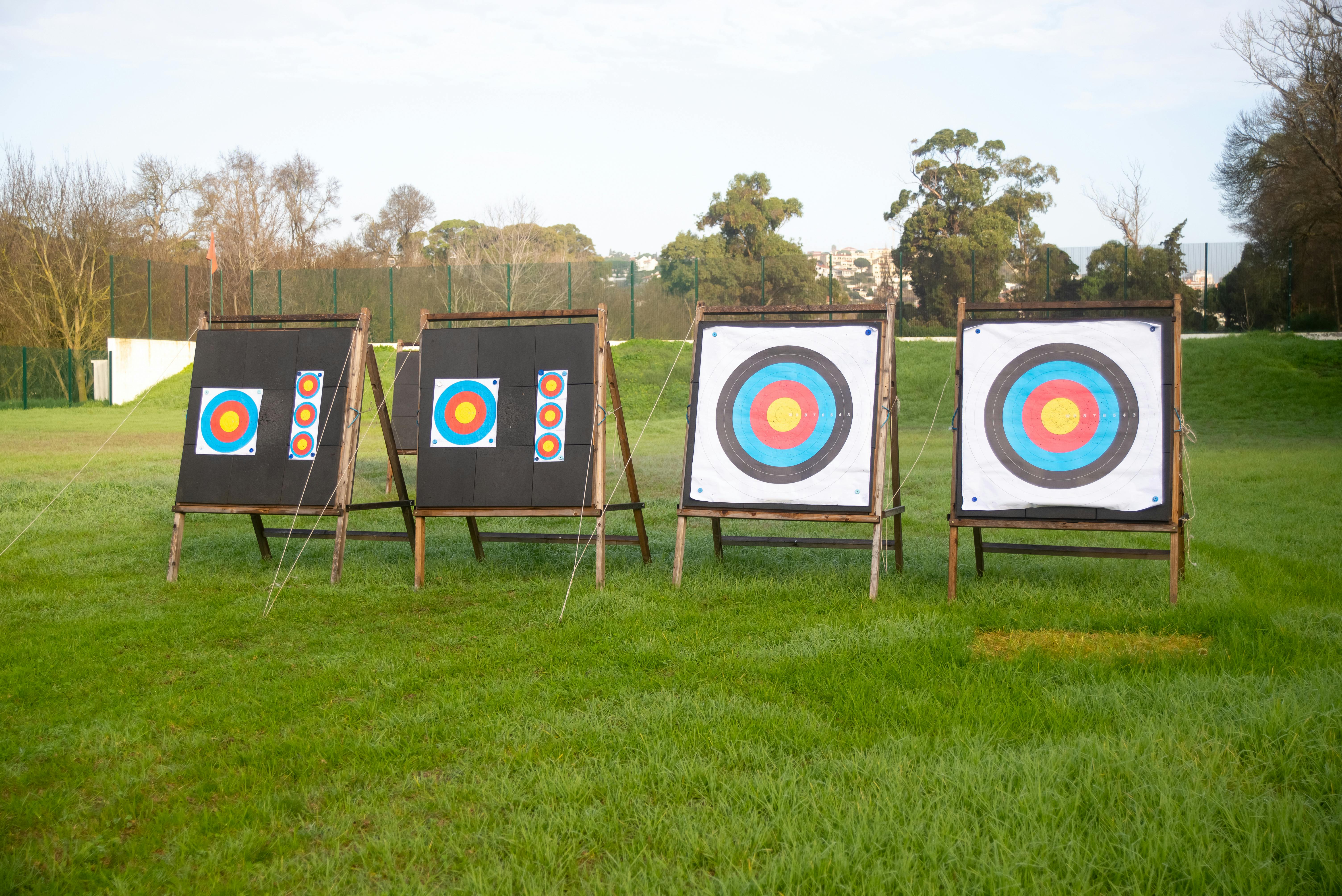
Nothing humbles a practical shooter faster than partial targets at distance. At 25 yards, a target with hardcover or a no-shoot nearby turns every flaw into a visible miss. Shooters who feel dominant up close suddenly learn whether their trigger control and visual discipline can hold together when the scoring zone shrinks.
This drill is not about crawling through the shots. It is about delivering accountable hits without drama. The best competitors do not make distance mystical. They simply refine their sight picture and break the shot without disturbing the gun.
The weakness it exposes is often emotional as much as technical. Impatience, fear of dropping points, and the urge to snatch a make-up shot all become part of the lesson.
Strong-Hand and Weak-Hand Only
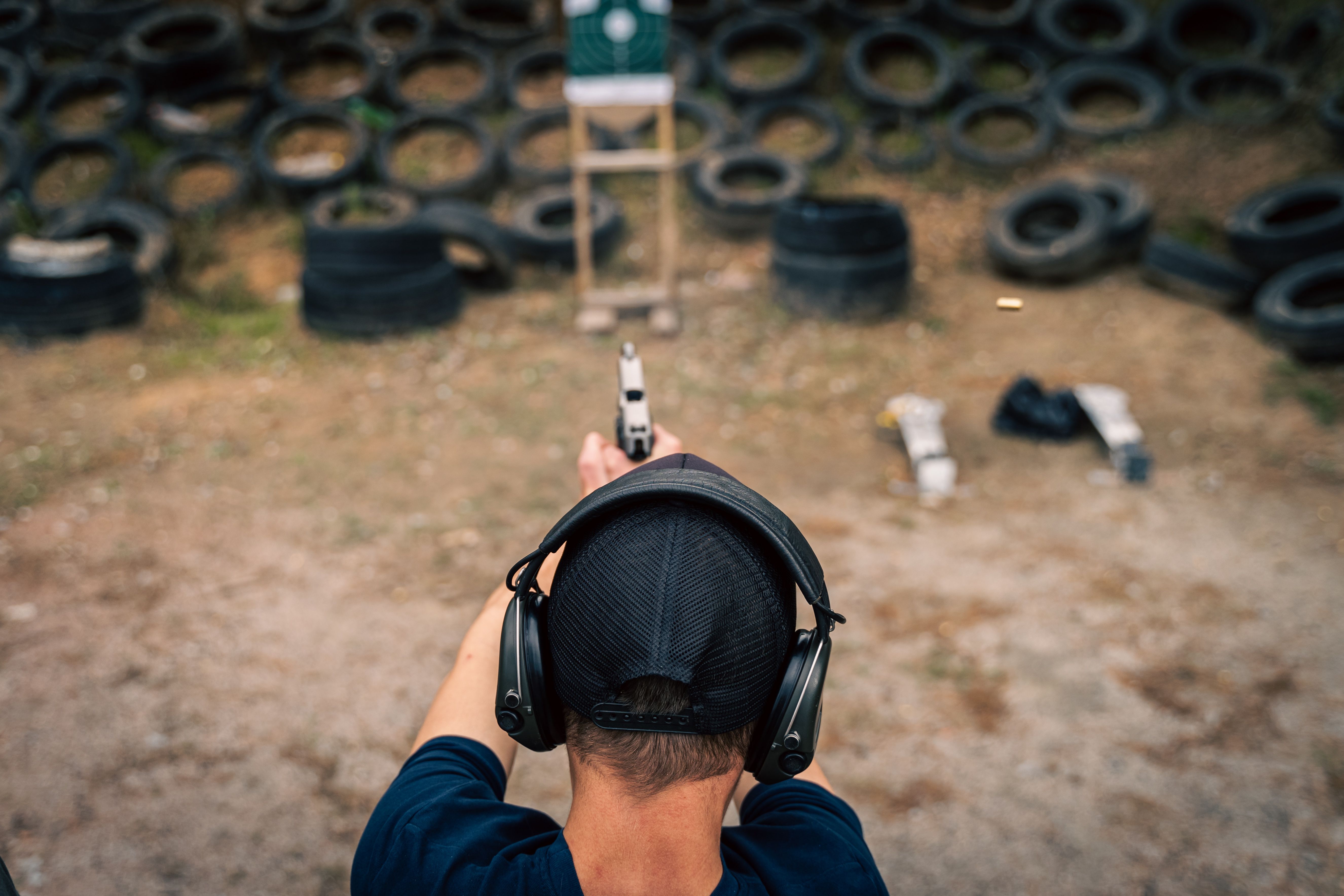
One-handed shooting has a way of stripping the sport down to its least forgiving essentials. Whether it is strong-hand only or weak-hand only, the drill immediately tests grip integrity, trigger discipline, and sight awareness without the stabilizing help most shooters rely on every day.
USPSA shooters respect this work because it punishes shortcuts. If the wrists are soft, the gun tells you. If the trigger press is abrupt, the hits move off center with no mercy. Weak-hand shooting in particular can expose how little control some competitors actually have once comfort disappears.
It also has a useful mental effect. A shooter who learns to accept wobble and press cleanly with one hand often comes back to two-handed shooting calmer, cleaner, and far more efficient.
Entry and Exit Movement Drill
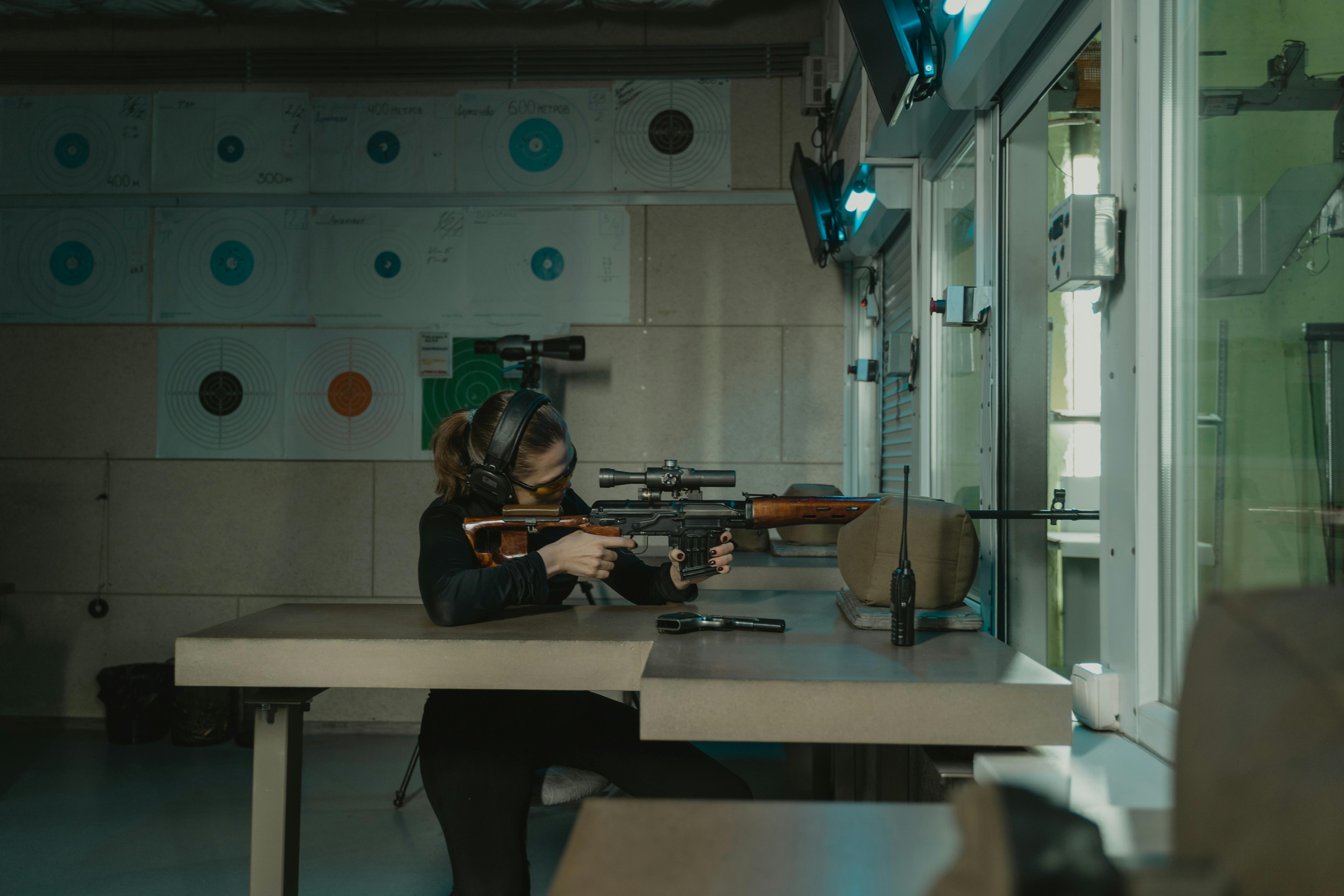
Static shooting can hide a surprising number of bad habits, which is why entry and exit drills matter so much. Set positions a few yards apart, require a couple of hits in each box, and suddenly the entire question becomes whether the shooter can arrive under control and leave without wasting time.
This is where footwork gets audited. Some competitors brake too early and coast into position. Others crash in hard, then need an extra beat to settle the gun. Exits can be even uglier, with shooters admiring hits or staying planted longer than the stage ever demanded.
The drill teaches economy. Good movement feels connected to the shooting, not separate from it. When that connection is missing, the timer exposes the dead space immediately.
Mini Stage Classifier Run

Sometimes the drill that exposes the most is not a narrow skill test at all. A mini stage or classifier-style run, built with a start position, target priority, movement choices, and a hard scoring standard, reveals how well every isolated skill holds together once decisions enter the picture.
This is where overthinking shows up. A shooter may have a fast draw, solid transitions, and clean reloads in separate drills, yet still leak time because the stage plan is fuzzy or the execution changes halfway through the run. Match pressure thrives in that gap.
Serious USPSA shooters value these runs because they feel honest. They do not just test whether you can perform a skill. They test whether you can perform the right skill at the right moment, without losing the plot.