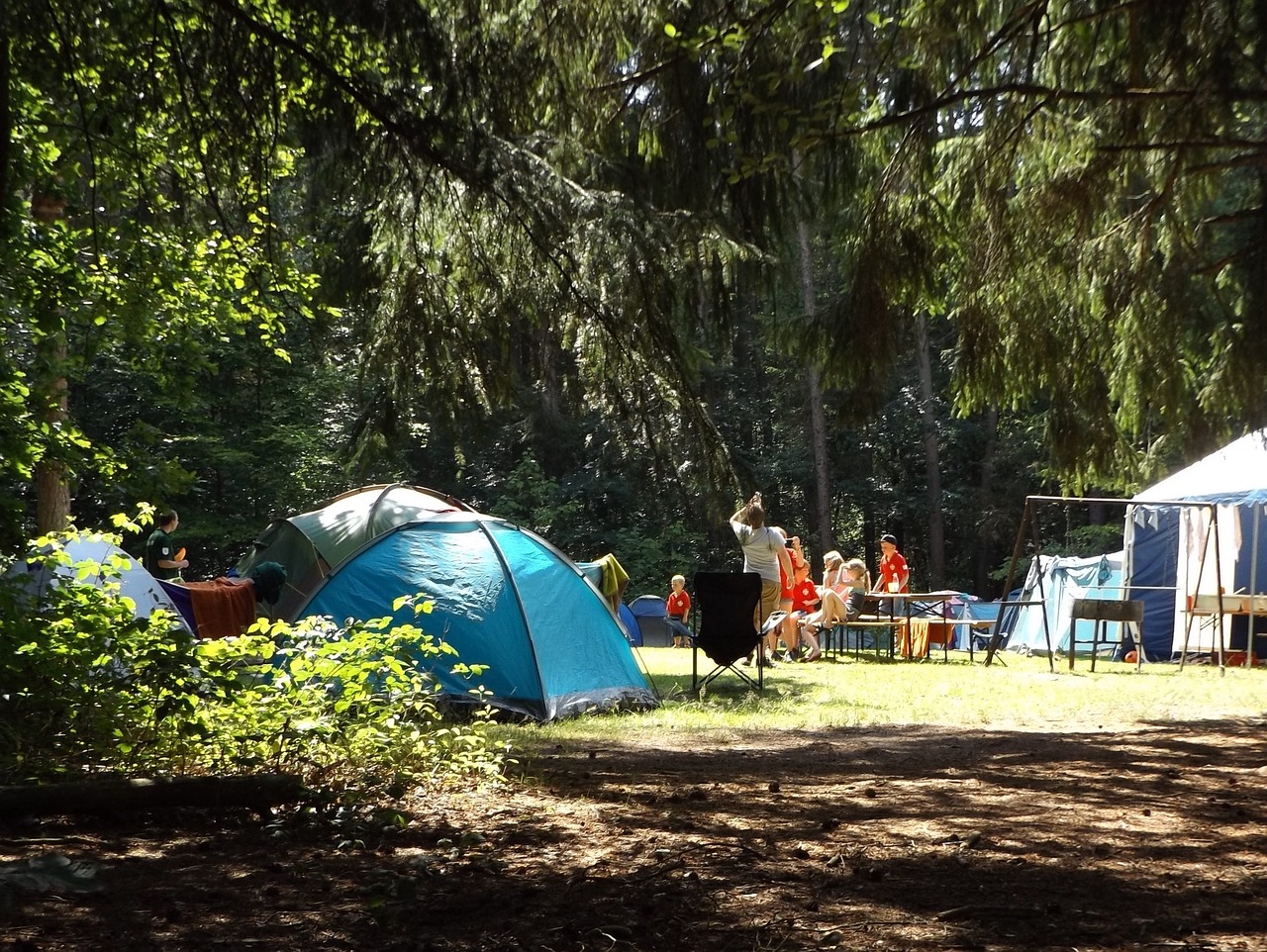
Camping is more popular than it has been in years, and that means the old “just show up and see what’s open” approach often fails. If every prime campsite seems booked, the good news is that experienced campers use a playbook that still works.
Why are campsites so impossible to book now
According to recent industry tracking, roughly 82 million Americans camped last year, which helps explain why popular campgrounds vanish months in advance. National parks, state parks, beach campgrounds, and lakefront loops are all absorbing demand from families, first-time campers, van travelers, and remote workers who now plan outdoor trips year-round.
The pressure is especially intense on weekends, school breaks, and holiday periods. A campground that looks manageable on a random Tuesday in October can become nearly unattainable for a Friday in July. The best waterfront, shaded, and easy-access sites usually disappear first, often within minutes of reservation windows opening.
There is also a ripple effect from sold-out marquee destinations. When Yosemite, Acadia, Glacier, or a top coastal park fills up, nearby forests, county parks, private campgrounds, and dispersed camping corridors see a surge as well. In practice, you are not only competing for one campground, but with overflow demand from an entire region.
The key mindset shift is simple: stop treating campsite hunting like a single search. The people who consistently win treat it like a layered system with backups, timing tactics, and geographic flexibility. Once you do that, “fully booked” starts to mean “not booked yet in the right way.”
Learn the booking calendar before you search.
Every serious camper should know that reservation timing matters almost as much as destination choice. Many public campgrounds release inventory 6 months ahead, but others open sites on a rolling basis, by season, or in shorter windows such as 2 weeks, 30 days, or 4 months. If you search casually after those release dates, you are already late.
This is where planning beats speed. Build a simple list of your target parks and note exactly when each system releases sites, what time inventory drops, and whether cancellations are returned immediately or held for later release. Some parks release at 7 a.m., others at 8 a.m. or local midnight, and that difference can decide whether you get a premium site or nothing.
It also helps to understand site-specific inventory. Campgrounds often have ADA-accessible sites, walk-in tent sites, RV-only pads, group sites, or loops that open with different rules. A family that only searches “all sites” may miss availability hidden inside a narrower category that still works perfectly for their setup.
Experienced bookers often create accounts in advance, save payment information, and rehearse the reservation flow before launch time. That sounds excessive until you realize prime inventory can be gone in under 60 seconds. When demand is this high, preparation is not overkill; it is the price of admission.
Use cancellations and midweek timing to your advantage

The biggest mistake casual campers make is assuming a sold-out campground stays sold out. In reality, life gets in the way. People cancel because of illness, weather, work conflicts, school schedules, smoke forecasts, vehicle trouble, or double-booking. Those canceled sites are the single best opportunity for flexible travelers.
Cancellation patterns are surprisingly predictable. Openings often appear 7-14 days before a trip, when people start checking forecasts and committing to final plans. Another wave happens 48-72 hours out, when cancellation penalties become worth eating in exchange for avoiding a wasted trip. If you can travel on short notice, your odds improve dramatically.
Midweek is the other major advantage. A campground that is impossible for Friday and Saturday may have abundant space from Sunday through Thursday. Retirees, remote workers, shift workers, and families willing to pull kids for 1 day occasionally use this to enjoy premium campgrounds with far less competition and lower stress.
Even changing your trip length can help. Instead of searching for 3 consecutive nights, search 1 night at a time or shift your dates by a day on either side. Some campers stitch together nearby sites for a long weekend. It is less convenient than one perfect reservation, but far better than staying home because the calendar initially looked hopeless.
Expand beyond the obvious campground.
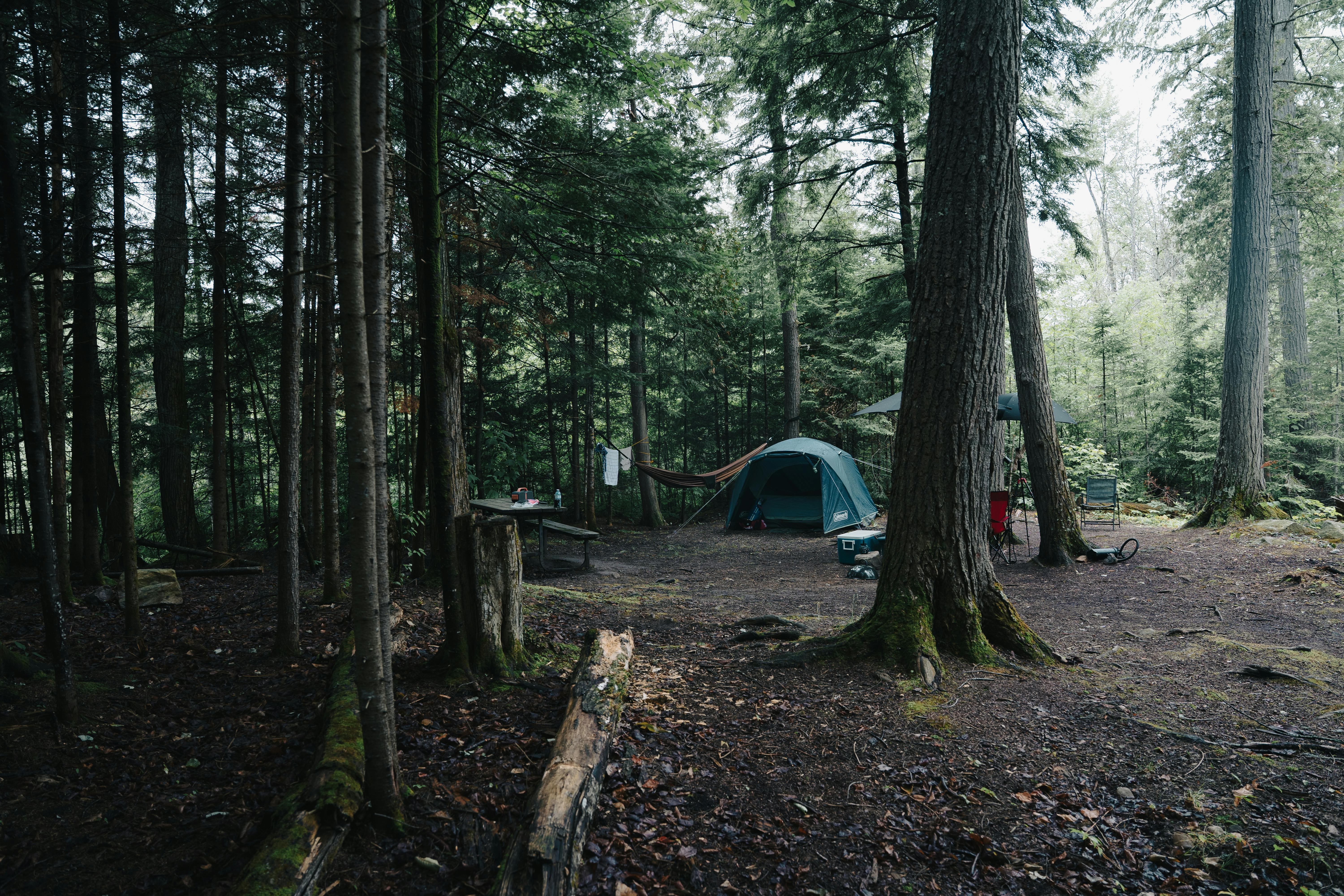
When people say they cannot find camping, what they often mean is they cannot find camping in the most famous loop of the most famous park on the exact weekend they want. That is a much narrower problem. The solution is to zoom out geographically and structurally.
Start by looking 15-45 minutes outside headline destinations. A campground just beyond a park boundary can offer better shade, quieter nights, easier parking, and less reservation pressure while still giving you full days on trails, lakes, or scenic drives. In many western states, national forest campgrounds around top parks are often the smartest compromise.
Then broaden the type of campground you will consider. County parks, utility district campgrounds, Army Corps reservoirs, tribal lands where public camping is allowed, regional parks, private campgrounds, and conservation areas all absorb overflow from state and national systems. Many are clean, safe, scenic, and less competitive simply because travelers do not know they exist.
Dispersed camping is another powerful option, though it requires more skill and self-sufficiency. On Bureau of Land Management land and in many national forests, legal dispersed sites can provide privacy and flexibility when formal campgrounds are booked solid. You need to verify rules, road conditions, fire restrictions, and waste practices, but for prepared campers, it can be a trip-saver.
Search smarter for the site you actually need
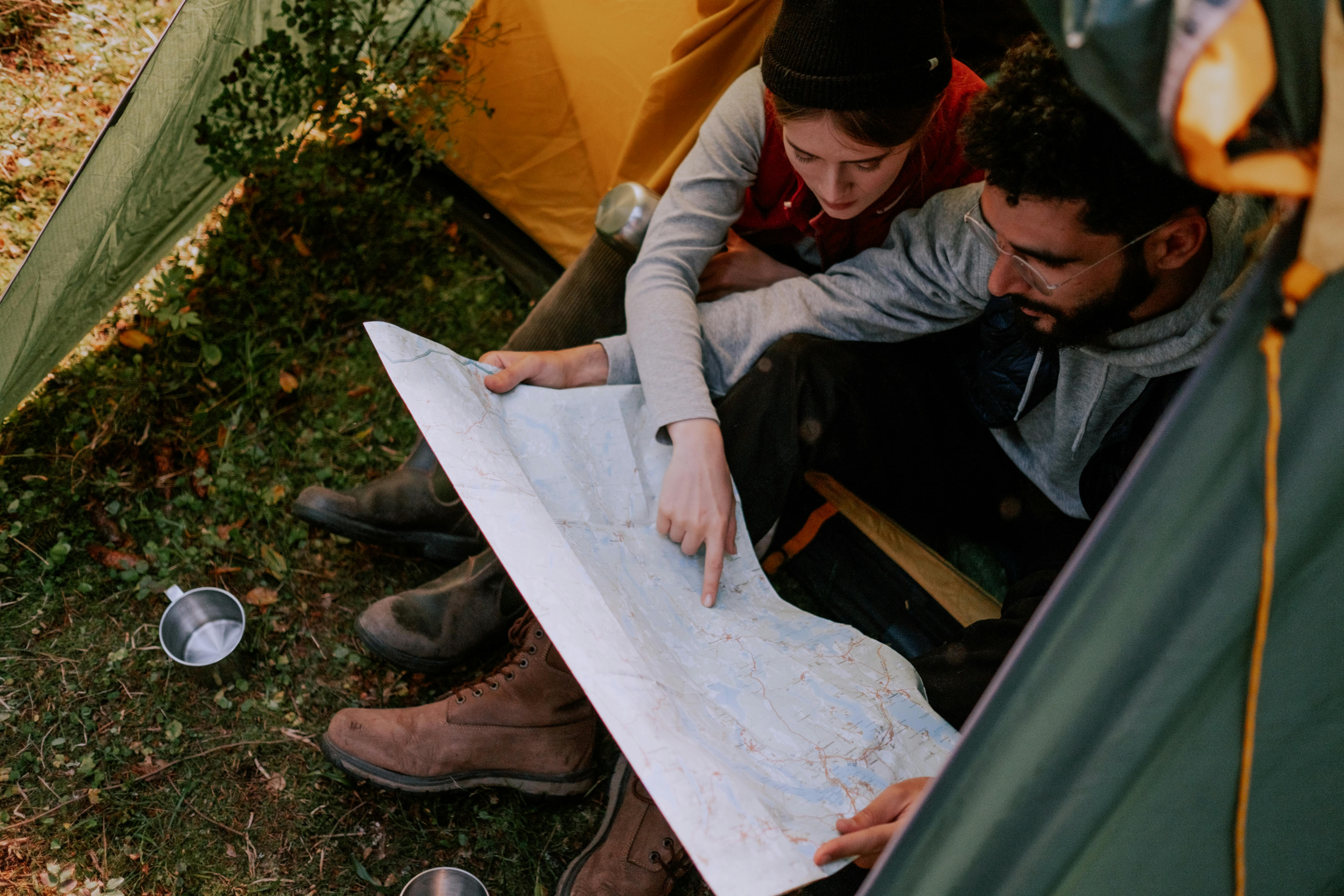
A lot of failed campsite searches come from searching too broadly or too narrowly. If you have a 20-foot trailer, you do not need to compete for every RV site in a region; you need the subset that fits your rig comfortably. If you are tent camping, a tiny walk-in site may be ideal even if it gets ignored by larger groups.
Read site descriptions closely instead of relying on the map thumbnail alone. A “premium” site may simply be larger, not prettier. A standard site tucked on the outer edge of a loop might be quieter, flatter, and closer to the restroom. Photos from campers, ranger notes, and campground maps often reveal which spaces have road noise, poor privacy, steep pads, or limited shade.
It also pays to define your true non-negotiables. Many campers say they need waterfront, electric hookup, pet-friendly rules, short walking distance, privacy, and space for 2 vehicles. In peak season, that wish list can eliminate 90% of inventory. Separate must-haves from nice-to-haves, and your realistic options expand quickly.
Finally, search for overlooked inventory such as single-night gaps, recently released maintenance sites, or less popular loops near entrances. Families often skip those spots because they expect more traffic, but for a 1-night stop or early trail access,s they can be excellent. The perfect campsite is often not the prettiest one on the map; it is the one that fits your trip best.
Build a backup plan like experienced campers do
Seasoned campers rarely plan around one reservation. They build an A plan, a B plan, and at least one fallback within driving distance. That approach lowers stress and prevents the all-or-nothing scramble that causes people to overpay, overdrive, or give up on a trip entirely.
A strong backup plan includes more than alternate campgrounds. It includes alternate dates, a different region with similar scenery, a motel night in case the weather turns ugly, and a clear understanding of cancellation deadlines. If one option opens, you can move fast without making a panicked decision that creates fees or logistical headaches later.
This is also where trip goals matter. If your priority is paddling, you may not need the marquee lakeside campground if a quieter reservoir 30 minutes away offers better launch access. If your goal is hiking, staying outside a park gate and entering early may be just as effective as camping inside the park itself.
Families with kids often benefit most from this flexible mindset. Children usually remember campfires, swimming, bike rides, and seeing stars more than the campground’s official name. Adults tend to chase prestige destinations; successful campers chase workable experiences. That distinction opens far more doors than most people realize.
What to do when you finally get the reservation
Once you land a site, the job is not over. Confirm your equipment fits the posted pad length, vehicle count, generator rules, check-in times, and any restrictions on tents, awnings, or extra cars. A surprising number of campers lose good reservations because they booked quickly and missed a critical detail.
Keep monitoring the campground even after you book. Better sites often open later, and many systems let you modify a reservation for a small fee or no fee, depending on policy. If you booked a serviceable inland spot and a shaded riverside site appears a week later, staying alert can upgrade your trip significantly.
It is also smart to prepare for imperfections. A “hard-won” reservation may still come with afternoon sun, road noise, or neighbors packed tighter than you hoped. Bring a shade tarp, earplugs, leveling blocks, extra water, and a flexible attitude. Good campers do not just book well; they adapt well.
Most importantly, book the trip you can actually enjoy, not the fantasy version everyone else is chasing. With 82 million Americans camping, competition is real, but so are the opportunities for people who plan better than they browse. If you understand timing, widen your search, and stay flexible, great camping is still very much within reach.