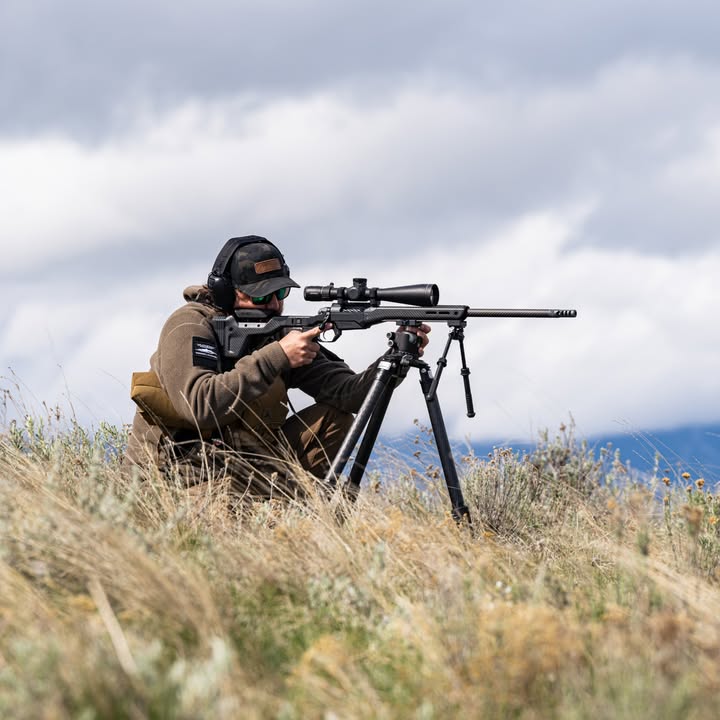
Modern hunting and fishing have evolved beyond simple tools and instincts. As unpredictable weather, tougher terrain, and stricter conservation rules change the game, many enthusiasts are turning to advanced gear for better precision and safety. These new technologies don’t replace skill but enhance it, helping outdoorsmen adapt to the challenges that traditional methods can no longer handle effectively.
Smart Fish Finders
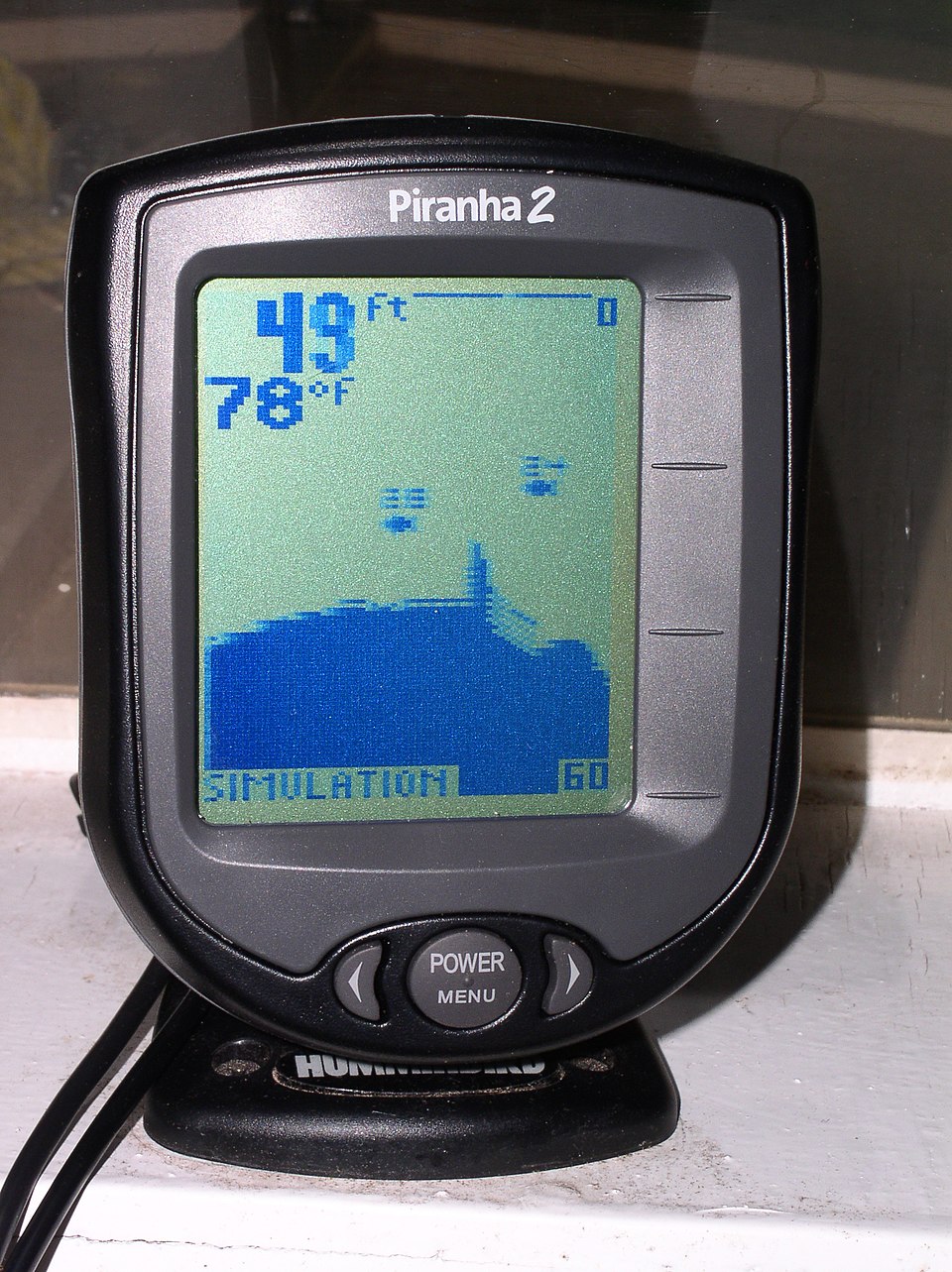
Traditional sonar once struggled with murky water and limited range, but smart fish finders now use AI mapping to identify fish species and movement patterns in real time. Devices like the Garmin LiveScope or Deeper Smart Sonar provide detailed underwater visuals on a smartphone screen. They adjust sensitivity automatically, helping anglers locate catches quickly while conserving time and effort.
GPS-Integrated Hunting Scopes
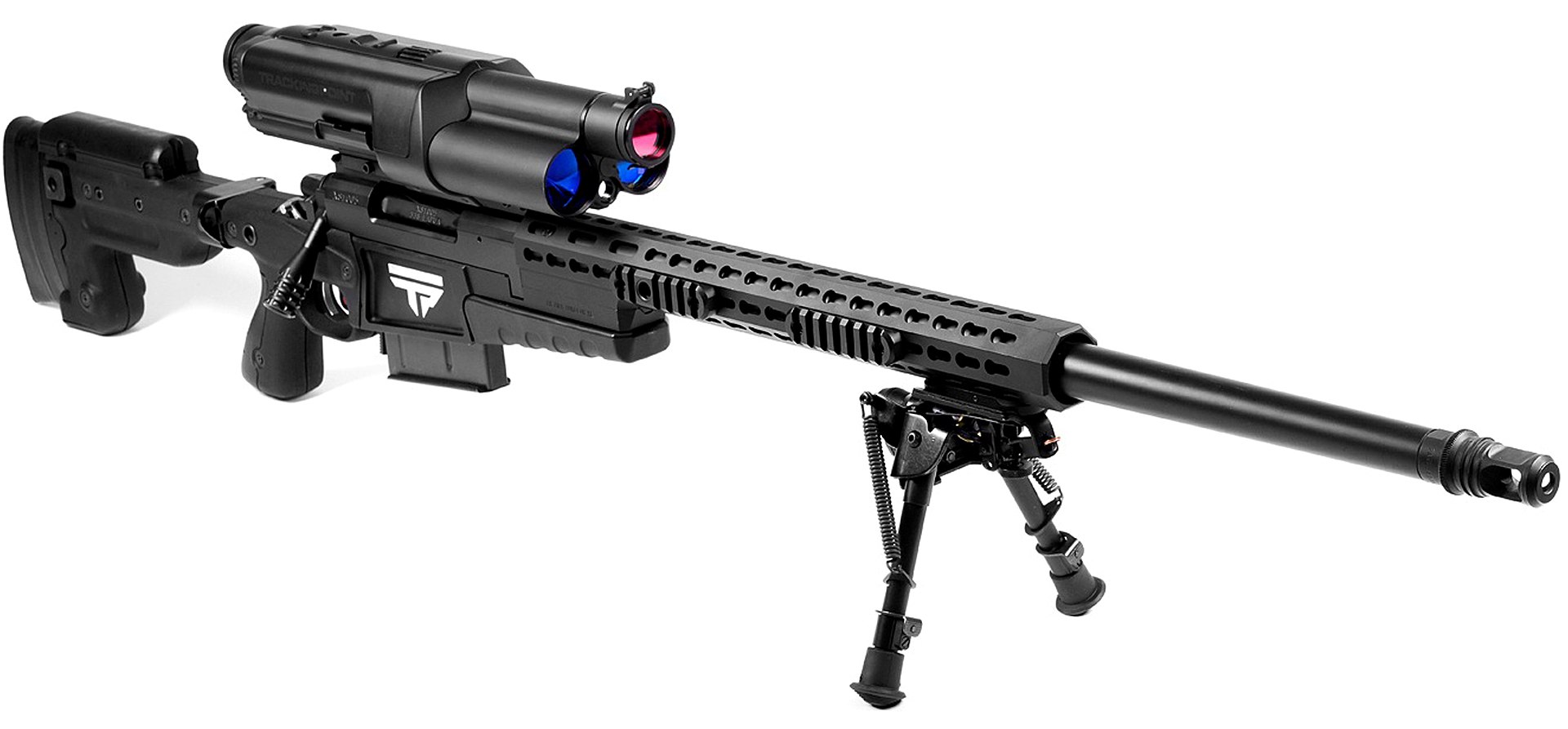
Modern hunters rely on GPS-linked scopes that calculate distance, elevation, and even wind speed for accurate long-range shots. These smart optics, such as the Burris Eliminator, use onboard sensors to display precise aiming points. The built-in navigation also ensures hunters stay oriented in dense wilderness, reducing the risk of getting lost during long pursuits.
Electric-Powered Bait Boats
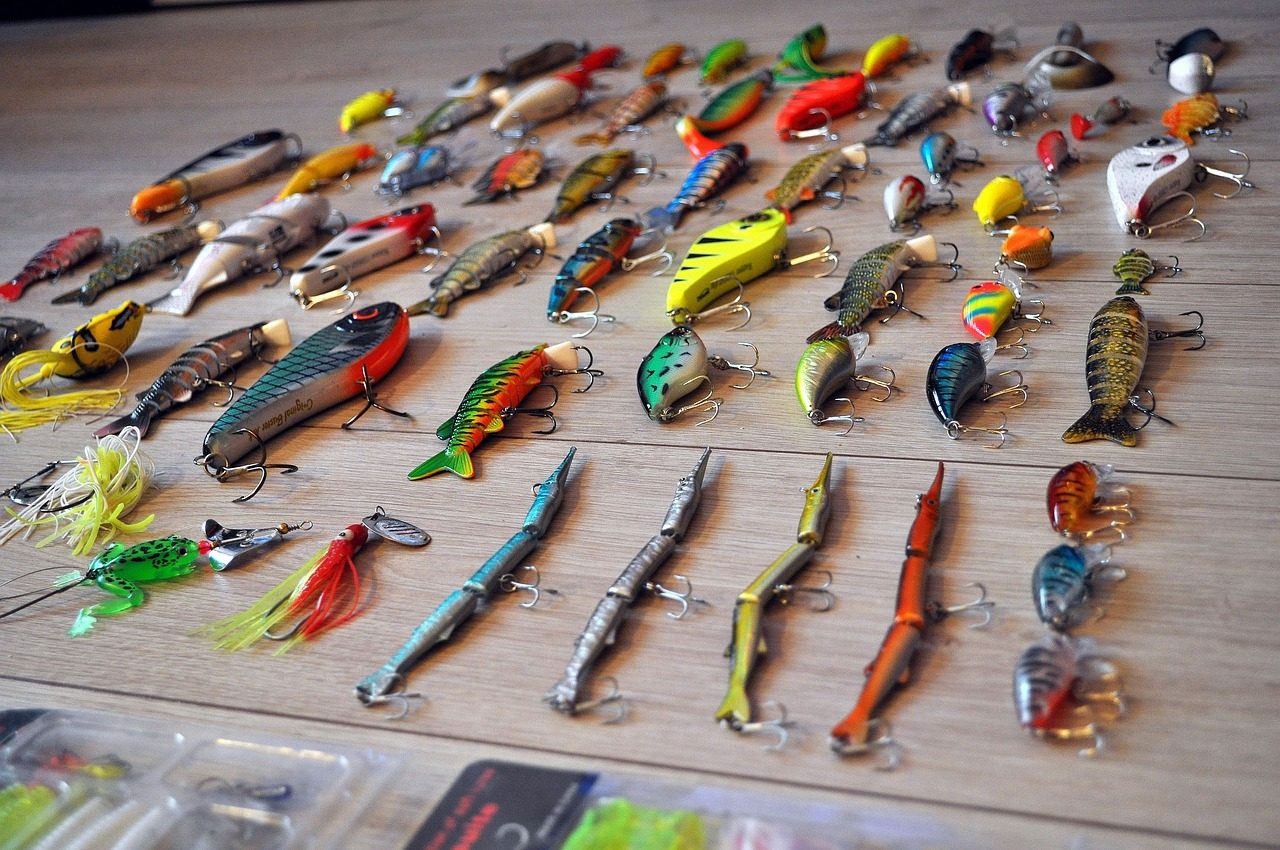
Manual casting once limited how far bait could reach, but electric bait boats now allow anglers to drop lines precisely where fish gather. Controlled via remote or mobile app, they use sonar feedback to pinpoint prime locations. Some models even record GPS coordinates for future trips, blending precision and convenience that older methods can’t match.
Digital Trail Cameras
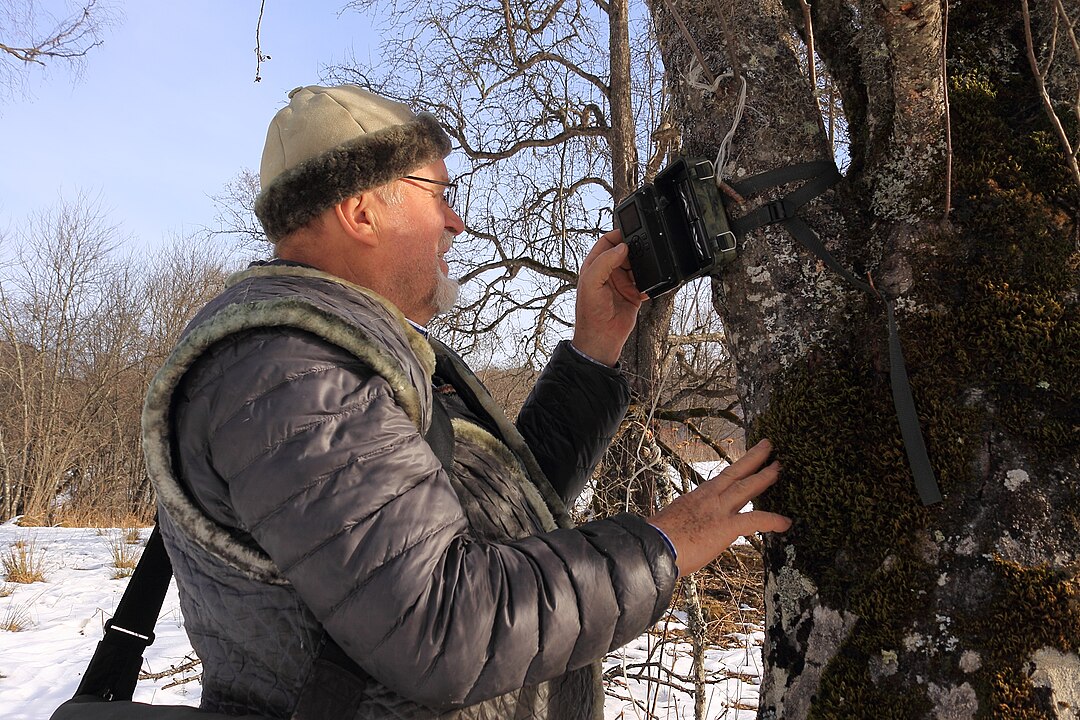
Conventional scouting often required long hours in the field, but digital trail cameras have transformed wildlife tracking. Modern versions connect through cellular networks and send real-time updates to smartphones. With motion sensors and infrared imaging, they capture animal movements day or night, letting hunters plan with better timing and less disturbance to natural behavior.
Thermal Imaging Binoculars
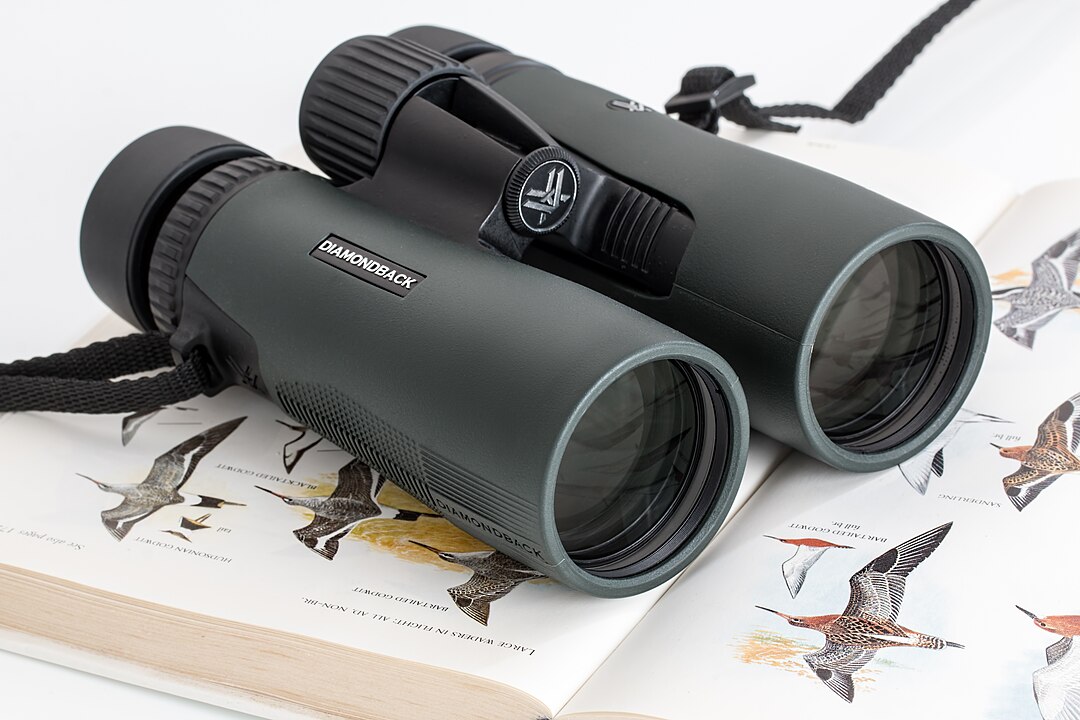
Spotting game at dawn or dusk once depended on luck, but thermal imaging has made low-light observation much easier. Devices like the Pulsar Helion detect heat signatures through fog, rain, or darkness. They provide clear images of wildlife movement from long distances, giving hunters a decisive advantage in unpredictable conditions where eyesight alone isn’t enough.
Smart Waders with Temperature Control
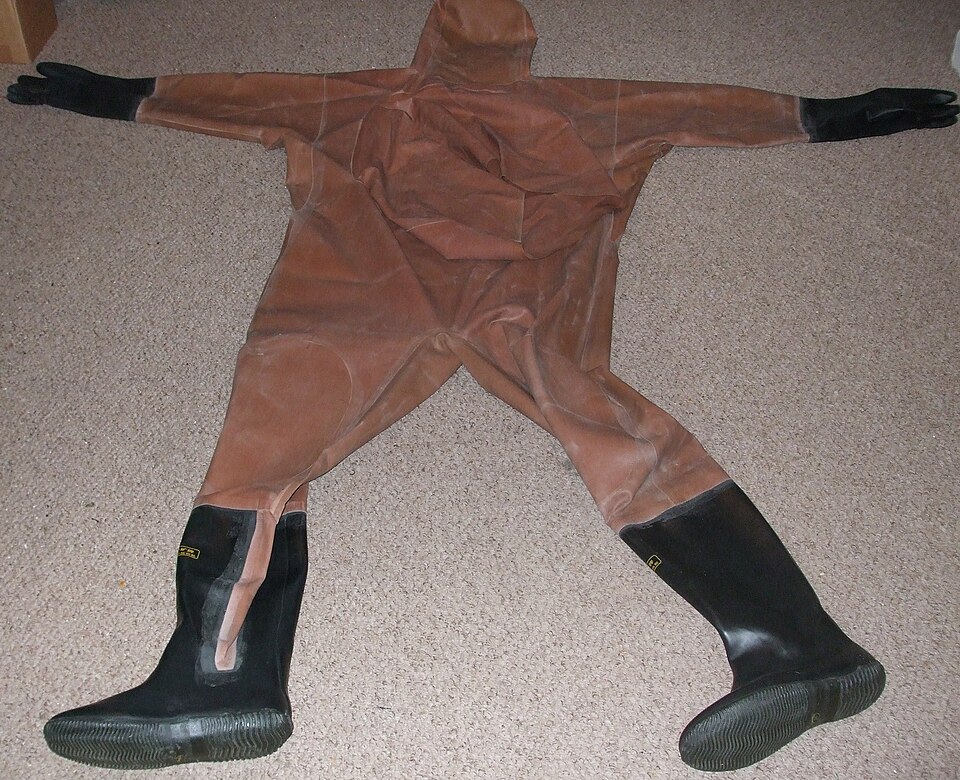
Fishing in cold or variable climates used to mean enduring discomfort, but smart waders now feature built-in heating systems and moisture sensors. Brands like Simms and TideWe integrate rechargeable battery packs and temperature-adjusting fabric. The result is comfort and extended endurance in freezing waters, allowing anglers to stay focused on technique rather than battling the cold.
Portable Solar Power Systems
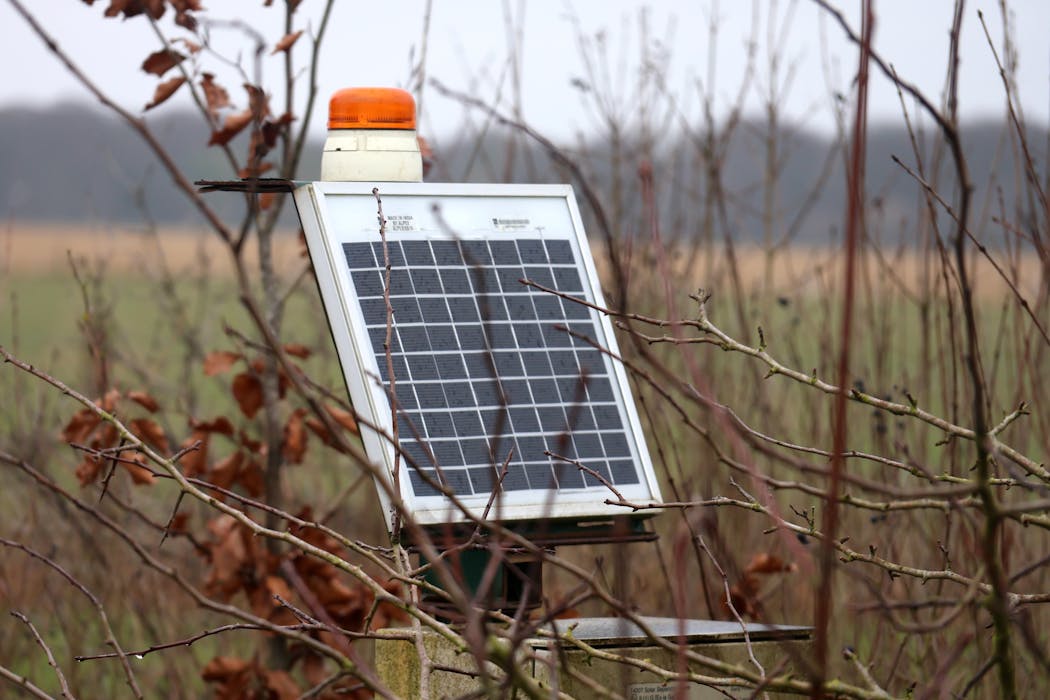
Traditional batteries often failed during multi-day trips, but compact solar kits now keep gear charged anywhere. Hunters and fishers use foldable solar panels to power GPS units, lanterns, or electric cookers. Systems like Goal Zero’s portable sets deliver consistent energy without environmental impact, ensuring modern outdoor adventures remain both efficient and sustainable.
AI-Driven Weather Monitors
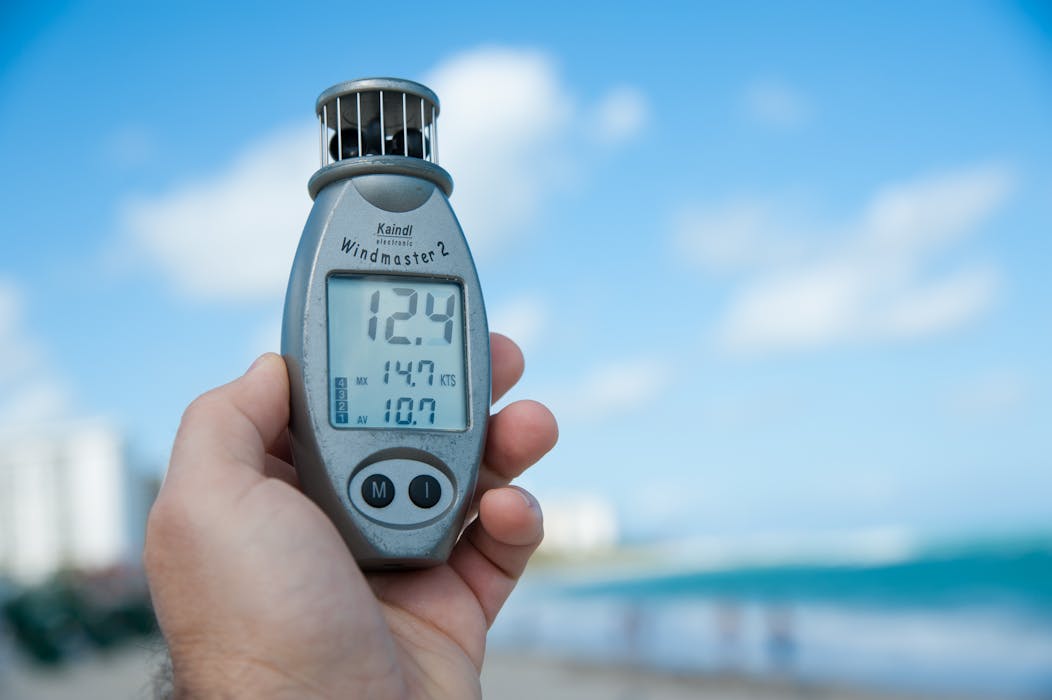
Predicting weather used to rely on instinct and basic barometers, but AI-based monitors now provide precise forecasts tailored to location and activity. Devices like Kestrel or Vaavud track humidity, wind, and temperature, learning from past patterns to predict storm shifts or ideal fishing times. These insights help outdoorsmen plan strategically and stay safer in changing environments.