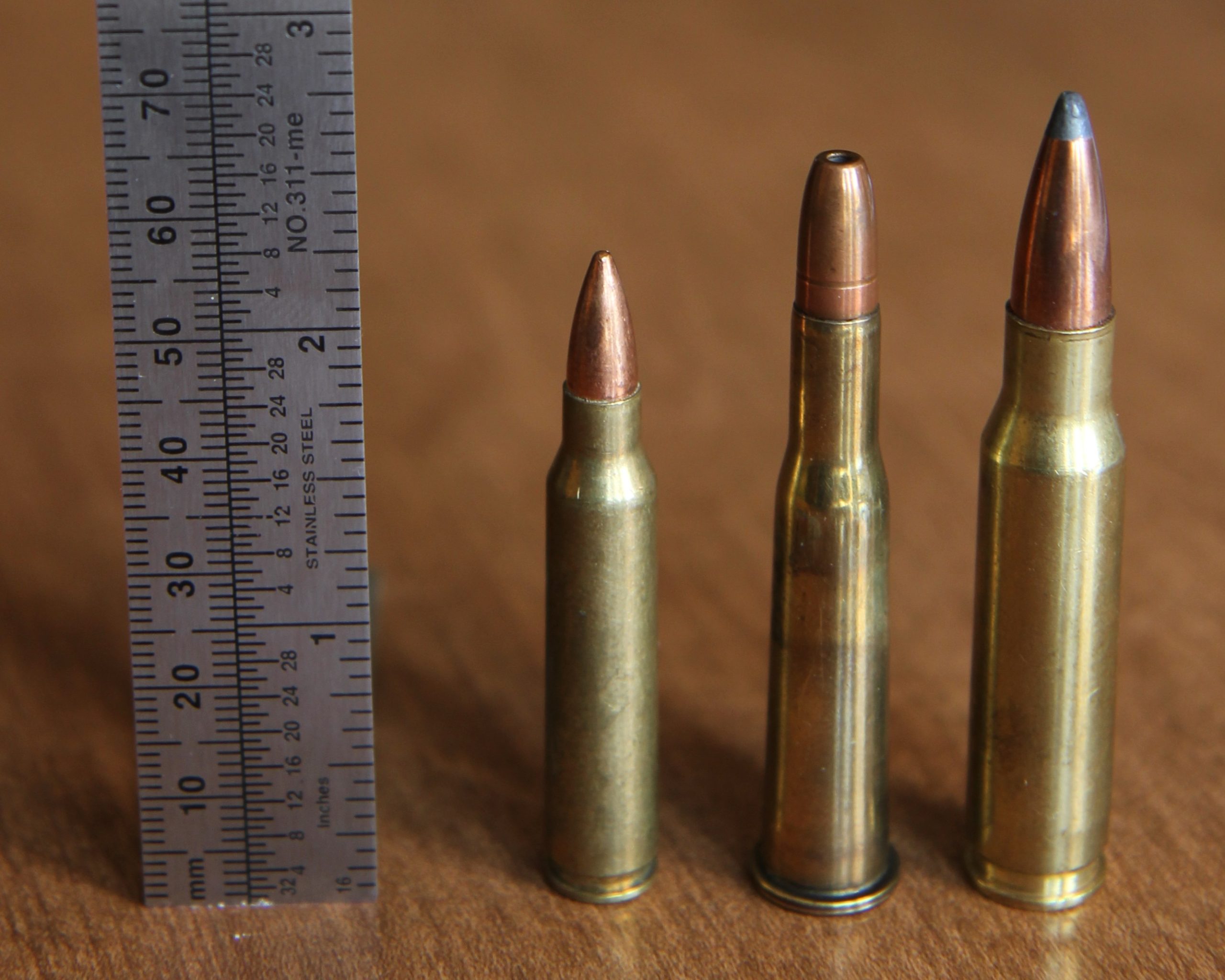
Most hunters spend plenty of time debating caliber, but the bullet often matters even more once it reaches the animal. Construction changes how fast a bullet opens, how deep it drives, and how much tissue it disrupts before stopping or exiting. These five points explain what really happens at impact and why two loads from the same rifle can act completely differently in the field.
The jacket controls how violently a bullet opens

A lot of hunters assume the tip alone decides expansion, but the jacket is usually the real traffic cop at impact. Its thickness, taper, and hardness determine whether the front end peels back in a neat mushroom or sheds fragments almost immediately. That is why two soft points of the same caliber can behave nothing alike in deer.
A thinner jacket tends to open faster, especially at close range when velocity is high. A heavier jacket slows that process and can keep the bullet together longer as it crosses shoulder bone, ribs, and dense muscle.
In practical terms, jacket design decides whether energy is dumped early or carried deeper. That can mean the difference between a dramatic internal wound and an exit hole with a stronger blood trail.
Bonded cores are built to hold together through bone

When a bullet is bonded, the lead core is chemically or mechanically attached to the jacket. That reduces the chance of the core separating when the bullet hits hard resistance, which is a big deal on quartering shots or shoulder impacts.
A conventional cup-and-core bullet can work beautifully on broadside deer, but under tougher angles it may lose more weight as pieces shear away. A bonded design usually keeps more of itself intact, so it stays on course and penetrates with more consistency.
That does not always mean more dramatic expansion. Often it means a more balanced result, with enough upset to damage tissue and enough retained weight to keep driving after smashing through bone.
Monolithic bullets expand differently than lead-core bullets

Copper or gilding-metal monolithic bullets do not rely on a soft lead core to flatten out. Instead, they are engineered with hollow points and skives that open into petals, often in a very controlled shape. The result can look less dramatic than a lead bullet, but the performance is often surprisingly deep.
Because they usually retain so much weight, monolithic bullets tend to keep moving after expansion. On deer, that often means complete pass-throughs and dependable exits, especially from common hunting cartridges at normal ranges.
The tradeoff is that some monolithic designs need a certain velocity window to open fully. At very long range, if speed drops too far, expansion may be reduced compared with softer lead-core options.
Bullet construction changes meat damage more than many hunters think
Hunters often blame caliber for bloodshot meat, but construction plays a huge role in how much tissue gets torn up around the wound path. A fast-opening bullet that fragments heavily can create impressive internal trauma, yet it may also ruin more shoulder meat on a close shot.
A tougher bullet that expands in a controlled way usually damages a narrower channel at first, then keeps penetrating. That can preserve more edible meat while still reaching vital organs and producing a lethal wound.
Impact speed matters here too. The same bullet that behaves politely at 250 yards may act much more violently at 50. Construction and velocity work together, and that combination often tells the real story in the skinning shed.
An exit hole depends on structure, not just caliber

Many deer hunters talk about caliber as if bore diameter guarantees an exit, but bullet structure is often the deciding factor. A rapidly expanding bullet can spend so much of itself early in the animal that it stops under the far hide, even from a cartridge with plenty of power.
By contrast, a smaller caliber bullet with a tougher build may punch through both lungs, break the far shoulder, and leave a clean exit. That is why field results sometimes seem to contradict what hunters expect from cartridge charts.
If your priority is a strong blood trail, construction deserves serious attention. Penetration, retained weight, and expansion balance matter more than simple caliber size once impact begins.