
When you’re camping deep in the wilderness, washing dishes might seem like the least exciting part of the adventure, but it’s one of the most important. Dirty cookware can attract wildlife, cause unpleasant smells, and even make you sick. Keeping a clean camp kitchen ensures safety, hygiene, and a better outdoor experience. Fortunately, with the right setup and a few smart techniques, washing dishes outdoors becomes simple, efficient, and eco-friendly.
Why Clean Dishes Matter Outdoors
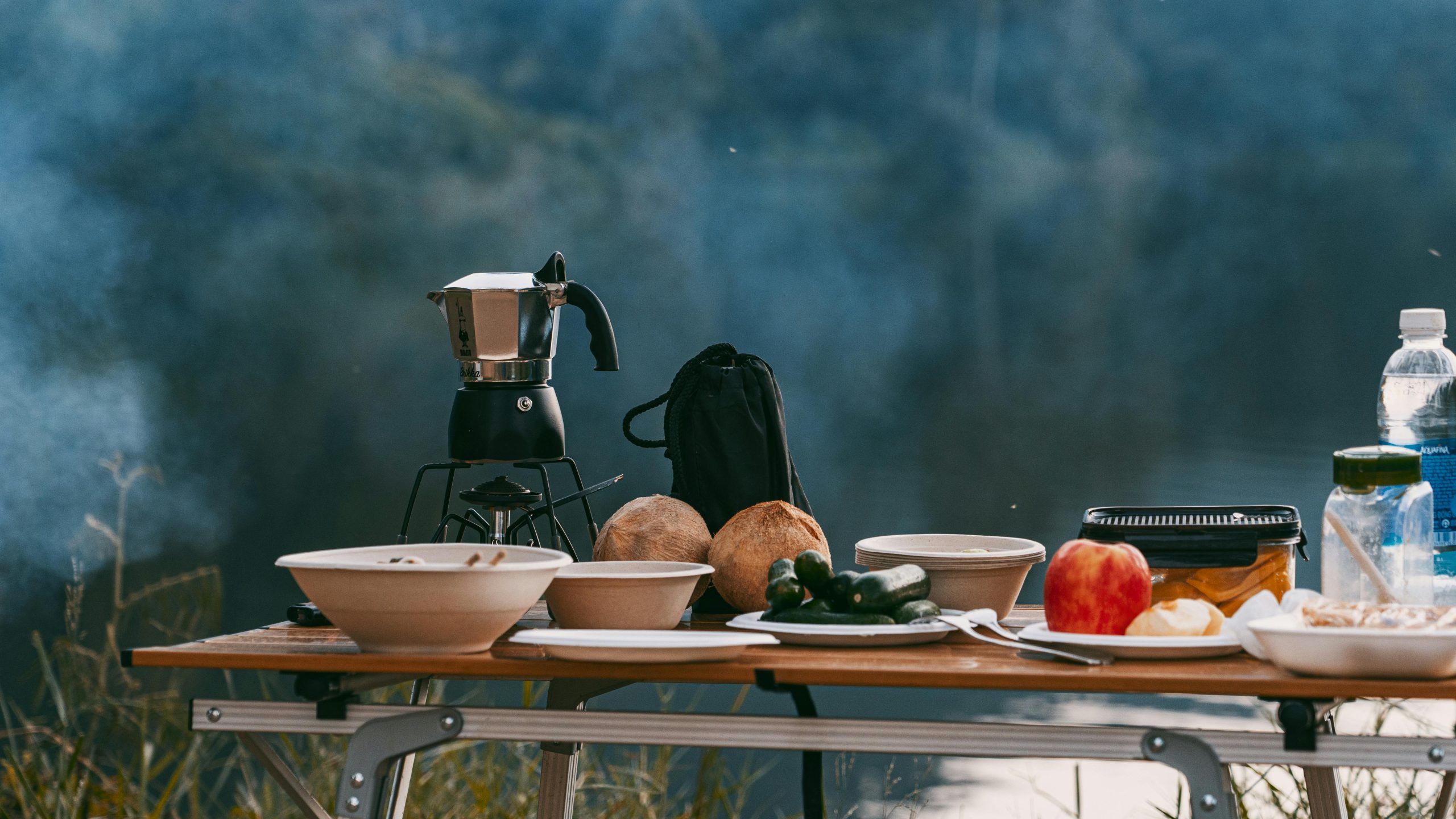
Unwashed dishes can quickly spoil a camping trip. Food residue left on plates or pots attracts animals and insects, increasing the risk of unwanted visitors near your campsite. Beyond that, bacteria can grow rapidly in warm weather, potentially causing stomach issues. Clean dishes not only keep your food tasting better but also prevent contamination. Maintaining proper hygiene outdoors is essential for staying healthy and ensuring your campsite stays safe and enjoyable.
Essential Dishwashing Gear to Bring
Before heading out, pack a compact dishwashing kit that includes two collapsible wash basins, biodegradable soap, a sponge or scrubber, a small towel, and a mesh bag for drying. A lightweight scraper helps remove food bits before washing. These essentials fit easily into any pack and make cleanup smooth and organized. Having a dedicated kit ensures that your eating utensils, cookware, and cleaning tools are always easy to find and ready for use.
Setting Up a Safe Wash Station
Never wash dishes directly in rivers, lakes, or streams. Instead, set up your dishwashing area at least 200 feet from natural water sources. Choose flat, solid ground that allows wastewater to soak into the soil without running downhill. Organize your wash, rinse, and drying stations side by side for easy movement. Keeping a tidy, designated area helps prevent cross-contamination while maintaining a cleaner and more efficient camp environment overall.
The Three Basin Cleaning Method
The three-basin method is a proven system for keeping your camp dishes spotless. Fill the first basin with warm, soapy water, the second with clean rinse water, and the third with a sanitizing solution: one tablespoon of bleach per gallon of water. Wash dishes in the first basin, rinse thoroughly in the second, and dip them in the third for at least 30 seconds. This process ensures complete disinfection and helps prevent the spread of bacteria.
Using Biodegradable Soap Correctly
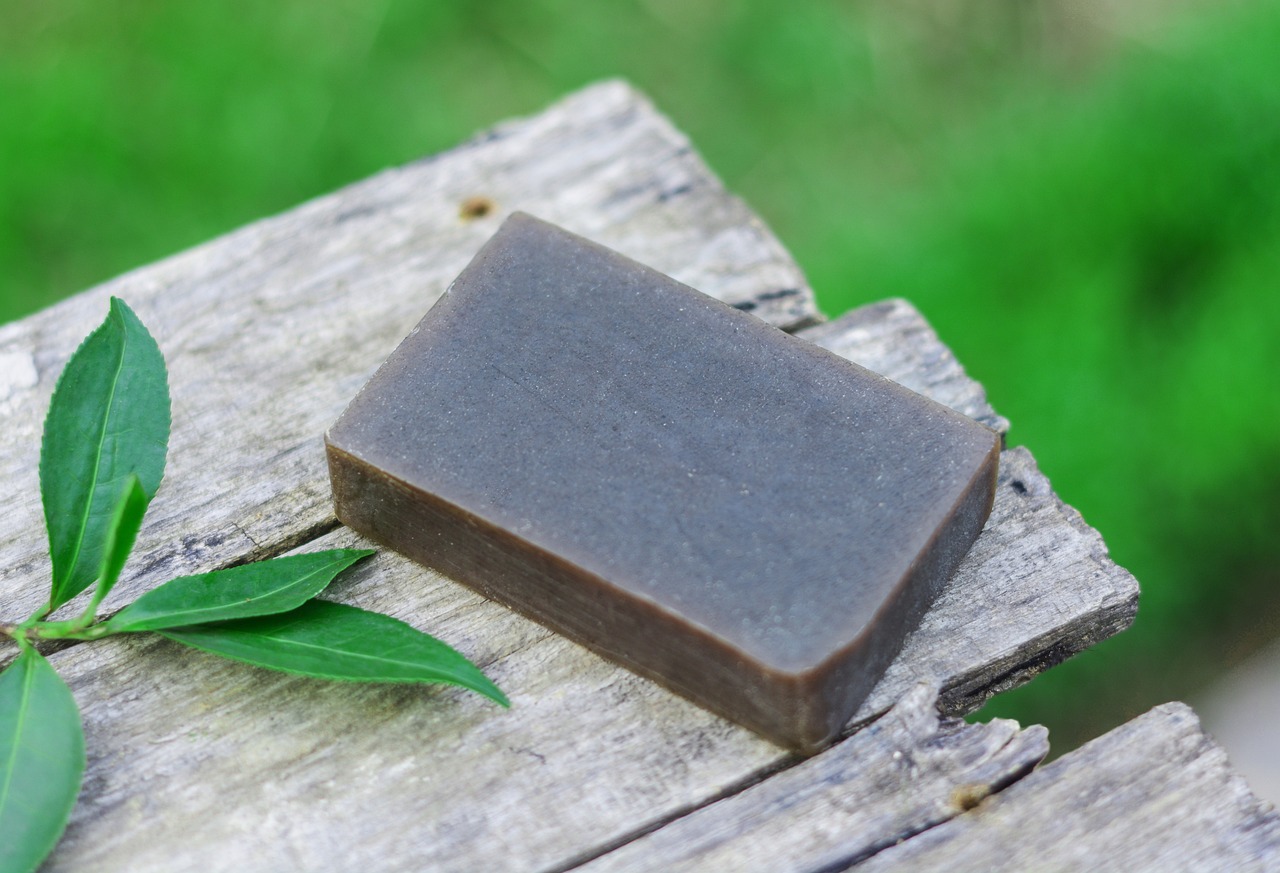
Even biodegradable soap needs to be used carefully outdoors. Avoid washing near natural water sources, as soap, no matter how eco-friendly, can still harm aquatic life. Use only a few drops of concentrated biodegradable soap per basin; a little goes a long way. After washing, scatter wastewater across dry ground to let the soil filter it naturally. Responsible use of soap keeps both your gear clean and the environment protected for future campers.
Conserving Water While Washing
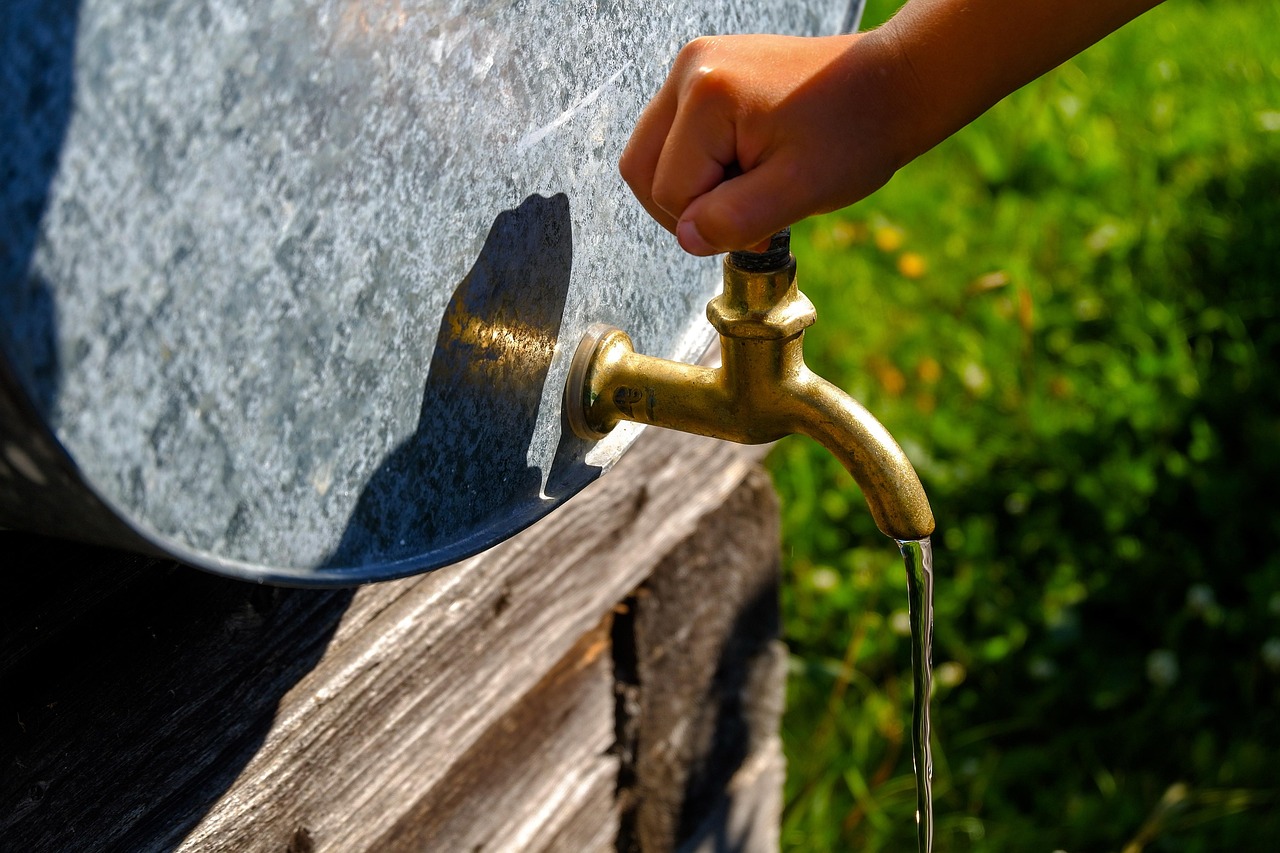
In the backcountry, every drop of water counts. Fill basins halfway and reuse rinse water for pre-washing when possible. Scrape off leftover food before washing to prevent buildup and reduce the need for frequent water changes. Heating a small amount of water helps remove grease more efficiently. By using these techniques, you’ll extend your water supply, lighten your pack, and develop smarter habits for camping sustainably in water-scarce environments.
Proper Disposal of Wastewater
When it’s time to get rid of your gray water, never dump it in one spot. Instead, carry it at least 200 feet from camp and spread it broadly over the ground. Use a strainer or bandana to remove food particles before disposal, and pack those bits out with your trash. This prevents odor buildup and keeps wildlife away. Proper wastewater disposal protects fragile ecosystems and ensures your campsite stays natural and undisturbed.
Air Drying and Storing Clean Dishes
After rinsing and sanitizing, air drying is the safest and most hygienic option. Hang dishes in a mesh bag or place them upside down on a clean surface. Avoid using shared towels, as they can spread bacteria. Once everything is dry, store your dishes in a covered container or dry bag to keep them clean and bug-free. This simple habit ensures your gear remains fresh, sanitary, and ready for your next outdoor meal.
Washing Dishes in Cold or Harsh Conditions
Cold temperatures and limited water make dishwashing trickier, but it’s still possible with a few adjustments. Warm small amounts of water over your camp stove and use gloves to protect your hands. Minimize soap use and focus on scrubbing efficiently. In freezing weather, dry dishes quickly to prevent ice buildup. Flexibility is key. Adapting your cleaning method to your environment keeps your camp comfortable and maintains proper hygiene, no matter the conditions.
Leave No Trace and Respect Nature
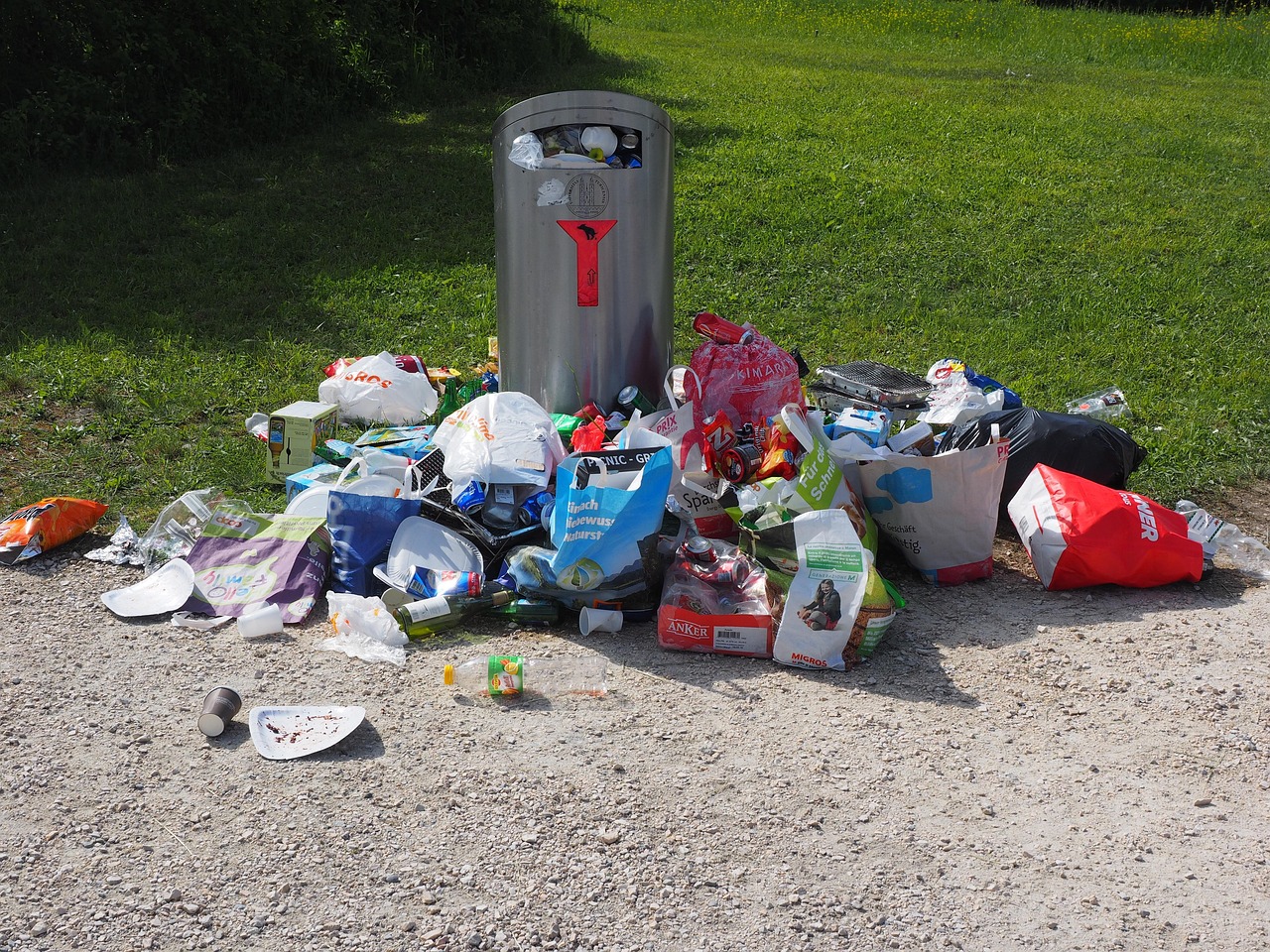
Washing dishes responsibly ties directly into Leave No Trace principles. Always minimize your impact by conserving water, avoiding contamination, and packing out all waste. The goal is to leave your campsite as pristine as you found it, ensuring others can enjoy it too. When every camper follows these small but meaningful steps, the outdoors remains clean and welcoming for everyone. Respect for nature starts with simple habits like cleaning dishes.