Living off the grid brings freedom, but it also means preparing for extended outages, harsh weather, and unexpected equipment failures. When storms roll through, a dependable generator setup can be the difference between staying comfortable and dealing with days of inconvenience. Experienced cabin owners often focus on complete power solutions rather than simply buying the biggest generator available. Fuel efficiency, runtime, maintenance needs, and compatibility with essential appliances all play important roles. The following generator setups are frequently praised by off-grid users who prioritize reliability, practical performance, and long-term value before the next major storm arrives.
Dual Fuel Inverter Generator Setup
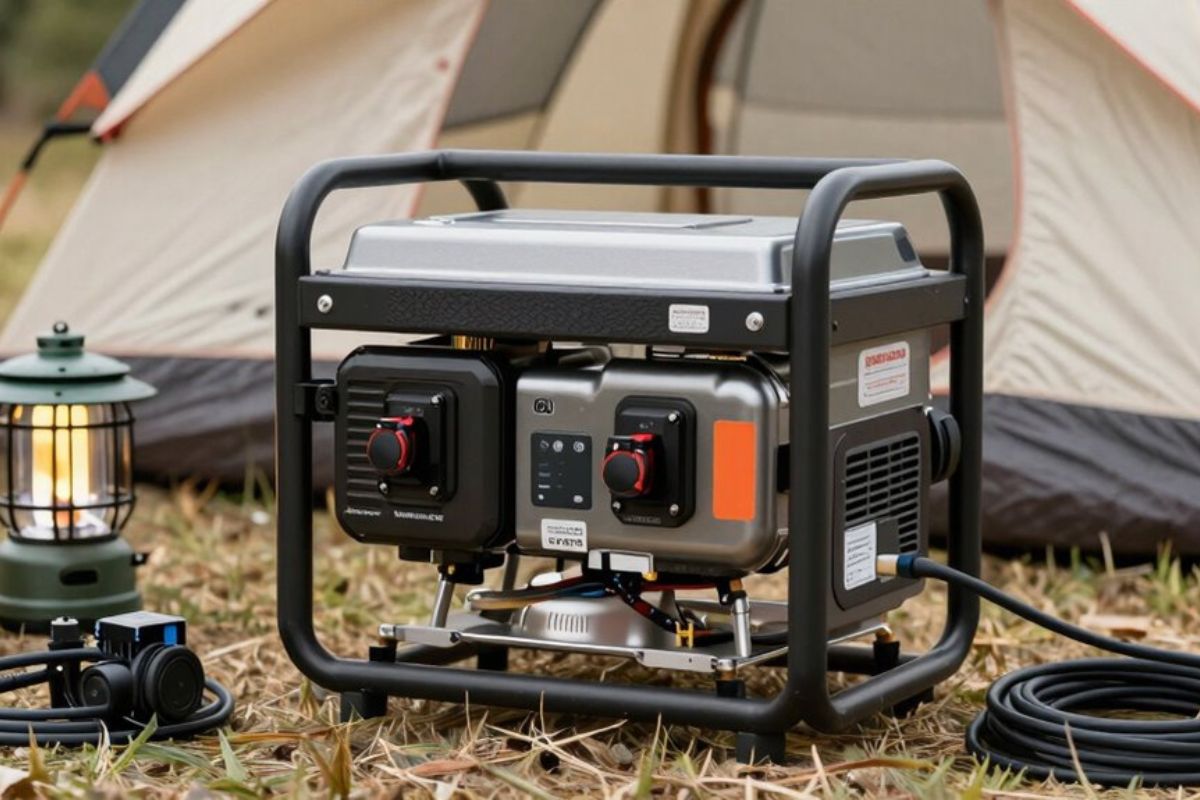
Many off-grid cabin owners favor dual fuel inverter generators because they provide flexibility when fuel supplies become limited. These units typically run on either gasoline or propane, allowing users to switch fuel sources depending on availability. Models in the 3,500 to 5,500 watt range can comfortably support refrigerators, lighting, communication equipment, and small water pumps. Propane also stores longer than gasoline, reducing concerns about fuel degradation. Numerous users report runtimes of 10 to 14 hours at half load. The inverter technology produces stable electricity, helping protect sensitive electronics such as laptops, routers, and battery charging systems during prolonged weather emergencies.
Whole Cabin Generator With Automatic Transfer Switch
For cabin owners seeking a seamless backup solution, a generator paired with an automatic transfer switch is often considered a worthwhile investment. When utility power or a primary renewable system fails, the switch can activate the generator within seconds without manual intervention. Systems rated between 7,000 and 12,000 watts commonly support lighting circuits, refrigerators, well pumps, freezers, and heating equipment simultaneously. Many users appreciate the convenience during overnight outages or severe storms. With proper installation and regular maintenance, these setups can provide dependable service for many years while minimizing disruption during extended periods of adverse weather.
Solar Battery and Generator Hybrid Setup
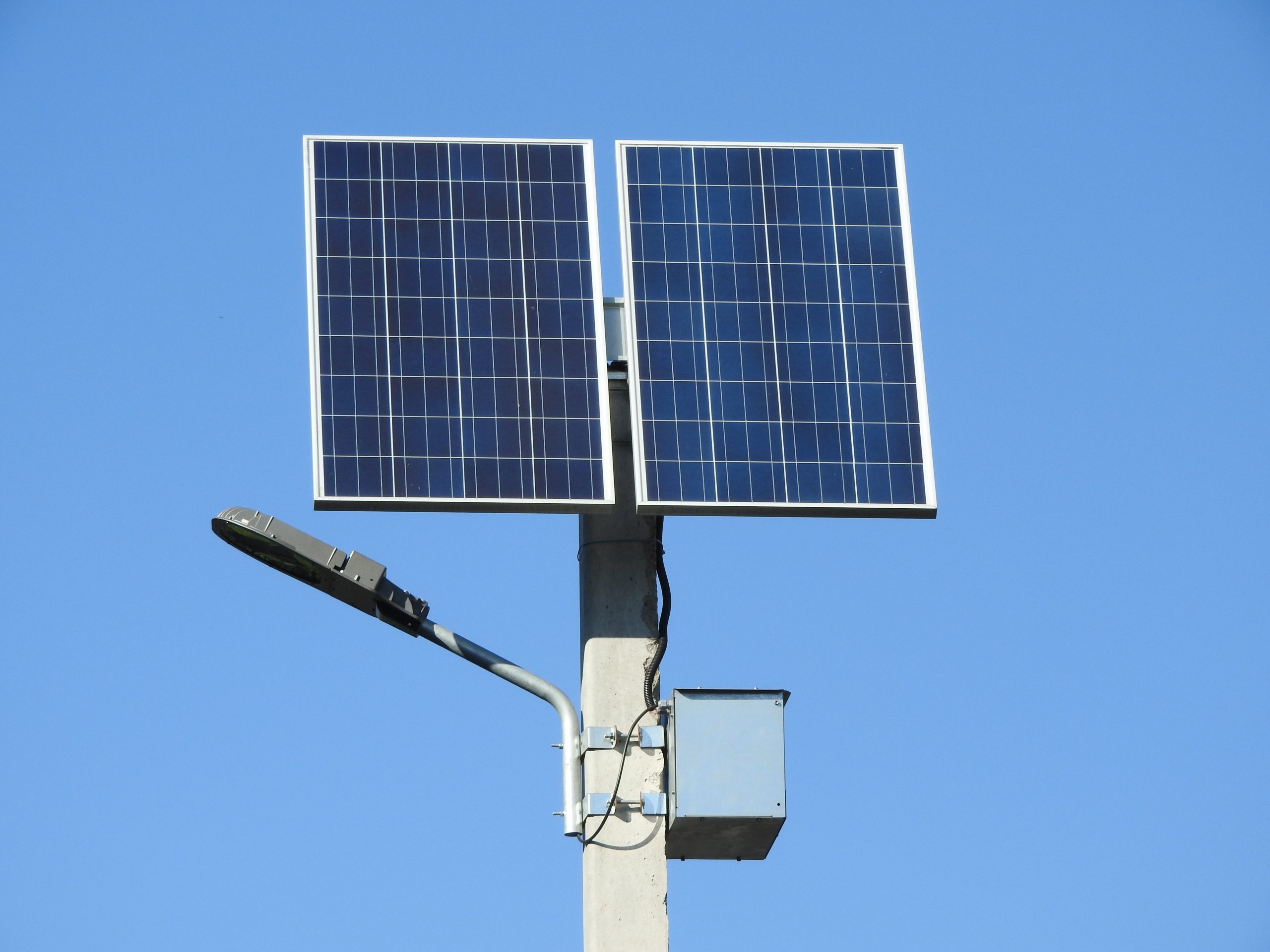
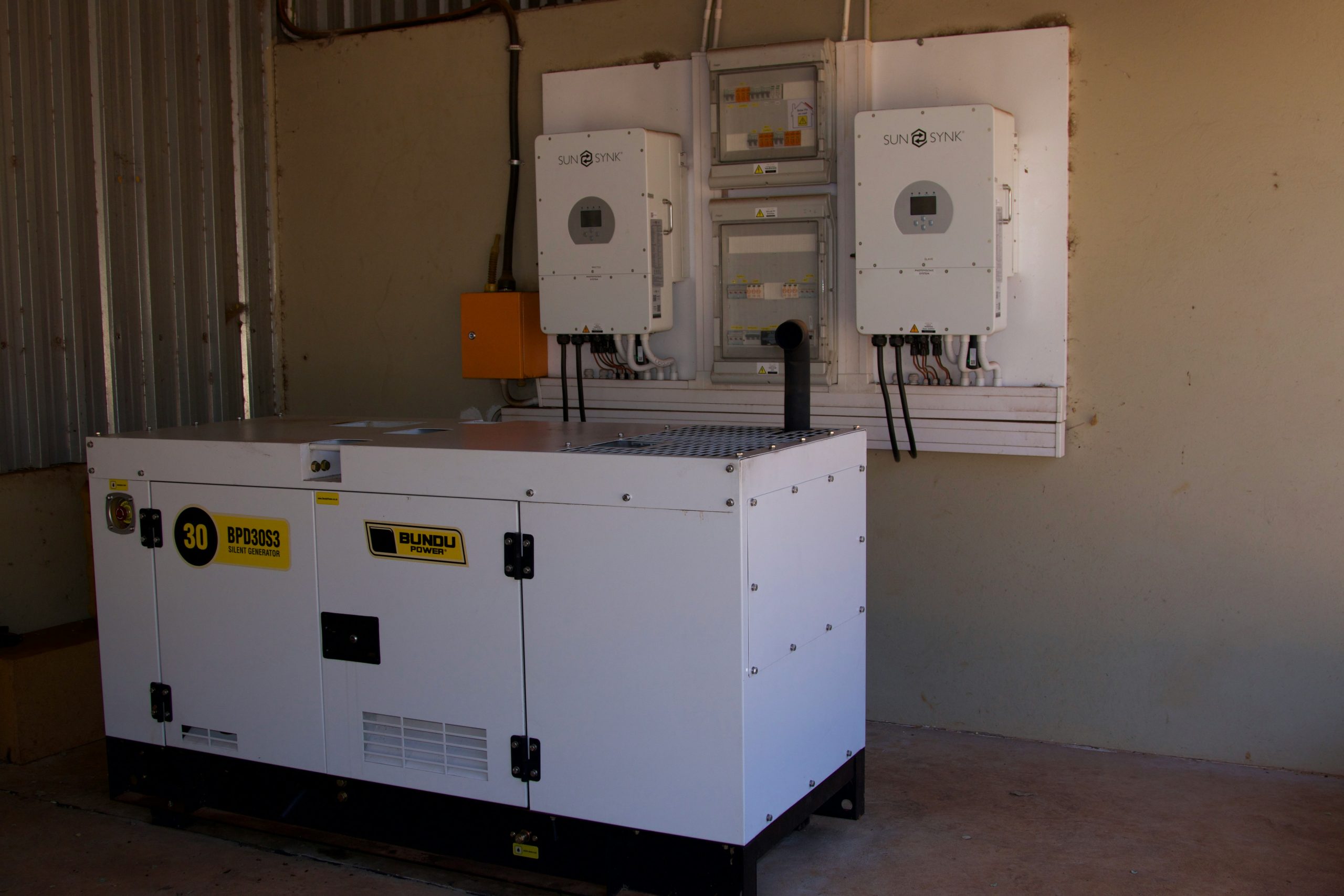
A growing number of off-grid property owners choose hybrid systems that combine solar batteries with a backup generator. In this arrangement, solar panels handle everyday energy needs while the generator activates only when battery reserves fall below a predetermined level. This significantly reduces fuel consumption compared with generator-only solutions. A typical setup may include 5 to 15 kilowatt-hours of battery storage alongside a 4,000 to 8,000-watt generator. Users frequently report quieter operation and lower operating costs year-round. During extended cloudy periods or storm conditions, the generator provides dependable support while preserving battery health and maintaining power continuity.
Portable Generator With Dedicated Fuel Storage System
Experienced cabin owners often emphasize that fuel availability is just as important as generator quality. A portable generator paired with a carefully planned fuel storage system can provide reliable emergency power during lengthy outages. Many users maintain 40 to 100 gallons of stabilized gasoline or multiple propane cylinders to ensure adequate reserves. Generators in the 4,000 to 6,500 watt range are commonly selected because they balance power output and fuel efficiency. Proper storage containers, rotation schedules, and weather-protected fuel locations help maintain readiness. This setup is particularly valued in remote areas where fuel deliveries may be delayed after major storms.
Heavy Duty Diesel Generator Configuration
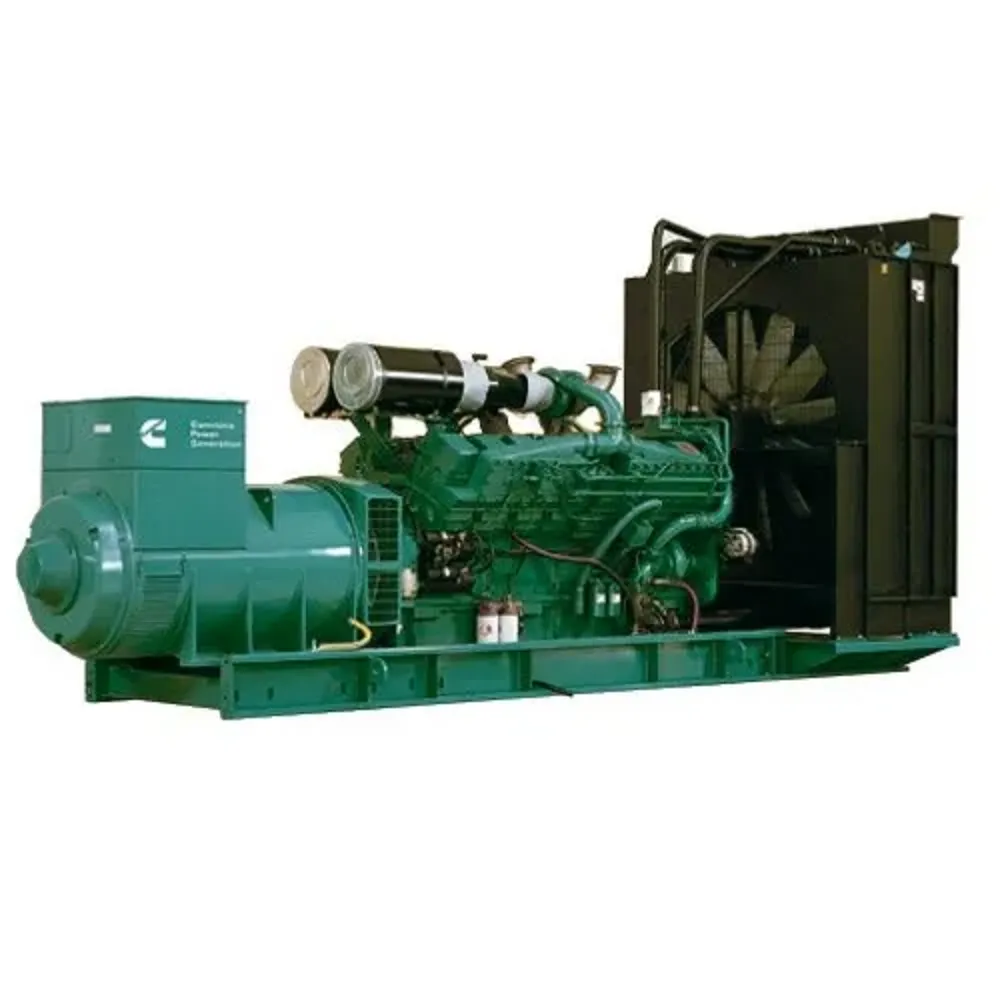
Diesel generator systems remain a trusted choice among cabin owners who prioritize durability and extended runtime. Diesel engines are known for operating efficiently under heavy loads and often require less fuel per kilowatt-hour than comparable gasoline units. Setups ranging from 6,000 to 15,000 watts can support substantial cabin demands, including workshops, water systems, and heating equipment. Many owners highlight engine lifespans exceeding 10,000 operating hours when maintained correctly. Diesel fuel is also generally considered safer to store than gasoline. For cabins that experience frequent storms or lengthy outages, this configuration offers dependable long-term performance.
Generator and Propane Tank Bank Setup
Cabin owners in regions with severe winter weather frequently recommend pairing a generator with a large propane tank bank. Instead of relying on small cylinders, this setup uses multiple connected tanks or a single large storage tank to extend operating time significantly. Depending on consumption rates, some systems can provide power for several weeks without refueling. Generators in the 5,000 to 10,000 watt category are commonly matched with propane storage capacities between 250 and 500 gallons. Users value propane’s long shelf life and cleaner combustion. The result is a dependable emergency power solution that requires relatively little fuel management.
Quiet Enclosure Generator Setup
Noise becomes a major concern when generators run continuously for days during storm recovery. Many off-grid owners address this by installing generators within specially designed sound-reducing enclosures. These structures help lower noise levels by 10 to 25 decibels while still maintaining proper ventilation and cooling airflow. Generators rated between 4,000 and 8,000 watts are commonly housed in these setups. Users often report improved comfort, especially during nighttime operation. In addition to reducing noise, enclosures offer protection from rain, snow, debris, and temperature extremes. This combination can improve both generator longevity and overall living conditions during emergencies.
Parallel Generator Backup System
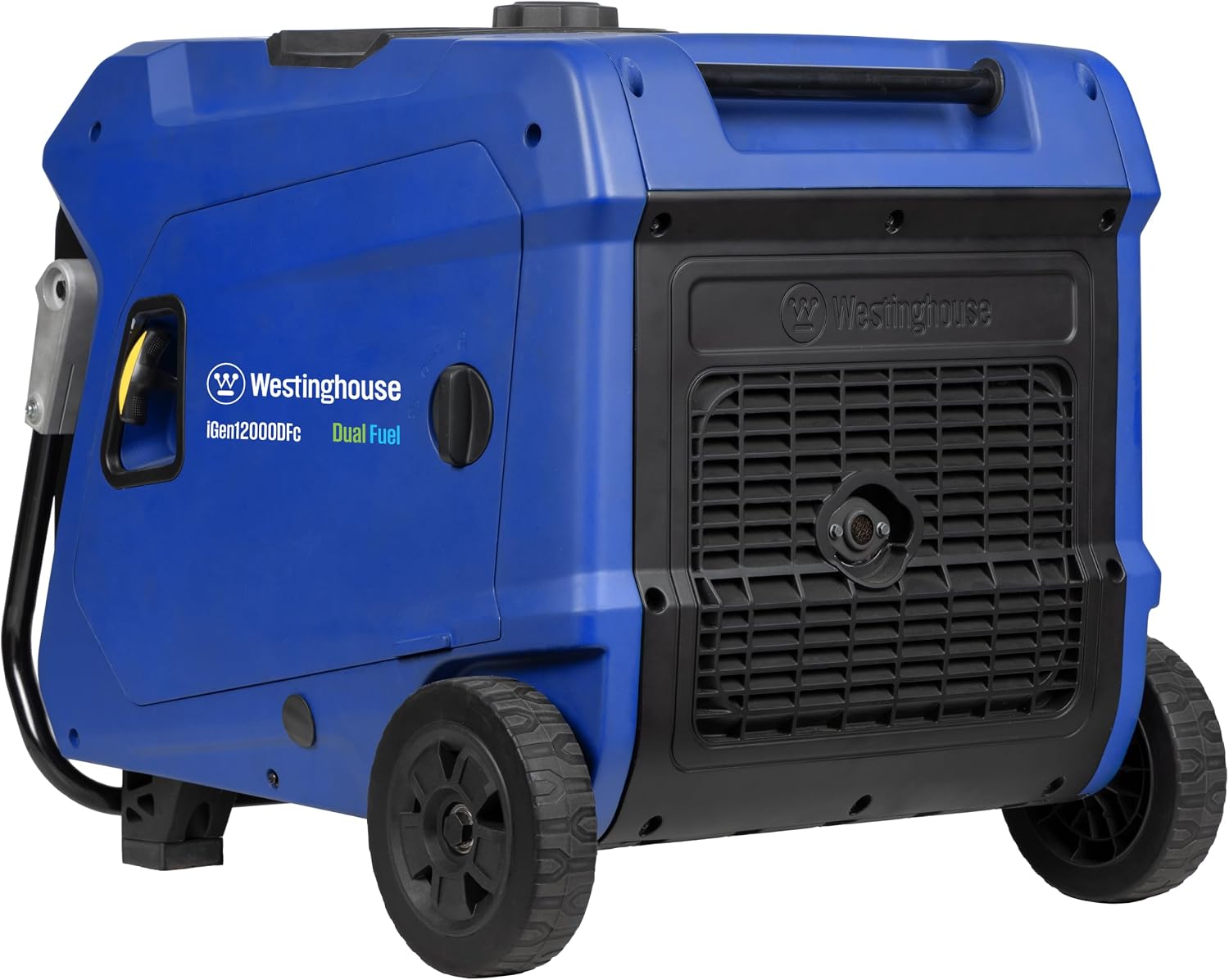
Some experienced cabin owners prefer using two smaller generators connected through a parallel system rather than relying on a single large unit. For example, two 2,200-watt inverter generators can combine to deliver approximately 4,400 watts when higher demand occurs. During lighter usage periods, only one generator needs to operate, reducing fuel consumption and engine wear. This setup also introduces redundancy because one unit can continue supplying essential power if the other requires maintenance. Users appreciate the portability and flexibility of smaller generators. During storm season, having a secondary power source readily available adds an extra layer of preparedness.