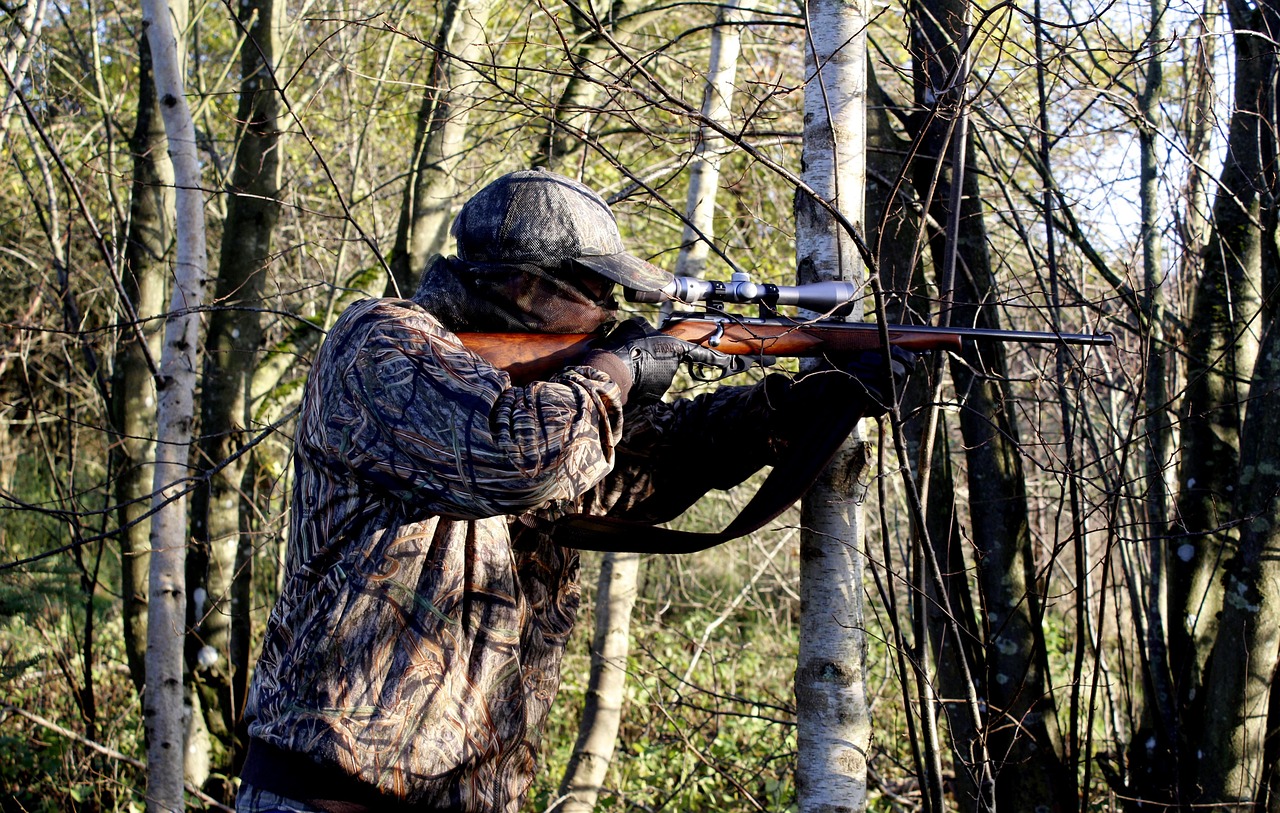
Getting lost triggers stress that clouds judgment quickly. The first hour often determines whether the situation stabilizes or worsens. Common reactions feel instinctive but frequently create additional risk. People rush decisions, ignore basic survival priorities, or misread surroundings. Modern habits around phones and navigation compound errors. Understanding early mistakes helps prevent escalation. Awareness restores calm, improves decision making, and preserves energy. These lessons matter anywhere, from urban parks to remote wilderness. Avoiding early errors increases safety, clarity, and the chances of regaining orientation before conditions deteriorate further under pressure and fatigue during unexpected disorientation episodes.
Panicking Immediately

Panicking immediately drains mental energy and worsens orientation. Rapid breathing narrows focus and accelerates fatigue. People often start moving without direction. That behavior increases distance from known reference points. Panic discourages logical assessment. Sounds and landmarks go unnoticed. Terrain hazards increase injury risk. Remaining still briefly helps regulate emotions. Calm observation restores situational awareness. The first minutes matter greatly. Slowing down allows planning and prevents compounding errors. Panic feels natural but undermines survival priorities when clarity and patience are essential for regaining bearings safely during unfamiliar surroundings under stress and uncertainty after sudden disorientation.
Walking Without A Plan

Walking without a plan causes people to wander aimlessly. Movement feels productive but often worsens confusion. Each step increases distance from last known locations. Energy drains quickly. Terrain hazards multiply. Directional memory fades. Without a clear goal, navigation becomes guesswork. People overlook subtle landmarks. Resting briefly helps reassess. Establishing a plan restores control. Deciding to backtrack or hold position improves outcomes. Random movement complicates rescue efforts. Thoughtful pauses support better choices. Deliberate planning early prevents exhaustion, injury, and deeper disorientation when surroundings remain unfamiliar and pressure encourages impulsive action.
Ignoring Time And Daylight
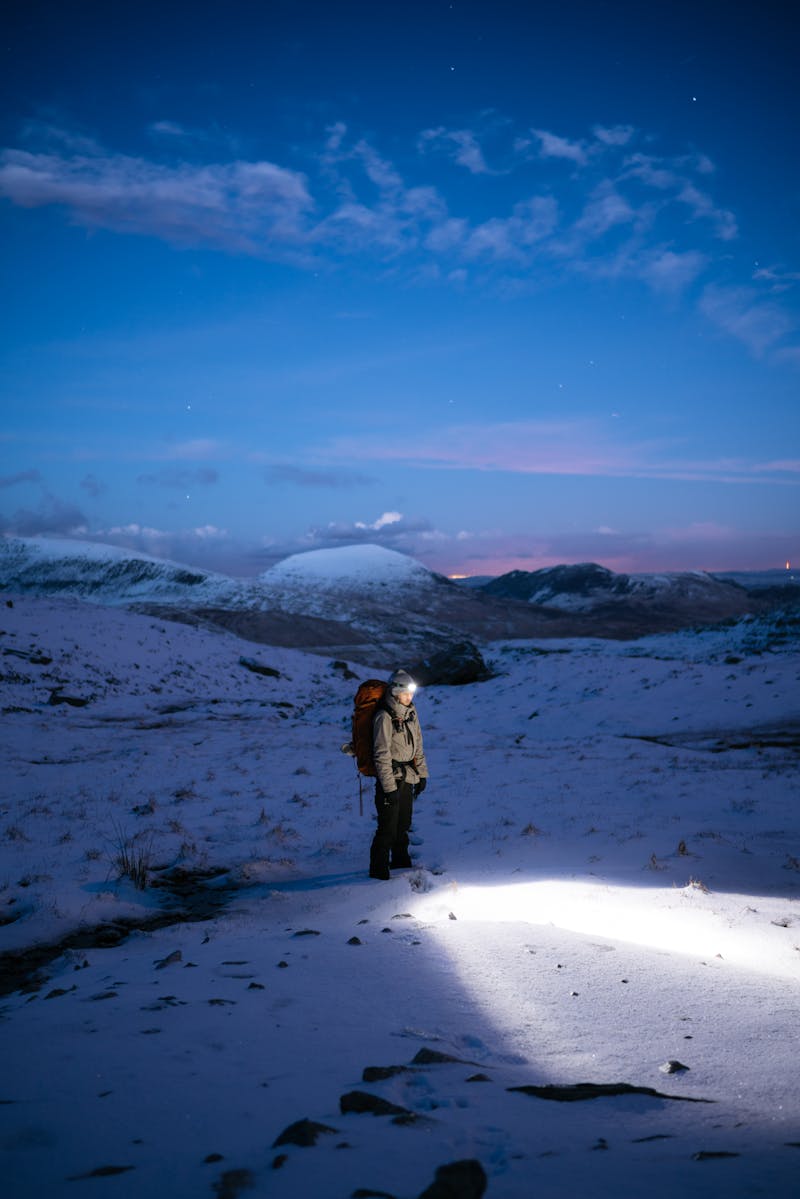
Ignoring time and daylight creates serious risk. People underestimate how quickly conditions change, sunset reduces visibility dramatically. Temperatures drop fast and navigation becomes harder. Fatigue increases, panic returns makes failing to track time delays shelter decisions. Early planning for darkness improves safety. Observing sun position helps orientation. Managing daylight conserves energy. Lost individuals often move too long. Recognizing time constraints prompts smarter choices. Preparing for night early prevents exposure. Awareness of remaining daylight allows strategic rest, shelter building, or signaling before darkness magnifies danger during the critical first hour.
Relying Only On GPS
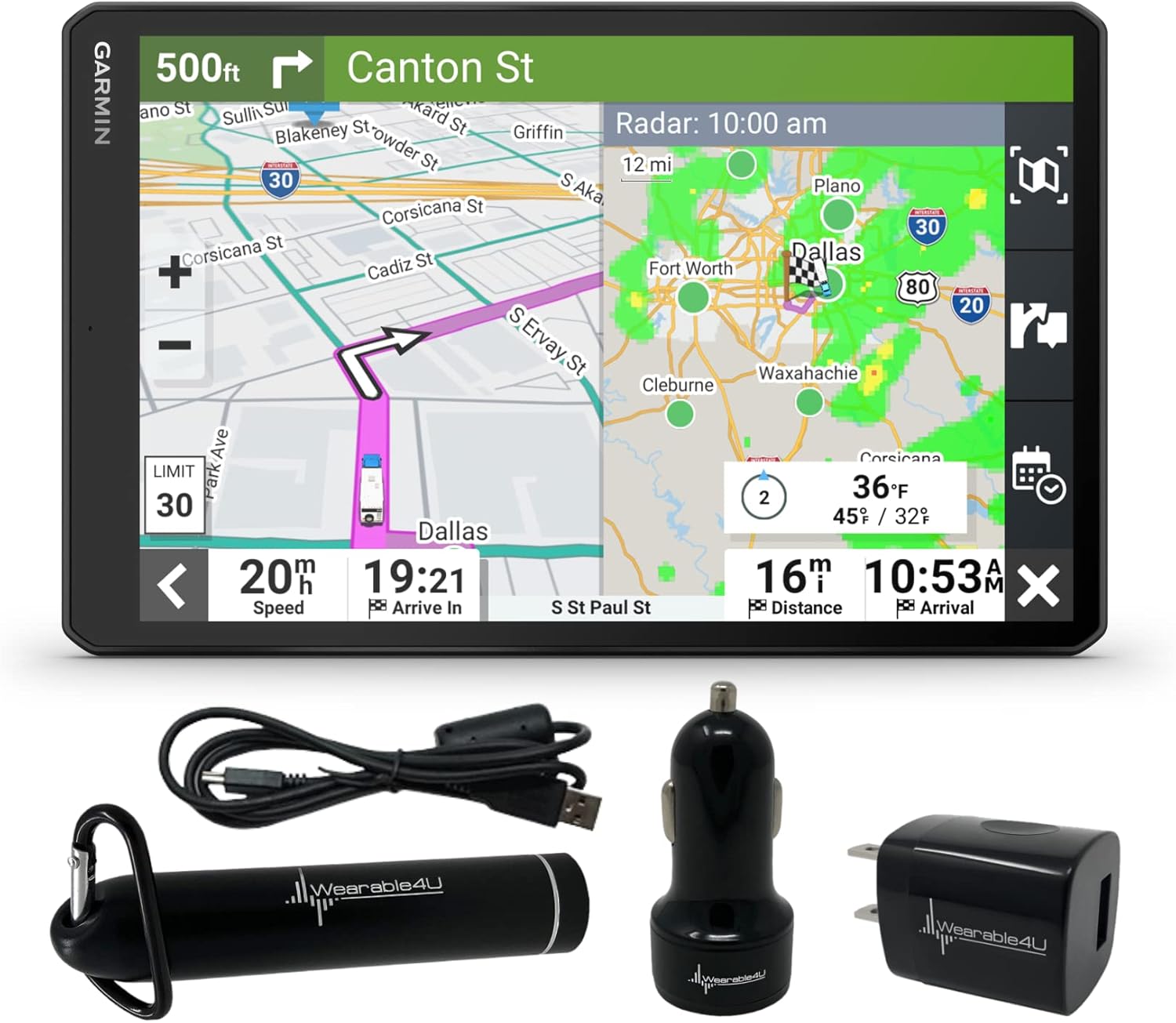
Relying only on GPS limits awareness. Signals fail under canopy or terrain. Batteries drain rapidly. Apps lag behind real conditions. People follow incorrect routes blindly. Screen focus reduces environmental observation. When devices fail, panic spikes. Learning to navigate visually matters. Landmarks, slope, and sound provide clues. Using GPS sparingly preserves power. Balancing technology with observation improves outcomes. Sole dependence delays problem solving. Integrating analog awareness ensures adaptability when devices malfunction during early disorientation and prevents technology failures from becoming survival crises in unfamiliar environments.
Failing To Stay Put

Failing to stay put complicates recovery. Movement increases search areas. Rescuers rely on last known positions. Wandering hides tracks. Energy drains faster. Injuries become likely. Staying put improves visibility. It conserves strength. Building signals becomes possible. Sound travels farther from one location. Shelter improves comfort. Many people move from fear. Remaining stationary often shortens rescue time. Patience supports clarity. Holding position during the first hour increases chances of assistance when navigation confidence is low and uncertainty remains high, especially before conditions worsen or daylight fades.
Not Marking Location

Not marking location erases progress. People forget starting points quickly. Visual markers fade in memory. Without markers, backtracking fails. Natural terrain looks similar. Marking paths aids orientation. Broken branches, stacked stones, or notes help. Marking also assists rescuers. Without reference points, confusion grows. Marking location supports deliberate movement. It builds confidence. Early marking prevents circular travel. Simple indicators reduce panic. Establishing clear markers during the first hour maintains spatial awareness and limits unnecessary wandering when surroundings offer few distinct features.
Ignoring Physical Needs

Ignoring physical needs worsens judgment because dehydration accelerates fatigue, hunger weakens focus, cold reduces coordination, and heat increases exhaustion, all while stress masks discomfort and encourages unnecessary forward movement. When people push onward without pausing, small physical issues quietly compound into serious mental errors. Addressing basic needs restores clarity, as drinking water, resting briefly, and regulating body temperature stabilize both energy and thinking. During the first hour, tending physical needs prevents cascading problems that can transform manageable disorientation into dangerous situations requiring rescue or medical intervention.
Failing To Signal Early
Failing to signal early delays assistance because people often assume self recovery is possible, and pride discourages using signals too soon. Early signals draw attention quickly, whether through sound, light, or visible markers, while waiting wastes daylight and allows energy to drain silently. Signaling early improves rescue chances and does not represent surrender, as it preserves multiple options. Marking presence helps searchers narrow locations, and many rescues happen quickly when signals appear early. Proactive signaling during the first hour shortens isolation and increases safety when orientation remains uncertain and help is nearby, especially in accessible areas.
Letting Fear Override Logic

Letting fear override logic disrupts priorities because fear amplifies worst case thinking, causing decisions to become rushed, memory to falter, and observation to suffer. Controlled breathing slows the mind, grounding techniques help stabilize emotions, and logic guides survival basics. Recognizing fear prevents it from taking control, allowing calm decisions to support safety. During the first hour, mastering fear maintains rational planning and prevents avoidable mistakes that escalate minor disorientation into prolonged danger, as experience, preparation, and mental discipline significantly reduce fear driven reactions in stressful outdoor situations.