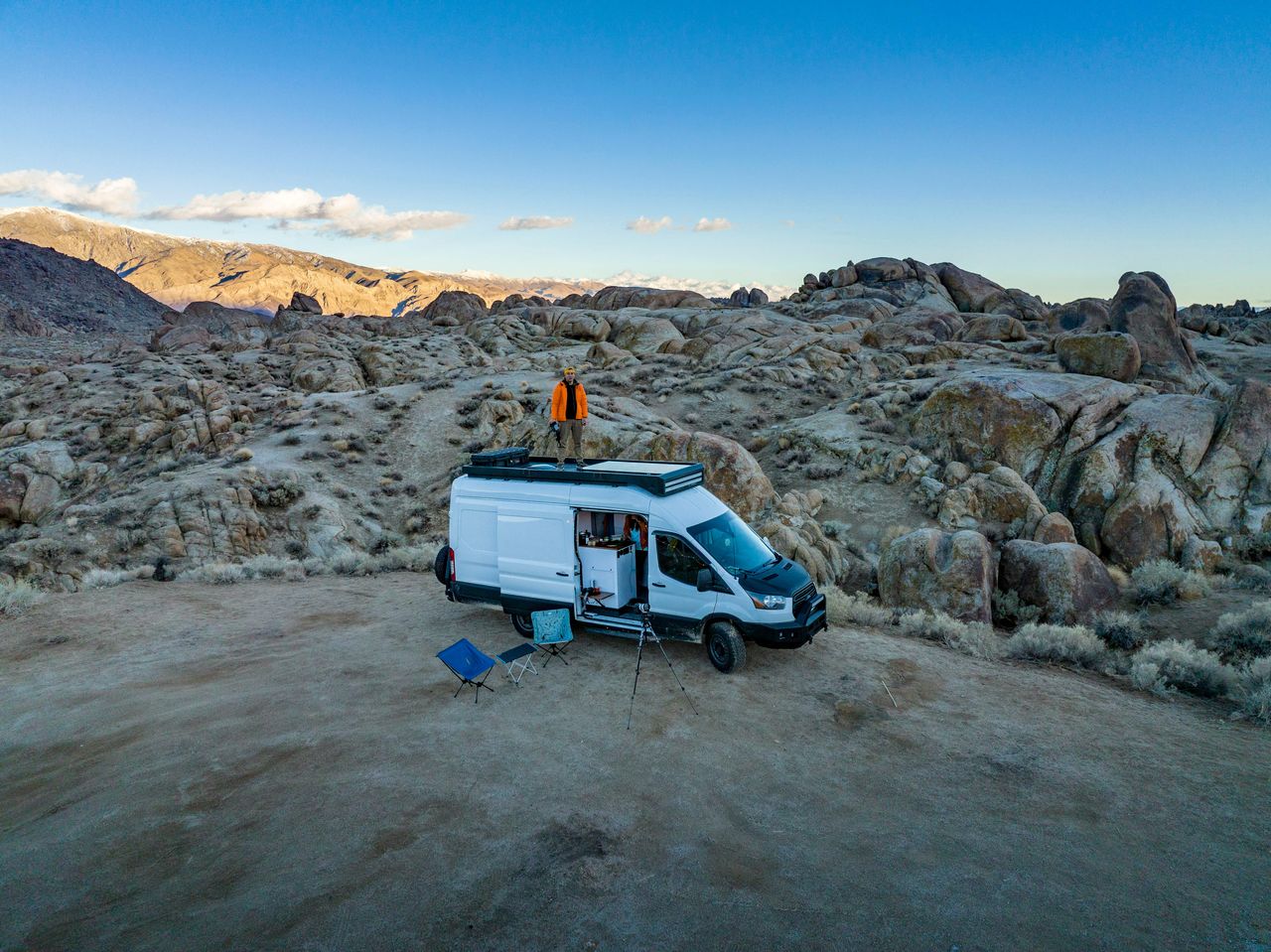
The dream is everywhere in 2026. The exits are, too.
The boom never really slowed down.

Van life did not fade after its first viral wave. If anything, it matured into a broader lifestyle economy, with builders, gear brands, campground apps, mobile internet products, and content creators all feeding the idea that life on wheels is still a smart, liberating alternative. Search trends remain strong, used camper vans still command surprising prices in many markets, and rental platforms continue to bring curious newcomers into the fold.
Part of the appeal is easy to understand. Housing costs remain high in many cities, remote work is still entrenched for millions of people, and social media continues to package van living as a life upgrade rather than a compromise. A compact home that can move with you sounds practical, adventurous, and financially savvy all at once.
But the people who tried it and quit often describe a different story. They did not necessarily hate travel, minimalism, or the outdoors. What they hated was the relentless friction of trying to make ordinary life happen in a space that was never designed to handle ordinary life very well.
Their stories are strikingly similar. The fantasy was freedom. The reality was logistics, discomfort, and an endless stream of tiny problems that wore them down.
The financial math was worse than expected.d
Many first-timers entered van life believing it would dramatically reduce their expenses. Sometimes it did, especially for people who already owned a suitable vehicle, had mechanical skills, and kept their travel radius modest. But quitters frequently say the bigger surprise was how quickly “cheap living” turned into irregular but punishing costs that were hard to budget for.
The van itself was usually the first shock. A decent used cargo van, even with high mileage, could cost far more than expected in the post-shortage market, and a proper build added thousands more. Even DIY conversions that looked budget-friendly on video often ran over budget once insulation, electrical systems, ventilation, storage, safety gear, and labor mistakes piled up.
Then came the operating costs. Fuel, insurance, repairs, campsites, laundry, showers, propane, parking fees, cellular data, and food on the road could add up to more than rent in a low-cost apartment, especially for people moving often. A transmission failure or roof leak could wipe out months of savings in one hit.
Former van lifers often say the issue was not just spending more. It was the instability. Traditional housing is expensive, but van life can make expenses unpredictable, and unpredictability is what breaks budgets.
Privacy, hygiene, and basic comfort wore people down
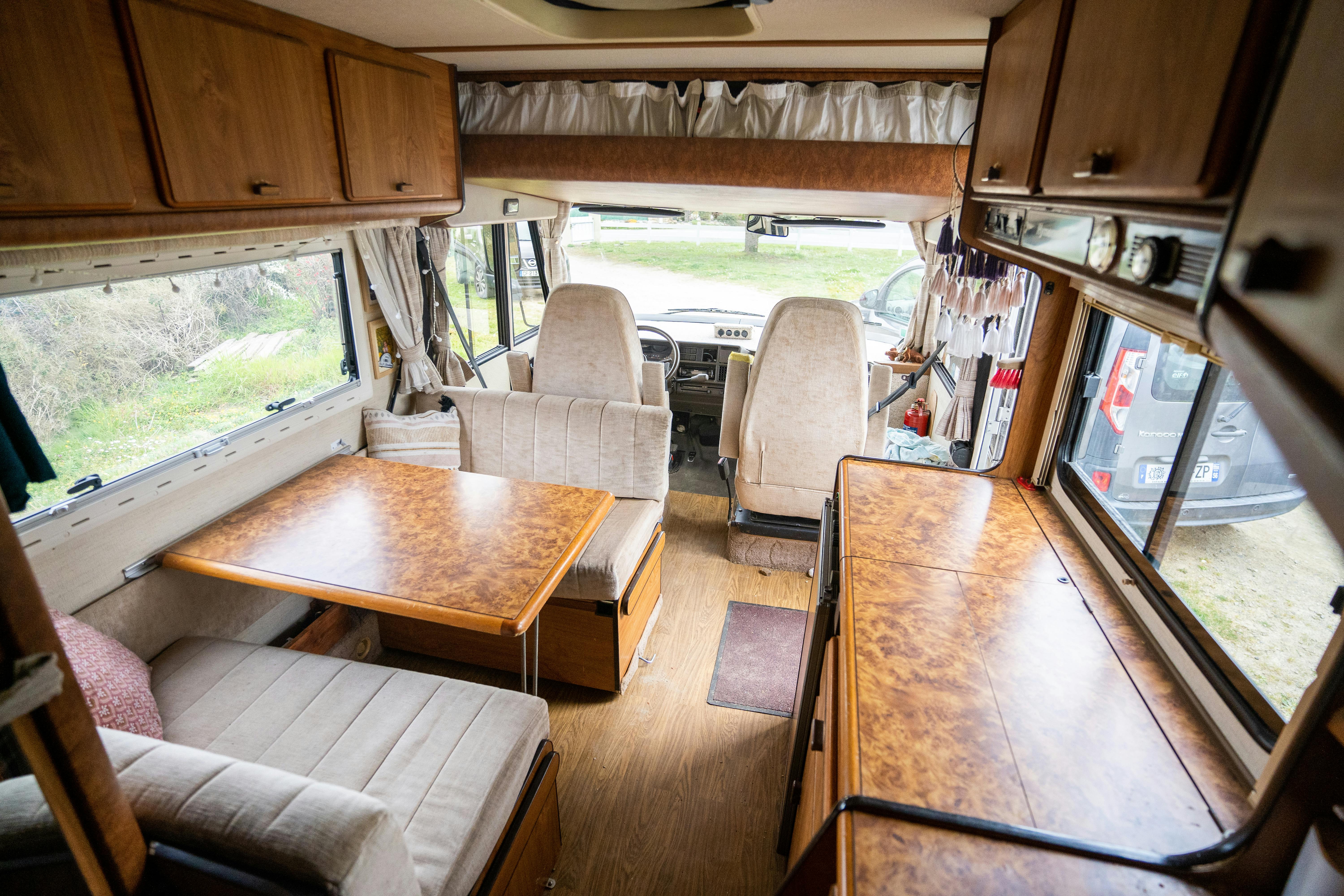
A lot of people can tolerate inconvenience for a weekend. Living with it every day is different. Former van dwellers consistently describe the same pattern: what felt charming and minimalist at first began to feel cramped, repetitive, and exhausting after months of trying to perform every basic life task in public or semi-public spaces.
Privacy was one of the biggest pain points. Changing clothes, taking phone calls, working, resting, arguing with a partner, or simply being alone became difficult when every square foot had multiple uses. Even solo travelers said the lack of psychological separation between sleeping, eating, working, and driving could make the van feel less like a home and more like a machine they were trapped inside.
Hygiene was another reality check. Access to reliable bathrooms and showers sounds manageable in theory, especially if you imagine gyms, campgrounds, and portable setups filling the gaps. In practice, many quitters said the constant planning around toilets, water, dishwashing, and weather became mentally draining.
Then there was comfort. Heat waves, cold snaps, condensation, bugs, wind, noise, and poor sleep hit harder in a van than in a house. People did not always quit because of one dramatic failure. Many quit because they got tired of being mildly uncomfortable all the time.
Work and relationships often collapsed under pressure.re
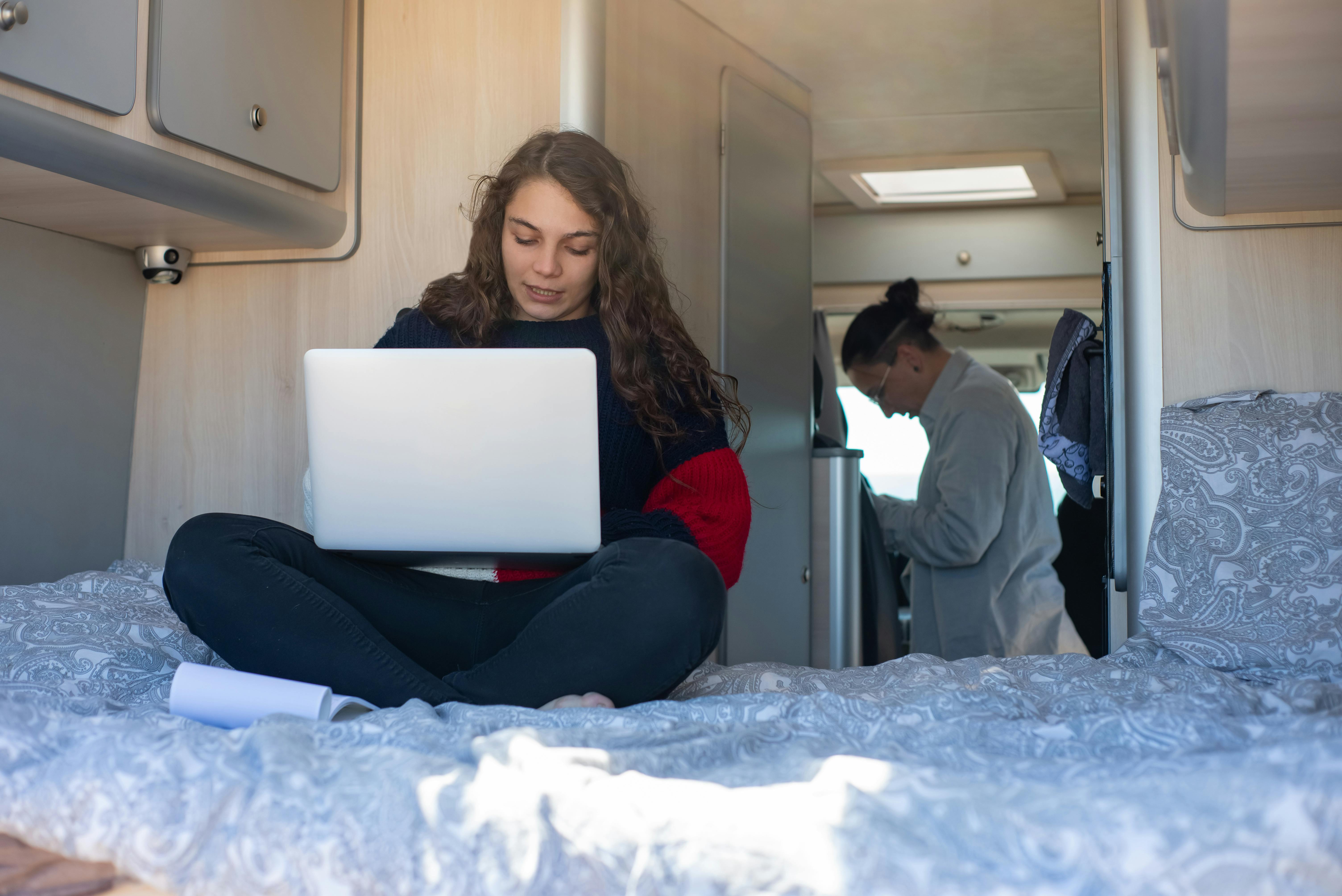
Van life is easier to market than to sustain, especially if you are trying to keep a normal job. Reliable internet remains better in 2026 than it was years ago, but coverage gaps, battery limitations, heat, noise, and parking constraints still make remote work more complicated than influencers often imply. People who needed dependable video calls and concentration frequently found the setup too fragile.
Some solved that by using coworking spaces, cafes, libraries, or short-term rentals. But each workaround added cost and friction. A lifestyle that looks flexible from the outside can become rigid once every workday depends on signal strength, charging capacity, and finding a legal place to sit still without being bothered.
Relationships were another pressure point. Couples discovered that even strong partnerships can strain under constant proximity, no private retreat, and endless shared decision-making. Small disagreements about route planning, spending, cleanliness, sleep schedules, or noise could feel much bigger when there was nowhere to cool off.
Families faced even tougher constraints. Parents who tried van life with children often said the educational and bonding benefits were real, but so were the constant demands of safety, routine, sanitation, and emotional regulation in a tiny moving space. For many, the tradeoff stopped making sense.
The legal and social reality was harsher than the aesthetic.
One of the biggest disconnects between the image and the experience is where people actually sleep. Beautiful clips of remote beaches and mountain pull-offs imply that parking is abundant and peaceful. In reality, overnight parking rules tightened in many places, neighbors complained, and local enforcement often treated vans as a nuisance even when occupants were trying to be respectful.
Former van lifers frequently mention the “knock,” the dreaded late-night tap from police, security, or property owners telling them to move. Even if it happened only occasionally, it created a background layer of anxiety. The uncertainty could make rest impossible, especially for women traveling alone, queer travelers, and anyone already feeling vulnerable.
There was also a social toll. Some people loved the community they found on the road, but others felt isolated or subtly stigmatized. The line between adventurous traveler and person viewed as unhoused could be thin, depending on the vehicle, neighborhood, and local attitudes.
That ambiguity wore people down. Many quitters say they could handle rugged living, but not the feeling of constantly having to justify their presence, hide signs of habitation, or stay one step ahead of rules that kept shifting.
Social media sold the highlights, not the maintenance
If van life has a central misunderstanding, this is probably it. The public version of van living has long been shaped by images that favor design, scenery, and emotional payoff. What gets less attention is maintenance, downtime, frustration, and the repetitive labor required to keep a small rolling home functional.
People who quit often say they were not fooled exactly, but they were underinformed. A beautiful cedar ceiling does not tell you what it feels like to troubleshoot electrical issues in the rain, manage mold, dump waste, refill water, rotate clothes by season, or cook after a day of driving and working. Those are not glamorous failures. They are just a part of daily life.
Even content creators who are honest about the downsides can accidentally distort expectations because the camera naturally edits discomfort. A ten-second sunrise clip hides the freezing night, the search for a bathroom, and the condensation wiped off the windows before filming.
That gap matters. Many quitters say van life was not a scam. It just demanded a temperament, skill set, and tolerance for uncertainty that they did not realize the lifestyle required.
The people who thrive tend to treat it as a system, not an escape

The people who last in van life usually do not describe it as a permanent vacation. They treat it like a highly managed operating system with strict routines around money, maintenance, parking, weather, work, health, and contingency planning. In other words, success tends to come from realism, not romance.
Quitters often say they would have made different choices with better expectations. They might have rented a van longer before buying, traveled less often to save fuel, kept a home base, chosen a larger rig, or delayed the leap until they had stronger savings. Some discovered they loved road trips but hated living in a vehicle full-time, which is a useful distinction many people learn too late.
That may be the real lesson of the 2026 boom. Van life is still expanding because the promise is powerful and, for some people, genuinely life-changing. But the people who walked away are not simply cautionary tales. They are reminders that freedom has infrastructure.
For many, quitting was not a failure. It was the moment they stopped confusing a compelling image with a durable way to live.