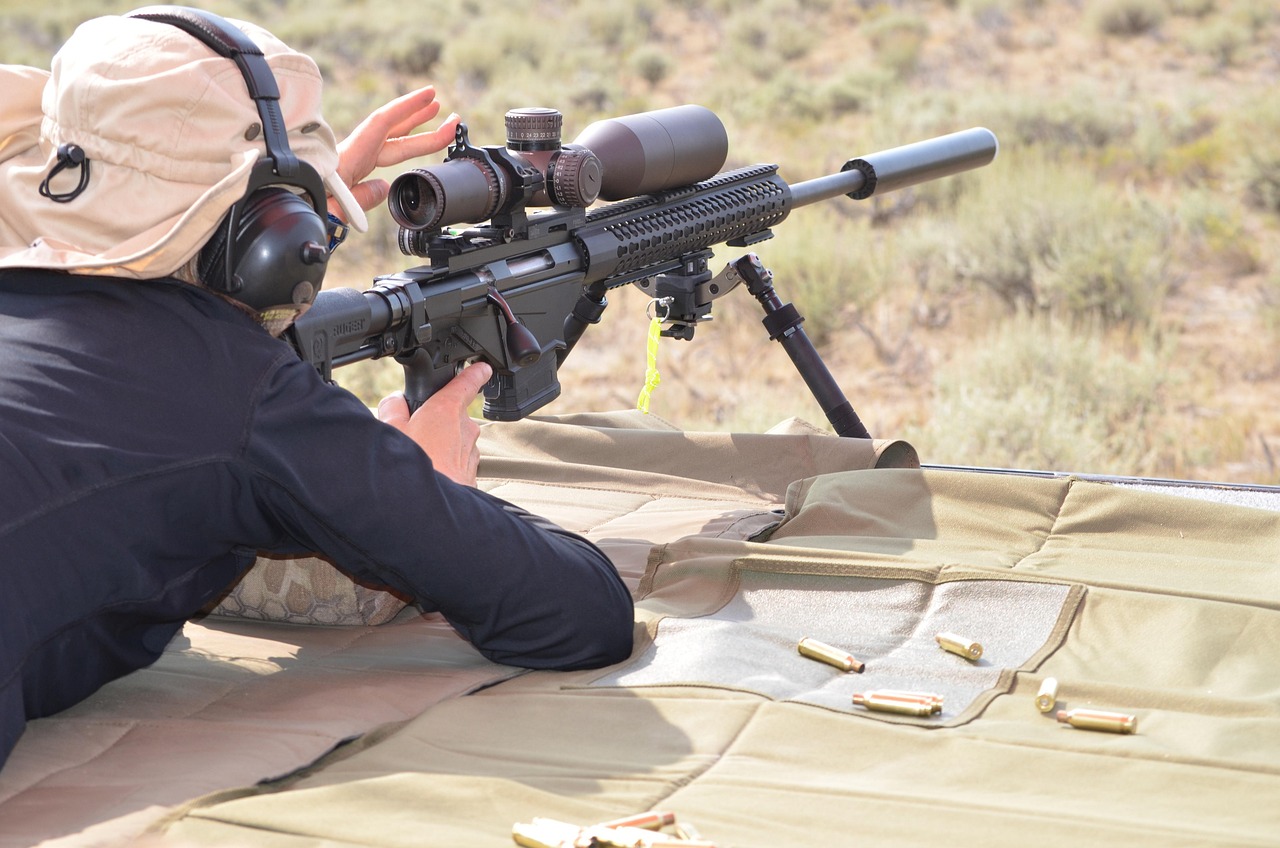
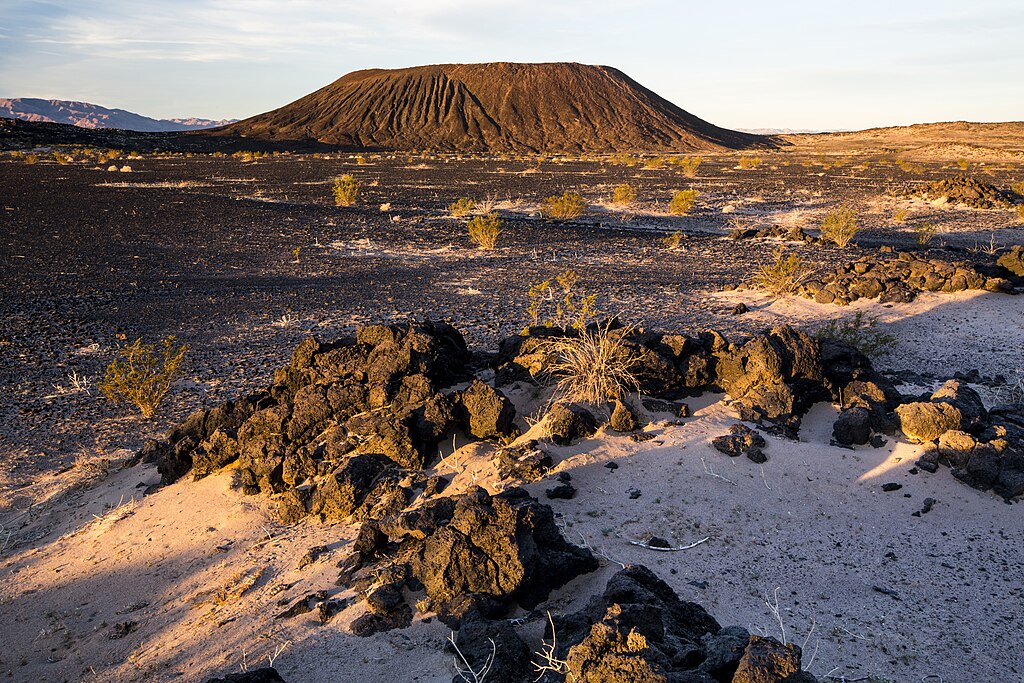
Some mornings on public land still feel wild and wide open. Others feel like a parking lot with camouflage.
The crowding complaint is real, but it is not the whole story
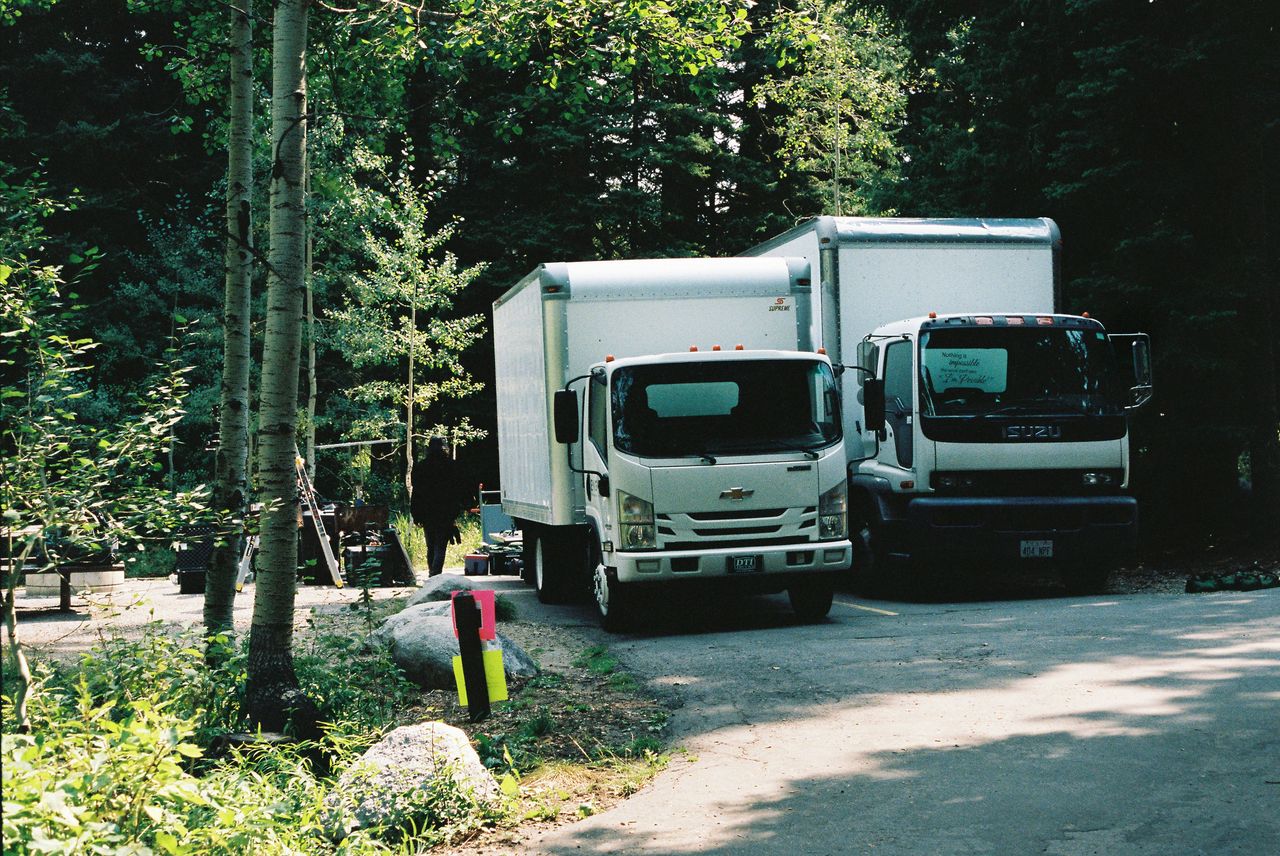
If you spend enough time around deer camps, trailheads, and boat ramps, you hear the same frustration: public land hunting feels busier than it used to. That complaint is not just nostalgia talking. Federal land managers and recreation researchers have been reporting sustained increases in outdoor use since the pandemic years, and that pressure has not vanished.
The Forest Service now openly frames rising recreation use as a management challenge, saying visitation across public lands continues to rise and that agencies need better visitor-use management to protect both resources and the quality of the experience. The Department of the Interior has made similar points, noting that elevated visitation that began in early 2020 has continued on many public landscapes. According to the U.S. Fish and Wildlife Service, 14.4 million Americans hunted in 2022, while many more used the same lands for hiking, wildlife watching, camping, and off-road recreation.
That matters because hunters are not competing only with other hunters. They are sharing ground with a much larger recreation public, and the overlap is often concentrated around roads, access points, and highly visible parcels rather than spread evenly across the map. So yes, some public lands are getting crowded enough to chip away at the classic hunt-all-day-in-solitude experience. But the congestion is not universal, and that distinction matters.
The problem is usually concentrated, not evenly spread across the map

When hunters say public land is crowded, they often mean a very specific kind of crowded. They mean the first parking lot fills before daylight, the easy ridge has three trucks on it, and the obvious marsh hole already has headlamps moving through it. That is different from saying the entire national forest or BLM district is overrun.
A lot of federal acreage remains huntable. The Bureau of Land Management says more than 99 percent of BLM-managed lands are open to hunting, fishing, and recreational shooting. The agency also manages 245 million acres, and recent BLM statistics continue to show enormous recreation use across that system. On paper, that sounds like endless room. On the ground, the useful access is often narrowed by roads, terrain, private inholdings, seasonal closures, wildfire effects, and the simple fact that many people choose convenience over distance.
That is why crowding tends to stack up in predictable places. Roadside elk basins, easy-to-scout whitetail parcels, duck marshes with boat launches, and close-to-town small game covers absorb pressure first. Hunters willing to walk farther, hunt weekdays, float in from a different angle, or target less glamorous units often report a completely different experience. Public land can be crowded and still underused at the same time, depending on where you stand.
Access is the real pressure point behind the crowding debate

Crowding is often treated as a numbers problem, but it is really an access problem first. The issue is not simply how many acres exist. The issue is how many acres are practical, legal, safe, and attractive for a given hunt. A million-acre map can hunt a lot smaller once steep country, checkerboard ownership, walk-in bottlenecks, and habitat quality enter the picture.
Research and industry reports have been pointing to this for years. An access-focused report supported by the National Shooting Sports Foundation identified crowding as a meaningful dimension of hunting access, not just an emotional complaint. The Association of Fish and Wildlife Agencies and the U.S. Fish and Wildlife Service have also highlighted that hunters rank uncrowded places as a top priority, and crowding consistently shows up among the barriers that reduce satisfaction and participation.
Private-land access has tightened in many regions as leases, posted property, suburban growth, and liability concerns limit options. That pushes more people onto the public parcels they can legally reach. A long-running U.S. Geological Survey study in Pennsylvania found public-land-only hunters had lower harvest rates and different hunting patterns than hunters with private access, which helps explain why the public-land experience can feel tougher even when game populations are healthy. In plain terms, fewer good alternatives create more pressure where everyone can go.
Technology has made public land easier to find and harder to keep secret

One reason public land feels busier is that information moves faster than ever. Digital mapping, satellite imagery, mobile scouting, and social media have dramatically lowered the barrier to entry. Hunters can now identify saddles, benches, marsh drains, burns, and landlocked corners from a couch, then confirm boundaries on a phone while walking in.
That is good for access in a democratic sense. People without family farms, inherited leases, or old camp traditions can find legitimate places to hunt and do it safely. It is one of the best things to happen for new hunters and for residents who cannot afford private access. But every tool that helps one hunter break into a property also helps ten thousand others look at the same parcel.
The result is not that technology ruined public hunting. It compressed the discovery curve. Spots that once took years of local knowledge to uncover now get found in a season, sometimes in a weekend. The media has played a role too. Public-land success stories, map breakdowns, and “how to hunt pressured deer” content have inspired people, but they have also funneled attention toward the same species, states, and tactics. The pressure today is often smarter pressure, and animals respond accordingly.
Different games and regions feel crowded in very different ways.
Not all public-land hunting pressure looks the same. Waterfowl hunters often feel crowding as direct interference: skybusting nearby, racing for holes, boats leapfrogging at launch sites, and birds getting educated fast. A recent USGS regional profile tied to the North American Waterfowl Management Plan found that overcrowding, high hunting pressure, and interference from other hunters were meaningful limits on participation in parts of the Southeast.
Big-game hunters experience crowding differently. In elk country, pressure can push animals into rougher terrain, private refuges, or nocturnal movement patterns. In whitetail country, the first 1/2 mile from access may get pounded while overlooked habitat farther in stays huntable. On western mule deer and pronghorn ground, the issue is often less about seeing people constantly and more about knowing every visible access point has already been glassed by someone.
Regional culture matters too. In the Upper Midwest and Northeast, small public parcels near population centers can feel intense. In the West, the acreage is bigger, but road systems, tags, and famous units can create pressure pockets just as frustrating. So the honest answer is not that public lands everywhere are too crowded to hunt enjoyably. It is that some seasons, species, and access models are much more vulnerable to crowding than others.
Wildlife agencies and land managers know this is a quality issue.e
This is not just hunters grumbling online. Agencies recognize crowding as a real visitor-use and satisfaction issue. The Forest Service has discussed the need to address overuse and crowding, especially where visitation overlaps with sensitive resources. Federal recreation analysts are also improving how visitation gets measured, because better data helps managers understand when a place is merely busy and when it is functionally overloaded.
Recent interagency visitation reporting shows just how large the recreation footprint has become across federal lands and waters. The FY 2024 Federal Interagency Council on Outdoor Recreation report lists millions of hunting-related visits across agencies, on top of much larger totals for other recreation. The National Park Service, while not a hunting venue in most cases, has also described how congestion creates safety issues, visitor conflicts, emergency delays, and spillover effects on adjacent public lands and communities. Those patterns matter because pressure rarely stays inside one boundary.
Management responses are still evolving. Some agencies are emphasizing expanded access, better planning, and smarter visitor distribution rather than broad restrictions. That is the right instinct. Hunters do not need every acre turned into a reservation system. They need more quality access, clearer information, and management aimed at spreading pressure instead of stacking it.
Enjoyable public land hunting still exists, but expectations need to change.
The old idea that enjoyable hunting means being completely alone all day is harder to count on in many places, especially close to cities and during opener windows. But enjoyable does not have to mean empty. It can mean enough room to hunt safely, enough habitat for game to behave naturally, and enough unpredictability left in the day to make the effort worthwhile.
Hunters who adapt usually do better than hunters who just complain. They scout access as hard as they scout sign. They hunt oon odddays, in poor weather, midday windows, secondary trailheads, and species that draw less attention. They treat pressure as part of the pattern instead of proof that the season is blown. Veteran public-land hunters have been saying for years that the answer is not to quit, but to get less obvious.
So, are public lands becoming too crowded to hunt enjoyably? In some places, at some times, absolutely yes. But public land hunting is not finished. The better conclusion is that enjoyable hunting now goes to the hunter who understands pressure, plans around it, and accepts that modern public land rewards creativity more than nostalgia.