Firearms have evolved through centuries of experiments that challenged conventional engineering. Some designers tried replacing familiar ammunition with unusual projectiles, while others explored rotating barrels, caseless cartridges, and alternative firing systems. Not every experiment produced a practical weapon, but even unsuccessful projects revealed important lessons about reliability, manufacturing, recoil, and ammunition design. These eight examples show how unusual ideas influenced firearm development, with several concepts remaining relevant long after their original prototypes disappeared.
1. The Gyrojet’s Rocket-Powered Ammunition
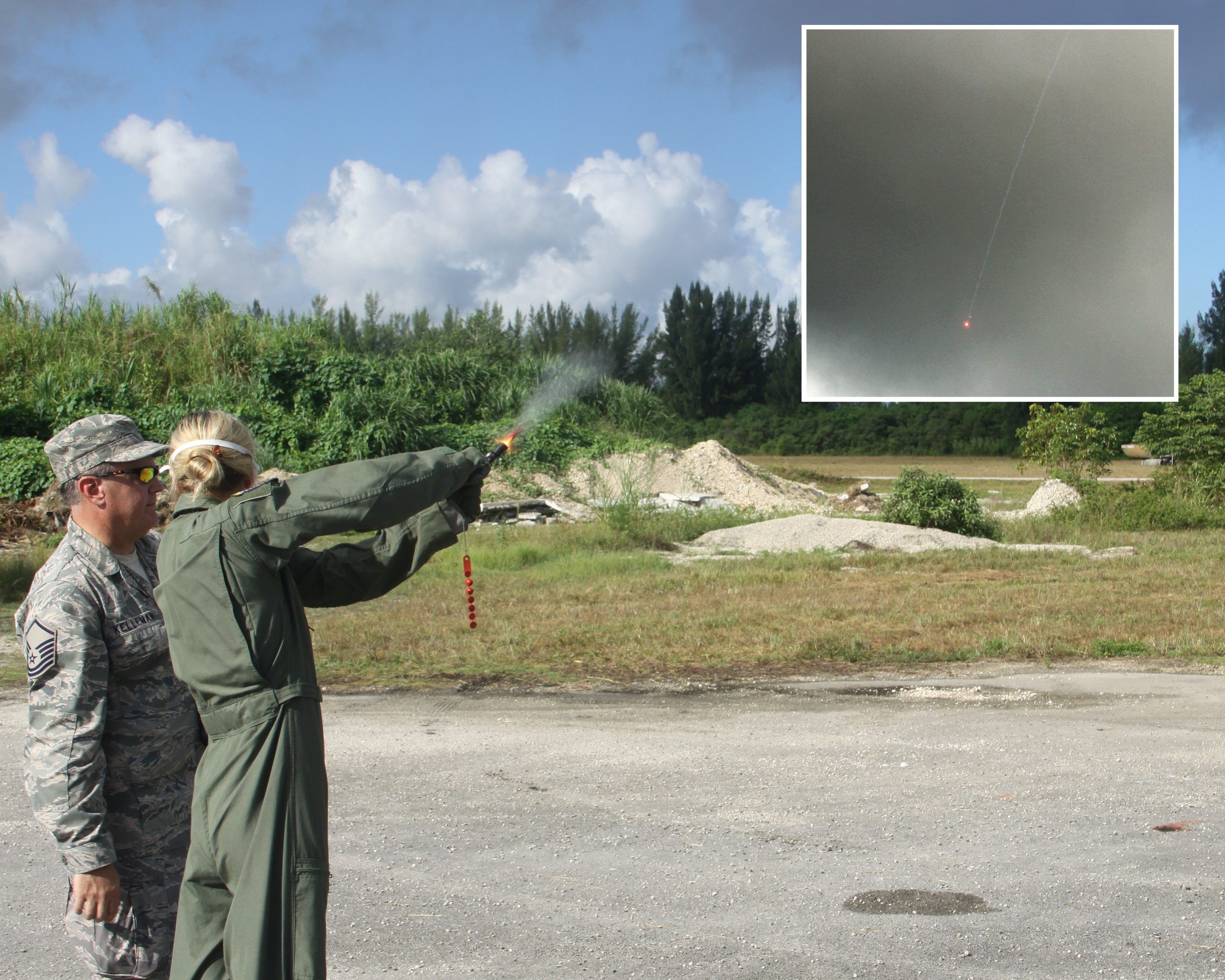
In the 1960s, engineers Robert Mainhardt and Art Biehl explored an alternative to ordinary bullets: tiny solid-fuel rockets. Marketed from 1965, the Gyrojet launched projectiles that continued accelerating after leaving the barrel, rather than relying entirely on gas pressure at the muzzle. The idea promised low recoil and a lighter launcher, but the rocket rounds were costly and performed inconsistently, especially at short distances before reaching speed. The experiment showed that changing a cartridge’s basic behavior could create new problems as well as new possibilities.
2. The Dardick Pistol’s Triangular “Trounds”
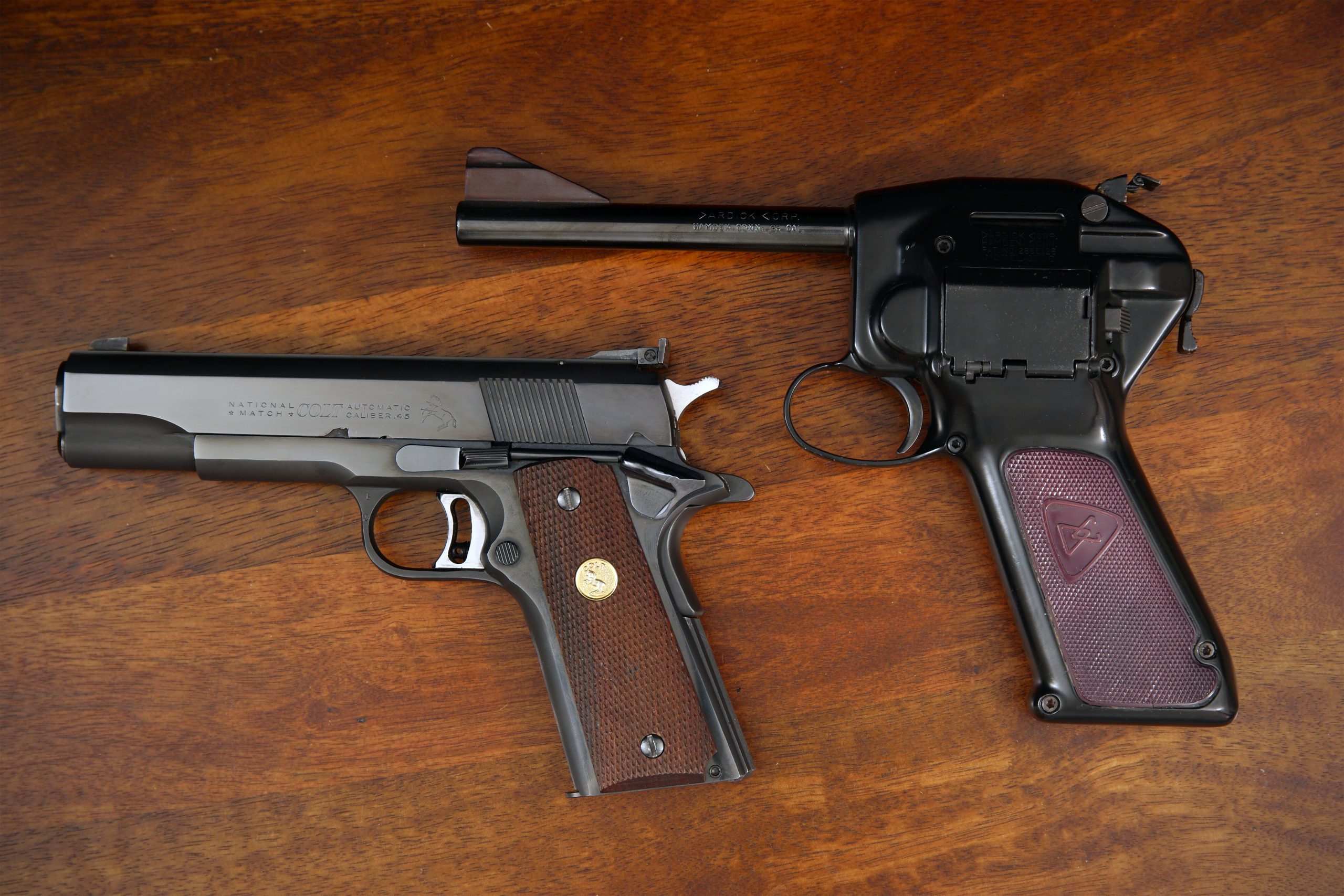
David Dardick’s unusual handgun rethought the shape of ammunition itself. Marketed from 1954, the Dardick used triangular polymer-cased rounds called “Trounds” and a rotating mechanism with 3 open-sided chambers. A magazine in the grip fed ammunition into the cylinder, blending features of revolvers and magazine-fed pistols. The Model 1500 held 15 rounds, an eye-catching figure for its era, but the system was complicated, and demand remained limited. Production ended in 1962, leaving the Tround as an example of an idea that was clever but difficult to commercialize.
3. The SPIW Flechette Rifle
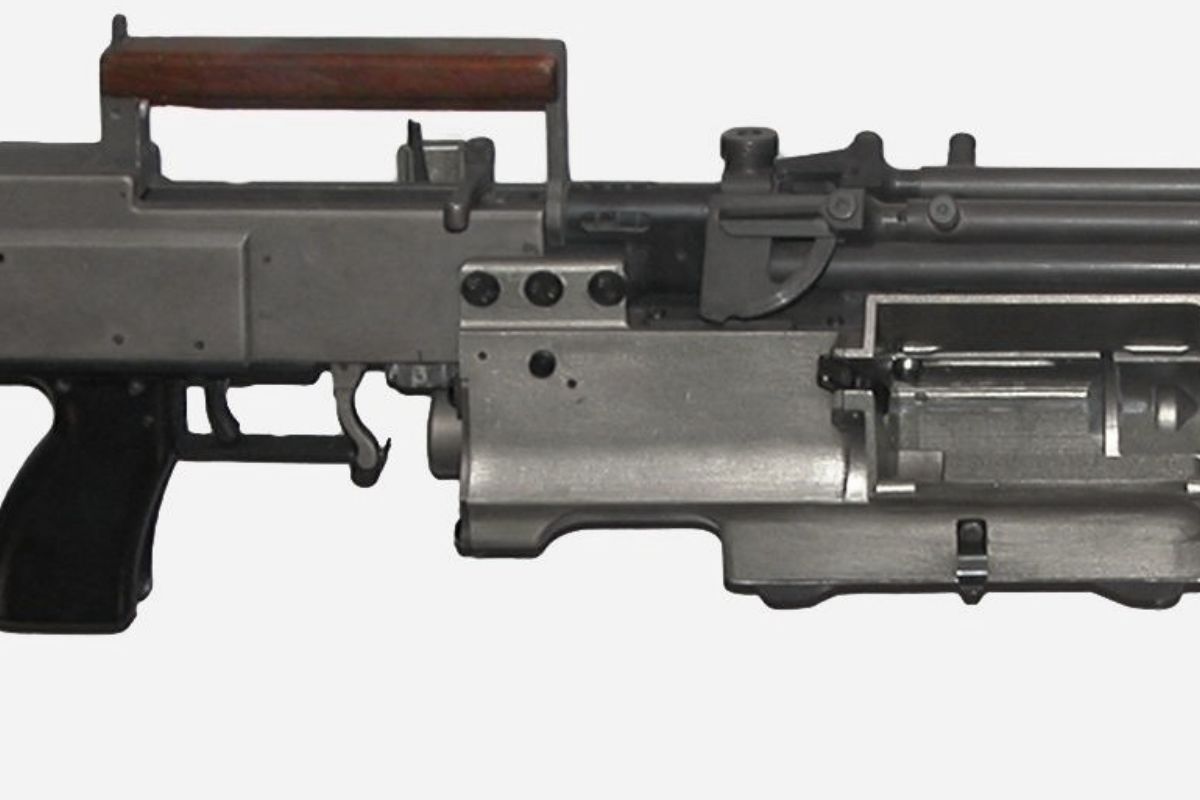
During the 1960s, the U.S. Army investigated whether tiny fin-stabilized darts, called flechettes, could replace rifle bullets. The Special Purpose Individual Weapon program sought a system with a flechette rifle and a 40 mm grenade launcher. Some proposals aimed to carry 60 darts and 3 grenades in one weapon. Prototypes struggled with weight, reliability, accuracy, and ammunition cost. The project never became a standard service rifle, but it showed how designers were willing to rethink projectile shape and the idea of a single-purpose infantry weapon.
4. The G11 and Caseless Ammunition
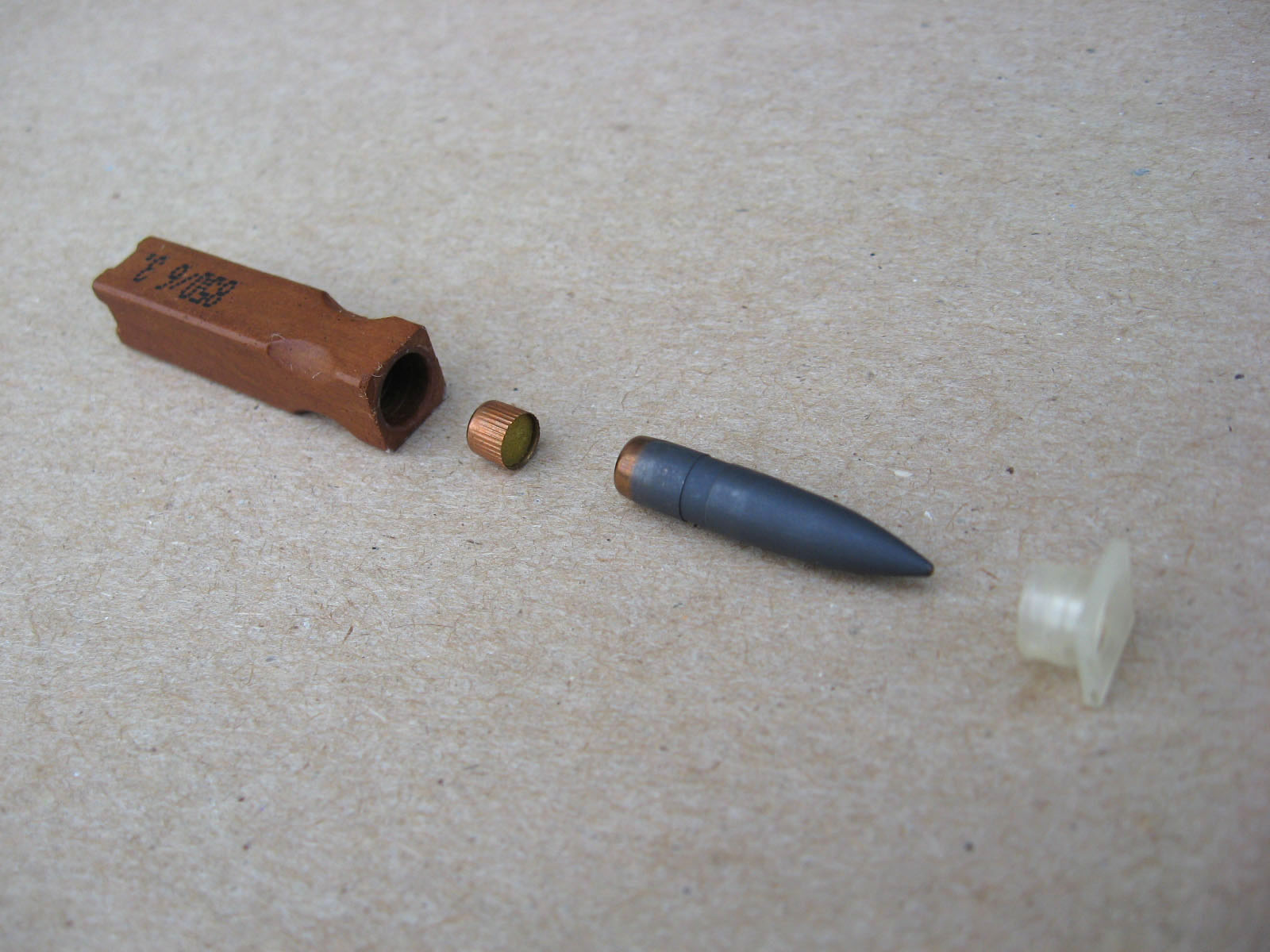
West Germany’s G11 program tested whether a rifle could work without a metal cartridge case. Developed by Heckler & Koch with ammunition research by Dynamit Nobel, it used block-shaped propellant charges with bullets embedded in them. Removing the case promised lighter ammunition and less material to eject, while the rifle’s action was designed for rapid firing. Work continued through the 1970s and 1980s, but heat management, ammunition protection, complexity, and cost remained obstacles. The G11 never entered broad service, yet it became a famous attempt to move beyond brass-cased cartridges.
5. Project SALVO’s Multi-Projectile Cartridges
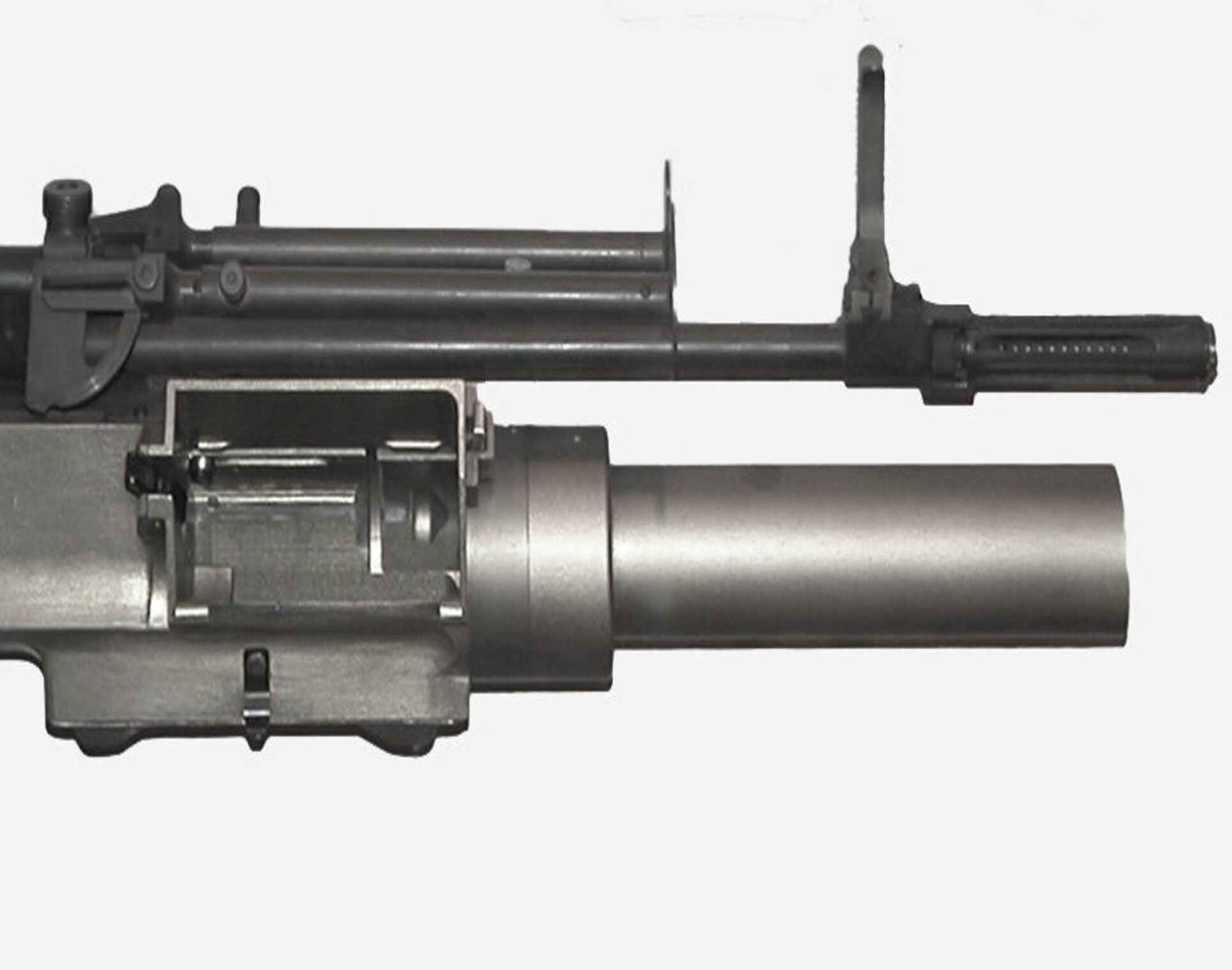
In 1952, the U.S. Army began Project SALVO to study ways to improve hit probability. One line of research involved cartridges carrying multiple projectiles, including duplex loads with 2 bullets and triplex loads with 3. Other trials explored shotgun shells containing as many as 32 small darts. The theory was that several projectiles could spread across a target area. In practice, accuracy and ammunition performance complicated the promise. SALVO helped shape later experiments such as SPIW, even though its unusual ammunition concepts never became standard issue.
6. The Colt Revolving Rifle
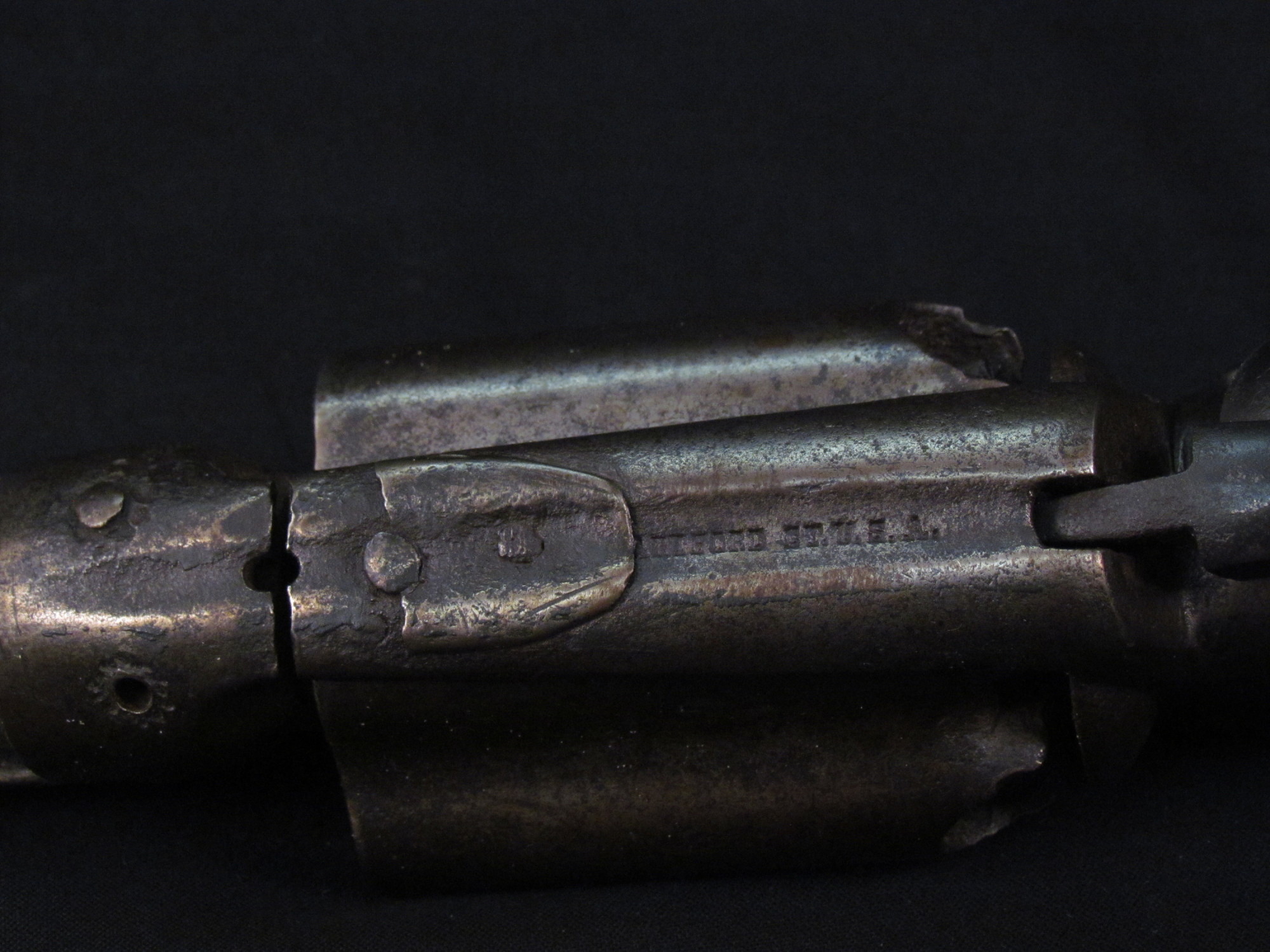
The revolving-cylinder idea was not limited to handguns. In the 19th century, Colt produced revolving rifles with multi-chamber cylinders, allowing several shots before reloading. But placing the cylinder close to the shooter’s face introduced a serious drawback: escaping gas and debris could injure the user, especially if multiple chambers ignited. The design offered more shots than many single-shot rifles of its period, yet safety concerns and more practical repeating actions limited its future. It showed that a mechanism successful in one format may not scale safely to another.
7. The SPIW’s Combined Rifle and Grenade Launcher
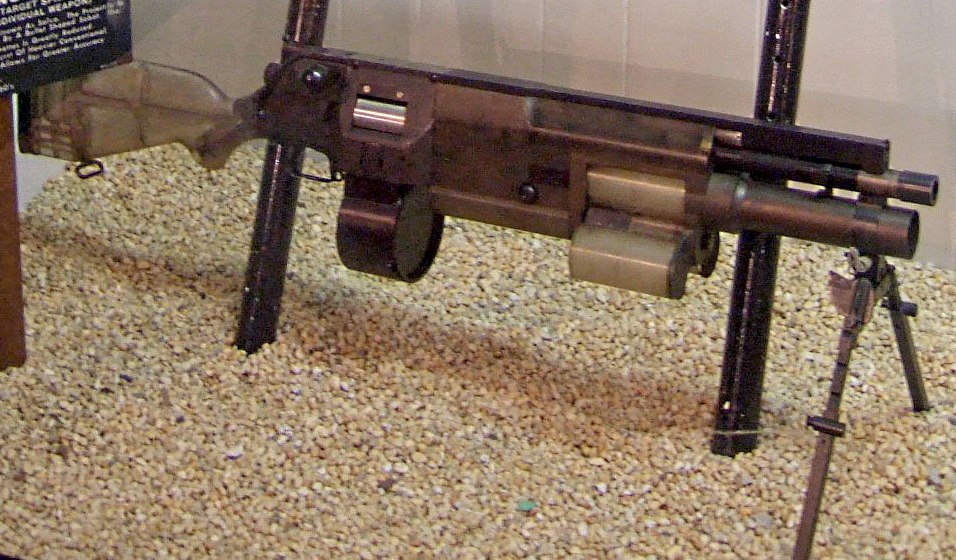
The SPIW experiment was unusual not only for its darts, but for combining two weapon types. Proposals paired a flechette rifle with a 40 mm grenade launcher, aiming to engage individual and area targets without separate systems. A 1962 Army requirement envisioned a range of 400 metres, but prototypes proved cumbersome and unreliable. The extra barrel and launcher added weight and complexity, undermining the goal of a lighter individual weapon. The program offered a lesson: combining functions can save equipment, but may create a tool that does neither job well enough.
8. The Dardick Open-Chamber Mechanism
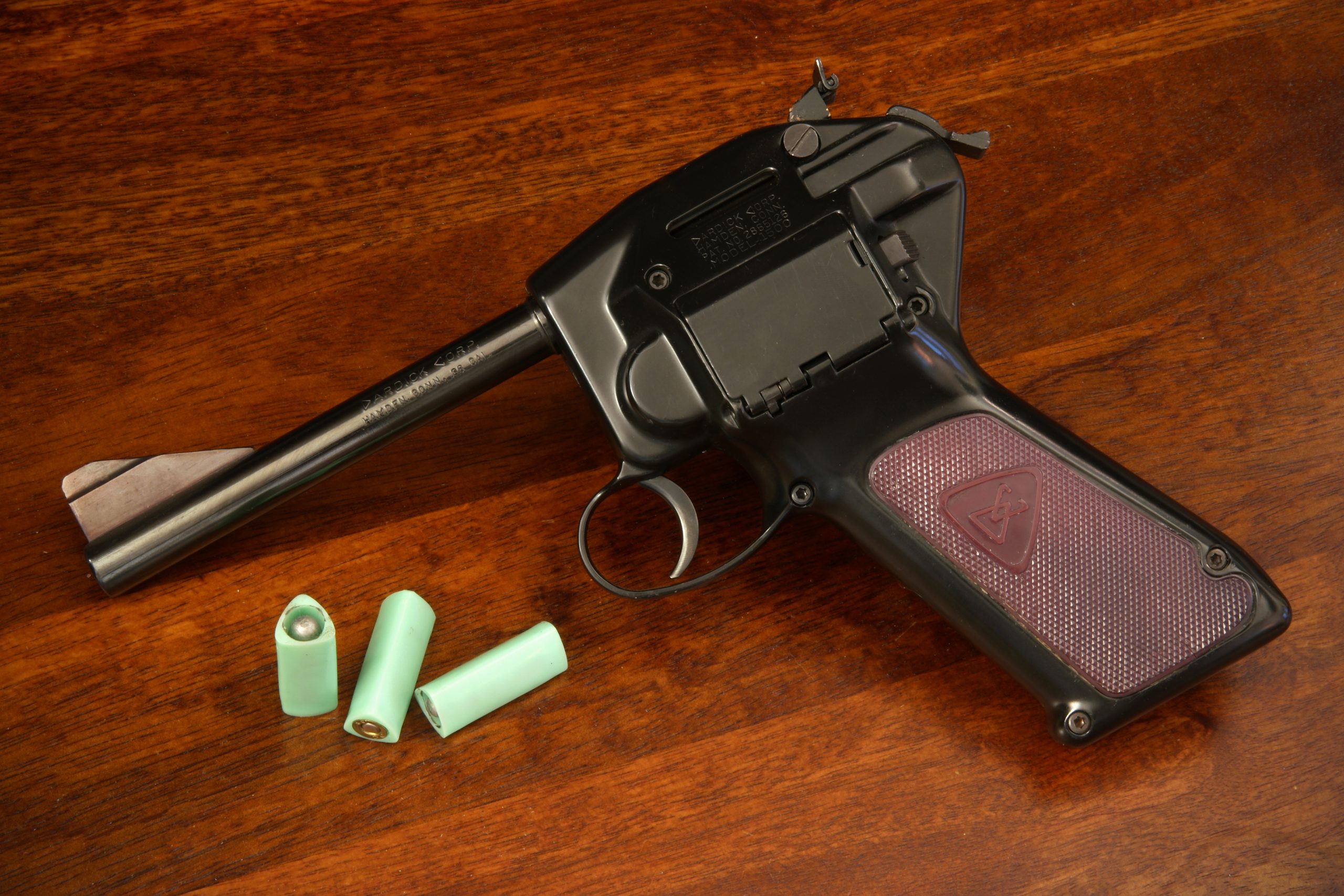
Alongside its triangular ammunition, the Dardick system tested an open-sided rotating chamber. Rather than fully enclosing each round in a conventional chamber, the firearm’s frame completed the enclosure when the chamber aligned for firing. The concept aimed to simplify ammunition movement and was patented in 1958. The Model 1500 combined a 15-round magazine with a revolving mechanism, but its unusual parts and specialized ammunition made the system hard to support. It remains a reminder that redesigning one component often forces engineers to rethink the entire firearm around it.