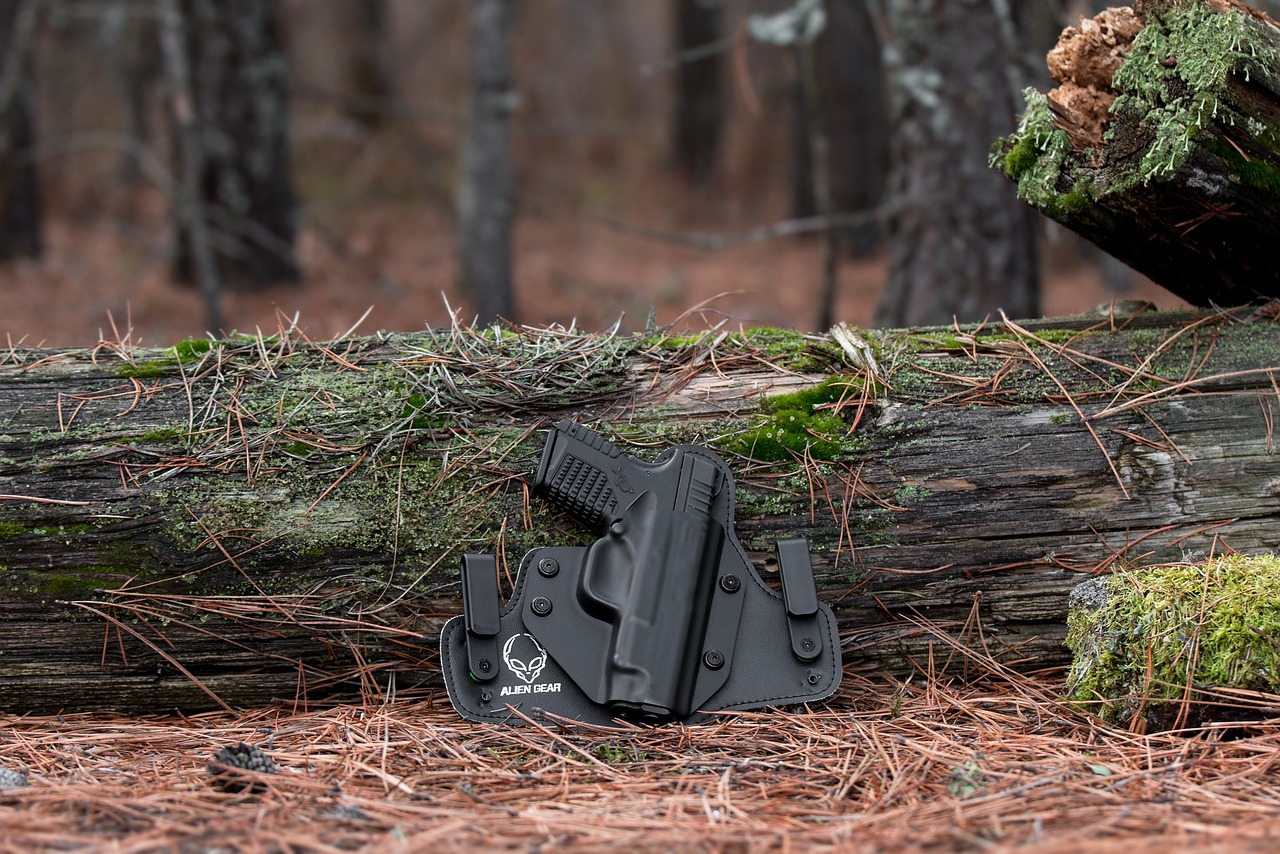
For concealed carriers, crossing a state line can turn a familiar routine into a legal minefield. In 2025, a mix of court rulings, agency updates, permit recognition changes, and stricter location rules is reshaping what lawful carry looks like on the road. This gallery breaks down the developments that are most likely to surprise gun owners who assume last year’s rules still apply.
Some states are recognizing fewer out-of-state permits

One of the biggest shocks in 2025 is that reciprocity is not moving in only one direction. While some states have broadened recognition, others have narrowed which out-of-state permits they honor, often after administrative reviews or legal reinterpretations.
That means a permit that worked for your summer trip last year may not be enough now. Gun owners who rely on old reciprocity maps can get caught off guard, especially if they pass through multiple states in a single day.
The practical takeaway is simple but easy to miss. Recognition can change without much fanfare, and the burden is still on the traveler to verify each stop along the route before leaving home.
Permitless carry is not the same as reciprocity

A lot of confusion in 2025 comes from the spread of permitless carry laws. Many gun owners hear that a state allows lawful carry without a permit and assume visitors are automatically covered the same way, under the same conditions.
In reality, permitless carry and reciprocity are related but not identical. Some states let residents carry without a permit while still imposing separate rules on nonresidents, age thresholds, training expectations, or the way a firearm must be carried in a vehicle.
That gap is where mistakes happen. Travelers who leave their permit at home, or assume permitless means hassle-free everywhere, may discover that local law treats them very differently once they cross the line.
Sensitive place restrictions keep expanding

Even when a state honors your permit, 2025 carry rules are being squeezed by wider definitions of prohibited locations. The phrase sensitive place has become a major legal battleground, and several states continue to test broad limits around public spaces.
Travelers are running into trouble in places that do not always feel obviously off-limits, such as certain parking areas, public transit zones, entertainment venues, or buildings connected to government services. In some jurisdictions, the boundaries around those places are not intuitive.
That matters because reciprocity only answers whether your permit is recognized. It does not guarantee you can carry where you plan to shop, refuel, attend an event, or stop for a quick meal.
Duty-to-inform rules still vary wildly

Another surprise in 2025 is how inconsistent traffic-stop rules remain from one state to the next. In some places, a concealed carrier must promptly notify an officer about a firearm during a stop. In others, disclosure is required only if asked, and in some states it is not required at all.
That patchwork matters most for drivers crossing several jurisdictions in one trip. A calm, lawful traffic stop can become tense fast if the traveler follows the norm from home instead of the rule where the stop actually happens.
The best approach is to know the wording before you travel, not after lights appear in the rearview mirror. Reciprocity may let you carry, but local notification rules still control the encounter.
Magazine and ammunition rules can derail a legal carry trip

Many travelers focus on whether their handgun is legal and forget that magazine capacity and ammunition restrictions can create a separate problem. In 2025, these rules remain one of the easiest ways to fall out of compliance even when permit recognition appears straightforward.
A state may honor your concealed carry permit yet still ban the magazine you use every day or restrict certain ammunition types. Crossing into a stricter state with standard gear from home can instantly complicate an otherwise lawful trip.
This catches people off guard because reciprocity sounds broad, but it is not a blanket pass. Firearm legality, magazine limits, and ammunition rules often operate on parallel tracks that visitors have to check individually.
Private property rules are getting more aggressive

In 2025, another shift comes from private property laws and signage rules that differ sharply across state lines. Some states require conspicuous signs with specific wording or placement, while others give property owners broad power to prohibit carry even without a highly formal notice system.
For travelers, that means a stop at a hotel, restaurant, gas station, or retail chain can carry different legal consequences depending on the state. What counts as valid notice in one jurisdiction may not look the same in the next.
This is especially tricky because these are everyday locations, not high-security sites. Gun owners who assume store policies are mostly symbolic may be surprised to learn that state law gives those signs real legal force.
Vehicle storage and transport laws remain a hidden trap

Cross-border travel often means getting in and out of the car repeatedly, and 2025 rules around vehicle carry still catch people by surprise. Some states are relatively flexible about storing a handgun in a glove box or console, while others require locked containers, separation from ammunition, or different handling once you leave the vehicle.
Problems often begin at the transition point. A traveler may be lawful while driving but step into a legal gray area when parking at a prohibited location and trying to secure the firearm quickly.
That makes transport law just as important as carry law. If you do not know the local storage requirements, a routine stop can become the riskiest part of the trip.
Court rulings and agency guidance are changing faster than travelers expect

Perhaps the most unsettling change in 2025 is not a single law but the speed of legal movement. Court decisions, attorney general opinions, and law enforcement guidance can shift the practical meaning of reciprocity and carry restrictions with little warning to casual travelers.
That creates a strange problem for responsible gun owners. They may do everything right by checking a familiar source, only to find that a pending injunction, revised state guidance, or updated reciprocity list changed the answer days earlier.
The result is a legal map that feels less stable than it looks. For anyone crossing state lines with a firearm, the old habit of checking once and assuming you are covered is no longer enough.