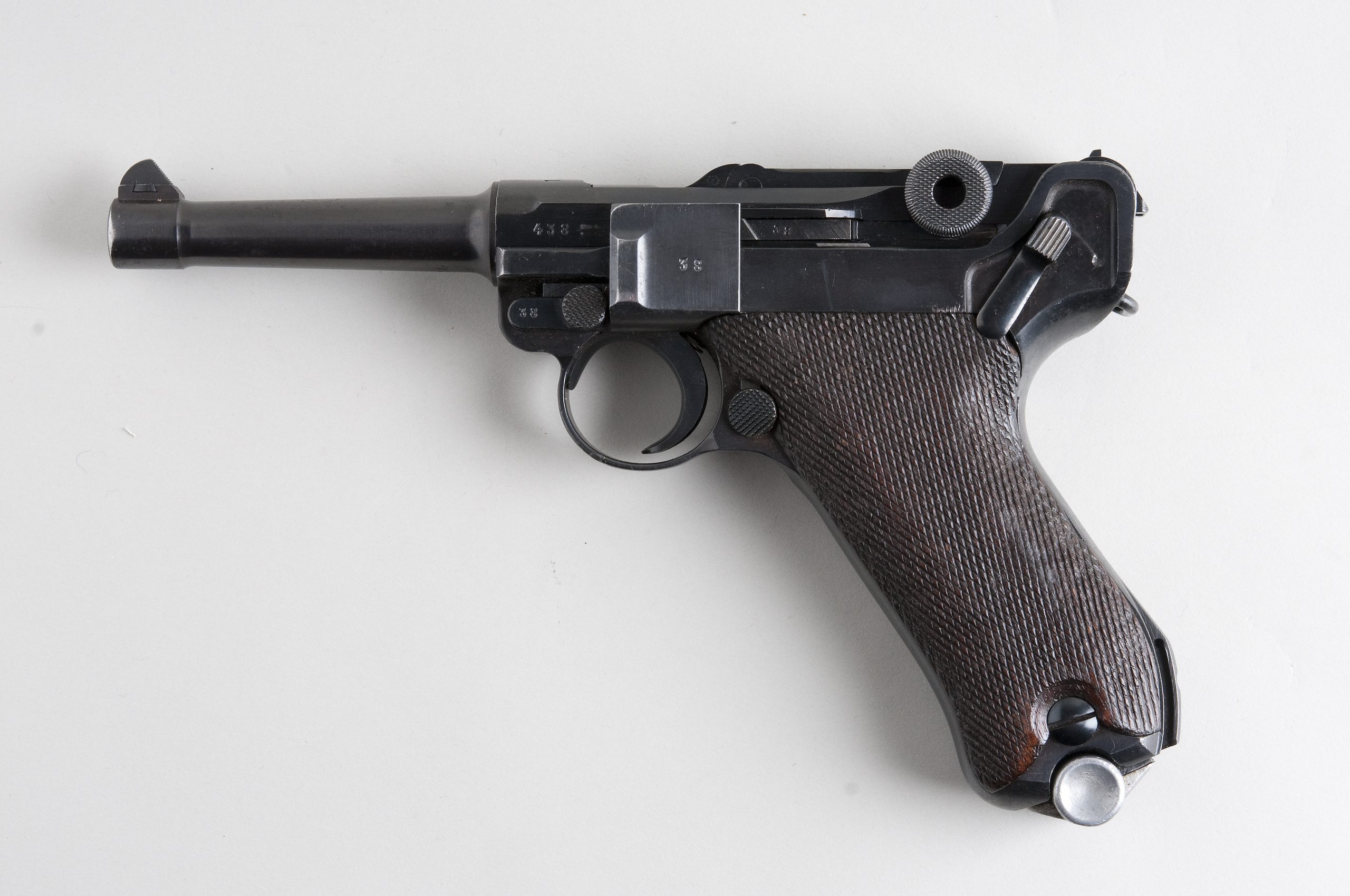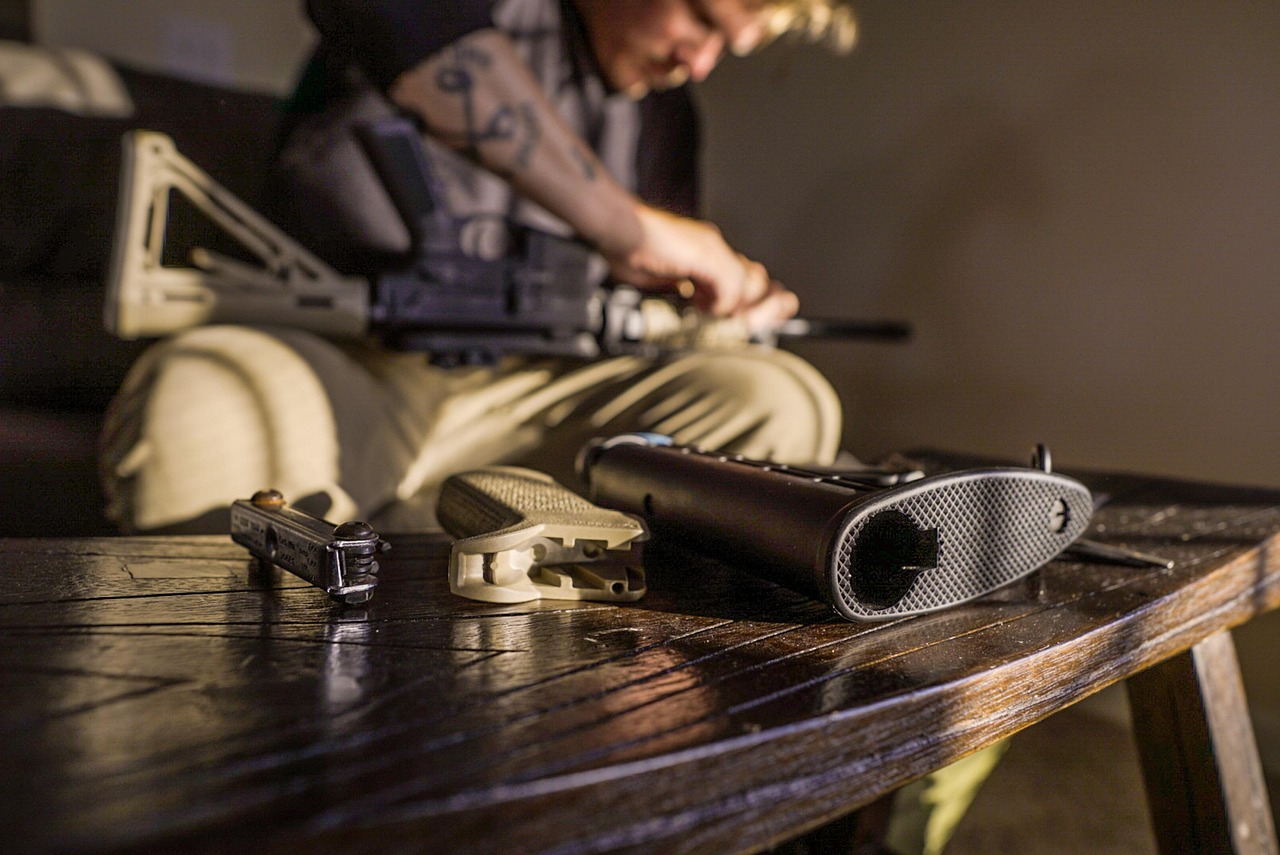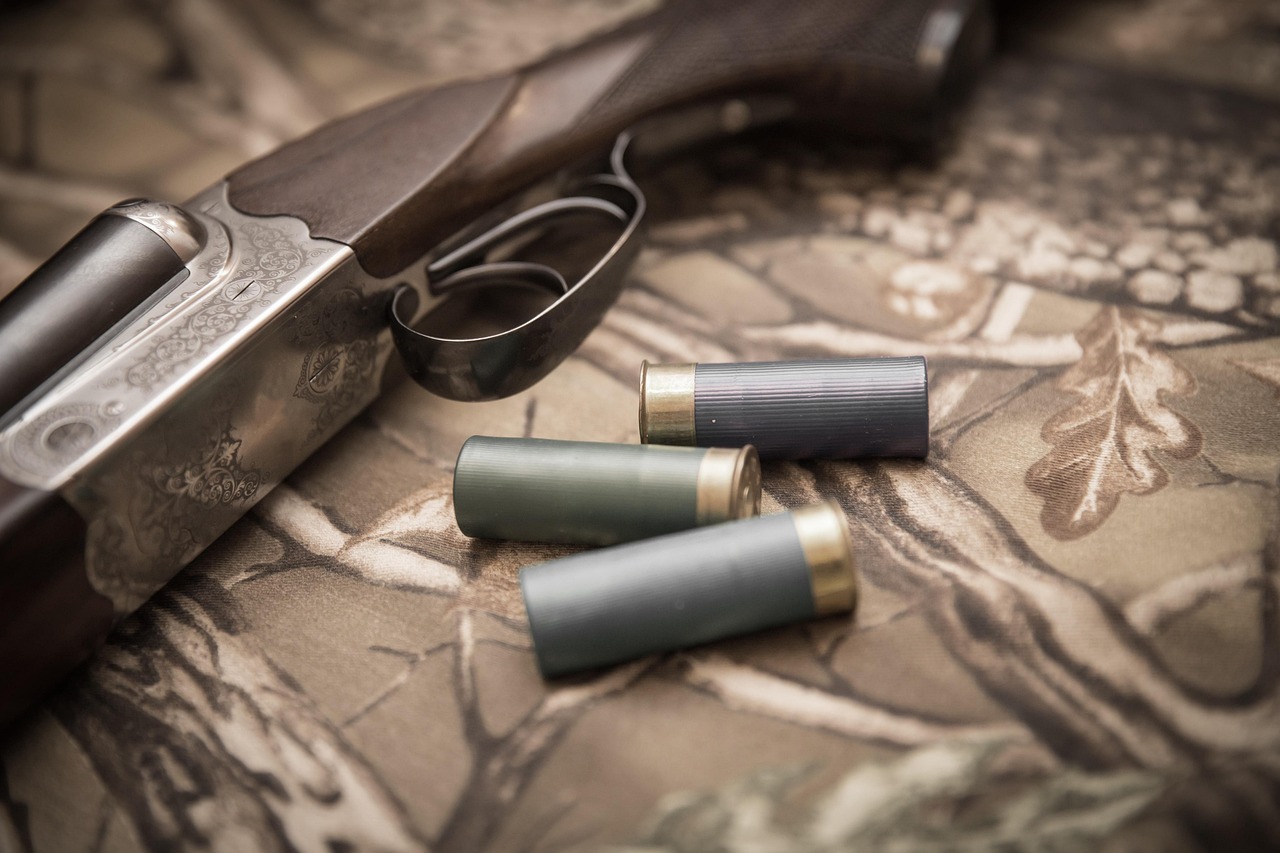
Starting a gun collection can look simple from the outside: buy what catches your eye, store it carefully, and enjoy the history. In reality, beginners often discover that condition, paperwork, storage, and market timing matter far more than expected. These are the lessons new collectors tend to learn through costly trial and error, while seasoned collectors recognize them immediately.
Condition changes value fast
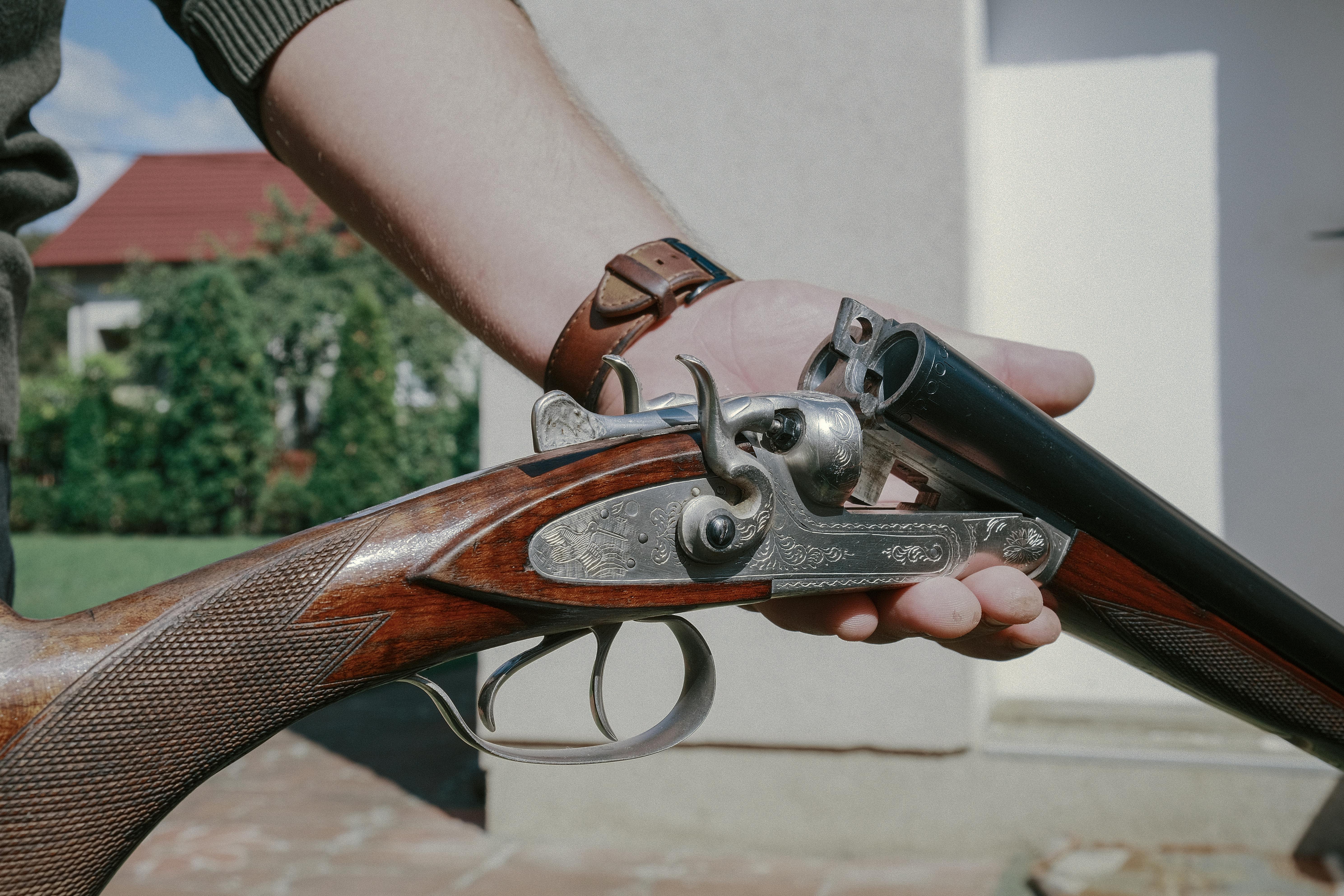
New collectors are often shocked by how dramatically condition affects price. A firearm that looks only slightly worn to an untrained eye can be worth far less than a cleaner example with sharper markings, intact finish, and original parts. In collecting, tiny differences can create surprisingly large swings in value.
Experienced collectors learn to inspect bluing, bore quality, screw heads, stock cracks, pitting, and matching wear patterns before getting emotionally invested. Beginners, on the other hand, often pay premium money for guns that are merely decent, not exceptional.
That lesson usually arrives after comparing a recent purchase with a better example and realizing the market noticed details they did not.
Original parts matter more than shiny parts
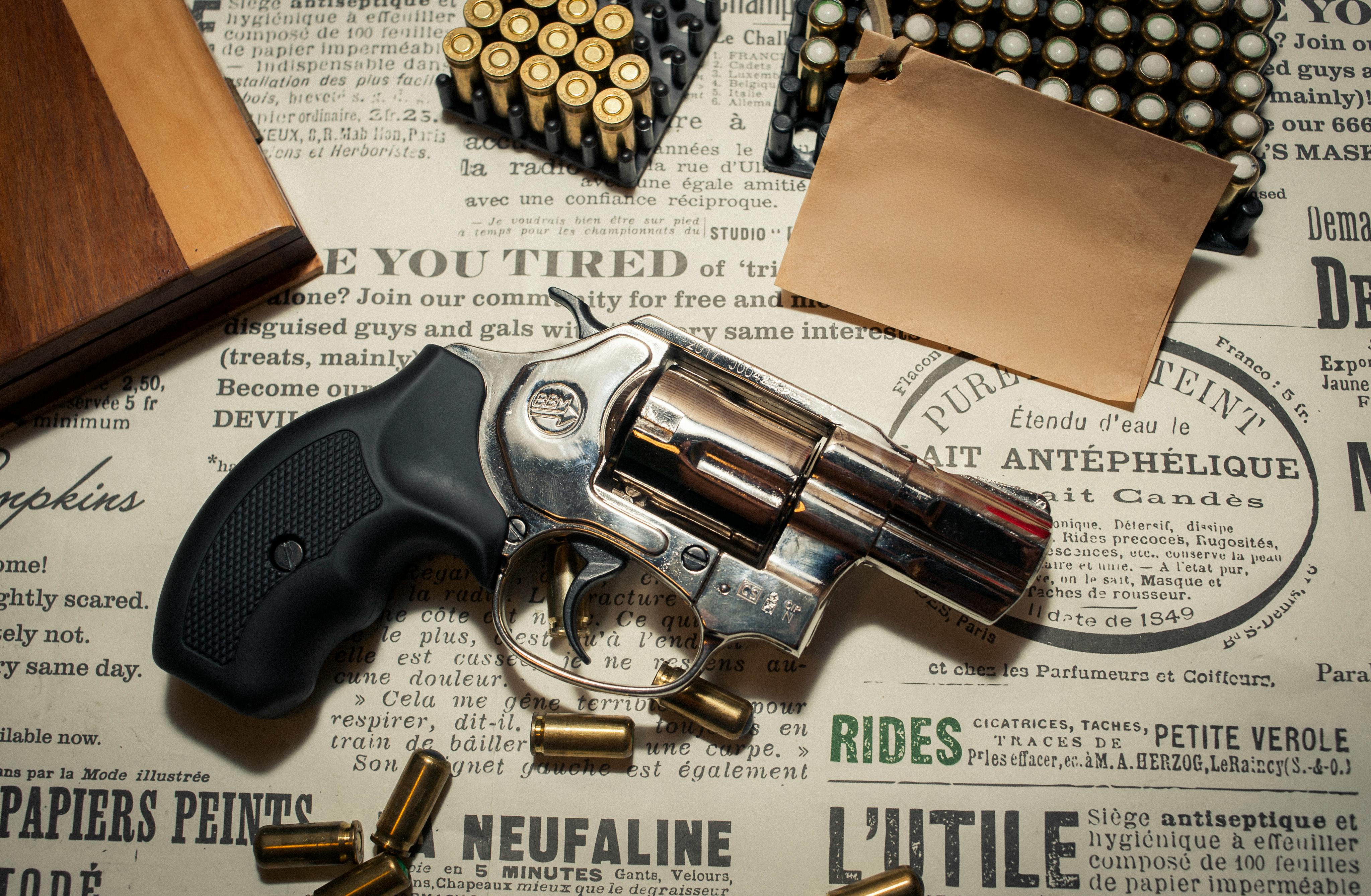
A first-time collector may assume replaced grips, refinished stocks, or upgraded sights make an older gun more appealing. In many cases, those changes do the opposite. Collectors often pay for authenticity, not improvement, and originality is a major part of what makes a firearm desirable.
Experienced buyers know to look for factory-correct components, period finishes, and honest wear. They understand that a polished or modified gun can lose the very qualities that gave it collector appeal in the first place.
What feels like a cleaner, nicer piece to a novice may register as altered and less valuable to everyone else in the room.
Paperwork can be as important as the gun

Beginners tend to focus on the firearm itself and overlook the value of its paperwork. Original boxes, factory letters, military bring-back papers, receipts, manuals, and documented provenance can add credibility and, in many cases, serious value.
Experienced collectors know a story is only worth so much unless it can be supported. A seller may describe a pistol as rare, historic, or linked to a notable owner, but without documentation, that claim often stays in the realm of conversation rather than value.
New collectors usually learn this after buying a supposedly special piece, then discovering the market treats undocumented history with a healthy amount of skepticism.
Storage mistakes happen quietly
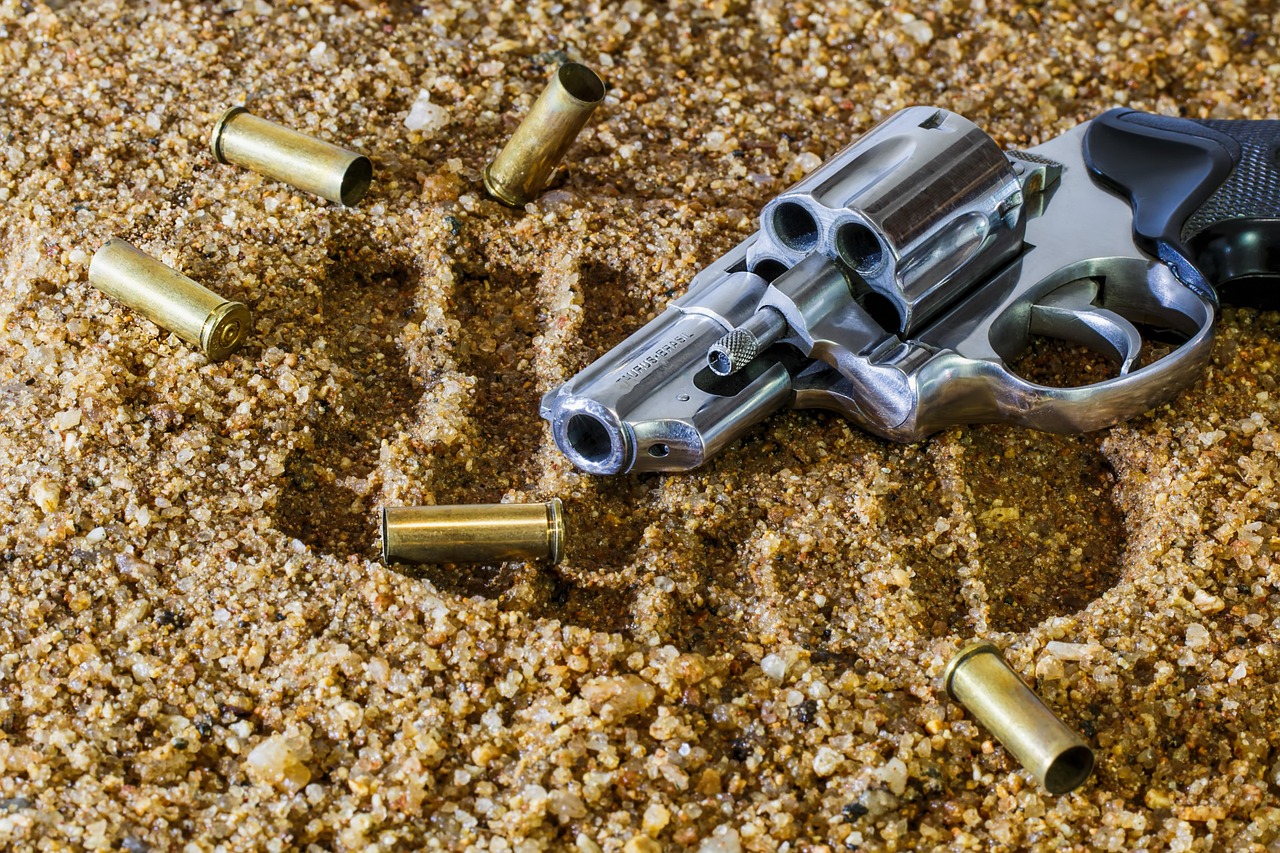
One of the hardest lessons is that damage does not need drama to happen. Moisture, foam-lined cases, soft sleeves, basement air, and poor safe placement can slowly create rust, staining, and stock damage while everything appears fine on the surface.
Seasoned collectors treat storage as part of collecting, not an afterthought. They think about humidity control, airflow, silicone-treated socks, desiccants, routine inspections, and separating long-term storage from display habits that look attractive but age poorly.
Beginners often discover the truth months later, when a favorite purchase comes out with rust freckles or a once-crisp finish that no longer looks the way it did on day one.
Cleaning can hurt as much as neglect
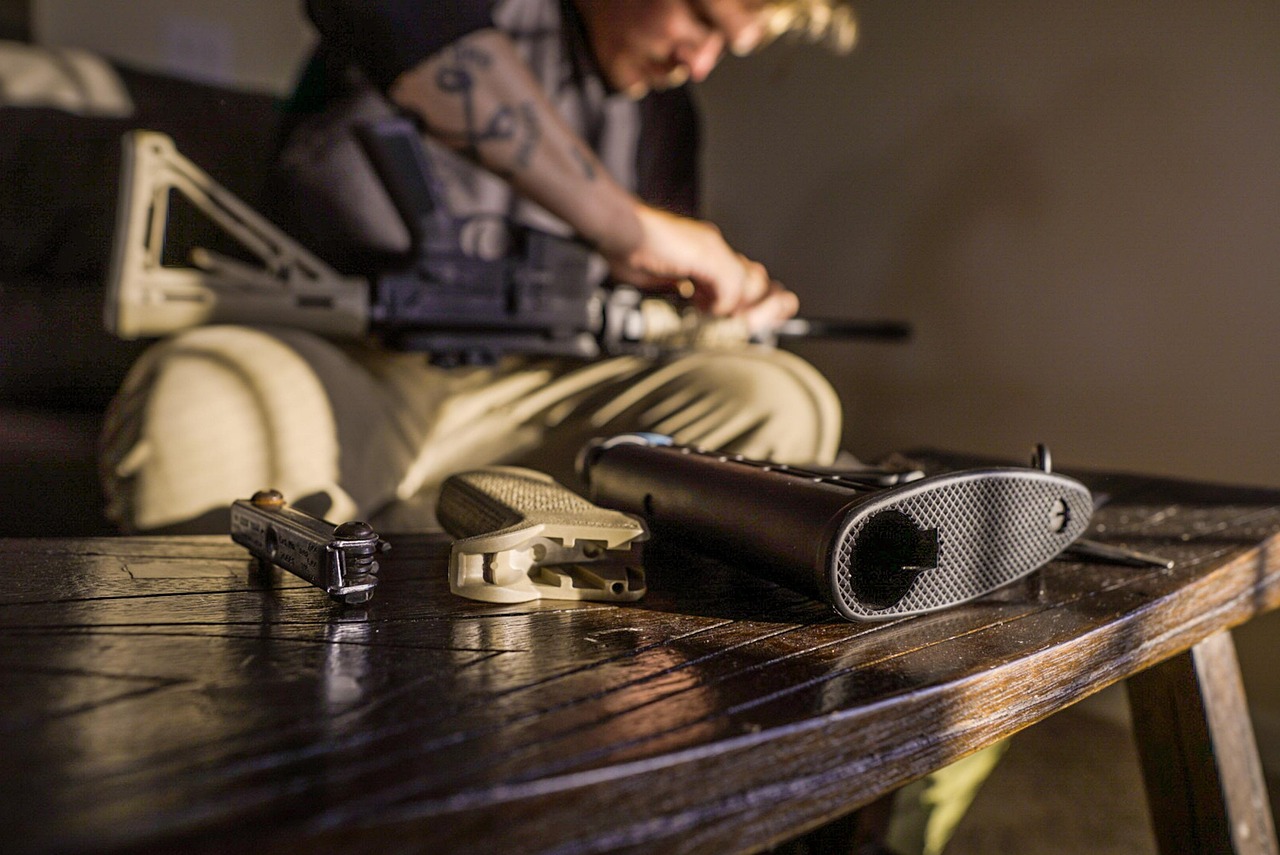
New collectors are often taught that cleaning is always good, so they scrub aggressively and often. The problem is that collectible firearms are not the same as everyday range guns. Overcleaning, harsh solvents, steel brushes, and enthusiastic polishing can remove finish, blur markings, and erase age that collectors actually want preserved.
Experienced collectors know the goal is conservation, not making an old gun look new. They clean carefully, minimally, and with a clear understanding of what surfaces and materials they are dealing with.
Many beginners only realize this after turning honest patina into artificial shine and finding that the gun is cleaner, yes, but also less interesting and less valuable.
Impulse buying gets expensive
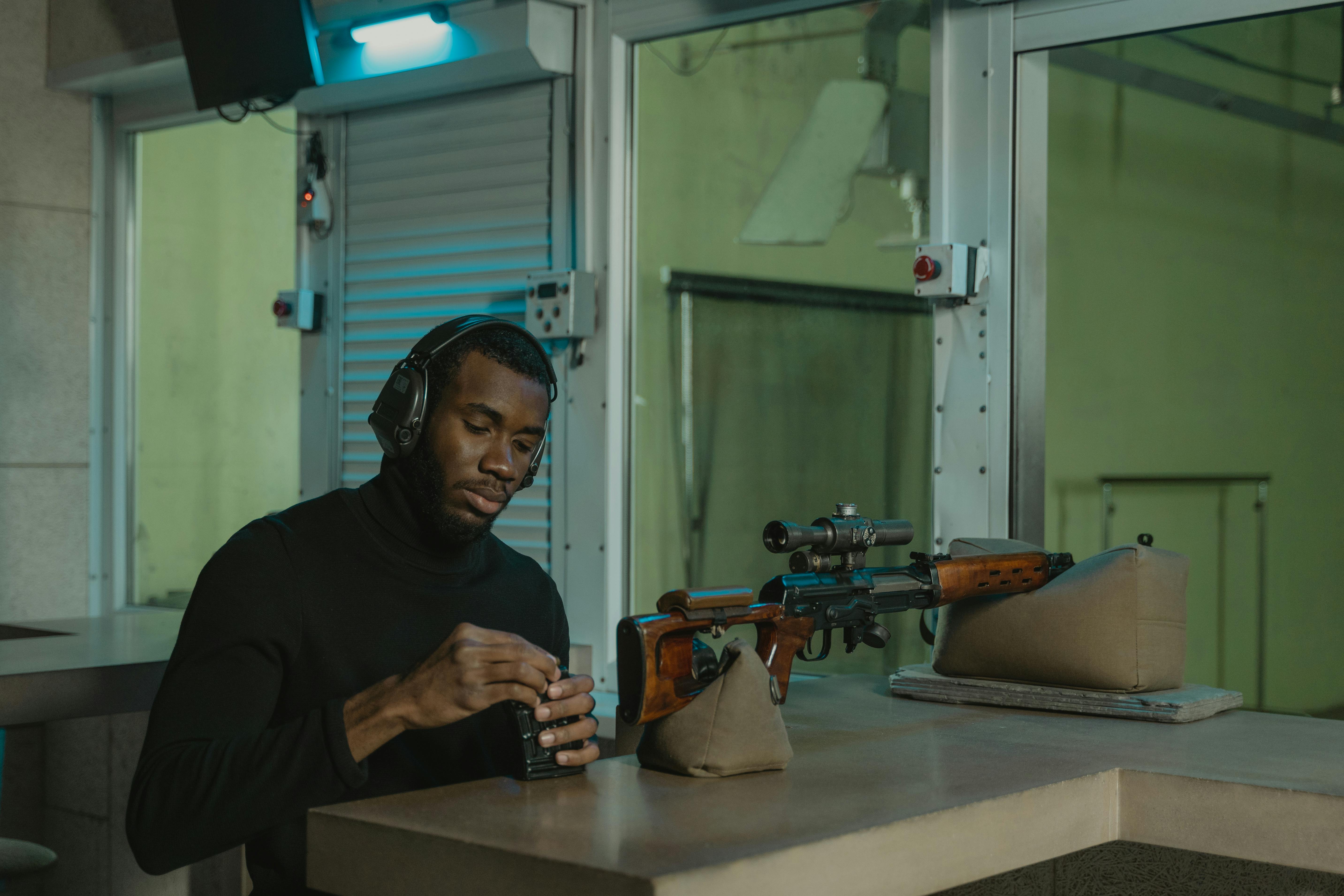
The early stages of collecting can feel like a race to acquire anything interesting. A first-time collector sees a fair price, a recognizable name, or a dramatic sales pitch and decides it is now or never. That urgency leads to purchases that do not fit a theme, budget, or long-term plan.
Experienced collectors slow the process down. They research production variations, recent sale prices, legal considerations, and whether a piece truly fills a gap in the collection instead of just creating clutter.
Beginners usually learn the hard way when they try to resell an impulse purchase and discover that buying quickly is easy, but unwinding a mediocre decision rarely is.
Rarity is not the same as desirability
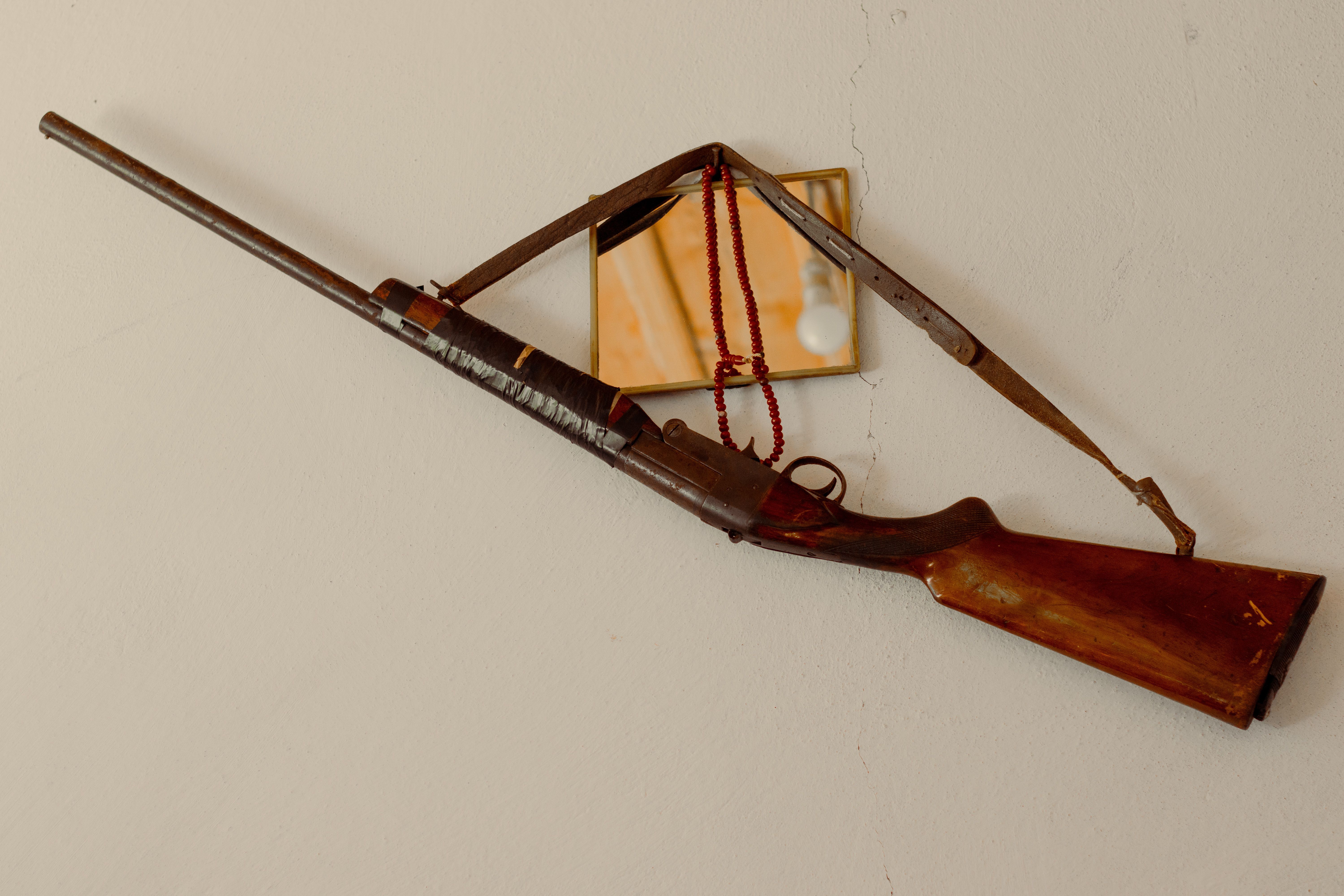
A classic beginner mistake is assuming rare automatically means valuable. Some firearms are scarce because few were made, but that does not guarantee strong demand. Others may be historically obscure, commercially unpopular, or difficult to place within the broader collecting market.
Experienced collectors understand that value comes from the balance of rarity, condition, provenance, and buyer interest. A common model in outstanding original condition can outperform a far rarer piece that lacks documentation or broad appeal.
That lesson tends to land after a new collector proudly acquires something unusual, then discovers almost nobody else has been searching for it with the same enthusiasm.
The right niche makes collecting smarter
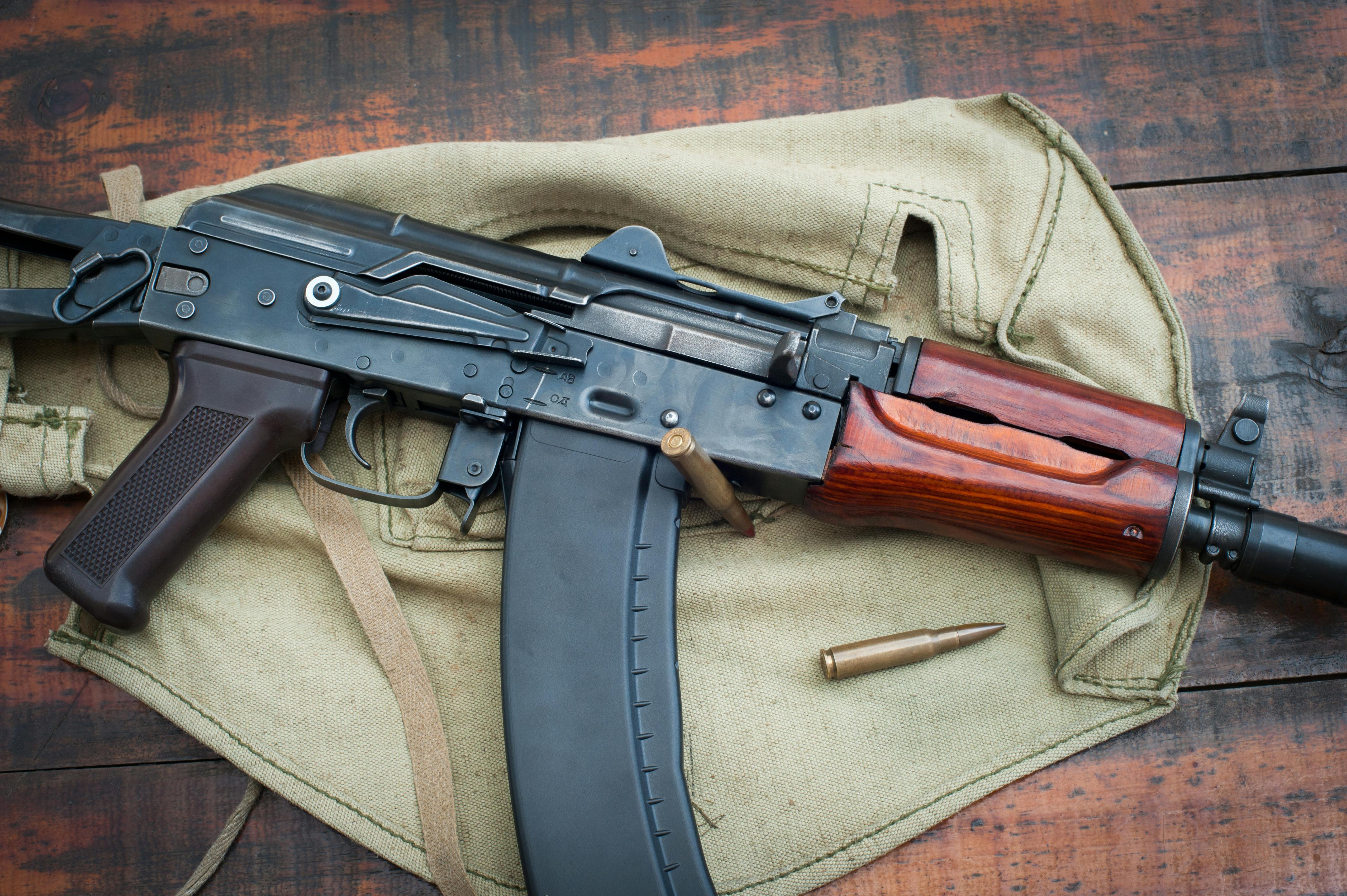
Many first-time collectors begin without a clear focus. They buy military surplus one month, western revolvers the next, then drift into commemoratives or modern tactical pieces. The collection grows, but the knowledge base stays shallow because attention is spread across too many categories.
Experienced collectors usually narrow their lane. They learn one maker, one era, one military contract, or one style deeply enough to spot quality, fakes, pricing trends, and overlooked opportunities faster than the average buyer.
Beginners often realize this only after spending a lot of money on disconnected pieces and noticing that the strongest collections tend to reflect discipline as much as enthusiasm.
Fakes and mismatched guns are everywhere
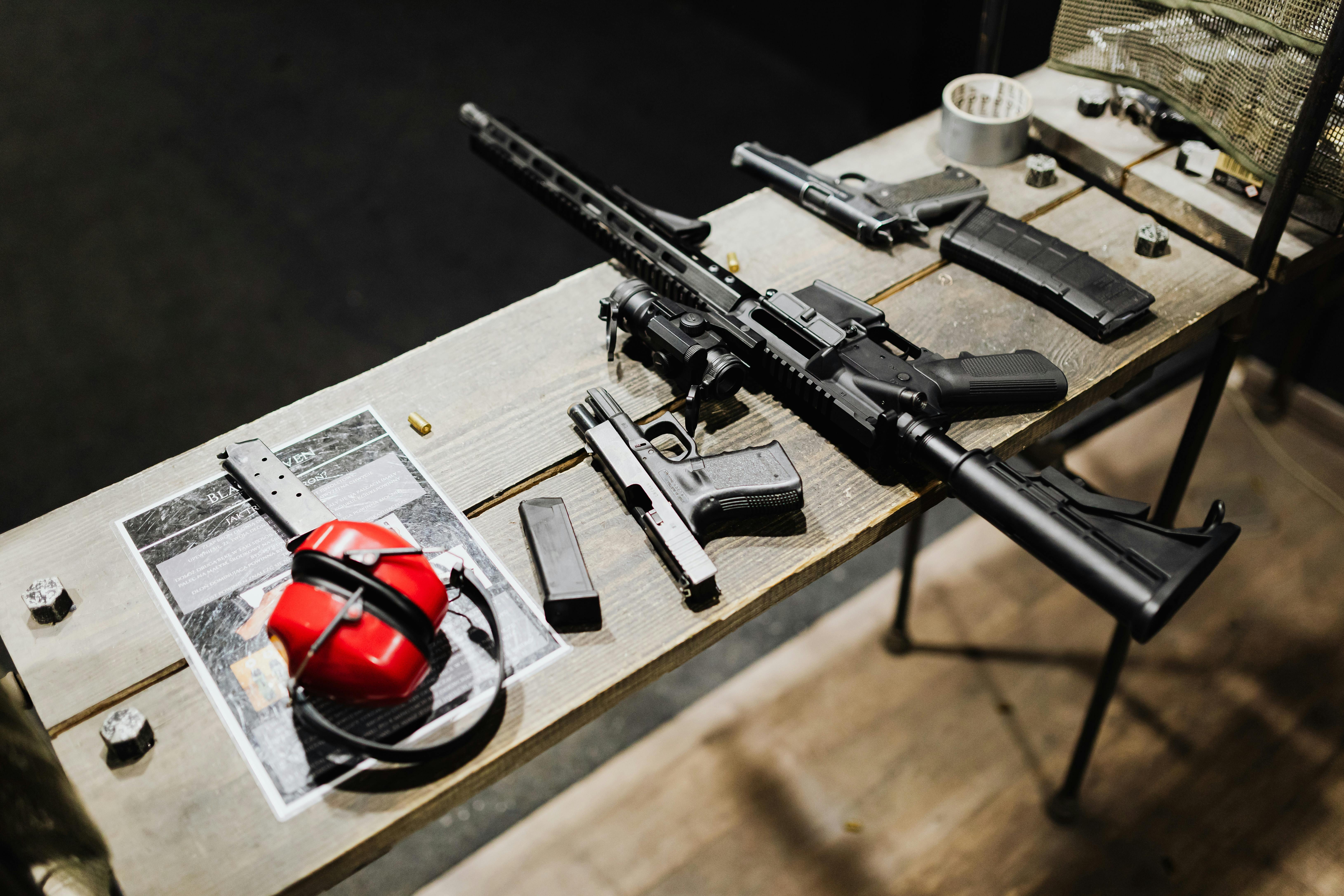
Once money enters any collectible market, creative misrepresentation follows. Reproduced grips, added cartouches, restamped markings, assembled parts guns, and invented stories can fool buyers who are still learning what correct examples should look like.
Experienced collectors study reference books, serial ranges, inspection marks, factory configurations, and known warning signs before they buy. They also ask more questions and are less flattered by a seller insisting they have found something truly special.
New collectors often get burned because the item seems close enough, and close enough can be expensive when the market later decides the gun is wrong in all the ways that matter.
Reputation travels faster than any deal
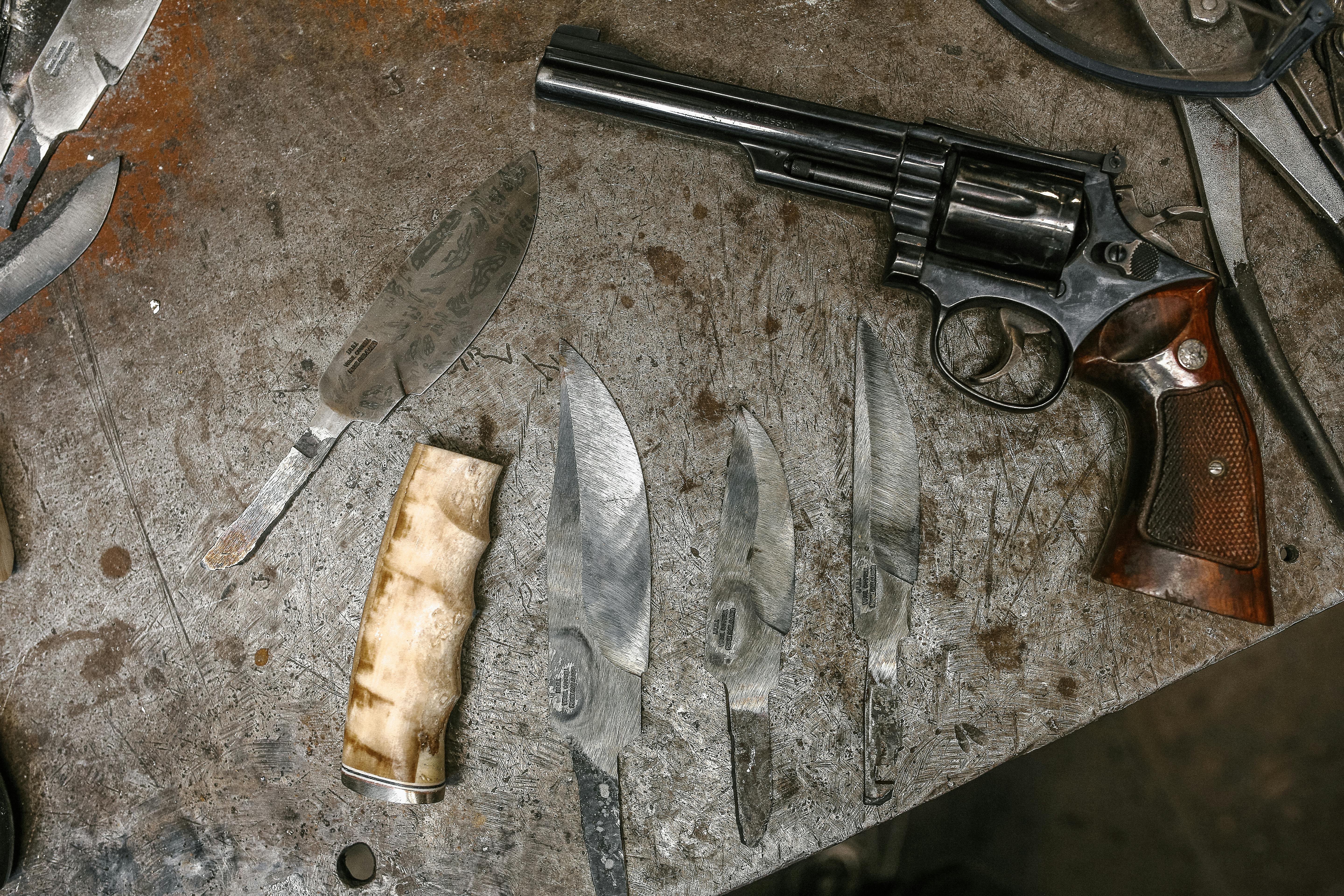
First-time collectors often think each purchase is a standalone transaction. Experienced collectors know the community is smaller than it looks, and reputation matters. Being fair, paying promptly, disclosing issues honestly, and treating other collectors with respect opens doors that money alone often cannot.
The best items frequently change hands through relationships before they ever become public listings. Trusted buyers hear about private sales, get first looks, and benefit from advice that keeps them out of trouble.
Beginners usually understand this after a few transactions, when they see that collecting is not just about owning objects. It is also about becoming the kind of person other collectors are comfortable doing business with.