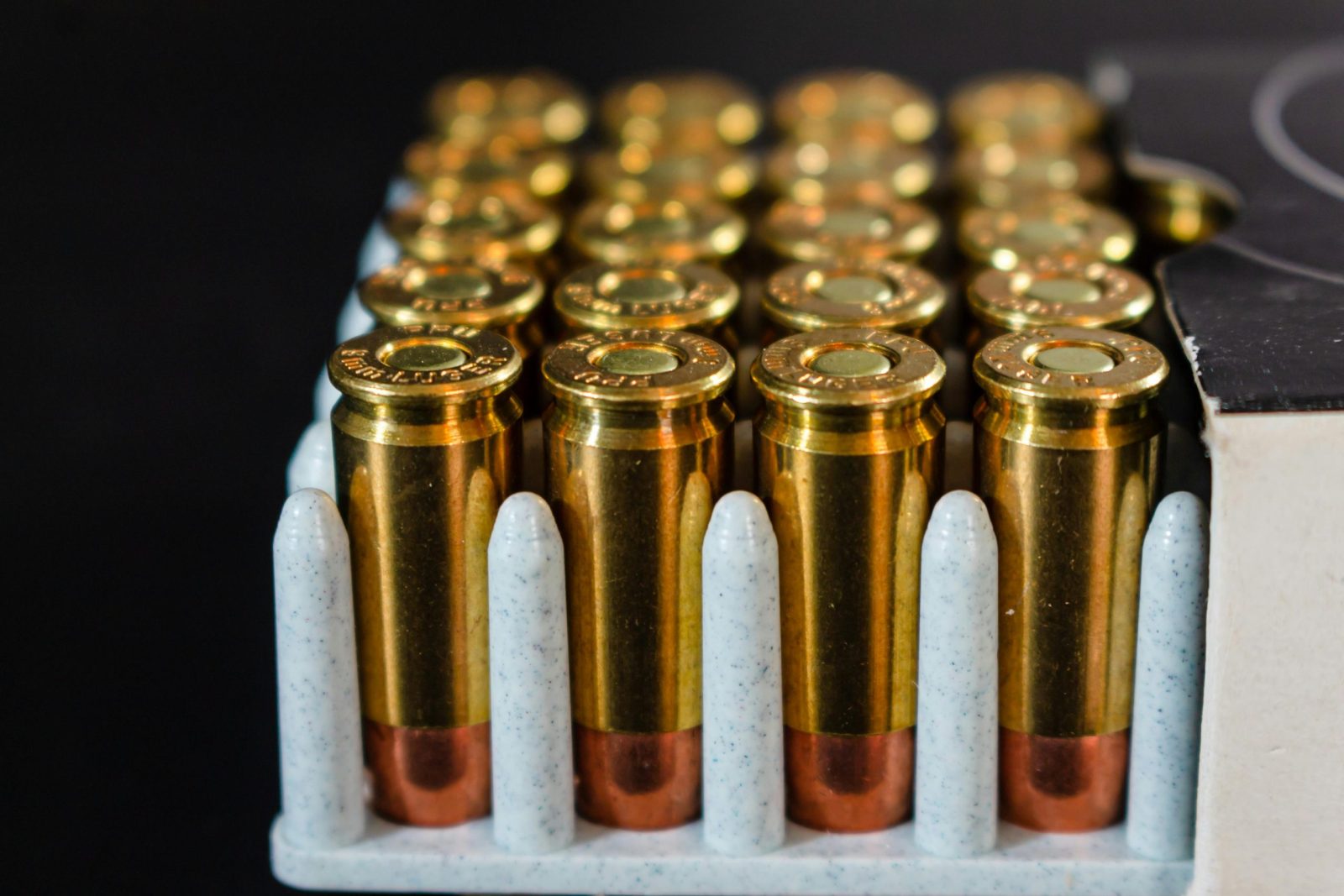
Most ammunition follows a familiar principle: expanding gases push a projectile down a barrel, and its shape, mass, and stability influence how it travels through the air. Yet ammunition engineers have repeatedly challenged that familiar formula. Some designs launch several projectiles from one cartridge, others use lightweight darts instead of conventional bullets, and a few separate into different components immediately after leaving the barrel. These unusual concepts are not magic, and they do not actually violate the laws of physics. Instead, they reveal how engineers balance velocity, drag, stability, accuracy, and practical limitations in unexpected ways.
1. Saboted Bullets Separate Into Two Parts in Flight
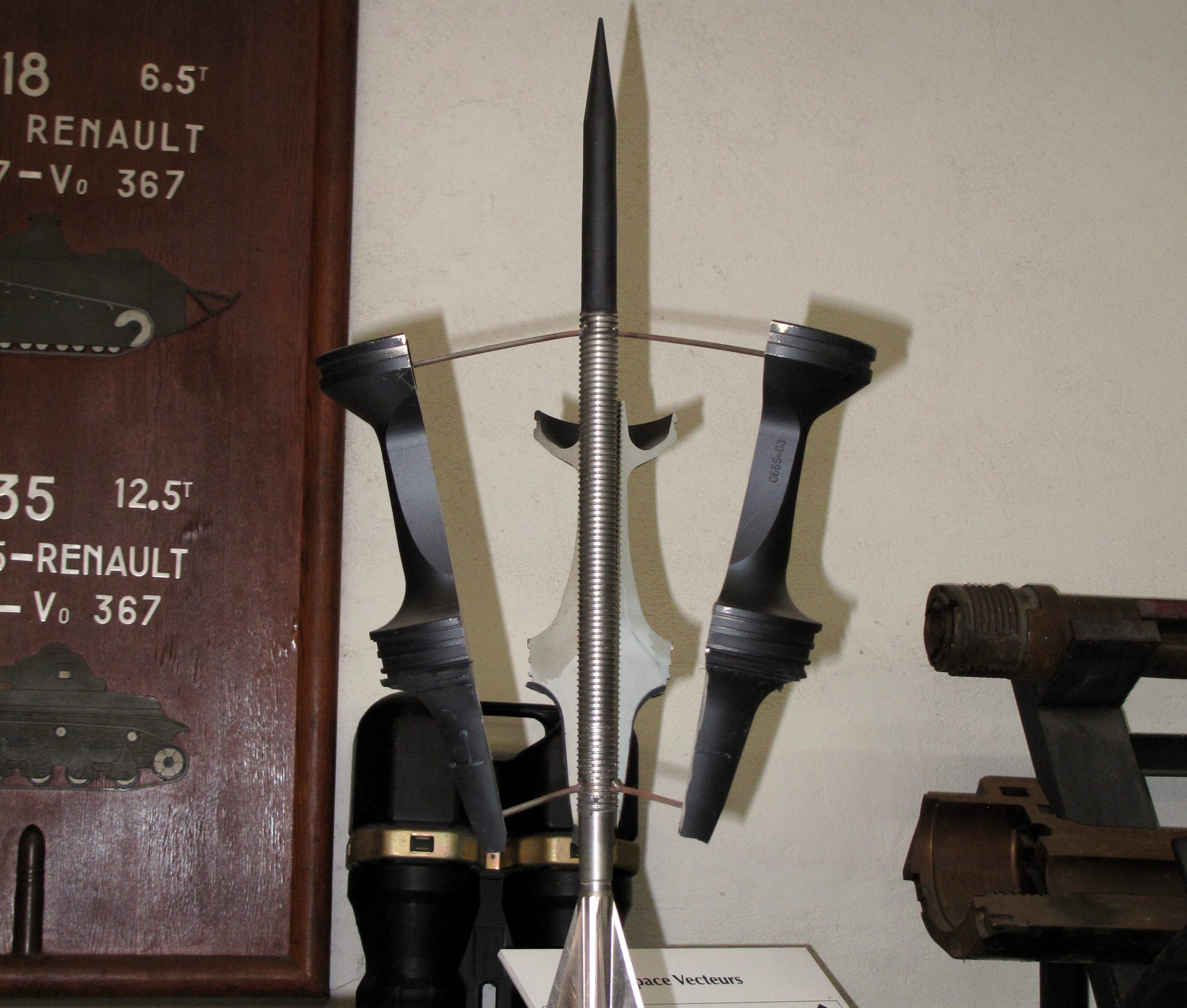
A saboted bullet uses a lightweight carrier, called a sabot, to support a smaller projectile inside a larger-diameter barrel. After the ammunition leaves the muzzle, the carrier separates while the projectile continues forward. Remington’s Accelerator ammunition, introduced in 1976, used this concept with a .224-inch bullet in selected .30-caliber cartridges. The surprising physics is that a smaller projectile can reach high velocity, but speed alone does not guarantee better accuracy. The departing sabot can disturb flight, and results depend on the firearm and ammunition design. This unusual arrangement illustrates how engineers balance bore fit, drag, and stability.
2. Flechette Ammunition Replaces Bullets With Tiny Darts

Flechette ammunition uses slender, fin-stabilized projectiles that resemble miniature arrows rather than conventional bullets. Modern military research explored the idea during the 1950s, and experimental small-arms designs included flechettes carried inside a sabot. Their shape appears to challenge the familiar spinning bullet, because fins can help stabilize a projectile without relying on the same degree of gyroscopic spin. Yet the concept brings trade-offs: keeping a tiny dart stable, controlling its flight, and achieving consistent accuracy are difficult engineering problems. Flechettes demonstrate that a projectile’s shape and method of stabilization can vary considerably without escaping the laws of aerodynamics.
3. Duplex Cartridges Send Two Bullets From One Case
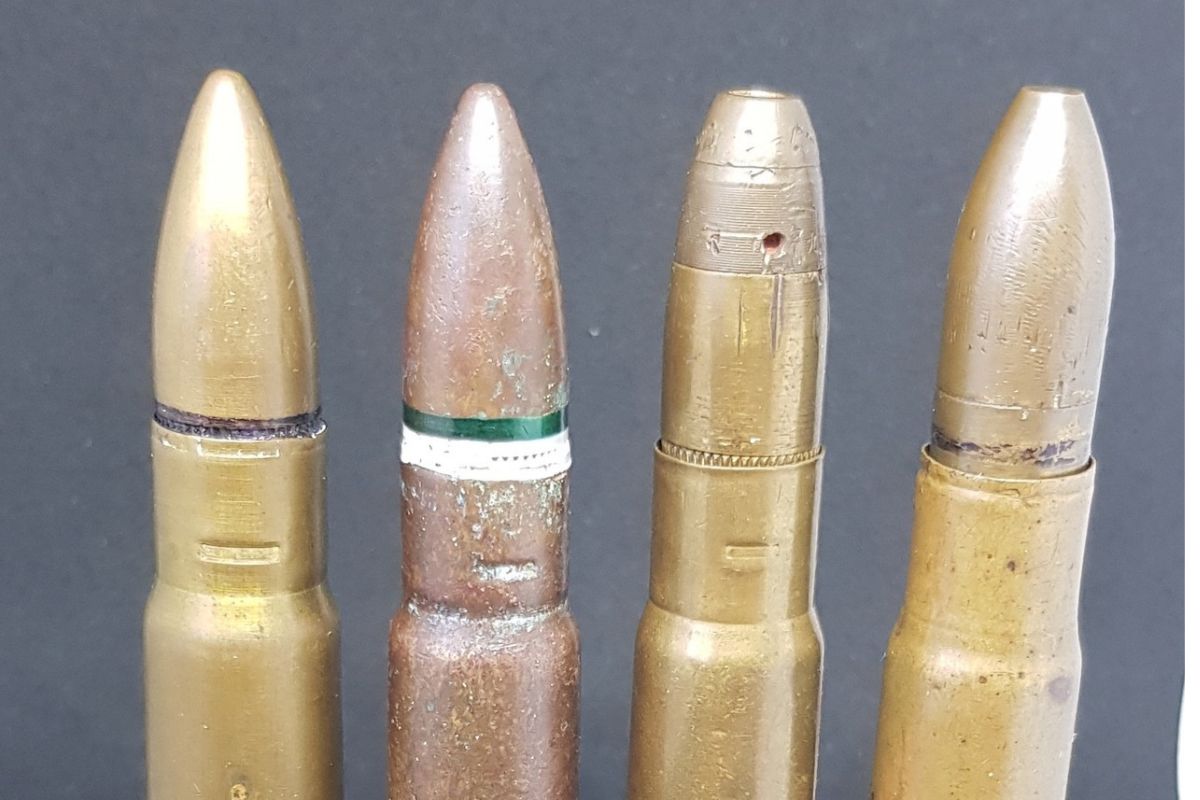
A duplex cartridge contains two projectiles in a single cartridge, an arrangement that looks almost like ammunition carrying a spare shot. One historical example emerged in Germany during World War II, when ammunition shortages encouraged experimentation with ways to use less material per engagement. The concept raises an interesting ballistic problem: two bullets leaving one barrel do not necessarily travel in a neat, identical path. Their interaction, spacing, and differing aerodynamic behavior can affect dispersion and consistency. Although firing two projectiles from one case may sound like an easy way to double effectiveness, it also changes accuracy and ammunition performance. The design shows why more projectiles do not automatically mean better results.
4. Tracer Ammunition Makes a Bullet’s Flight Visible
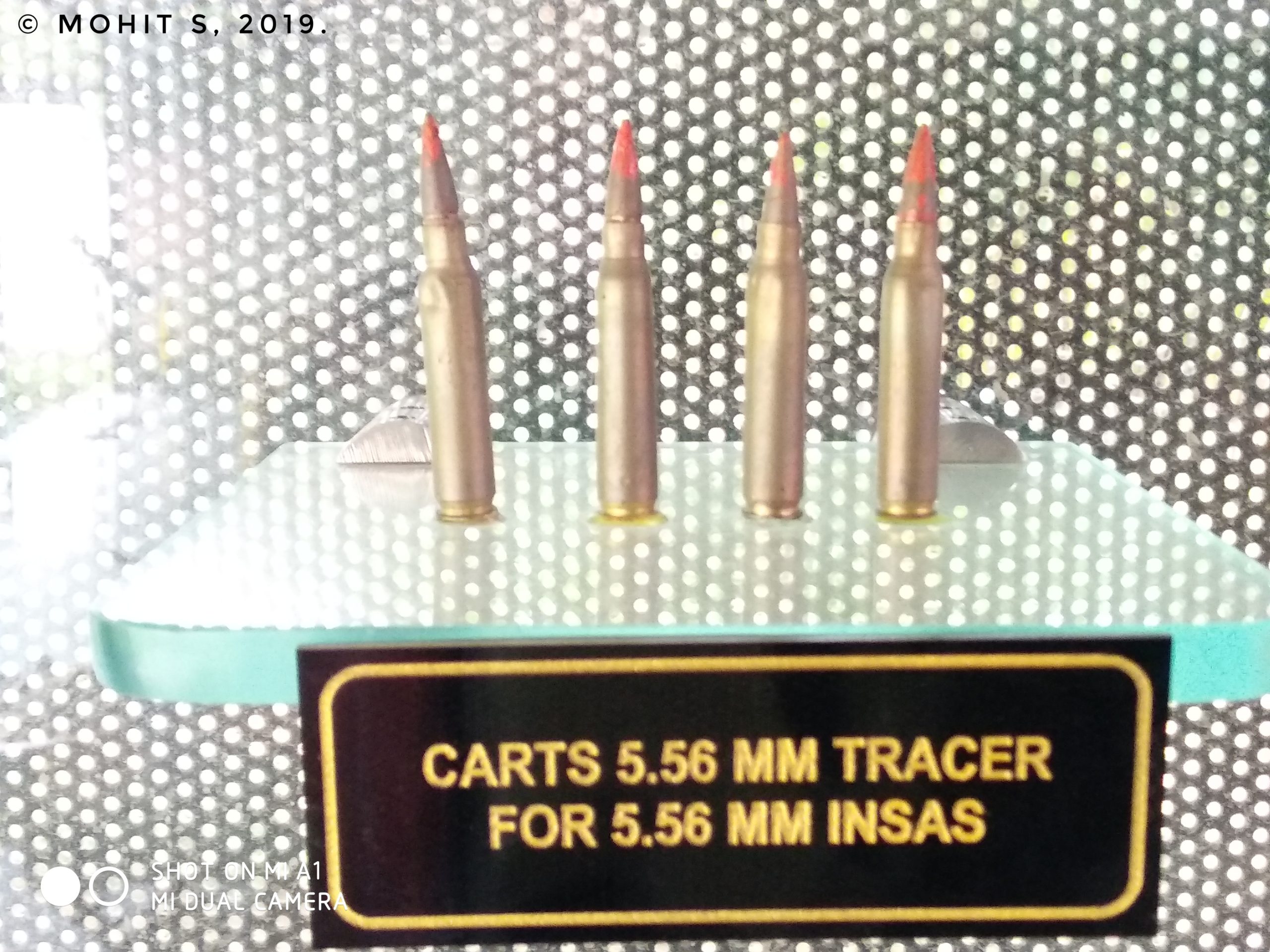
Ordinary bullets are difficult to follow with the naked eye, especially at long distances, so tracer ammunition was developed to make projectile flight visible. A small pyrotechnic composition in the bullet’s base ignites after firing, creating a glowing trail that allows observers to follow its general path. By the early 20th century, military forces were developing tracer designs for machine guns and other weapons. The unusual feature is that the projectile carries its own visible signal while moving through the air. However, the burning material changes the bullet’s mass distribution and can affect its behavior. Tracers help reveal flight paths, but do not make every shot perfectly predictable.
5. Frangible Bullets Are Designed to Break Apart on Impact
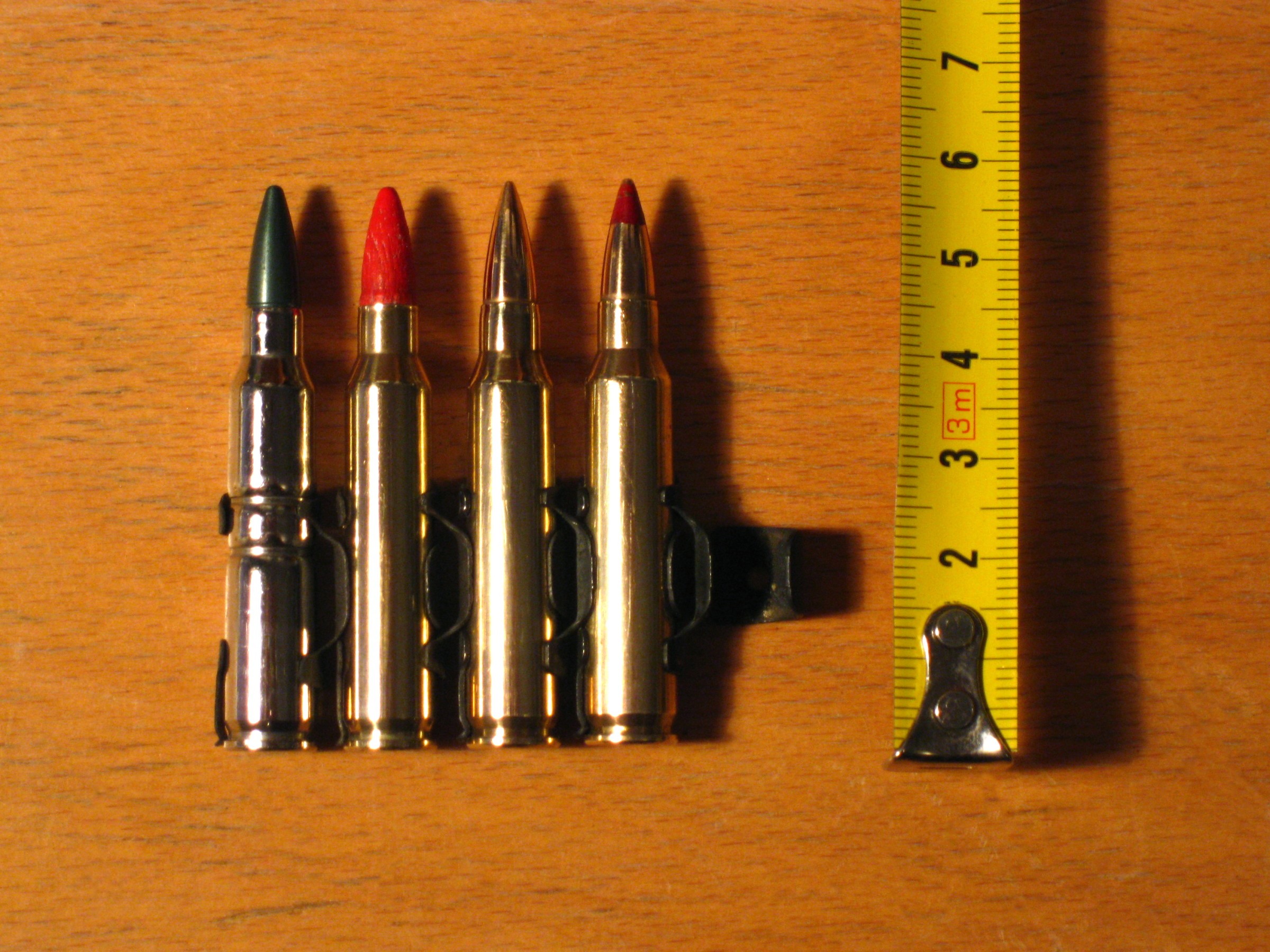
Most conventional bullets are designed to remain sufficiently intact during flight and impact, but frangible projectiles reverse part of that expectation. They are made from materials such as compressed metal powders bonded together, allowing the projectile to break into smaller fragments when it strikes a suitable hard surface. The design became useful for specialized training environments where reducing ricochet and dangerous splash-back is important. Its physics depends on a careful balance: the projectile must survive the forces of firing and flight, yet fragment under intended impact conditions. Frangible does not mean harmless, and behavior varies with the material and target. It is a reminder that ammunition can be engineered to come apart deliberately.
6. Gyrojet Rocket Ammunition Accelerates After Leaving the Barrel

The Gyrojet system, developed during the 1960s, used miniature rocket projectiles rather than relying entirely on the conventional bullet principle. Instead of receiving nearly all its acceleration inside the barrel, the projectile continued gaining speed through its own rocket exhaust after launch. The US National Museum of American History preserves examples of its unusual 13 mm cartridges. This arrangement challenged familiar expectations about muzzle velocity, because the projectile could leave the launcher relatively slowly and accelerate during flight. However, low initial speed and inconsistent precision at short distances limited its practical appeal. The Gyrojet shows that rocket propulsion can work in a small projectile, but does not automatically outperform conventional ammunition.
7. Caseless Ammunition Removes the Traditional Cartridge Case
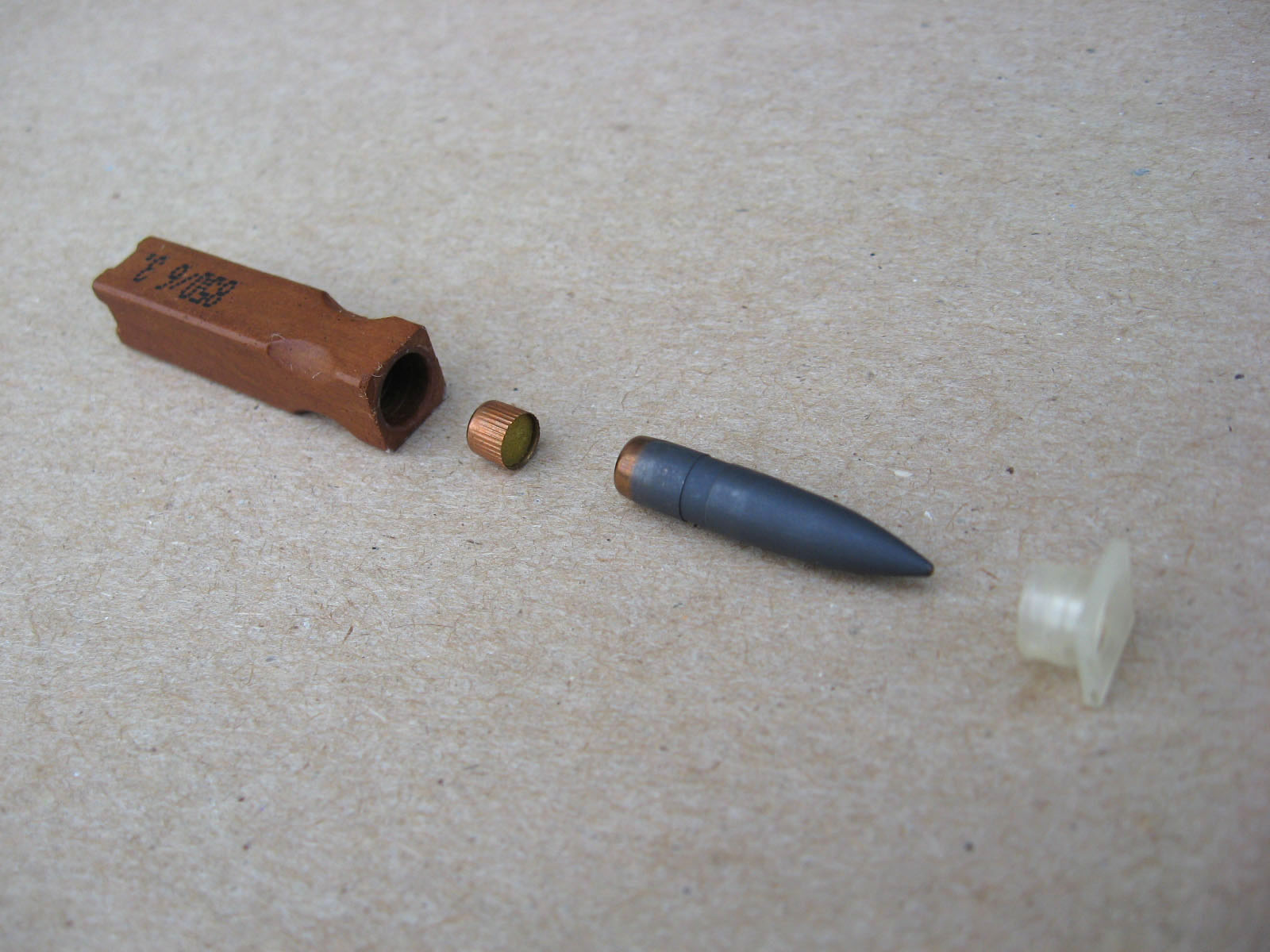
Conventional ammunition usually has a metal case that holds the primer, propellant, and projectile together. Caseless ammunition removes that familiar component by incorporating the propellant into a solid block or other combustible structure around the projectile. The German Heckler & Koch G11 became one of the best-known experiments with this approach during the late 20th century. Eliminating the case promised less ammunition weight and no spent cases to eject, but introduced difficult challenges involving heat, ignition reliability, and storage. The G11 never entered widespread military service. Its history demonstrates that removing a component can simplify one part of a system while creating new engineering problems elsewhere.
8. Hollow-Point Bullets Change Shape After Impact

A hollow-point bullet has a cavity in its nose, making it look incomplete compared with a traditional round-nosed projectile. The opening is intentional: in suitable designs, impact forces material outward so the bullet expands and presents a wider frontal area. This changes how it moves through a target and can increase drag, while the projectile’s construction determines how much weight it retains. The concept does not break ballistic rules; it uses deformation as part of the intended behavior. Performance depends on factors including impact velocity, material, and target conditions. A hollow point that strikes below its expansion threshold may behave quite differently from one that expands as designed.
9. Armor-Piercing Sabot Rounds Use a Smaller Penetrator
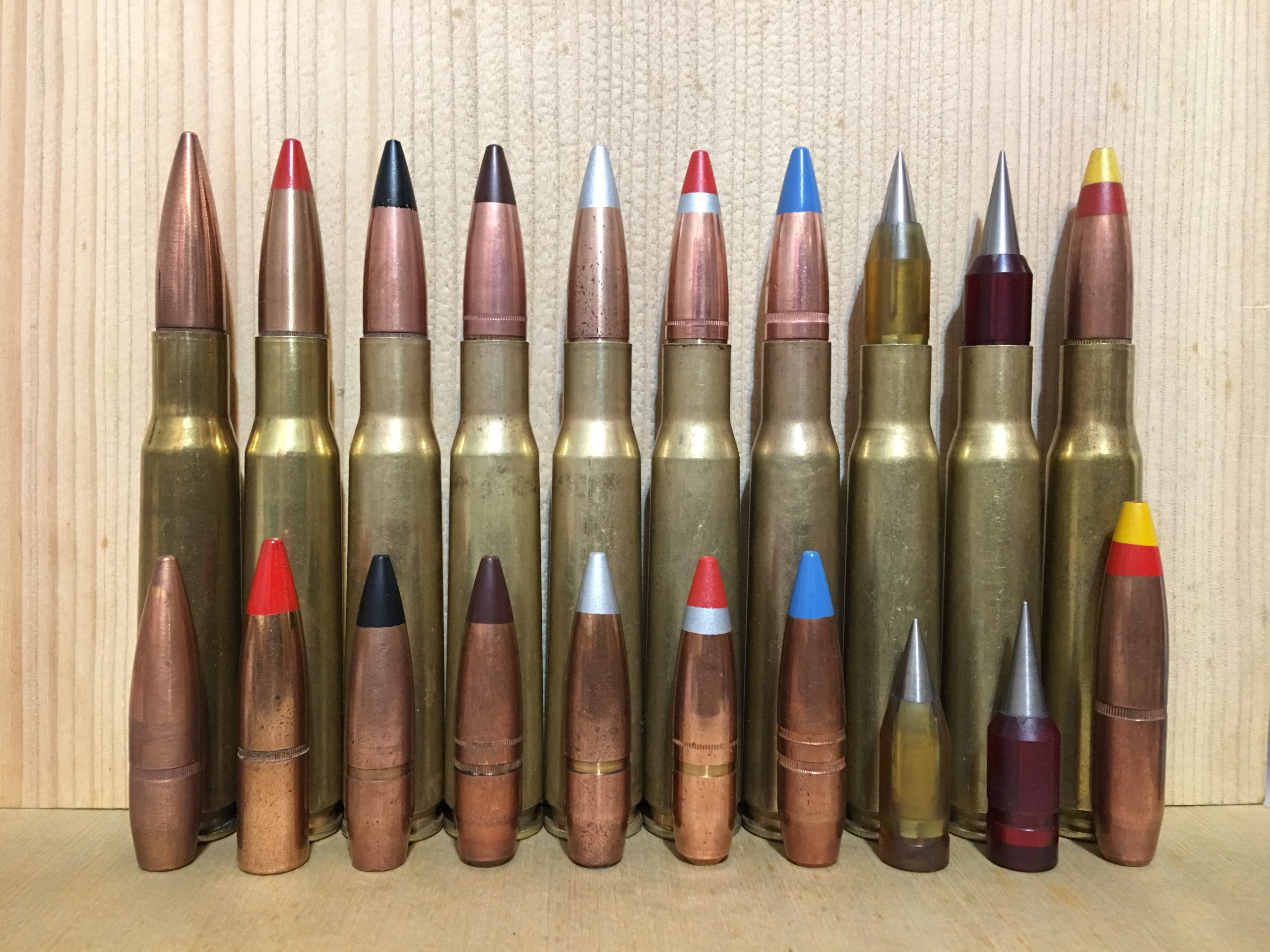
Some armor-piercing ammunition uses a dense, narrow penetrator carried inside a larger sabot that fits the weapon’s bore. Once the projectile exits, the sabot separates and the smaller penetrator continues toward the target. The design takes advantage of a basic physical principle: a compact, dense projectile can concentrate momentum over a smaller area than a broad projectile of comparable mass. Modern military systems use this general concept in specialized ammunition, including fin-stabilized designs. The surprising part is that the projectile that actually reaches the target may be much narrower than the object visible inside the cartridge. Its performance still depends on material properties, stability, and the armor encountered.