A swappable barrel sounds simple. From an engineering standpoint, it is anything but simple, and that is exactly why it matters.
Heat management is the oldest and clearest win
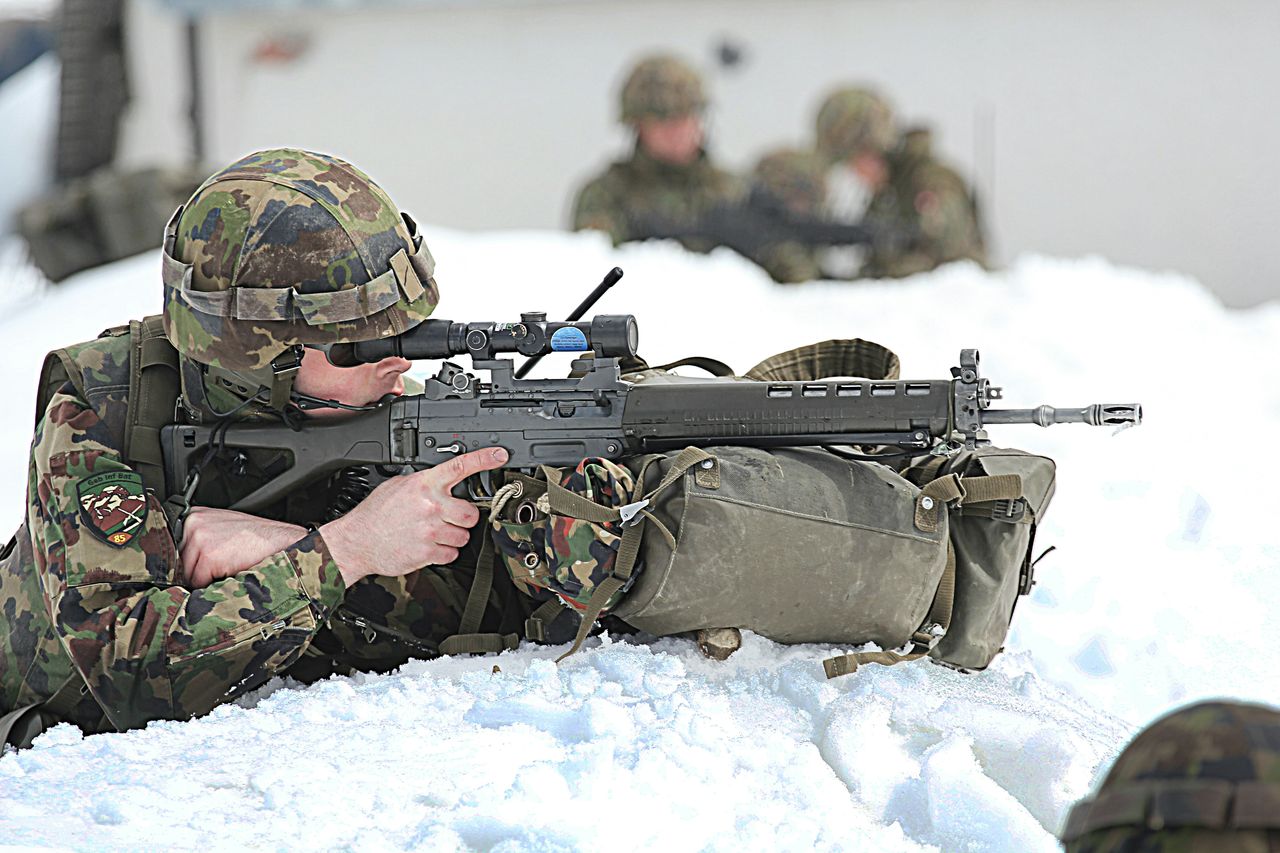
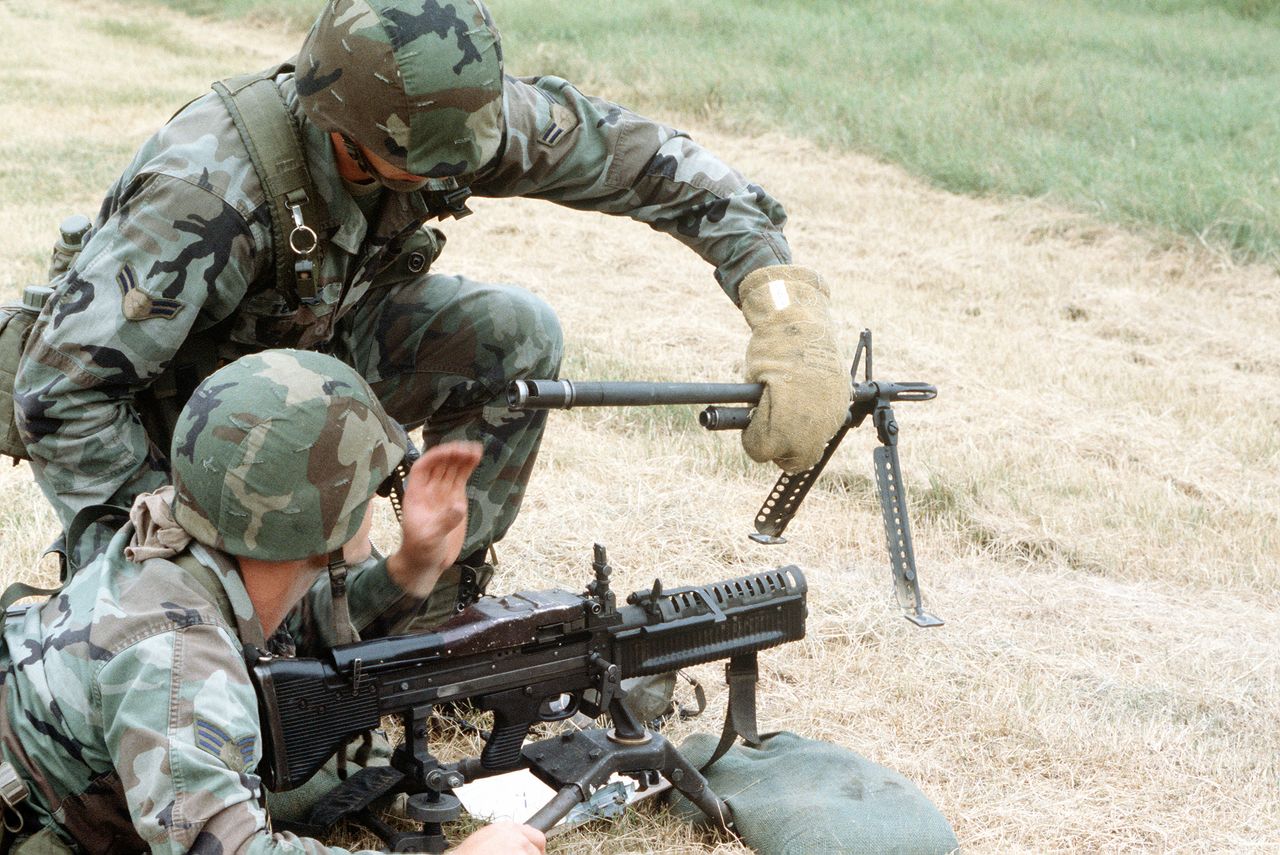
On machine guns, interchangeable barrels exist because heat is brutal. The U.S. Marine Corps’ machine gun guidance says the M240’s quick barrel change lets one barrel cool while the other stays in service, which extends barrel life and helps maintain accurate, continuous fire.
That is a pure engineering victory. Instead of overbuilding one barrel to survive everything, designers spread thermal load across two parts and make replacement fast enough to matter under real use.
The U.S. Army made a similar case with the M2A1 Quick Change Barrel program. Army material described gains in safety and ease of use because soldiers no longer had to reset headspace and timing during a barrel swap, reducing both workload and opportunities for error.
Modularity lets one firearm serve several jobs
Interchangeable barrels also let engineers build one core platform for multiple missions. A shorter barrel can favor handiness, while a longer one can favor velocity, sight radius, or steadier handling.
That modular logic appears in modern rifles like the SIG MCX family, which SIG Sauer has described as allowing operator-level barrel exchanges in multiple lengths. FN has likewise promoted user-changeable barrels on newer SCAR models as part of a broader adaptability package.
For engineers, that means the expensive heart of the firearm, the receiver and operating system, can stay constant while the barrel changes the role. It is a cleaner way to deliver variety than designing entirely separate guns around the same action.
Manufacturing efficiency improves when parts are standardized
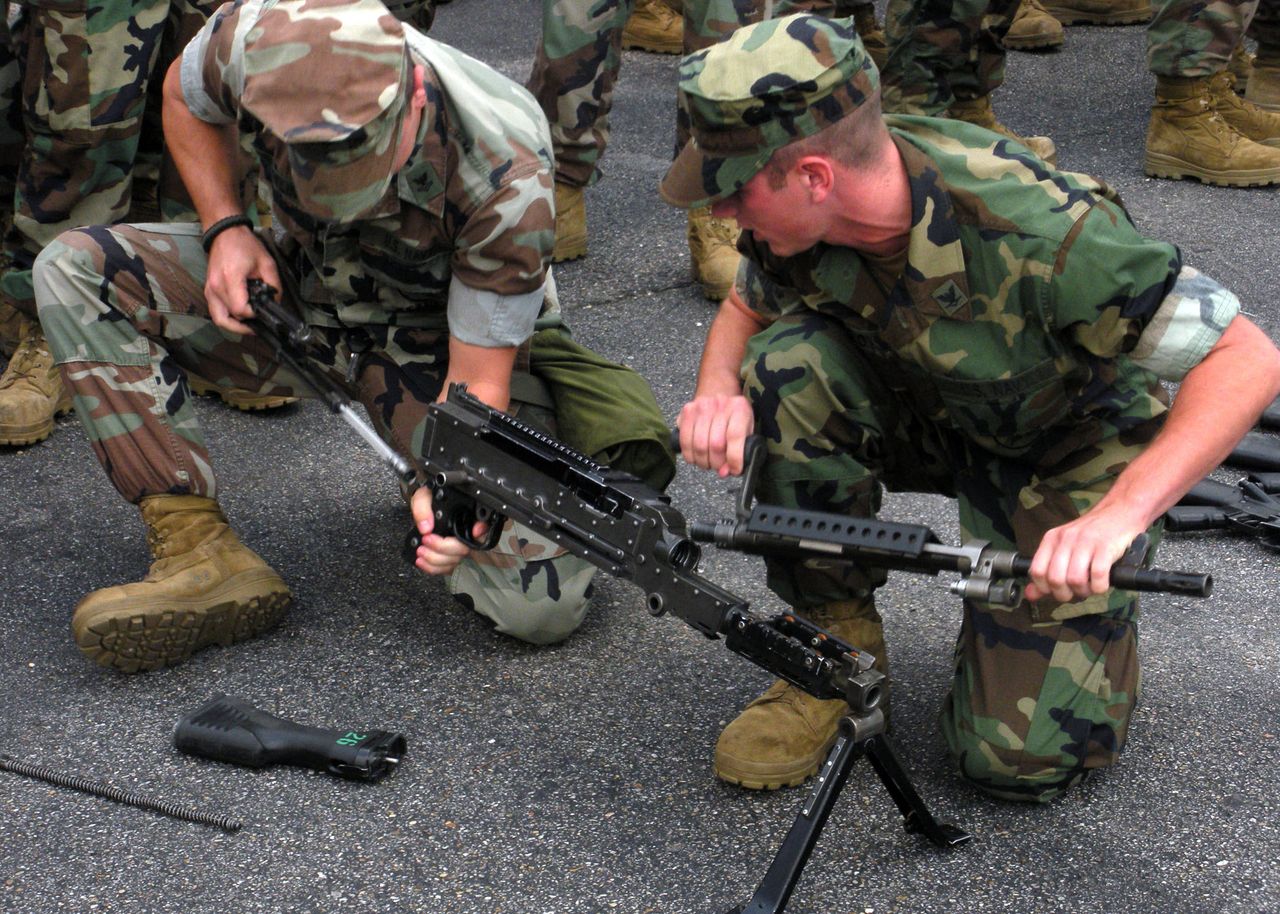
A barrel system that can be swapped predictably requires tight tolerances, repeatable interfaces, and disciplined quality control. Those demands are difficult, but they reward manufacturers with cleaner production logic.
SAAMI notes that standardization promotes safety, reliability, and interchangeability in firearms and ammunition. That same thinking applies inside one product family: the more consistent the chamber, locking surfaces, and mounting geometry, the easier it is to make parts that fit and perform the same way every time.
Engineers like this because it simplifies support over a product’s life. It can reduce the number of complete firearms a factory must develop, test, and inventory, while still offering multiple configurations to commercial, military, and law enforcement buyers.
Maintenance becomes faster and more economical
Barrels wear. Throats erode, bores lose sharpness, and hard use eventually changes performance. A system built for barrel replacement turns that reality into a service procedure instead of a full armorer headache.
This is especially useful for organizations running large fleets of guns. If the barrel is the main consumable component, armorers can replace the worn part without retiring the host weapon or sending the entire system through a more involved rebuild.
The engineering gain is lifecycle control. Designers can treat the barrel as a planned-wear component, which helps budgeting, keeps weapons in service longer, and shortens downtime when accuracy or safety margins begin to slip.
Safety can improve when swapping is designed in from the start
A good interchangeable barrel system is not merely removable. It is designed so users are less likely to assemble the gun incorrectly or create unsafe conditions.
That is why the M2A1 example matters so much. By eliminating the need to manually reset headspace and timing during barrel changes, engineers reduced a known risk area in a weapon long associated with setup mistakes in older configurations.
There are still limits, of course. SAAMI’s interchangeability guidance stresses that not all cartridges, chambers, or barrel combinations are safely cross-compatible. Engineers gain the most when the system tightly controls what can be swapped, and what absolutely cannot.
The biggest payoff is product flexibility without total redesign
In the end, interchangeable barrels give engineers options. They can answer heat, mission changes, parts wear, and customer demand without reinventing the whole firearm every time.
That flexibility matters in the market. Civilian buyers may want one receiver with hunting, defensive, or range-oriented setups, while agencies may want compact and standard-length versions sharing the same manual of arms and support chain.
So the real gain is leverage. With a well-designed barrel interface, engineers turn one firearm architecture into a broader system, and that is usually smarter, faster, and cheaper than starting over from scratch every time.