Some rifles get praised so often that backlash becomes inevitable. The Ruger 10/22 lives squarely in that zone.
Why the 10/22 Became a Legend
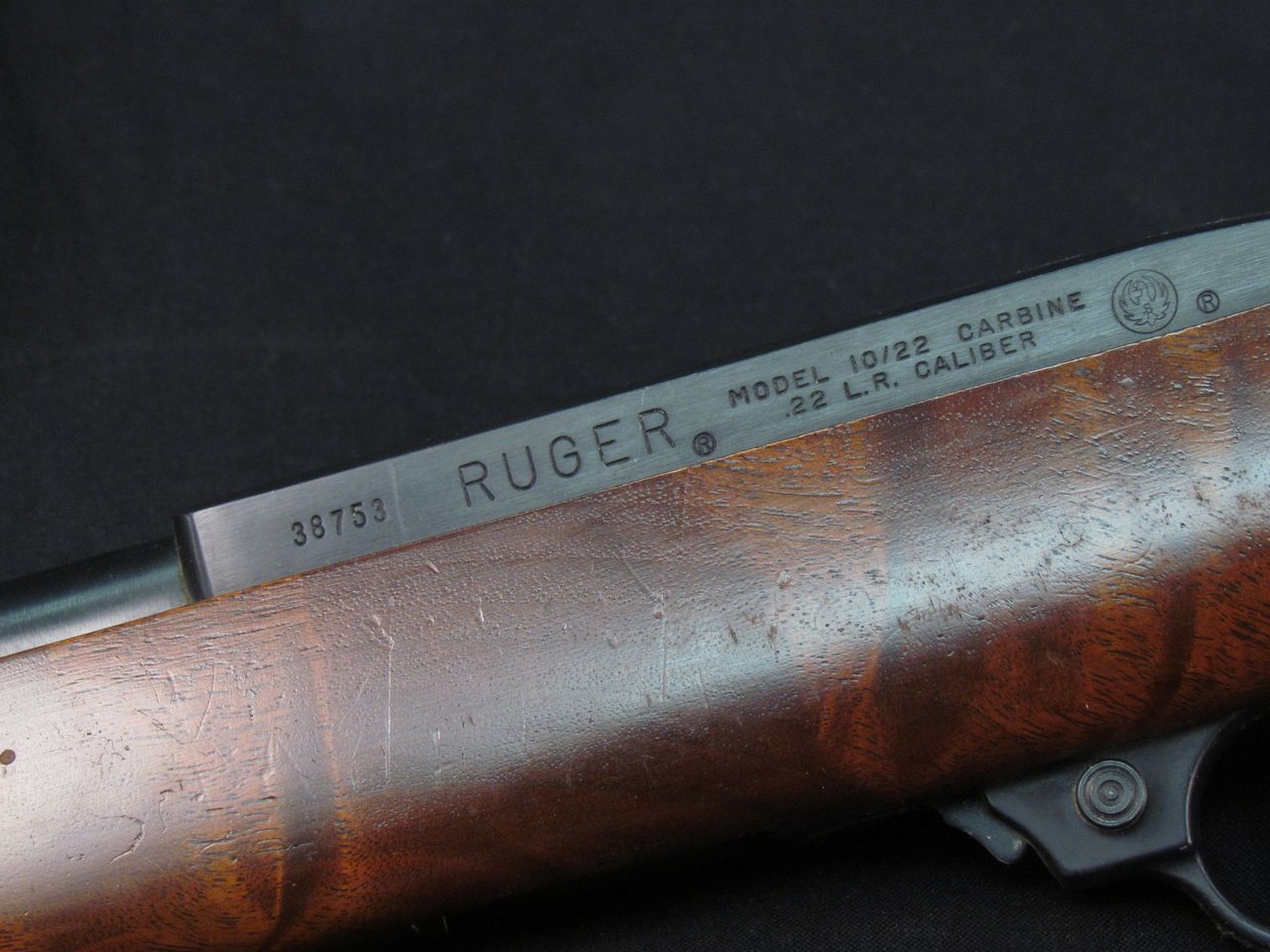
The 10/22 has a real claim to fame, not just internet hype. Ruger introduced it in 1964, and the design has stayed relevant for more than six decades because it solved the basic rimfire formula unusually well. It gave shooters a light, handy semi-auto .22 with a flush-fit rotary magazine and simple controls.
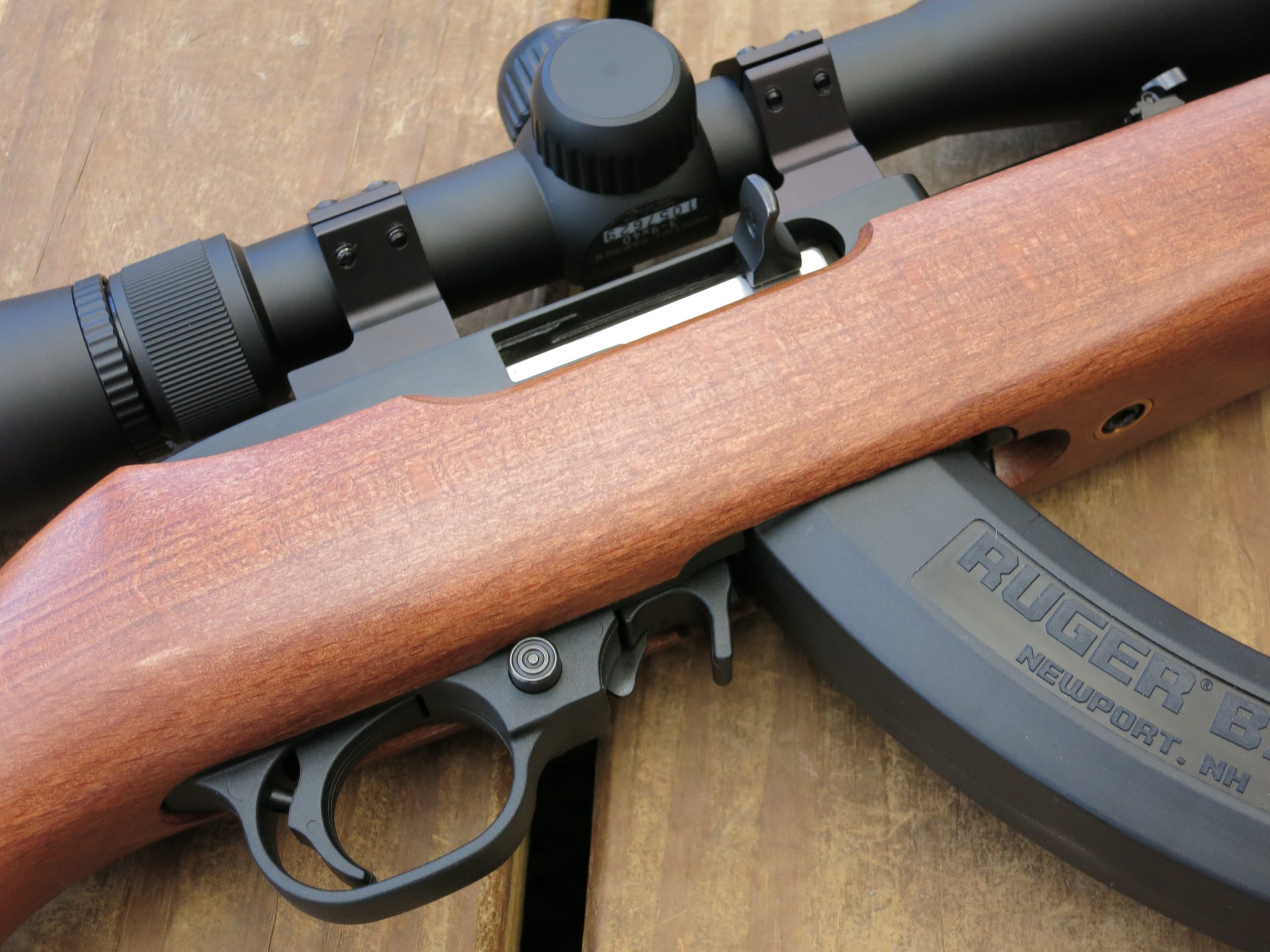
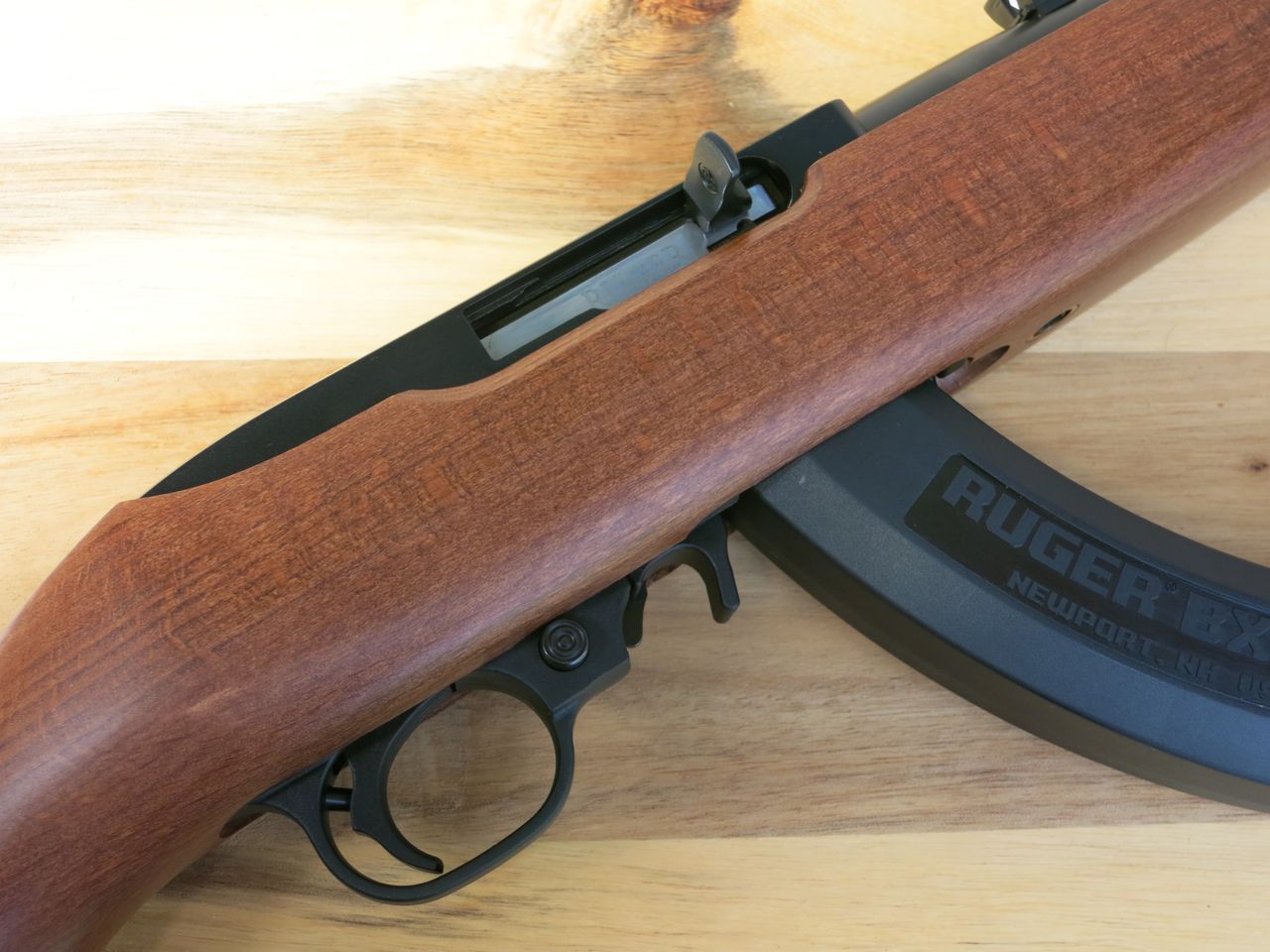
That rotary magazine is a big part of the story. Ruger has long highlighted it as one of the rifle’s signature features, and it remains one of the cleanest magazine designs in rimfire rifles. Compared with stick magazines that hang below the stock, the 10/22 feels slick, compact, and easy to carry.
The rifle also benefited from sheer ubiquity. Ruger has produced millions of them over the years, and that volume created trust, familiarity, and a huge installed base. Once a rifle becomes the standard camp gun, plinker, and first-training rifle for generations, its reputation starts feeding itself.
Where the Hype Goes Too Far
The 10/22 is often discussed like it is automatically the best .22 rifle at everything. That is where “overrated” starts to become a fair critique. A stock 10/22 is usually a good, reliable recreational rifle, but it is not automatically a precision rifle, competition rifle, or bargain miracle.
A lot of new buyers assume the legend means elite out-of-the-box performance. In reality, many factory carbines are perfectly decent rather than astonishing. The trigger is often just serviceable, the sights vary by model, and accuracy can range from good to merely acceptable depending on ammunition and shooter expectations.
That mismatch between reputation and reality causes disappointment. If someone expects benchrest performance from a basic carbine, the rifle can feel underwhelming. The problem is less that the 10/22 is bad and more that people often evaluate a general-purpose rimfire like it should dominate every niche.
The Aftermarket Is Both a Strength and a Trap
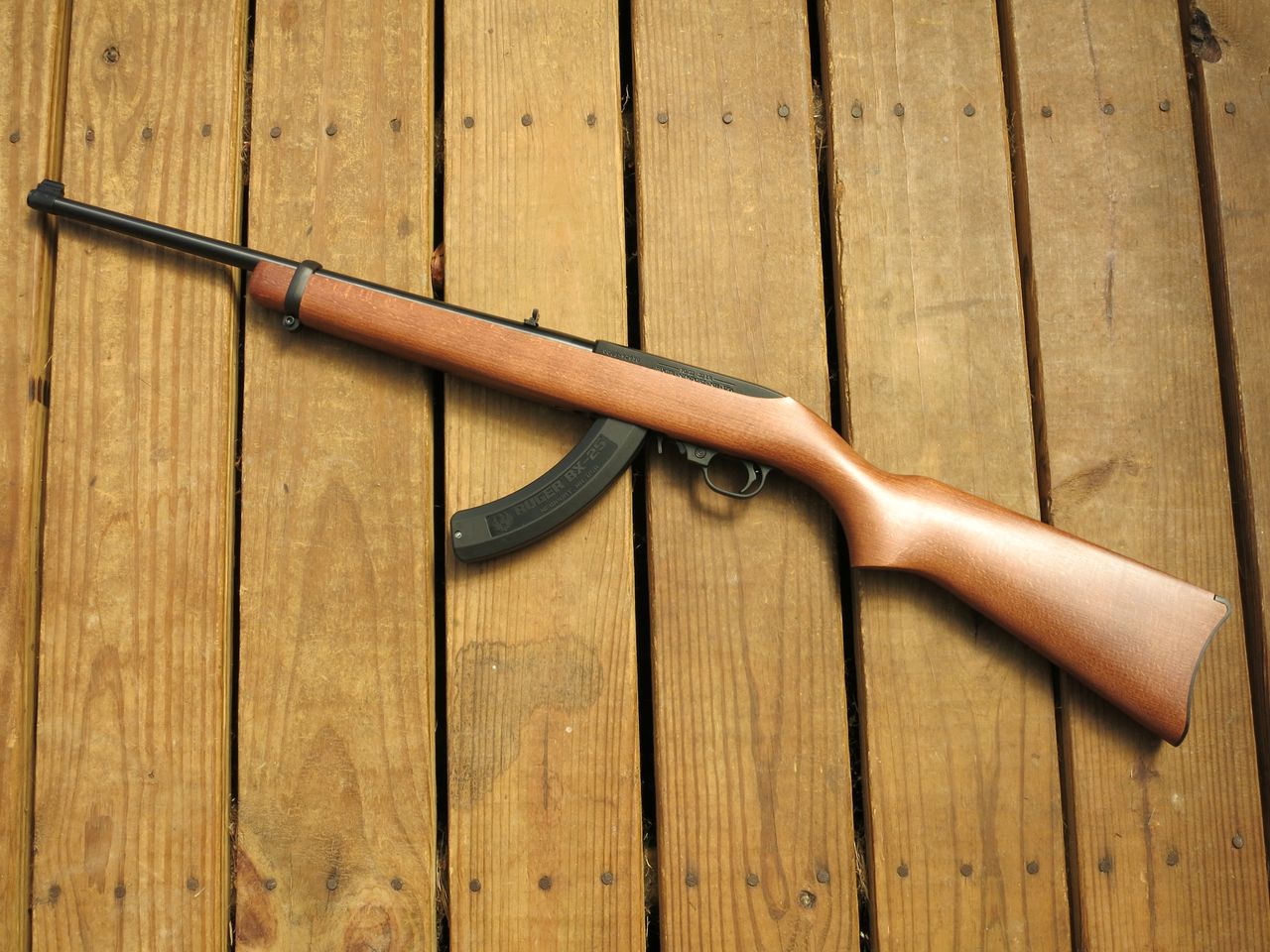
One reason the 10/22 became so dominant is the aftermarket. Brownells, Volquartsen, KIDD, Magpul, and countless smaller makers have spent years building stocks, triggers, barrels, bolts, rails, and small parts around the platform. Few rimfires can match that ecosystem.
That flexibility is a genuine advantage. A shooter can start with a plain rifle and gradually tailor it for steel matches, small-game hunting, optics use, suppressor hosting, or Appleseed-style marksmanship training. In practice, that makes the 10/22 more like a rimfire Lego set than a fixed factory product.
But that same strength can distort value. People sometimes praise the 10/22 for performance that really comes from hundreds of dollars in aftermarket parts. At that point, you are no longer judging the base rifle alone. You are judging a custom build that happens to use a 10/22-pattern receiver.
What It Does Better Than Critics Admit
Even skeptical shooters should admit the 10/22 gets the fundamentals right. It is compact, mild, approachable, and backed by a proven manual of arms. For teaching new shooters, casual plinking, and general rimfire ownership, those traits matter more than bragging-rights accuracy.
It is also deeply embedded in American training culture. At Appleseed events and similar marksmanship programs, 10/22-pattern rifles are extremely common because they are familiar, affordable to feed, and easy to configure with slings, rails, and improved sights. That kind of real-world adoption does not happen by accident.
Ruger has also kept the line fresh. The company still releases new 10/22 variants, including lighter and more specialized models, which says something important: demand is not surviving on nostalgia alone. The platform persists because it remains useful, not because shooters are trapped in 1978.
Where Other Rimfires Beat It
If your top priority is maximum accuracy per dollar, a good bolt-action .22 can be a smarter buy. Rifles like the CZ 457 or Ruger American Rimfire often appeal to shooters who care more about tiny groups than rapid follow-up shots. In that lane, the 10/22 is not unbeatable.
If you want a tactical trainer feel, some modern .22 semi-autos may fit better straight from the box. If you want a premium trigger and match-grade barrel, buying a factory 10/22 and then replacing half of it may not be the most rational path. Sometimes the icon is simply the most familiar answer, not the best one.
That is the core of the overrated argument. The 10/22 can be outclassed in precision, feature set, or value depending on the mission. Its fame sometimes causes buyers to skip the more important question: what do I actually need this rifle to do?
So, Is It Overrated?
A fair answer is yes, but only in the way all famous gear gets overrated. The Ruger 10/22 is not magical, and it is not automatically the best rimfire for every shooter. If people claim it is flawless, they are overselling it.
But overrated does not mean undeserving. The rifle became iconic for solid reasons: longevity, reliability, magazine design, easy handling, and an unmatched upgrade path. That is a stronger résumé than most rimfires ever build.
So the smartest verdict is this: the Ruger 10/22 is a genuinely great platform that suffers from inflated expectations. Judge it as a versatile, proven .22 rifle, and it deserves the praise. Judge it as the undisputed answer to every rimfire question, and yes, it starts to look overrated.