Big bulls demand respect. The .338 Winchester Magnum earned its place the hard way, in wet alder bottoms, willow flats, and long northern seasons.
It arrived at exactly the right moment
When Winchester introduced the .338 Winchester Magnum in 1958, it filled a gap American hunters understood immediately. It offered a serious step up from the .30-06 class without pushing hunters into the bulk, cost, and recoil of classic African-style heavy rifles.
That mattered because moose hunters wanted more than romance. They wanted a practical rifle they could carry all day, chambered in a common bolt action, with enough authority for very large animals in rough country.
Outdoor Life has noted that the cartridge was built from the belted .375 H&H case shortened and necked down, which let it fit standard long actions. That gave hunters magnum performance in more available rifles, and availability always helps a cartridge become tradition.
Moose are huge, and this cartridge was built for that reality
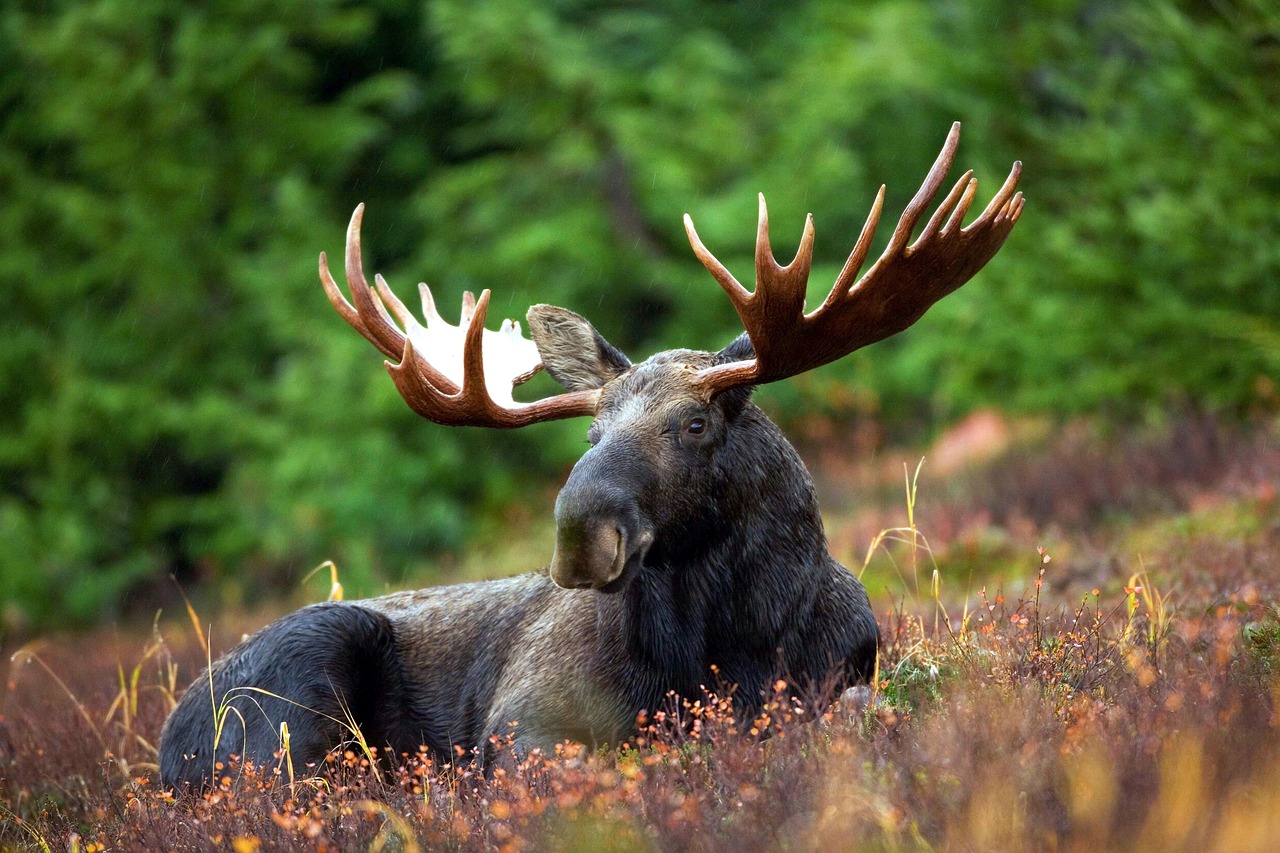
A mature Alaska-Yukon bull is not just another deer with bigger antlers. Alaska Department of Fish and Game notes that mature bull moose can reach around 1,600 pounds, and that scale changes what hunters want when angles are poor, brush is thick, or follow-up shots may be fast.
The .338 Winchester Magnum built its reputation with bullet weights that made sense for that job. Traditional factory offerings centered on 200-, 225-, and 250-grain bullets, giving hunters noticeably more frontal area and sectional density than the common .30 caliber magnums.
That combination translated into the thing moose hunters talk about around campfires: decisive penetration. On broadside shots, quartering shots, and heavy-shoulder impacts, the .338 developed a reputation for punching deep while still carrying enough speed to expand reliably with premium hunting bullets.
It hits hard without becoming absurd
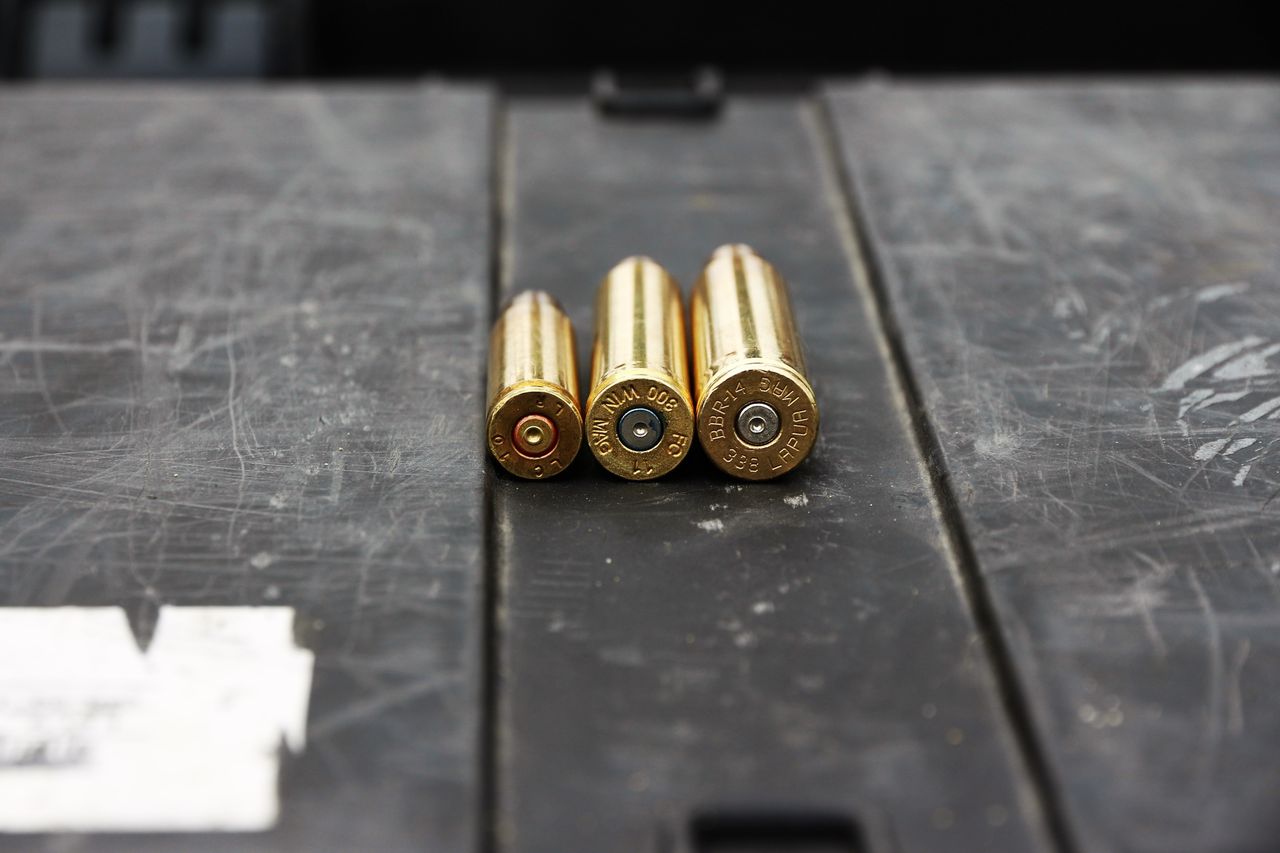
This cartridge lives in a very useful middle ground. It throws heavier bullets faster than standard .30-caliber workhorses, but it does not require the rifle size or recoil commitment of cartridges like the .375 H&H.
Modern published load data shows why that balance stuck. Federal lists a 225-grain .338 Winchester Magnum Fusion load at 2,850 fps, while Nosler data for 225-grain bullets commonly runs in the upper 2,700s to low 2,800s from 24-inch barrels, depending on the load.
Those numbers are not just trivia. They mean the .338 carries substantial downrange energy, keeps enough speed for reliable terminal performance, and still shoots flat enough for the real 150 to 300 yard shots that define a lot of open-country moose hunting.
Alaska helped turn performance into legend

No place did more for the .338 Winchester Magnum’s image than Alaska. The cartridge became closely tied to a hunting culture built around moose, big bears, bad weather, and the idea that one rifle might need to handle all of it.
Alaska Department of Fish and Game even refers to the .338 Winchester Magnum as popular, which tells you how deeply it entered the state’s hunting vocabulary. It also shows up repeatedly in discussions of practical big-game calibers for hunters traveling into bear country.
At the same time, Alaska officials stress an important truth: shot placement matters more than raw power. That actually helps explain the .338’s staying power. Hunters saw it as forgiving and authoritative, but still manageable enough for accurate field shooting by practiced riflemen.
It earned trust through bullet performance
Moose hunters do not fall in love with charts alone. They trust what works after impact, and the .338 Winchester Magnum benefited from decades of bullet development that turned a strong cartridge into a truly dependable one.
As premium bullets improved, the .338 got even better at doing what moose hunters ask. Controlled-expansion designs such as bonded bullets, partitions, and monometals helped the cartridge hold together through heavy muscle and bone while still creating broad wound channels.
That matters because moose are often taken in swamp edges, timber cuts, and muskeg where tracking can be miserable. A cartridge that tends to drive through, break big structures, and leave obvious evidence buys confidence, and confidence is a major reason traditions survive.
Why it still matters today
The funny thing about the .338 Winchester Magnum is that it became famous in an era before endless online cartridge debates, yet it survived them all. Even now, with newer magnums offering more speed or better long-range numbers, the old .338 still makes immediate practical sense.
It is not the only good moose cartridge, and Alaska does not require it. In fact, Alaska regulations center on legal centerfire cartridges, and the department emphasizes that precise shooting and quality bullets matter more than simply choosing a larger magnum.
Still, the .338 Winchester Magnum became the moose hunter’s caliber because it solved the real problem better than most rivals. It gave hunters reach, bullet weight, penetration, and field authority in one familiar package, and that is how a cartridge becomes legend.