A pistol can be excellent on the range and still be annoying to carry all day. That gap is where a lot of buyers get surprised.
Popular does not always mean practical

The concealed-carry market rewards pistols that feel good in the hand and shoot softly in a gun-store demo or rental lane. That is one reason models like the Glock 19, SIG Sauer P365 XL, Springfield Hellcat Pro, and Shield Plus keep showing up on short lists. According to Pew Research Center, protection is the main reason most U.S. gun owners own a firearm, so it makes sense that buyers gravitate toward confidence-inspiring handguns.
But confidence on the range is only part of the job. A carry gun has to sit against your body for ten or twelve hours, disappear under ordinary clothes, and avoid digging into your ribs or printing through a T-shirt. That is where many popular pistols start showing their compromises.
The tricky part is that none of these guns are bad choices. In fact, several are outstanding. The problem is simpler: what sells best is often the middle ground, and the middle ground is not automatically the easiest thing to conceal on a real person with a real waistband.
The dimensions that actually change comfort
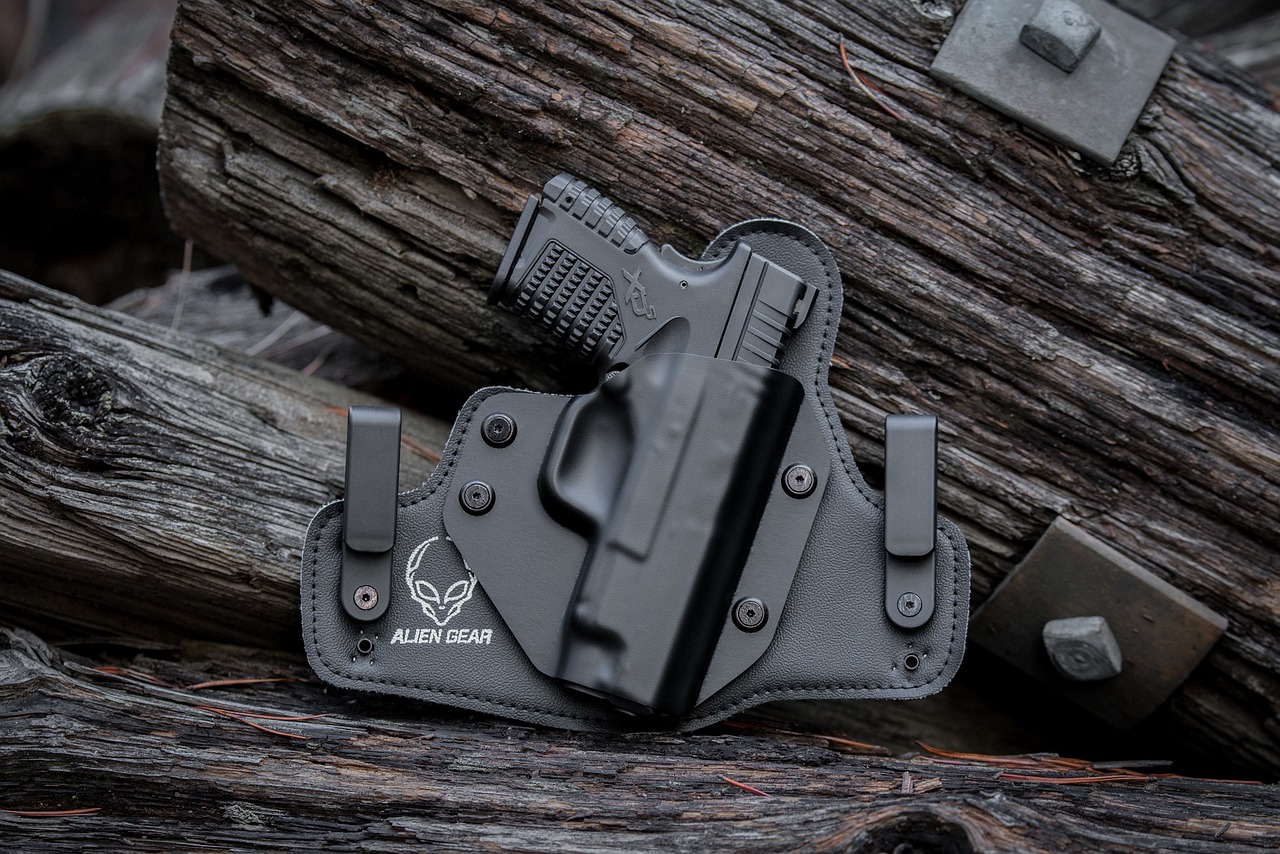
When people talk about concealment, they usually fixate on barrel length. In daily carry, grip height and thickness often matter more. The Glock 19 remains a benchmark compact, but Glock lists it at 1.34 inches wide, which is noticeably thicker than many newer slim carry pistols. That width can be the difference between “barely notice it” and “ready to take it off by lunch.”
The same pattern shows up in slimmer guns that are still larger than their reputation suggests. SIG’s P365 XL is 1.1 inches wide and weighs about 20.4 ounces with a magazine, while Glock’s G43X is 1.10 inches wide and about 18.70 ounces with a magazine. Those numbers are reasonable, but once you add a full firing grip and higher-capacity magazine, concealment gets more demanding.
Springfield’s Hellcat Pro is a great example of the balancing act. Springfield says it is just 1 inch wide and offers 15+1 capacity, which sounds ideal on paper. In practice, that longer grip and shootable frame are exactly what can make a pistol print more under light clothing.
Why the grip is often the real problem
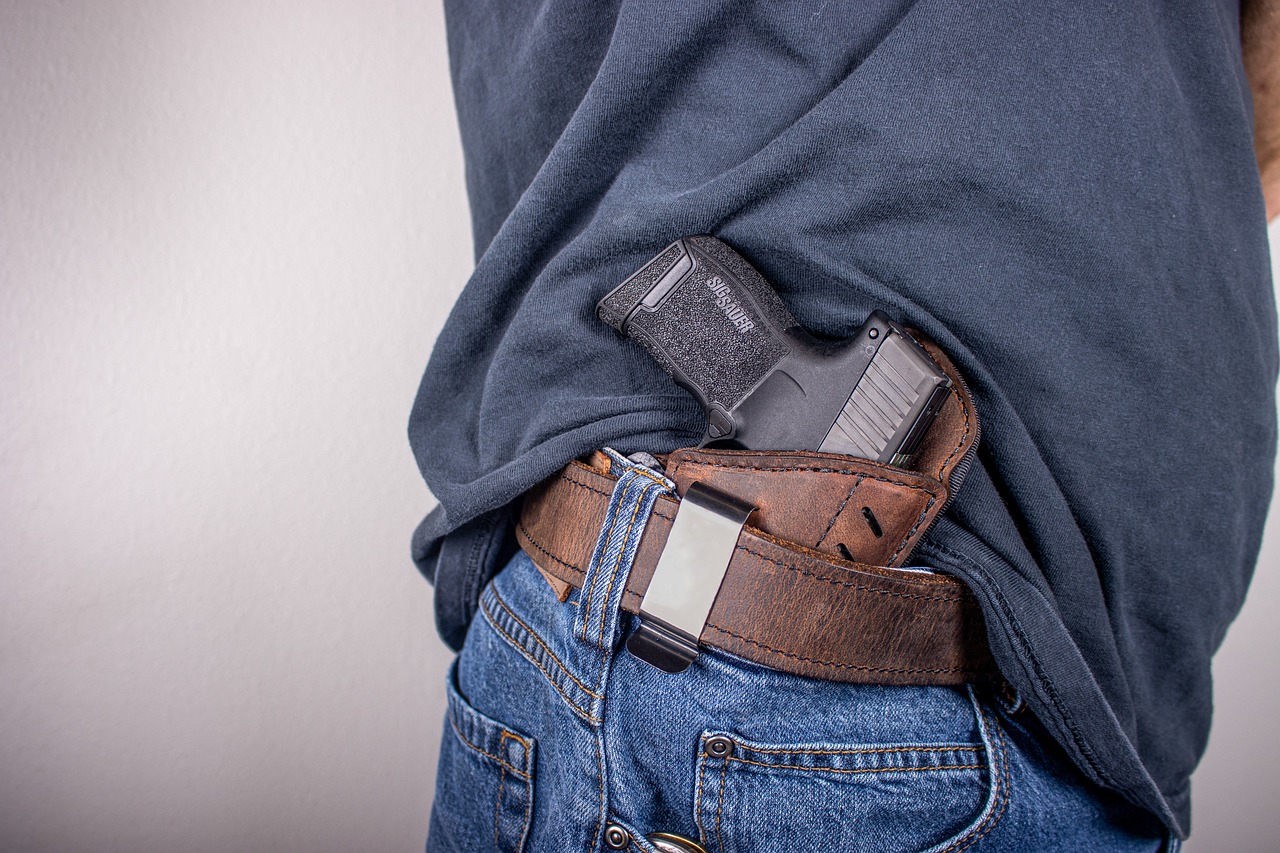
The part most likely to betray a concealed pistol is usually the butt of the grip, not the muzzle. A longer grip gives you better control, faster reloads, and often more confidence under recoil. It also gives your cover garment more surface area to hang up on.
That is why a gun like the Shield Plus can be easier or harder to carry depending on magazine choice. Smith & Wesson lists the Shield Plus at 1.1 inches wide, but switching from a flush magazine to an extended one changes how much grip peeks outward. Many carriers blame the holster when the real culprit is added grip length.
This is also why some people buy a “micro” pistol and still struggle. The pistol may be narrow, but if the grip is tall enough to shoot like a compact, it may conceal like one too. Comfortable shooting and easy hiding are related, but they are not the same thing.
Accessories can make a carry gun harder to live with

Modern carry pistols increasingly come optics-ready, and that is a real advantage for many shooters. Red-dot sights can improve speed and precision once the user is trained. The tradeoff is bulk above the slide, a little more weight, and in some cases a setup that is fussier against clothing or skin.
Weapon lights create a similar problem. They add capability, but they also increase holster size and sometimes force a wider footprint inside the waistband. A pistol that felt trim in stock form can suddenly feel much larger once it wears a dot, taller sights, and a light.
Even small changes matter. Extended base pads, flared magwells, and oversized controls are useful upgrades in isolation. Together, they can turn a sensible carry pistol into something that is much better suited to a class, a nightstand, or open carry than quiet daily concealment.
Your body type and clothing matter more than brand loyalty
A popular pistol may simply be wrong for your build. Someone with a broader frame, sturdy belt, and untucked overshirt can hide a Glock 19 with little drama. A slimmer person in office clothes may find that same gun constantly printing, shifting, or requiring wardrobe changes that become tiring over time.
Carry position matters too. Appendix carry can hide longer slides surprisingly well, but it often punishes thick guns and aggressive grip texture. Strong-side carry can make thicker pistols feel fine, yet a longer grip may poke outward every time you bend or reach.
This is why one shooter swears a compact is the perfect answer while another sells the same model after two weeks. The gun did not change. The body, belt, holster, posture, and dress code did, and those variables decide comfort far more than internet popularity.
How to choose smarter before you buy
The best concealed-carry pistol is rarely the one with the loudest following. It is the one you will actually carry consistently, safely, and competently. FBI data from its 2023 active shooter report noted that handguns were the most common firearm type used by shooters in those incidents, a reminder that defensive handgun choices deserve sober, practical thinking rather than trend chasing.
Before buying, compare width, height, and loaded carry setup instead of caliber slogans and marketing language. Think about the exact holster style, belt stiffness, and clothes you wear most days. If possible, handle the gun with both flush and extended magazines, because that difference is huge in concealment.
Most of all, be honest about your habits. A slightly smaller pistol carried every day beats a larger “better shooter” left at home. Popular pistols earn their reputation for good reasons, but easy to shoot and easy to carry are not always the same thing.