A once-in-a-lifetime trophy deserves more than a quick trip from the field to the taxidermist. Small mistakes during recovery, transport, freezing, or preparation can permanently affect the hide and the finished mount. Even choosing the wrong pose or failing to provide useful photographs can change how the animal ultimately looks. These 9 mistakes are easy to overlook, but knowing what to avoid can help preserve the trophy’s appearance, character, and memories for many years.
1. Waiting Too Long to Cool the Hide
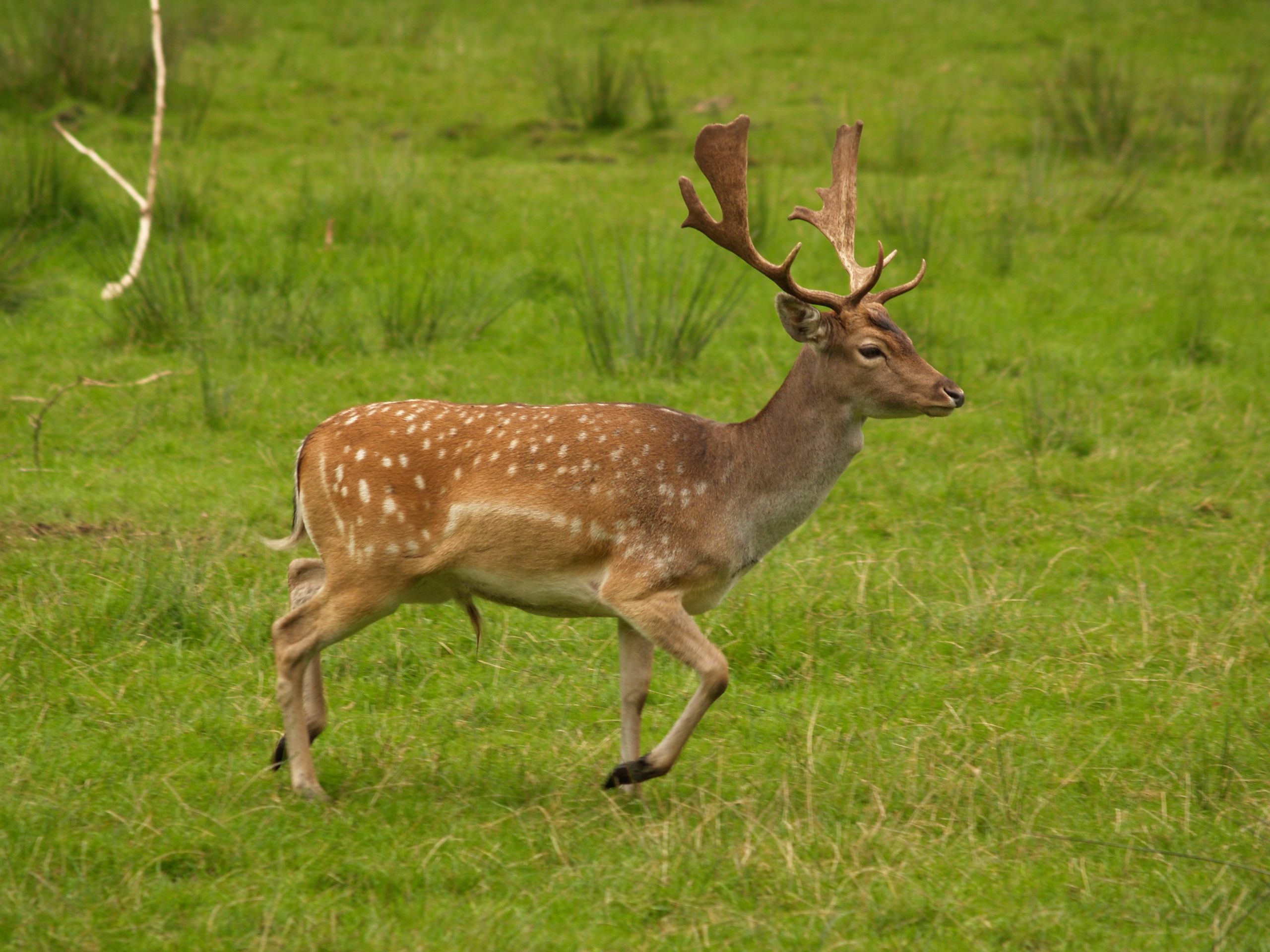
A trophy can start deteriorating before the hunter realizes anything is wrong. Heat, moisture, and bacteria work quickly, especially when a hide stays warm for several hours. As a practical rule, get the animal cooled as soon as possible and keep the hide clean while arranging professional care. Do not leave it sealed in a warm vehicle or tightly wrapped in plastic. Even a 6-hour delay in hot conditions can increase the risk of hair slip, odors, and permanent damage, turning a memorable harvest into a difficult salvage job. Quick cooling is especially important during warm weather.
2. Mishandling the Hide During Transport
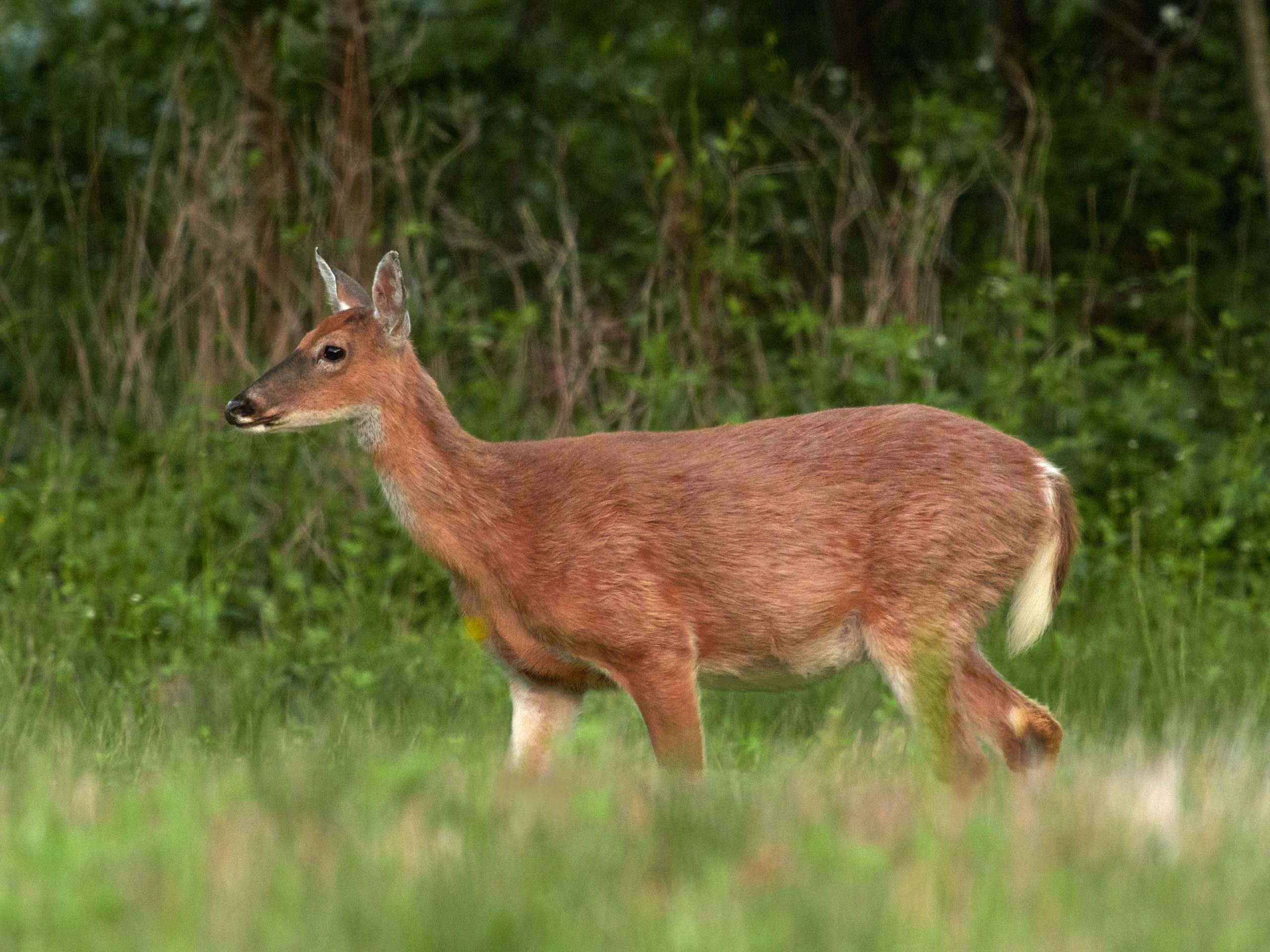
Dragging, folding, or stuffing a fresh hide carelessly can create damage that a taxidermist cannot fully hide. Rough handling may stretch edges, crush hair, or contaminate areas that later need careful preservation. Keep the cape protected from dirt, blood, and excessive friction, and avoid packing it against sharp gear. If you must transport it for several hours, keep it cool and allow appropriate airflow. A few careful minutes at the start can protect years of memories. Never toss a wet cape loosely into a hot truck bed. Keep unnecessary handling to a minimum.
3. Cutting the Cape Too Short
One of the most frustrating mistakes happens when a hunter makes an unnecessary cut while field dressing. Taxidermists need enough skin around the neck, shoulders, and other areas to create a clean, natural-looking mount. Removing an extra 2 or 3 inches may limit how the cape can be positioned or finished. When in doubt, leave more hide rather than less and tell the taxidermist how you want the trophy mounted. Extra material can usually be trimmed later, but missing skin cannot be recreated. A cautious cut is worth more than speed in the field.
4. Failing to Record the Trophy Before Skinning
Once a trophy is skinned, small details that helped identify its original appearance may be harder to remember. Take clear photographs before cutting, including the face, ears, antlers or horns, eyes, and natural posture. For a deer, 5 to 10 useful reference photos can give a taxidermist valuable guidance. Record unusual scars, broken tines, color patterns, and other marks as well. These details help the finished mount resemble the actual animal instead of becoming a generic version of the species. Photograph both sides when possible, not just the best-looking angle.
5. Ignoring the Eyes, Ears, and Facial Details
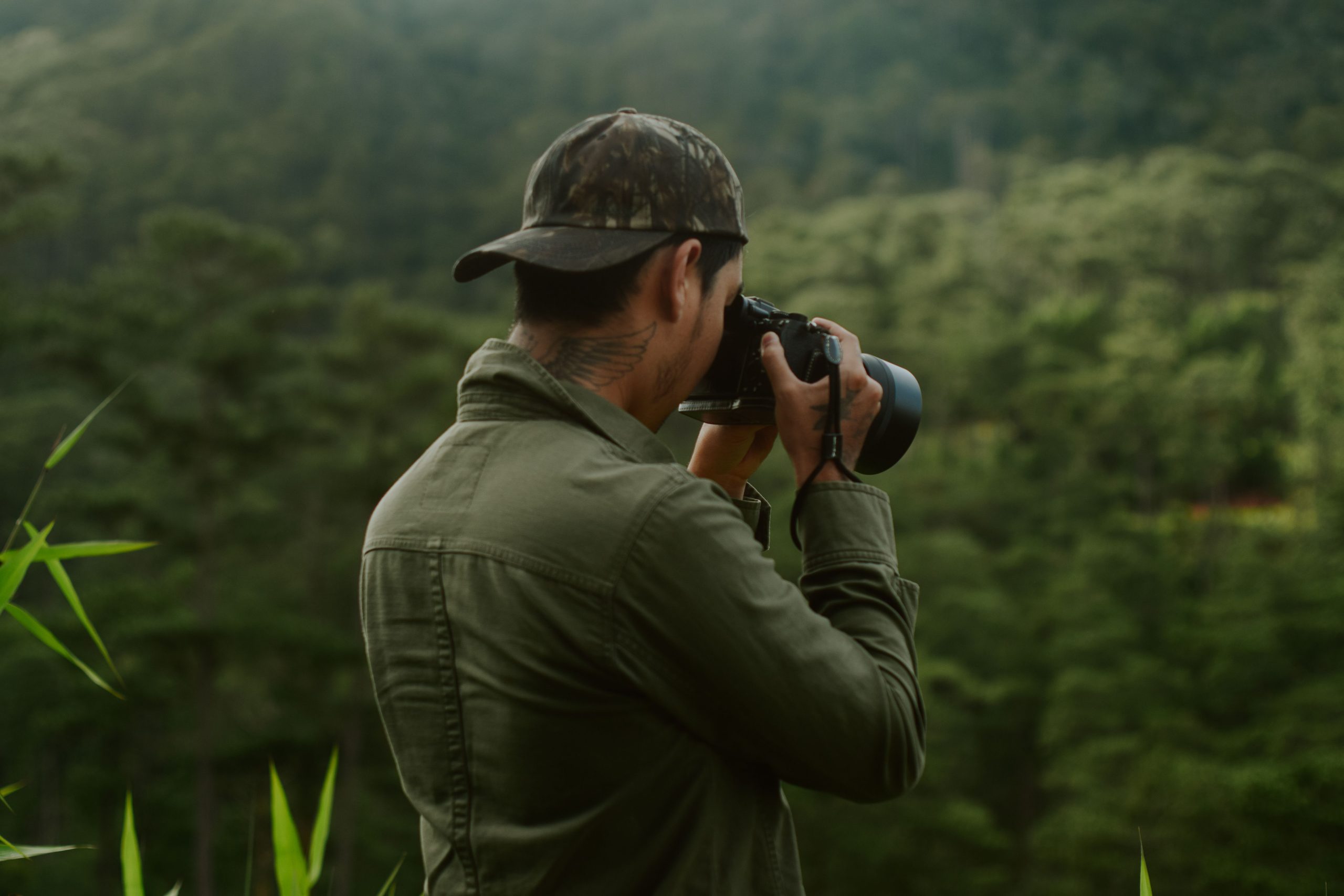
The face is where a good mount can either look convincing or immediately seem artificial. Damaged eyelids, torn ears, missing facial skin, or careless handling around the nose can reduce the taxidermist’s options. Protect these areas during field care and avoid pulling or cutting unnecessarily close to delicate tissue. On many mounts, the eyes are only a few inches apart, yet tiny differences in angle and expression can change the entire result. Careful preservation of the head matters as much as the size of the trophy. A damaged face can be harder to disguise than a small body blemish.
6. Freezing the Trophy the Wrong Way
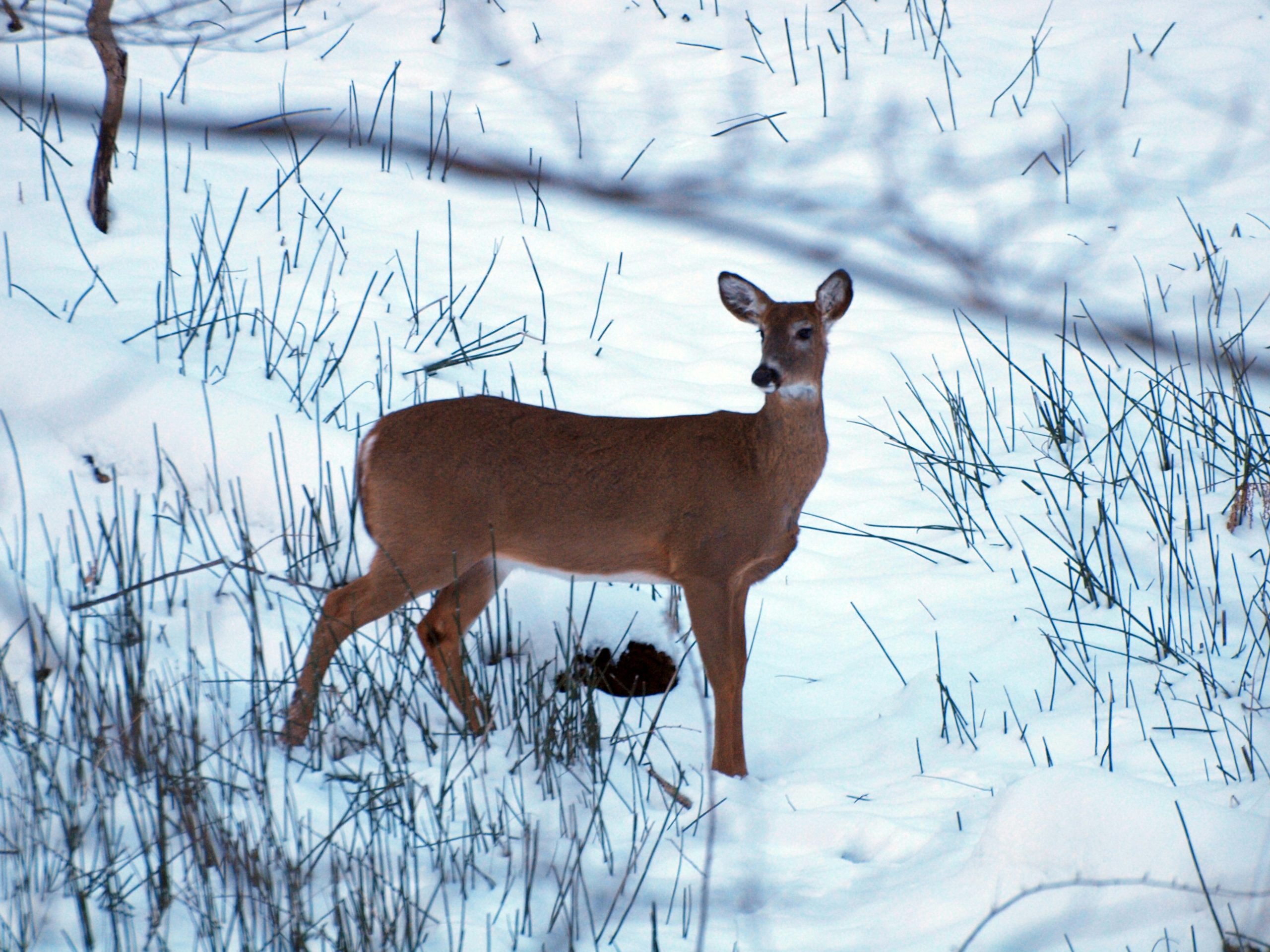
Freezing can preserve a cape when professional work cannot happen immediately, but poor preparation can create new problems. Remove excess dirt and blood, position the hide appropriately, and protect it from freezer burn without trapping unnecessary heat or moisture. A steady freezer around 0°F is generally suitable for frozen food storage, but the trophy should not be repeatedly thawed and refrozen. One thaw-and-refreeze cycle can be enough to worsen tissue damage and complicate later tanning, especially if the hide was already compromised. Keep it frozen until the next step.
7. Choosing a Taxidermist Without Checking Their Work
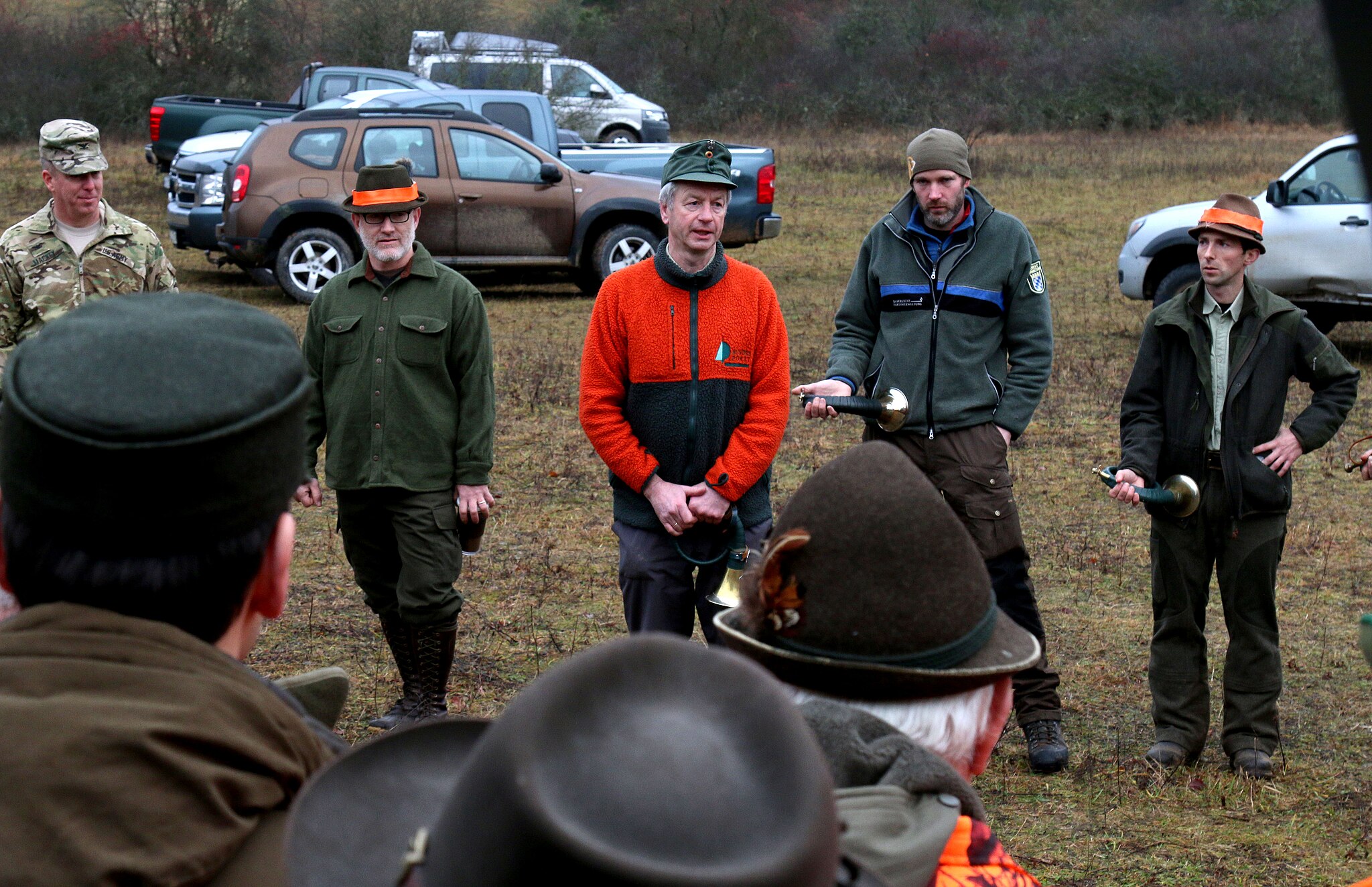
A trophy may be biologically preserved yet still look wrong if the workmanship is poor. Do not choose a taxidermist only because the price is lower or the turnaround sounds fast. Ask to see recent completed mounts of the same species and inspect the eyes, ears, hair patterns, seams, and overall anatomy. Looking at 3 to 5 finished examples can reveal consistency far better than a single impressive photograph. Also ask about experience, estimated timing, deposits, revisions, and how damaged hides are handled before handing over an irreplaceable trophy.
8. Giving the Taxidermist Too Little Reference Information
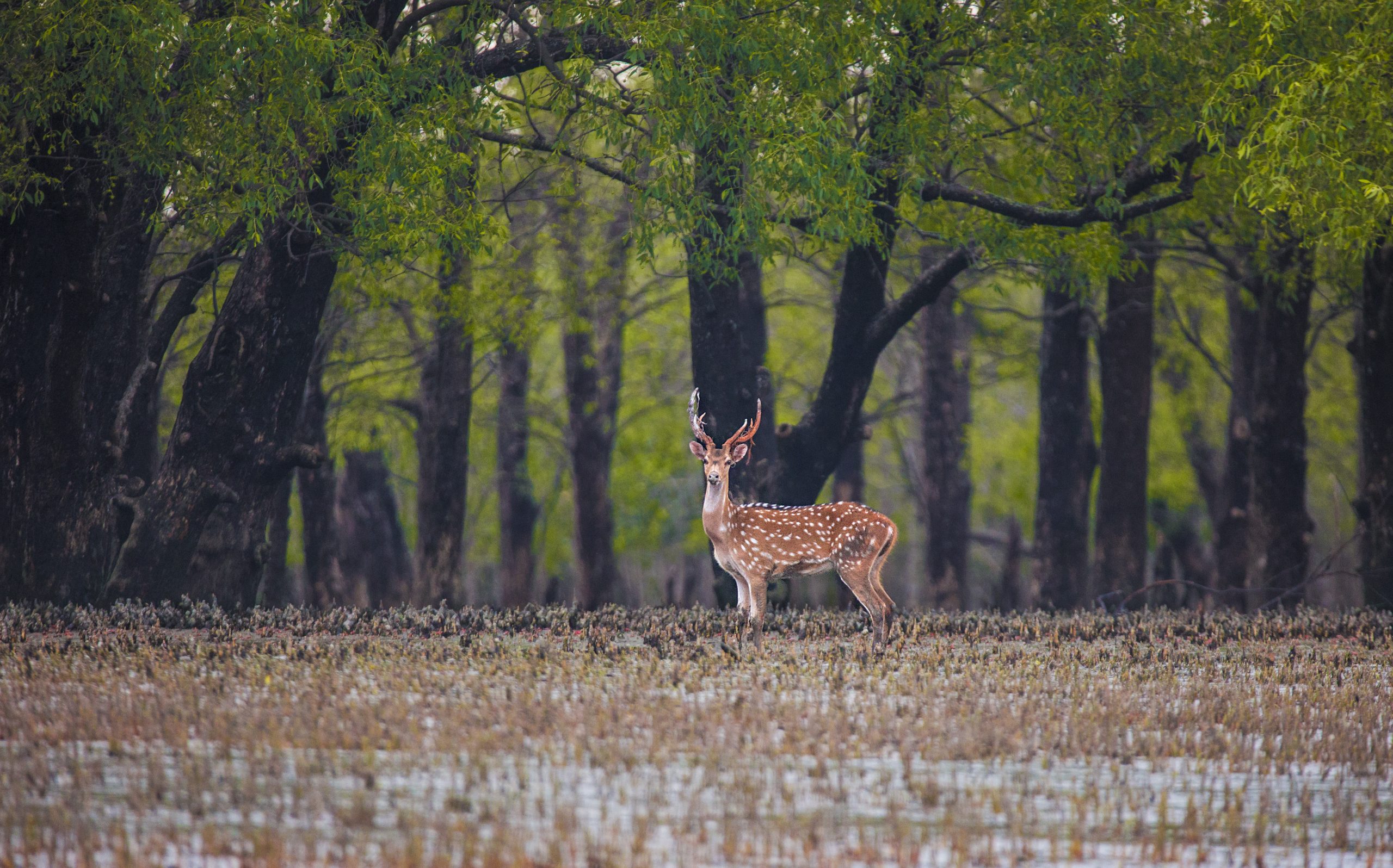
Even an experienced professional cannot accurately recreate details that were never documented or discussed. Tell the taxidermist the animal’s sex, approximate age if known, hunting location, unusual injuries, and the pose you prefer. Provide several photographs and mention any feature you want preserved exactly. For antlered game, measurements such as beam length or unusual tine shape can be useful reference points. A 10-minute conversation before work begins can prevent uncertainty and reduce the chance that the finished mount reflects assumptions instead of your actual trophy.
9. Rushing the Finished Mount Instead of Checking the Details
A trophy deserves a careful final inspection before it becomes a permanent display piece. Look at the symmetry of the ears, eye placement, nose, mouth, hair direction, antler alignment, and the overall posture from several angles. Stand about 6 to 10 feet away as well as close to the mount, because problems can appear differently at each distance. If something looks noticeably wrong, discuss it before accepting the finished work. Spending 15 minutes on a final check is far better than discovering a preventable problem years later. Patience protects the finished trophy.