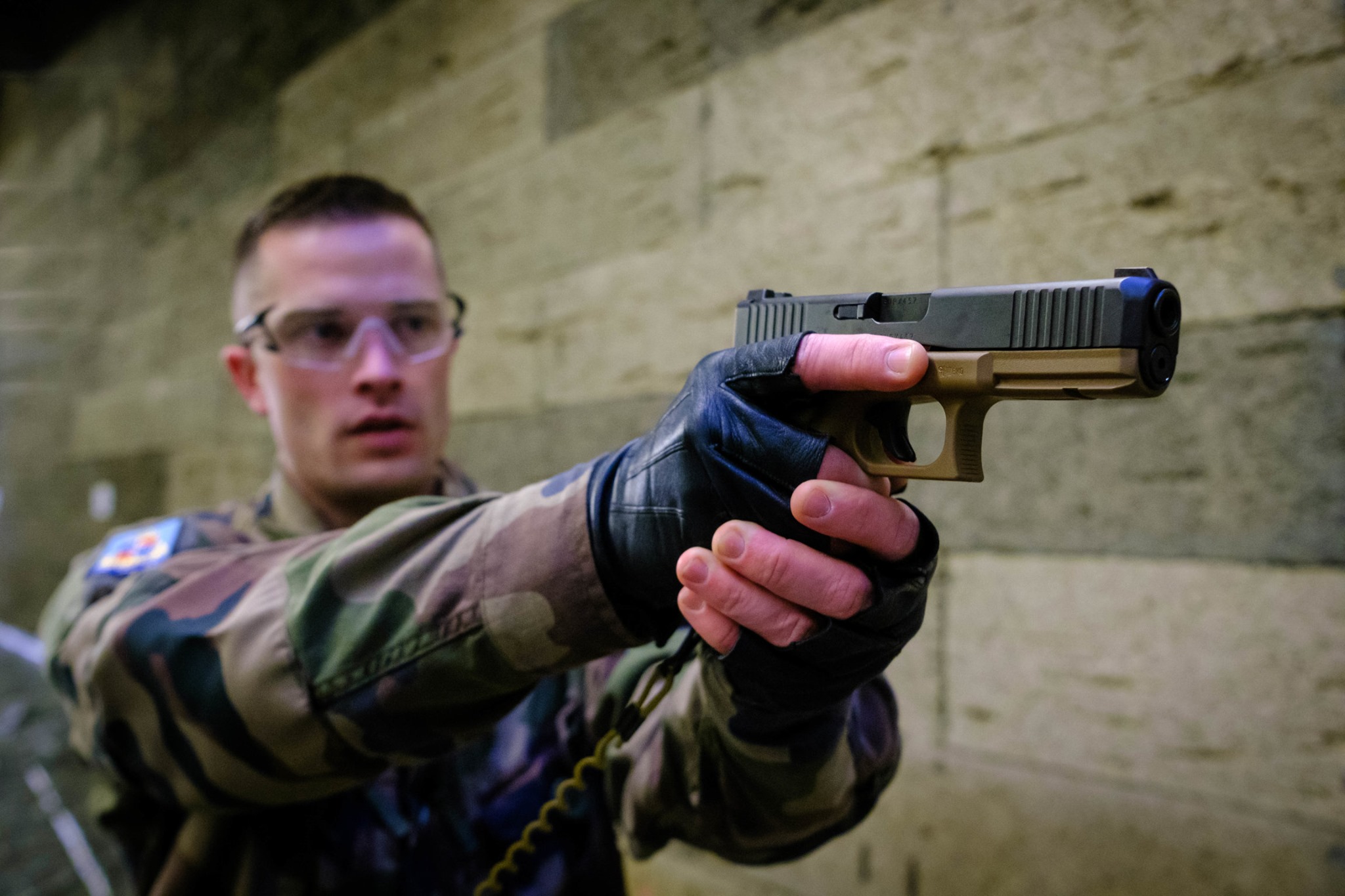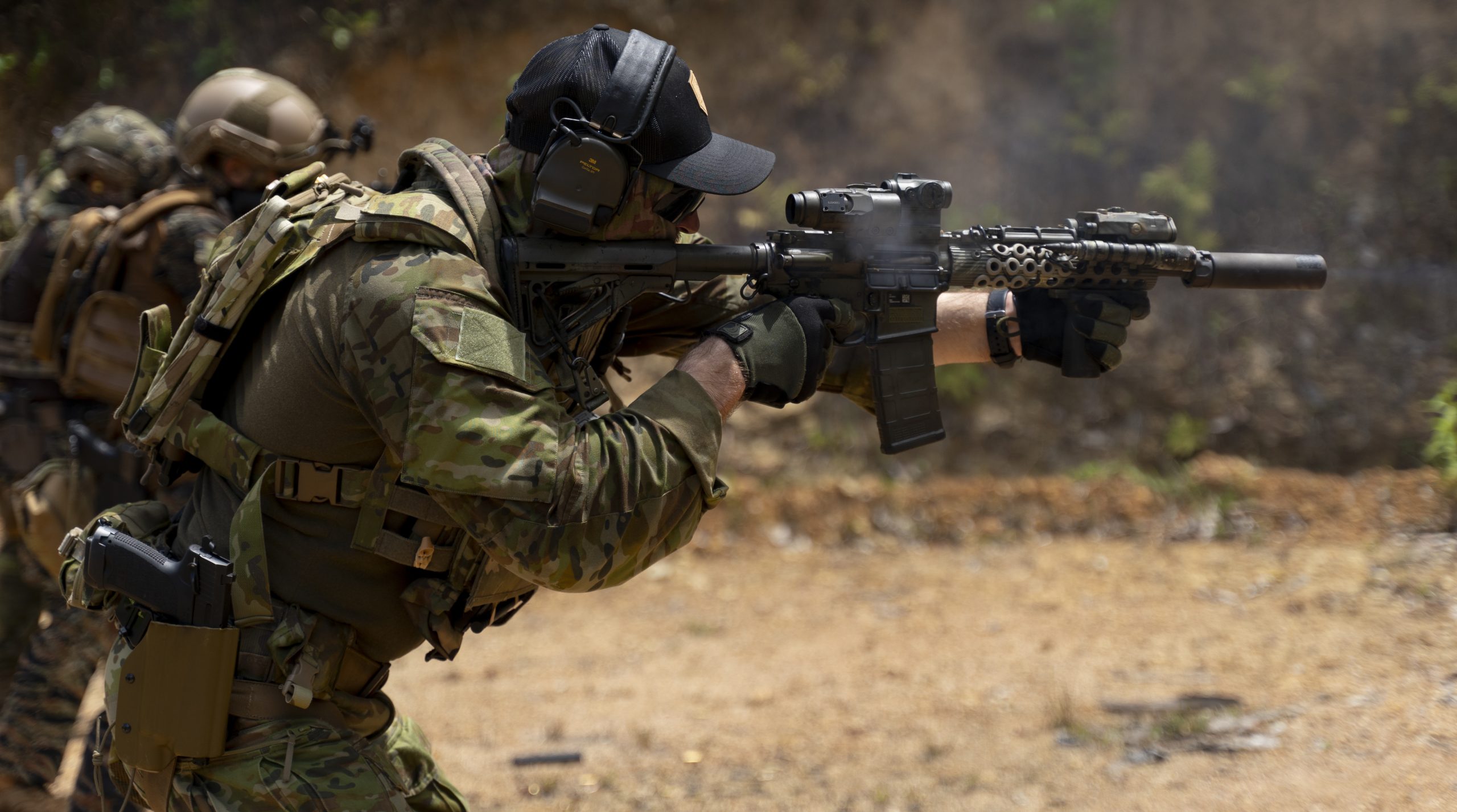
Firearms history is full of examples where the attachment became controversial before the firearm itself attracted comparable restrictions. From suppressors and bump stocks to magazines and conversion components, lawmakers have sometimes focused on what an accessory does rather than simply what the gun is. The legal history is also surprisingly uneven: federal rules, state laws, and rules in other countries can treat the same item very differently. The eight examples below explore those unusual turning points, with dates and figures that put each development into perspective.
1. Suppressors
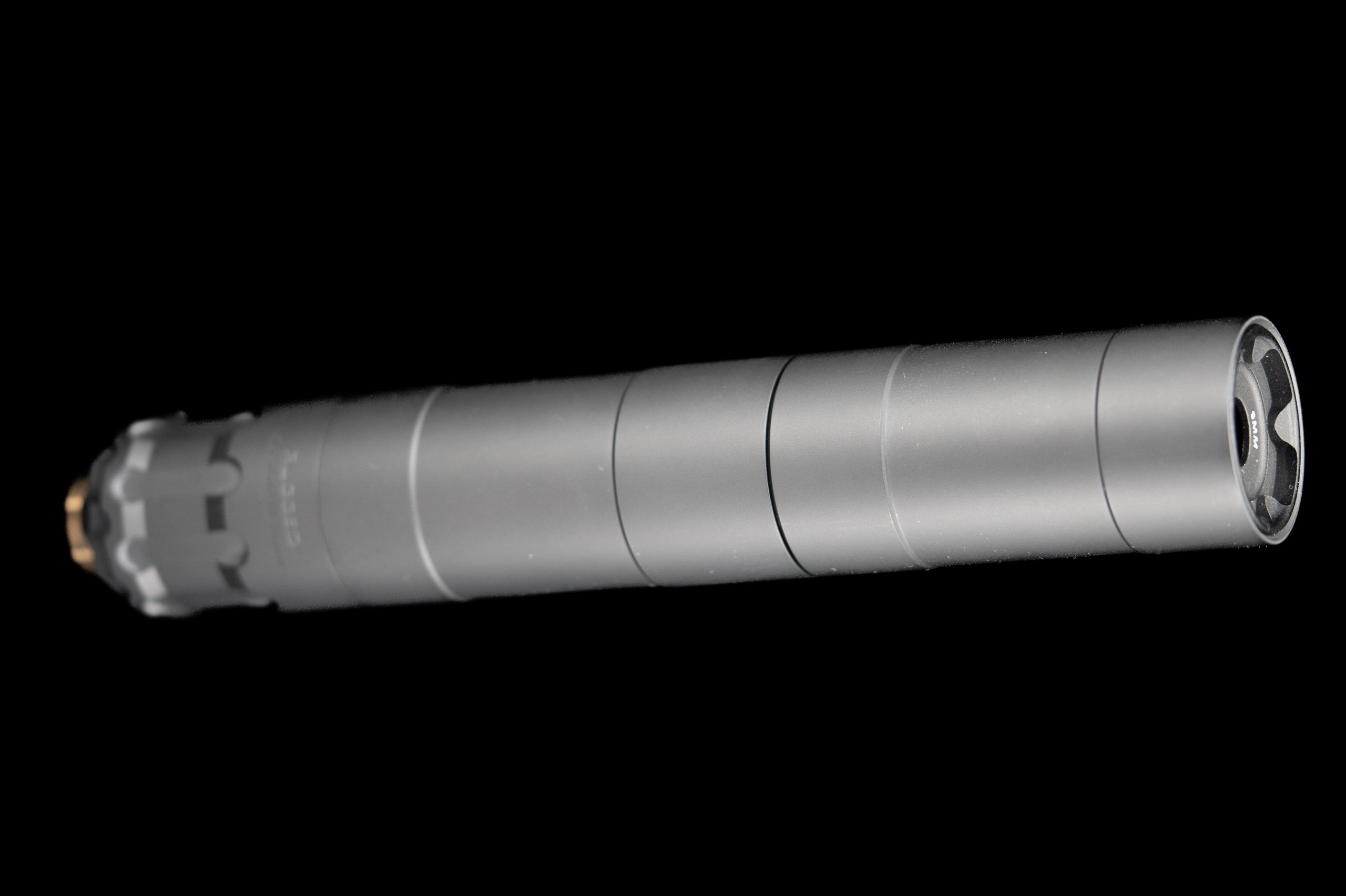
The suppressor is one of the clearest examples of an attachment receiving federal attention on its own. The U.S. National Firearms Act of 1934 specifically included firearm silencers, alongside machine guns and short-barreled firearms. The attachment was regulated even though it was not a complete gun. Suppressors also had sporting and hearing-protection uses, but lawmakers associated them with concealment and misuse. Today, federal treatment remains distinct from ordinary accessories, while state laws can be stricter. Federal rules also cover certain combinations of suppressor parts, making the legal definition broader than simply the finished device.
2. Bump Stocks
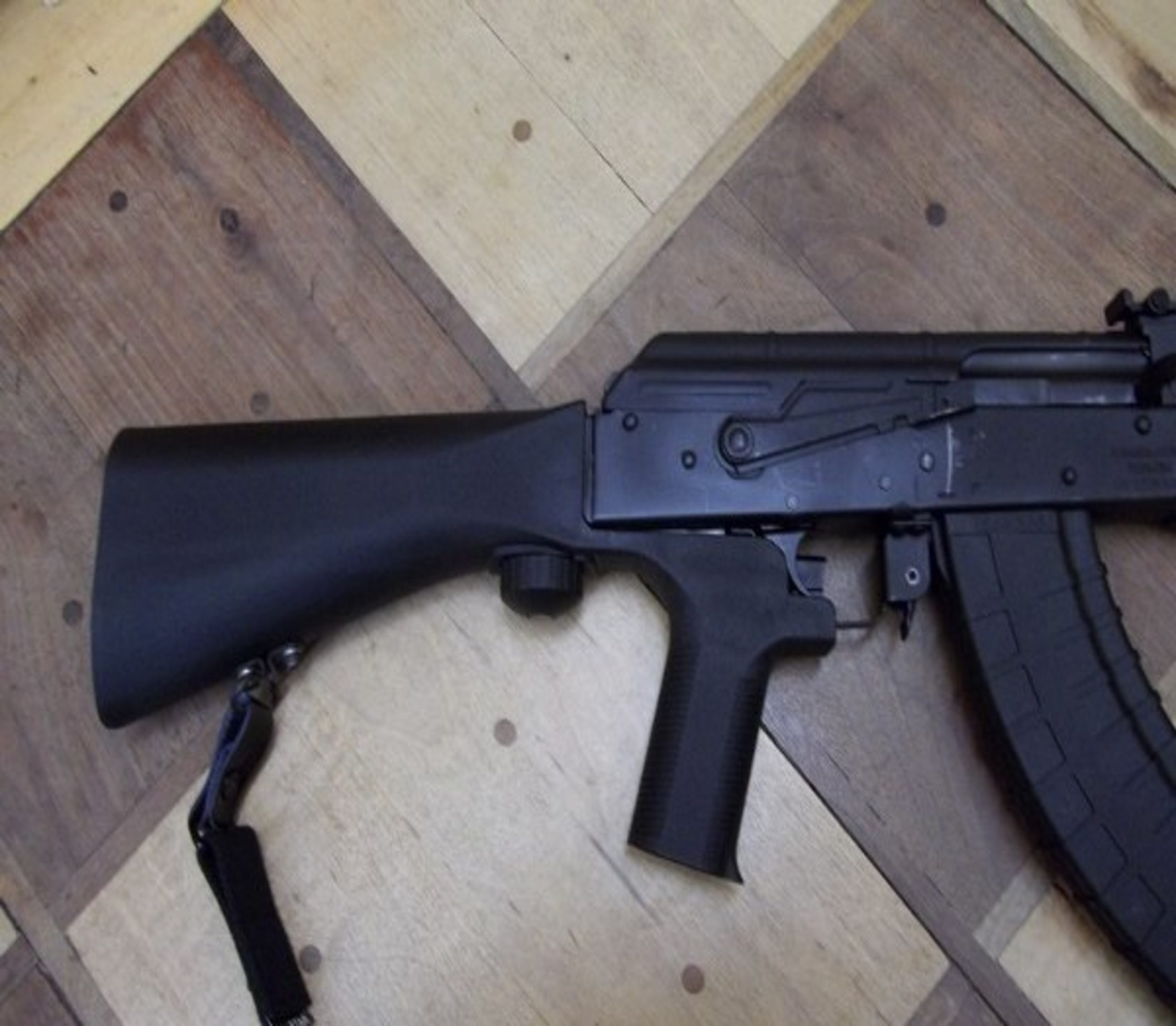
Bump stocks show how quickly an accessory can move from commercial curiosity to a national legal controversy. ATF had previously determined that certain bump-stock designs were not machine guns, but that position changed after the 2017 Las Vegas attack. A federal rule took effect in March 2019 and treated covered bump-stock devices as machine guns under the NFA and GCA. The story continued: in June 2024, the Supreme Court ruled that a semiautomatic rifle fitted with a bump stock does not meet the federal statutory definition of a machine gun. State restrictions can still apply, making the legal picture complicated.
3. High-Capacity Magazines
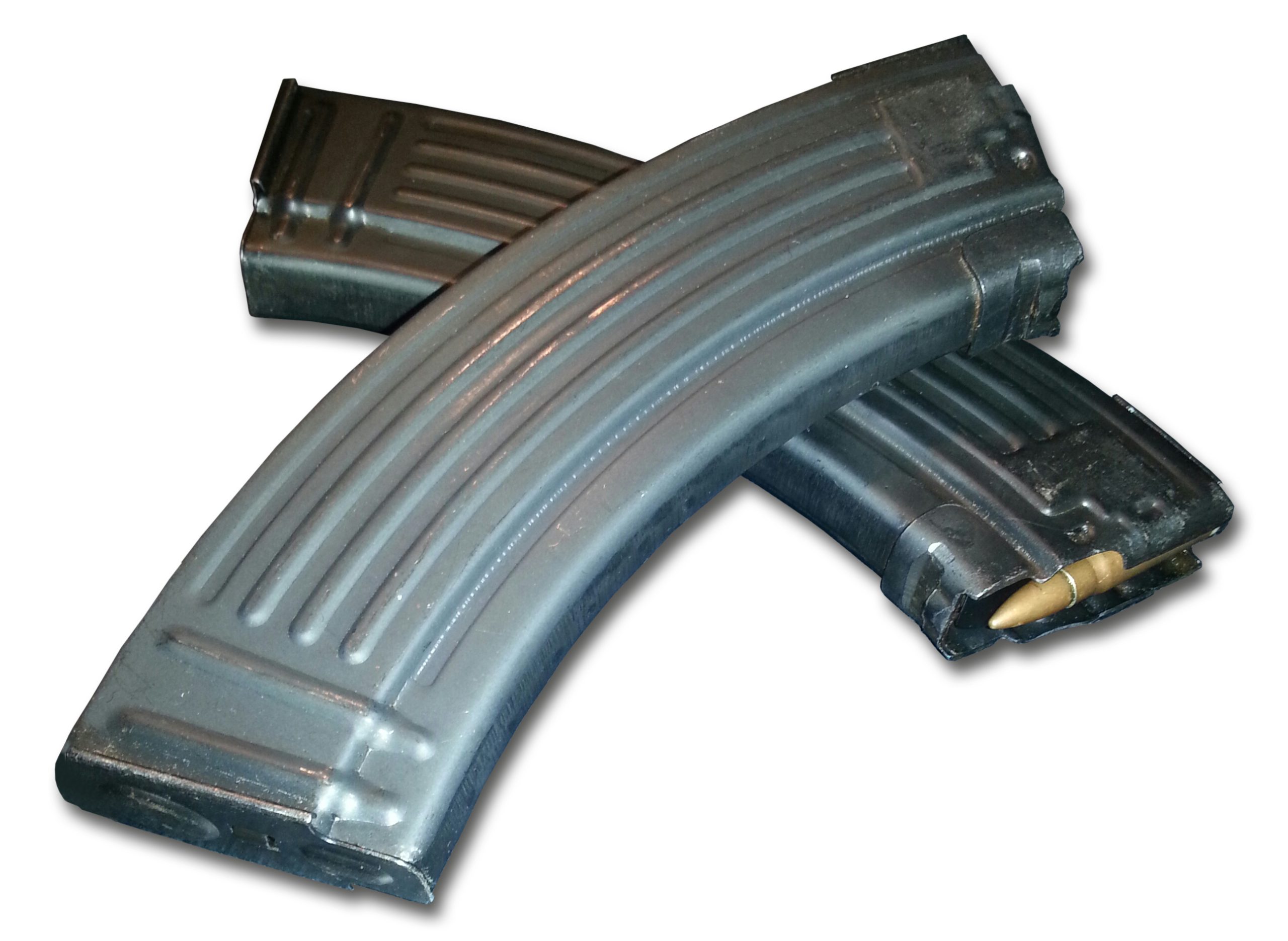
A detachable magazine is normally just a feeding component, but capacity limits have repeatedly turned it into a regulated accessory. A major federal example was the 1994 law, which restricted new manufacture of magazines holding more than 10 rounds. That federal restriction expired in 2004, but the subject did not disappear. Several states and the District of Columbia later adopted their own limits, creating a patchwork. This history matters because the firearm itself could remain legal while a particular magazine configuration became restricted, grandfathered, or prohibited depending on the jurisdiction. In effect, the attachment could determine whether an otherwise familiar firearm configuration was lawful.
4. Conversion Parts
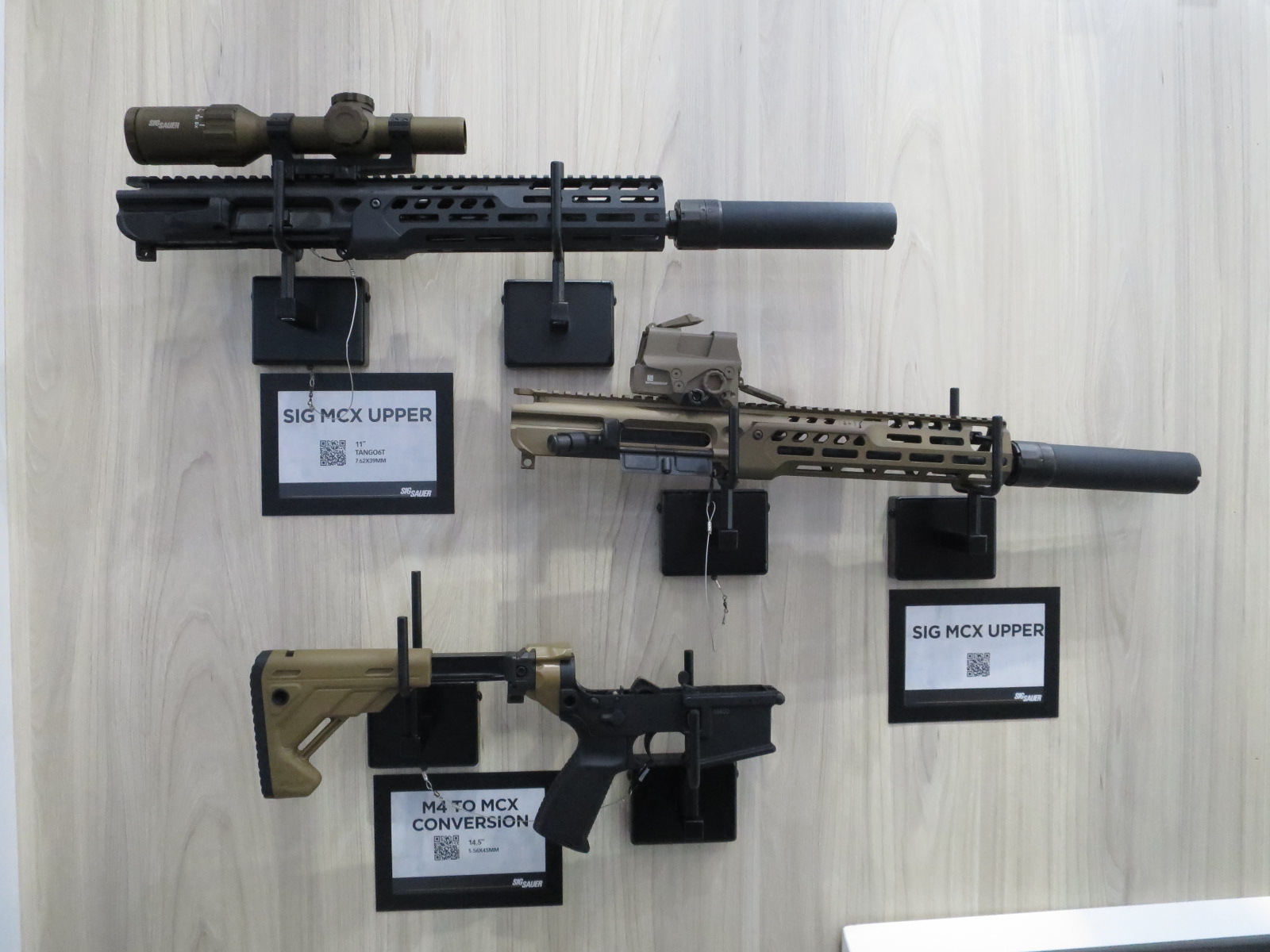
Some restrictions concern tiny parts rather than visible attachments. Under federal law, certain conversion components can themselves fall within the definition of a machine gun when they are designed and intended to convert a firearm to automatic fire. The 1986 Firearm Owners’ Protection Act also expanded the silencer definition to cover combinations of parts intended for assembly. Regulators can focus on an accessory’s function and intended use rather than its size or appearance. These rules illustrate why an apparently minor component can receive treatment normally associated with a complete regulated weapon. The legal question is often what the component is designed to accomplish.
5. Shoulder Stocks
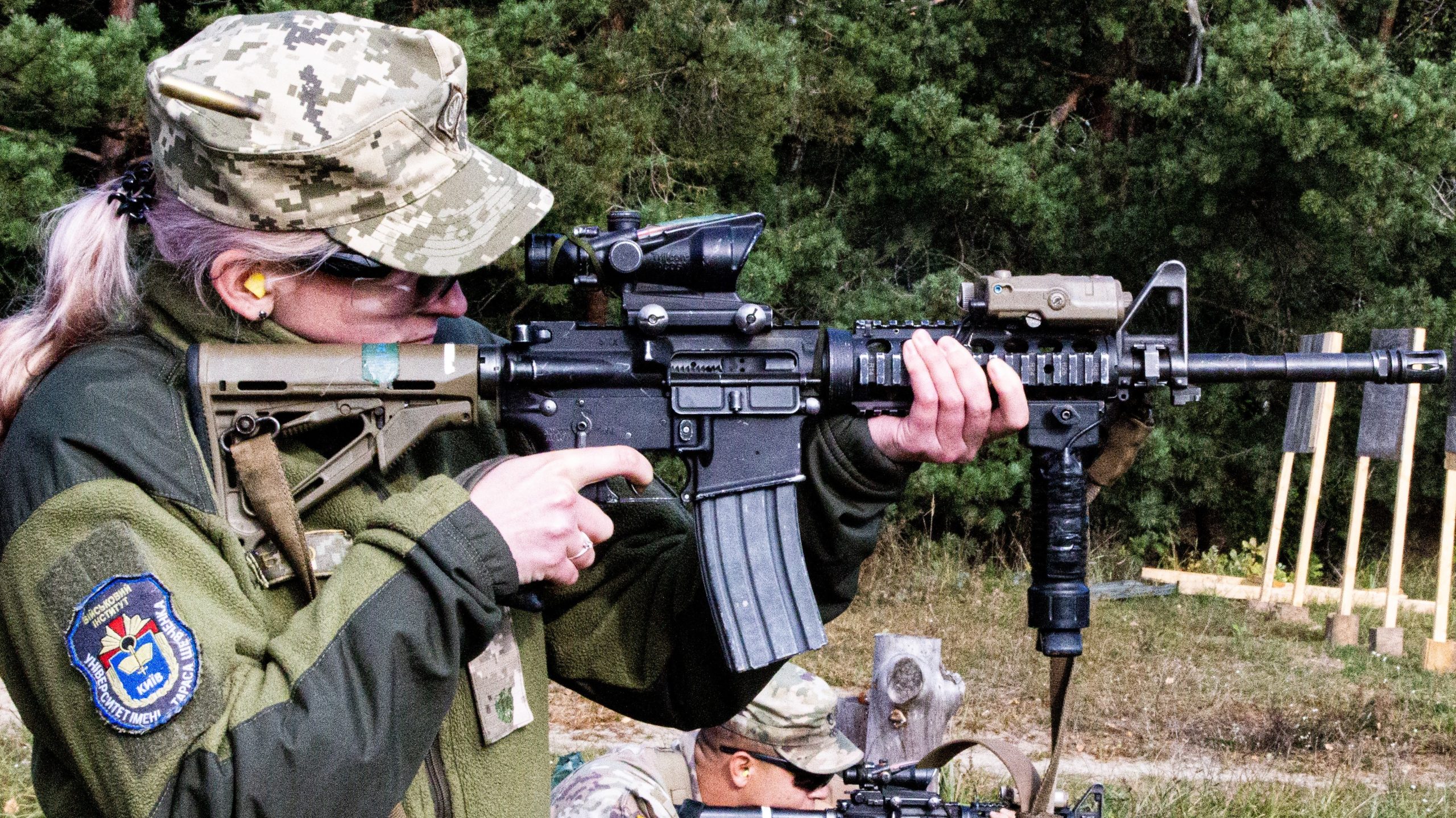
A shoulder stock is generally an ordinary firearm component, but attaching one to a handgun can create a very different legal result. ATF guidance explains that a pistol with an attachable shoulder stock can become an NFA-regulated firearm unless specified barrel-length and overall-length conditions are met. Historically stocked pistols have received special treatment, while modern configurations can raise questions. The key point is that law may examine the complete configuration, not just the firearm as sold. ATF guidance specifically references a 16-inch barrel and 26-inch overall-length thresholds in this context, showing how a simple attachment can have classification consequences.
6. Bayonets
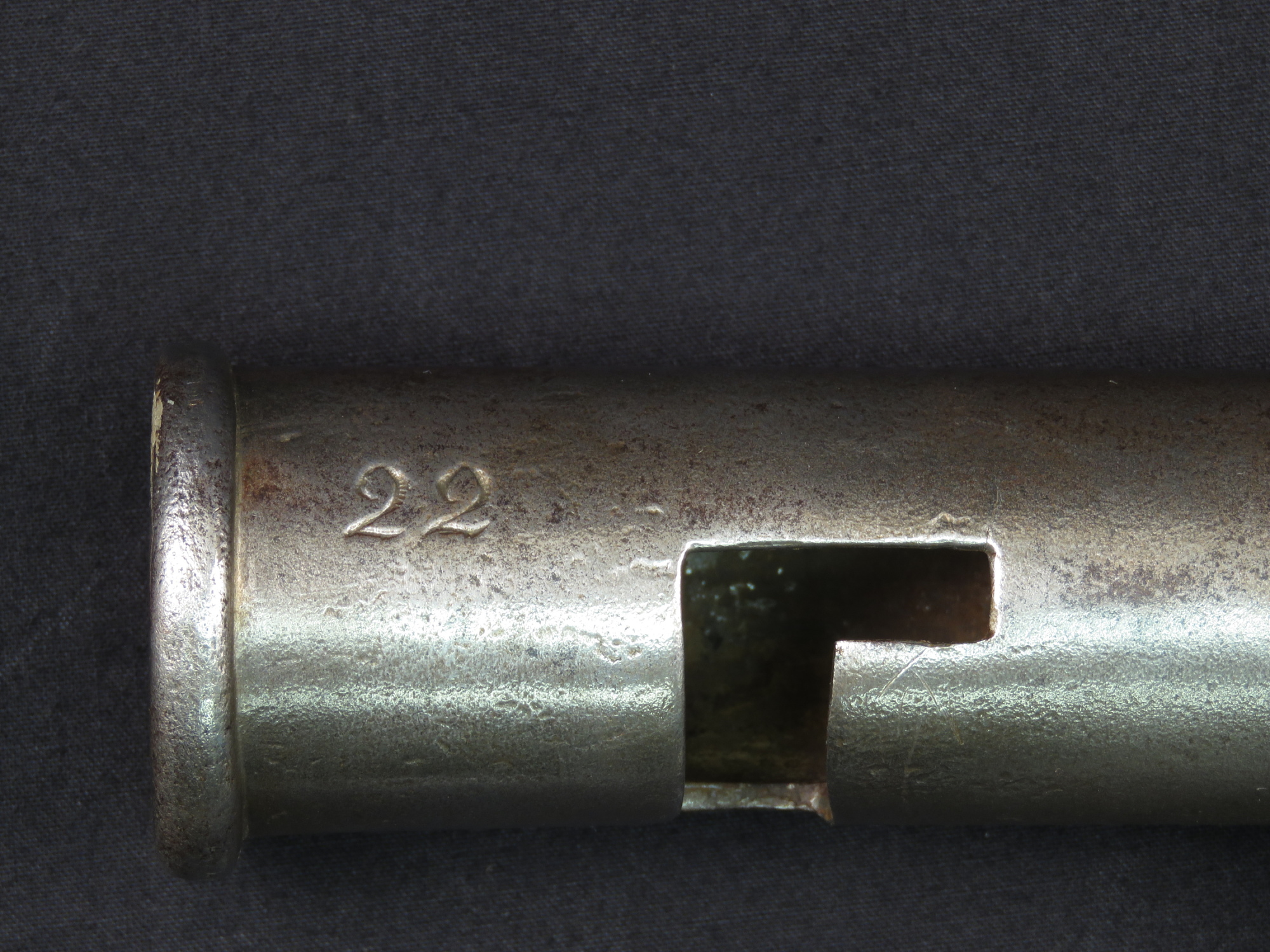
Bayonets are often assumed to be universally prohibited because of their appearance, but the legal reality is more varied. In the United States, federal firearms law does not impose a general nationwide ban on ordinary bayonets simply because they attach to rifles. Restrictions can instead arise from state definitions, prohibited-weapon rules, or laws addressing particular configurations. An accessory can therefore be controversial without being federally prohibited. In India, the Arms Rules also expressly list bayonets among specified edged weapons, showing another legal approach. The contrast is useful because it demonstrates how the same attachment can move between categories such as firearm accessory, edged weapon, or controlled article under different legal systems