
The firearms world is full of stories, traditions, and old advice passed from one generation to the next. Some ideas contain a grain of truth, while others survive simply because they have been repeated for decades. Even experienced shooters can occasionally accept these claims without questioning the science, mechanics, or data behind them. Movies, military folklore, range conversations, and internet discussions have all helped certain myths endure. Understanding what is fact and what is fiction matters because misconceptions can influence safety, maintenance, and expectations about firearm performance. Here are ten persistent gun myths that continue to circulate, along with the numbers and facts that tell a different story.
1. Bigger Calibers Always Have More “Stopping Power”

Many shooters still believe that a larger caliber automatically produces dramatically better results, but real-world performance is more complex. Bullet design, penetration, expansion, and shot placement often matter more than diameter alone. For example, a .45 ACP bullet measures about 11.5 mm, while a 9 mm bullet measures roughly 9.01 mm, yet both have served military and law-enforcement roles effectively. Modern ammunition technology has narrowed performance differences considerably. Studies and field experience repeatedly show that no handgun caliber guarantees instant results. The myth survives because bigger numbers appear more powerful, but practical accuracy and consistent hits usually outweigh small differences in bullet size.
2. Shotguns Do Not Need Precise Aiming

Movies often show shotguns producing enormous patterns that hit everything in front of them, but real shot spread is much smaller. A common rule estimates roughly 1 inch of spread per yard, though actual performance depends on choke, ammunition, and barrel length. At 10 yards, many defensive shotguns produce patterns measuring only 8 to 12 inches. That means aiming remains essential. A missed shotgun shot is still a miss. Experienced shooters sometimes repeat this myth because shotguns feel forgiving at close range, yet pattern testing often surprises people. The reality is simple: shotguns increase hit probability slightly, but they never remove the need for careful sight alignment and target awareness.
3. Keeping Magazines Loaded Ruins Springs

Magazine springs have been blamed for countless reliability problems, yet engineers know that spring wear usually comes from repeated compression cycles rather than remaining compressed. Quality magazine springs can stay loaded for years without meaningful loss of function. Military surplus magazines stored loaded for decades have often worked normally when tested. Springs made from modern steel are designed to withstand thousands of cycles before noticeable fatigue occurs. Problems are more commonly caused by dirt, corrosion, poor manufacturing, or damaged feed lips. This myth has existed for more than 50 years, largely because shooters naturally assume constant pressure weakens metal. In practice, repeated use matters more than storage.
4. Suppressors Make Guns Nearly Silent
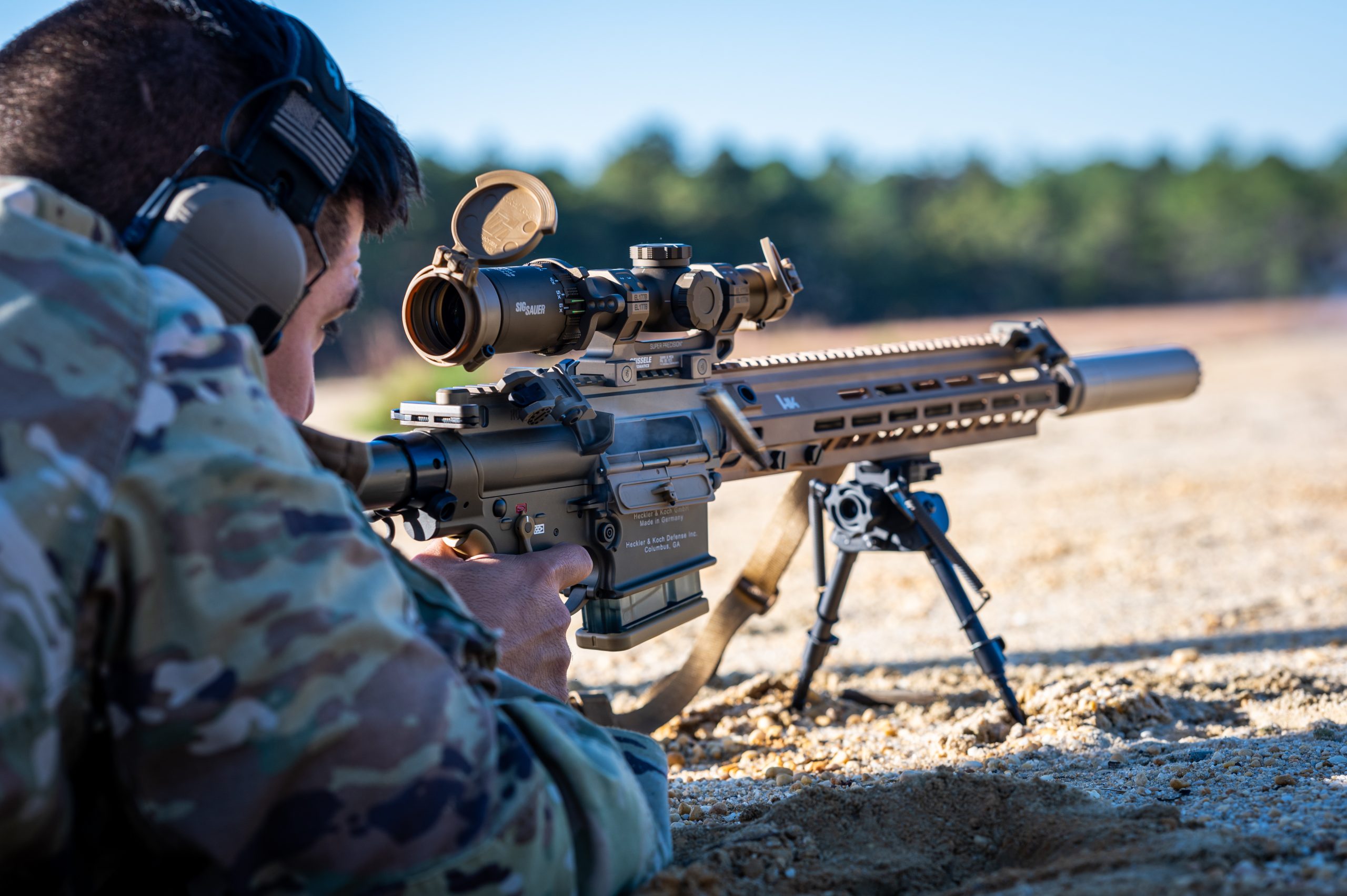
Hollywood has done more to create suppressor myths than almost any technical misunderstanding in firearms history. A suppressor reduces sound, but it does not eliminate it. Most suppressors lower noise levels by approximately 20 to 35 decibels, depending on caliber, ammunition, and design. Even suppressed firearms can produce sound levels above 130 decibels, which remains loud enough to require hearing protection. Supersonic ammunition also creates a sonic crack that a suppressor cannot remove. The famous whisper-quiet movie sound effect is fiction. In reality, suppressors are mainly used to reduce hearing damage, lessen recoil, and improve comfort at the range rather than making gunfire disappear.
5. Modern Firearms Never Malfunction

Reliability has improved enormously, but no mechanical device is perfect. Dirt, damaged magazines, worn parts, poor ammunition, and environmental conditions can all create stoppages. Even military rifles tested under controlled conditions experience occasional malfunctions over thousands of rounds. A firearm contains dozens of moving parts operating under pressure measured in tens of thousands of pounds per square inch. Assuming any machine will function perfectly forever ignores basic engineering reality. Experienced shooters sometimes trust certain models so much that they underestimate maintenance needs. Cleaning, inspection, and quality ammunition remain important because even highly reliable firearms can fail under the wrong conditions.
6. Dry Firing Always Damages a Gun

This belief originated when some older rimfire firearms could be damaged by repeated dry firing. Modern centerfire firearms, however, are generally designed to tolerate dry-fire practice. Competitive shooters often perform thousands of dry-fire repetitions every year to improve trigger control and sight alignment. Snap caps are still useful for additional protection, but many manufacturers specifically approve dry-firing for training. The key distinction is between centerfire and certain rimfire designs. A habit formed decades ago became accepted as universal truth, even though technology changed. Dry-fire practice remains one of the least expensive training methods available, often requiring only minutes a day to build better shooting skills.
7. A Manual Safety Makes a Gun Completely Safe
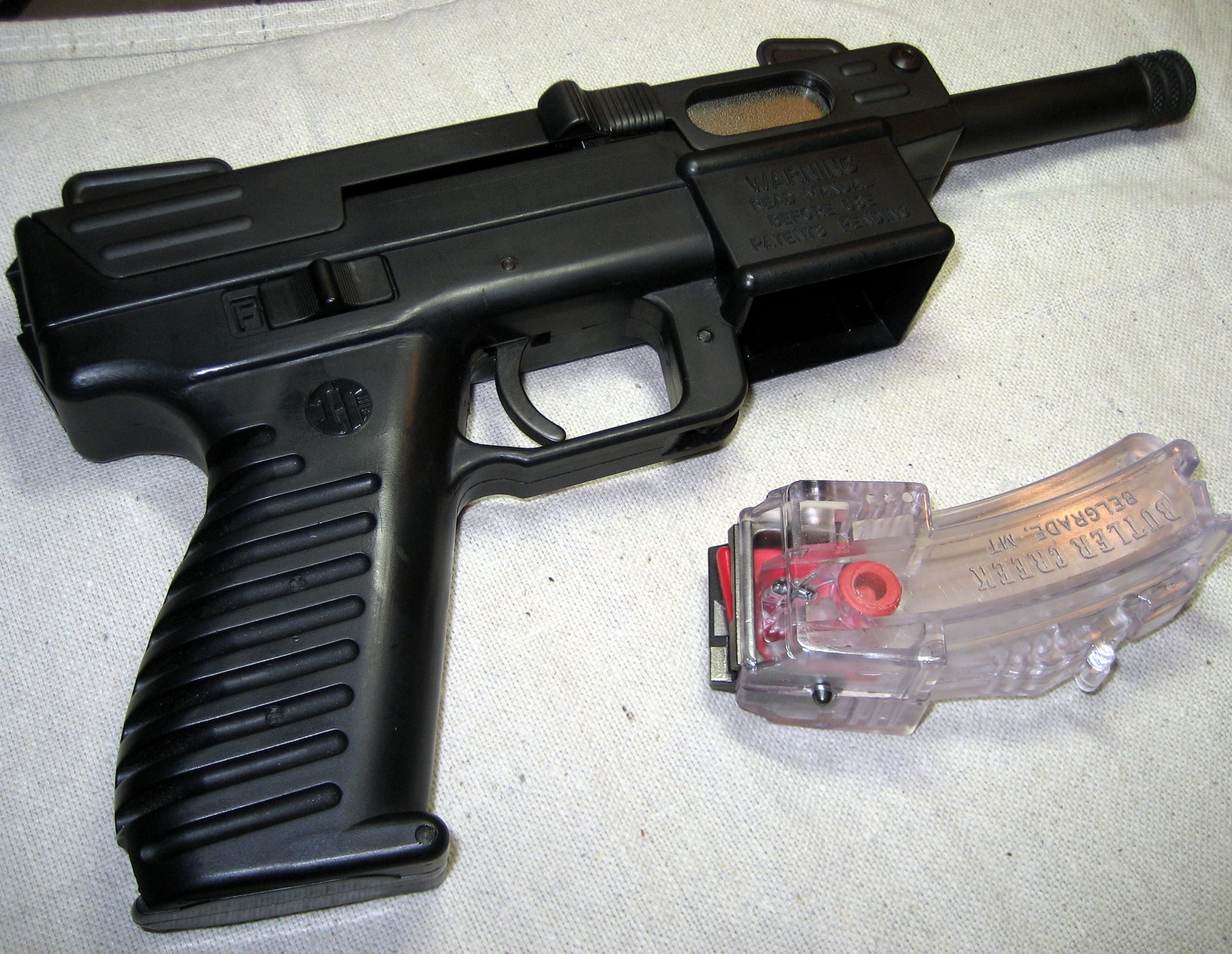
Mechanical safeties are useful features, but they are not substitutes for safe handling. Modern firearms may include trigger safeties, firing-pin blocks, transfer bars, or manual levers, yet none remove the need for responsible behavior. Many accidental discharges occur because people rely on a safety while neglecting basic rules. California’s firearm safety guidance emphasizes treating every gun as loaded regardless of mechanical devices. Even experienced shooters can become overconfident with familiar equipment. A safety is one layer among several, not a guarantee. The most effective protection remains muzzle discipline, trigger control, secure storage, and careful handling every single time.
8. Hiding a Gun Is the Same as Securing It
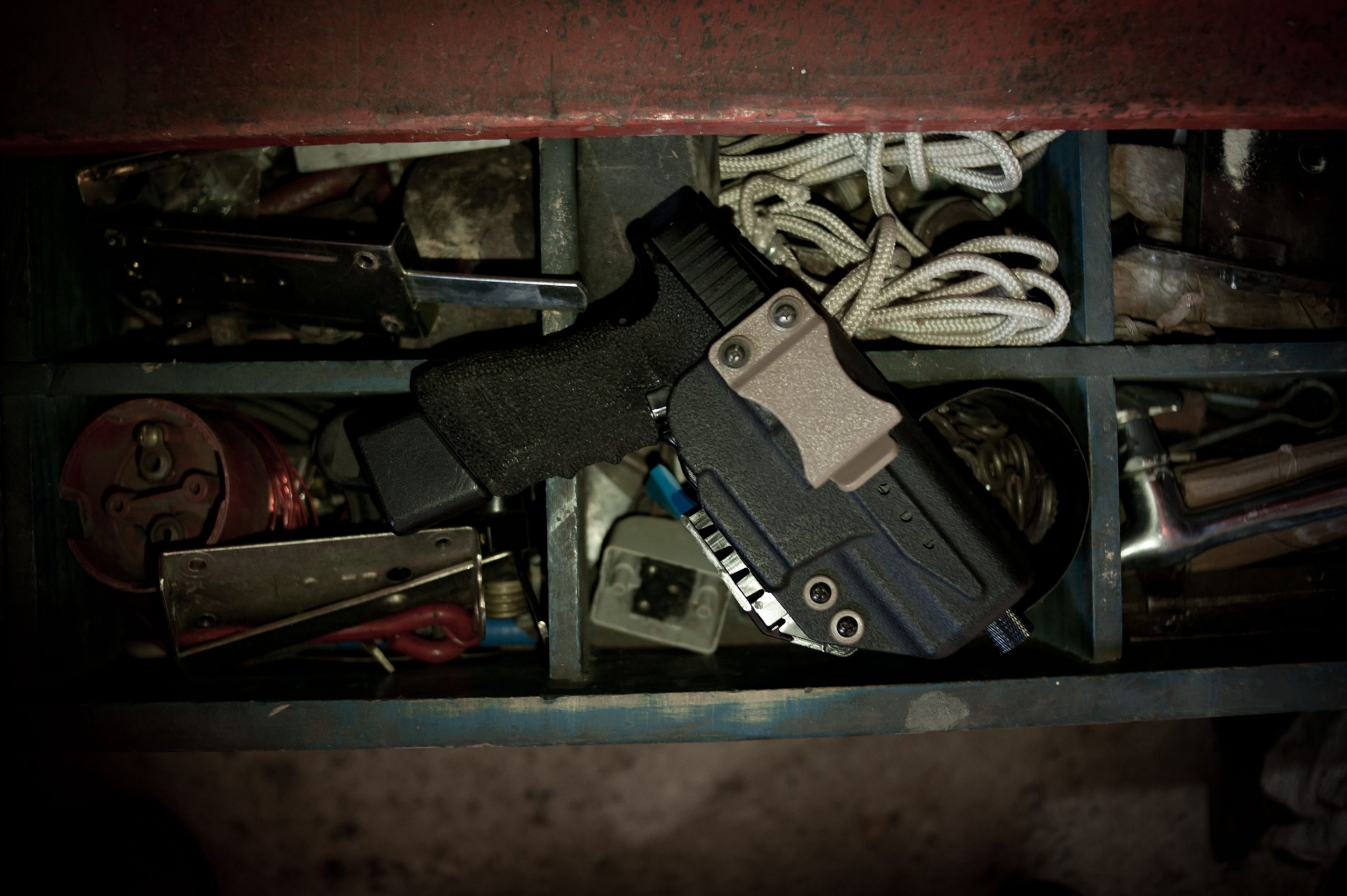
Some gun owners believe that placing a firearm on a high shelf, inside a drawer, or behind clothing provides adequate security. Research suggests otherwise. Surveys indicate that approximately 75 percent of children living in homes with firearms know where they are stored. Hidden firearms can still be discovered by visitors, children, or thieves. Secure storage means using safes, lockboxes, or locking devices that prevent unauthorized access. The difference between hidden and secured is important because one relies on secrecy while the other relies on physical protection. This myth persists because hiding feels convenient, but convenience is not the same as safety.
9. More Accessories Always Improve Performance
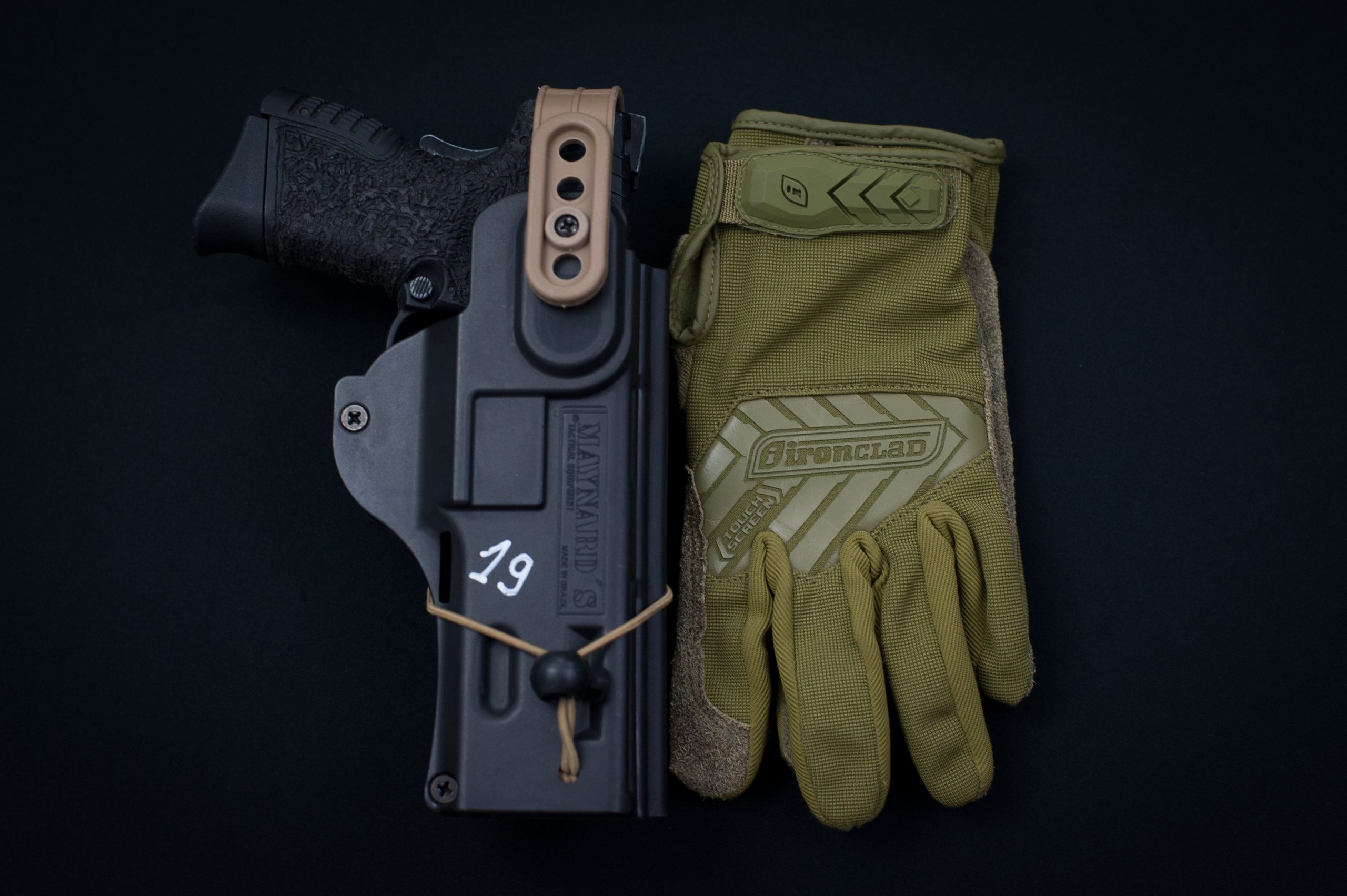
Modern firearms can accept optics, lights, grips, compensators, bipods, and numerous other accessories. Yet additional equipment does not always improve shooting. Every attachment adds weight, changes balance, and increases complexity. A rifle that weighs 7 pounds can quickly exceed 10 pounds after multiple accessories are installed. Competitive shooters often select only equipment that serves a specific purpose rather than adding every available option. The idea that more accessories equal better performance has become common in the era of modular firearms. In reality, effective equipment choices depend on intended use, training, and practical needs rather than sheer quantity.
10. Experience Means There Is Nothing Left to Learn
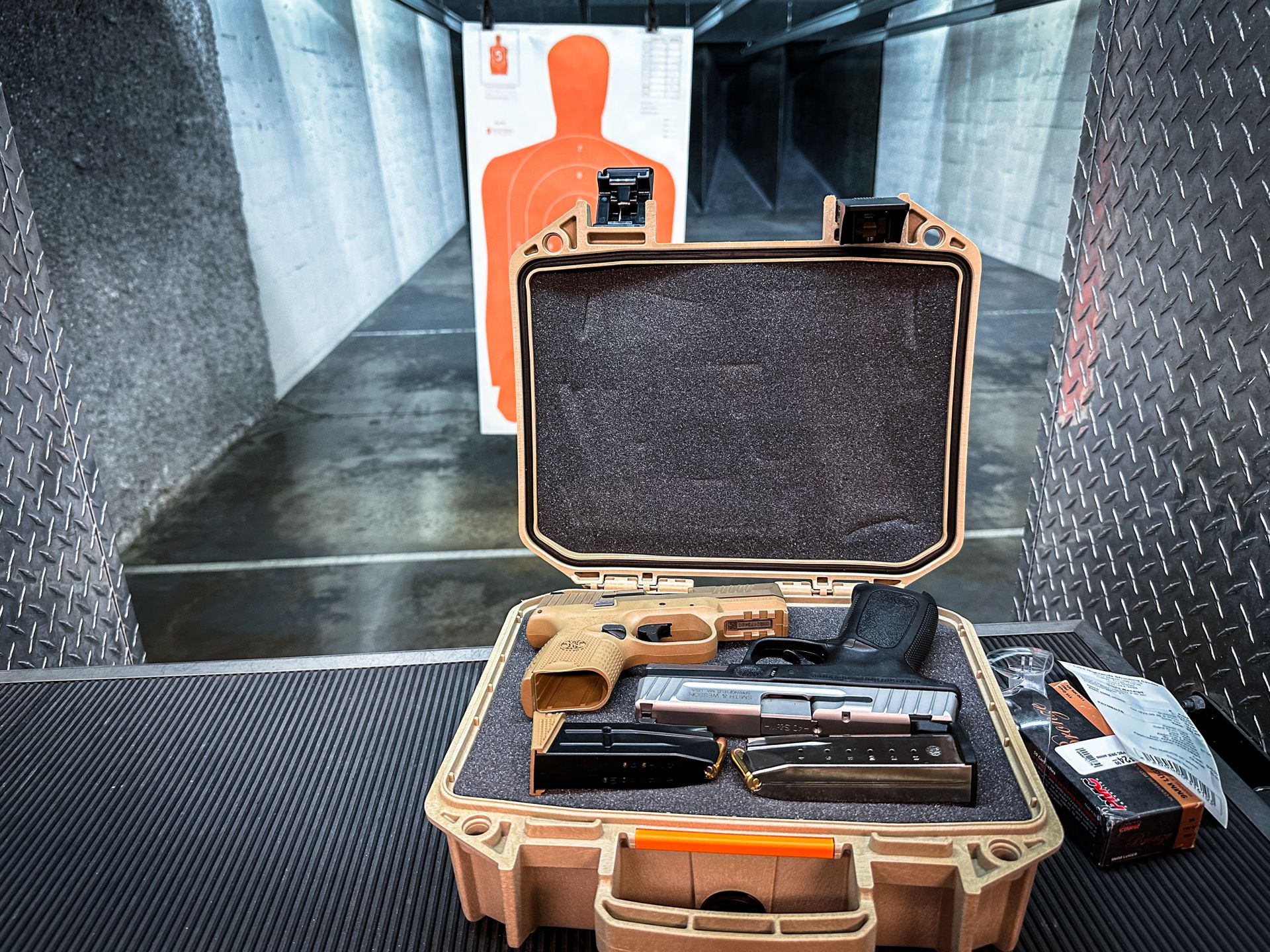
Perhaps the most persistent myth is that years of shooting automatically equal complete knowledge. Even elite competitors, instructors, and military personnel continue training and refining techniques. Firearm design, optics, ammunition, and safety practices evolve constantly. A shooter with 20 years of experience may still discover better methods through new information and practice. Humility is often one of the most valuable skills in shooting sports. The willingness to question old assumptions leads to safer habits and improved performance. Experience certainly matters, but learning never truly ends. That lesson may be more important than any myth on this list