Bears get the fear factor, but they’re not the animals most people are likely to encounter on a bad day. In reality, some of the cutest, calmest, and most familiar creatures around are responsible for far more injuries that end in an ER visit. This gallery takes a closer look at the animals people tend to underestimate—and why that mistake can hurt.
Deer

Deer look graceful, skittish, and far more interested in running away than causing trouble. But they’re involved in an enormous number of injuries every year, mostly because their danger often arrives at highway speed rather than face-to-face in the woods.
Car collisions are the real issue. A deer darting across a road can trigger severe crashes, especially at night or during mating season when animals move more unpredictably. Even when drivers avoid a direct hit, swerving can send a vehicle into a ditch, another car, or a tree.
Up close, deer can also kick and thrash if cornered or injured. Their harmless image hides how much damage panic and timing can do.
Dogs

Dogs are beloved companions, which is exactly why people forget they’re still one of the most common sources of animal-related ER visits. Familiarity lowers caution, and many bites happen during everyday interactions that seem completely routine.
Children are especially vulnerable because they may hug, crowd, or startle a dog without noticing warning signals. Adults get injured too, often while breaking up fights, handling stressed animals, or assuming a known pet would never snap. Even small dogs can inflict serious wounds on hands and faces.
Then there are knockdowns, leash tangles, and falls caused by excited larger breeds. Cute and trusted doesn’t always mean predictable.
Horses

Horses project calm power, and that calm can be misleading. Around barns, trails, and riding arenas, they’re associated with recreation and beauty, but the sheer size of a horse means even a minor mishap can become a major medical event.
Falls are a huge part of the injury story. Riders can be thrown, pinned, or dragged, and those accidents often involve head injuries, broken bones, and concussions. Even experienced riders get hurt when a horse spooks at a sound, shadow, or sudden movement.
On the ground, kicks and crushing injuries are serious risks too. A horse doesn’t need to be aggressive to send someone straight to the ER.
Cows
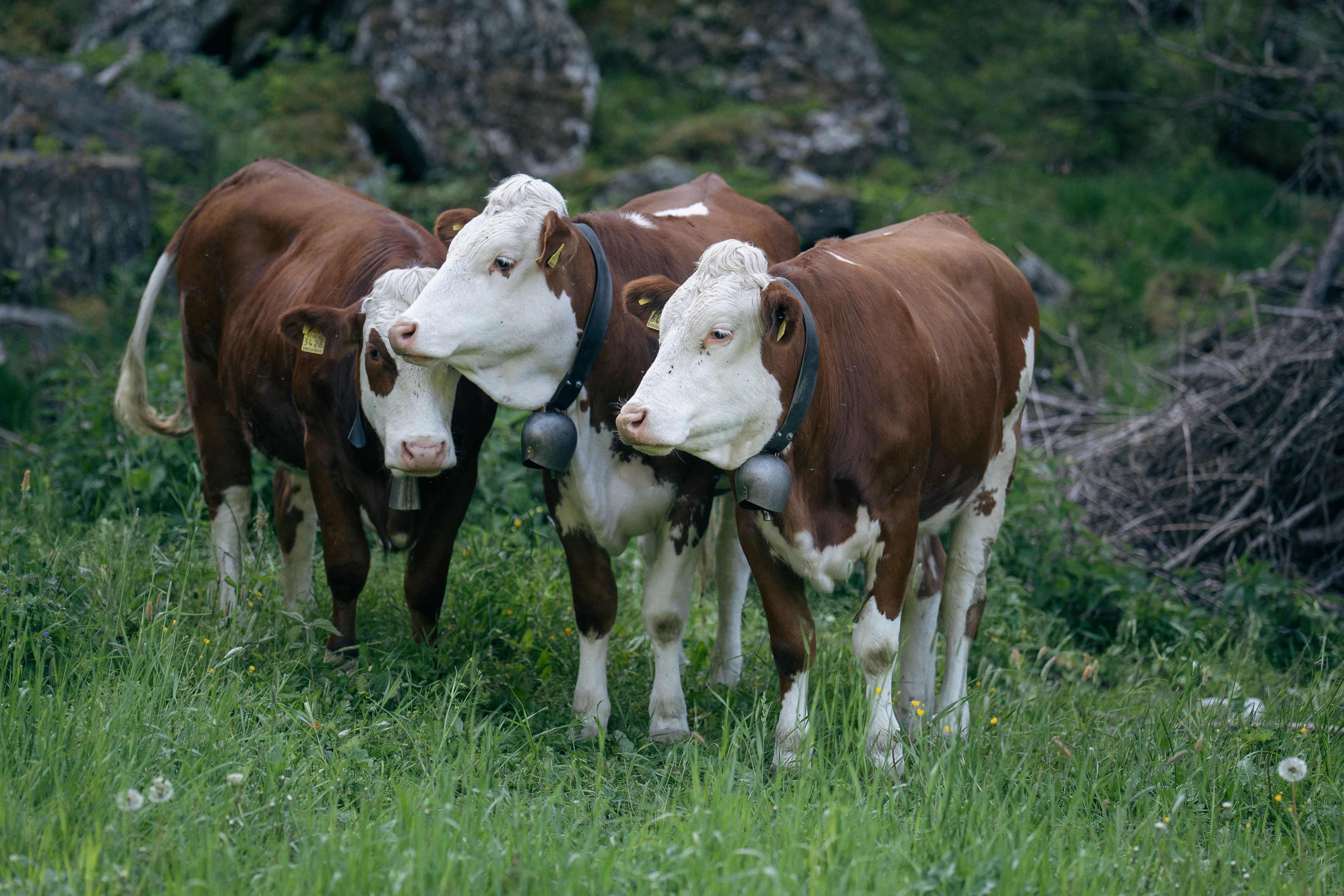
Cows seem slow, placid, and almost cartoonishly gentle, which is why many people underestimate them. In agricultural settings, though, cattle are linked to a surprising number of serious injuries, especially when people are working in close quarters.
A cow can knock someone down, step on them, or pin them against a fence or gate without much effort. Protective mothers are especially dangerous around calves, and bulls add another layer of risk entirely. The danger often comes from weight, crowding, and sudden movement rather than obvious aggression.
For farmers, ranchers, and even curious visitors, livestock injuries can escalate fast. Harmless-looking and harmless are not the same thing.
Geese

Geese have a reputation for being noisy and territorial, but many people still treat them like overconfident park birds rather than animals that can cause real injuries. That’s often a mistake, especially during nesting season when their patience disappears.
A charging goose can bite, flap, and scratch while forcing someone to stumble backward. Those encounters may sound almost funny until they end with a fall on pavement, a twisted ankle, or a child getting knocked over near water. The bird doesn’t have to be large to create a chaotic scene.
Because geese gather in places people relax—parks, sidewalks, golf courses—they catch people off guard. Familiar settings make them seem safer than they are.
Squirrels

Squirrels look like the definition of harmless: tiny, quick, and usually preoccupied with acorns. But when they feel trapped, injured, or too comfortable around humans, they can bite hard enough to send someone in for treatment.
Many squirrel-related ER visits happen because people try to rescue one, feed one by hand, or remove one from a garage, attic, or porch. Their teeth are sharp, their movements are frantic, and a panicked squirrel can inflict surprising damage in seconds.
The concern isn’t only the bite itself. Deep punctures, infections, and the need for follow-up care make these encounters more serious than their cute appearance suggests. Small animals can cause big problems.
Cats
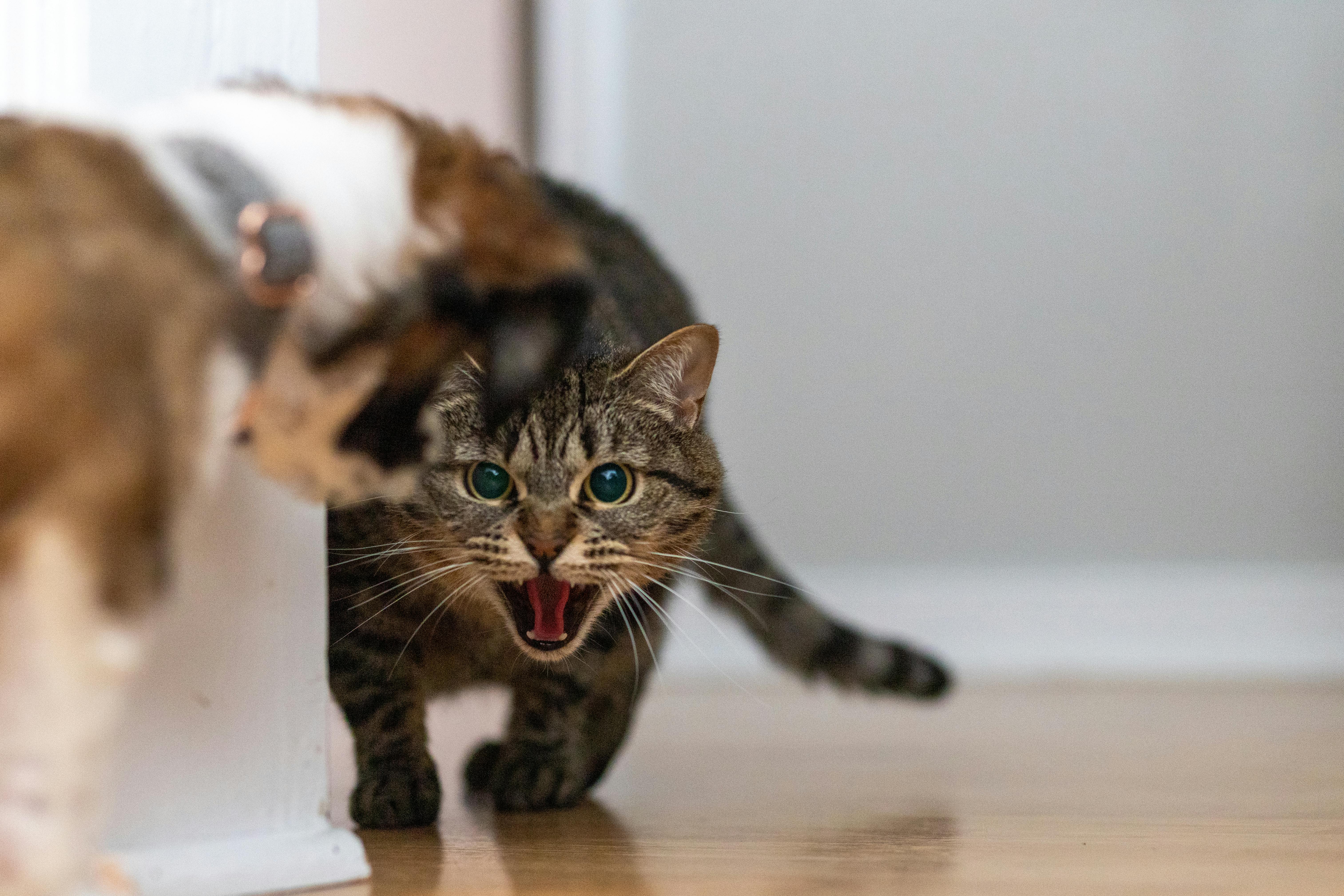
Cats rarely get framed as dangerous, but anyone who has handled a frightened or overstimulated one knows how fast things can go sideways. Their small size hides an impressive ability to claw, bite, and twist free with surgical precision.
A lot of injuries happen at home or at veterinary clinics, when people try to medicate, bathe, separate, or restrain a stressed cat. What seems like a quick scratch can become a deep puncture wound, especially on hands and wrists where bites are common.
Those wounds can be deceptively serious. Infection is a major reason cat bites and scratches lead people to urgent care or the ER. Cute doesn’t cancel out sharp.
Raccoons
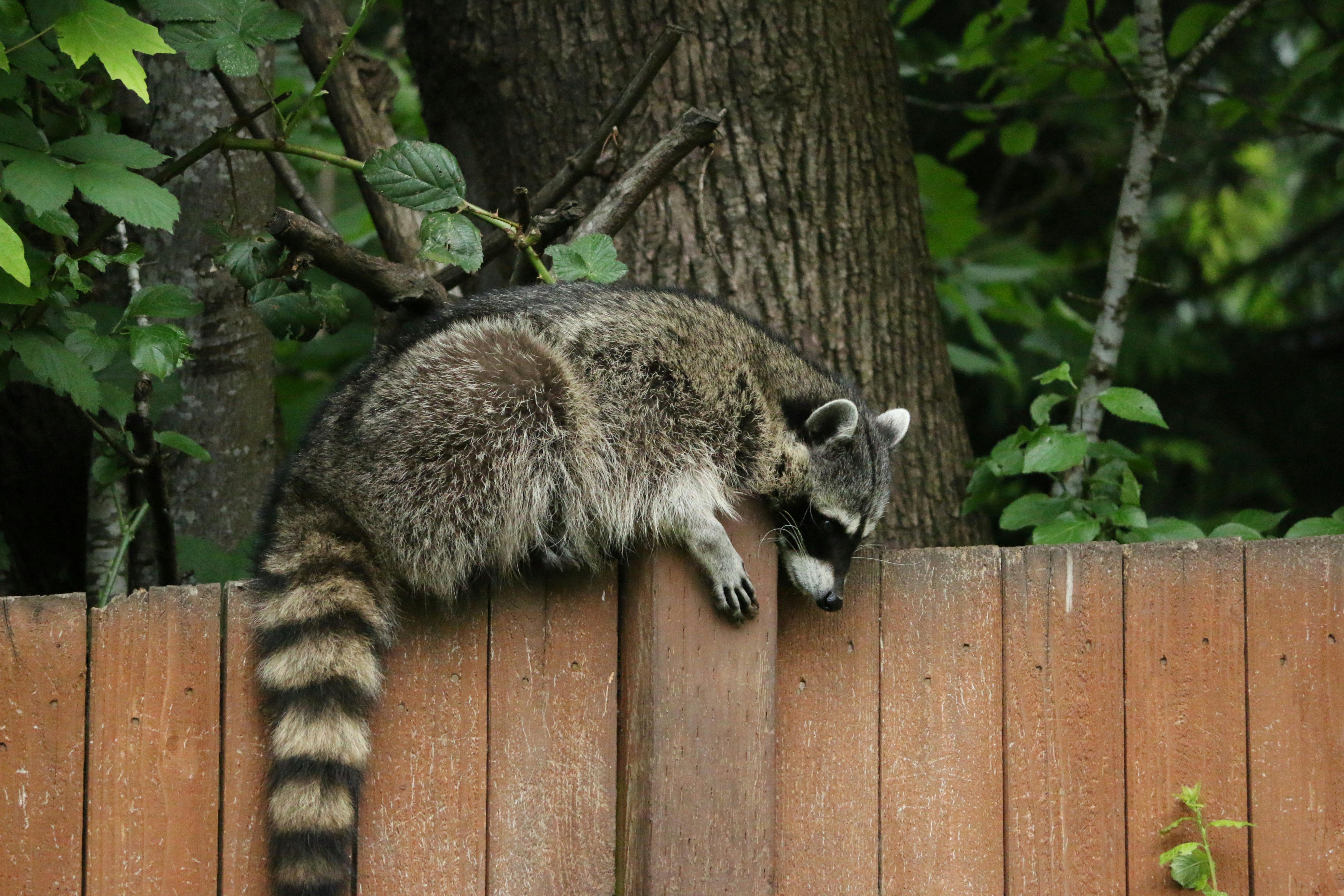
Raccoons look almost charming, with their masked faces and nimble hands, but they’re one of the last animals anyone should try to approach. In neighborhoods, attics, and campsites, they create trouble because they seem approachable right up until they aren’t.
Most injuries happen when someone tries to corner, remove, or help a raccoon that appears sick or trapped. They can lunge, bite, and scratch with startling speed, especially if they’re defending young or reacting unpredictably. Their urban confidence makes people underestimate the risk.
The medical concern goes beyond the immediate wound. Because raccoons can carry diseases, even a single bite or scratch often means a stressful and urgent trip for professional care.
Bats
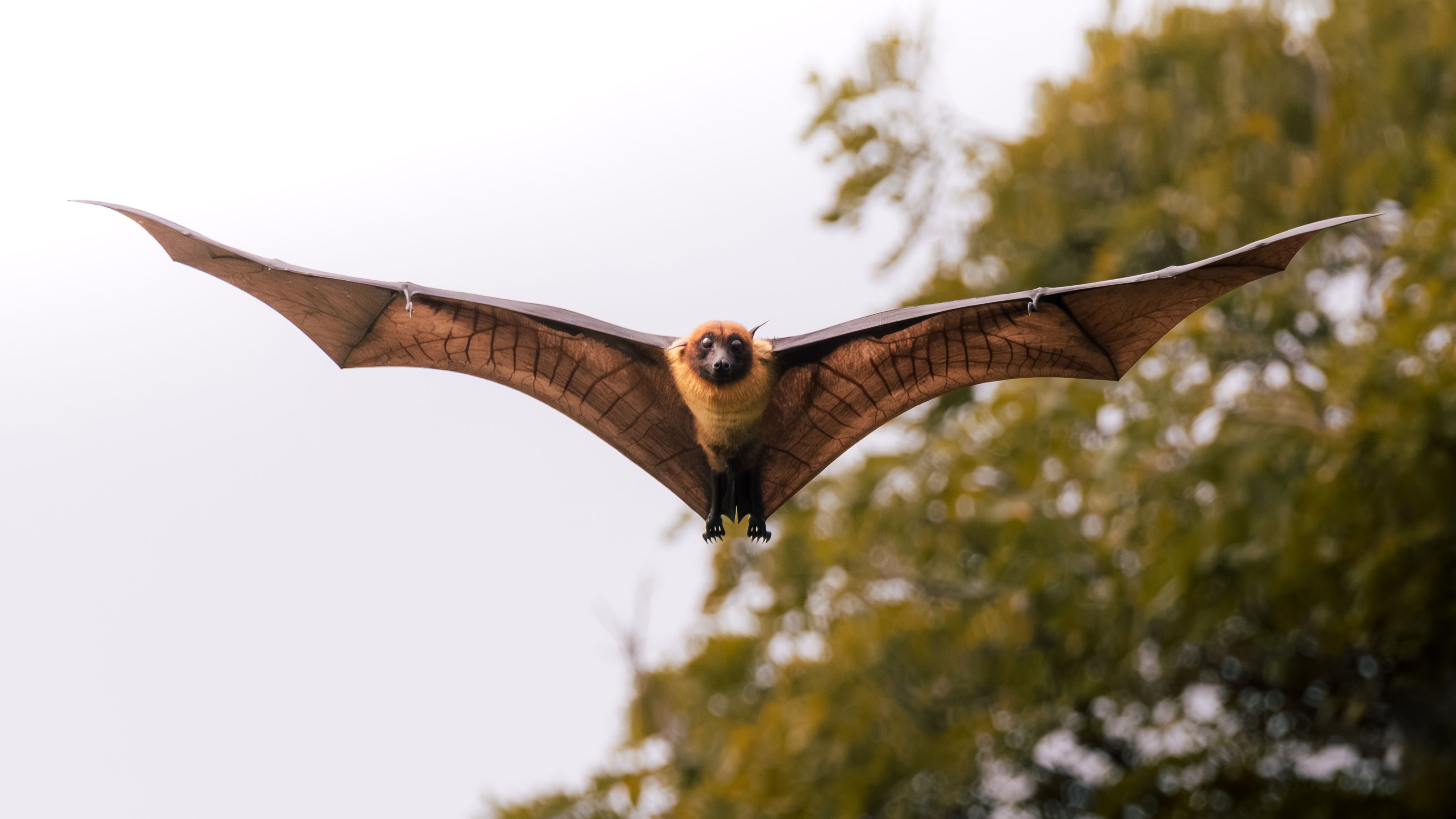
Bats are tiny, quiet, and often barely noticed, which is part of what makes them medically important. People may not even realize they’ve been scratched or bitten, especially if a bat gets into a bedroom, garage, or cabin.
That subtlety matters. Bat encounters can lead to ER visits not because of dramatic injuries, but because of the need for prompt evaluation and possible post-exposure treatment. The concern is less brute force and more the uncertainty around contact and disease risk.
Trying to capture one without training also raises the chances of getting hurt. They may look fragile, but the consequences of a casual mistake can be surprisingly serious.
Rabbits

Rabbits are soft, shy, and almost universally read as harmless. But a frightened rabbit can kick with strong hind legs, scratch deeply, and bite when handled the wrong way, especially if it feels trapped and has nowhere to dart.
Many injuries happen during everyday pet care. Picking up a rabbit awkwardly can trigger a sudden burst of panic, and those rapid movements often leave people with gouges on hands, arms, and chests. Children are particularly likely to underestimate how powerful a struggling rabbit can be.
There’s also a second layer of risk: people get hurt trying to catch escaped rabbits or clean enclosures. The danger isn’t drama—it’s underestimating an animal built to flee.
Bees and Wasps
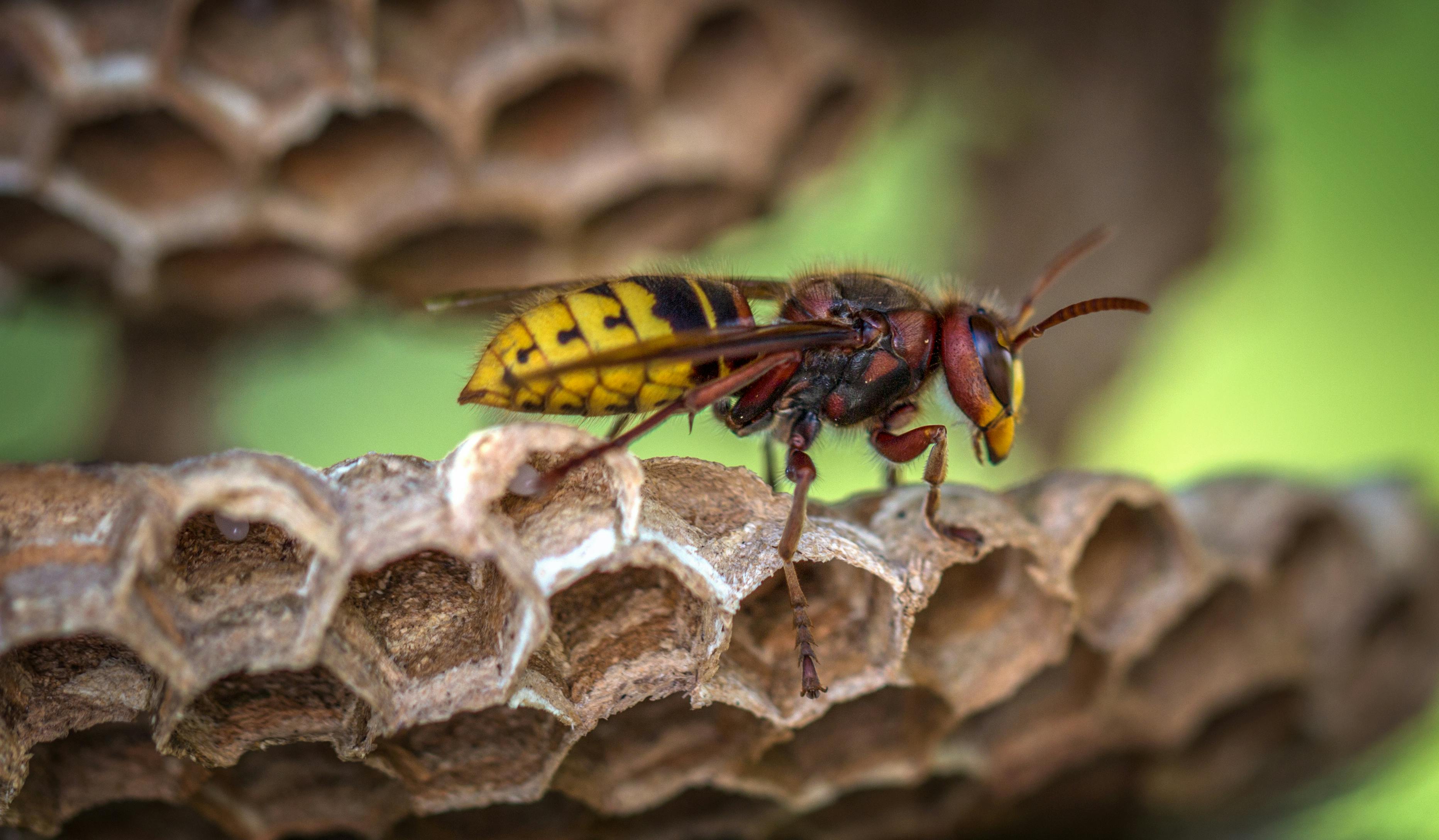
A single bee or wasp doesn’t look especially menacing, and most people think of stings as painful but manageable. What sends many people to the ER is the combination of surprise, swarm behavior, and allergic reactions that can escalate in minutes.
People get injured while gardening, mowing, cleaning sheds, or simply walking too close to a nest they never noticed. Even without a severe allergy, multiple stings can be intense enough to require medical care, especially for children and older adults.
The biggest danger is how quickly a normal afternoon can turn urgent. These insects are small, common, and easy to dismiss right up until breathing, swelling, or dizziness enters the picture.