Many tools designed for military operations eventually found a second life far from battlefields. Equipment created to help soldiers navigate unfamiliar terrain, communicate across long distances, carry supplies, or survive harsh conditions has proved surprisingly useful to campers, hikers, hunters, and wilderness professionals. Some adaptations were straightforward, while others emerged because outdoor enthusiasts recognized practical advantages that military planners had originally pursued for entirely different reasons. From satellite navigation to lightweight emergency blankets, these 12 inventions show how the demands of military service helped shape modern outdoor exploration.
1. GPS Receivers
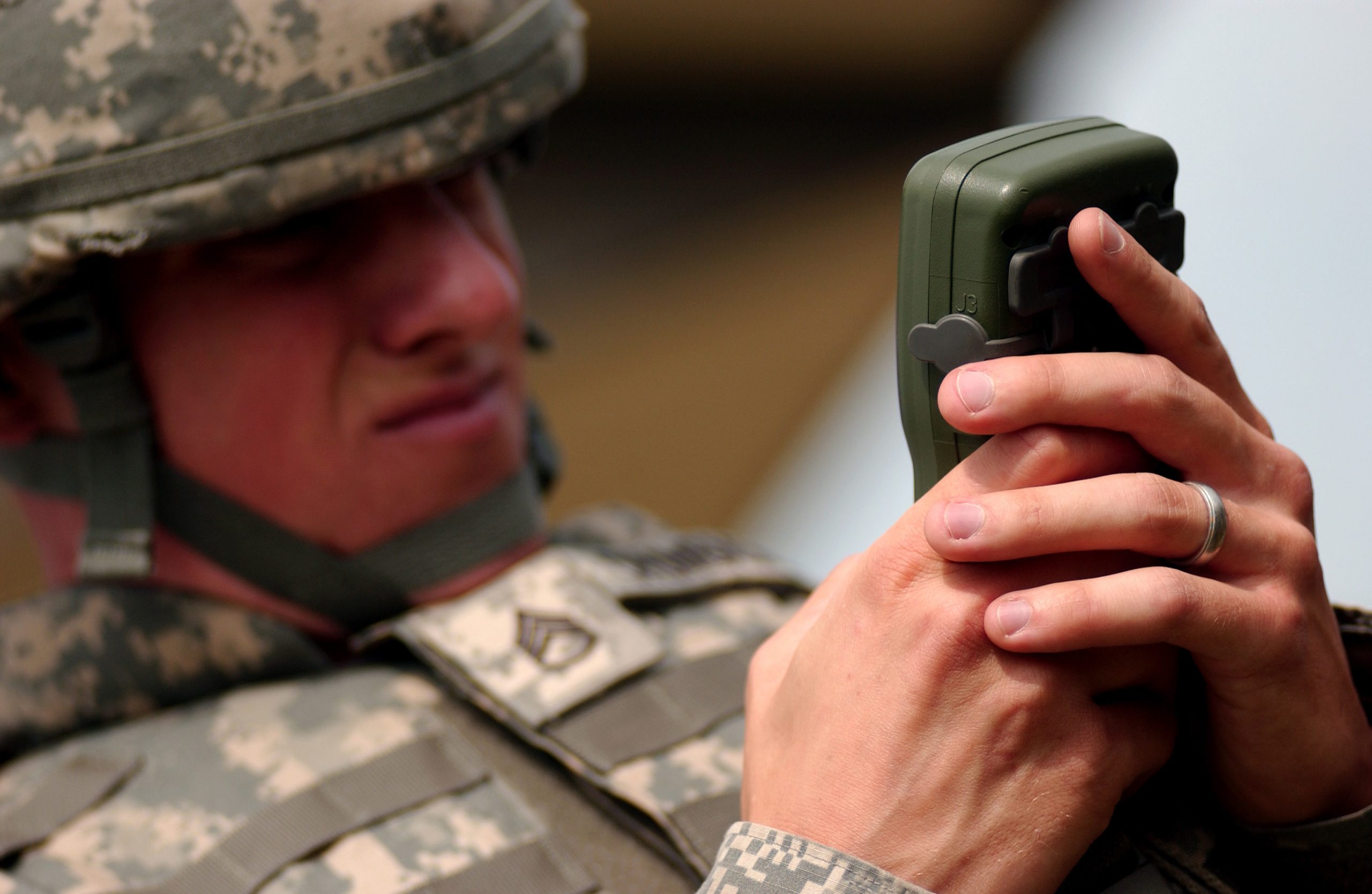
The Global Positioning System began with military navigation needs, and its first experimental satellite, Navstar 1, launched in 1978. Civilian access later transformed wilderness travel: a handheld receiver can show coordinates, record a route, and help hikers return to a trail junction in poor visibility. GPS is useful, but it is not a rescue guarantee. Batteries can fail, steep terrain can obstruct signals, and a map and compass remain valuable backups. In remote country, download offline maps and share your route before leaving. Mark waypoints before setting out.
2. 550-Cord Paracord
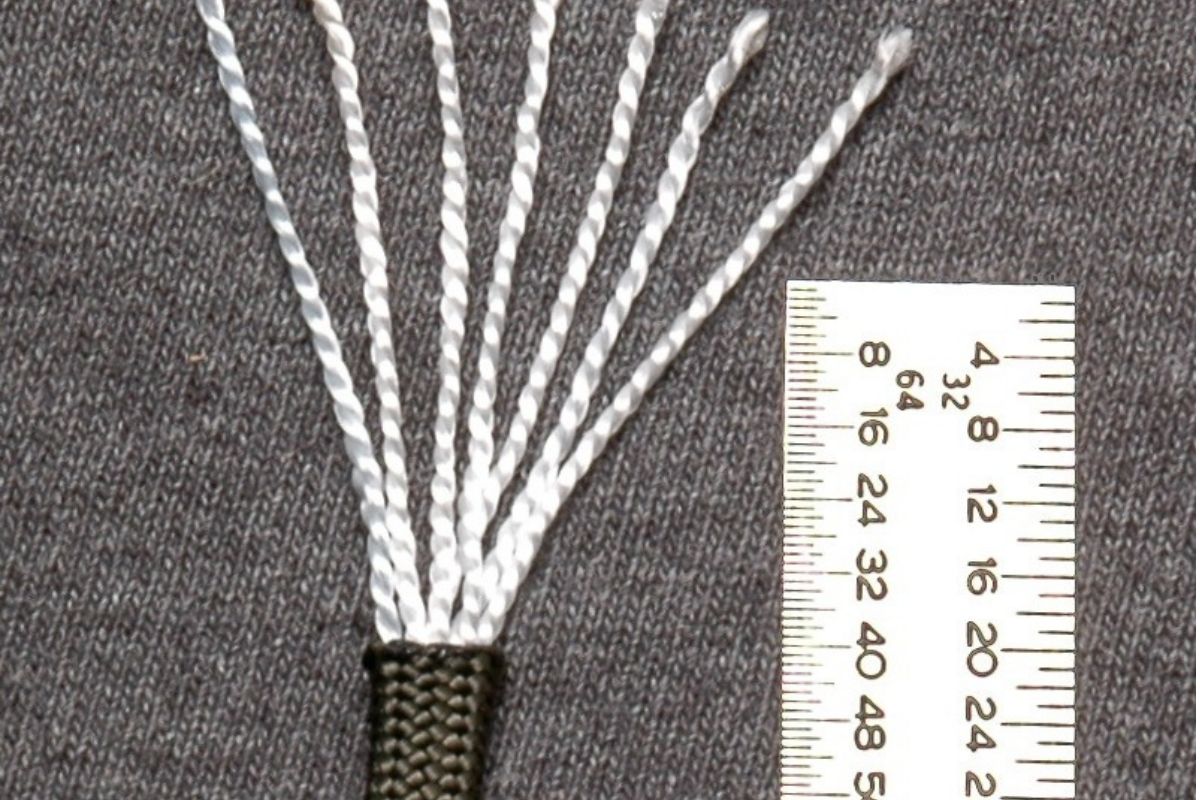
Parachute suspension lines inspired the lightweight nylon cord now commonly called paracord. The widely known Type III version is often rated to a minimum breaking strength of 550 pounds under specified test conditions, which explains its nickname. Campers use it to secure tarps, hang food bags, bundle gear, or make temporary repairs. That rating does not make it suitable for climbing, rappelling, or life-safety loads; knots, wear, and shock can weaken it. Carry a few metres as general-purpose cord, not as certified rescue equipment. Inspect it before every use.
3. Duct Tape
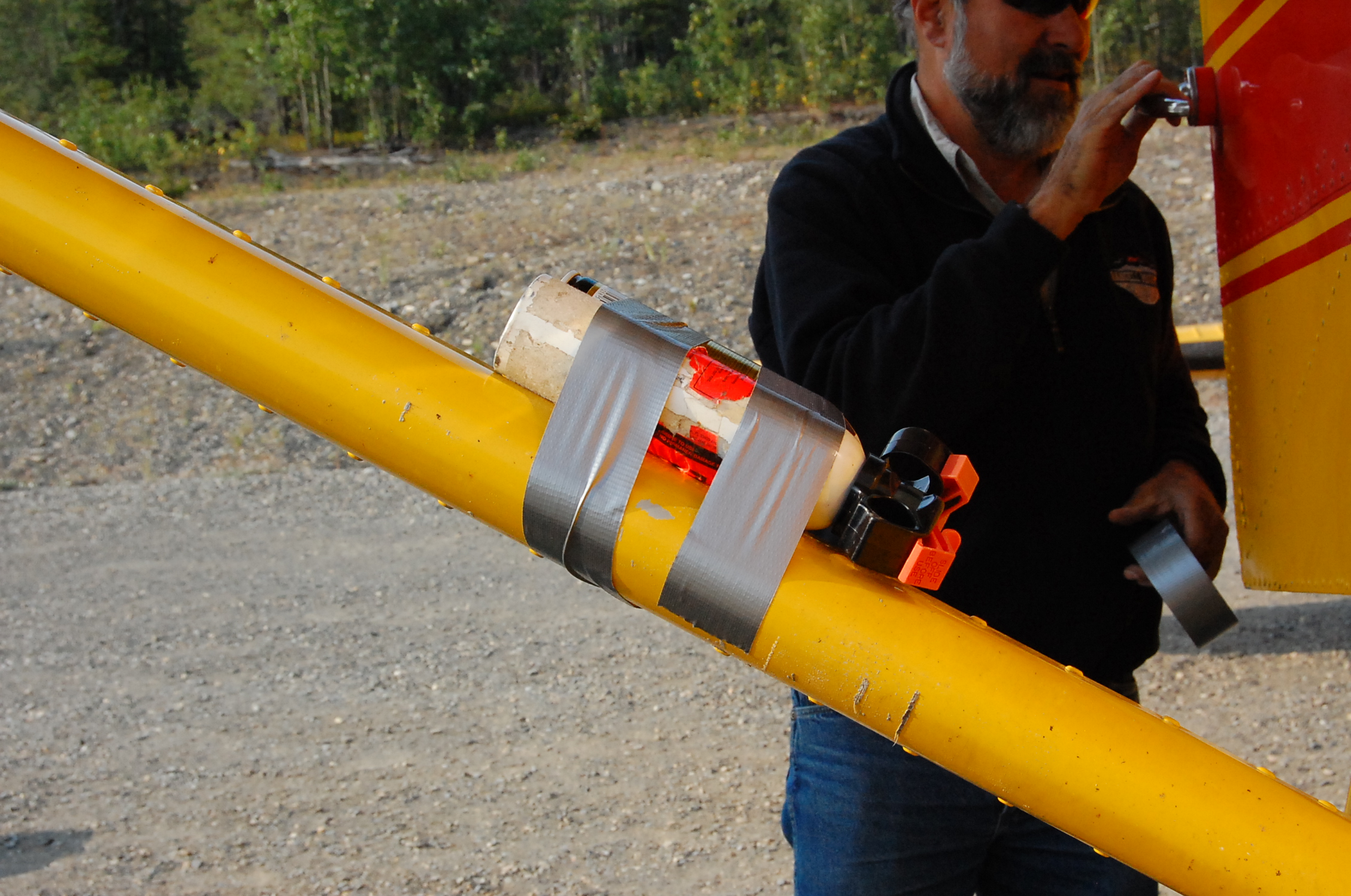
During World War II, a waterproof adhesive tape was developed to help protect ammunition cases from moisture and make them easier to open. Its rugged, flexible construction later made it a familiar item in toolboxes and outdoor kits. In the wilderness, a few wraps around a water bottle or trekking pole can patch a torn tent fly, secure a loose strap, or temporarily cover a hole in a groundsheet. It is not a permanent repair, and adhesive may fail in cold, wet conditions. Pack a small amount around a card to save space. Avoid covering essential vents or zippers.
4. Emergency Space Blankets
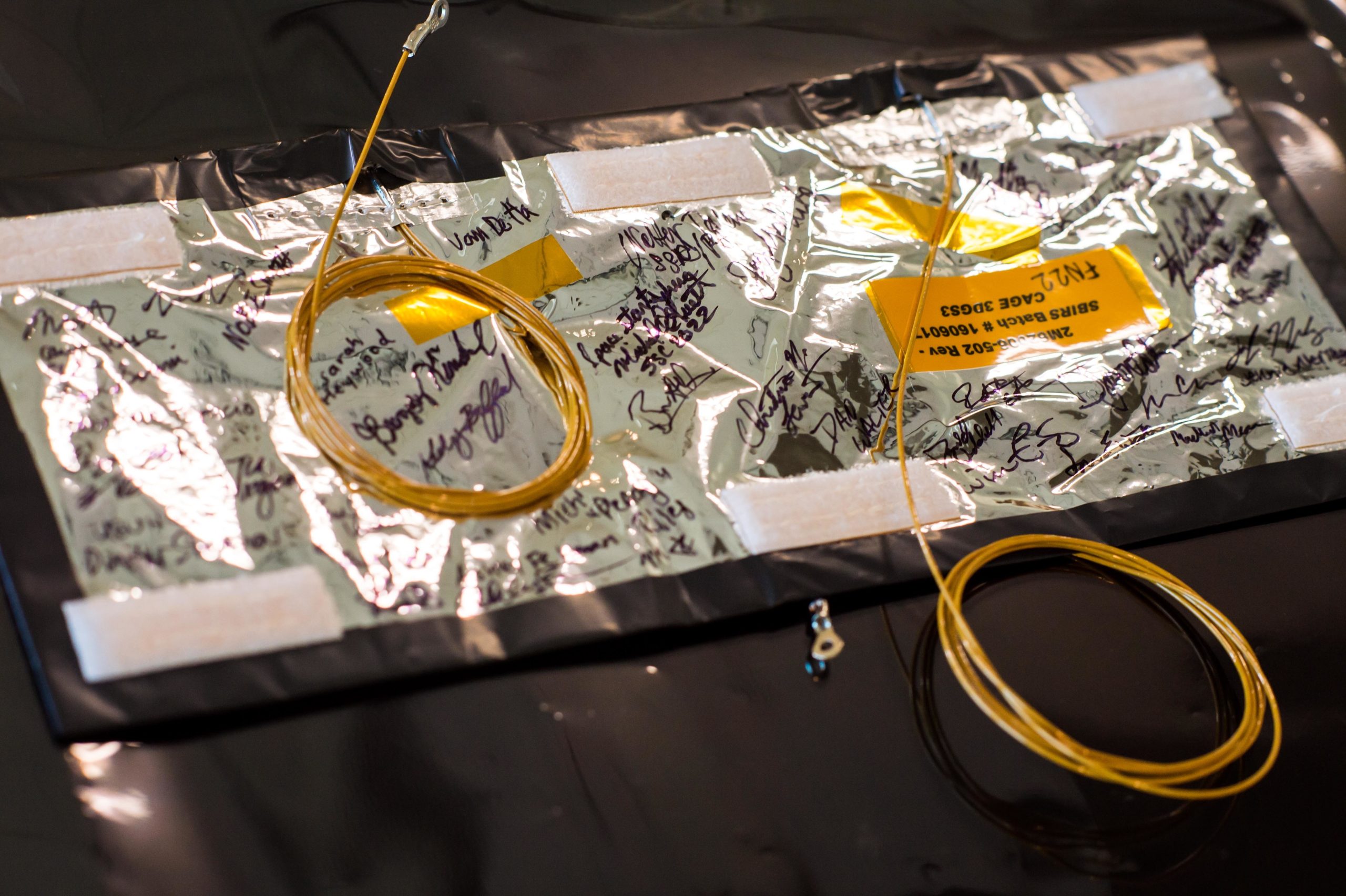
NASA developed reflective thermal-control materials during the space program, and similar thin emergency blankets became common in survival kits. Their metallic-looking surface reflects radiant heat, while their very low weight makes them easy to carry. A blanket weighing only a few dozen grams can help reduce heat loss when wrapped around a person or used as a wind barrier. It does not generate warmth, and it works best alongside dry clothing and shelter. Keep one accessible for unexpected delays, injuries, or sudden changes in weather. Choose a bright color for easier signaling.
5. Military Meal Rations
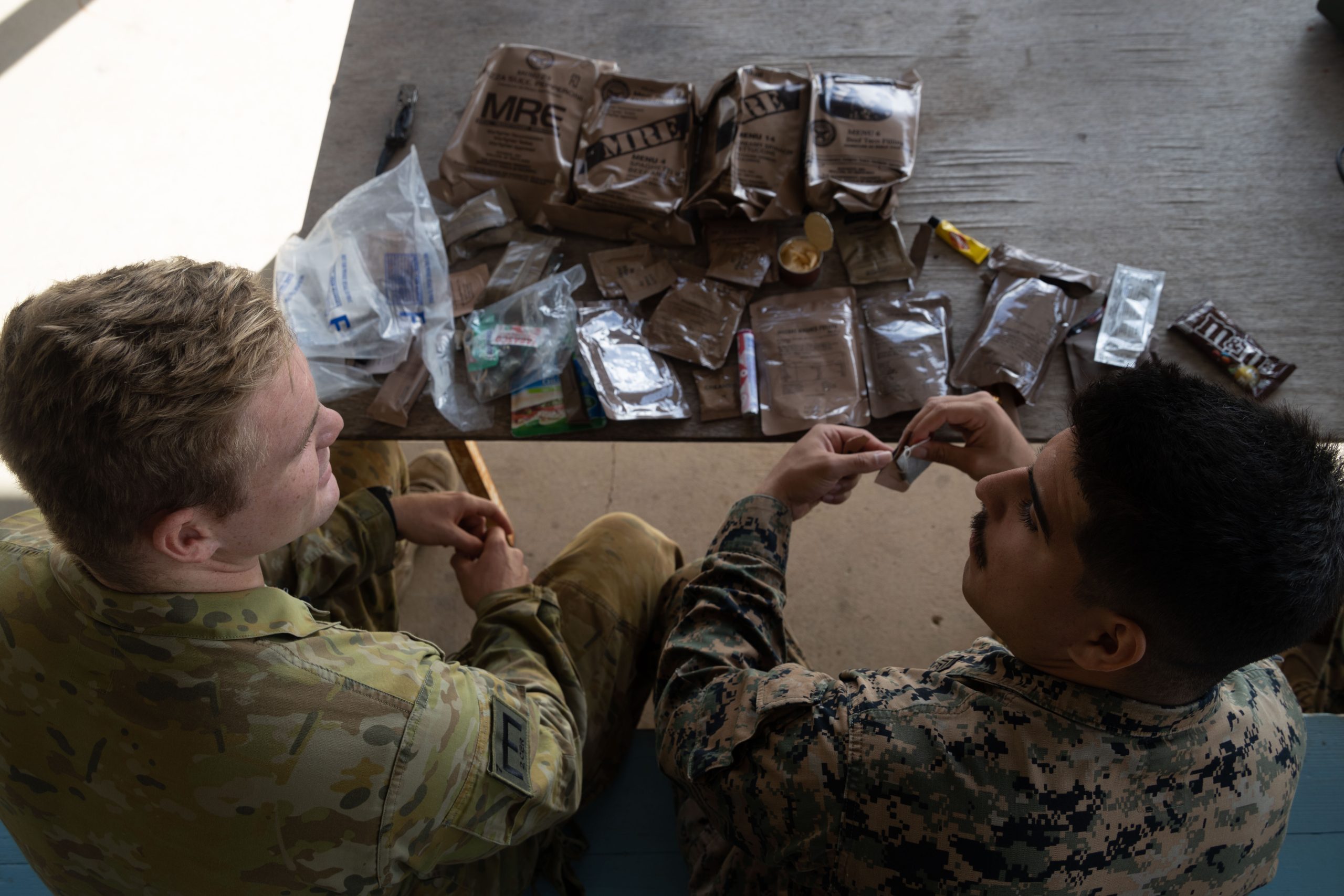
The U.S. military introduced the Meal, Ready-to-Eat, or MRE, in 1981 as a self-contained field ration that could be carried and eaten without a kitchen. The sealed meals are convenient for long hikes, emergency kits, and camps where cooking fuel is limited. Many include a main dish, snacks, drink mix, and accessories; some versions use a flameless ration heater. MREs can be bulky and may provide more food than a short trip requires. Check the package date and storage history, and carry enough water for the meal and conditions. Follow food-safety guidance when storing leftovers.
6. Poncho Liners
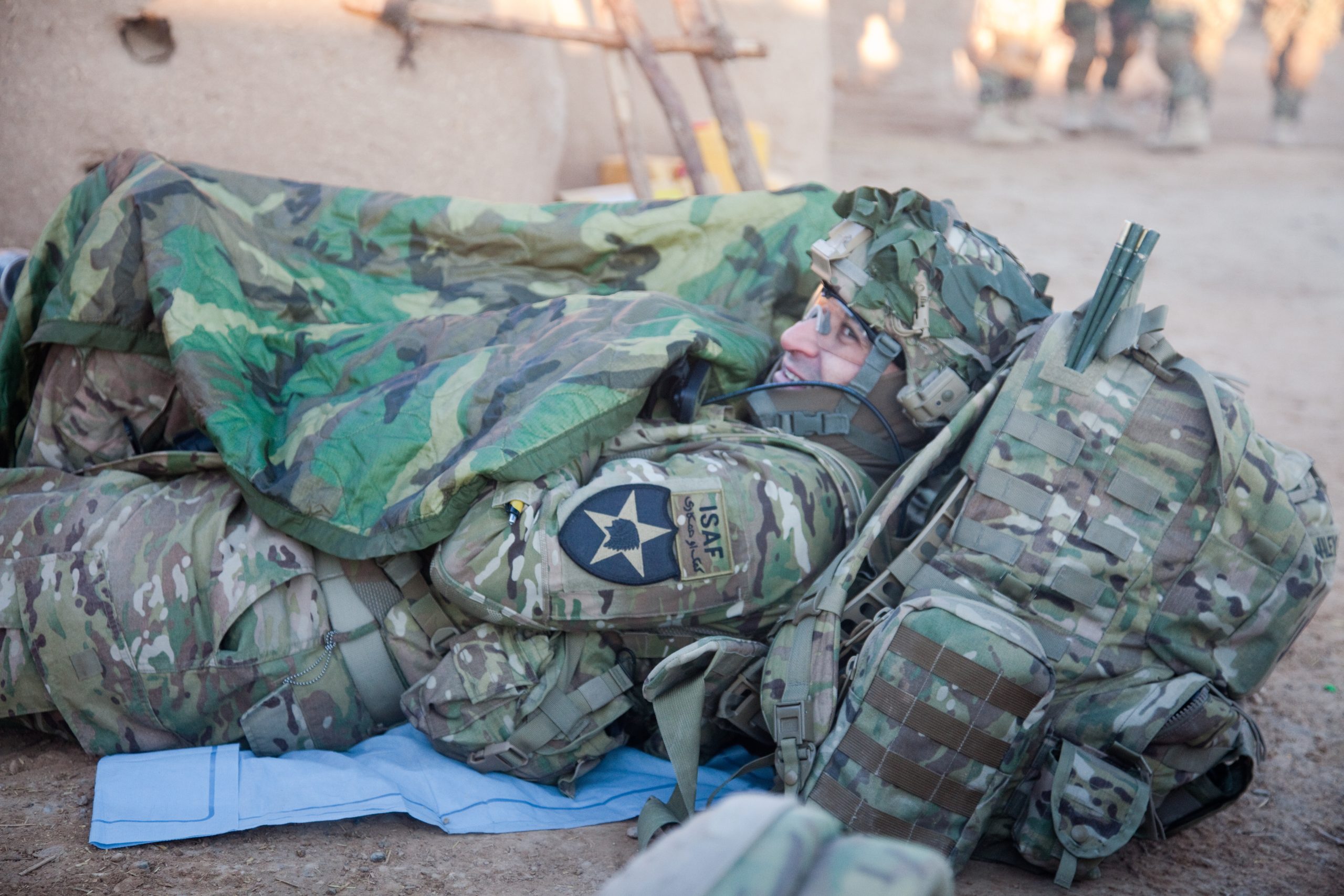
Often nicknamed a “woobie,” the military poncho liner became popular among service members because it adds insulation without much bulk. Common versions combine a thin synthetic filling with a quilted outer fabric and tie points that attach to a military poncho. In camp, the same design works as a light blanket, an extra layer inside a sleeping setup, or a wrap during a cool evening break. It is not a substitute for a properly rated sleeping bag in freezing weather, and its warmth drops when wet. Dry it thoroughly after use. Its simple design also makes it easy to fold and pack.
7. Lensatic Compasses
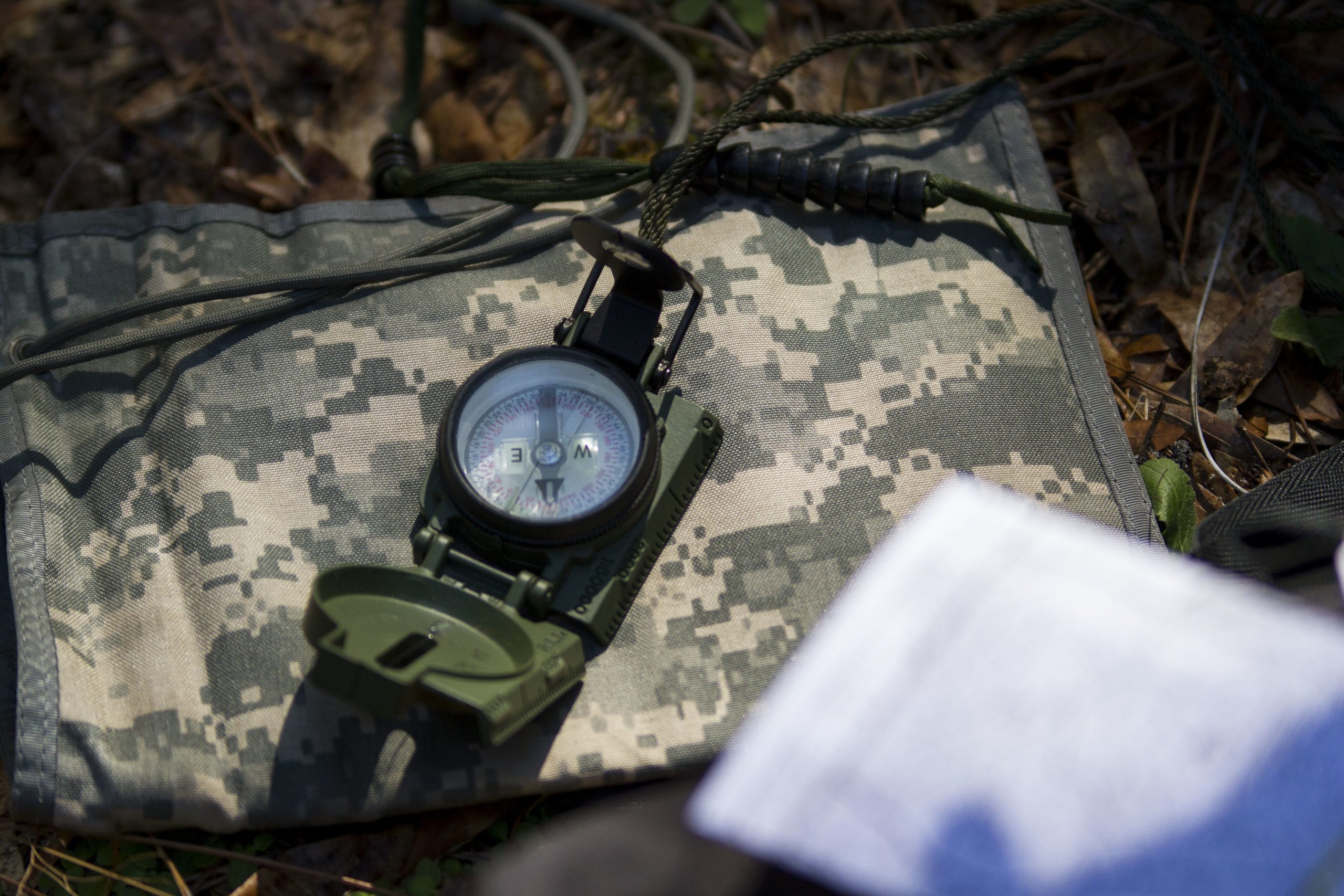
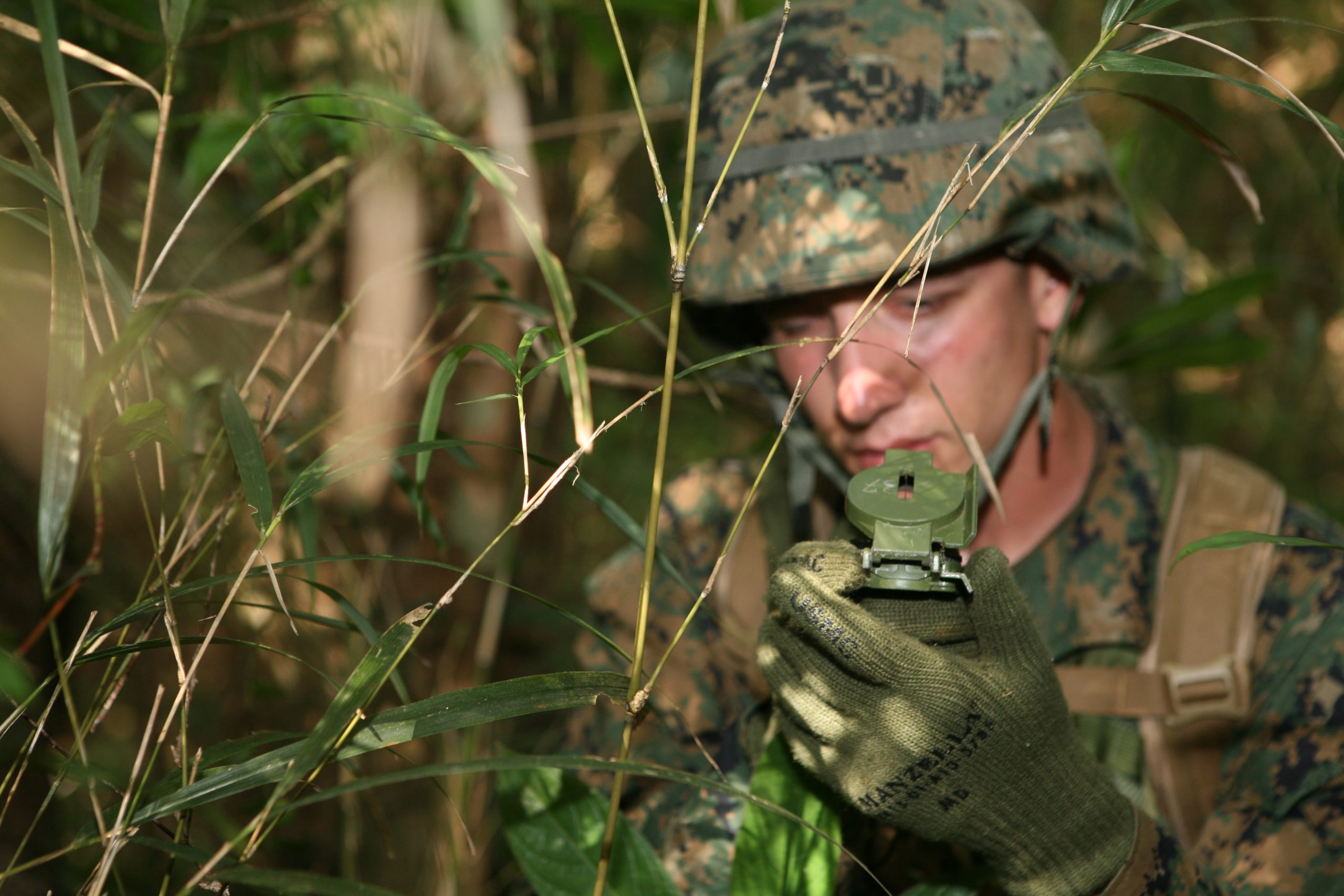
Military lensatic compasses were designed to help personnel take and follow bearings across unfamiliar ground, and their sturdy cases suit rough outdoor use. A typical model includes a sighting wire, a viewing lens, and a graduated dial marked in degrees, often from 0 to 360. Hikers can use one to maintain a bearing when trails disappear or fog hides landmarks. A compass cannot show your location by itself; you must pair it with a suitable map and know how to read terrain. Keep it away from magnets and practice before a trip. Declination can matter on long routes.
8. Water Purification Tablets
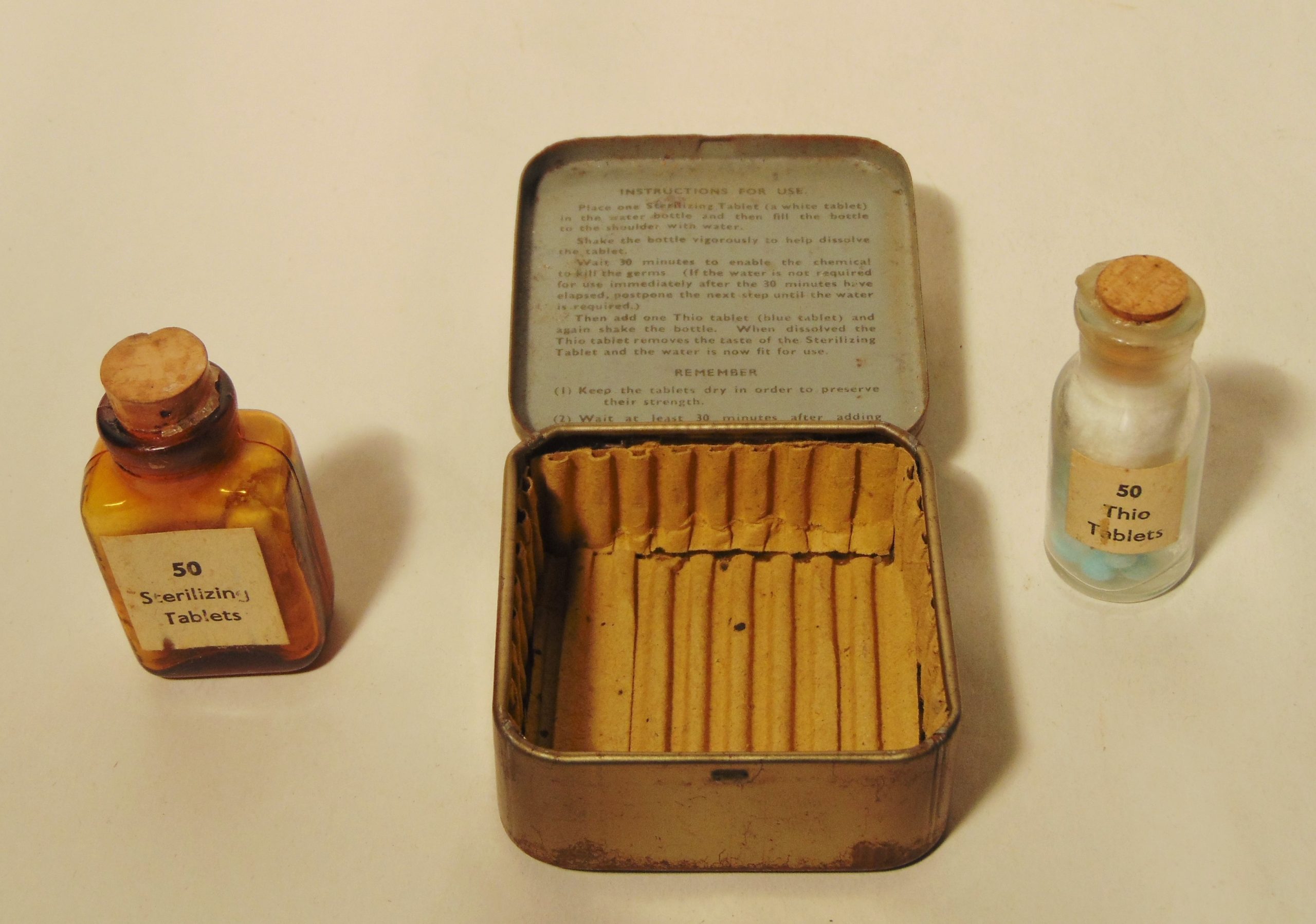
Compact purification tablets became a practical way for military personnel to treat questionable water when carrying large supplies was difficult. Similar products now fit easily into a wilderness first-aid or emergency kit. Depending on the active ingredient, a tablet may require a specific dose and contact time, often around 30 minutes or longer, before water is ready to drink. Follow the product label carefully because cold or cloudy water can affect treatment. Tablets do not remove fuel, pesticides, heavy metals, or every kind of contaminant, and some water still needs filtering first.
9. Military Load-Bearing Webbing
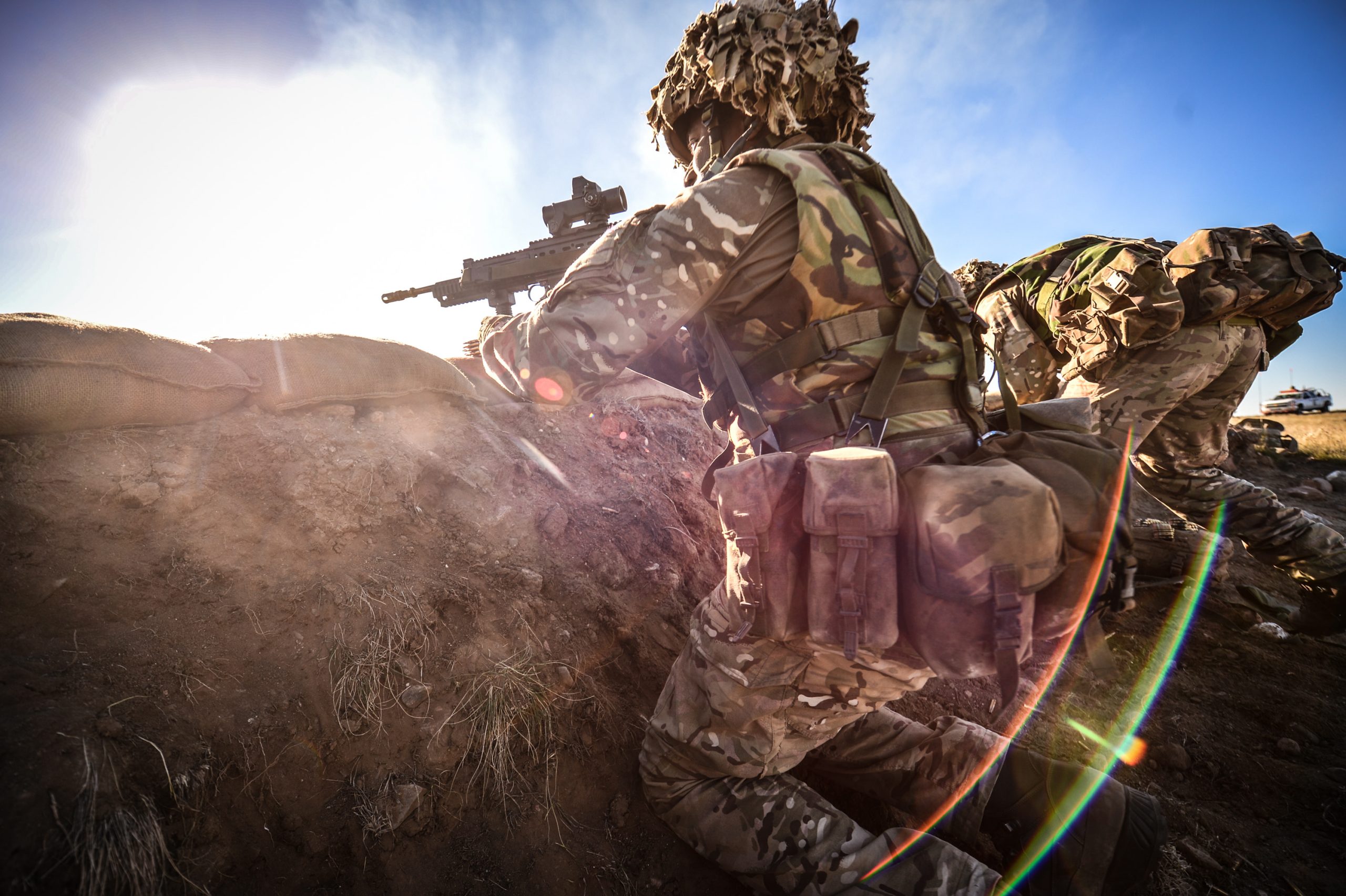
Military load-bearing systems evolved to spread the weight of ammunition, water, and equipment across a soldier’s body. Modern outdoor packs borrowed the broader idea of modular attachment points, allowing users to place small pouches where they are most useful. Webbing can keep a first-aid kit, headlamp, or map within reach instead of buried at the bottom of a pack. More attachment points do not automatically make a pack better: excess pouches add weight and snag on brush. Keep frequently used items accessible and test the loaded pack before a long hike.
10. Night-Vision Equipment
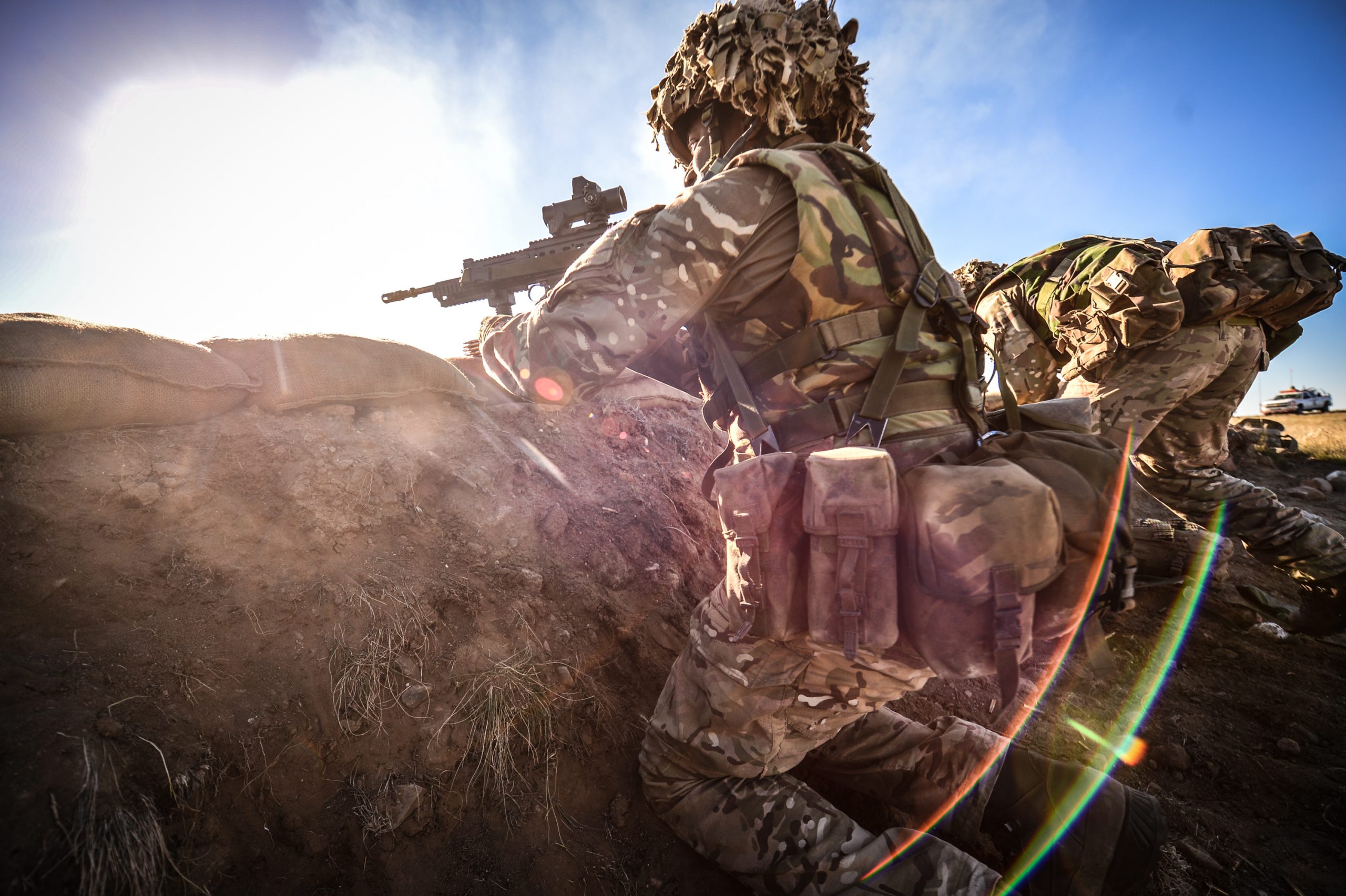
Night-vision devices were developed for military operations in darkness, but similar technology is now used by wildlife researchers and search teams. Image-intensifying devices amplify available light, while thermal imagers detect differences in heat rather than relying on visible light. Both can help trained users observe animals or search terrain after dark, but they have limits: thick vegetation, weather, battery life, and device quality affect performance. They do not replace safe lighting for walking. Check local rules and avoid disturbing wildlife. Neither technology makes navigating unfamiliar terrain at night risk-free.
11. Satellite Communications
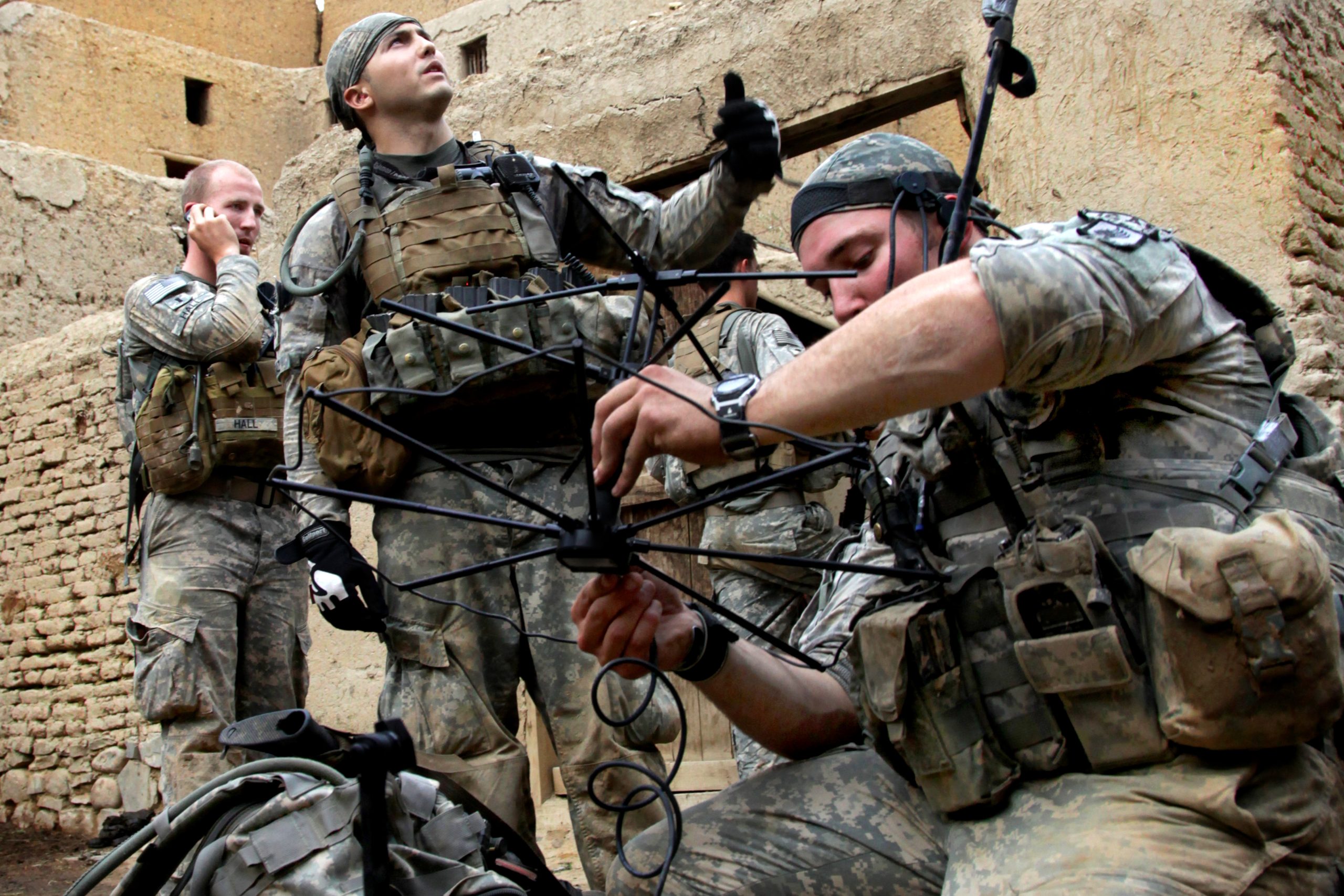
Military satellite communications helped establish the idea of sending messages from places beyond ordinary radio or mobile coverage. Portable satellite messengers and phones now let wilderness travelers send an SOS, share coordinates, or check in from remote areas. Some compact messengers weigh only a few hundred grams, but service plans, sky visibility, and battery life matter. A device may need an unobstructed view of the sky, so deep canyons or dense forest can delay a connection. Register emergency contacts, learn the interface, and carry a backup plan before leaving coverage.
12. Freeze-Dried Field Food
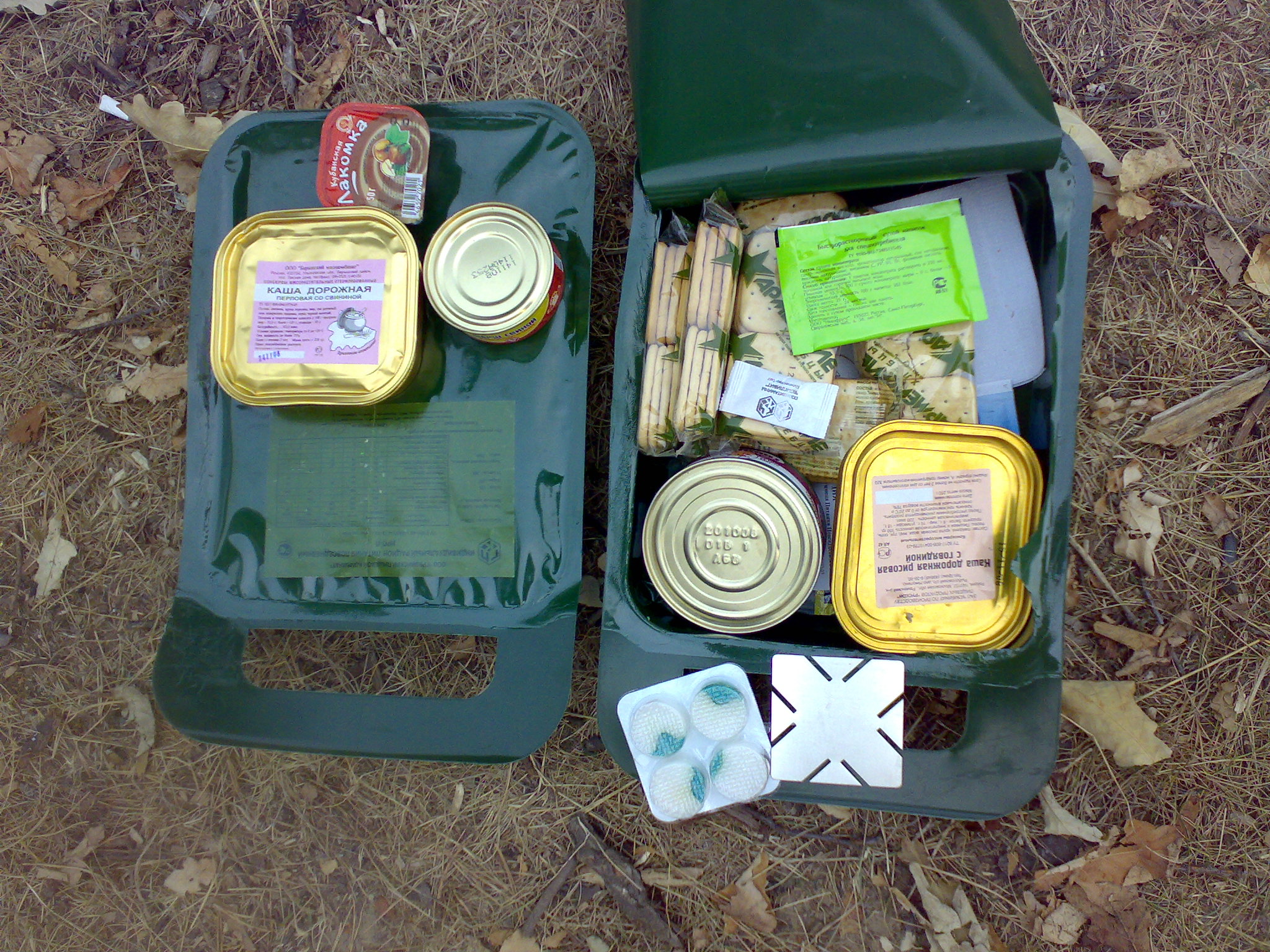
Military field feeding helped advance lightweight preserved meals that could be stored, transported, and prepared with limited equipment. Freeze-drying removes ice from frozen food under low pressure, leaving a light product that can often be rehydrated with hot water. Backpackers value the reduced pack weight, especially on trips lasting several days. Preparation times vary, commonly around 5 to 15 minutes, and the meal still needs enough water to restore its texture. Check serving size and calories rather than assuming one pouch is a full day’s fuel, and pack out every wrapper.