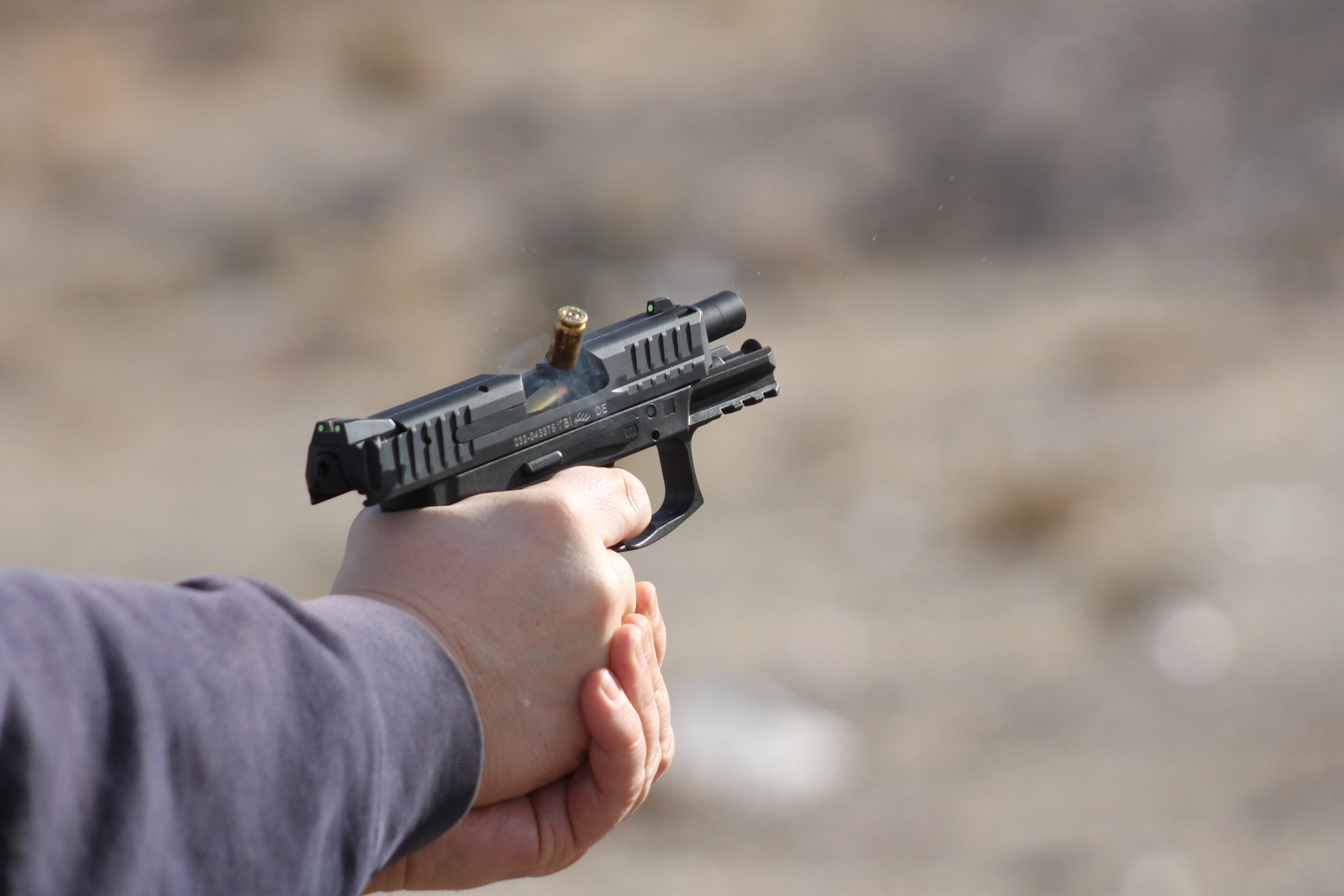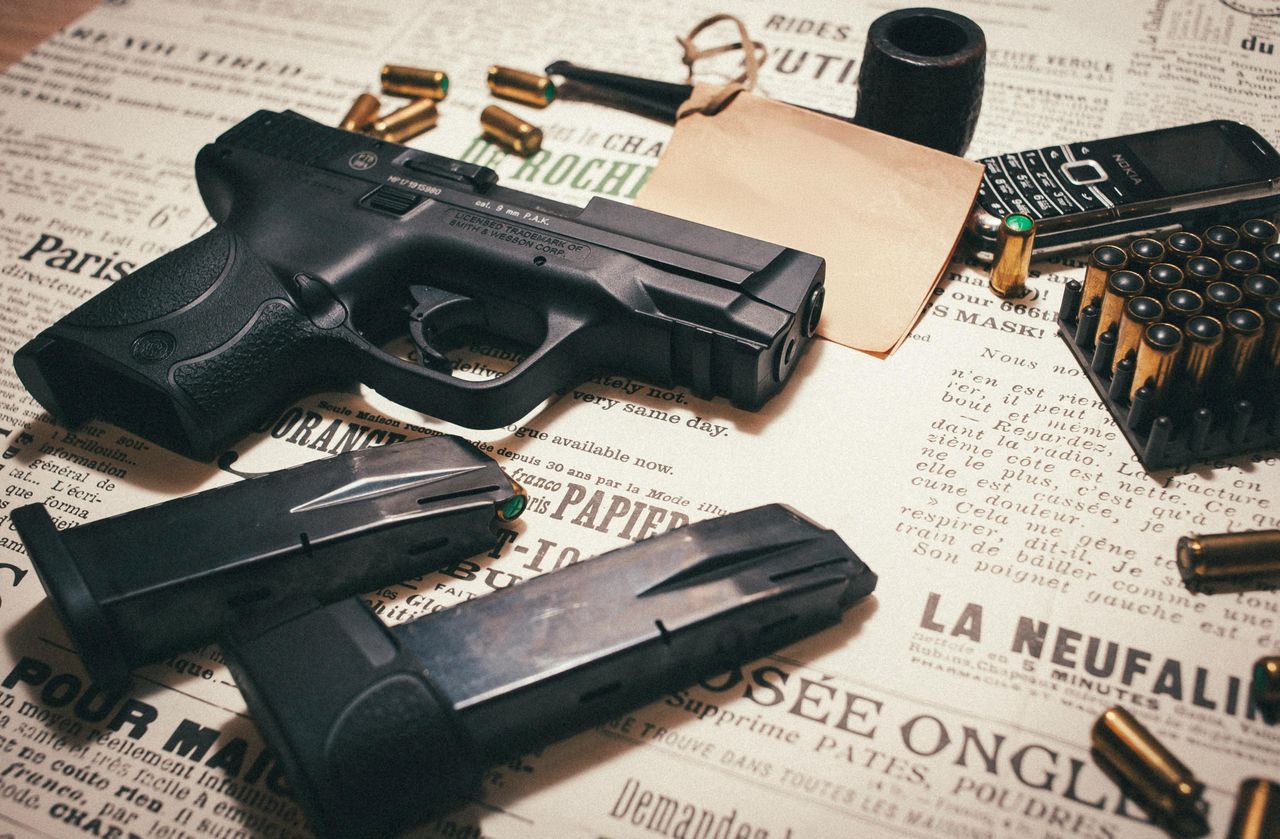
A rifle’s accuracy is often judged by how tightly its shots cluster on a target, but exceptional precision can expose the limits of the testing process itself. Some rifles were developed for military snipers, others for competitive target shooters, and a few became famous through demanding accuracy standards established by their manufacturers. Barrel quality, ammunition consistency, stock design, and manufacturing tolerances all influence the result. Just as importantly, a published group size means little without knowing the distance, ammunition, firing conditions, and number of shots involved. These 10 rifles illustrate how precision pushed expectations higher, while also showing why credible testing requires more than one impressive target.
1. Remington Model 700
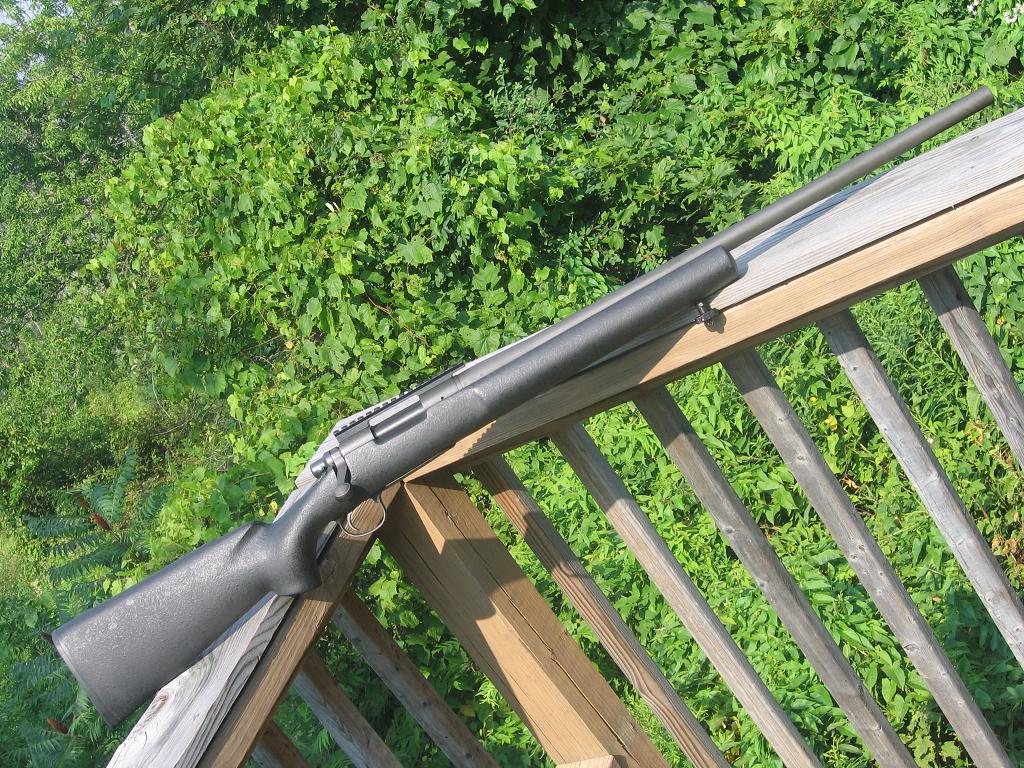
The Remington Model 700, introduced in 1962, became a reference point for precision bolt-action design because its cylindrical receiver and strong two-lug bolt lend themselves to consistent lockup. The rifle has appeared in numerous hunting and tactical configurations, so accuracy varies with barrel, chambering, ammunition, and condition. The U.S. military’s M24 sniper system was built around the Model 700 action and a 7.62×51mm NATO cartridge. Its reputation shows why a single tight group is not enough: repeatable results across multiple groups matter more.
2. M24 Sniper Weapon System
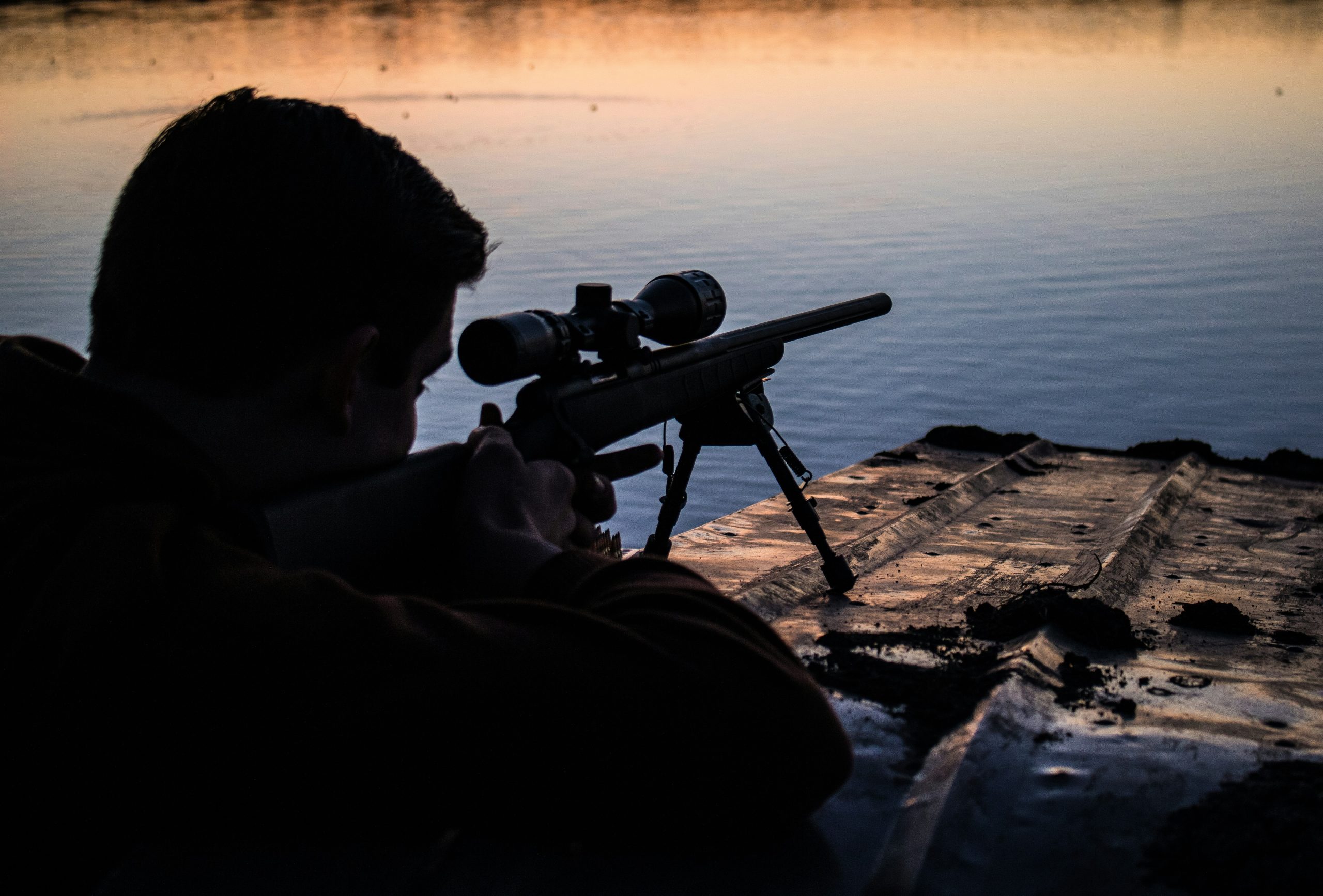
The U.S. Army’s M24 Sniper Weapon System entered service in 1988 and used a long-action Remington 700 receiver, a heavy 24-inch barrel, and 7.62×51mm NATO ammunition. Military acceptance involved more than shooting one neat cluster; reliability, durability, and performance under controlled conditions also mattered. The original system was designed around match-grade ammunition and a fixed-power optic. Its service history highlights a key point about precision testing: a rifle must maintain useful consistency after handling and field use, not just perform well from a pristine bench.
3. U.S. Marine Corps M40
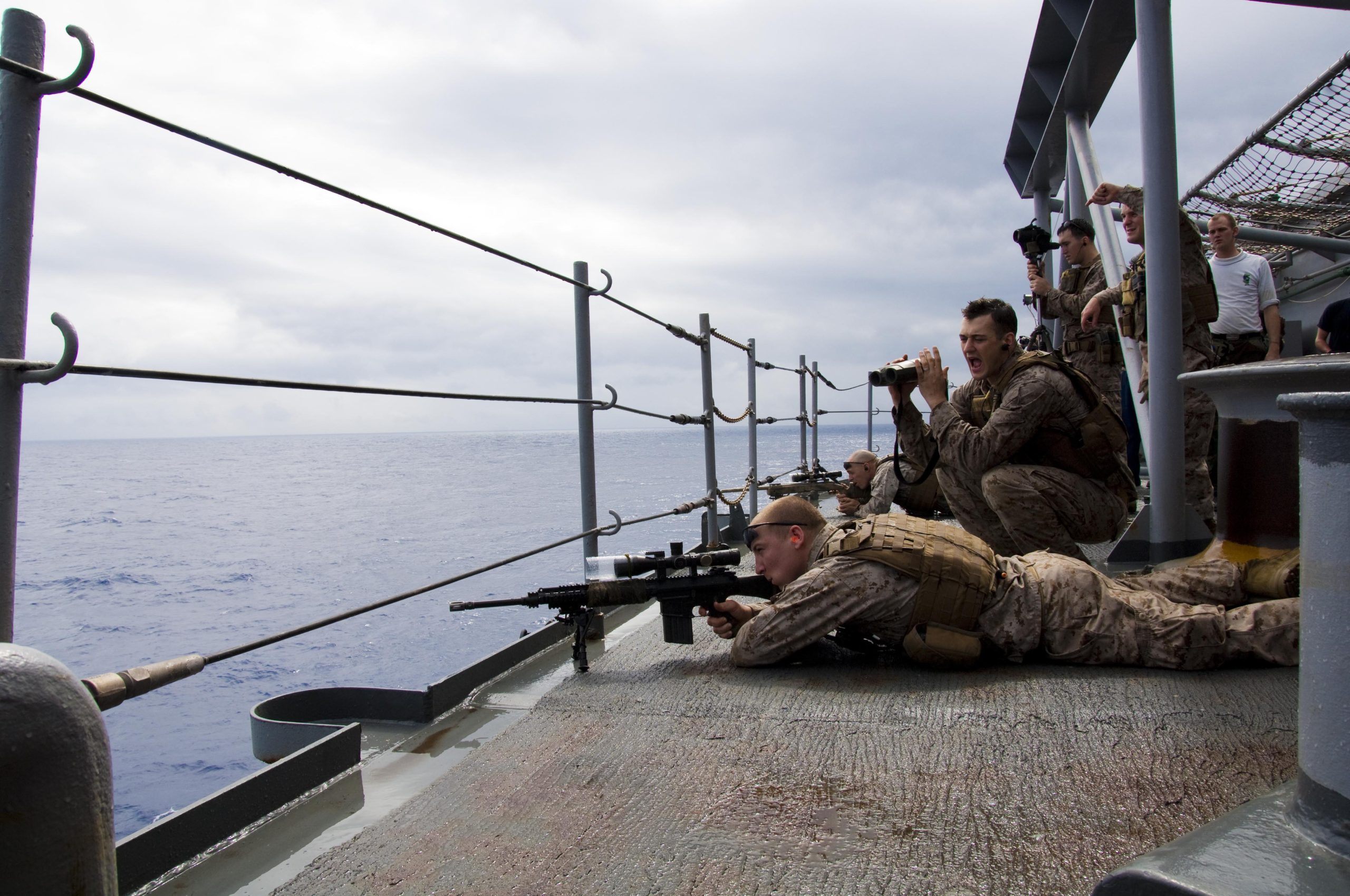
The U.S. Marine Corps M40 series also grew from the Remington 700 action, with the first version adopted in 1966. Across later generations, armorers refined barrels, stocks, optics, and other components to meet changing operational demands. The M40A3, for example, used a 25-inch stainless-steel barrel and a purpose-built stock. Such changes show why accuracy cannot be credited to the receiver alone. Ammunition lots, bedding, barrel wear, and the shooter all affect group size, so meaningful evaluation requires repeated firing and clearly stated conditions rather than a single celebrated result.
4. Accuracy International Arctic Warfare
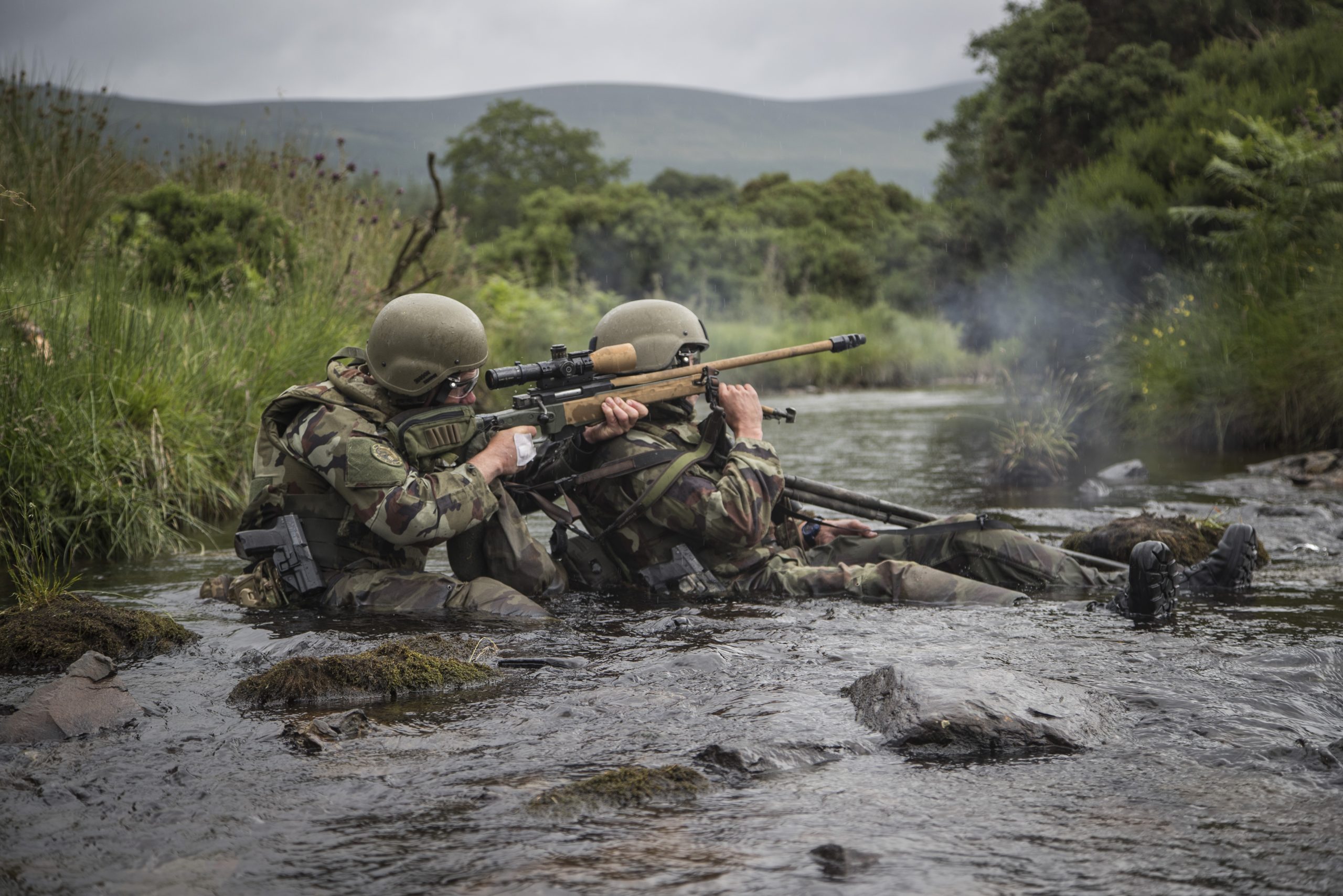
Accuracy International’s Arctic Warfare family was designed for military use in difficult climates, with the original rifle emerging in the 1980s. Its chassis and detachable magazine made the platform adaptable, while variants were chambered for cartridges including 7.62×51mm NATO and .338 Lapua Magnum. The design became known for practical precision in cold and wet conditions, not simply for producing a tiny group indoors. A rifle intended for field deployment must retain zero and function reliably as temperatures, equipment, and handling change.
5. Sako TRG 42
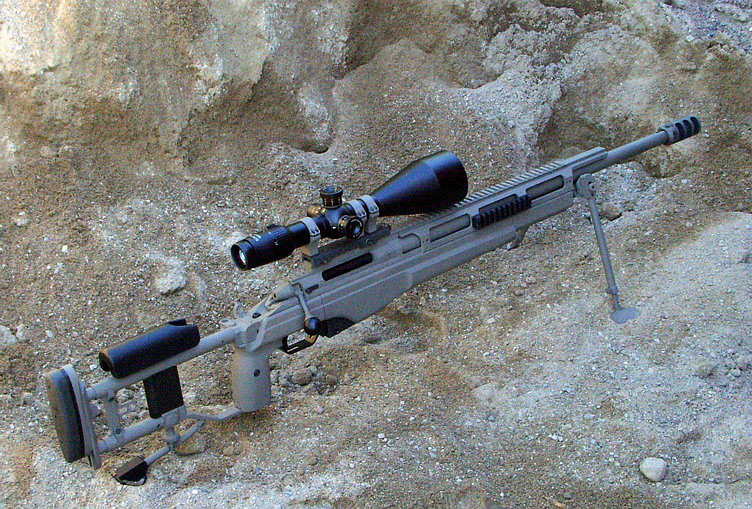
Sako’s TRG 42 is a purpose-built precision rifle introduced in the 1990s and commonly chambered in .300 Winchester Magnum or .338 Lapua Magnum. Its adjustable stock, free-floating barrel, and controlled-feeding bolt support consistent shooting and fit different users. The .338 Lapua version has been offered with a 690 mm barrel, though dimensions depend on configuration. Long-range performance still depends on ammunition uniformity, wind, and setup. A credible test records distance and conditions and repeats groups, rather than treating one five-shot cluster as proof of universal accuracy.
6. Steyr SSG 69
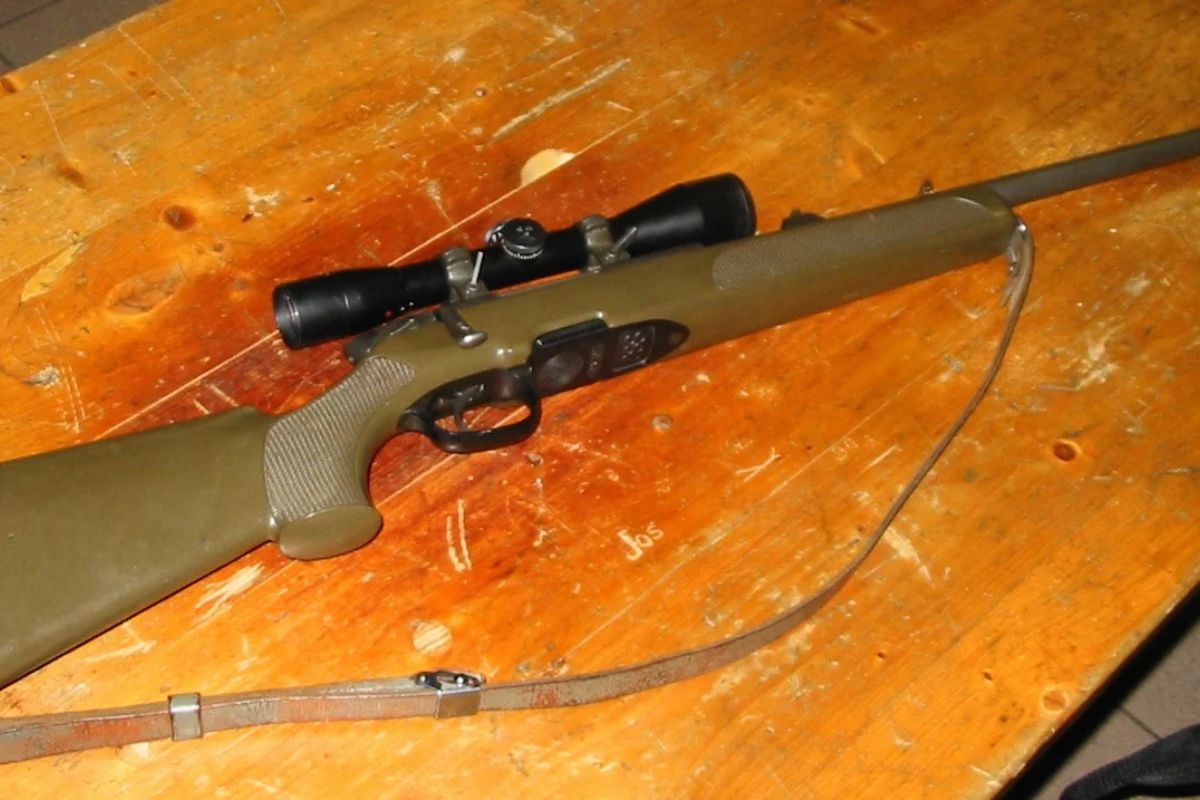
The Steyr SSG 69 entered service in 1969 and became notable for its synthetic stock, cold-hammer-forged barrel, and rotary magazine. It was chambered in 7.62×51mm NATO, a cartridge widely used in military precision rifles. Its design showed that a serviceable sniper rifle could combine field durability with strong accuracy potential without resembling a delicate match gun. Results vary between rifles and ammunition, however, and claims such as sub-minute groups need a stated distance, shot count, and test setup. Repeated groups say far more than one target.
7. Ruger Precision Rifle

The Ruger Precision Rifle arrived in 2015, bringing chassis-style adjustability and a folding stock to a factory bolt-action platform. It has been offered in chamberings including 6.5 Creedmoor and .308 Winchester, with barrel length and magazine compatibility depending on version. Its appeal is that shooters can adjust the fit without custom-building an entire rifle. Factory accuracy claims should still be read alongside the ammunition and number of groups fired. A three-shot cluster can look impressive by chance; repeated five-shot groups give a more useful picture of consistency.
8. Tikka T3x TAC A1

Tikka’s T3x TAC A1 is a chassis-based precision rifle built around the T3x action and offered in chamberings such as 6.5 Creedmoor and .308 Winchester. Its adjustable stock, accessory rails, and detachable magazine suit range use, while the free-floating barrel helps reduce contact that could disturb consistency. Barrel length and magazine details differ by caliber and market. A fair assessment documents ammunition, temperature, distance, and several consecutive groups. Precision is a repeatable pattern, not a lucky moment, and a result from one setup may not represent every version.
9. Barrett MRAD
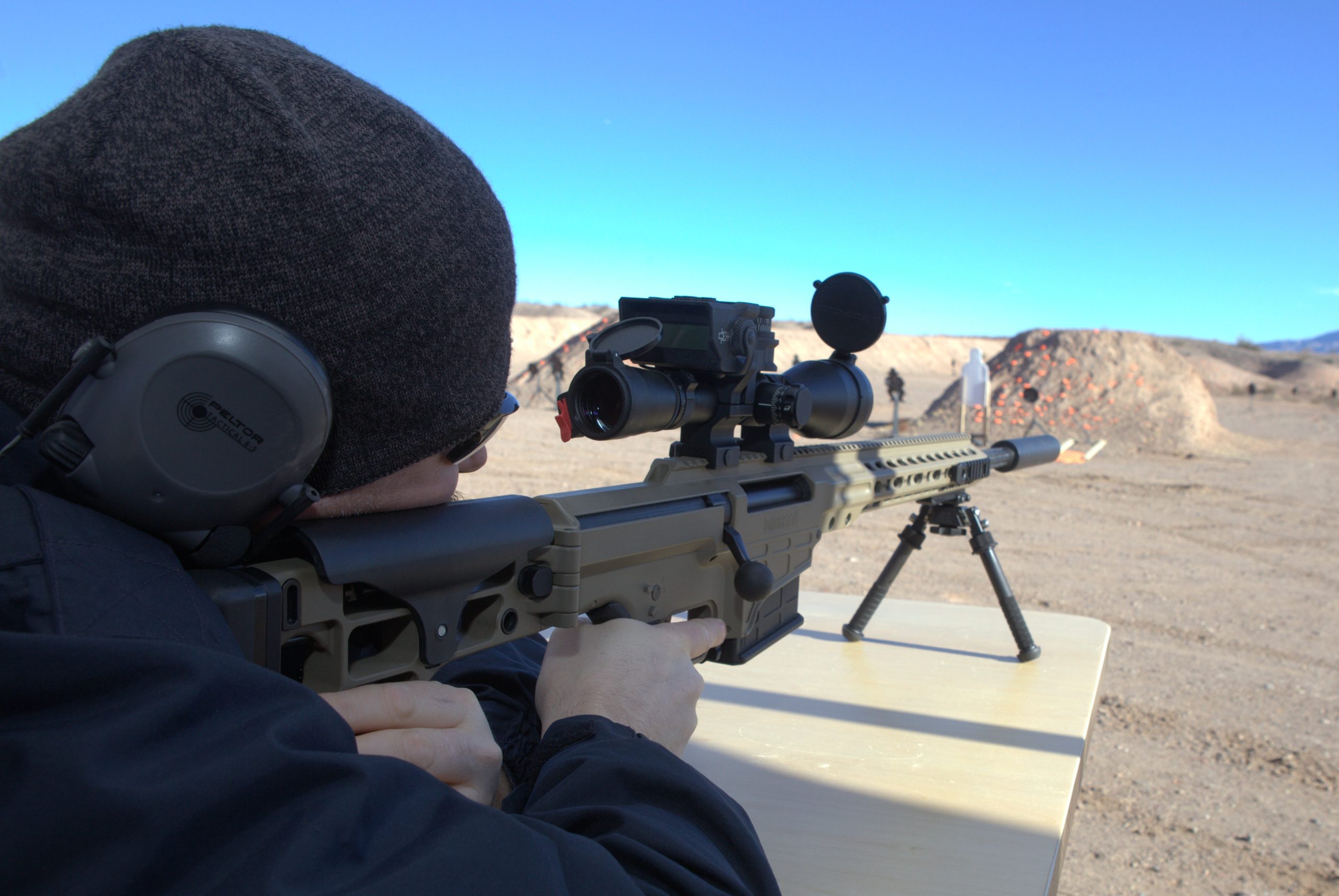
The Barrett MRAD is a modular precision rifle that allows users to change barrels and calibers with compatible components. Introduced in 2009, it has been offered in cartridges including .338 Lapua Magnum and .308 Winchester, depending on configuration. Its folding stock and adjustable ergonomics support transport and user fit, while the modular system offers flexibility for different roles. That flexibility complicates testing: each barrel and caliber combination deserves its own evaluation. Results from one setup cannot automatically be applied to another, even when the same chassis is used.
10. Anschütz 1903

The Anschütz 1903 is a small-bore target rifle built for competition, typically firing .22 Long Rifle ammunition. In this class, scoring rings are tiny and ammunition consistency can matter as much as the rifle. A 50-metre prone or three-position match demands steady performance across many shots, not merely one tight group. Barrel condition, bedding, trigger quality, and ammunition-lot differences all influence results. Small-bore rifles offer a lesson for every precision test: define the distance and rules, fire enough shots to reveal variation, and report the full pattern honestly.