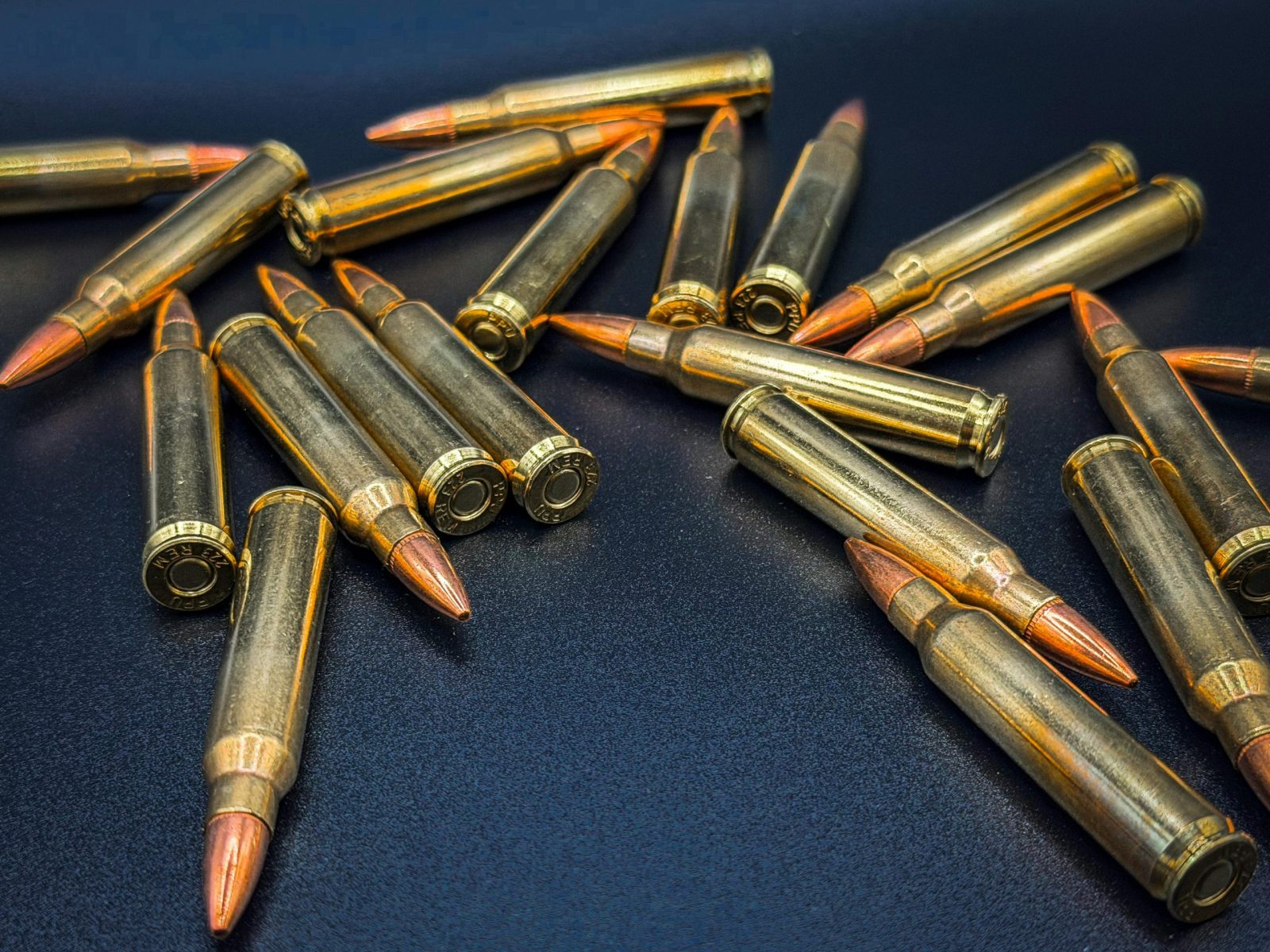
Ammunition availability can change considerably from one season to the next, even for cartridges that once seemed easy to find. Hunting seasons, changing production priorities, regional demand, and the popularity of particular firearms all influence what dealers keep in stock. Some older cartridges also receive fewer production runs because manufacturers concentrate on more widely used options. However, shortages are not universal, and a cartridge that is difficult to locate in one area may remain readily available elsewhere. These nine examples illustrate why certain established calibers can require more patience to find on store shelves.
1. .257 Roberts
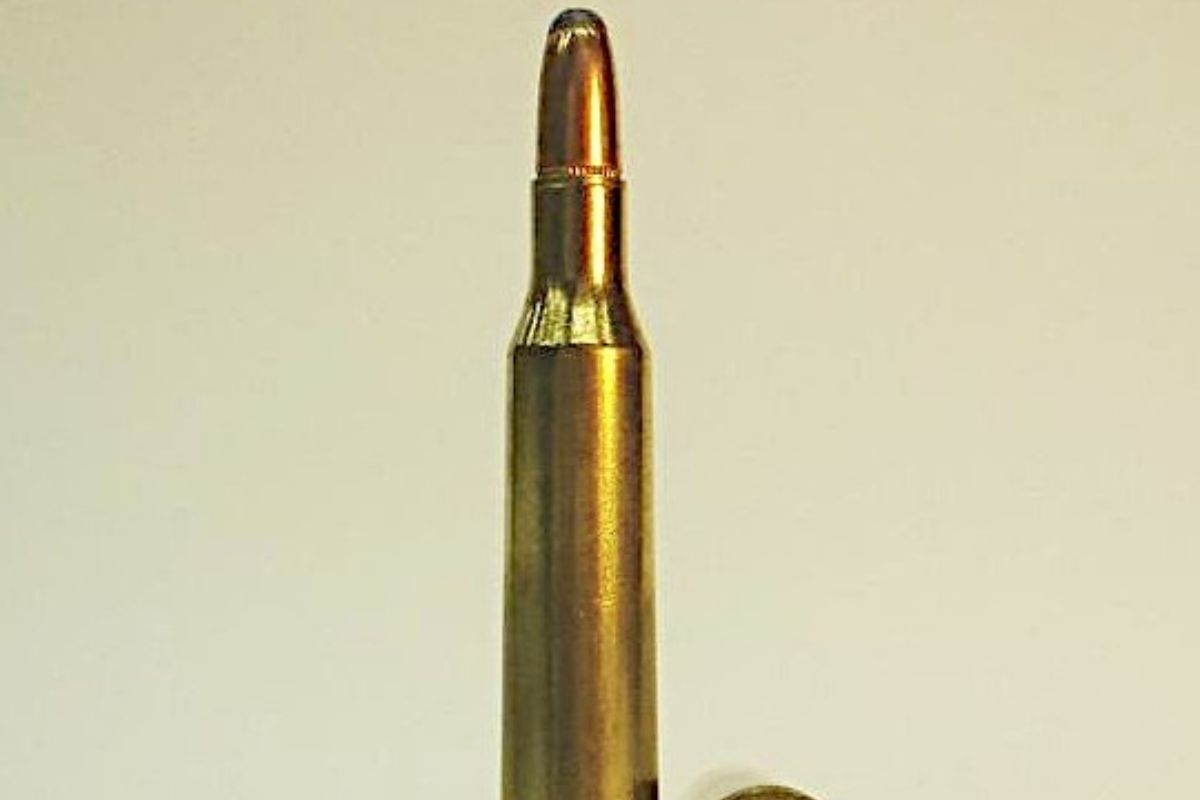
Introduced commercially in 1934, the .257 Roberts built a loyal following among hunters who valued a mild-recoiling quarter-bore cartridge. It remains capable in the field, but its popularity faded as newer options such as the .243 Winchester became common in sporting rifles. That smaller customer base gives shops less reason to devote shelf space to several bullet weights and brands. Factory ammunition has not vanished, yet a local store may carry none when you visit. Availability can vary by region and season, so an empty shelf does not mean production has ended.
2. .35 Whelen
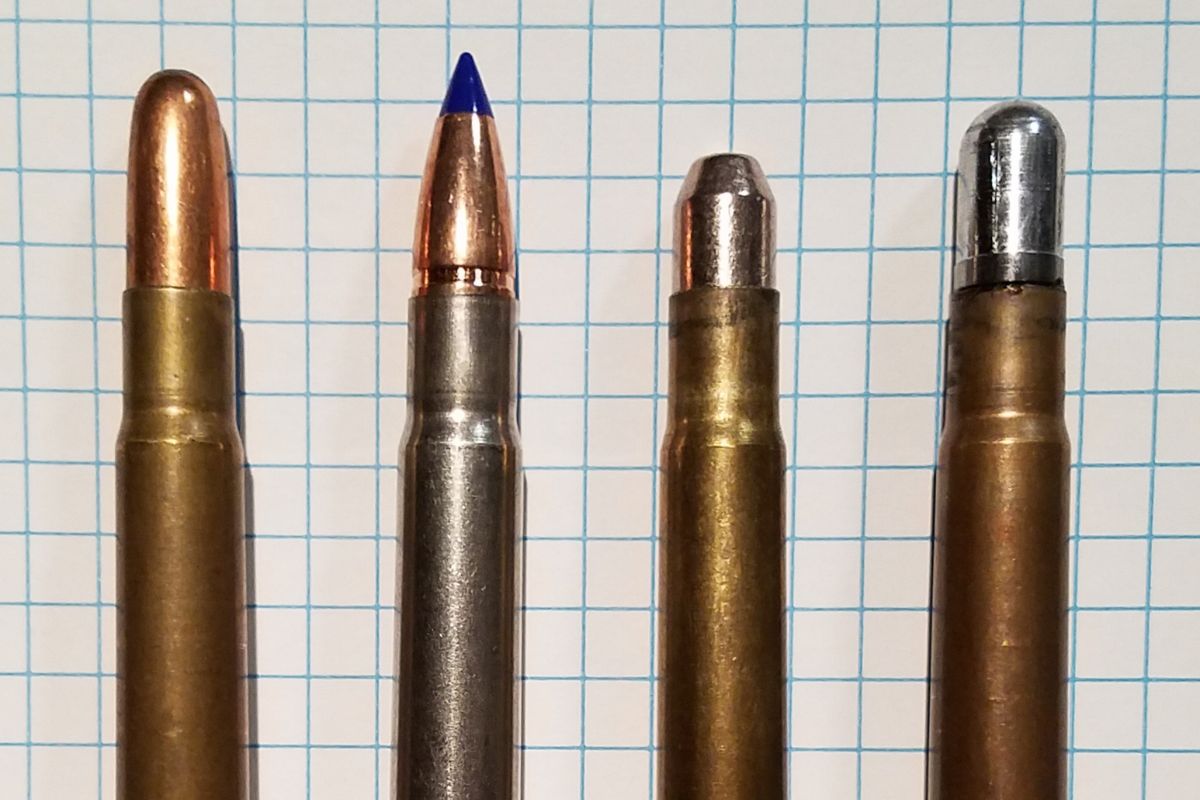
Developed as a wildcat in 1922 and later adopted commercially, the .35 Whelen uses a case based on the .30-06 Springfield and fires larger-diameter bullets. It has a dedicated following among hunters who want a traditional big-game cartridge, but it is far less common than the .30-06 parent round. Stores may stock only one load, or none at all, because demand is limited and shelf space goes to faster-selling ammunition. Its continued existence in factory catalogs should not be mistaken for reliable local availability, particularly outside major hunting markets.
3. 7mm Remington Ultra Magnum
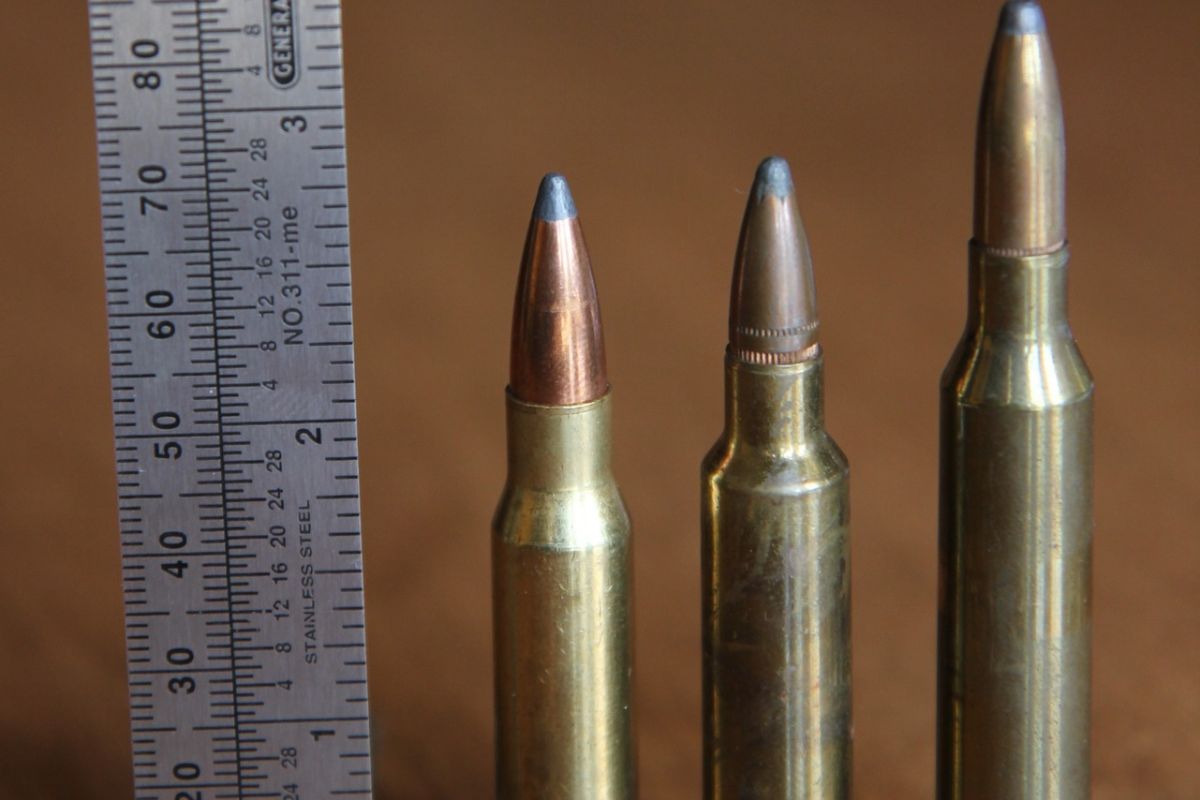
Introduced in 2001, the 7mm Remington Ultra Magnum was designed for high velocity and long-range performance. Its large case and substantial powder capacity appealed to a specific group of hunters, but the cartridge never became a mainstream choice. Newer designs, including the 7mm PRC introduced in 2022, have drawn attention from some buyers and manufacturers. As a result, the RUM’s ammunition selection can be narrow, with fewer bullet styles and occasional gaps between deliveries. It remains a specialized option, not a cartridge guaranteed to be on every dealer’s shelf.
4. 7mm STW
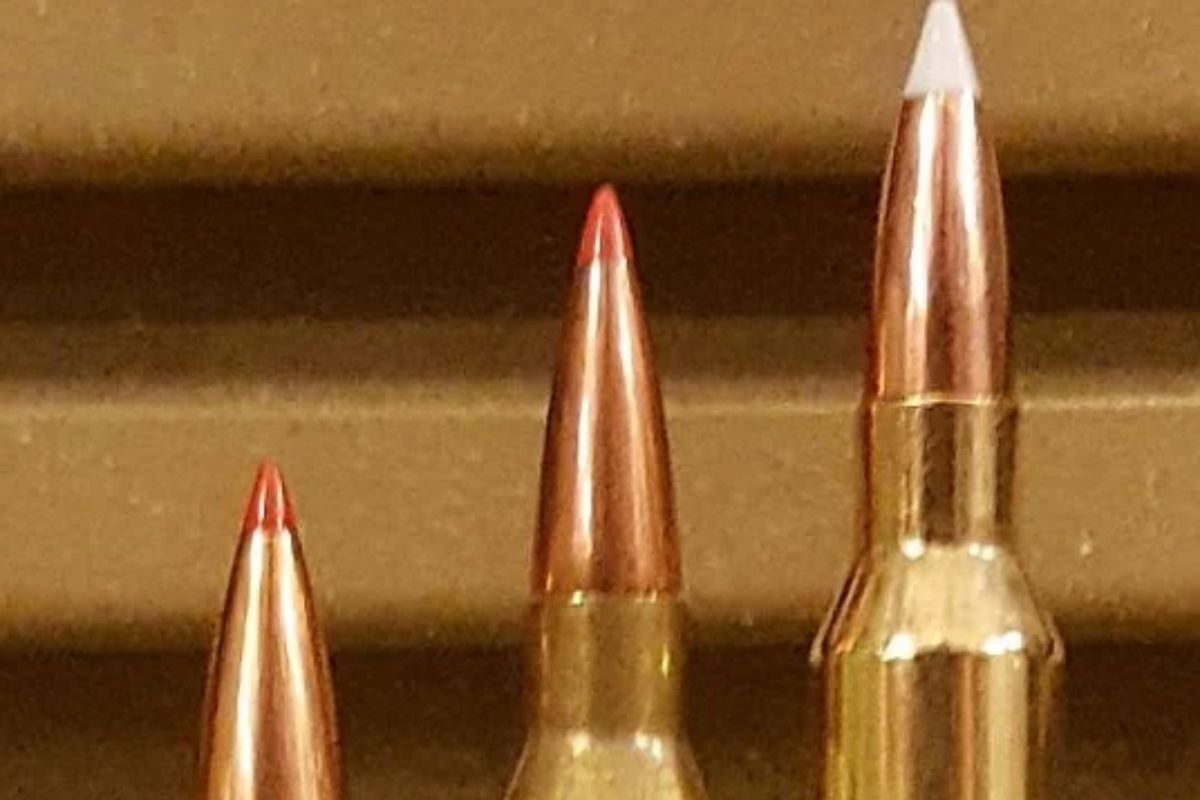
The 7mm Shooting Times Westerner grew from a wildcat design before becoming a factory cartridge in the 1990s. It earned interest for its high velocity, but its long, magnum-sized case and specialized role kept its audience relatively small. Retailers are therefore less likely to keep multiple loads on hand than they are for common 7mm cartridges. Some shops may have a box or two while others have no stock for months. The cartridge has not simply disappeared, but finding ammunition can take more effort than its reputation among long-range hunters might suggest.
5. .270 Winchester Short Magnum
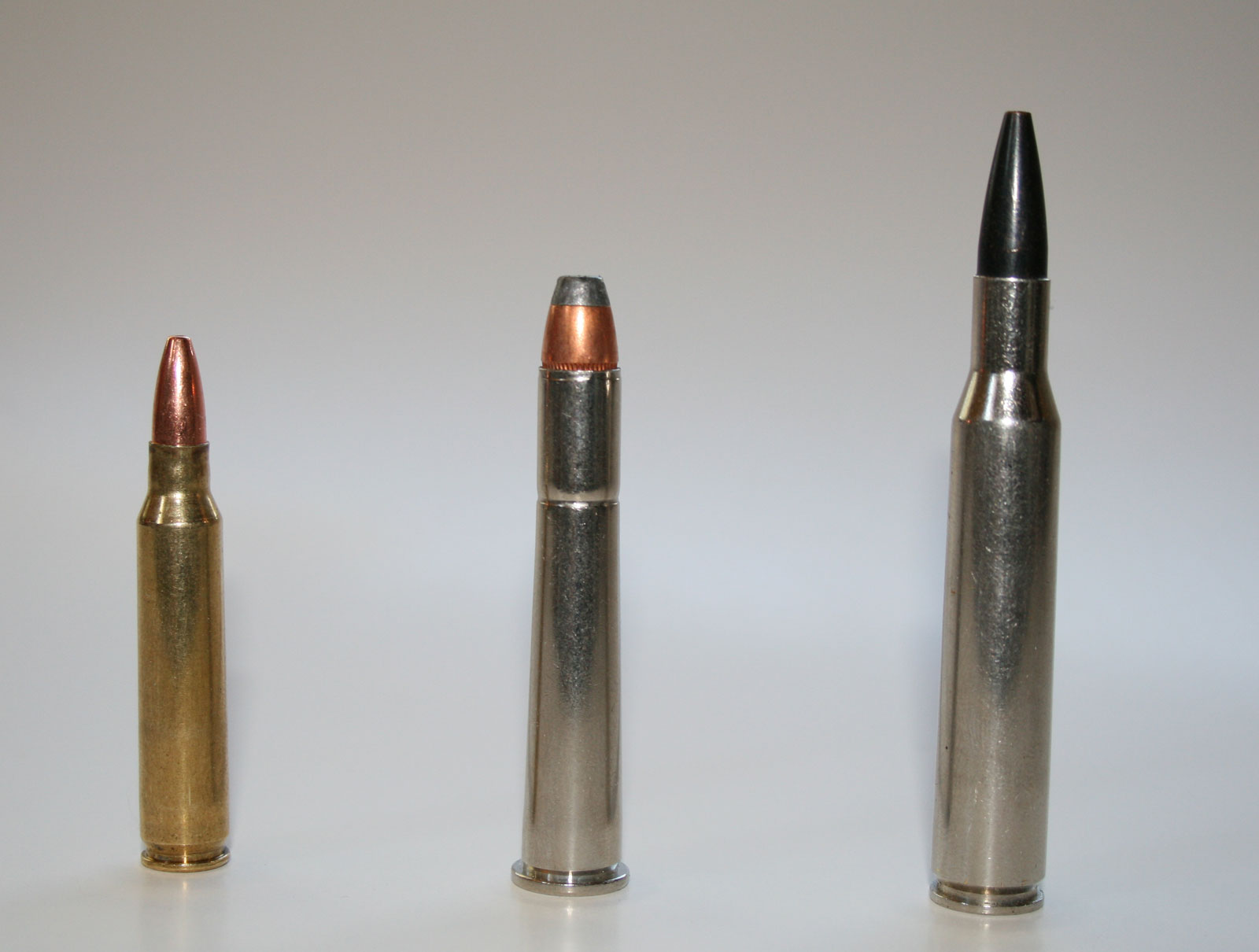
Released in 2002, the .270 Winchester Short Magnum offered hunters a compact, beltless magnum design with performance aimed at the familiar .270-caliber market. It attracted a following, but it competes with the widely established .270 Winchester, which benefits from a much larger installed base of rifles. That difference affects what stores reorder: a less common cartridge may appear only in a limited selection of bullet weights. Availability can tighten around hunting season, when demand rises, and ease later. The WSM is still a supported chambering, but local stock is far from uniform.
6. .300 Winchester Short Magnum
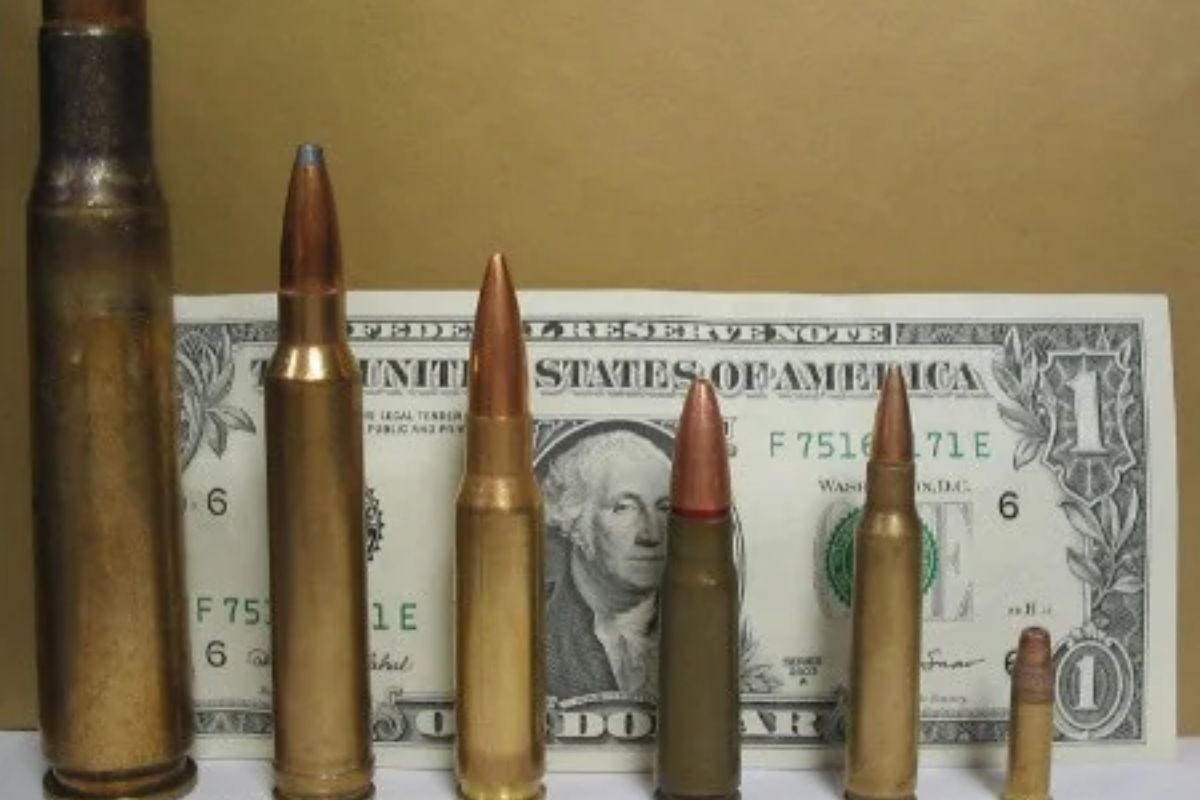
Introduced in 2001, the .300 Winchester Short Magnum brought magnum performance in a shorter case designed for compatible short-action rifles. It remains more recognizable than some niche cartridges, yet it sits behind the long-established .300 Winchester Magnum in broad familiarity and rifle availability. Retailers may carry a few hunting loads rather than a full range of choices, especially outside peak seasons. A particular bullet weight can be harder to find than the cartridge itself. Its status is best described as uneven availability, not a universal shortage across all stores.
7. .264 Winchester Magnum

Launched in 1958, the .264 Winchester Magnum was an early high-velocity 6.5 mm cartridge and developed a loyal following among some hunters and rifle enthusiasts. Its reputation was later overshadowed by other magnums and, much later, newer 6.5 mm designs. That shift left it with a comparatively small market, which can mean fewer factory loads and inconsistent shelf space. A shop might carry ammunition occasionally without maintaining a dependable supply. The cartridge remains historically significant, but buyers should not assume that every retailer can replace a used box quickly.
8. .284 Winchester

Introduced in 1963, the .284 Winchester was designed to deliver useful performance from a short-action rifle, but it never matched the popularity of the .308 Winchester. Its case design later inspired other successful cartridges, yet factory ammunition is not easy to find everywhere. Because relatively few current rifles use it, many retailers have little reason to keep several loads in stock. Specialty suppliers may offer options, but ordinary shops can have long gaps between deliveries. The .284 Winchester shows how a cartridge can survive long after its retail footprint shrinks.
9. 6.5-284 Norma
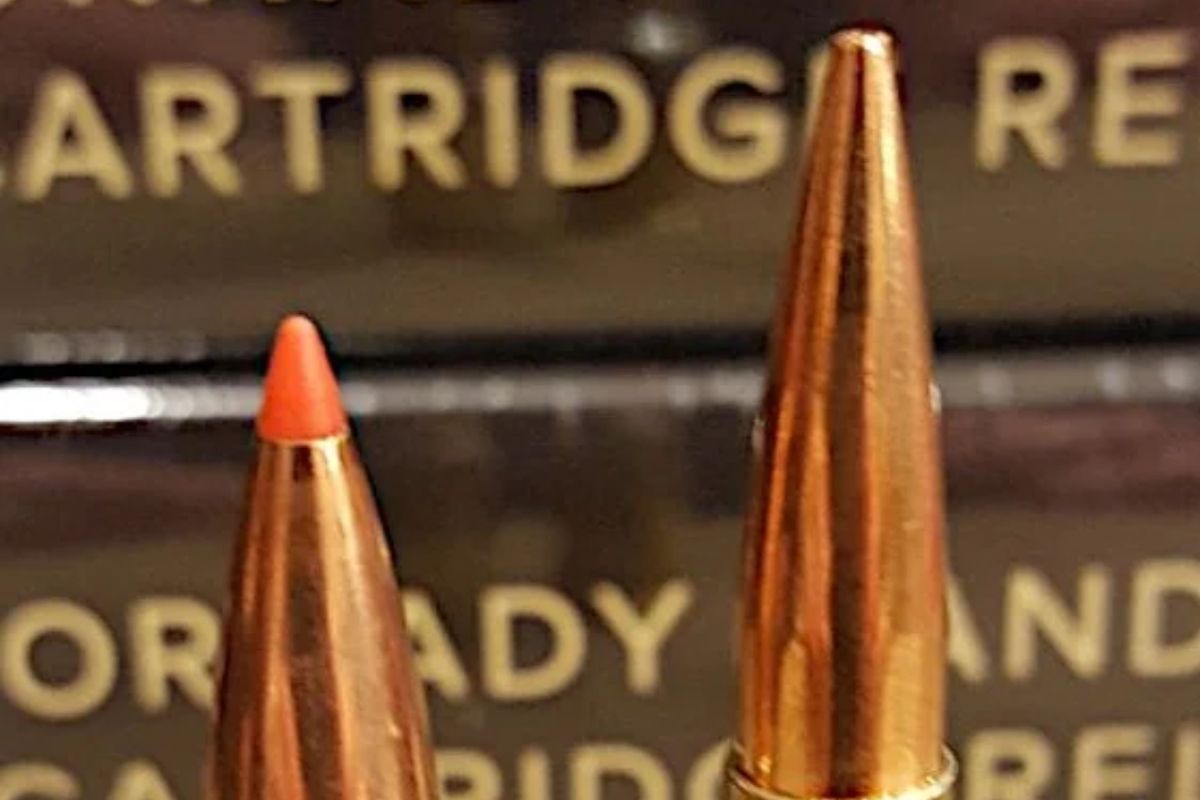
The 6.5-284 Norma grew from a competitive shooting cartridge and became known for accuracy in precision-rifle circles. Norma standardized it in 1999, but its audience remains more specialized than that of the 6.5 Creedmoor, introduced in 2007 and now widely used. This smaller market affects factory ammunition choices, especially for hunters seeking particular bullet types rather than match loads. Some retailers may order it only on request, while specialist outlets can be better stocked. It is not necessarily discontinued; availability depends on the dealer and exact load.