Big changes are coming to deer camp in Minnesota. A rule that shaped generations of hunters is now gone.
Minnesota just made a major deer hunting change

Minnesota has officially eliminated its decades-old shotgun-only deer hunting zone, one of the most recognizable features of the state’s firearms deer season. The repeal took effect for the 2026 firearms season after the Minnesota Legislature acted during the 2025 session. According to the Minnesota Department of Natural Resources, hunters can now use legal rifles, shotguns, and handguns statewide where deer hunting is allowed unless a county adopts its own restriction.
That sounds simple, but it marks a real turning point. For years, the old boundary split much of southern and western Minnesota from the rifle country farther north. Hunters planned gear, stands, and even land purchases around that line.
The DNR has been blunt about the scope of the change. Its 2026 deer information says the statewide shotgun zone repeal is now in effect, while also warning hunters to check local county ordinances before heading afield. In other words, the old statewide rule is gone, but a patchwork map may replace it in some places.
For many hunters, this is the biggest Minnesota deer regulation story in years. It changes not just what people can carry in the field, but how they think about range, safety, sightlines, and land access.
Why the shotgun-only zone existed in the first place

A lot of people assumed the shotgun-only zone was created mainly for public safety. Southern Minnesota has more open farmland, longer views, and fewer forested backstops than the northern part of the state, so that explanation always sounded plausible.
But the DNR’s own history tells a different story. Minnesota says the shotgun zone was established in 1942 as a deer management tool, not primarily as a safety measure. Deer numbers in parts of southern Minnesota were once so low that seasons were sometimes closed, and limiting hunters to less efficient equipment helped reduce harvest pressure.
That history matters because it reframes the whole debate. The original idea was to make hunters get closer and take fewer deer in regions where herds needed help recovering. In the 1940s, that made more sense because shotguns were less precise at distance than rifles.
Today, that old biological rationale has weakened. Deer populations in much of the old shotgun zone are far stronger than they were decades ago, and the equipment itself has changed dramatically.
Modern gear helped push the old rule toward retirement
The shotgun zone that existed on paper was not the same shotgun zone hunters experienced in the field by the 2020s. Rifled barrels, sabot slugs, better optics, and improved ammunition changed what a dedicated deer shotgun could do.
Minnesota DNR officials have noted that modern shotgun technology made those guns much more effective than they once were. In practical terms, many hunters were already using highly accurate slug setups that narrowed the real-world performance gap between shotgun and rifle more than older debates admitted.
That does not mean a slug gun and a centerfire rifle are identical. Rifles still offer flatter trajectories, more cartridge options, and, in many cases, easier precision at longer distances. But the old notion that shotgun hunters were always working with dramatically shorter, rougher tools became harder to defend.
The result was an awkward mismatch between tradition and technology. A regulation designed around older firearm limitations was being applied in an era when many hunters had already adapted beyond those assumptions.
What the new law actually allows hunters to do
Beginning with the 2026 firearms deer season, legal rifles are broadly allowed in the former shotgun zone unless a county has passed an ordinance to remain shotgun only. Minnesota law still sets baseline firearm rules for big game, including that rifles, shotguns, and handguns used for big game generally must be at least .22 caliber centerfire and fire a single projectile.
That means this is not a free-for-all. Hunters still need to follow season-specific rules, ammunition standards, public land restrictions, and any local ordinances layered on top. The legal framework changed, but the details still matter.
One of the most important practical changes is flexibility. A hunter who used to own separate setups for different parts of the state may now be able to use one preferred rifle in more places. That could simplify travel hunts, family camps, and land access decisions.
It also makes preseason homework more important. The DNR specifically tells hunters to confirm county-level rules before hunting because local restrictions can still override the new statewide openness.
County by county holdouts are keeping part of the old map alive
Minnesota did not simply erase the old system and walk away. The new law gives counties in the former shotgun zone authority to adopt ordinances restricting firearm types for deer hunting after notice and a public hearing.
That local option is already shaping the 2026 season. The DNR’s current county list shows shotgun-only ordinances in Brown, Cottonwood, Dodge, Faribault, Houston, Jackson, Kandiyohi, Nobles, Pope, Rock, and Watonwan counties. Clay and Wilkin are listed as partial shotgun-only counties, which means hunters need to pay especially close attention to local boundaries.
This local control model is politically clever but operationally messy. It lets county officials respond to local land patterns and resident concerns, especially in heavily agricultural country with farmsteads, roads, and tightly parceled hunting ground.
The tradeoff is complexity. Instead of one big line on the map, hunters may now face a county-by-county compliance puzzle that requires checking regulations every single season.
The safety debate is not going away anytime soon
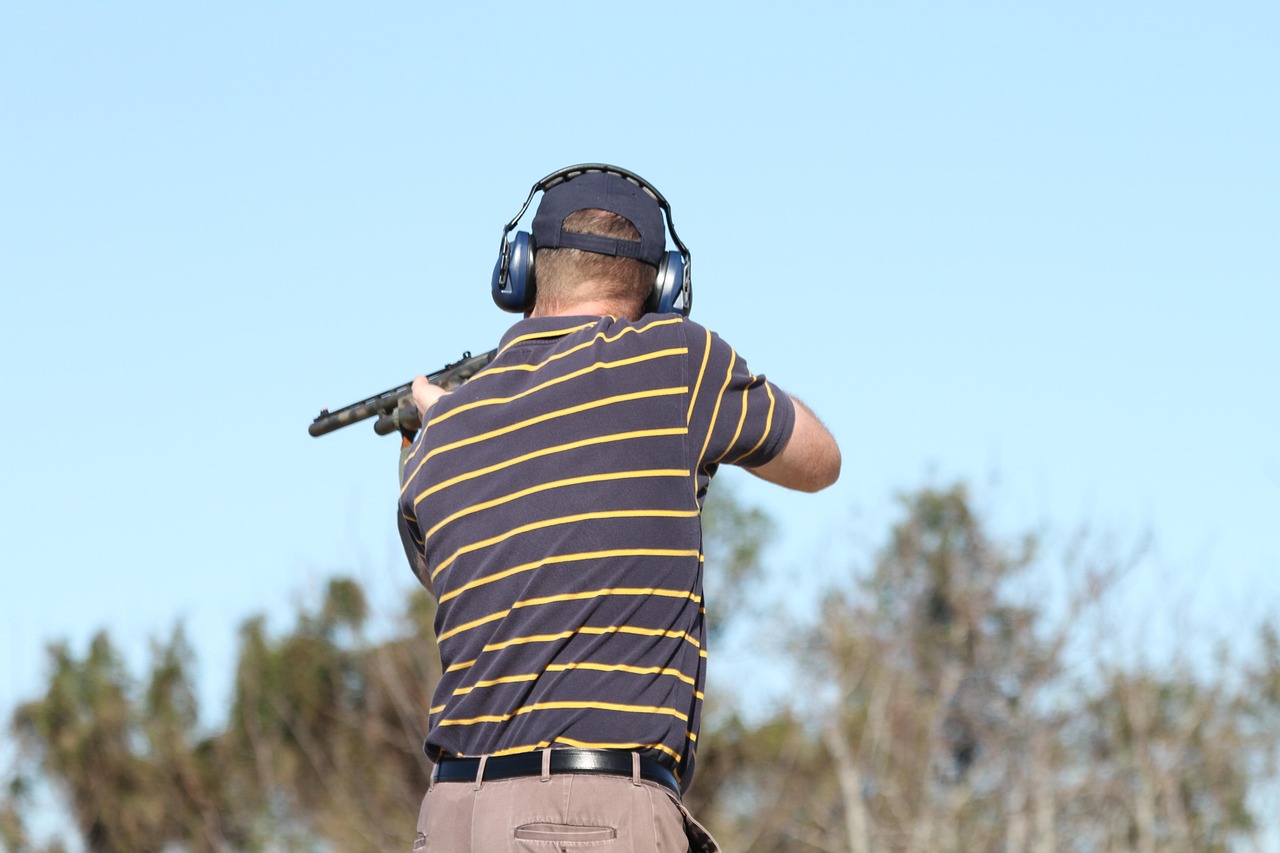
Whenever rifles expand into former shotgun country, safety becomes the first argument. Supporters of the repeal say modern hunting has long outgrown the old boundary and point out that nearby states have already moved in this direction.
Minnesota’s DNR history note specifically says Wisconsin eliminated its shotgun zone in 2013 and did not see an increase in firearms-related incidents. That comparison has become one of the strongest talking points for hunters who believe the old restriction no longer matched real-world evidence.
Still, local concerns are not imaginary. Open crop ground, drainage ditches, road density, and scattered rural homes create a different shooting environment than large northern timber blocks. County boards that kept shotgun-only rules clearly believe those differences still justify caution.
In the end, safe hunting behavior matters more than the label on the firearm. Backstops, shot angles, target identification, and discipline in flat country will matter just as much in 2026 as they did before the repeal.
What this means for hunters heading into the 2026 season

For Minnesota hunters, the biggest takeaway is simple: do not assume the old rule applies, and do not assume it is gone everywhere either. The 2026 season is the first real test of a new system that combines statewide liberalization with county-level exceptions.
Hunters who prefer centerfire rifles will likely see the change as overdue. It opens more of the state to equipment they already trust, and it may reduce the need to keep a dedicated slug gun just for southern hunts. For newer hunters especially, that can lower gear confusion and make practice more straightforward.
At the same time, landowners and hunting groups will be watching closely. If incident rates stay stable and county adoption remains limited, the repeal will likely be seen as a successful modernization. If confusion or local backlash grows, pressure for more county restrictions could build.
Either way, Minnesota has entered a new deer hunting era. The shotgun-only zone that defined generations is no longer the statewide rule, and this fall will show how hunters and counties choose to live with that change.