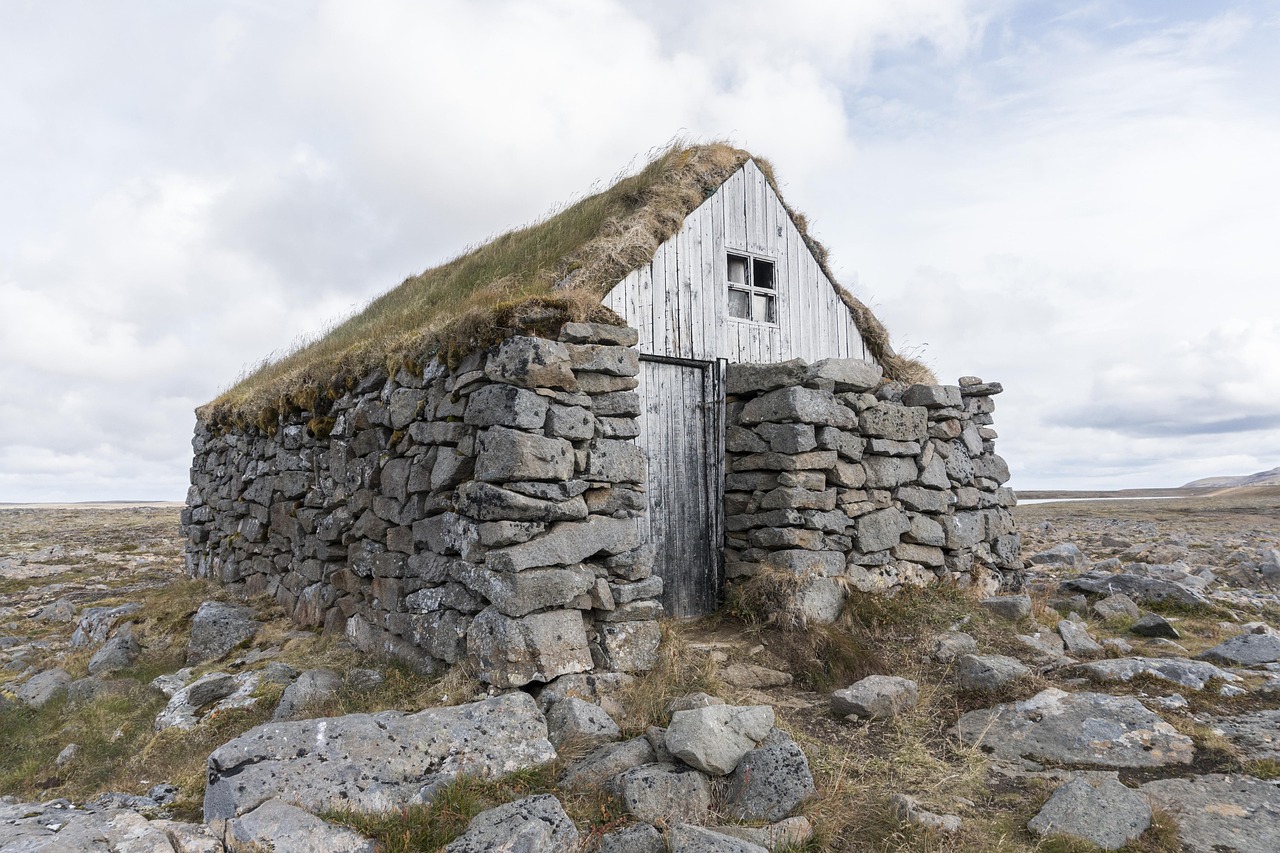
Some cabins go quiet, but they never really stop talking. You can read a surprising amount of human history in the things nobody bothered to carry back out.
Objects Are a Record of Daily Life
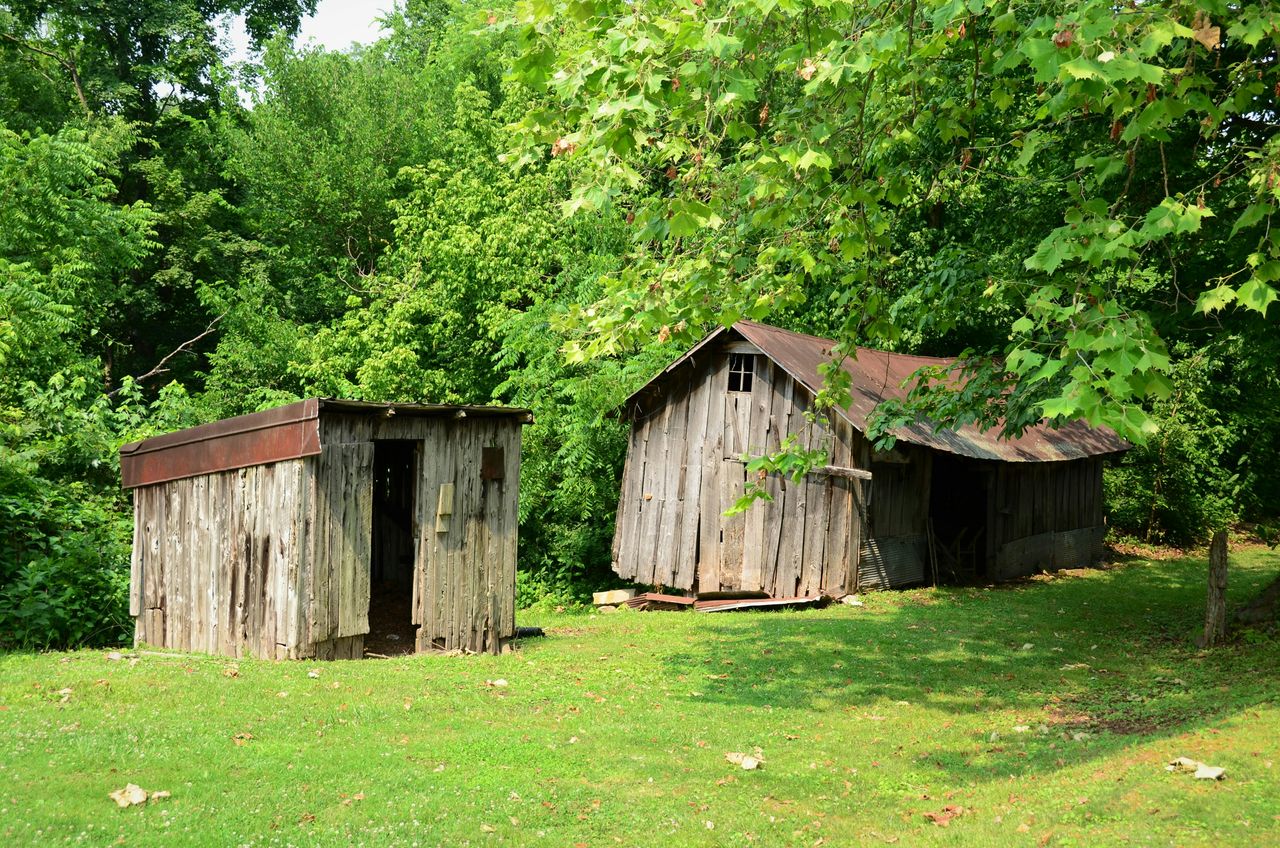
Archaeologists use the term material culture for the physical things people leave behind, and the National Park Service notes that these objects help reconstruct everyday life that written records often miss. In a hunting cabin, that matters because most camps were practical places, not museums. People used what worked, repaired what they had, and saved what still held value.
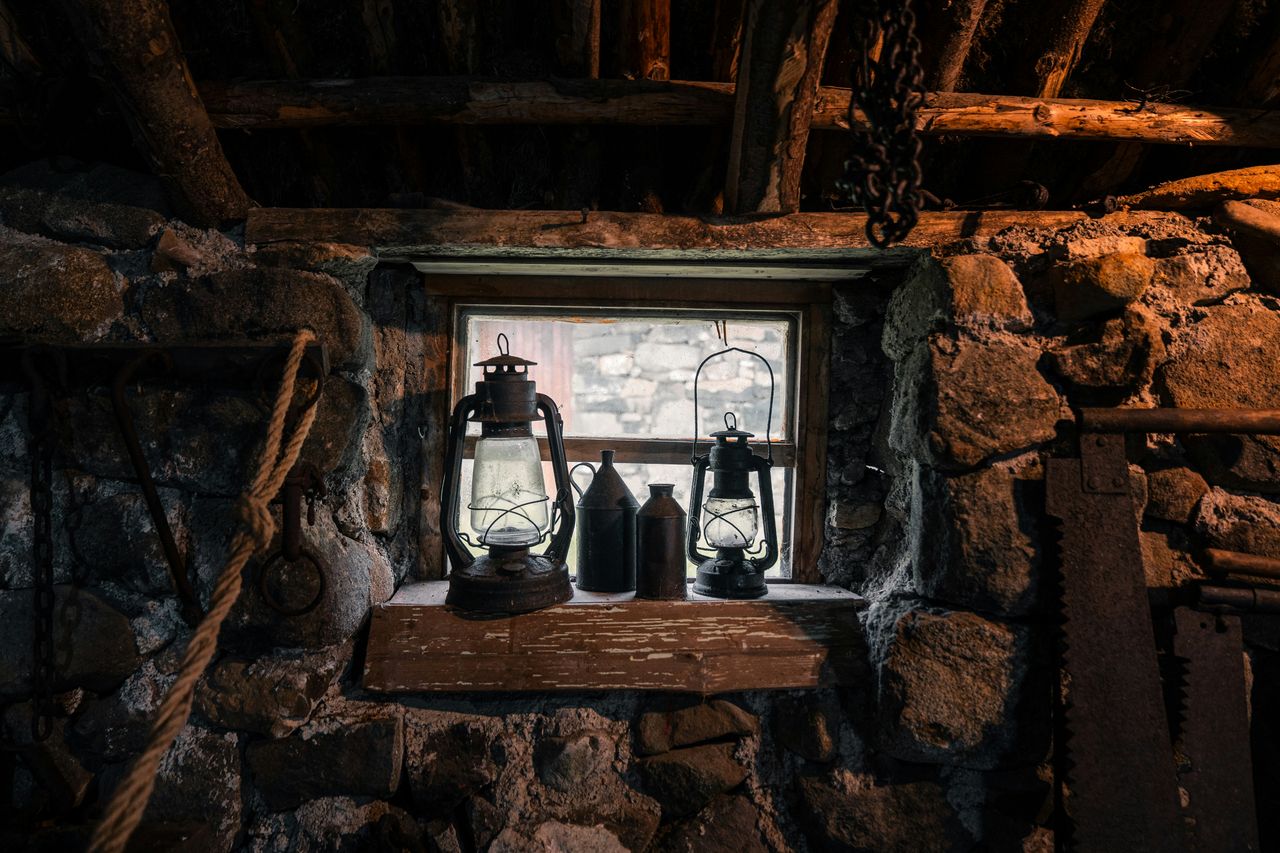
A cabin’s leftovers are most revealing when viewed in context rather than as curiosities. A lantern beside a bunk says something different than one hung near a game pole or stove. The object matters, but placement matters just as much.
That is why an old enamel coffee pot, a patched wool coat, or a can opener can be more revealing than a fancy rifle rack. They point to routine. Routine is where personality lives.
Food Tells You How Hard the Place Was to Reach
Food remains are often the clearest clue to a camp’s rhythm. The National Park Service groups food-related artifacts into procurement, preparation, service, storage, and waste, because each stage reveals choices about labor, access, and comfort. In remote cabins, those choices were shaped by distance, weather, and pack weight.
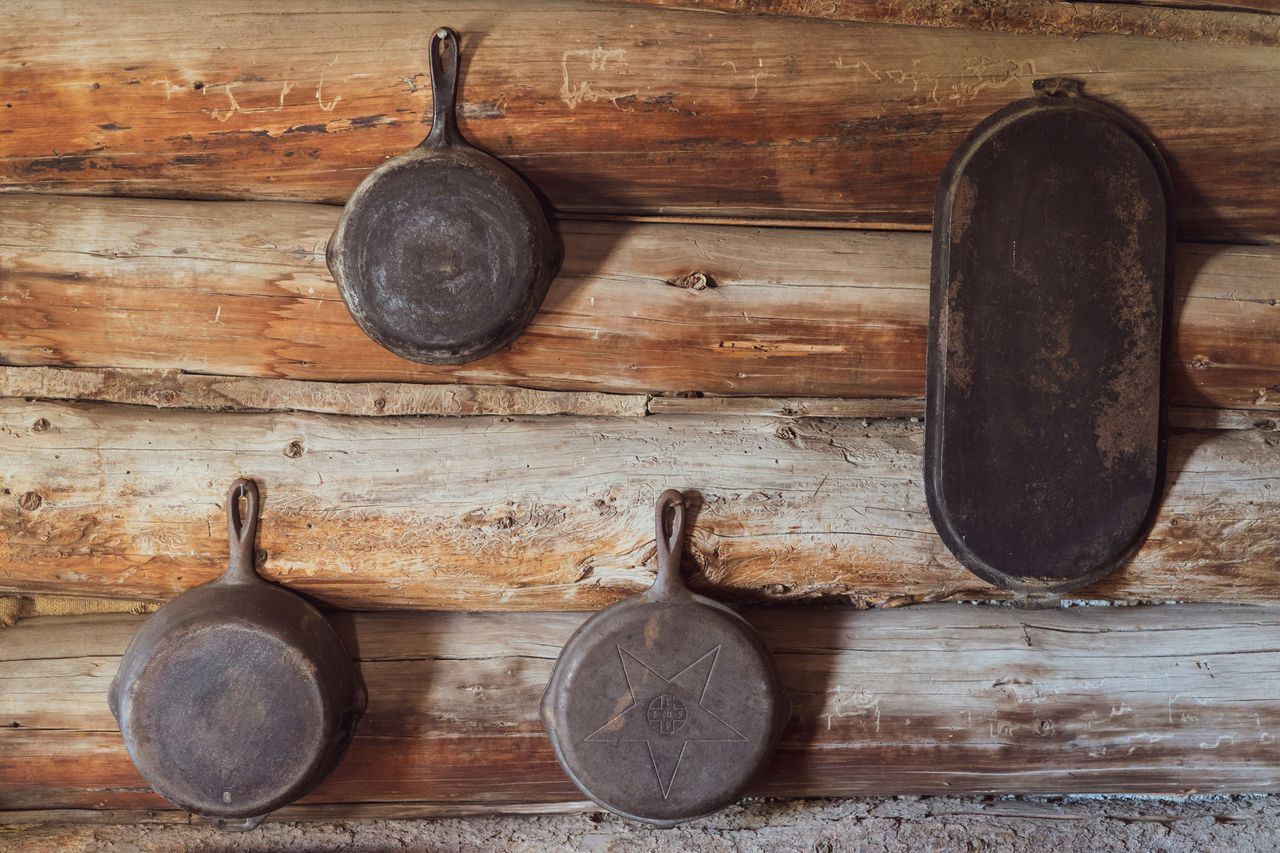
Stacks of canned beans, evaporated milk, salt pork tins, or baking powder containers suggest long stays and a need for shelf-stable calories. If glass spice jars, cast-iron cookware, or pie tins turn up too, the camp likely valued morale as much as efficiency. Somebody cared enough to eat well in rough country.
Animal bones tell a different story. They can show whether a camp relied mainly on brought-in provisions or supplemented them with deer, rabbit, fish, or birds. In that sense, the trash pile can reveal whether the users were survival-minded minimalists or social camp cooks.
Ammunition and Tools Reveal Skill, Economy, and Era
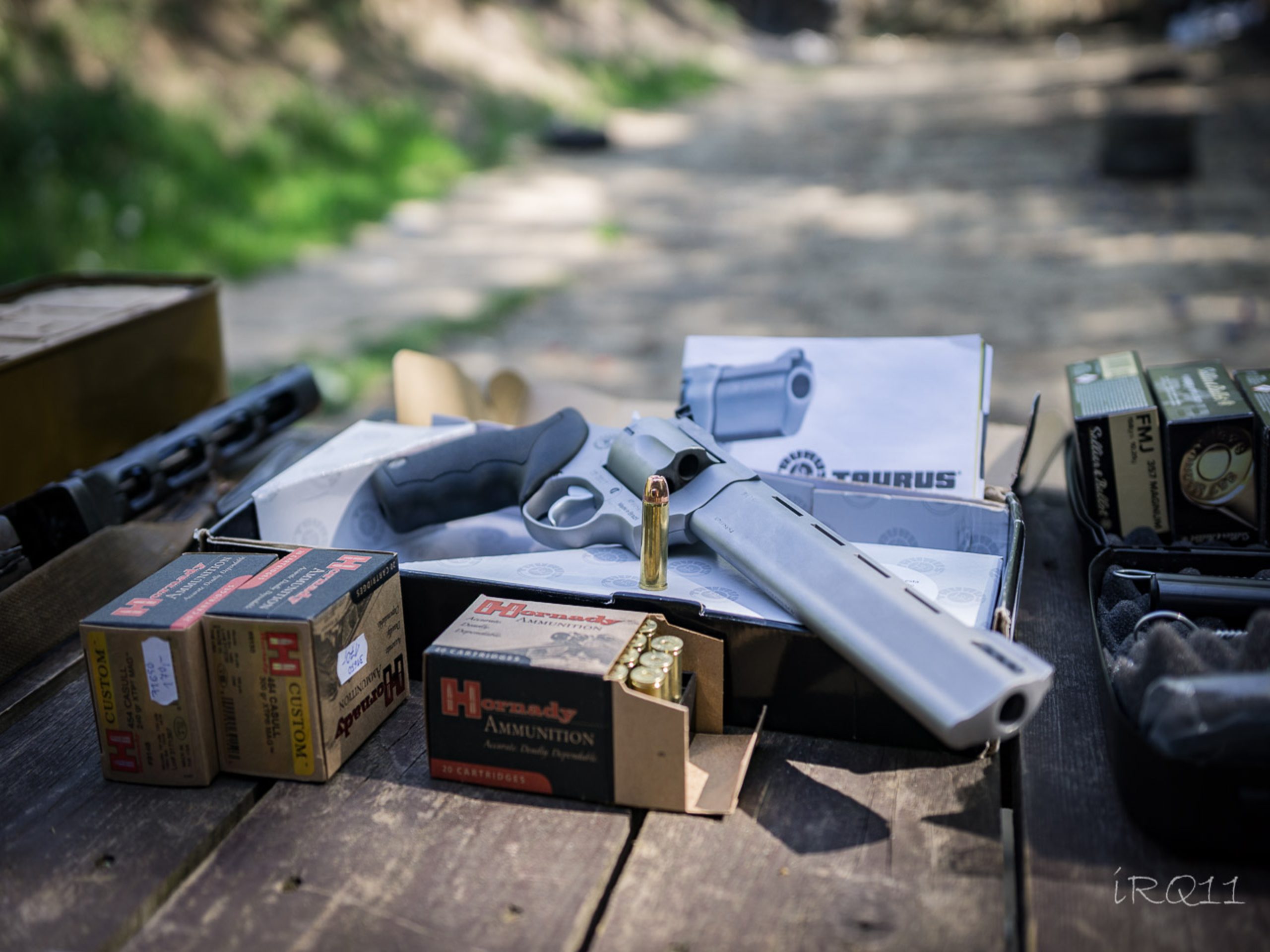
Spent shell casings, bullet boxes, cleaning rods, and broken knife handles often date a hunting cabin more accurately than the building itself. Ammunition design, packaging, and gauge preferences can place a camp within a rough time period and hint at the game being pursued. A duck camp leaves a different footprint than a deer shack.
The number of repaired tools matters too. A rehandled axe, soldered lantern, or carefully maintained stove part usually points to users shaped by thrift. In older camps, fixing gear was not nostalgia; it was normal life.
Even what is missing can speak loudly. If little was discarded, the hunters were likely disciplined, poor, experienced, or all three. People who had packed supplies in by mule, sled, or on foot rarely wasted much.
Comfort Items Reveal More Than Tough-Guy Stories Do
Old hunting cabins often carry a public myth of hardness, but the objects inside usually soften that image. Decks of cards, paperback westerns, tobacco tins, a harmonica, or children’s names carved into bunks suggest that many camps were social places, not just outposts for killing game.
According to long-running hunting camp histories in publications like American Hunter, some camps stayed in families for generations, and the cabin itself became headquarters, bunkhouse, and memory bank. That helps explain why seemingly trivial objects remain. They were not trash when left behind; they were part of camp identity.
A curtain pinned over a drafty window or a homemade shelf for family photos says the same thing. Hunters were building belonging, not merely shelter.
The Cabin Layout Reveals Social Order
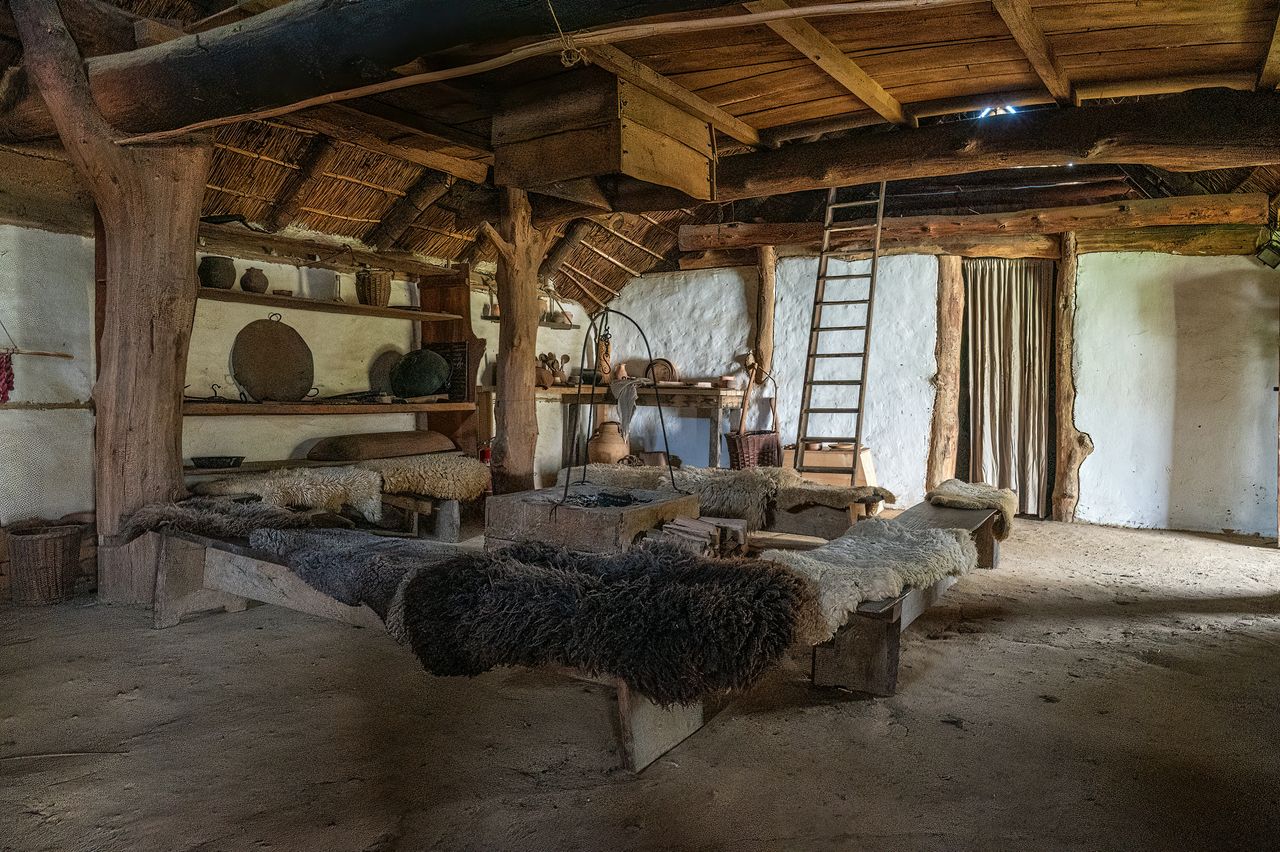
The structure itself is evidence. Bunk placement, stove location, meat hooks, boot lines, and woodpile access can reveal whether the camp was used by one person, a rotating pair, or a larger group with established routines. Archaeologists regularly use spatial relationships like these to understand how people organized work and domestic life.
A single narrow bunk and sparse cookware may suggest a solitary trapper or one-man deer camp. Multiple bunks with mixed utensils, extra mugs, and duplicated gear point to companionship and repeated group use. Cabins designed around one stove often created one social center.
That center mattered; whoever controlled the stove, coffee, and light usually shaped camp hierarchy as much as whoever carried the best rifle.
What Was Left Behind Also Reveals Values
Perhaps the strongest message in an old hunting cabin is not what people owned, but what they considered worth saving for the next trip. In many traditional camps, users left stacked firewood, tinder, or serviceable basics for whoever came after. The National Park Service has documented similar practices in long-used camps and caches tied to life on the land.
That habit suggests a code: preparedness, reciprocity, and respect for hardship. A clean hearth and dry wood say the occupants expected weather, distance, and bad luck to visit everyone eventually.
So the old cabin becomes more than a ruin. It reads like a character sketch written in steel, ash, grease, and tin: practical people, often tougher than they sounded, and usually more sentimental than they let on.