Taking your pet along for a camping trip seems like a no-brainer: fresh air, bonding time, and memories in the making. But even seasoned outdoor lovers can miss key details when bringing a four-legged companion. From ignoring trail rules to overlooking basic health needs, the missteps are real. The good news? Each one is entirely avoidable. Here’s a deep dive into fourteen common mistakes and how you can sidestep them for a smoother, safer adventure with your pet.
1. Ignoring Leash or Trail Rules
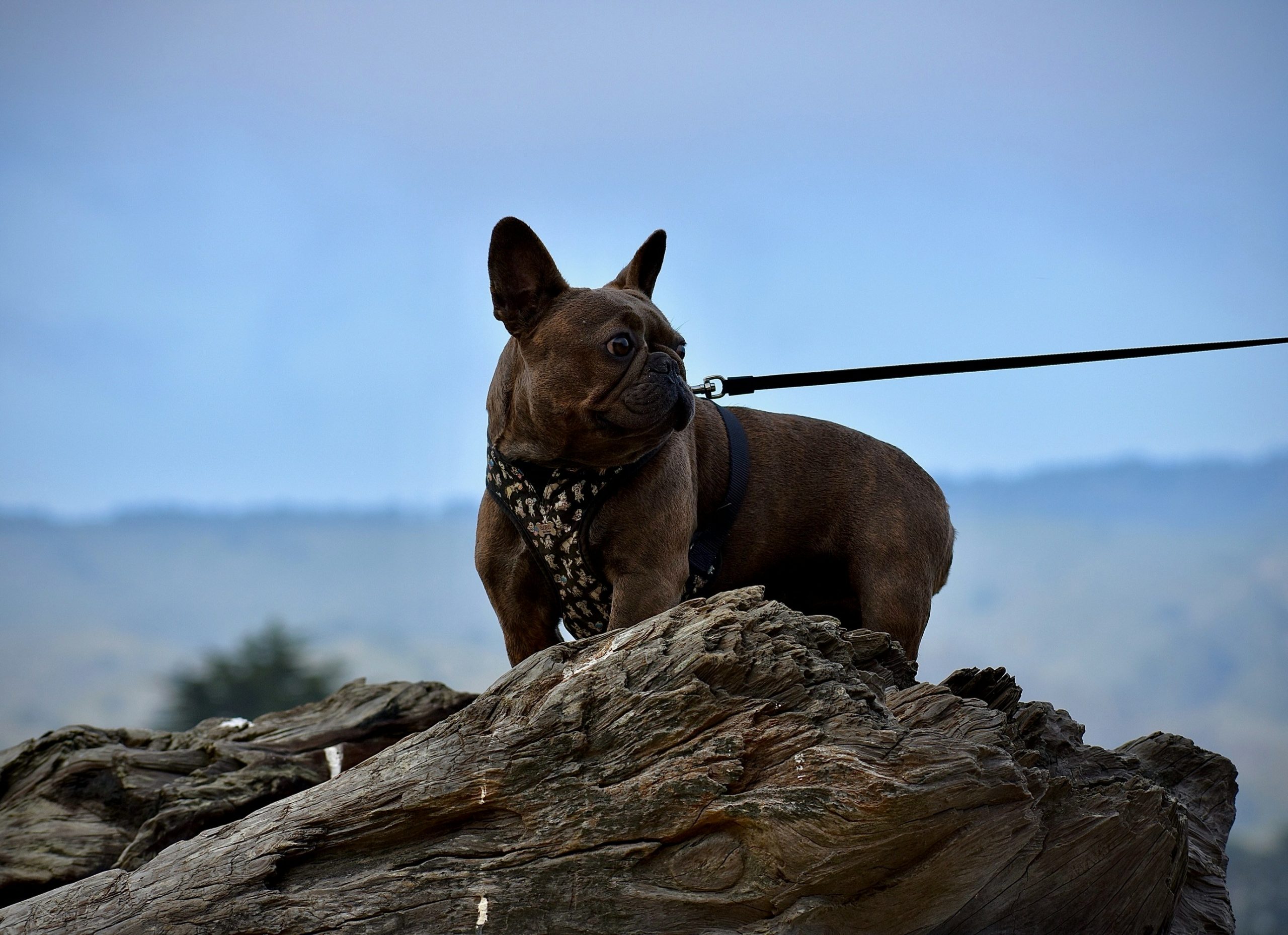
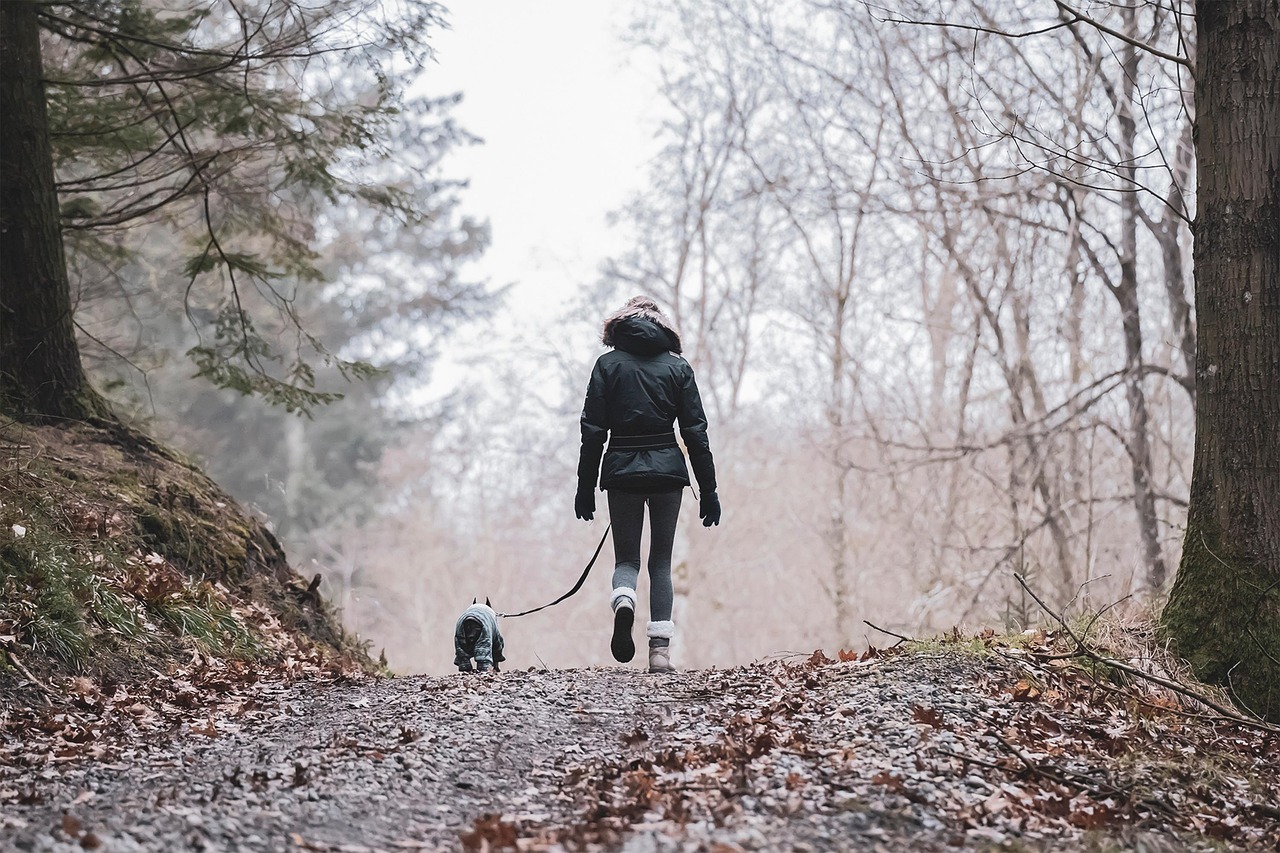
Many campers take their pet off-leash or assume rules don’t apply just because they “know” the area. But leash requirements exist for a reason: wildlife protection, other campers’ comfort, and your own pet’s safety. A moment of freedom can lead to a chase, injury, or conflict. Always check park or trail signage ahead of time, carry a sturdy leash, and commit to it. Respecting rules isn’t a restriction; it’s part of ensuring everyone enjoys the outdoors.
2. Skipping Tick and Parasite Prevention
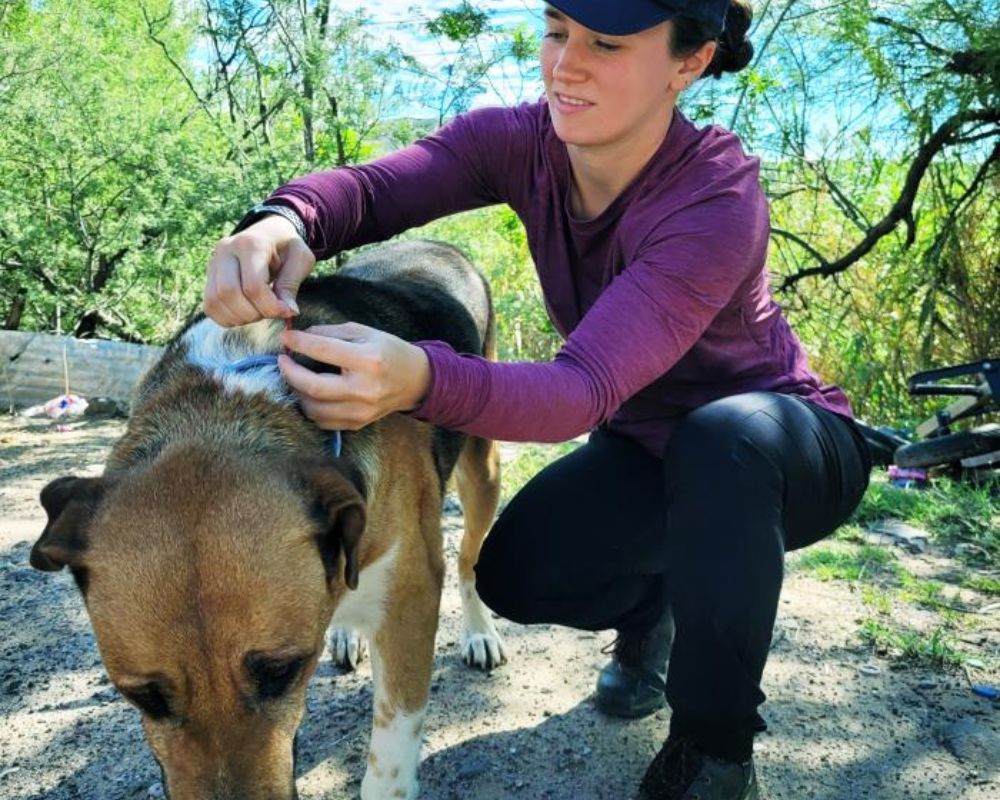
You might be great at planning gear and routes, but forgetting to treat your pet for ticks, fleas, or other parasites is a major oversight. Tall grass, damp forest floor, and messy campsites are all prime real estate for tiny hitchhikers. A quick prevention spray or collar before you pack can save a lot of veterinary drama later. After your hike, inspect ears, paws, and underbelly. A proactive owner keeps the trip fun, not a vet visit.
3. Letting Pets Drink From Streams Without Backup
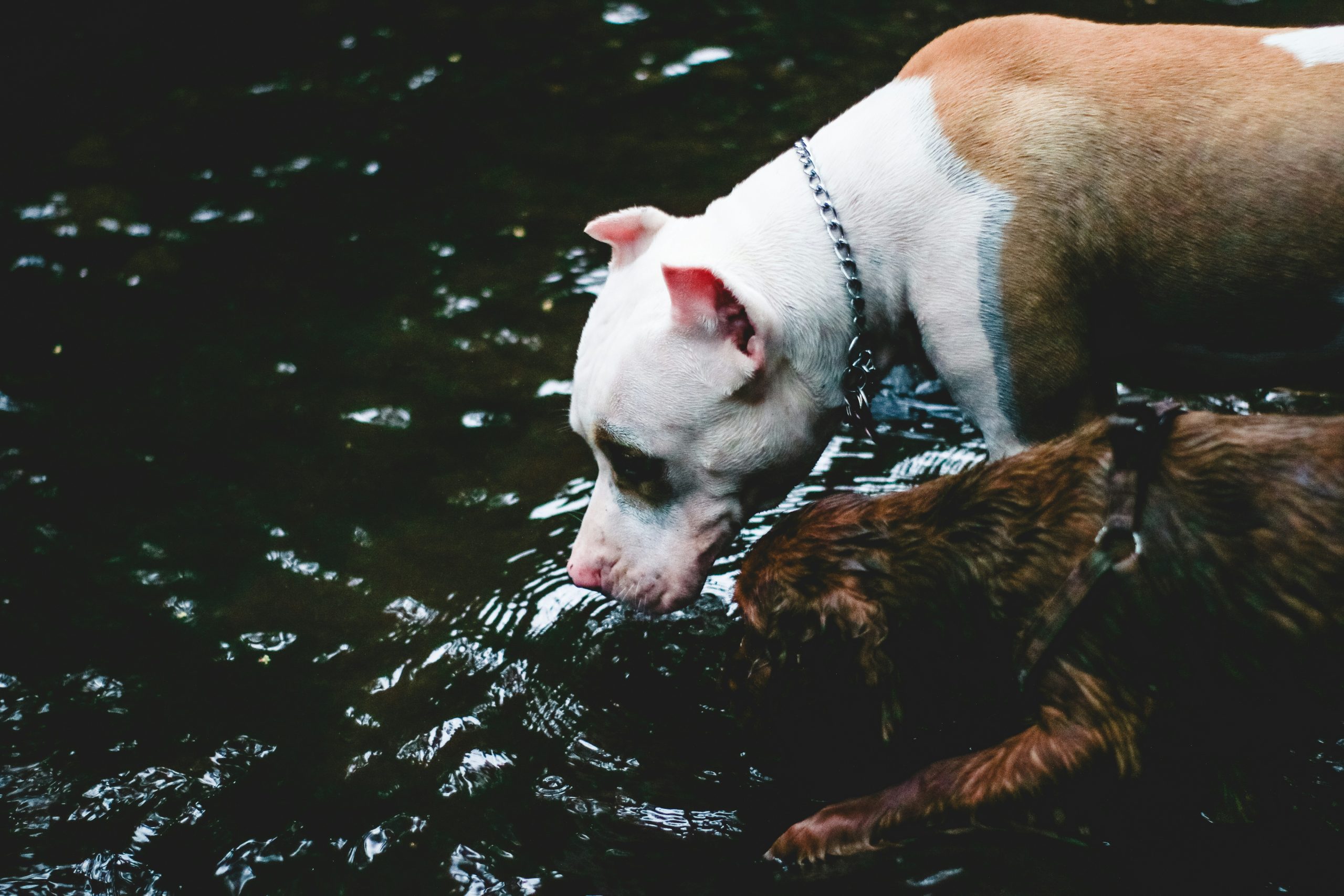
That sparkling mountain stream looks inviting, but it might harbor parasites, bacteria, or algae harmful to your pet. Outdoor hydration isn’t just about water availability; it’s about safe water. Bringing clean water and a portable bowl ensures your pet stays hydrated without risk. If you do let them drink from natural sources, be aware of symptoms like vomiting or diarrhea afterwards. Plan for safe hydration, not just scenic access.
4. Forgetting Paw Protection
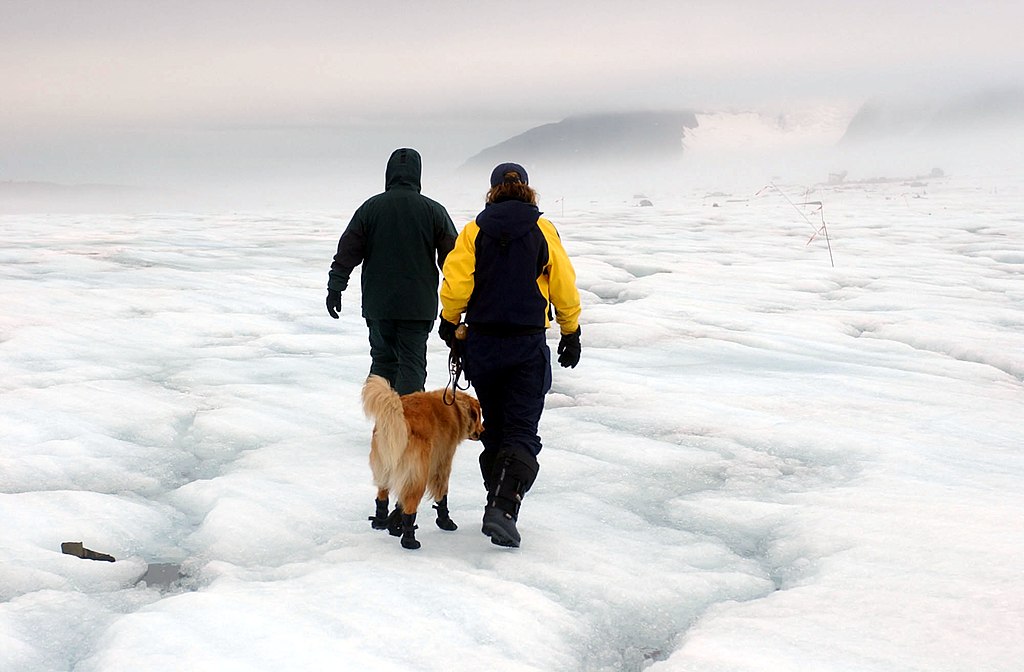
Rocks, hot sand, icy paths, and rough brush can all take a toll on your pet’s paws, even if you wear boots yourself. Ignoring paw care might mean sore pads, cuts, or limps before the fun really begins. Dog booties or paw balm are great preventative tools, especially in extreme terrain. At minimum, plan your path to avoid the worst surfaces and carry a small kit for cleaning and treating minor paw injuries. Healthy paws equal happy paws.
5. Not Packing a Pet-Specific First Aid Kit
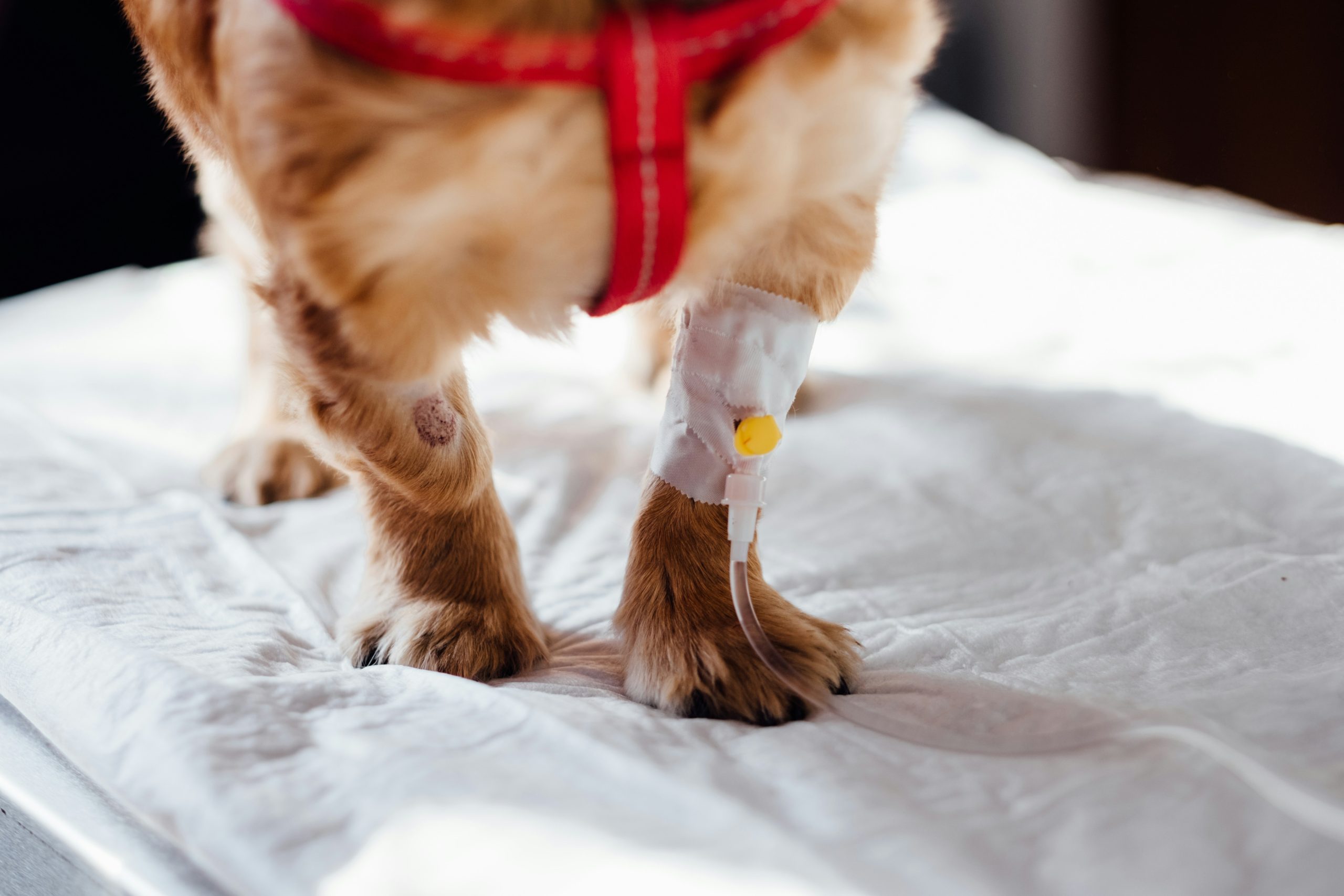
You might have a full human first aid kit in your pack, but what about your pet? Someone forgot a thorn, bee sting, or cut from a branch, and suddenly the scenic hike becomes a scramble. Include tweezers, gauze, antiseptic, tick removal tool, and bandages sized for a dog or cat. Pack any known meds your pet needs, plus a foldable bowl and water. A proper pet kit means you’re prepared, not improvising under pressure.
6. Leaving Food Unsecured at Campsite

Your pet’s food bag may as well be a neon sign saying “all you can eat buffet” for wildlife. Raccoons, bears, and squirrels are drawn to food smells and scraps. Leaving pet food out unsecured risks unwanted nighttime visits and chaotic scenes. Store food in sealable bags, bear-proof containers, or lockers if available. Clean up meal leftovers promptly. A prepared campsite keeps critters at bay and your pet safe.
7. Overexerting Your Pet in Heat
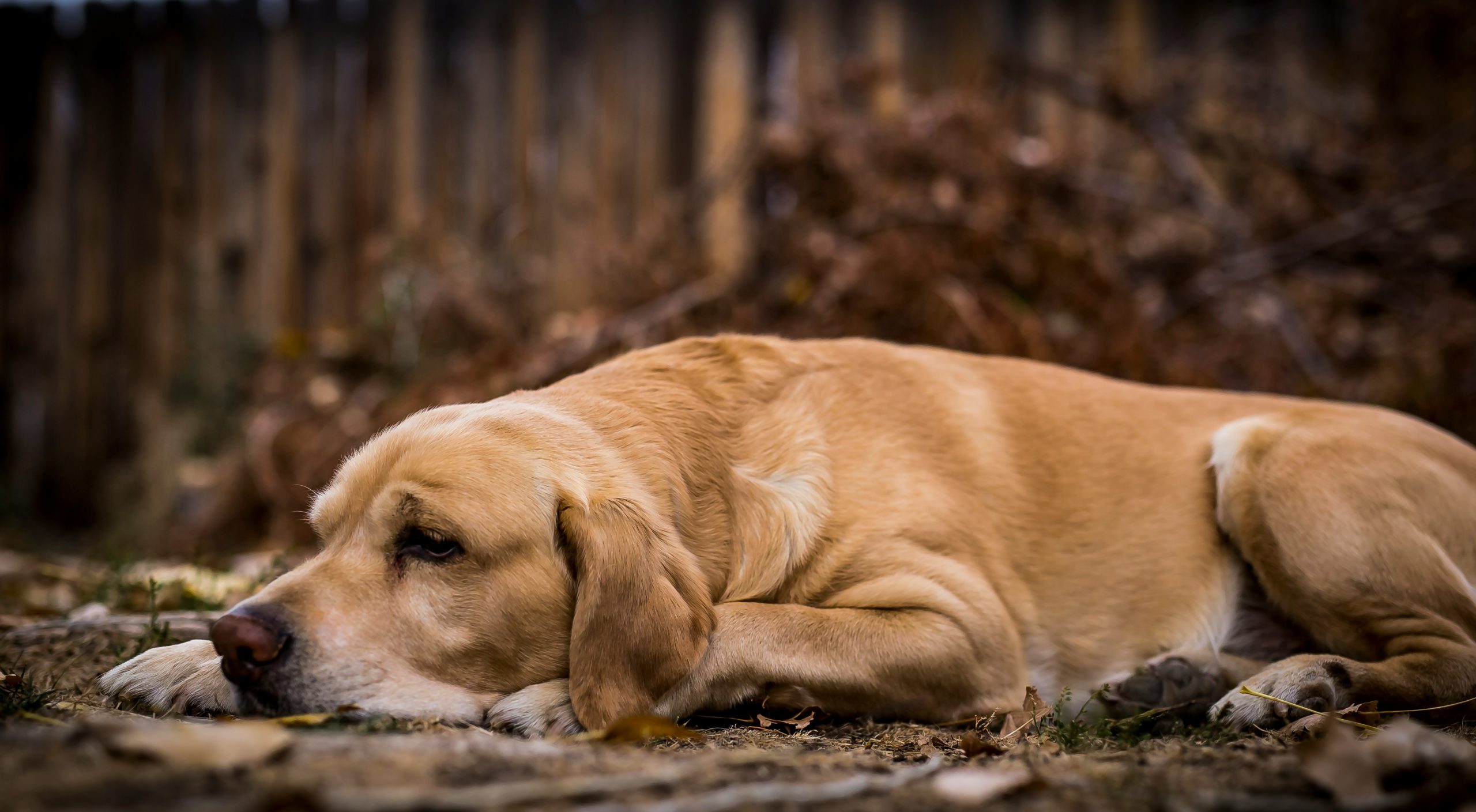
It’s easy to get carried away with early morning hikes or midday blasts of sunshine, but your pet feels the heat too. Overdoing it in high temperatures can lead to heatstroke, panting, collapse, or serious dehydration. Choose cooler parts of the day for more intense activity, bring water, shade, and frequent breaks. Watch for signs of distress (heavy panting, drooling, lethargy). The goal isn’t the fastest pace; it’s a smart pace with your pet safe.
8. Ignoring Altitude or Terrain Effects on Your Pet
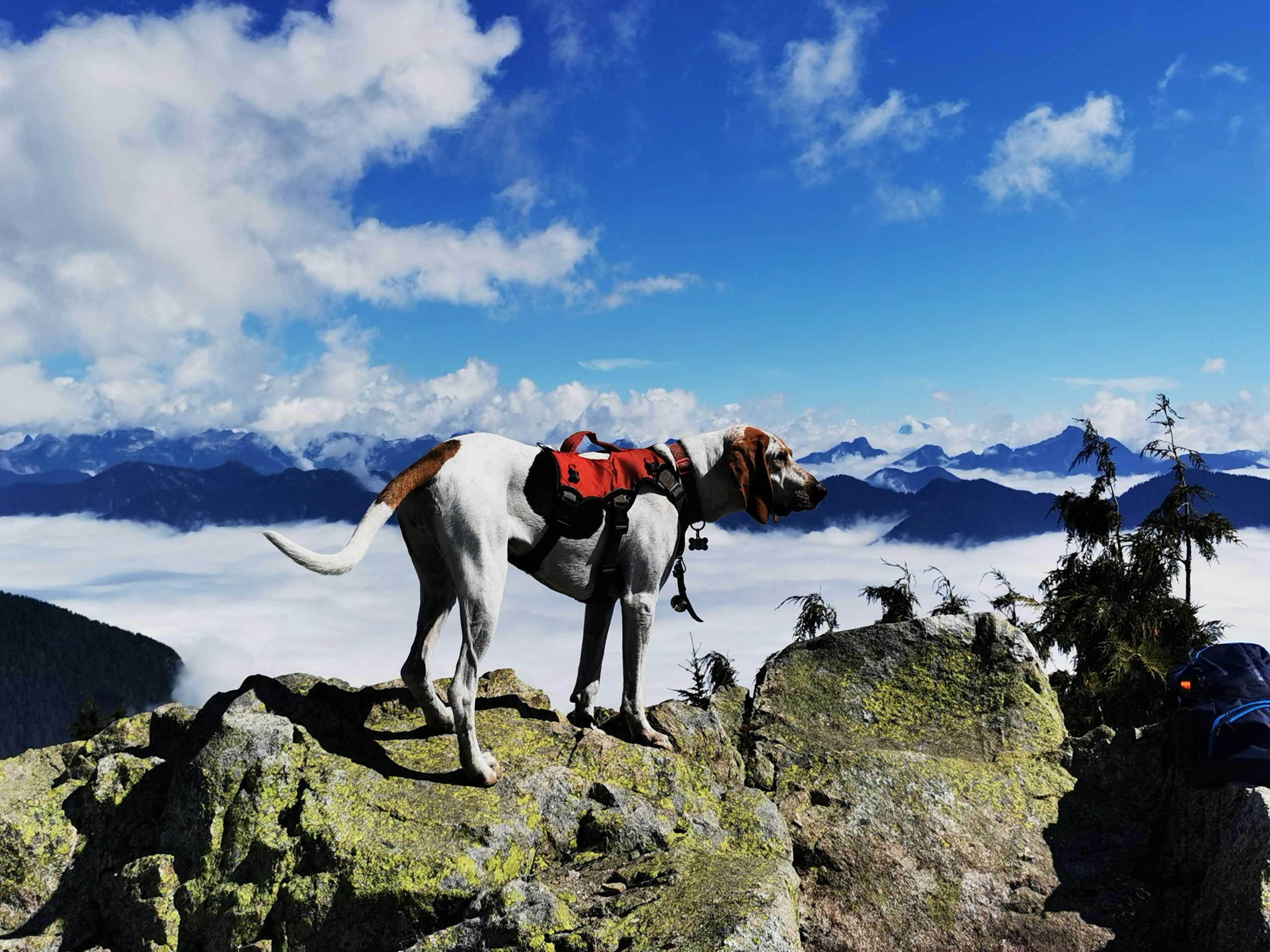
High elevation hikes look stunning, but thinner air, steeper slopes, and tougher terrain impact your pet more than you might expect. Less oxygen, bigger climbs, and unfamiliar surfaces all add up. Monitor your pet’s energy level: if they slow down, gulp air, or hesitate, it may be altitude or terrain. Ascend gradually, carry extra water, and plan shorter distances early on. Your pet’s comfort matters as much as yours in the summit picture.
9. Letting Pets Roam the Campsite Unsupervised
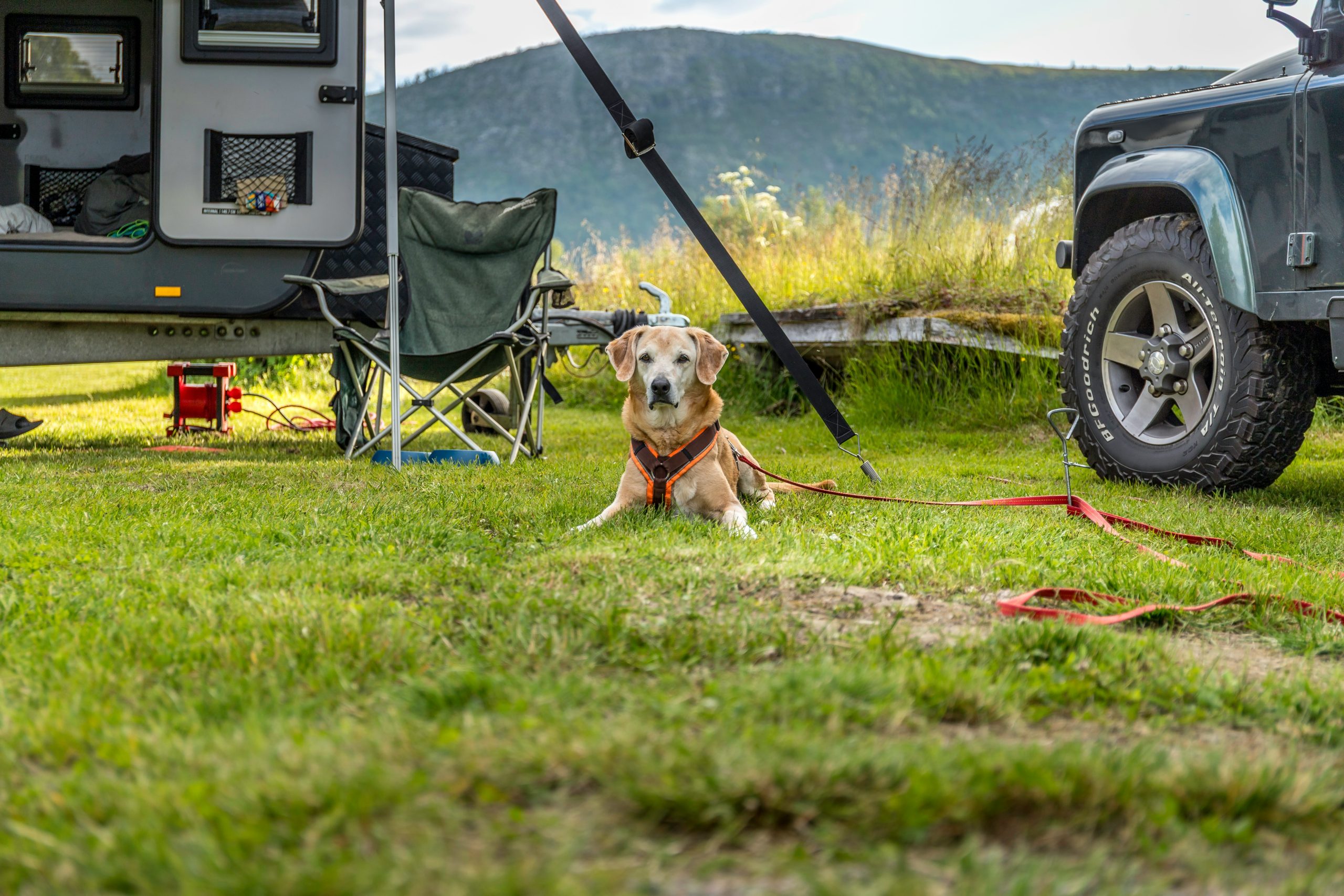
Campsites are full of distractions: food smells, curious wildlife, new surfaces, and strangers. Unleashed pets may dart off, encounter wildlife, roll in disgusting stuff, or disturb neighbors. Keep leash or tether rules in mind and supervise your pet when off trail. Create a safe area near your camp where they can rest. A secure pet means you can relax by the fire instead of chasing down paw prints at midnight.
10. Skipping Safety Gear Like Reflective Collars or Lights
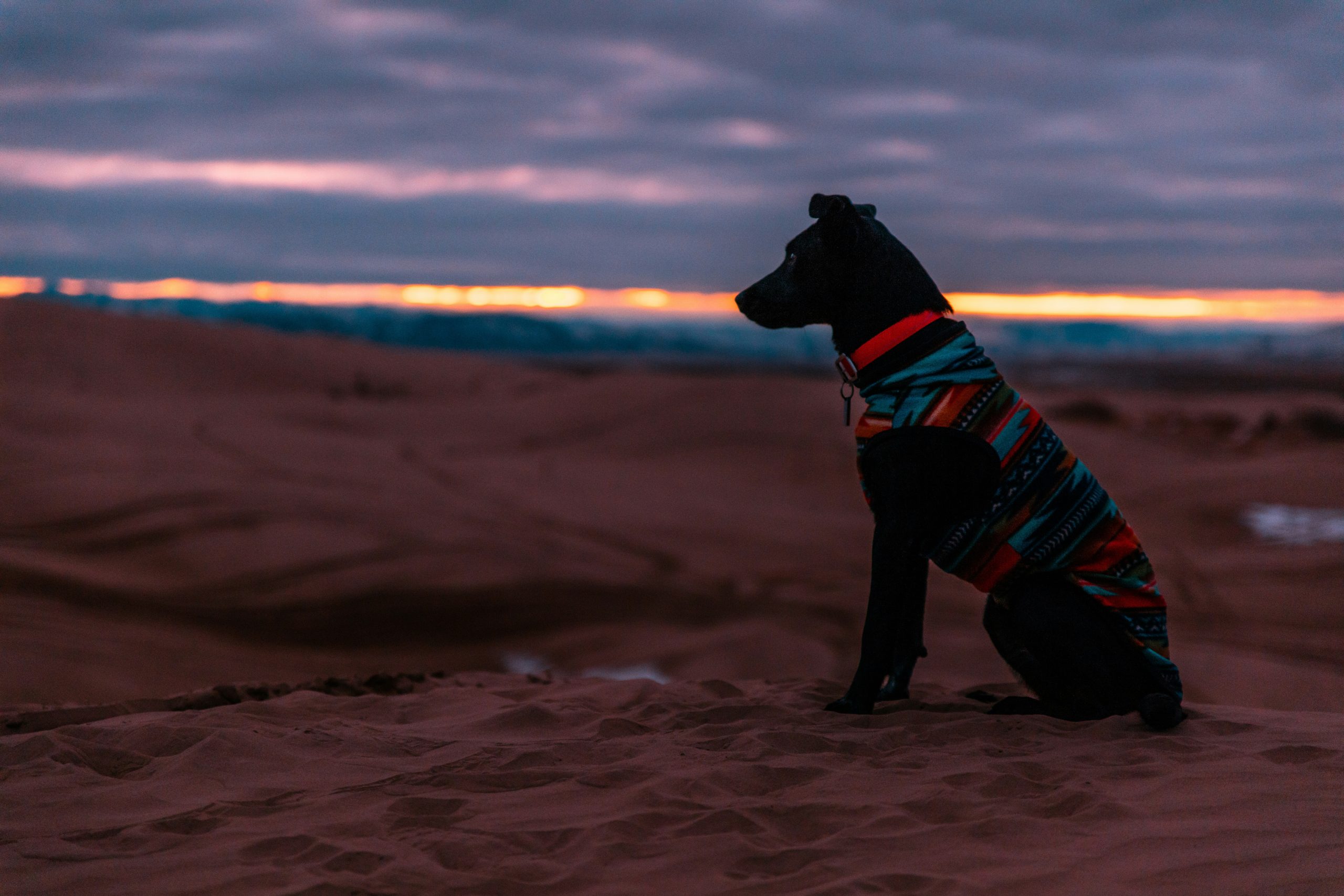
As daylight fades, even the best-trained pets can vanish into the shadows. Many campers forget reflective collars, clip-on LED lights, or bright bandanas that make pets visible on dark trails or near campsites. These small accessories aren’t just cute, they’re life-saving. A glowing collar under the stars or a reflective leash on a twilight walk keeps your pet safe and easy to spot, while adding a vibrant pop to your adventure photos.
11. Choosing Non-Pet-Friendly Accommodation or Sites
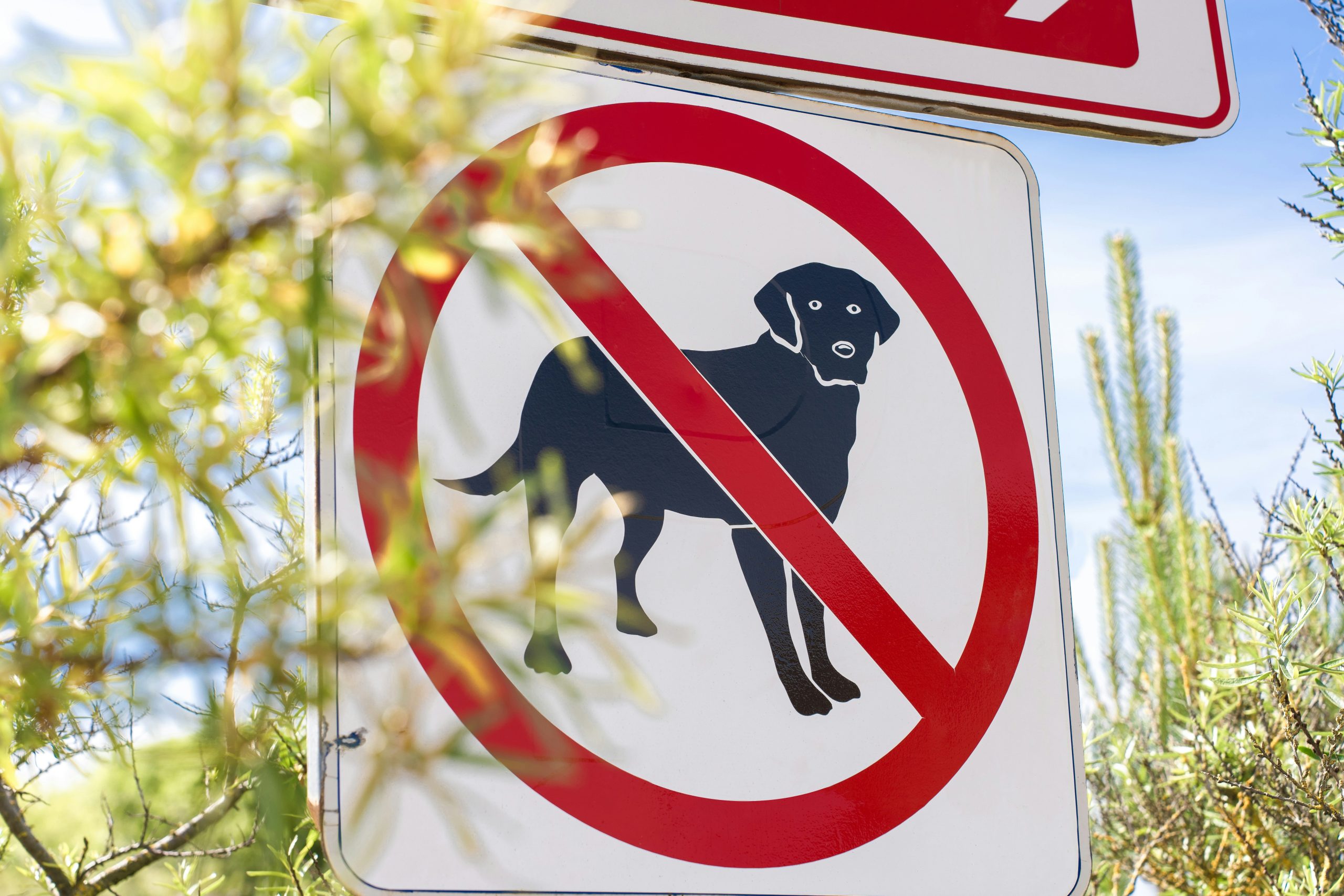
It’s one thing to plan a trail; it’s another to stay overnight. Many campers assume any campsite accepts pets, but rules vary widely. Some sites charge extra, restrict breeds, or have no shaded space for animals. Booking without checking the pet policy can lead to surprise fees or denied entry. Research and book ahead, ask about pet amenities (fenced areas, pet relief zones), and ensure the location matches your pet’s comfort level. Respectful planning avoids stress.
12. Neglecting Routine Feed or Exercise Schedule
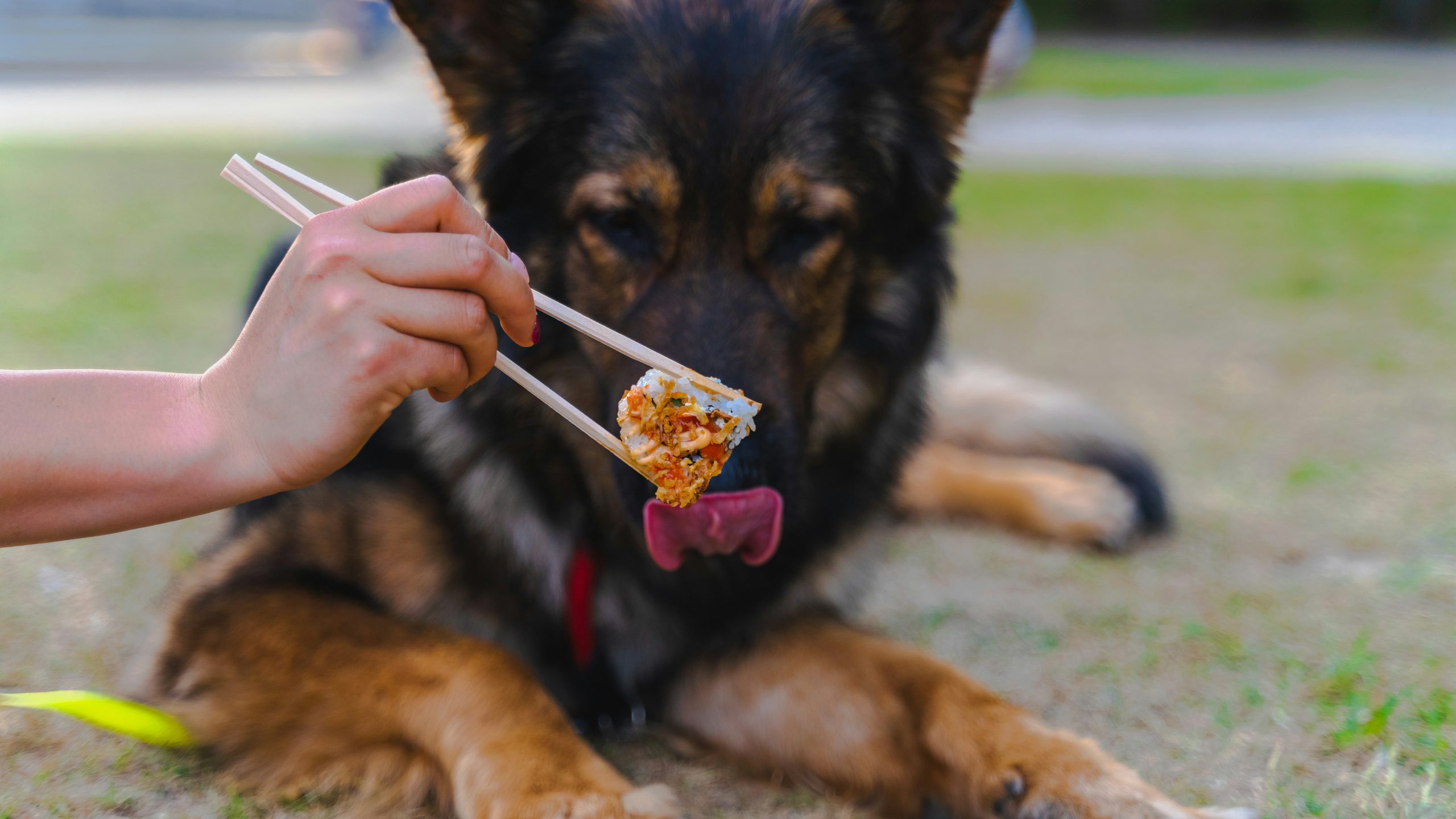
The transition from home to trail can throw a pet’s routine off: eating later, walking more or less, sleeping in odd places. Ignoring your pet’s usual schedule can trigger digestive issues or anxious behaviour. Try to maintain feeding times, portion size, and basic walk routines. If your dog normally has two walks a day, schedule similar breaks at camp. Stability inside the wilderness makes the trip feel safer for your pet.
13. Failing to Train Basic Recall or Trail Etiquette
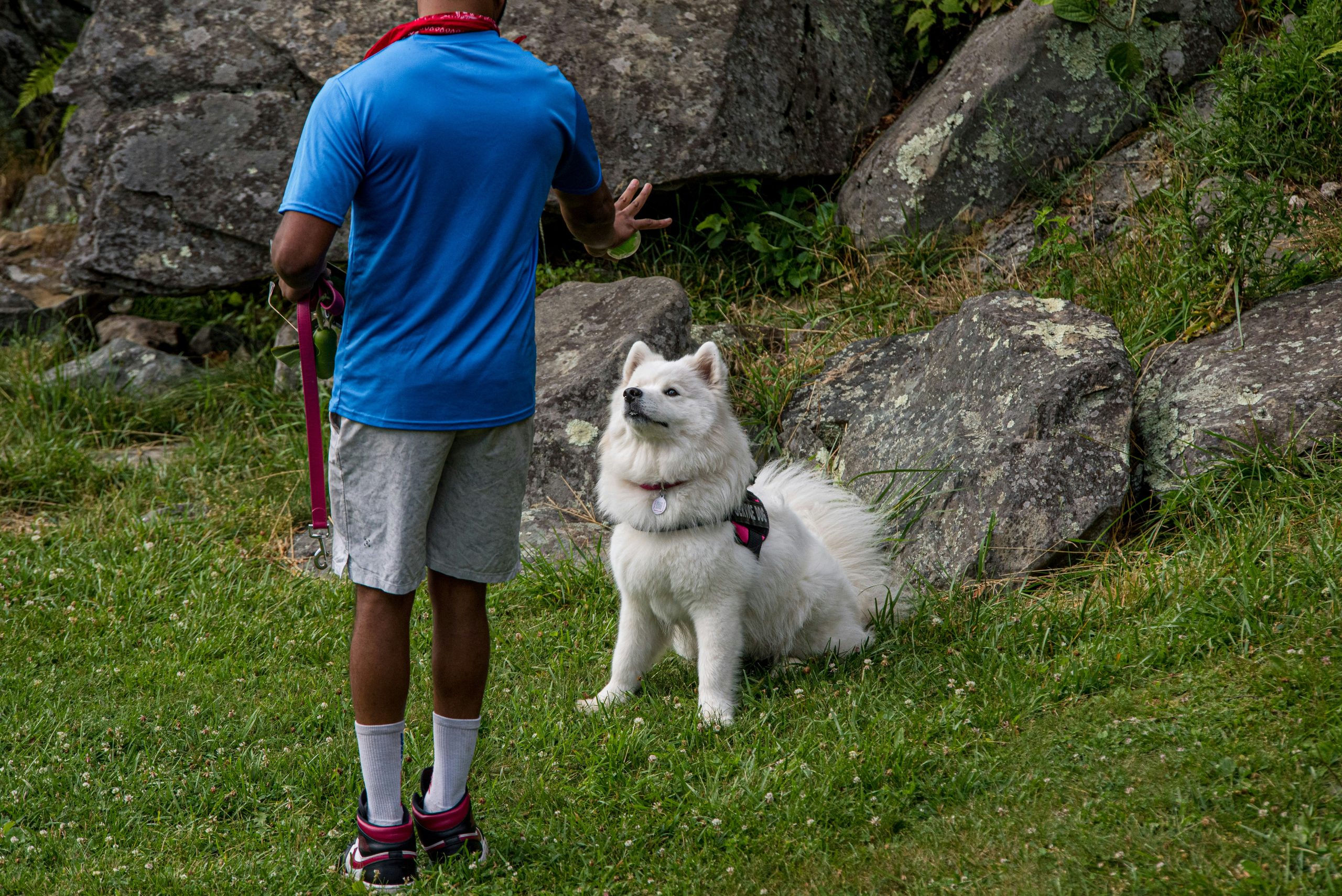
Even well-behaved pets at home can act differently outdoors, pulled by scents or wildlife. Without solid recall training and trail etiquette (stay, leave it, heel), you risk losing pets, wildlife encounters, or other hiker conflicts. Practice those commands in varied settings before hitting remote trails. On the trip, keep the leash when necessary, reward calm behavior, and reinforce your pet’s travel etiquette. A trained companion makes the journey better for everyone.
14. Overlooking Weather or Seasonal Hazards
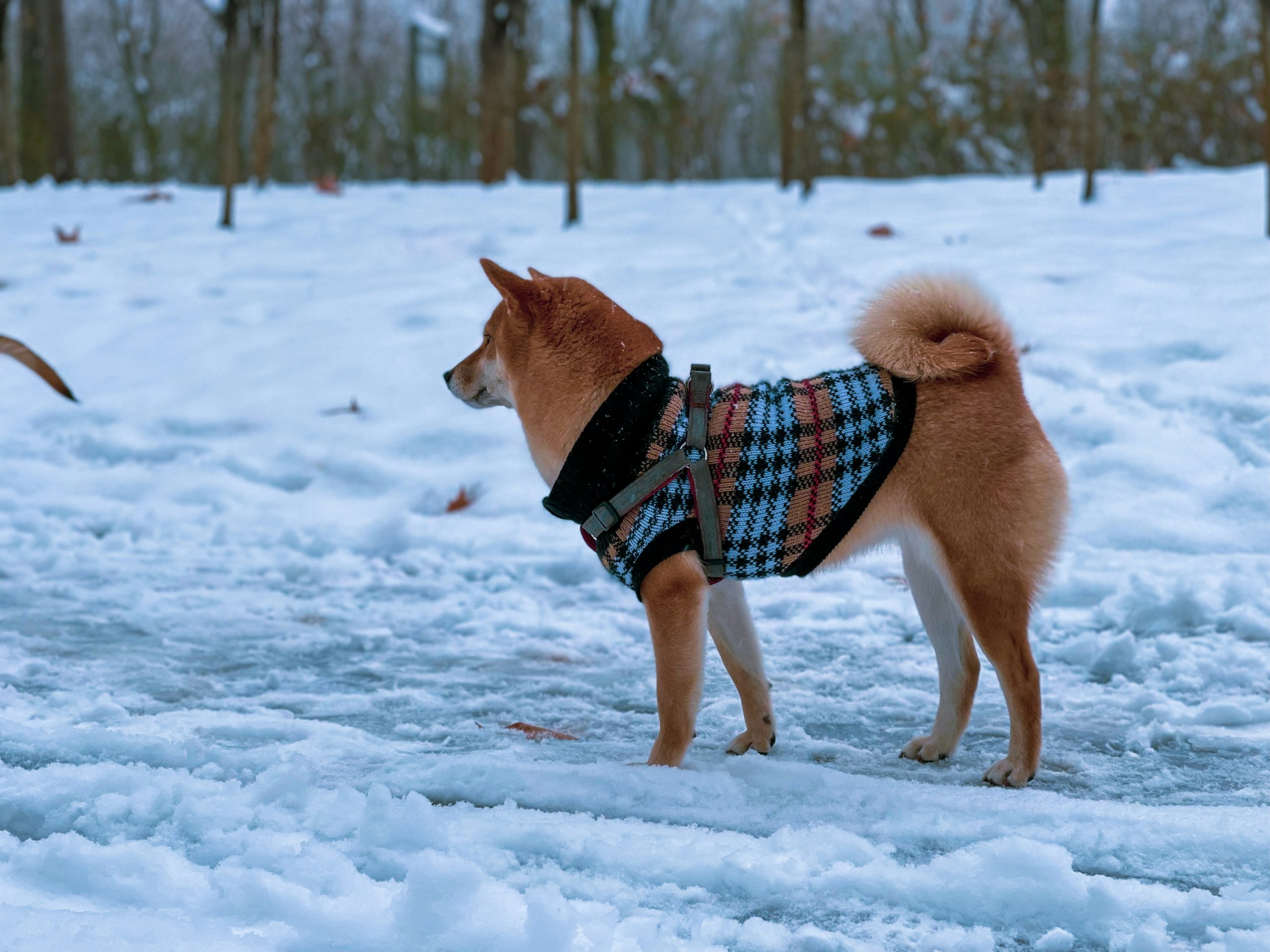
Camping seasons bring weather quirks: rain, snow, wind, insects, and cold nights. Even experienced campers sometimes assume “pet toughens up,” but pets can suffer hypothermia, frostbite, insect bites, or allergic reactions. Check the forecast for your area, plan for pet-appropriate gear (coat, reflective collar, insect repellent), and adjust activity accordingly. When the weather changes, alter your route or timing. Preparedness means your pet stays part of the adventure, not the casualty.