Espionage history is full of devices that look more like personal belongings than weapons. Intelligence agencies understood that an obvious firearm could attract immediate attention, while a lipstick tube, pen, glove, or cigarette case might pass unnoticed. Some of these creations were practical, others experimental, and several became famous because their disguises were so unexpected. The examples below show how designers used ordinary objects to conceal specialized weapons, often during the turbulent years of World War II and the Cold War.
1. KGB Lipstick Pistol
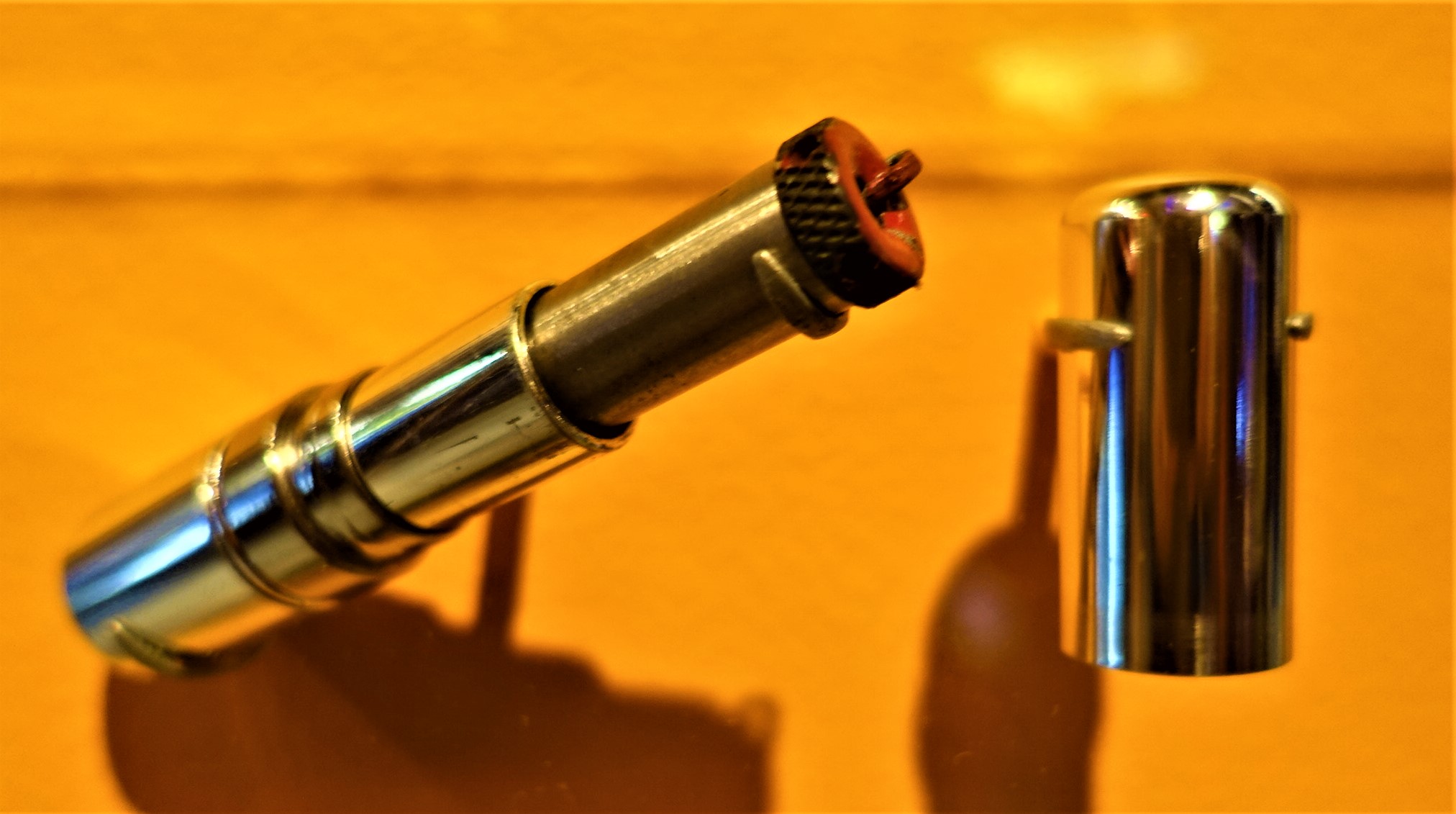
A lipstick tube was hardly the sort of object anyone expected to be dangerous, which made the KGB’s lipstick pistol so striking. Dating to about 1965, the compact weapon was a single-shot pistol chambered for 4.5 mm ammunition. Its disguise was its main advantage: it resembled an ordinary cosmetic item rather than a conventional firearm. The design became famous as the “kiss of death,” although its historical importance lies more in concealment than battlefield performance. Today, the artifact survives as a vivid example of Cold War tradecraft.
2. The Bulgarian Umbrella
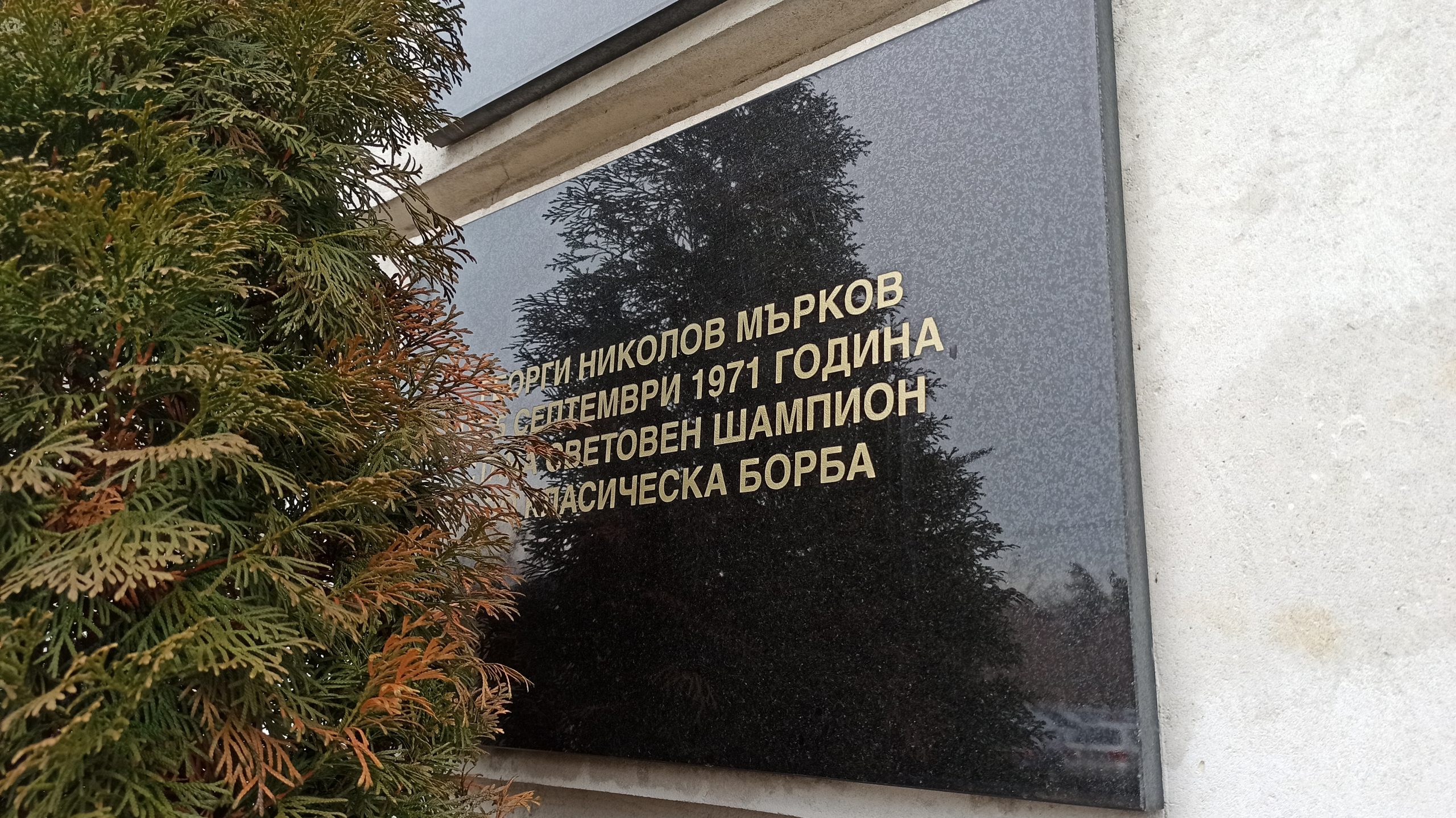
The Bulgarian umbrella turned one of the most ordinary rainy-day accessories into a covert assassination device. In 1978, Bulgarian dissident Georgi Markov was attacked in London with an umbrella modified to deliver a tiny poison pellet. The object looked harmless in public, helping the attacker approach without immediately attracting attention. Markov died several days later. The case became one of the Cold War’s most notorious espionage stories because it blurred the line between an everyday possession and a purpose-built weapon. The umbrella remains a symbol of concealed state violence.
3. The Glove Pistol
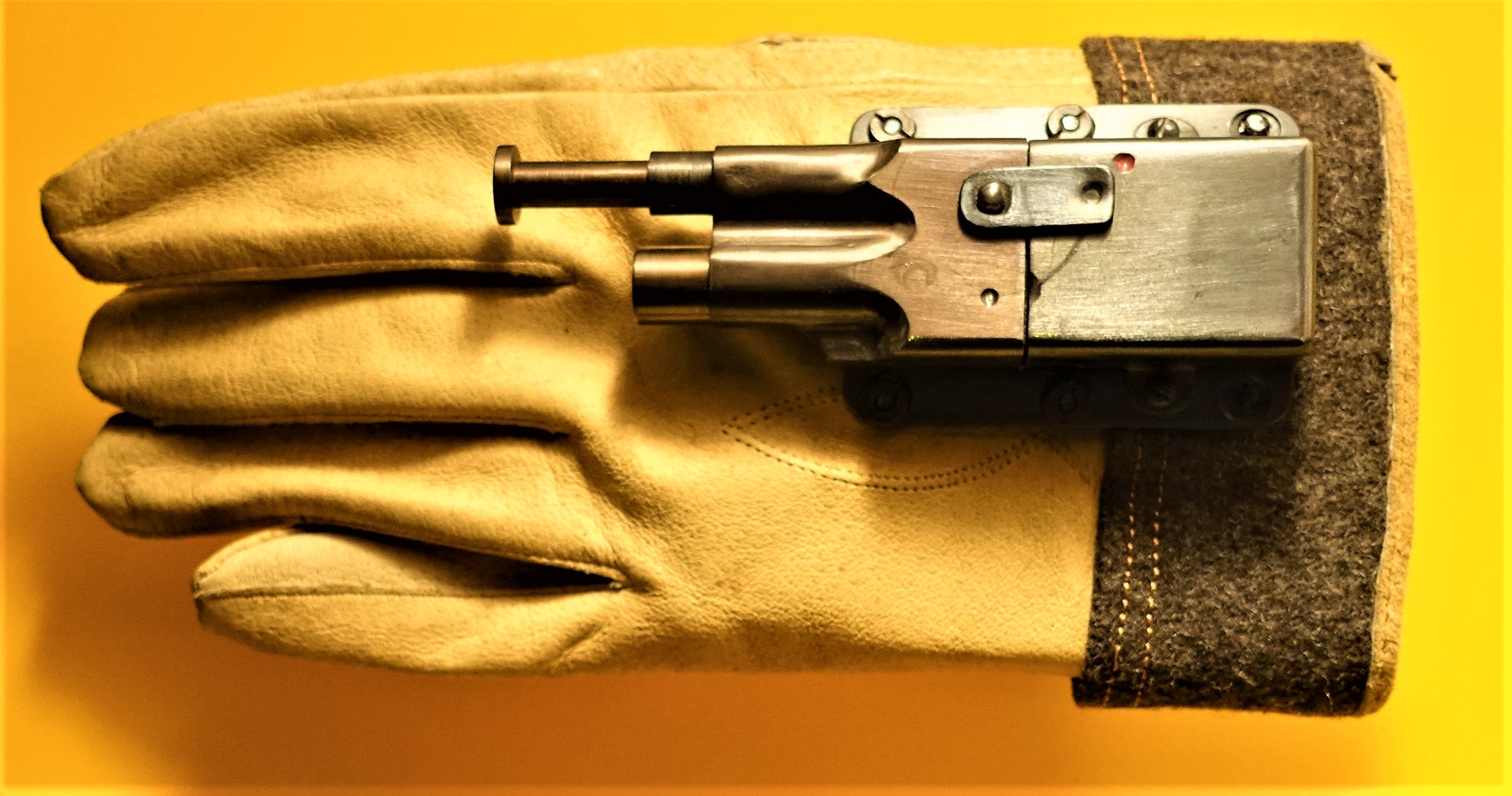
A glove could be more than clothing in wartime intelligence. The U.S. Navy’s Office of Naval Intelligence developed a glove pistol during World War II, with museum records dating the example to roughly 1942 to 1945. Instead of resembling a normal handgun, the firing mechanism was incorporated into a glove, giving it an unusual appearance. Its practical limits kept it from becoming a standard service weapon, but the concept reveals how seriously designers treated concealment. The glove pistol is remembered less for battlefield value than for its attempt to hide a weapon in plain sight.
4. The Pen Gun
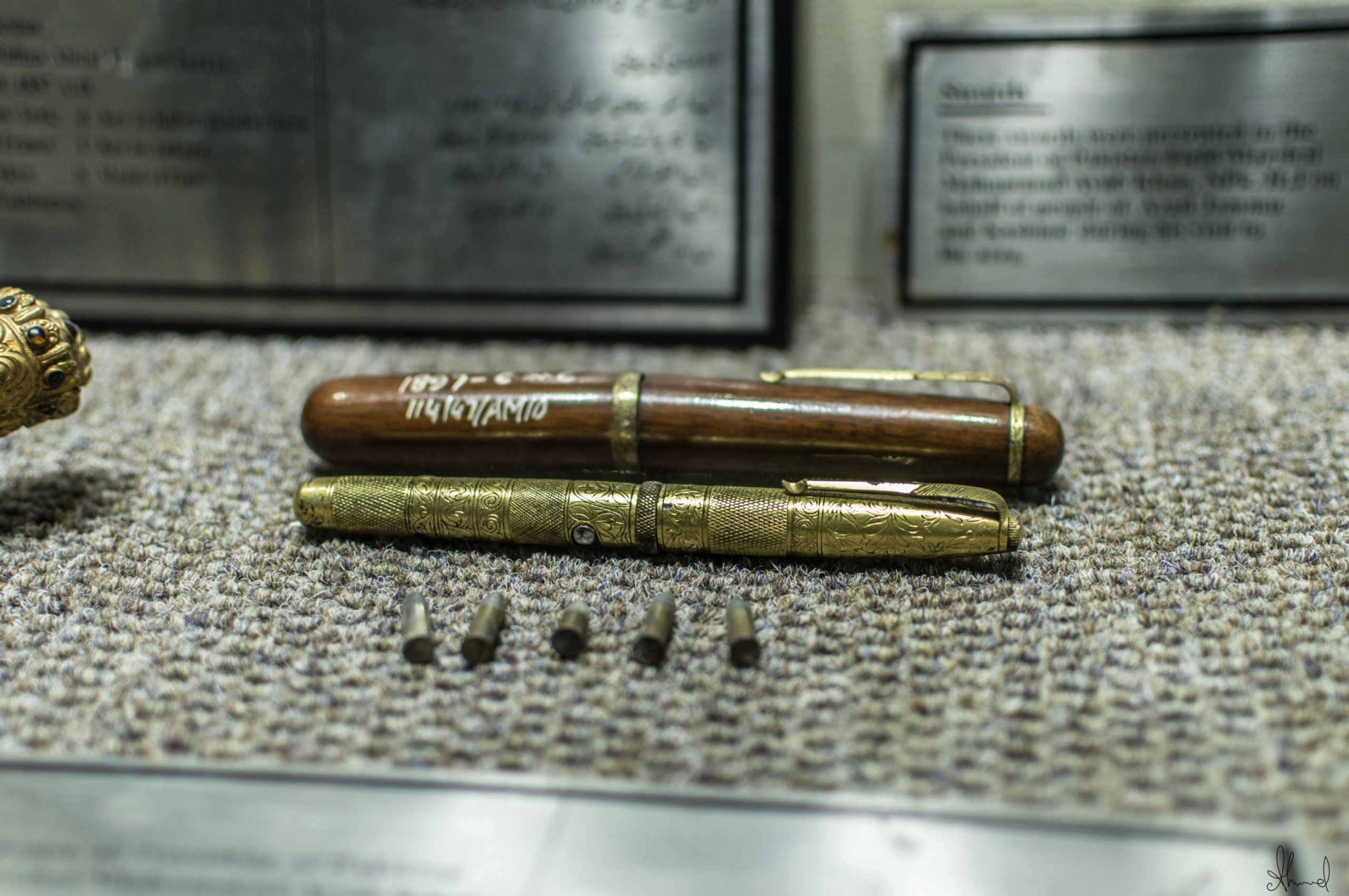
An ink pen normally belongs in a shirt pocket, which makes it an effective disguise for compact weapons. Pen guns appeared in several forms during the 20th century, including examples held by the FBI and military museums. One FBI artifact was produced in 1924 and is a single-shot design. Another British example from 1945 was developed as a gas gun for the Special Operations Executive. These devices were intended for concealment and close-range situations, not sustained fighting. Their importance lies in how convincingly a familiar writing instrument could disguise an unusual weapon.
5. The Flashlight Gun
A flashlight normally signals convenience, not danger, which explains the appeal of flashlight-shaped weapons. The International Spy Museum lists a North Korean flashlight gun from the early 2000s, showing that disguised-weapon concepts continued beyond the Cold War. The object used a familiar handheld form rather than the unmistakable profile of a pistol. Such weapons were specialized and offered little reason to replace conventional firearms. Their historical interest comes from the disguise itself, demonstrating how designers repeatedly borrowed the appearance of harmless consumer objects.
6. The Coin Slasher

A pocket coin could pass through countless hands without raising suspicion, making it a clever candidate for covert concealment. The International Spy Museum lists a coin slasher dating to approximately World War II. Instead of presenting itself as a conventional knife, the device used the familiar appearance of currency as camouflage. Its significance is less about raw power than psychology: an ordinary coin attracts far less attention than a visible weapon. The artifact captures a recurring intelligence principle, using familiarity to make an unusual object blend into everyday life.
7. The Silent Kill Crossbow
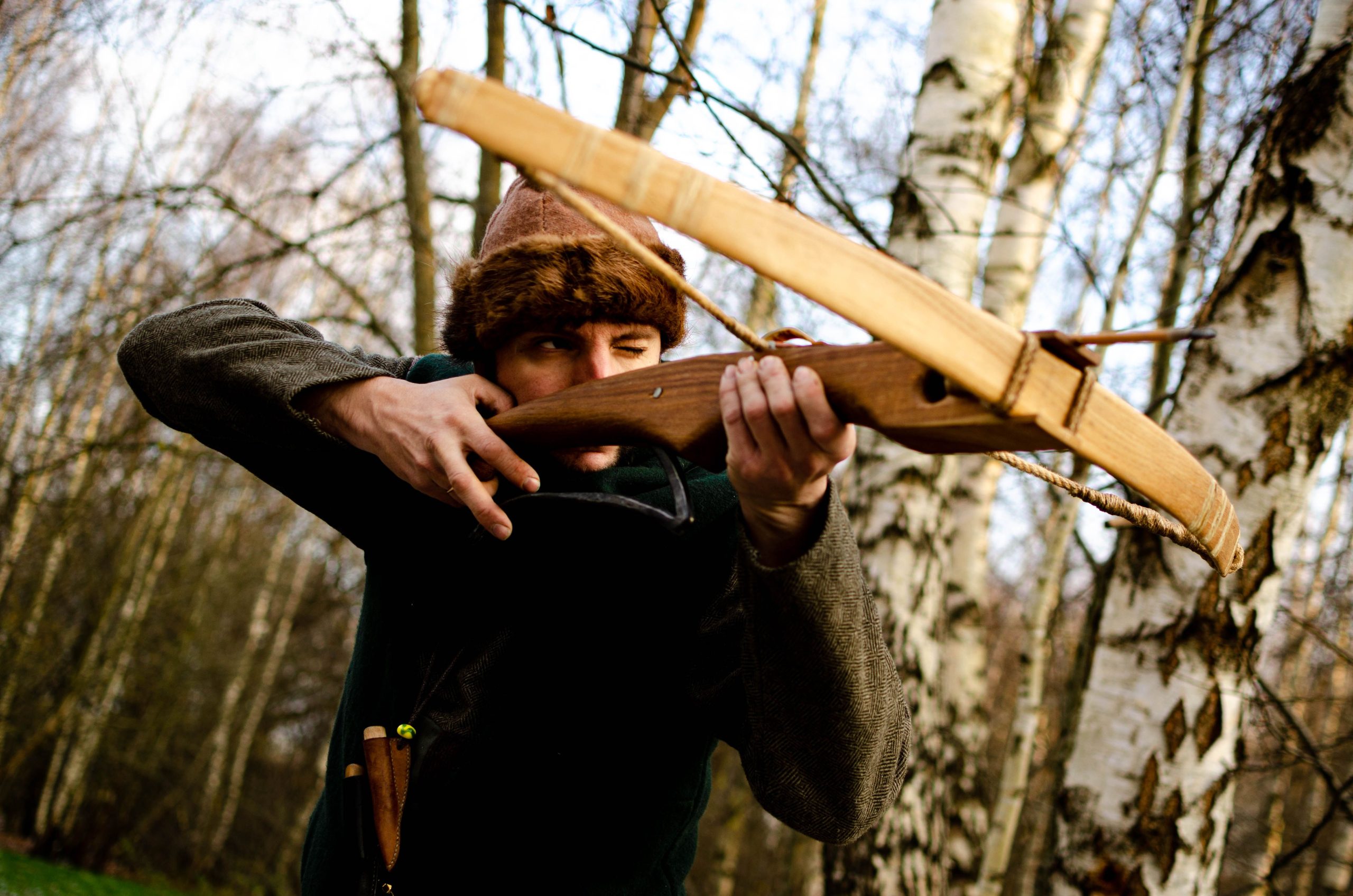
A crossbow has ancient roots, but intelligence designers adapted the basic idea for discreet use during the Cold War era. The International Spy Museum catalogs a “Silent Kill” crossbow dating to about the 1970s. Unlike a weapon disguised as cosmetics or clothing, it relied on a different form of concealment, avoiding the unmistakable report associated with many firearms. Its appearance in spy collections shows that agencies explored alternatives when discretion mattered. It was never a general-purpose battlefield arm, and its appeal comes from the unusual thinking behind covert equipment.
8. The Lighter Gun
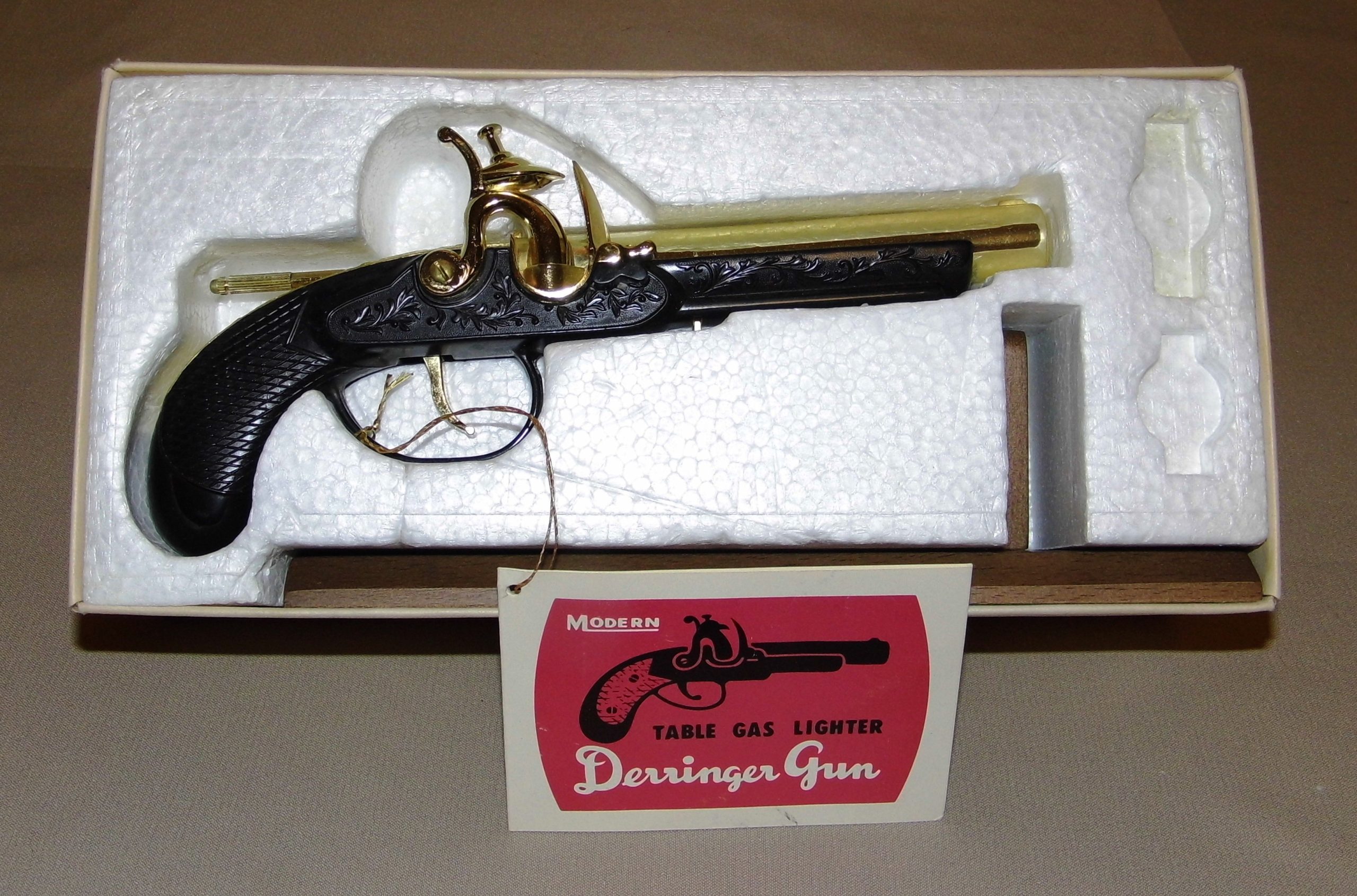
A cigarette lighter could sit openly in a pocket while hiding something far more serious. Spy-museum records describe a lighter gun replica from the 1970s, built around an everyday object familiar to millions. Its significance comes from the contrast between appearance and function: the exterior suggested a simple accessory, while the interior represented a concealed weapon. These designs were specialized rather than replacements for ordinary sidearms. They belong to active concealment, where designers modified familiar objects to carry unusual equipment without advertising what was inside.
9. The Cigarette Case Gun
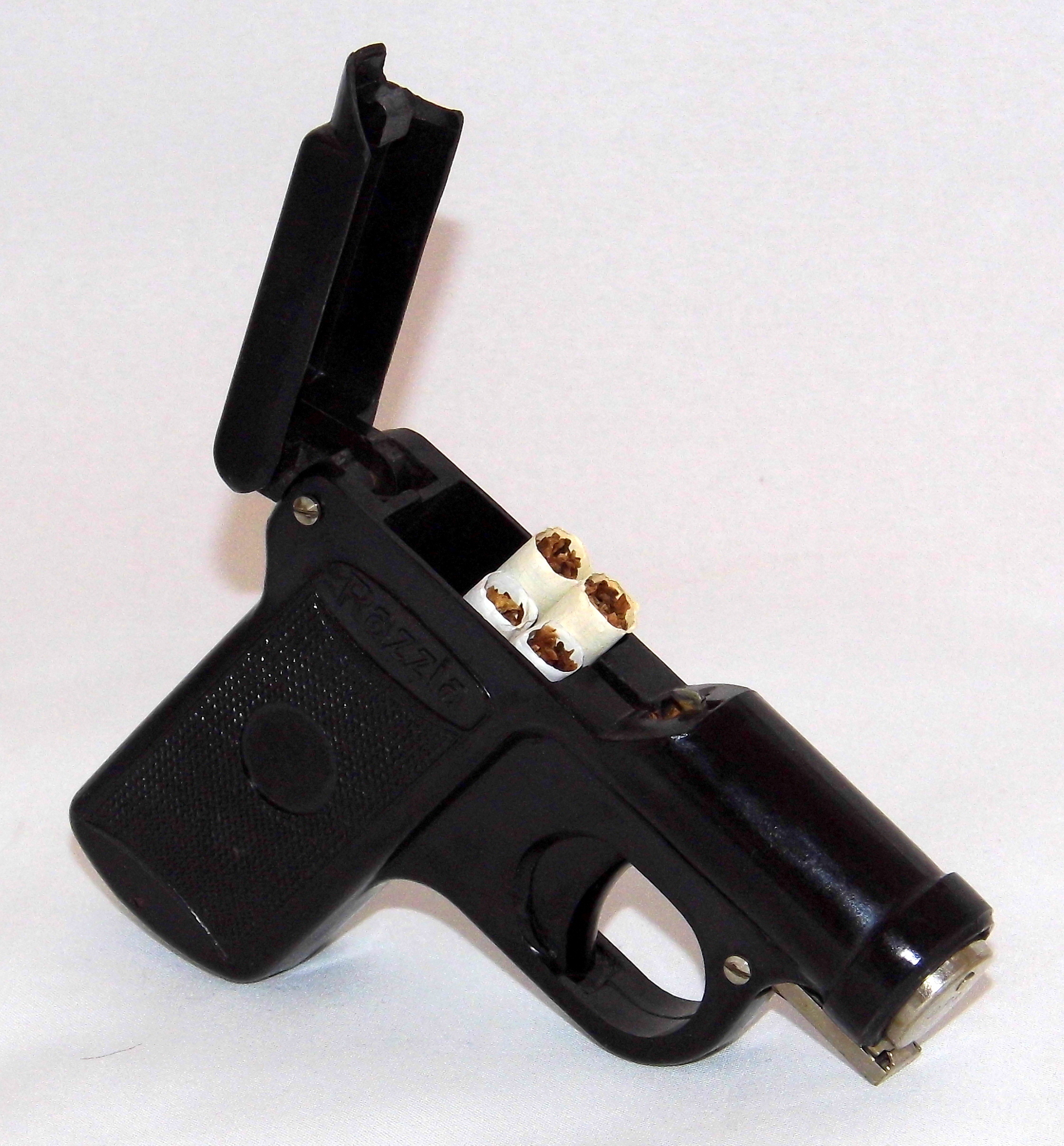
The cigarette case was another everyday object that inspired concealed-weapon designs during the 20th century. A Soviet-era cigarette case pistol, associated with the NKVD and dated to about 1939, appears in International Spy Museum records. The concept was striking because a flat accessory could conceal a firearm without resembling one at first glance. Records indicate there is no known evidence that the example was used. That makes it interesting: espionage history includes experimental weapons whose existence is documented even when their operational record remains unclear.