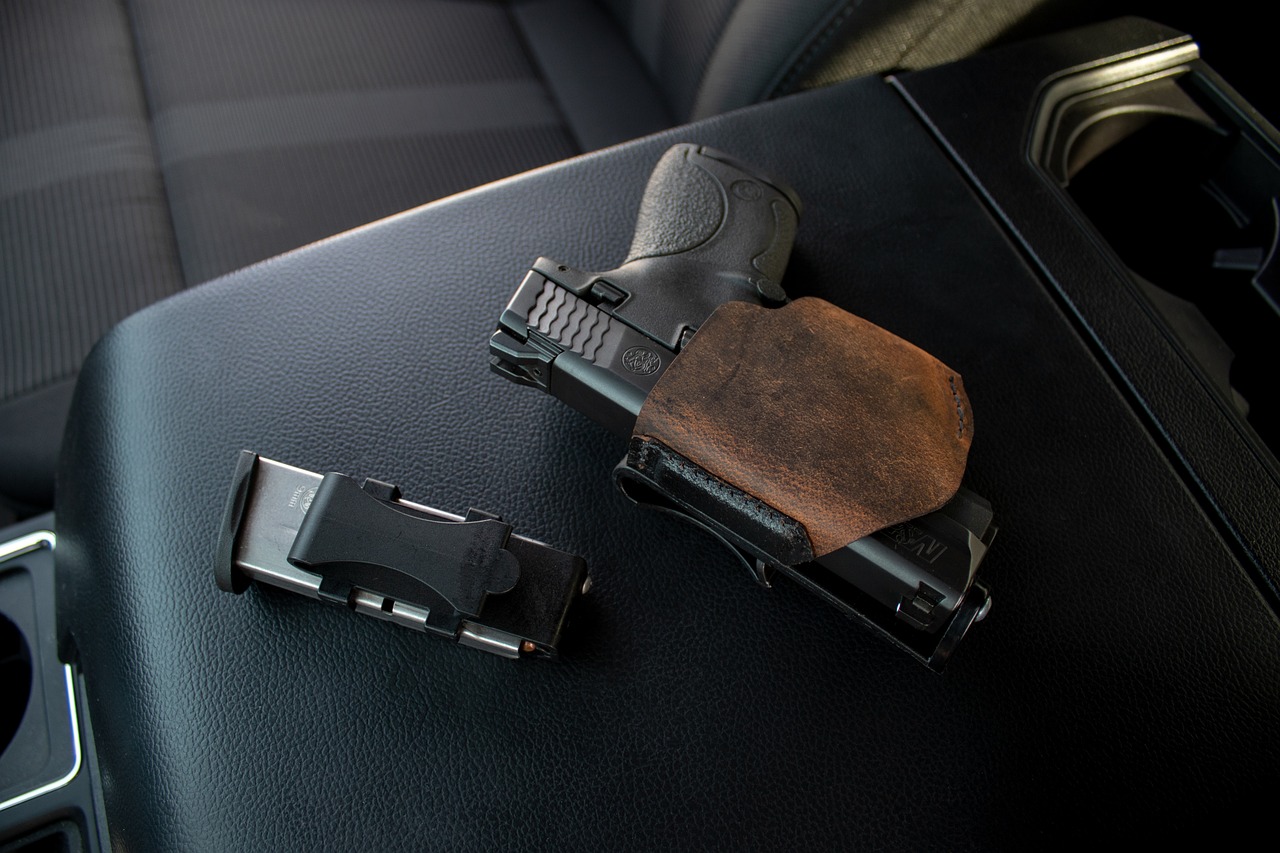
In a market crowded with newer micro-compacts and constant product launches, the M&P Shield still holds an unusual kind of loyalty. People buy one, carry it for years, and often see no real reason to move on. That staying power comes down to a blend of comfort, reliability, shootability, and familiarity that is hard to beat in daily use.
It disappears more easily than larger pistols

The first reason people stick with the Shield is simple: it is easy to live with. Its slim profile makes it far less noticeable under a T-shirt, light jacket, or office clothes, which matters a lot more than spec-sheet bragging once a gun becomes part of a daily routine.
A carry gun only works if it actually gets carried. The Shield earned its reputation by being thin enough for inside-the-waistband use without constantly poking, printing, or demanding a wardrobe overhaul. For many owners, that comfort is what turns occasional carry into everyday carry.
That kind of convenience builds loyalty fast. When something fits your life without fuss, replacing it starts to feel unnecessary.
The ergonomics feel natural to a wide range of shooters

One of the Shield’s quiet strengths is how immediately approachable it feels in the hand. The grip angle, texture, and overall shape tend to work for many shooters without much adjustment, which is a big reason new owners often warm up to it quickly.
It does not try to be flashy. Instead, it offers a practical, straightforward feel that gives people confidence from the first range trip. That matters because comfort at the hand often becomes comfort on the target.
For a lot of carriers, the Shield simply feels right. Once a pistol settles naturally into your grip and routine, the urge to shop for something else usually fades.
It balances concealability with shootability

Tiny pistols are easy to advertise, but they are not always easy to shoot well. The Shield found a middle ground that many people still prefer, offering a compact footprint without becoming so small that practice turns into a chore.
That balance shows up in recoil control, sight tracking, and general handling. Compared with ultra-small pocket guns, the Shield often feels more planted and predictable, which helps average shooters stay faster and more accurate under realistic conditions.
This is where long-term satisfaction really grows. A pistol that hides well but still shoots like a serious tool tends to stay in rotation year after year.
Its reliability record gives owners confidence

Reliability is not glamorous, but it is the trait that matters most once the novelty wears off. The Shield built a strong reputation over time as a dependable carry pistol, and that sort of track record carries more weight than marketing language.
Owners who have run their guns through classes, range sessions, and daily carry tend to value consistency above everything else. A pistol that feeds, fires, and functions without drama becomes difficult to replace, especially when trust has been earned over years rather than weekends.
That confidence changes the buying equation. When your current carry gun already feels proven, every new option has to do more than just look interesting.
There are plenty of versions to fit different preferences

Another reason the Shield lasts in people’s holsters is that the lineup grew with the market. Different calibers, sight options, performance-oriented trims, and updated variants gave owners room to refine their setup without abandoning the platform they already knew.
That flexibility matters. Someone can start with a basic model, later move to upgraded sights or a newer Shield configuration, and still keep the same general manual of arms and familiar handling. It feels more like an evolution than a reset.
For many buyers, that makes the Shield a comfortable long-term home base. You can adapt around it instead of replacing it outright.
Training familiarity becomes a reason to keep it

The longer someone carries the same pistol, the more valuable familiarity becomes. Draw stroke, reloads, sight picture, trigger feel, and recoil pattern all start to blend into muscle memory, and that kind of repetition is hard to put a price on.
Switching guns can be fun, but it also means learning new habits, adjusting timing, and rebuilding confidence. Many carriers eventually decide that consistency is more useful than novelty, especially for something meant to be relied on in stressful moments.
That is why the Shield often survives trend cycles. Once a gun becomes second nature, replacing it can feel less like an upgrade and more like an unnecessary interruption.
It still does the job without demanding attention

The Shield’s biggest advantage may be that it remains refreshingly unremarkable in the best sense. It is not carried because it is the newest, rarest, or most talked-about pistol. It is carried because it keeps solving the same everyday problem efficiently.
For most people, that is the real test. A good carry gun should be dependable, comfortable, familiar, and easy to trust, not a constant project or conversation piece. The Shield continues to check those boxes with very little drama.
That is why so many owners never replace it. When a tool quietly proves itself over time, loyalty tends to follow.