A stranger on your property can trigger fear, anger, and a strong urge to act fast. But the wrong move can turn a simple trespassing issue into a legal nightmare. This gallery walks through smart, measured ways to protect yourself, your home, and your rights while avoiding actions that could come back to haunt you.
Use a calm verbal warning if it is safe

If the situation appears low risk, a clear verbal warning can be enough. In a steady voice, tell the person they are on private property and need to leave immediately. Keep your words short, direct, and neutral. This is not the moment for insults, threats, or a heated lecture.
Often, people back off when they realize they have been noticed. Just as important, your calm tone helps show that you were trying to de-escalate rather than provoke. If the person ignores you, argues, or moves closer, stop engaging and shift to documenting and calling for help.
Do not physically remove the person

Putting your hands on a trespasser is where a property problem can suddenly become an assault claim. Even if you feel justified, physically grabbing, shoving, or dragging someone off your land can expose you to legal risk, especially if the person is injured or says they felt threatened.
That risk grows if the trespasser is a minor, elderly, intoxicated, or appears to be having a mental health crisis. In many cases, the smarter move is to avoid contact entirely and let law enforcement handle removal. Protecting your rights often means resisting the urge to do the job yourself.
Call 911 when there is an immediate threat

If the person is trying to enter your home, acting violently, making threats, carrying a weapon, or refusing to leave while behaving aggressively, treat it as an emergency. Call 911 and give dispatch the clearest details you can, including location, behavior, appearance, and whether anyone is in danger.
Try to stay on the line if instructed. Keep yourself in a secure place and avoid stepping outside to keep an eye on the person. In a high-stress moment, the most useful thing you can do is become a reliable source of information, not another variable in the chaos.
Call local police on the non-emergency line when appropriate

Not every trespass calls for flashing lights and sirens. If the person has already left, seems nonviolent, or is loitering without an immediate threat, your local non-emergency line may be the better route. It signals that you want the issue documented and addressed without overstating what is happening.
That distinction matters. Reporting accurately helps officers respond appropriately and helps you avoid claims that you exaggerated events. A calm, factual report also creates a cleaner record if the trespasser returns or the pattern becomes more serious over time.
Document what you see without escalating
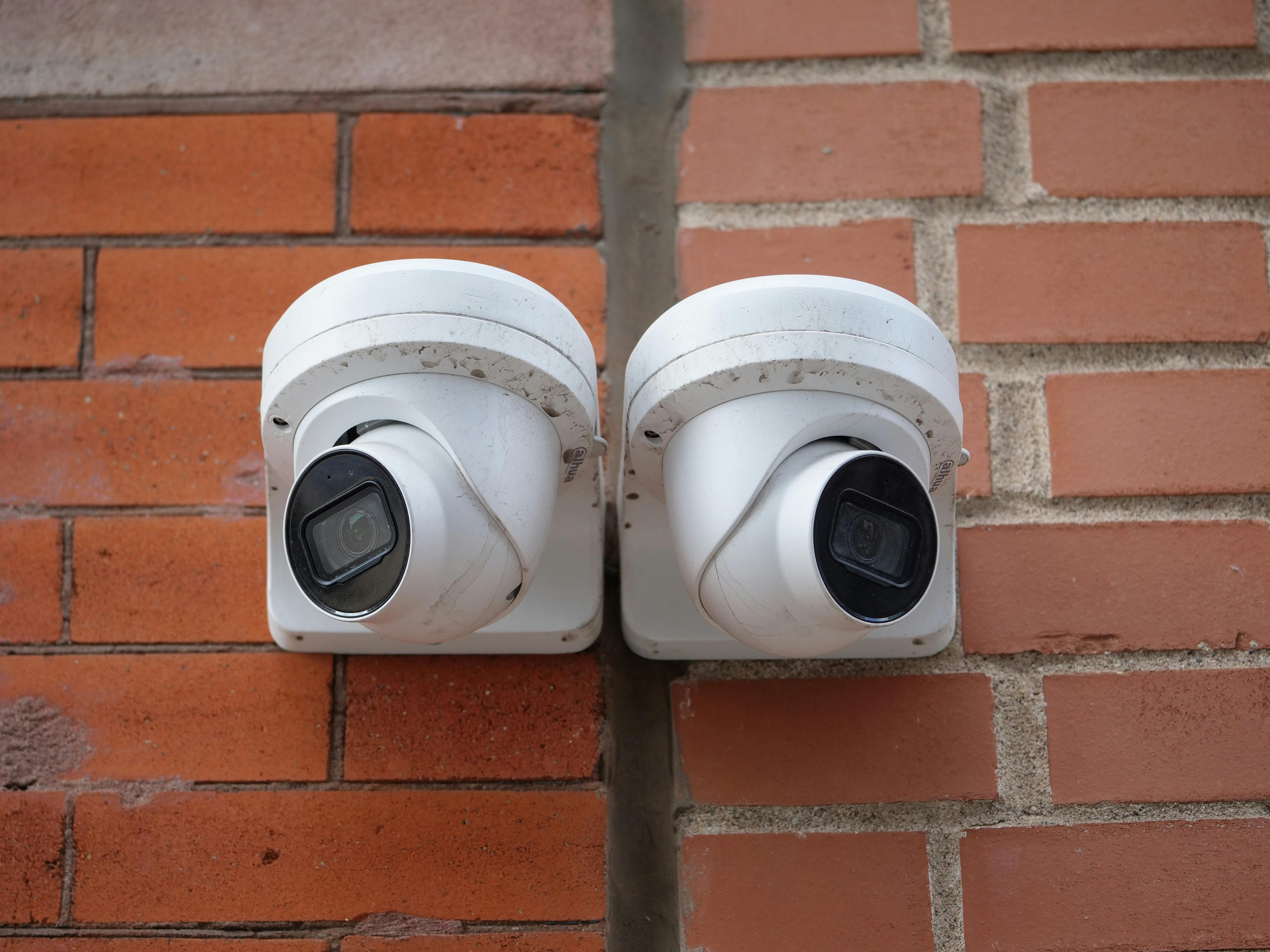
Good documentation can protect you later, but only if you gather it safely. Security camera footage, time-stamped photos, and notes about what the person did, said, and when they arrived can all be useful. If you record video on your phone, do it from a secure location rather than walking closer for a dramatic shot.
What you are creating is a factual record, not a social media moment. Avoid taunting, narrating wildly, or posting the encounter online in real time. The cleaner and calmer your documentation is, the more credible it tends to look if police, insurers, or a court ever review it.
Avoid threats, traps, and vigilante tactics
Threatening to shoot someone, setting up booby traps, releasing a dog to attack, or trying to teach a trespasser a lesson can create enormous legal problems. Even if you are frustrated, retaliatory behavior often looks far worse than the original trespass once injuries, recordings, or witness statements enter the picture.
The law generally gives people wide room to protect themselves, but very little room to punish others out of anger. If your response seems designed to scare, injure, or humiliate rather than stop the intrusion, you may become the focus of the case instead of the person who wandered onto your property.
Be especially careful with children or vulnerable people

A trespasser is not always a criminal in the usual sense. Sometimes it is a child retrieving a ball, an older adult who is disoriented, or someone in visible distress. In those moments, your response should be measured and humane, while still protecting your space and keeping boundaries clear.
That does not mean inviting strangers inside or taking unnecessary risks. It means avoiding force and using common sense. If someone seems lost, injured, or confused, calling police, emergency services, or another appropriate authority is usually safer than trying to manage the situation through intimidation or improvisation.
Use signage, lighting, and barriers to prevent repeat problems
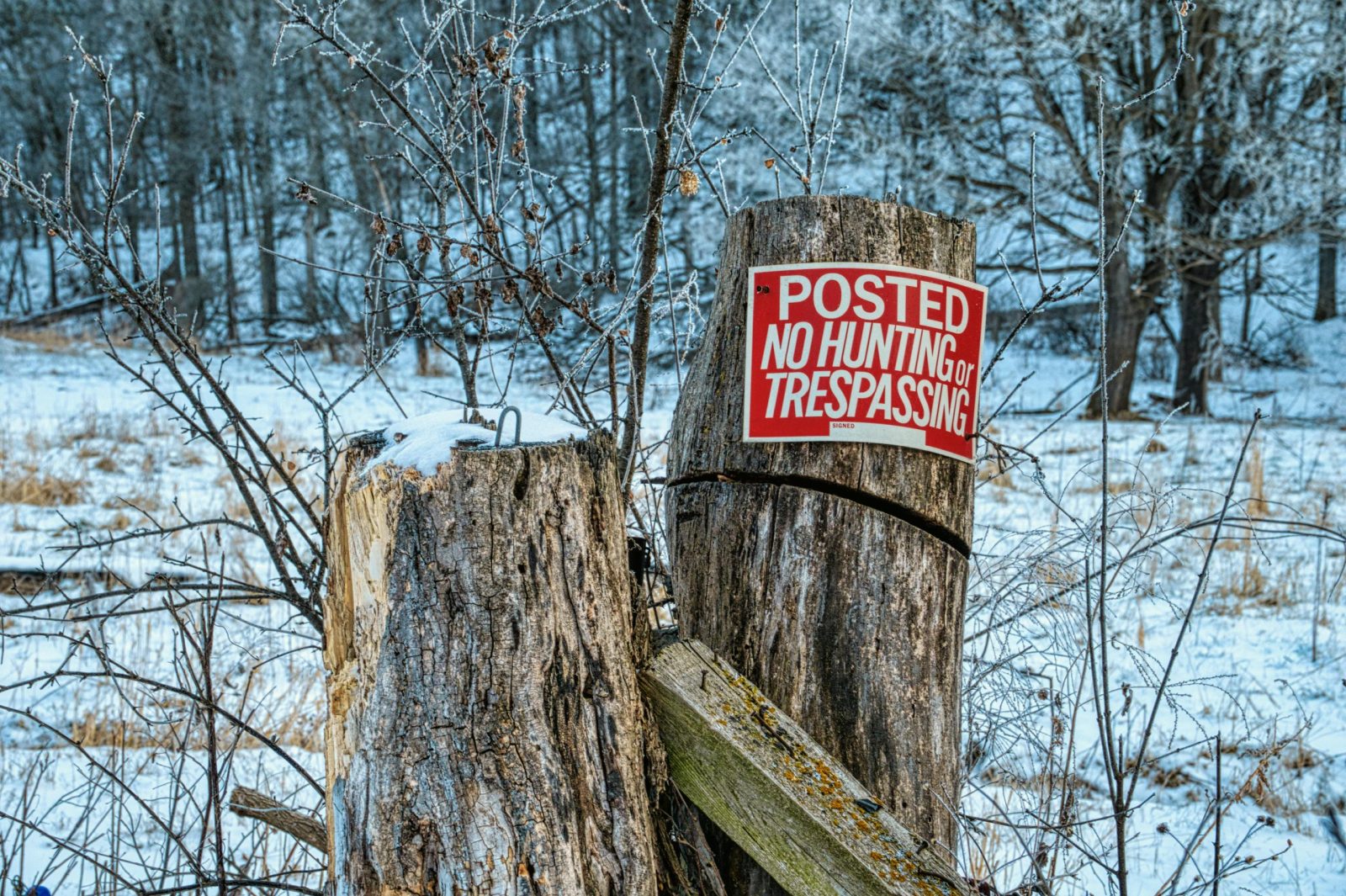
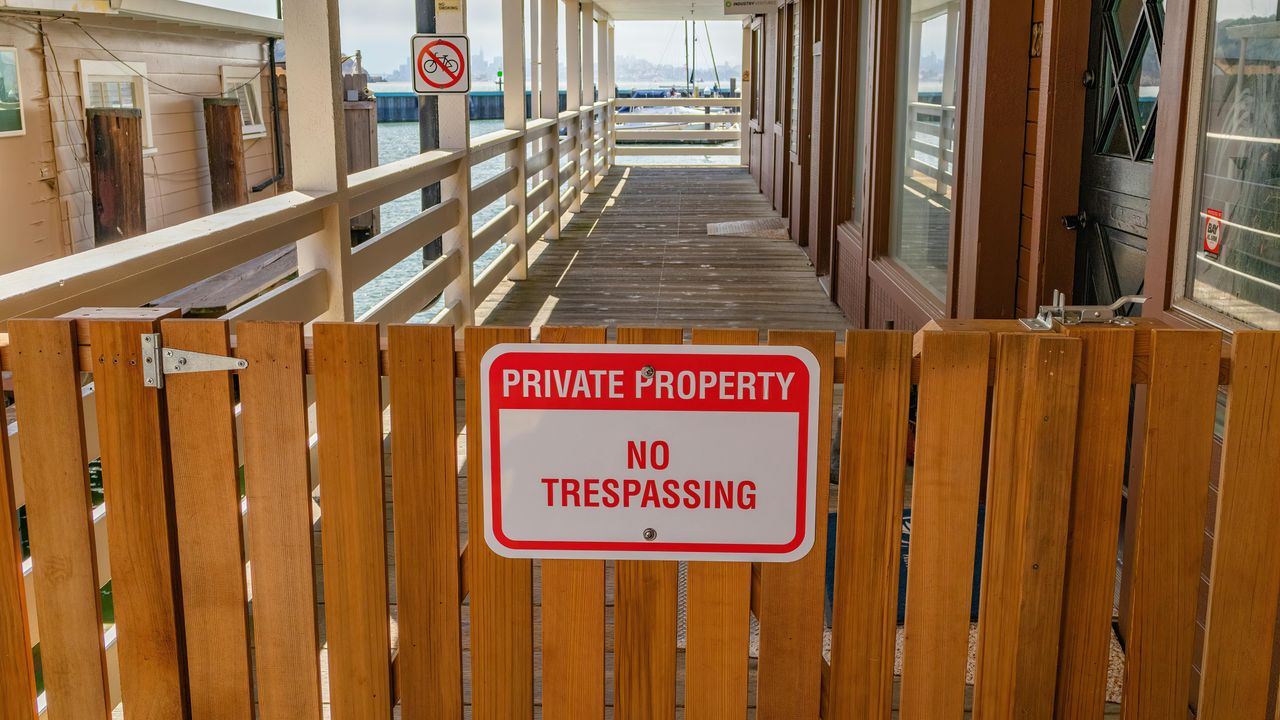
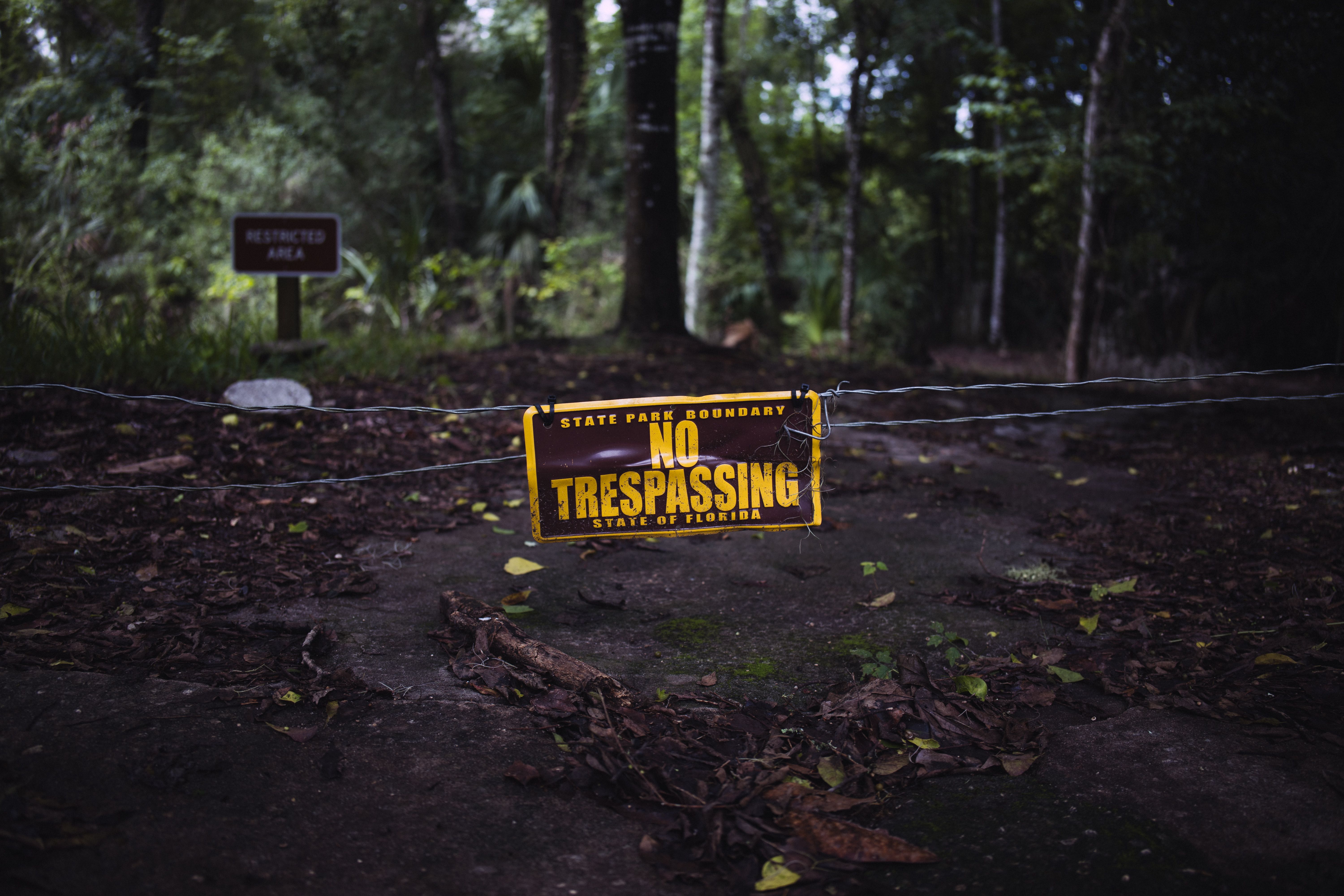
The cleanest trespass situation is the one that never starts. Well-placed motion lights, working cameras, gates, fences, and visible private property or no trespassing signs can make boundaries unmistakable. They also help show that someone who entered had notice, which may matter if law enforcement gets involved later.
Prevention is not glamorous, but it is effective. A dark side yard and a broken latch invite confusion and opportunism. By contrast, a well-lit, clearly marked property tells people they are being seen and that the owner takes access and safety seriously.
Follow up with a report and a plan

After the person leaves, do not just shrug it off if the situation felt serious. Save footage, write down the timeline while it is fresh, and file a report if needed. If the trespasser was a neighbor, contractor, ex-partner, or recurring nuisance, the next step may involve a formal complaint, a warning letter, or advice from an attorney.
Just as important, look at what the incident revealed about your property and habits. Maybe a side gate did not lock, a camera angle missed the approach, or family members were unsure what to do. A calm follow-up turns one unsettling encounter into a smarter plan for the future.